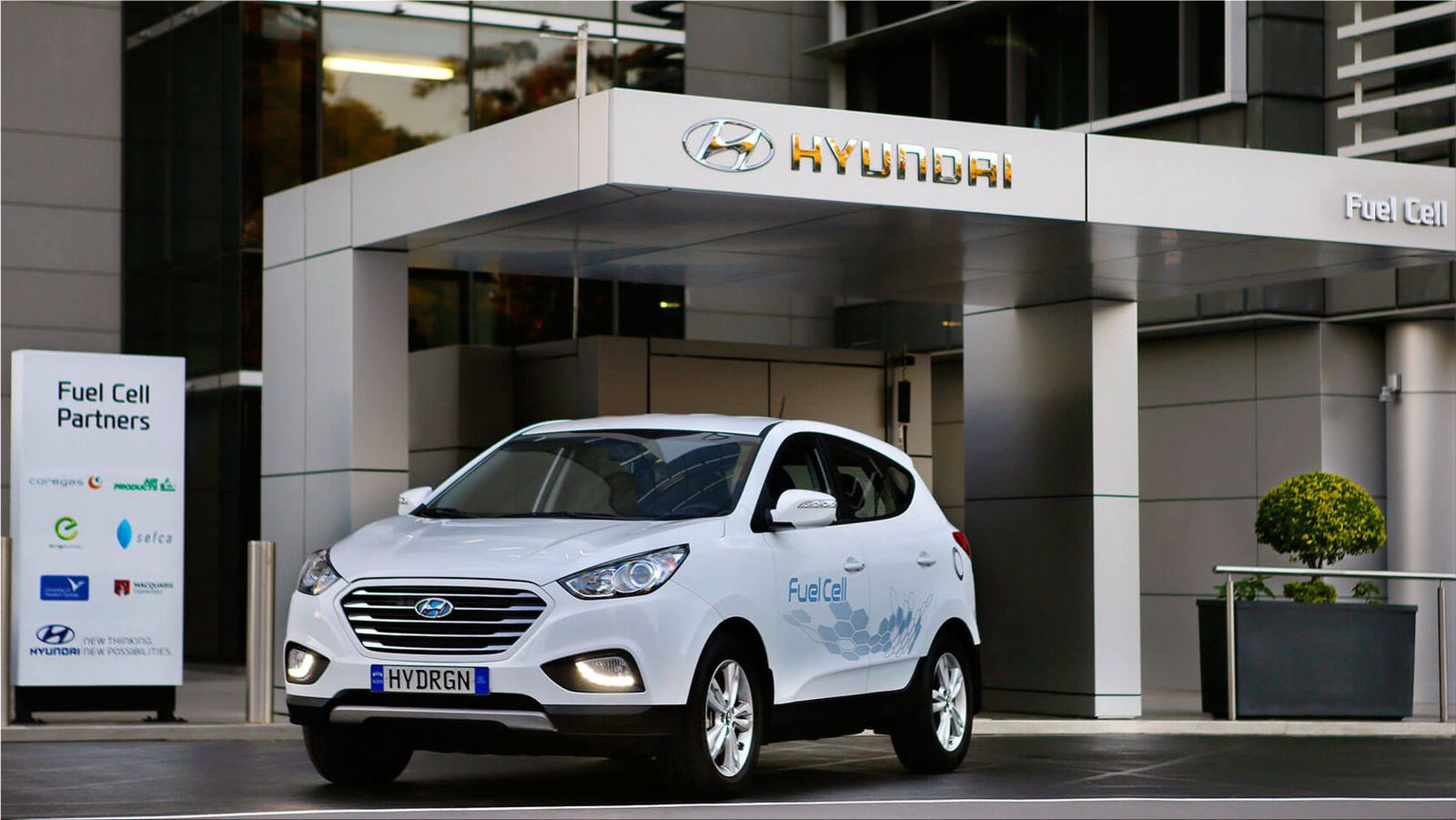
The Japanese automobile manufacturers Toyota, Nissan and Honda, along with eight other companies, have formed Japan H2 Mobility, a company that will be dedicated to the development of hydrogen stations for fuel cell vehicles in Japan.
The objective of Japan H2 Mobility is to gradually increase the number of fuel cell vehicles in Japan and in parallel to make sustainable the hydrogenation business.
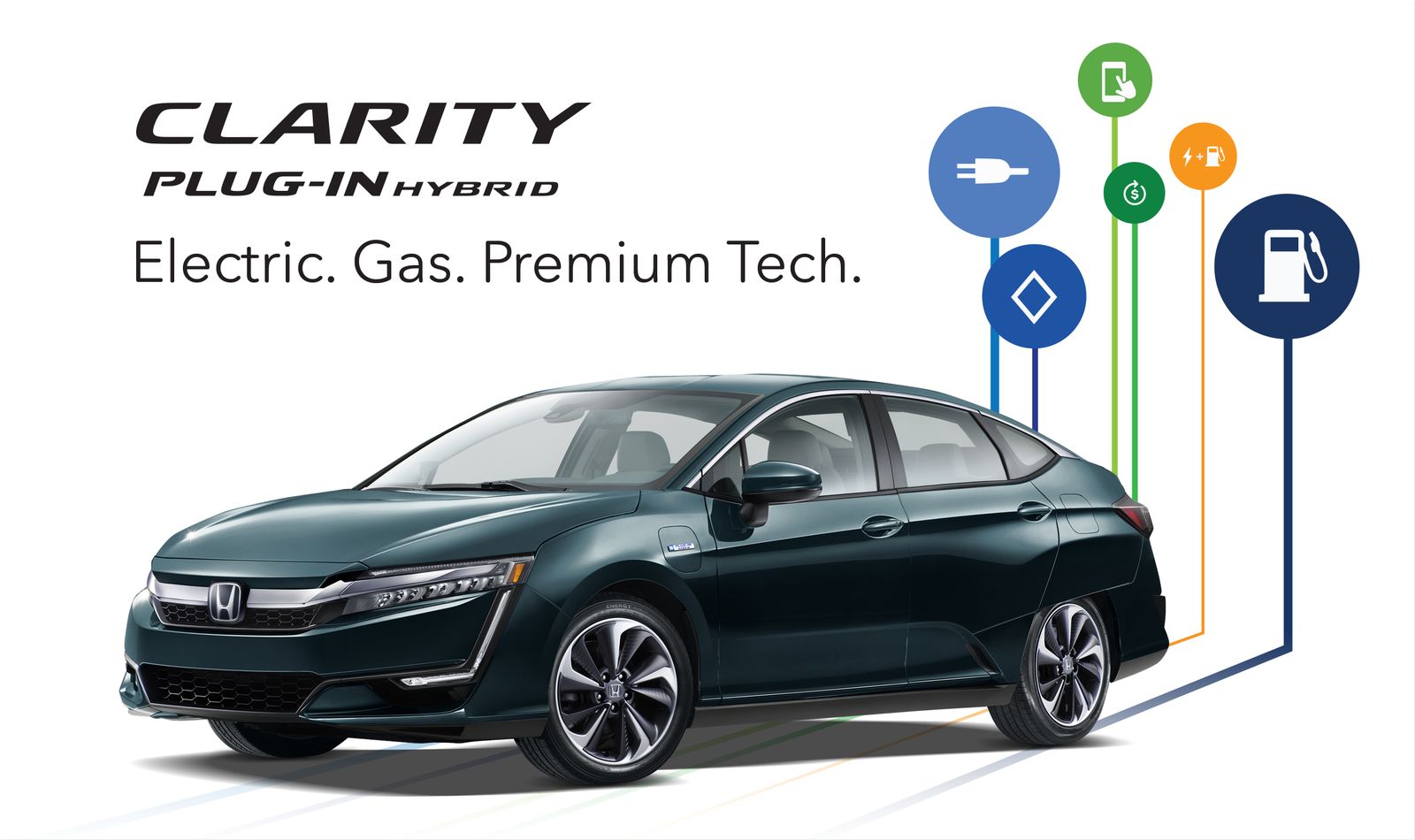
The initial capital of Japan H2 Mobility is $469,948 and will be chaired by Hideki Sugawara. The purpose is to begin the building of 80 stations throughout the country for the year 2021, according to 'Strategic roadmap for hydrogen and fuel cells'.
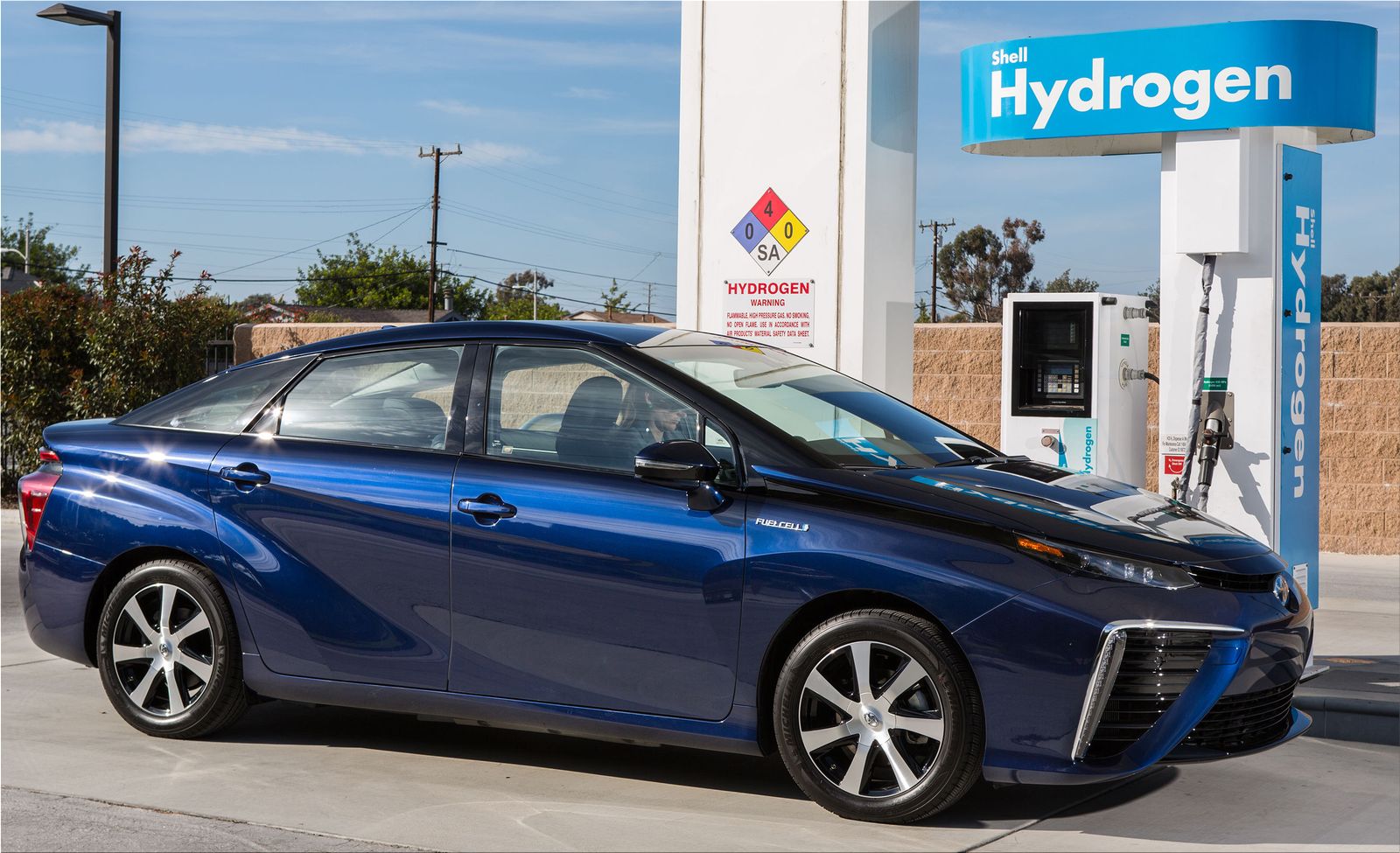
Japan H2 Mobility will start operating in April 2018, with the goal of attracting the maximum possible participation of hydrogenation operators and investors.

The truck manufacturer Volvo Trucks, which plans to start production of its first e-truck in 2019, intends to make battery technology available to its other brands in future in order to reduce development and production costs. According to… Continue reading

The major problem of switching to renewable energy sources is the lack of available technologies for converting electricity derived from solar and wind energy into chemical fuel for long-term storage and in the opposite direction. There… Continue reading

BMW plans to develop next-generation electric drives together with British carmaker Jaguar Land Rover. Companies are hoping to bring new electric vehicles to market faster. Both top-of-the-line manufacturers have recently posted losses in the car business and… Continue reading

Citroën has confirmed the arrival on the market of an electric variant of the Citroën C4 in 2020, which will accompany the traditional combustion variants of the French group. In the last Paris Motor Show, Linda Jackson, CEO of Citroën,… Continue reading