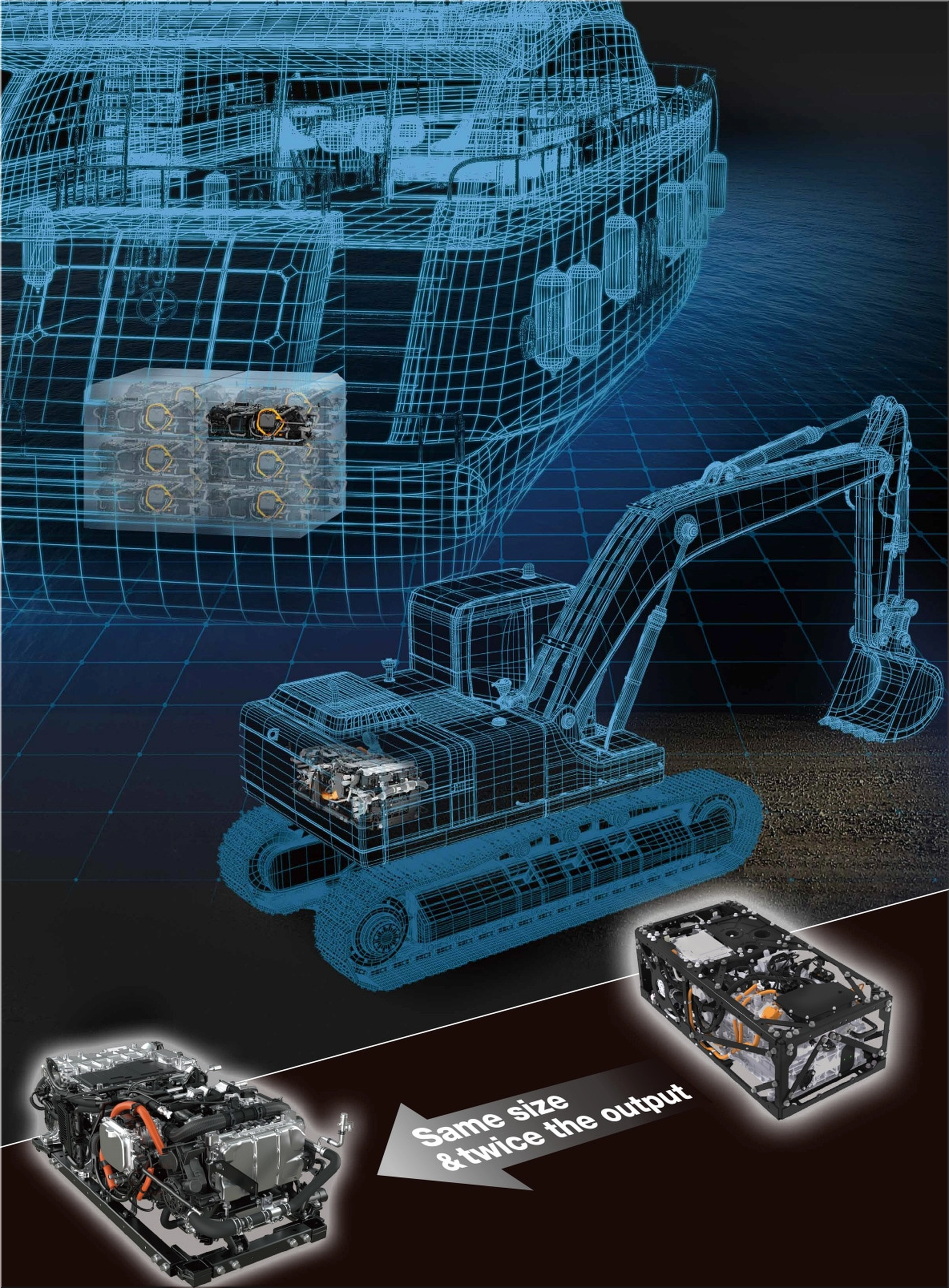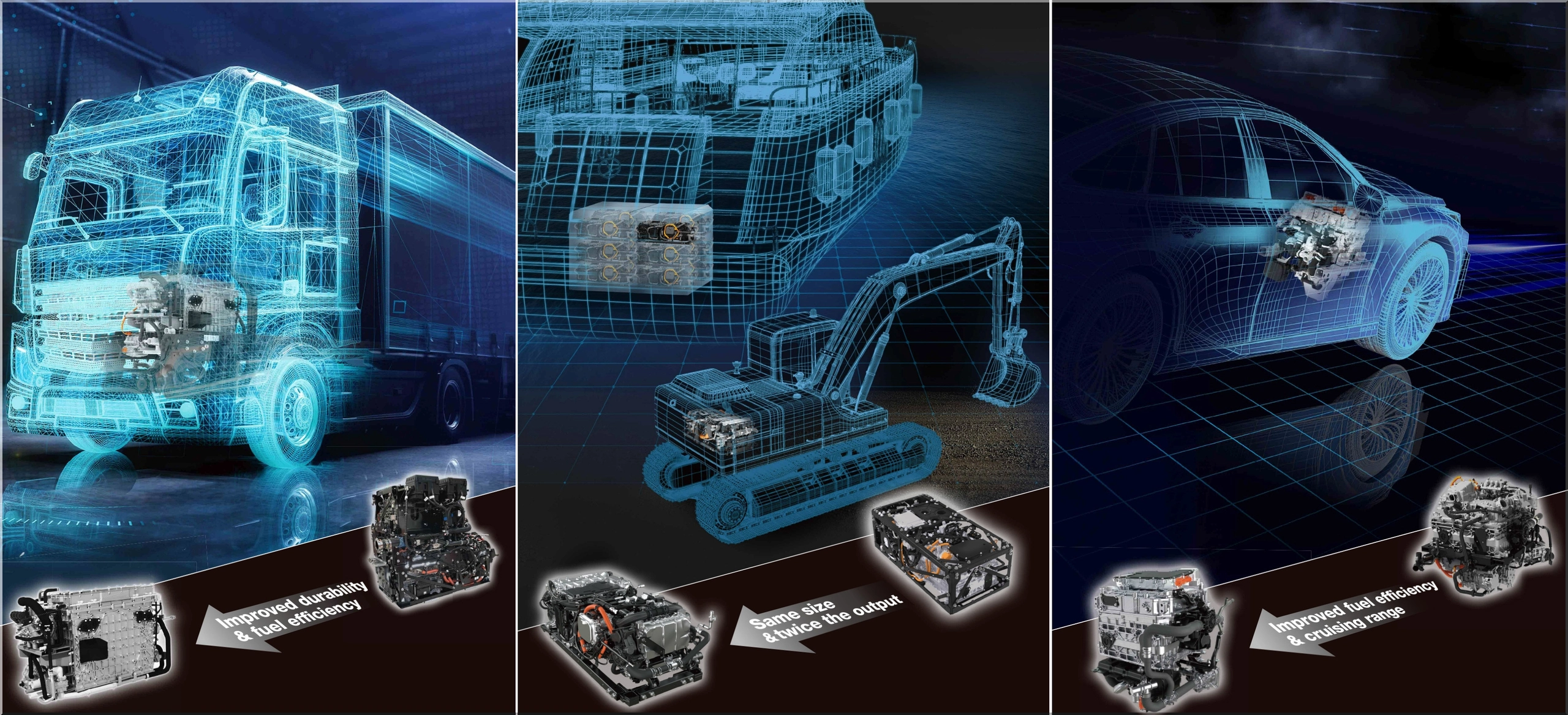
Toyota has unveiled its third-generation fuel cell system (3rd Gen FC System) as part of its long-term commitment to hydrogen-powered mobility and carbon neutrality. With enhanced durability, efficiency, and cost-effectiveness, the new system is expected to drive widespread adoption of hydrogen fuel cell technology across commercial and industrial sectors.
Toyota has been a pioneer in hydrogen fuel cell technology, debuting the first-generation Toyota Mirai in 2014, followed by the second-generation model in 2020. However, passenger vehicles alone cannot achieve large-scale hydrogen adoption. Toyota is now focusing on commercial and heavy-duty applications, where fuel cell technology offers a viable alternative to diesel engines.
The 3rd Gen FC System represents a significant leap forward, combining increased performance with lower production costs. Toyota aims to deploy this system globally, targeting North America, Europe, Japan, and China, with mass production set to begin in 2026.
Key Features of Toyota’s 3rd Gen Fuel Cell System
Toyota's latest fuel cell technology introduces multiple improvements over previous generations. The company has focused on durability, efficiency, and affordability to make hydrogen-powered vehicles more practical for commercial use.
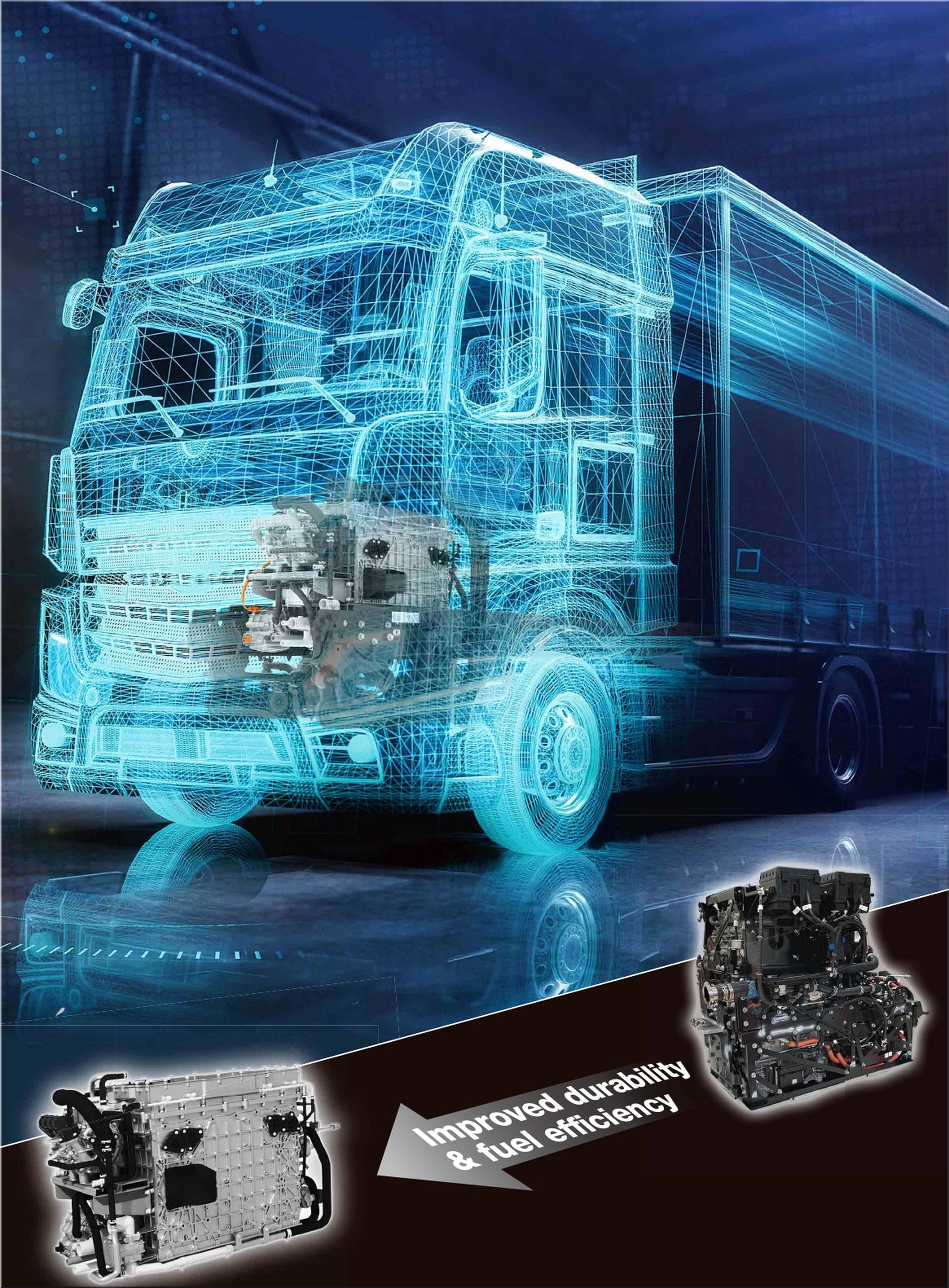
1. Increased Durability and Lifespan
- The new fuel cell stack has a lifespan comparable to diesel engines, meaning operators can expect decades of reliable performance.
- Toyota achieved this by optimizing membrane materials, improving electrode designs, and enhancing cooling efficiency.
- Longevity is crucial for commercial vehicles, which often cover hundreds of thousands of miles over their operational lifetime.
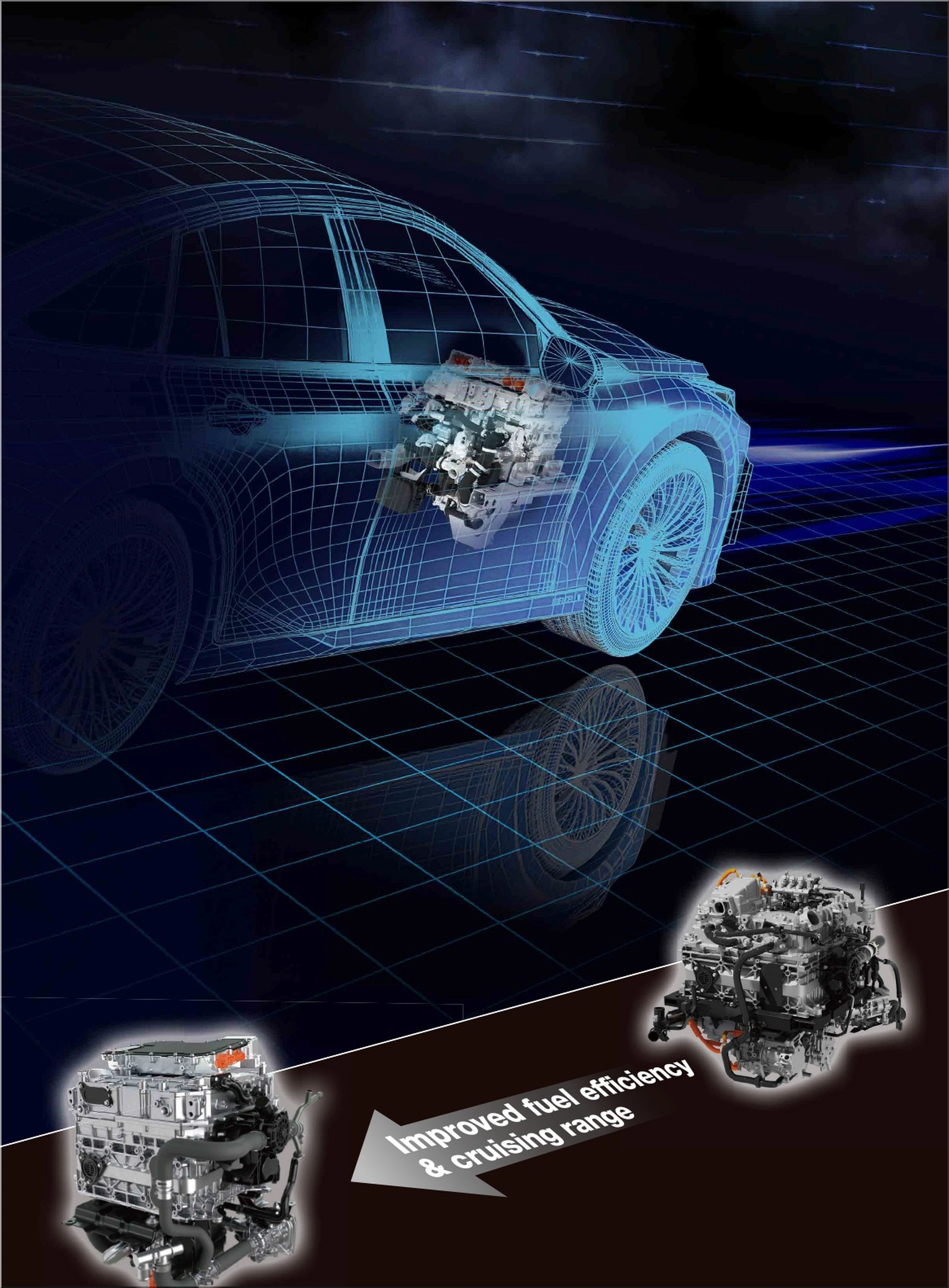
2. Enhanced Fuel Efficiency and Extended Driving Range
- The 3rd Gen FC System delivers a 20% increase in cruising range compared to its predecessor.
- By reducing hydrogen consumption, Toyota enables longer trips between refueling stops, making fuel cell vehicles more practical for daily operations.
- Heavy-duty trucks and buses benefit significantly, as they require high energy density solutions that hydrogen can provide more effectively than battery-electric alternatives.
3. Lower Production Costs
- Toyota has implemented new manufacturing techniques that reduce the cost of fuel cell stack production.
- The company streamlined the assembly process, improved material utilization, and introduced modular design elements.
- These changes make fuel cell technology more competitive with diesel engines, paving the way for broader adoption in industries reliant on long-haul transport.