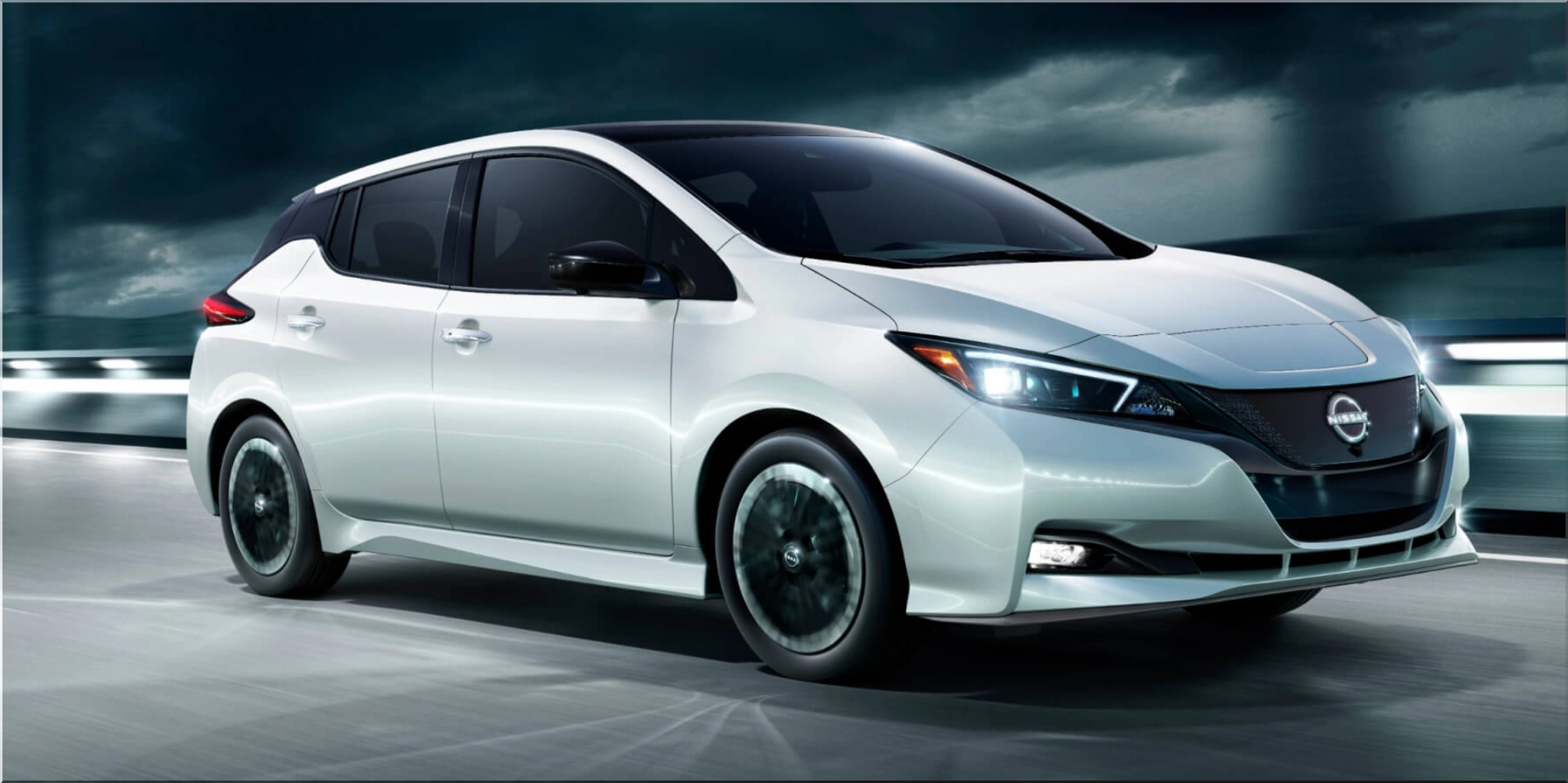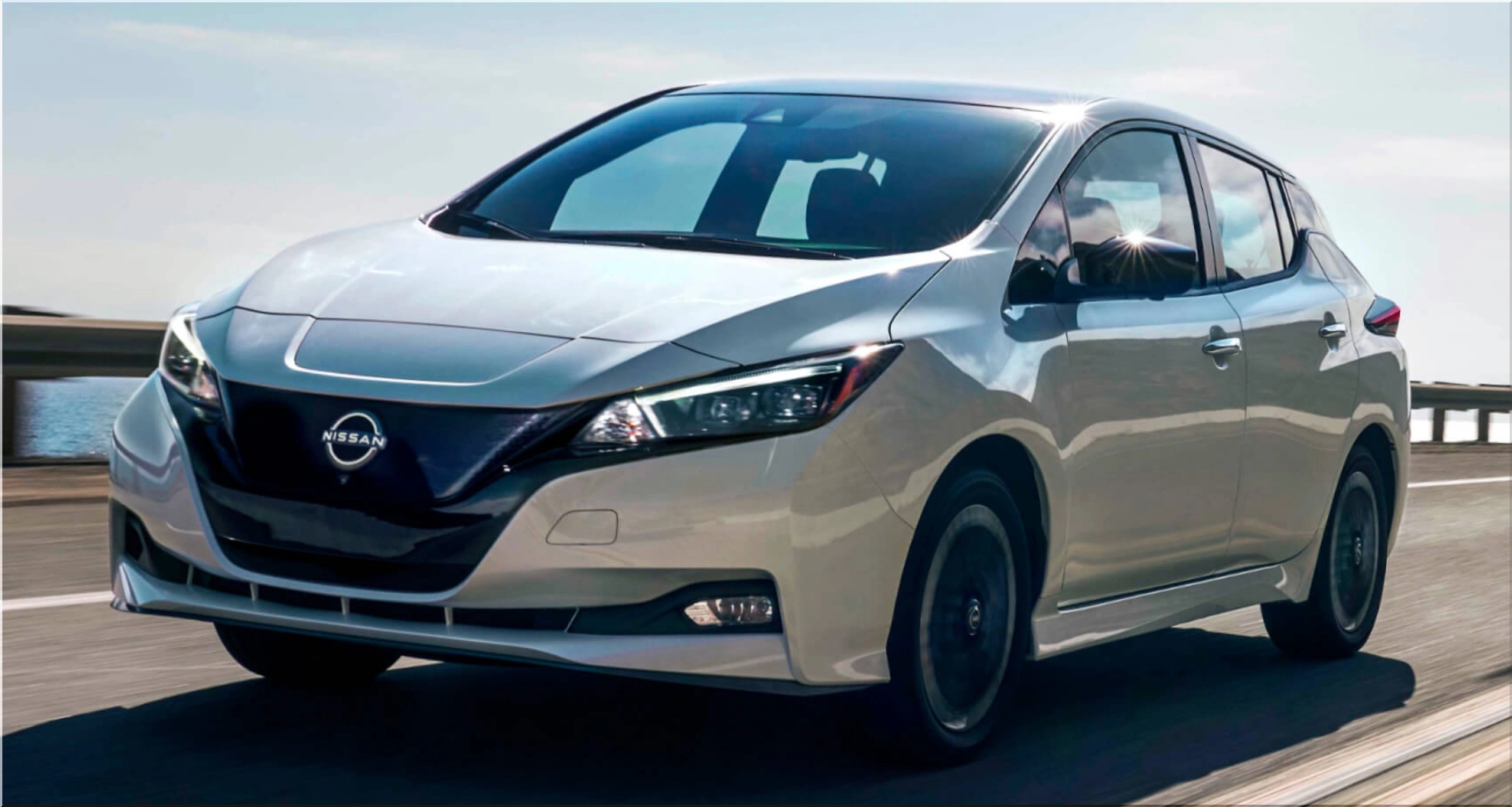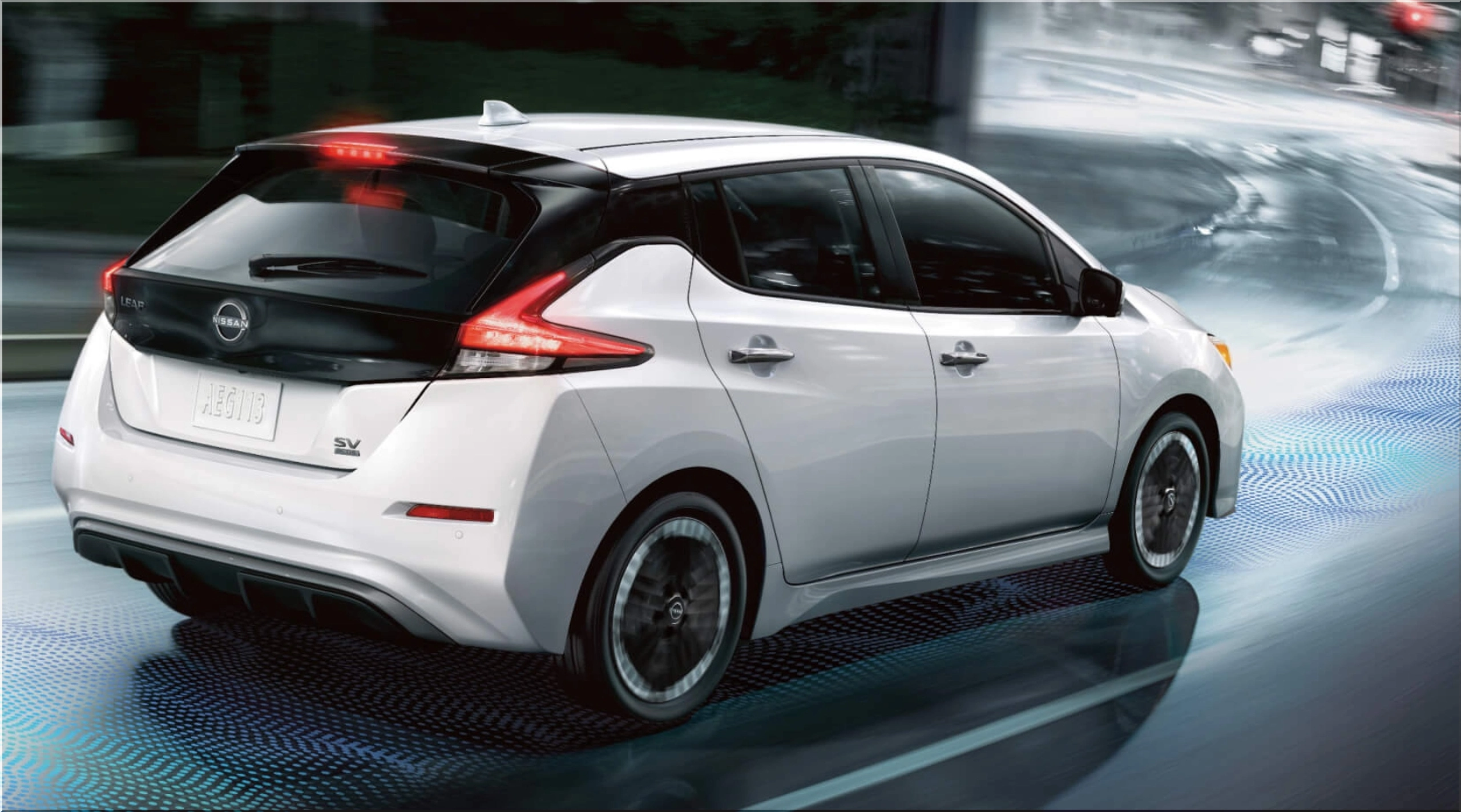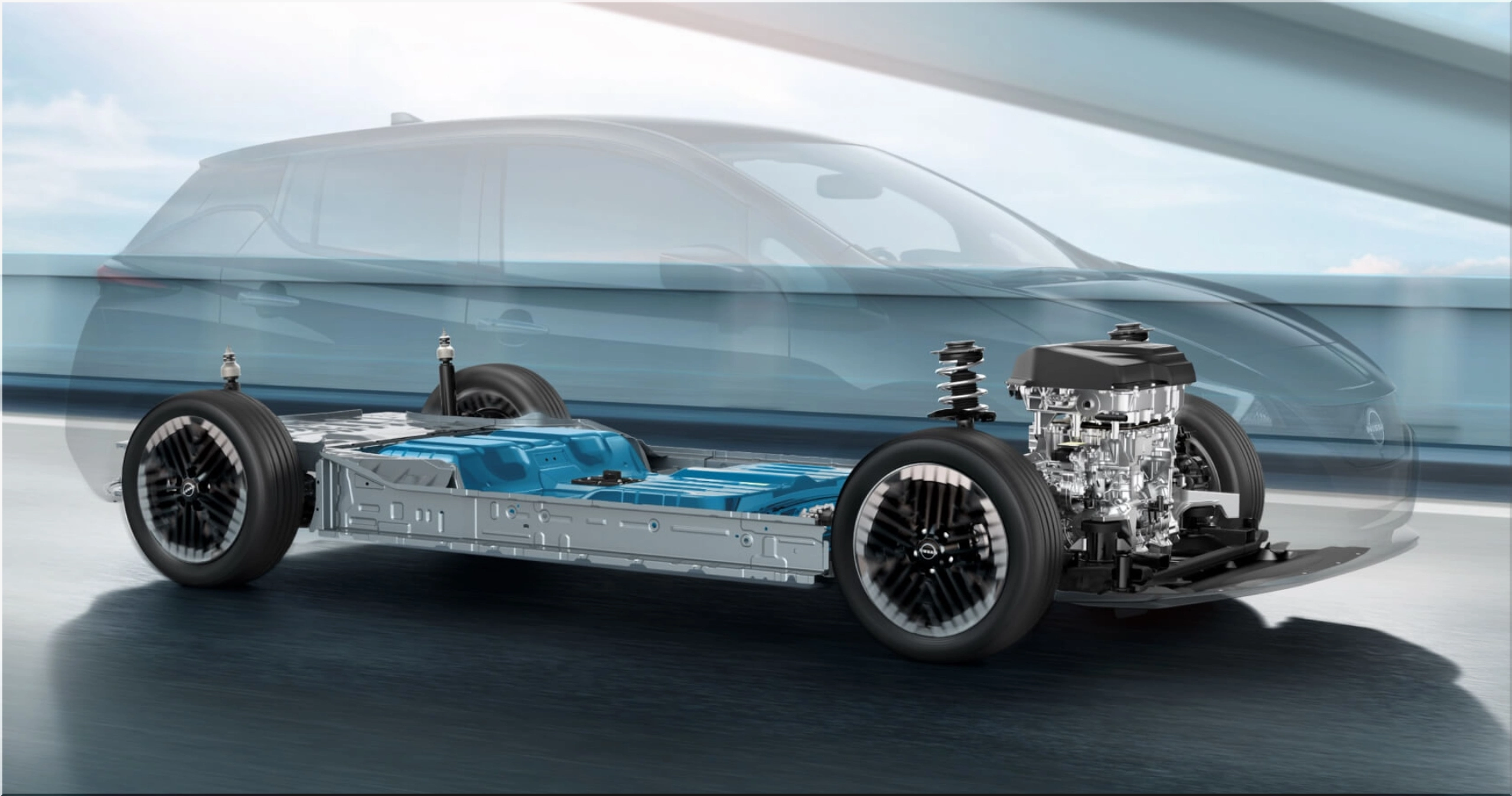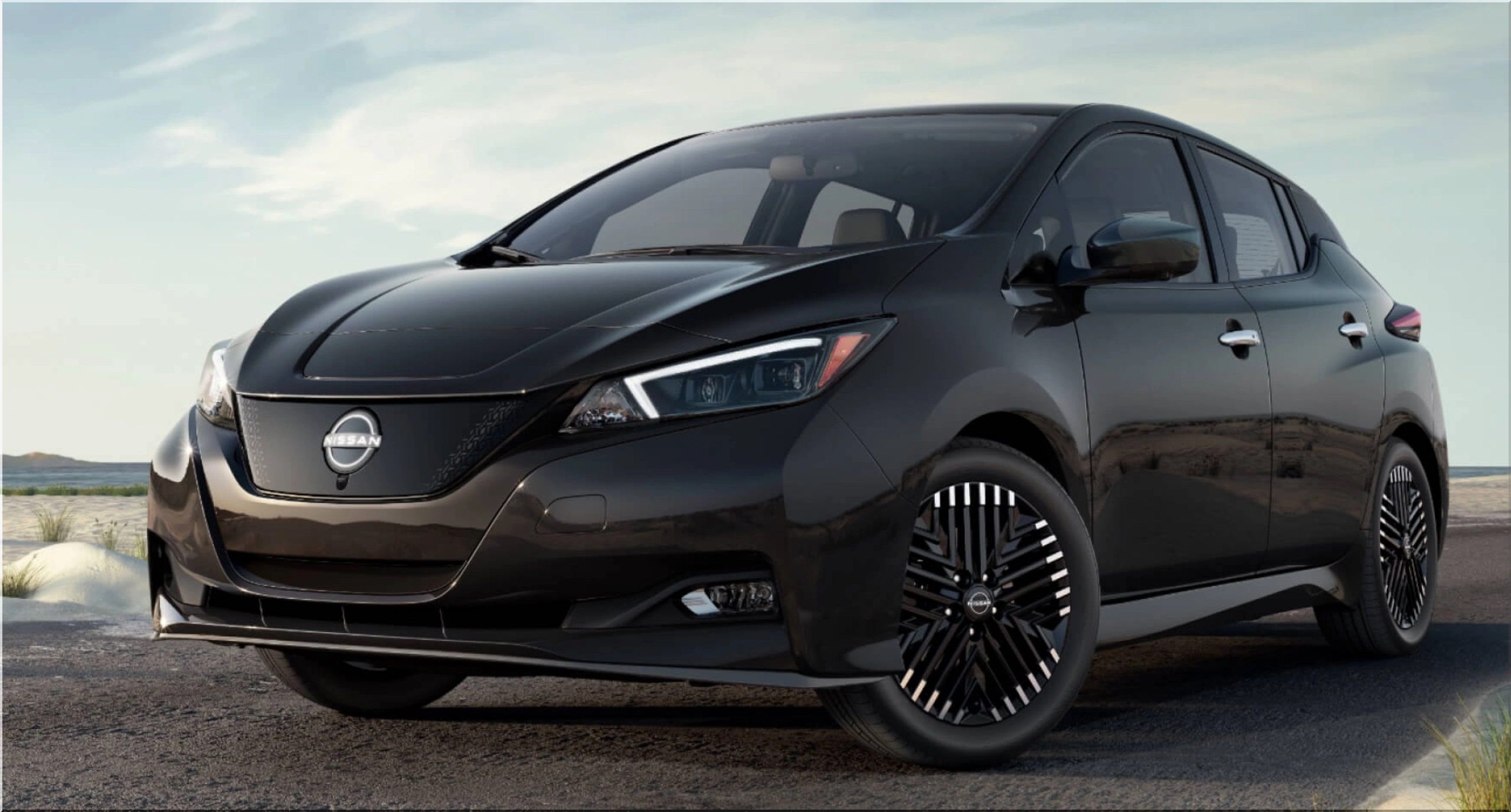
The Nissan Leaf is one of the most popular electric vehicles (EVs) in the world, with over 10 million units sold since its launch in 2010. It is also one of the most affordable EVs, especially in the United States, where the 2024 Nissan Leaf now starts at $24,400. How did the Leaf achieve this remarkable feat? What factors make it such a compelling choice for EV buyers? And how does it compare to other EVs in the market? I will explore the history, features, benefits, and challenges of the Nissan Leaf and analyze how it became the cheapest EV in America.
History of the Nissan Leaf
The Nissan Leaf was the first mass-produced battery electric vehicle (BEV) in the world and the result of decades of research and development by Nissan. The company had experimented with various electric and hybrid prototypes since the 1970s, such as the Tama, the Prairie, the Altra, and the Hypermini. In 2009, Nissan unveiled the Leaf as the world’s first zero-emission vehicle, with a goal of making EVs accessible and affordable for the masses. The Leaf was initially produced at the Oppama plant in Japan and later expanded to plants in the United States and the United Kingdom.
The Leaf has undergone several improvements and upgrades over the years, increasing its range, performance, and efficiency. The first generation Leaf (2010-2017) had a 24 kWh battery pack that offered a range of 117 km (73 miles) on the EPA cycle. The second generation Leaf (2017-present) increased the battery capacity to 40 kWh and later to 60 kWh, boosting the range to 243 km (151 miles) and 364 km (226 miles), respectively. The Leaf also introduced innovative features such as the e-Pedal, which allows the driver to accelerate and decelerate with a single pedal, and the ProPILOT Assist, which provides semi-autonomous driving capabilities.
Features and Benefits of the Nissan Leaf
The Nissan Leaf offers many features and benefits, making it an attractive option for EV buyers. Some of the main ones are:
- Affordability. The Nissan Leaf is one of the most affordable EVs in the market, with a starting price of $24,400 in the United States. This is significantly lower than the average price of a new car in the country, which was $40,857 in 2020. The Leaf also qualifies for a federal tax credit of up to $7,500, depending on the battery size and the buyer’s income. Additionally, the Leaf has low maintenance and operating costs, as it does not require oil changes, spark plugs, or emissions tests, and electricity is cheaper than gasoline in most regions.
- Performance. The Nissan Leaf delivers a smooth and responsive driving experience with instant torque and acceleration. The Leaf has a power output of 110 kW (147 hp) and a torque of 320 Nm (236 lb-ft), which allow it to go from 0 to 100 km/h (0 to 62 mph) in 7.9 seconds. The Leaf also has a top speed of 144 km/h (89 mph) and a regenerative braking system that recovers energy and extends the range. The Leaf’s handling and stability are enhanced by its low center of gravity and its chassis control technologies, such as the Intelligent Trace Control, the Intelligent Ride Control, and the Vehicle Dynamic Control.
- Range. The Nissan Leaf has a range that can meet the needs of most drivers, especially for urban and suburban commuting. The Leaf offers two battery options: a 40 kWh battery that provides a range of 243 km (151 miles), and a 60 kWh battery that provides a range of 364 km (226 miles) on the EPA cycle. The Leaf also has a range indicator that shows the estimated remaining range based on the driving conditions, the battery level, and the climate control settings. Furthermore, the Leaf has a range-optimizing feature called the Eco Mode, which reduces the power output and increases the regenerative braking, and a range-extending feature called the B Mode, which increases the regenerative braking even more.
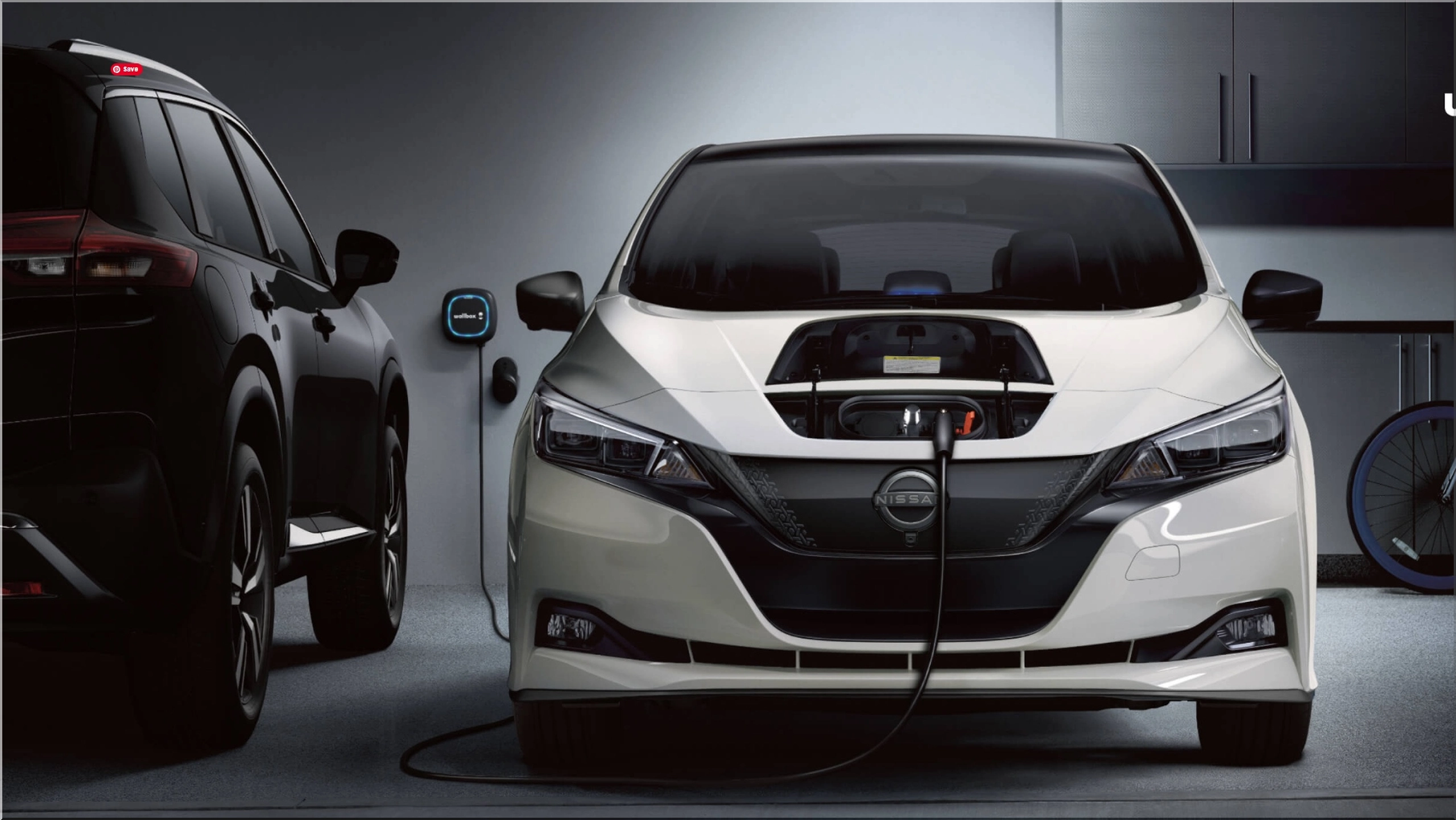
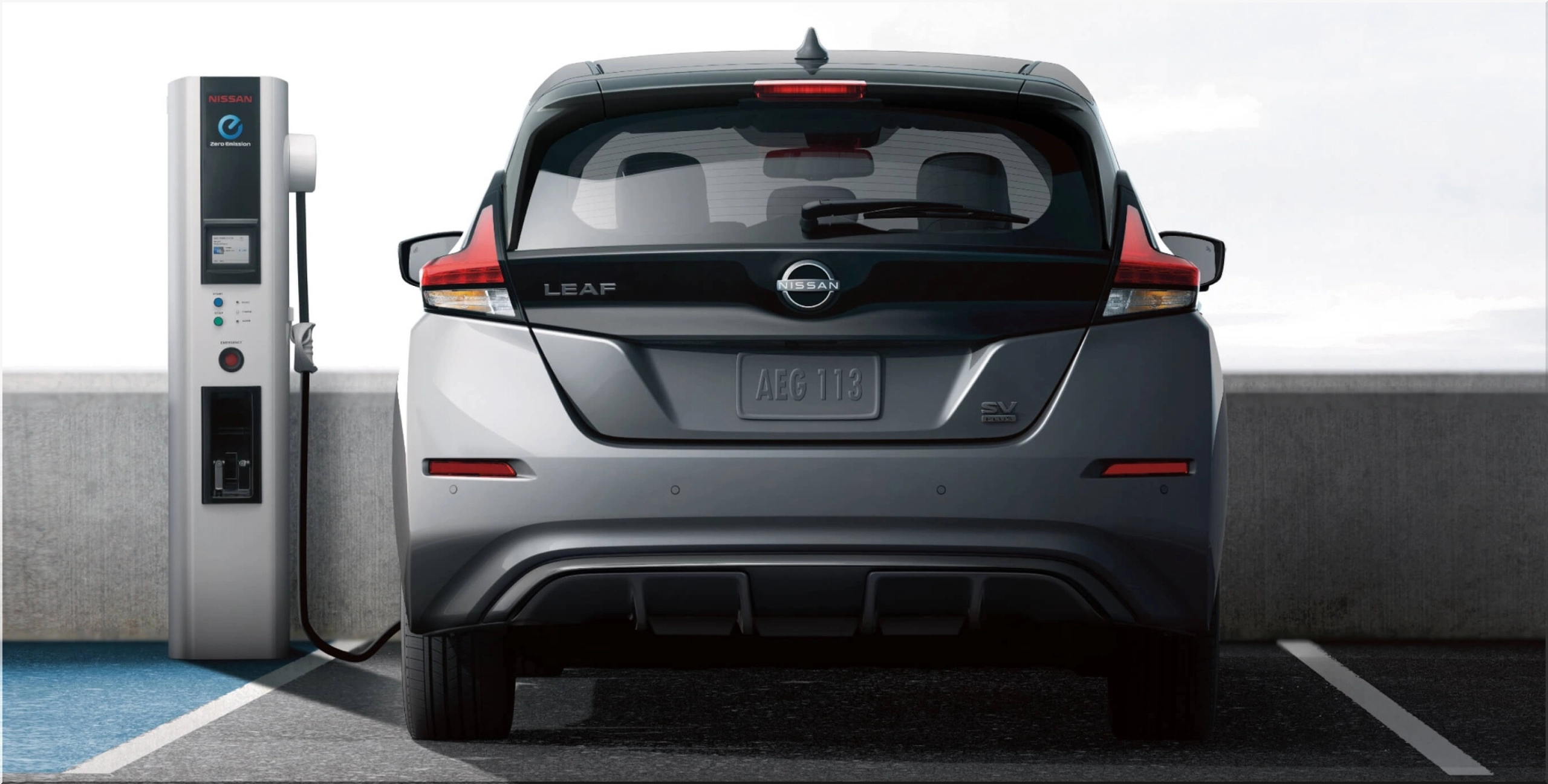
- Charging. The Nissan Leaf has a fast and easy charging system that allows the driver to recharge the battery at home or on the road. The Leaf comes with a standard 6.6 kW onboard charger that can fully charge the 40 kWh battery in about 7.5 hours, and the 60 kWh battery in about 11.5 hours, using a 240-volt outlet. The Leaf also supports DC fast charging, which can charge the 40 kWh battery to 80% in about 40 minutes and the 60 kWh battery to 80% in about 60 minutes, using a CHAdeMO connector. The Leaf has a charging port that can be locked and unlocked remotely and a charging timer that can be programmed to start and stop charging at specific times. The Leaf also has access to a network of over 30,000 public charging stations in the United States, including over 2,000 DC fast chargers.
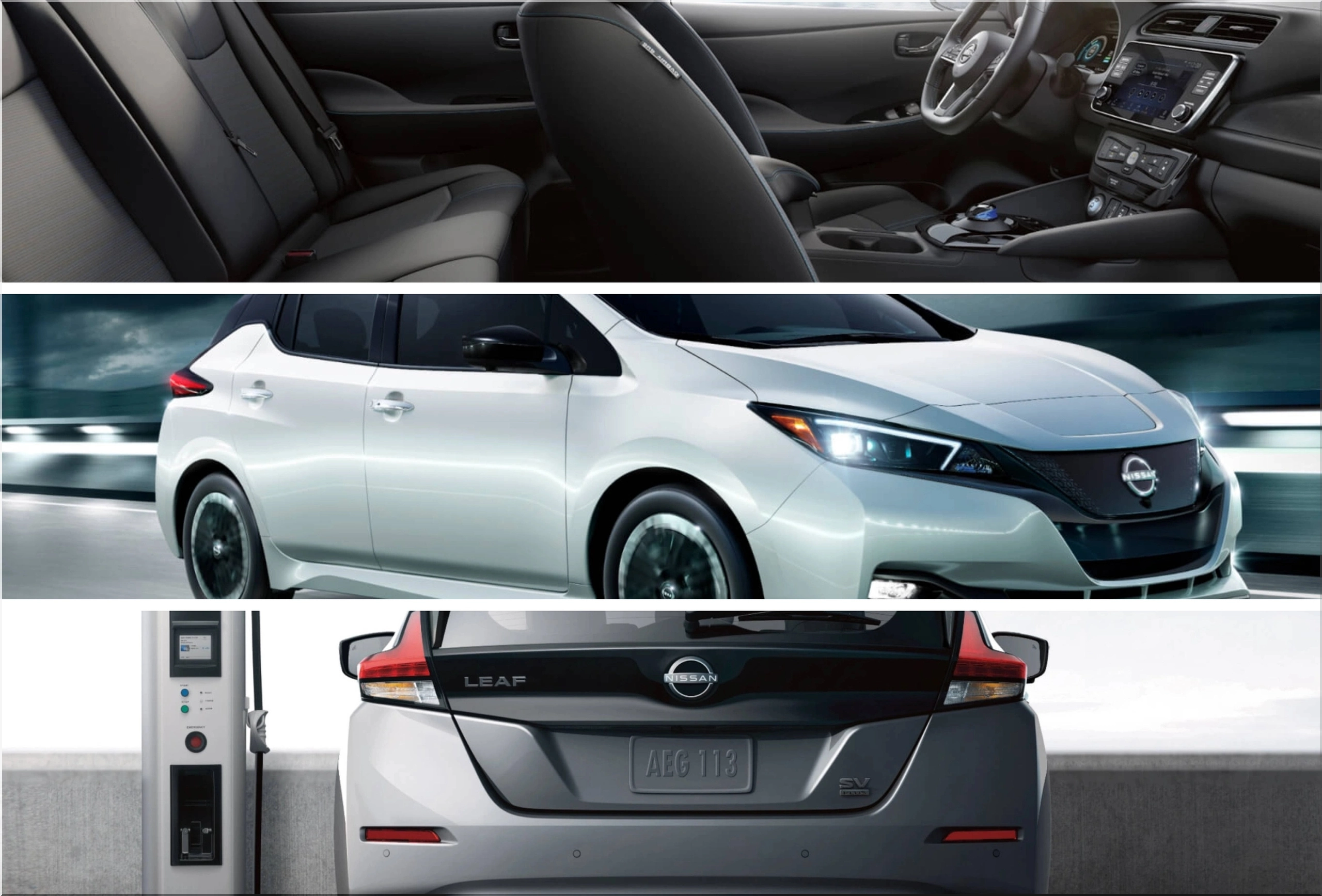
- Technology. The Nissan Leaf has a modern and user-friendly technology system that enhances the comfort, convenience, and safety of the driver and the passengers. The Leaf has an 8-inch touchscreen display that supports Apple CarPlay, Android Auto, Bluetooth, and SiriusXM. The Leaf also has a 7-inch digital instrument cluster that shows the speed, battery level, range, and other information. The Leaf has a NissanConnect EV and Services app that allows the driver to monitor and control the vehicle remotely, such as locking and unlocking the doors, starting and stopping the charging, and adjusting the climate control. The Leaf has a Nissan Intelligent Key that enables keyless entry and start and a Nissan Intelligent Mobility system that provides advanced driver assistance and safety features, such as the ProPILOT Assist, the Intelligent Around View Monitor, the Intelligent Forward Collision Warning, and the Intelligent Emergency Braking.
Challenges and Opportunities for the Nissan Leaf
The Nissan Leaf faces some challenges and opportunities in the competitive and dynamic EV market. Some of the main ones are:
- Competition. The Nissan Leaf competes with other EVs that offer similar or better features, performance, and price. Some of the main rivals of the Leaf are the Tesla Model 3, the Chevrolet Bolt, the Hyundai Kona Electric, and the Volkswagen ID.4. These EVs have advantages over the Leaf in terms of range, charging speed, design, and brand recognition. The Leaf also competes with hybrid and conventional vehicles that have lower upfront costs and wider availability. The Leaf needs to differentiate itself from the competition by highlighting its strengths, such as its affordability, reliability, and innovation.
- Regulation. The Nissan Leaf benefits from the regulation and policy support that promote the adoption of EVs in various markets. For instance, the United States offers a federal tax credit of up to $7,500 for EV buyers and state and local incentives, such as rebates, exemptions, and access to carpool lanes. However, the regulation and policy support are not consistent or stable across different regions and levels of government and may change over time. For example, the federal tax credit phases out after a manufacturer sells 200,000 EVs, and some states have reduced or eliminated their incentives. The Leaf needs to adapt to the changing regulatory environment and advocate for more favorable and sustainable policies.
- Demand. The Nissan Leaf has the potential to increase its demand and market share in the growing EV market. The global EV market is expected to reach 26.9 million units by 2030, with a compound annual growth rate of 21.1% from 2020 to 2030. The United States is one of the largest and fastest-growing EV markets, with a projected 6.9 million units by 2030 and a compound annual growth rate of 29.0% from 2020 to 2030. The Leaf can capitalize on this opportunity by expanding its production and distribution capacity, improving its customer service and satisfaction, and increasing its marketing and awareness campaigns.