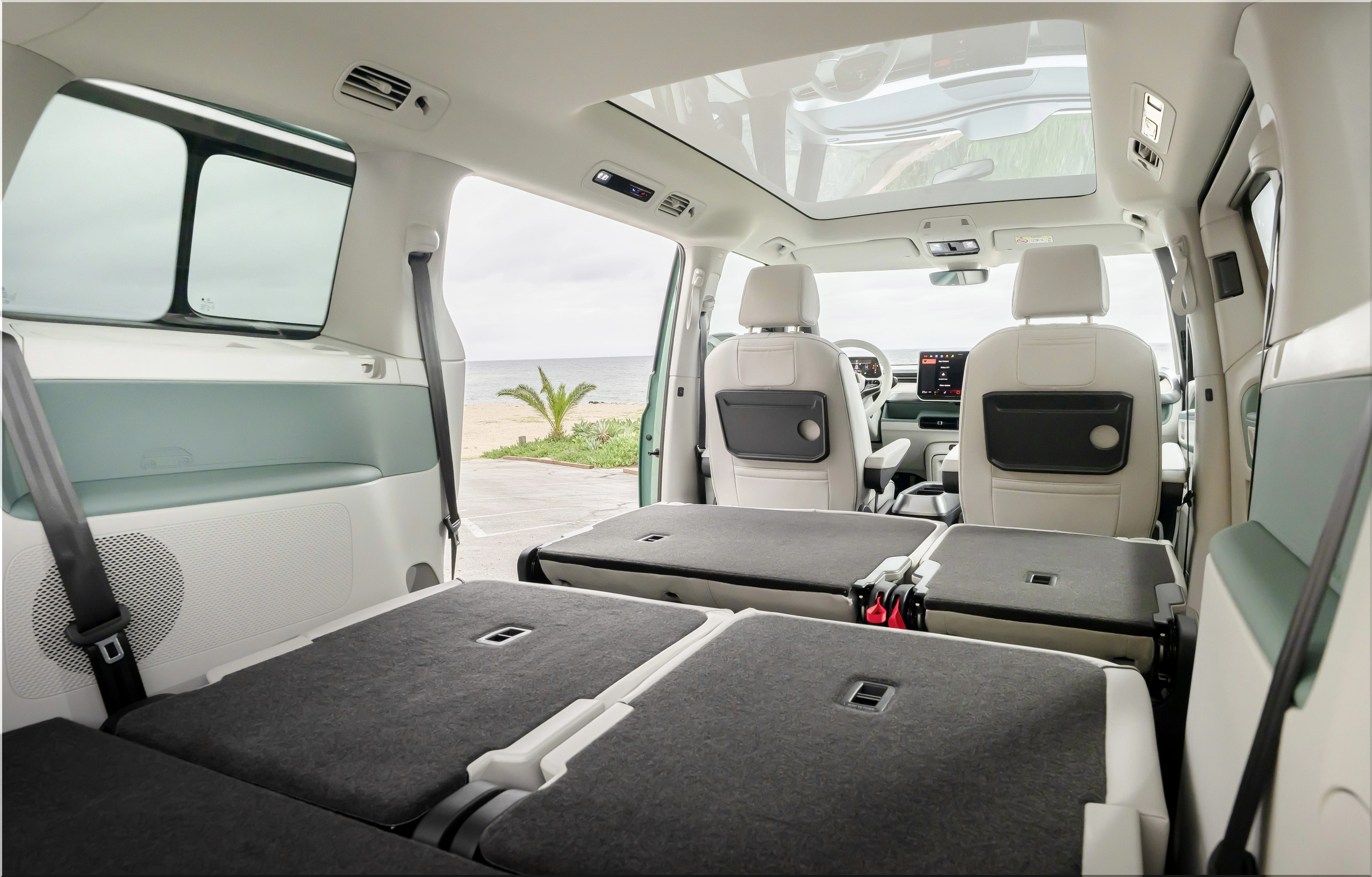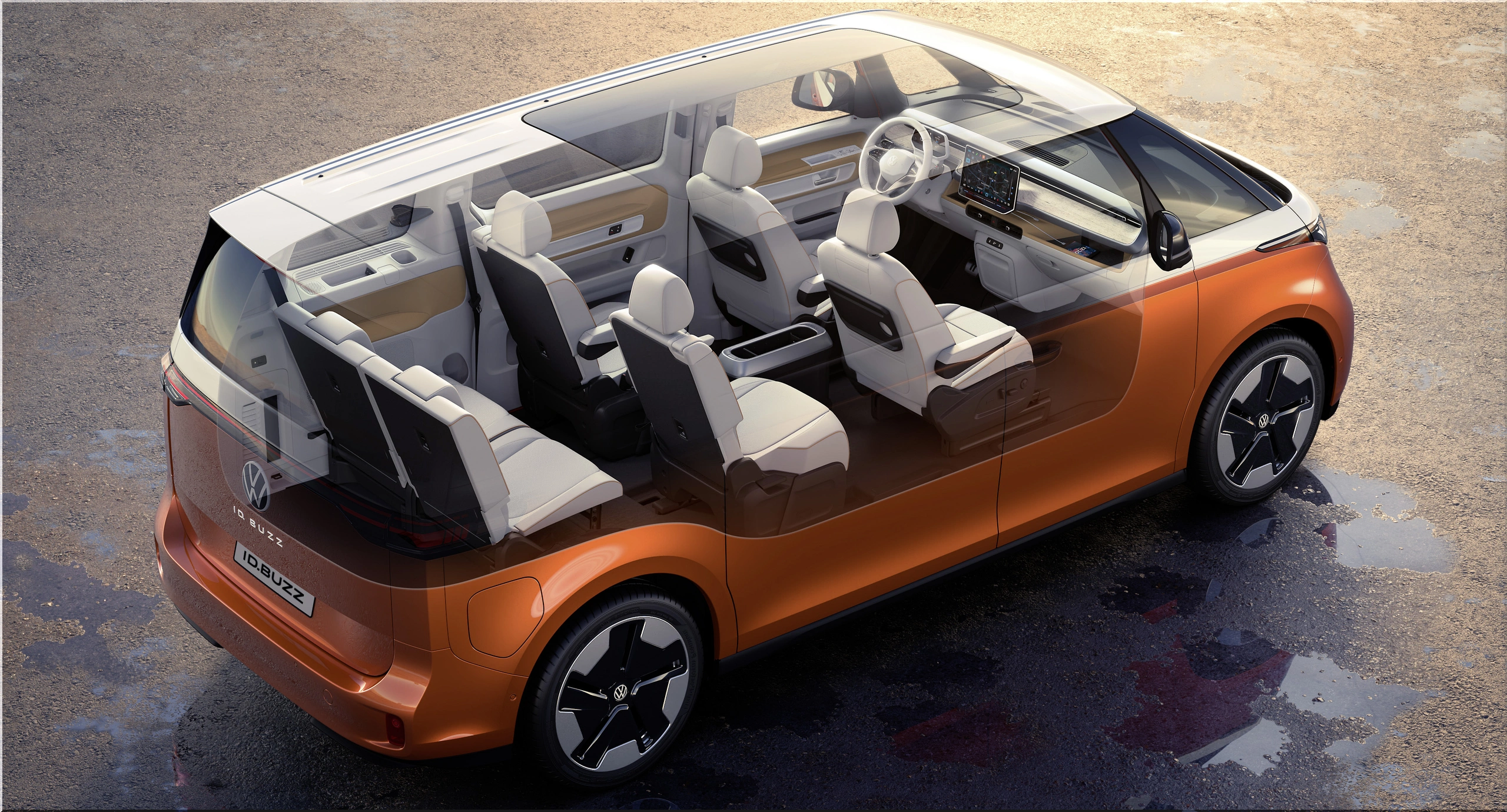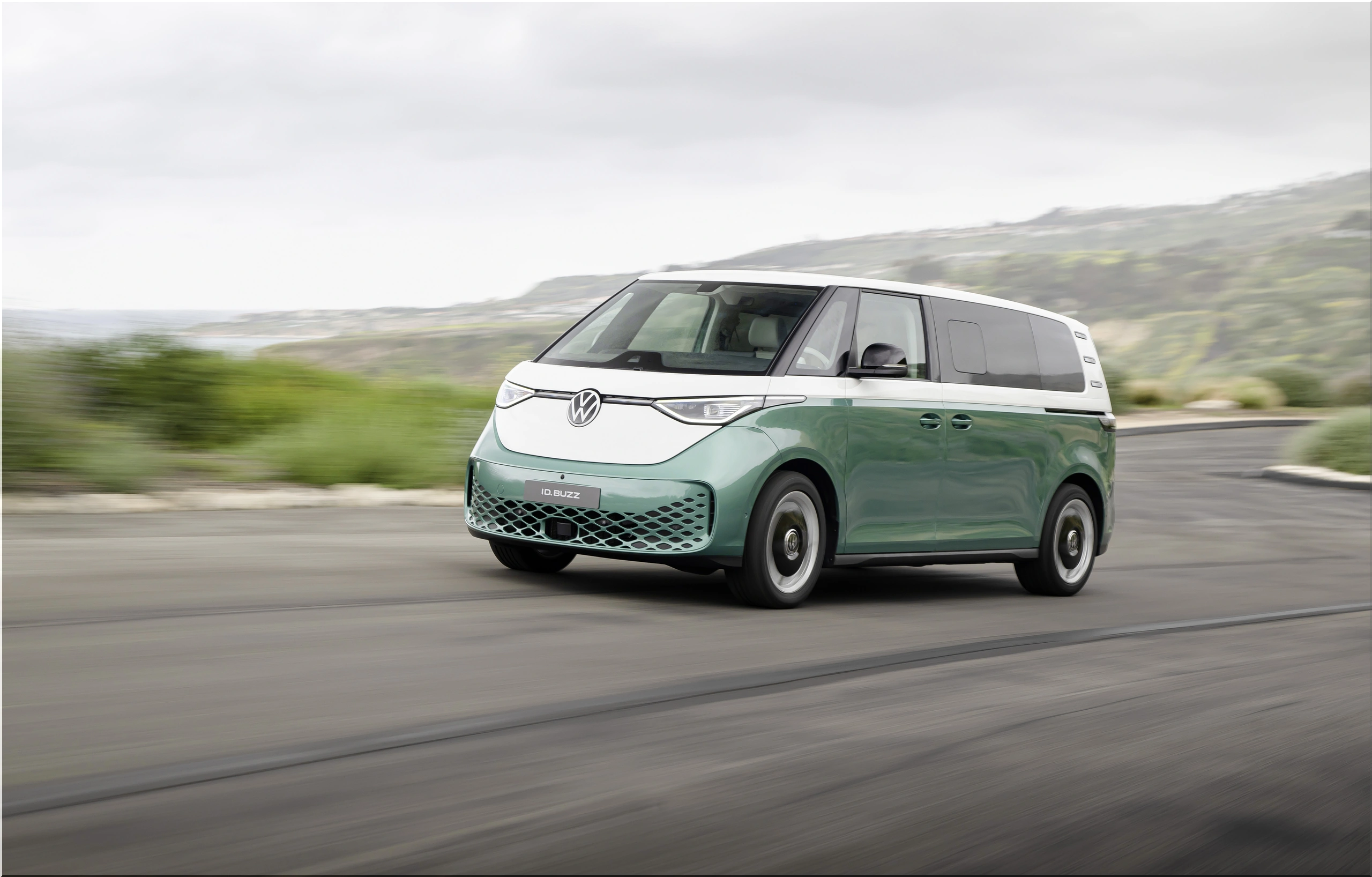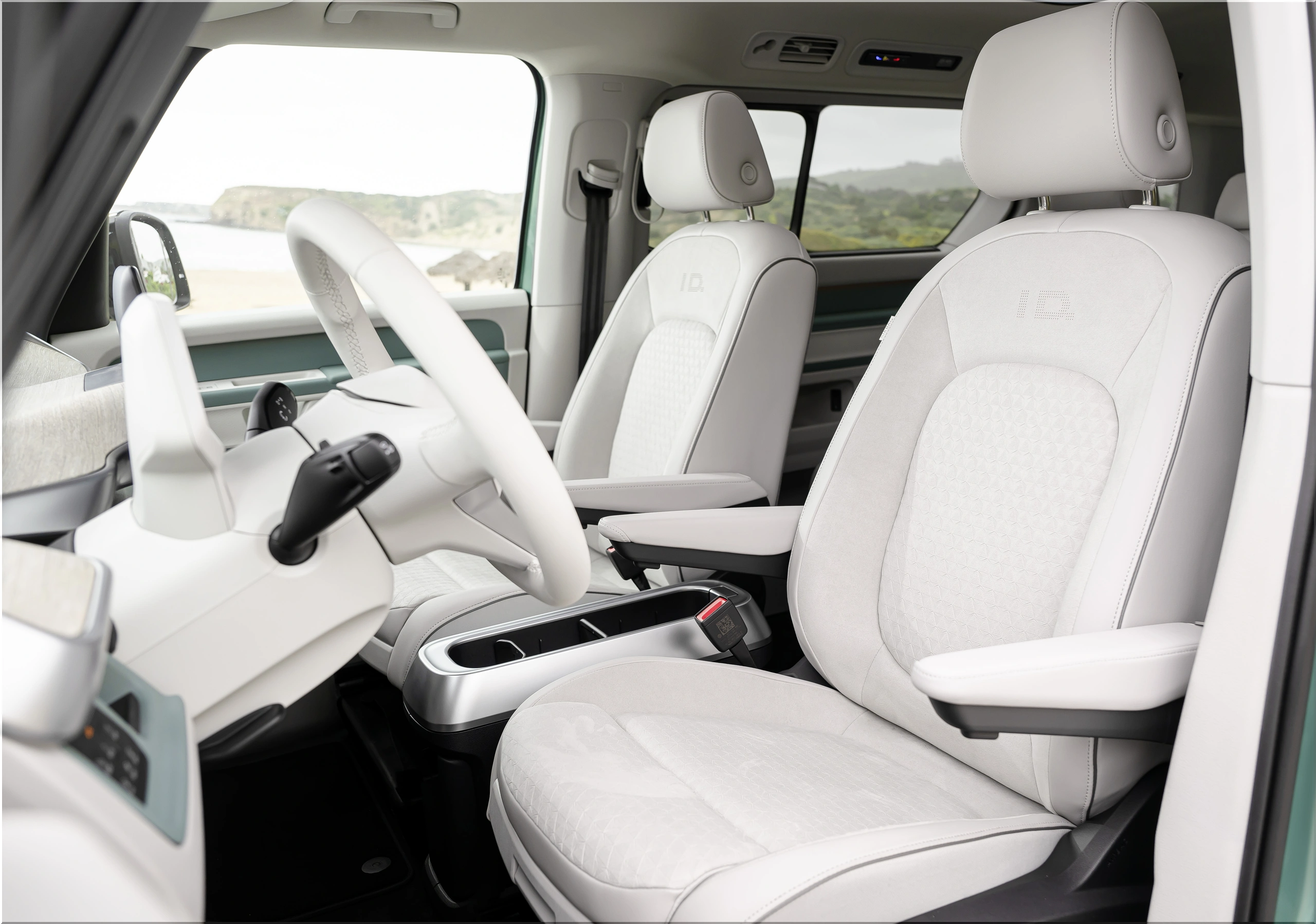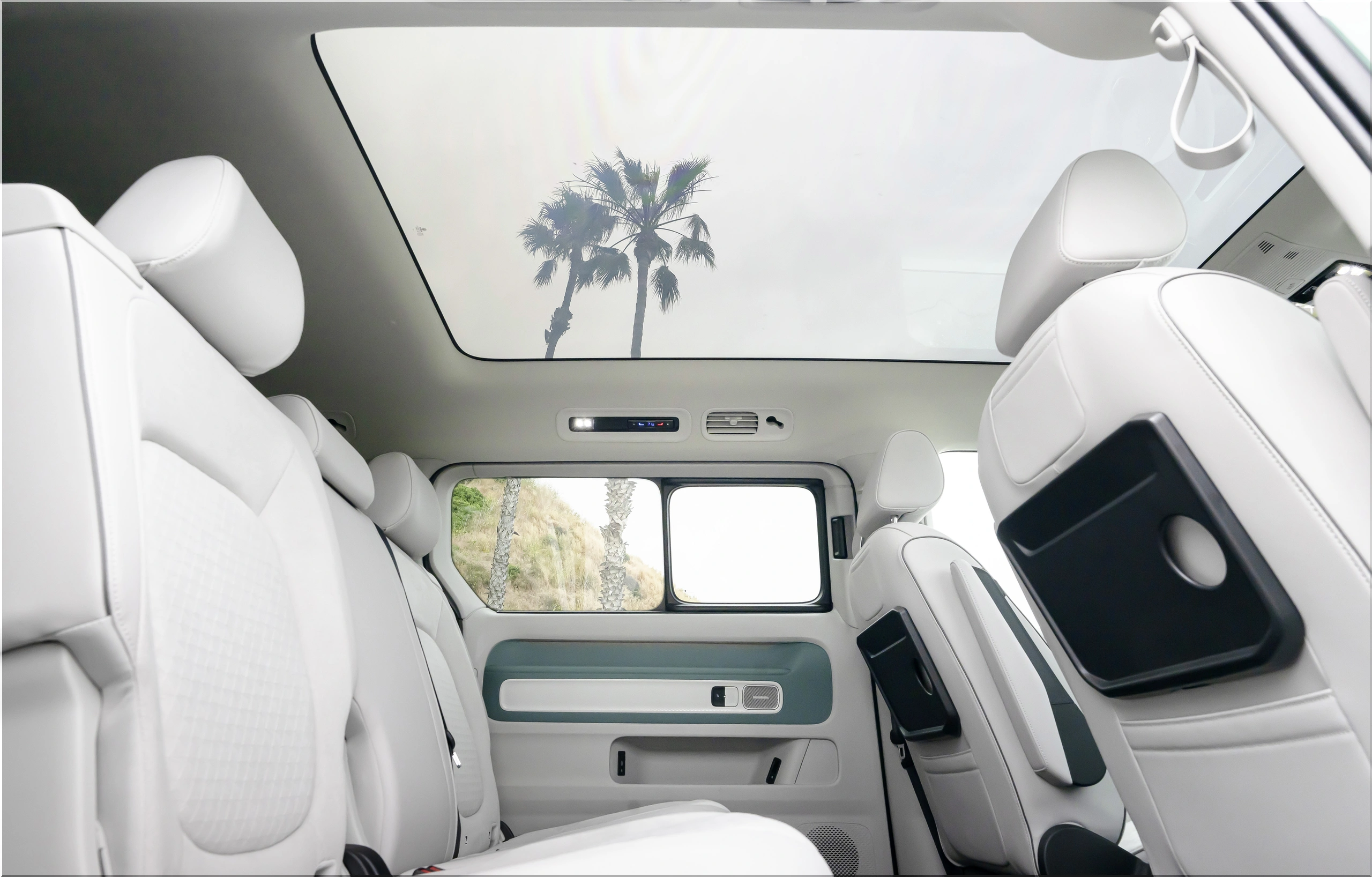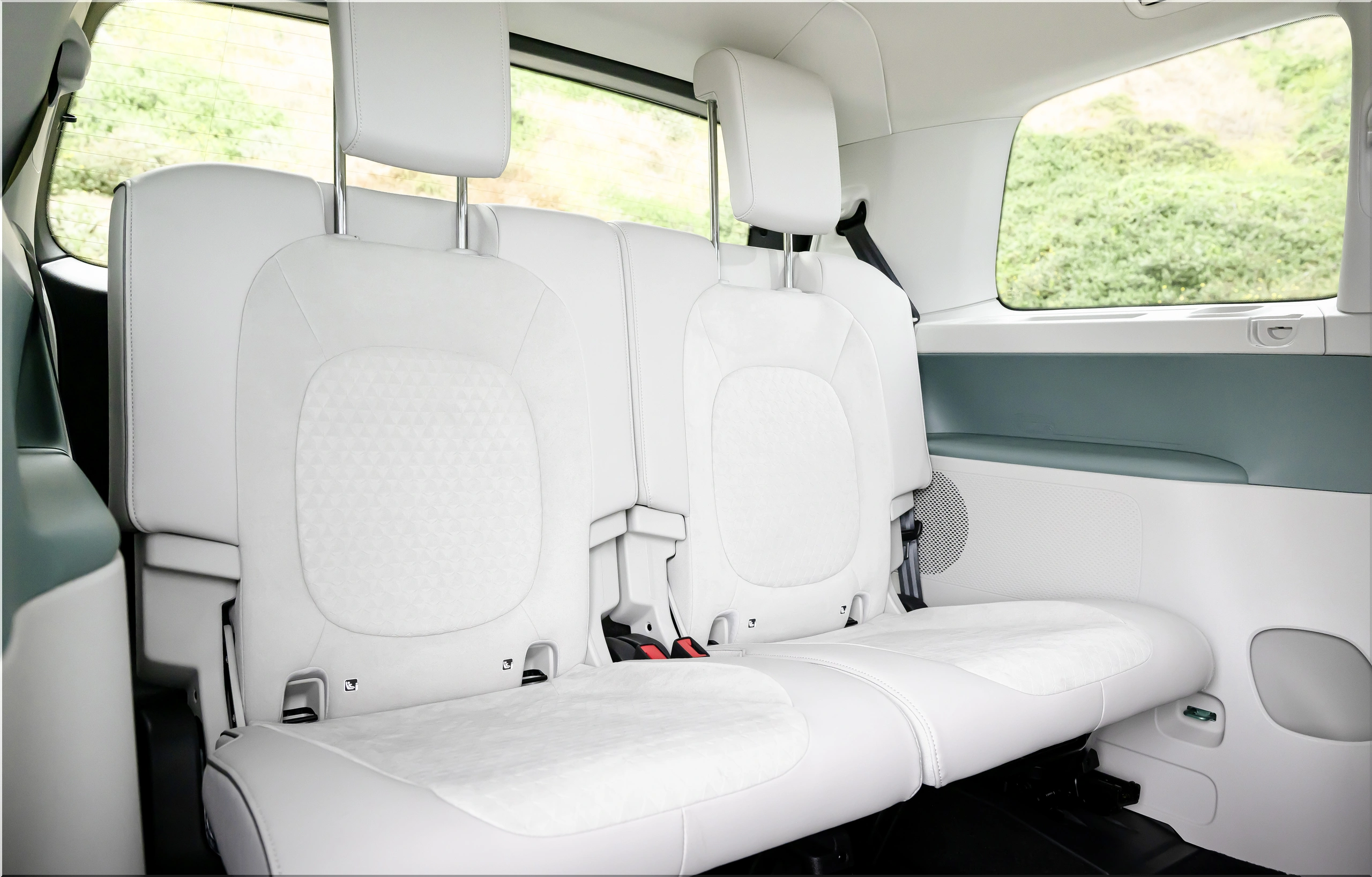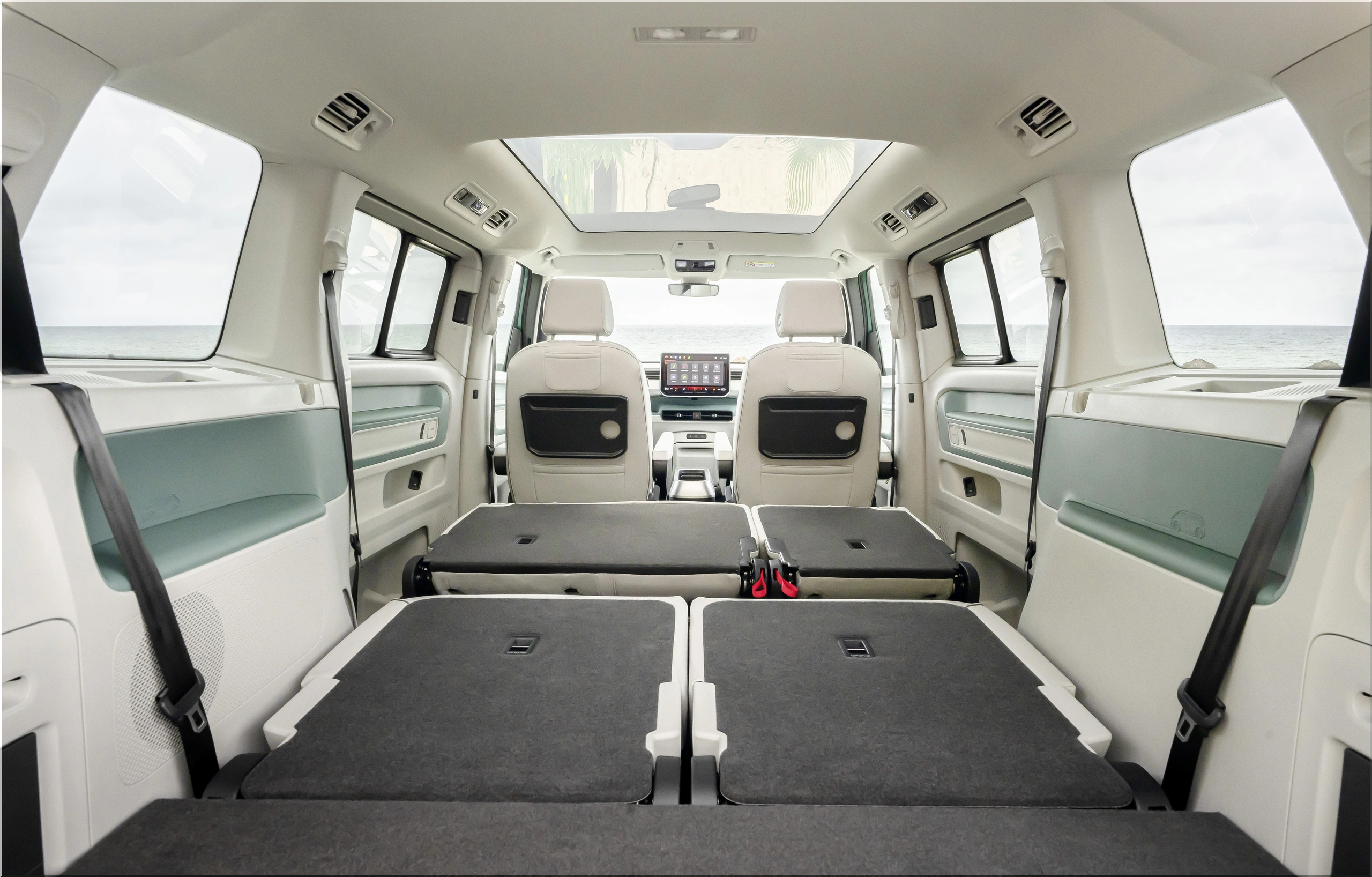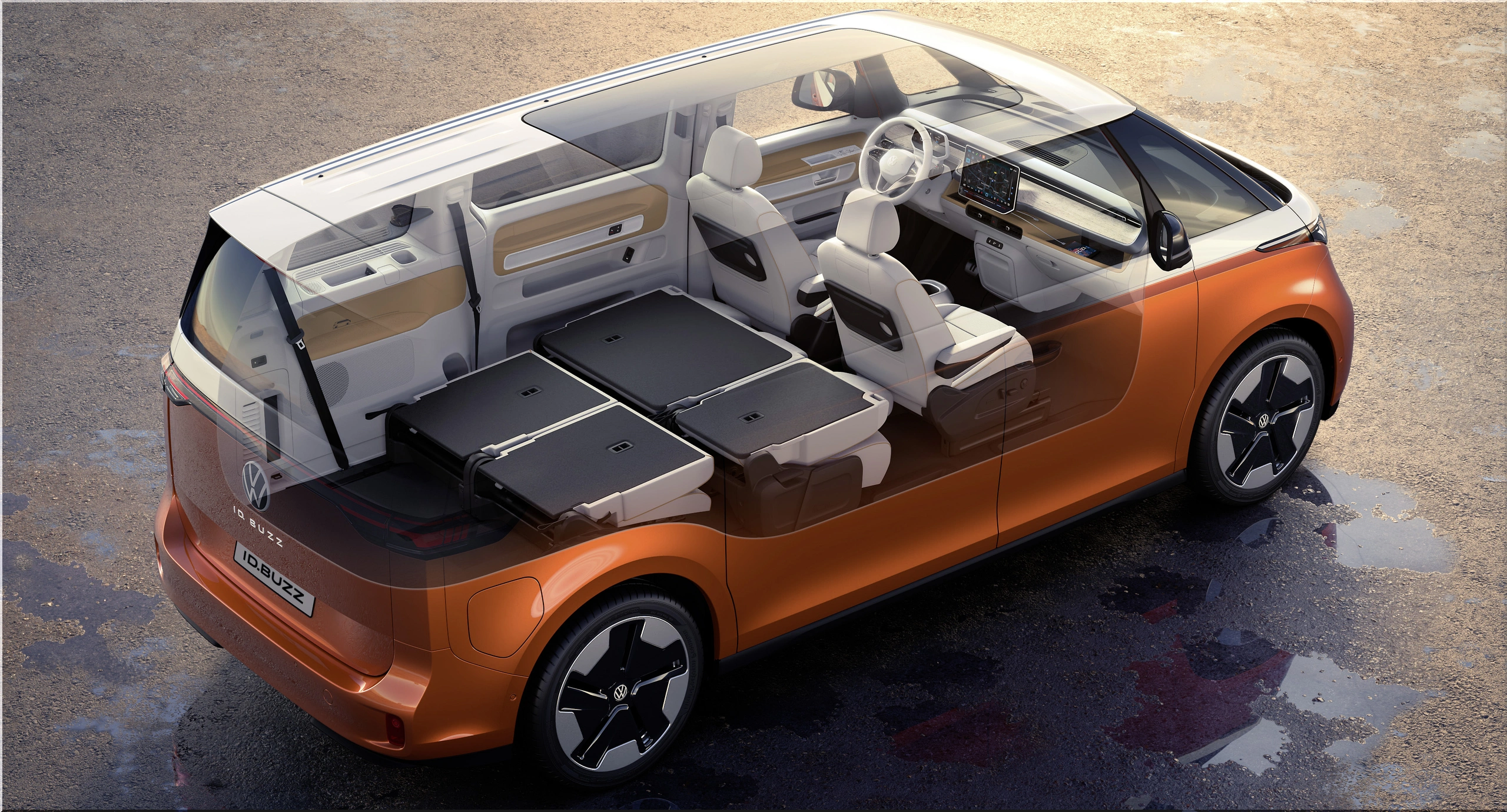
In the 1960s, Volkswagen's Type 2 van, also known as the Microbus or the Hippie Bus, became a symbol of counterculture and freedom. With its distinctive front end and spacious interior, the boxy vehicle was popular among surfers, campers, musicians, and travelers who wanted to explore the world on their own terms.
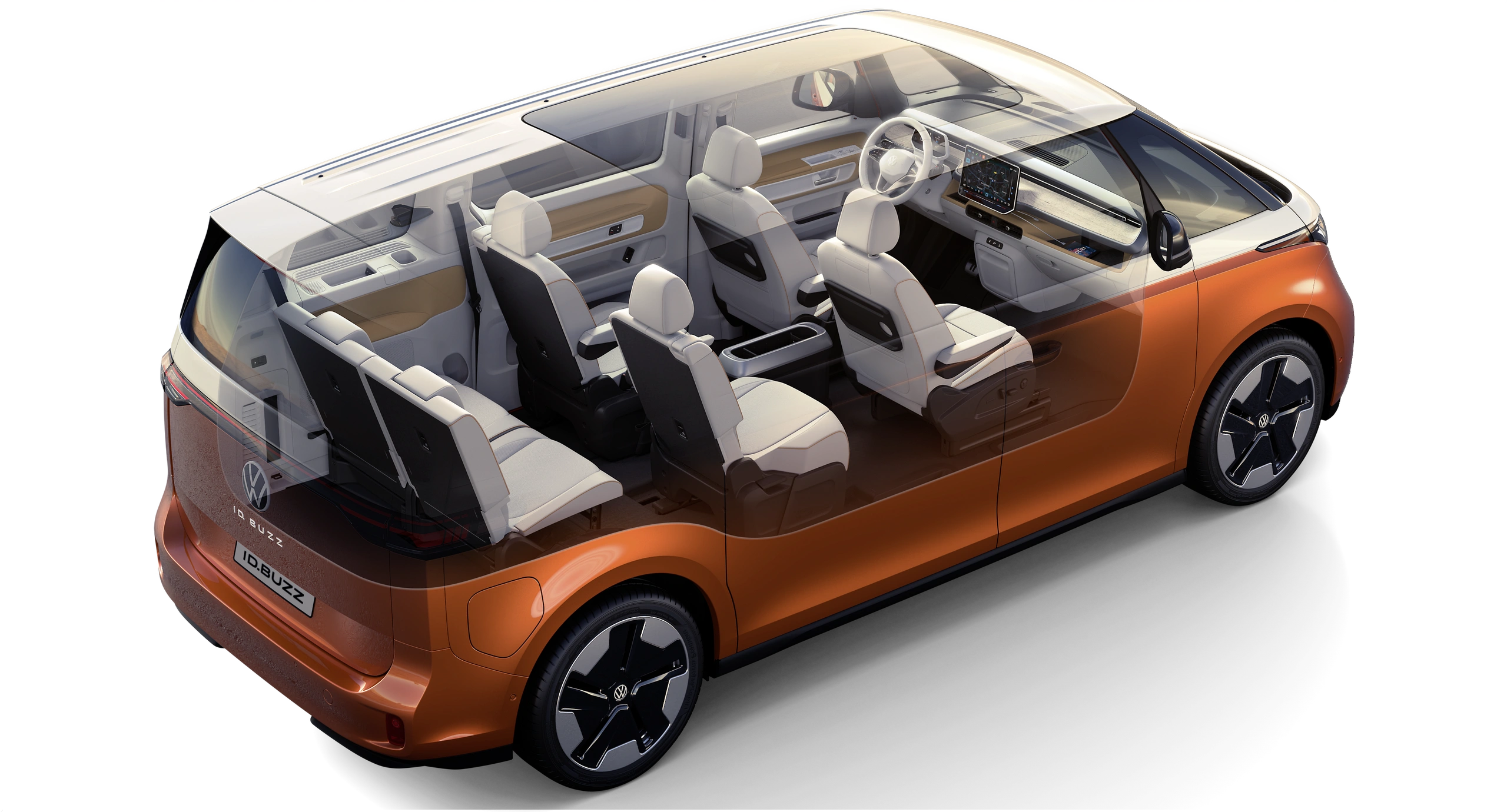
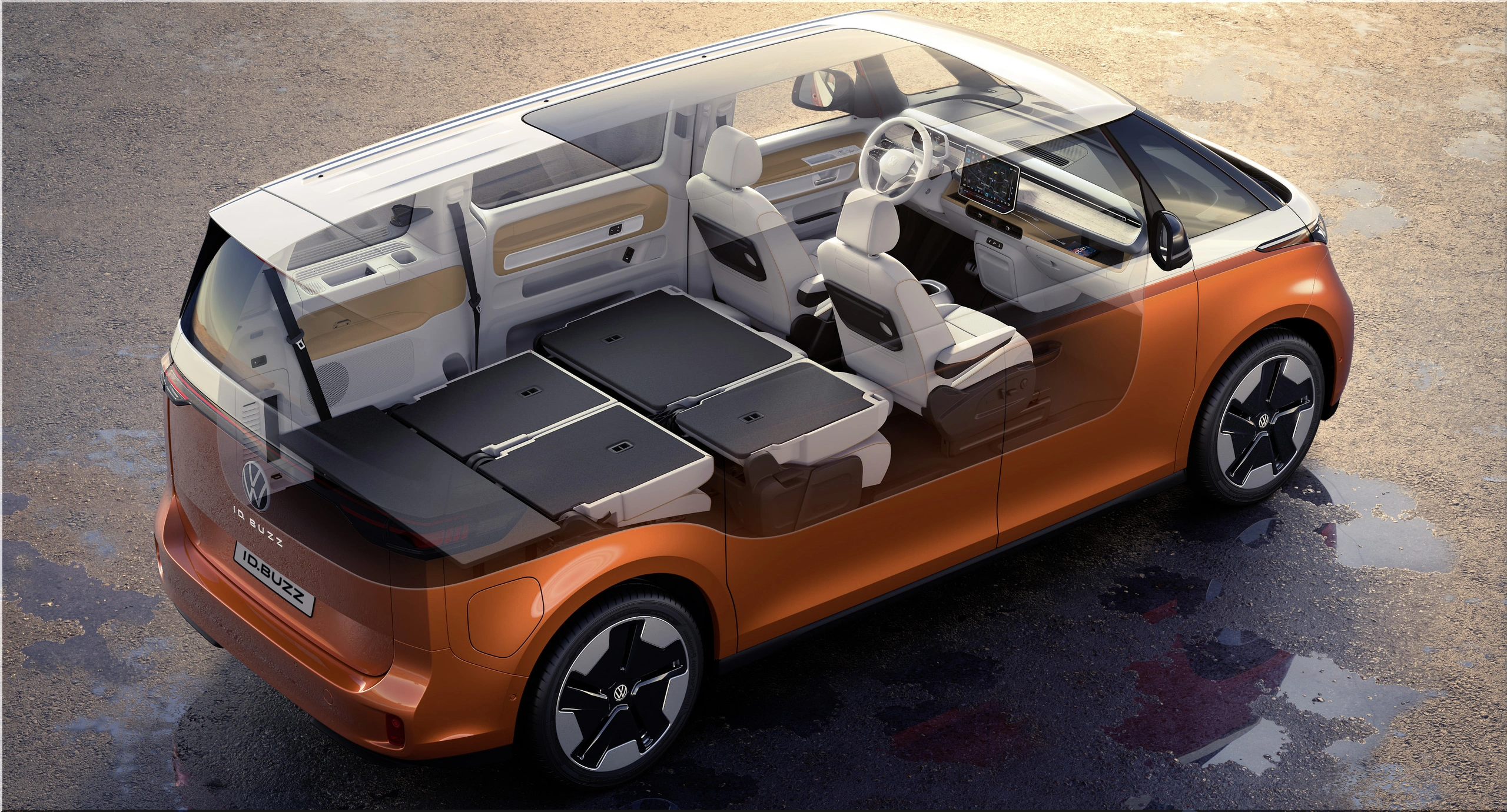
Now, Volkswagen is reviving the iconic van for the 21st century with its Volkswagen ID Buzz LWB, a battery electric vehicle (B.E.V.) that combines retro design with modern technology. The ID Buzz LWB, which stands for long wheelbase, is a larger version of the ID Buzz van concept that Volkswagen unveiled in 2017. The LWB model has a length of 5.3 meters (17.4 feet), a width of 1.97 meters (6.5 feet), and a height of 1.96 meters (6.4 feet), making it suitable for both passenger and cargo transport.
The ID Buzz LWB is part of Volkswagen's ID family of electric vehicles based on a modular platform called MEB (Modular Electrification Toolkit). The MEB platform allows Volkswagen to create different models with various battery sizes, power outputs, and driving ranges. The ID Buzz LWB will be available with two battery options: a 77 kWh battery that offers a range of up to 400 kilometers (249 miles) and a 111 kWh battery that can travel up to 600 kilometers (373 miles) on a single charge.
The Volkswagen ID Buzz LWB will also feature a dual-motor system that delivers a total output of 275 kW (369 horsepower) and a maximum torque of 600 Nm (443 pound-feet). The vehicle will be able to accelerate from zero to 100 km/h (62 mph) in about five seconds and reach a top speed of 160 km/h (99 mph). The ID Buzz LWB will have an all-wheel drive system that can distribute power between the front and rear axles, depending on the driving situation.
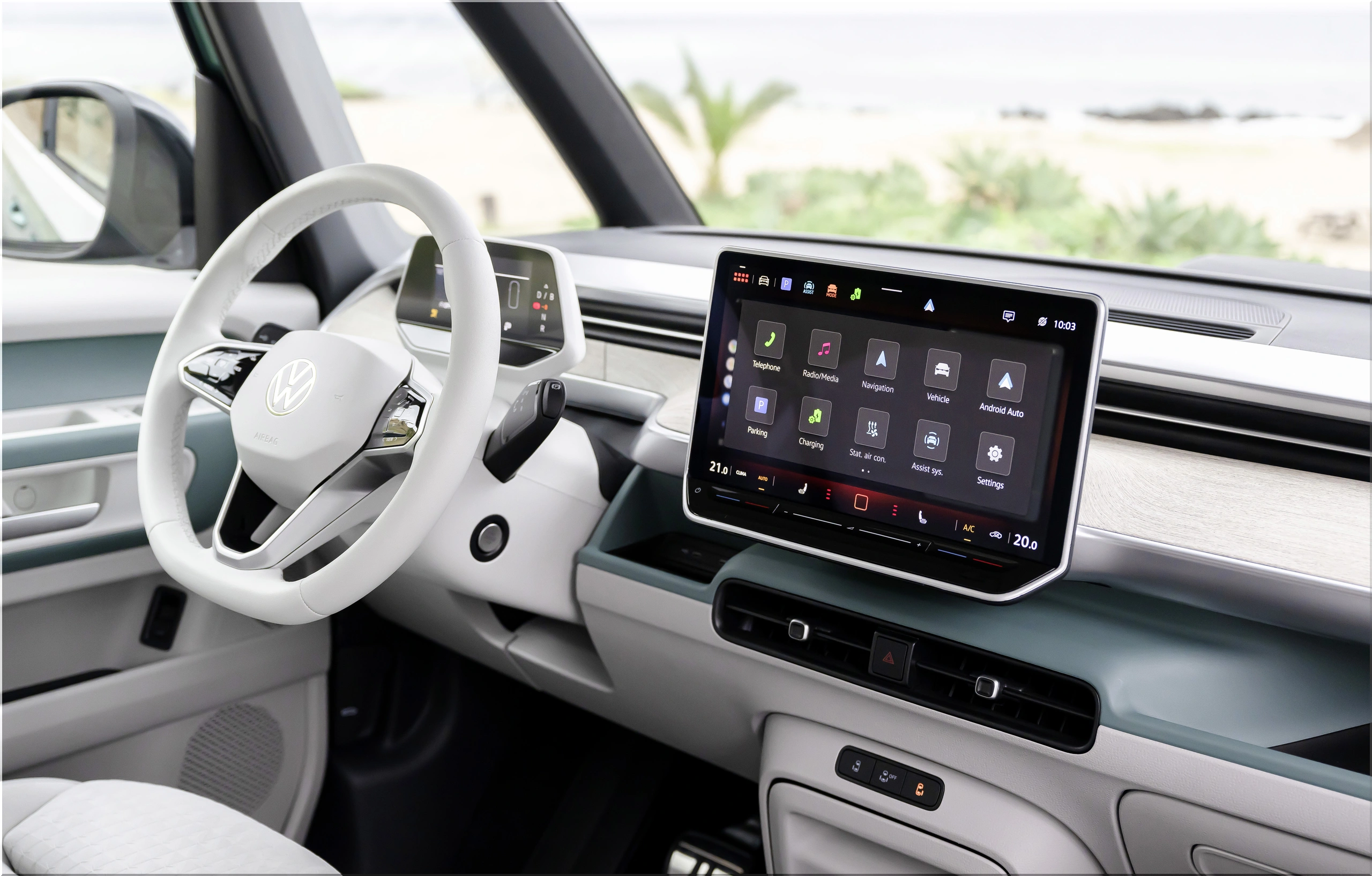
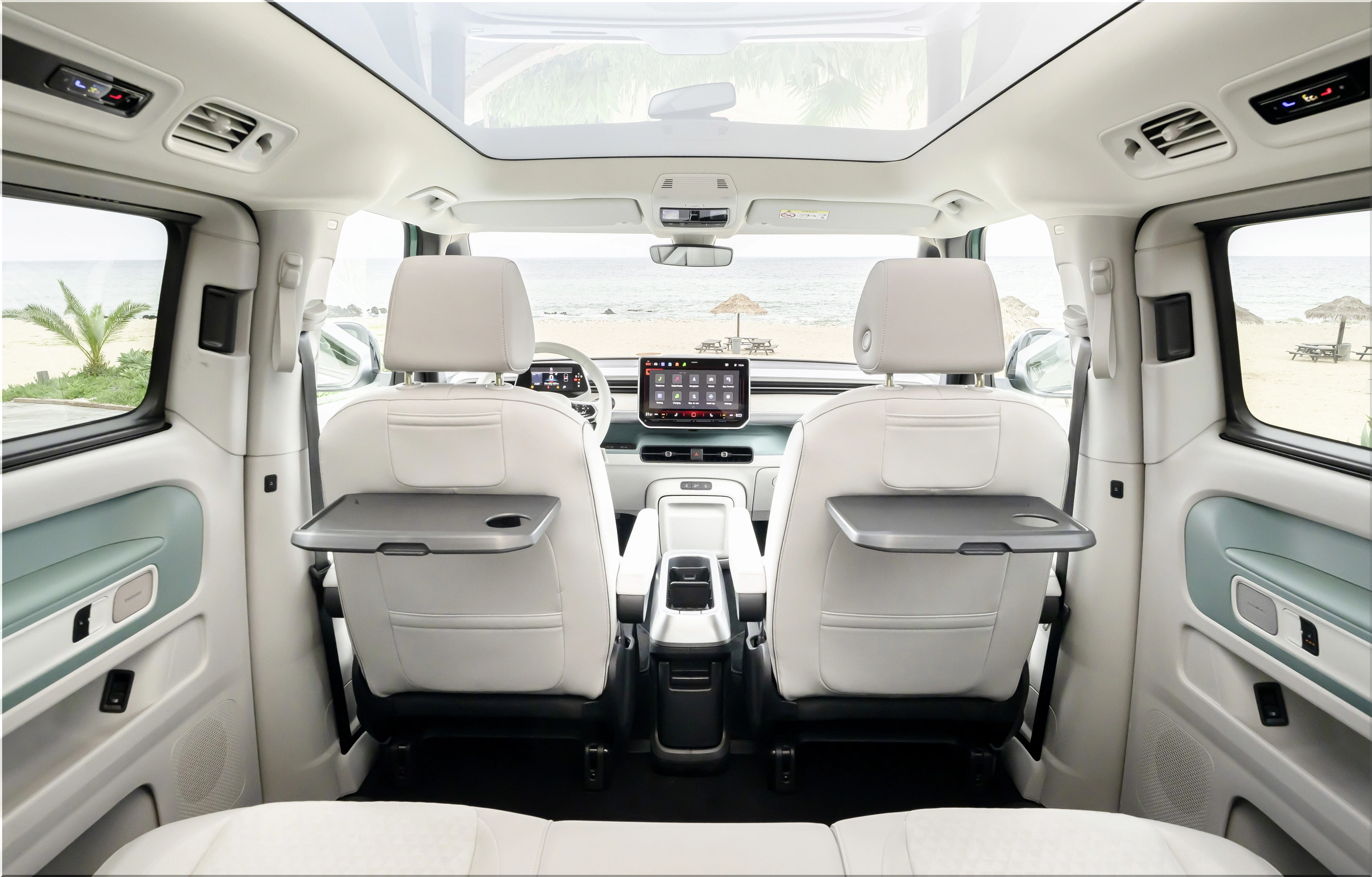
The ID Buzz LWB will not only be fast and efficient but also smart and connected. The electric van will have a digital cockpit that consists of a large touchscreen display on the dashboard and a smaller display behind the steering wheel. The driver will be able to control various functions such as navigation, entertainment, climate, and lighting through voice commands or gestures. The vehicle will also have a head-up display that projects information such as speed, directions, and warnings onto the windshield.