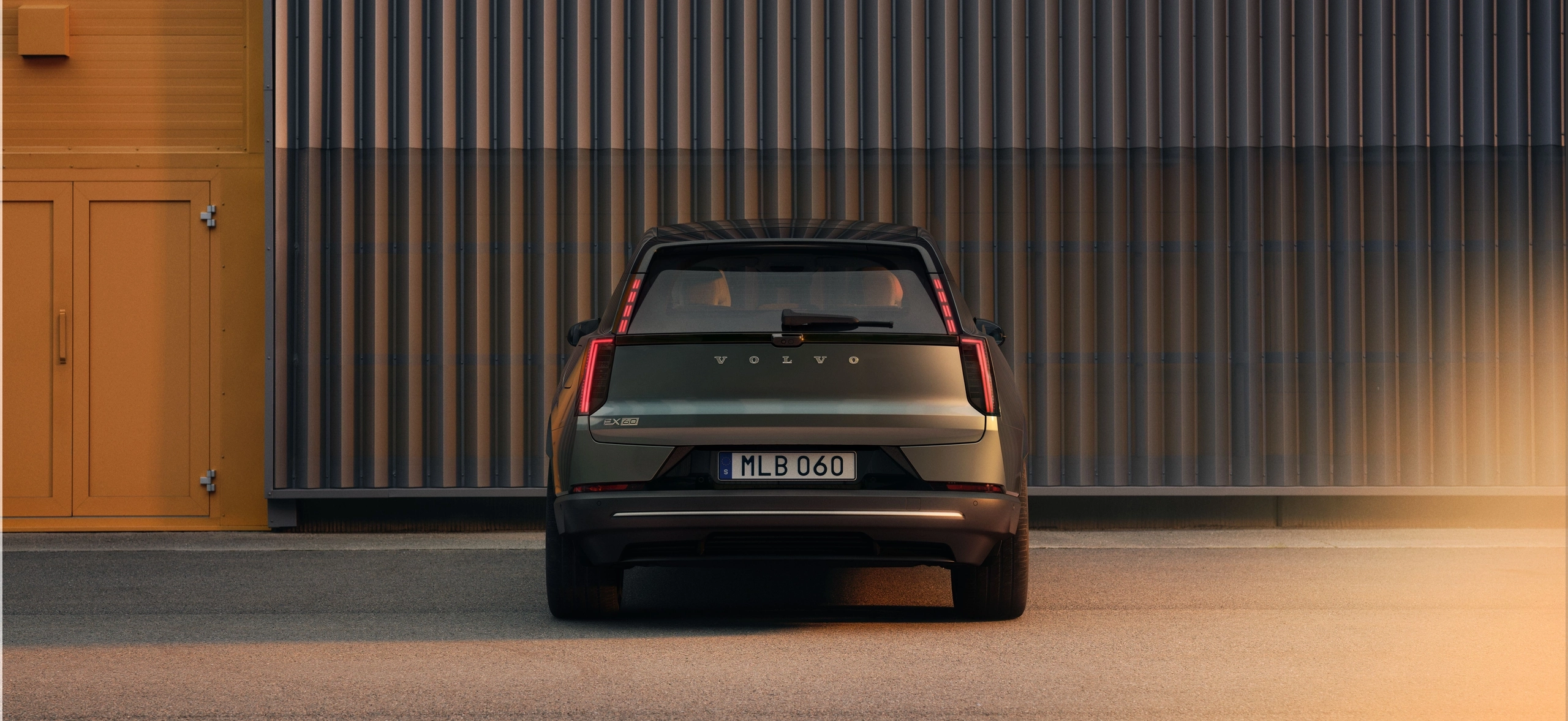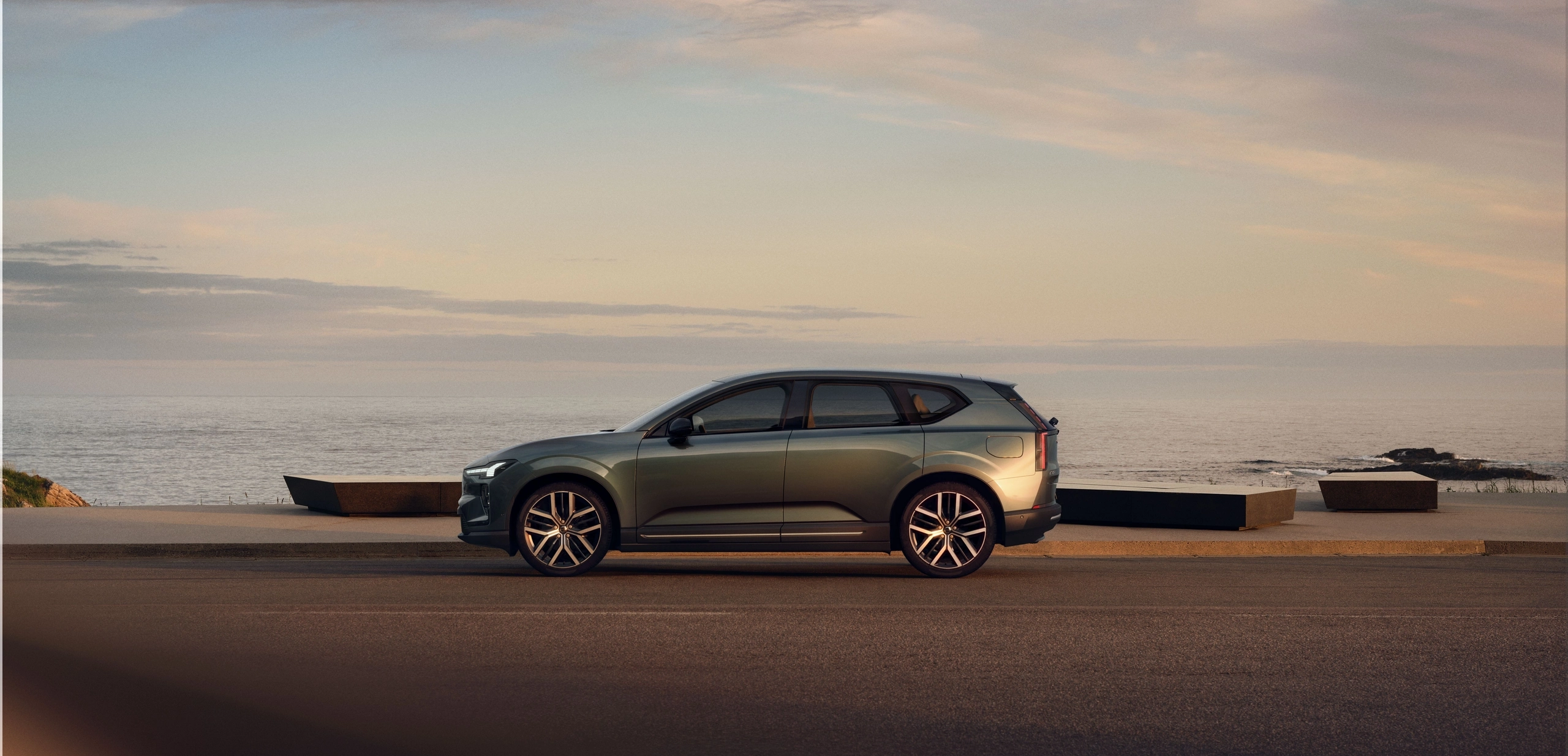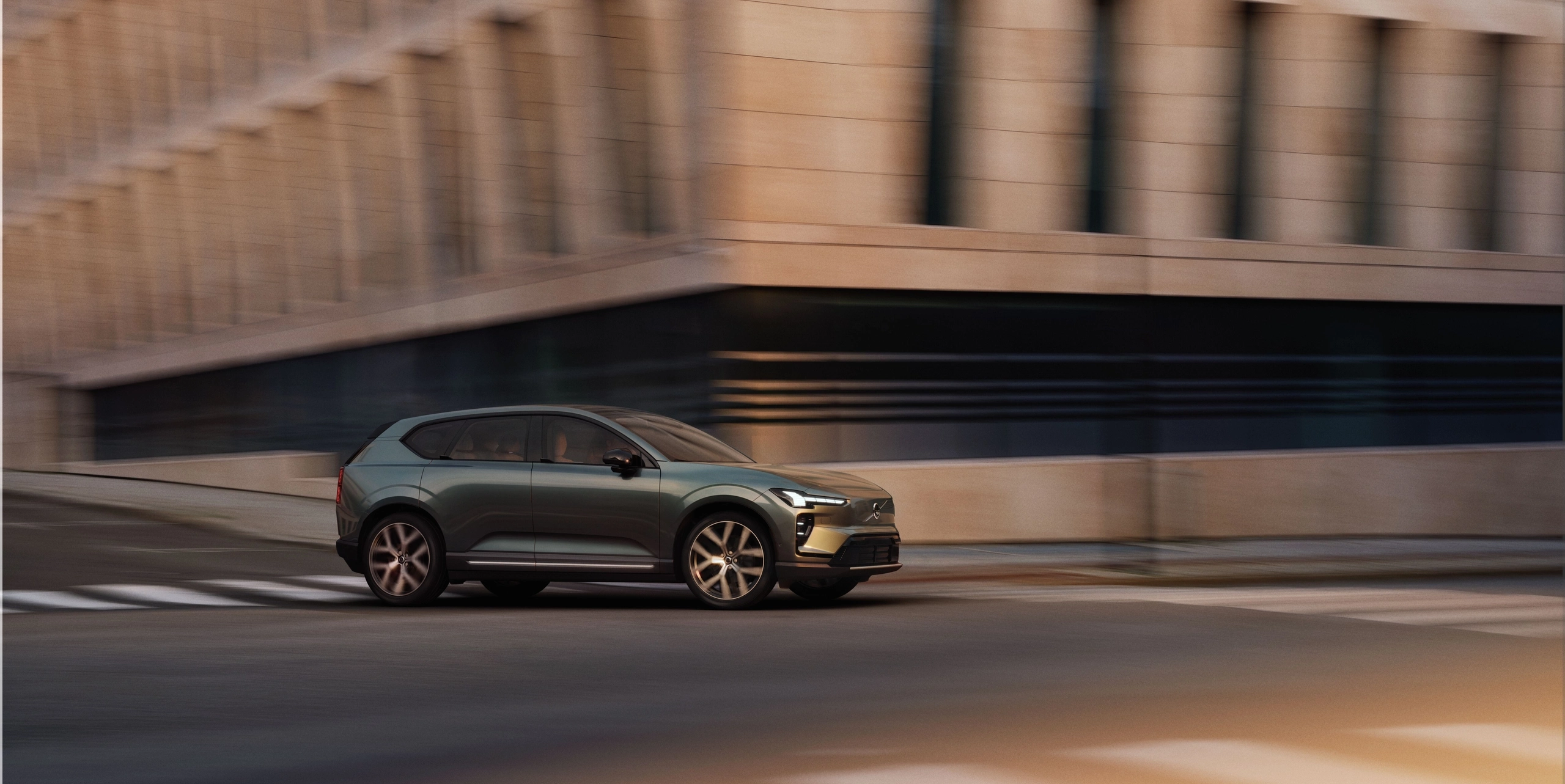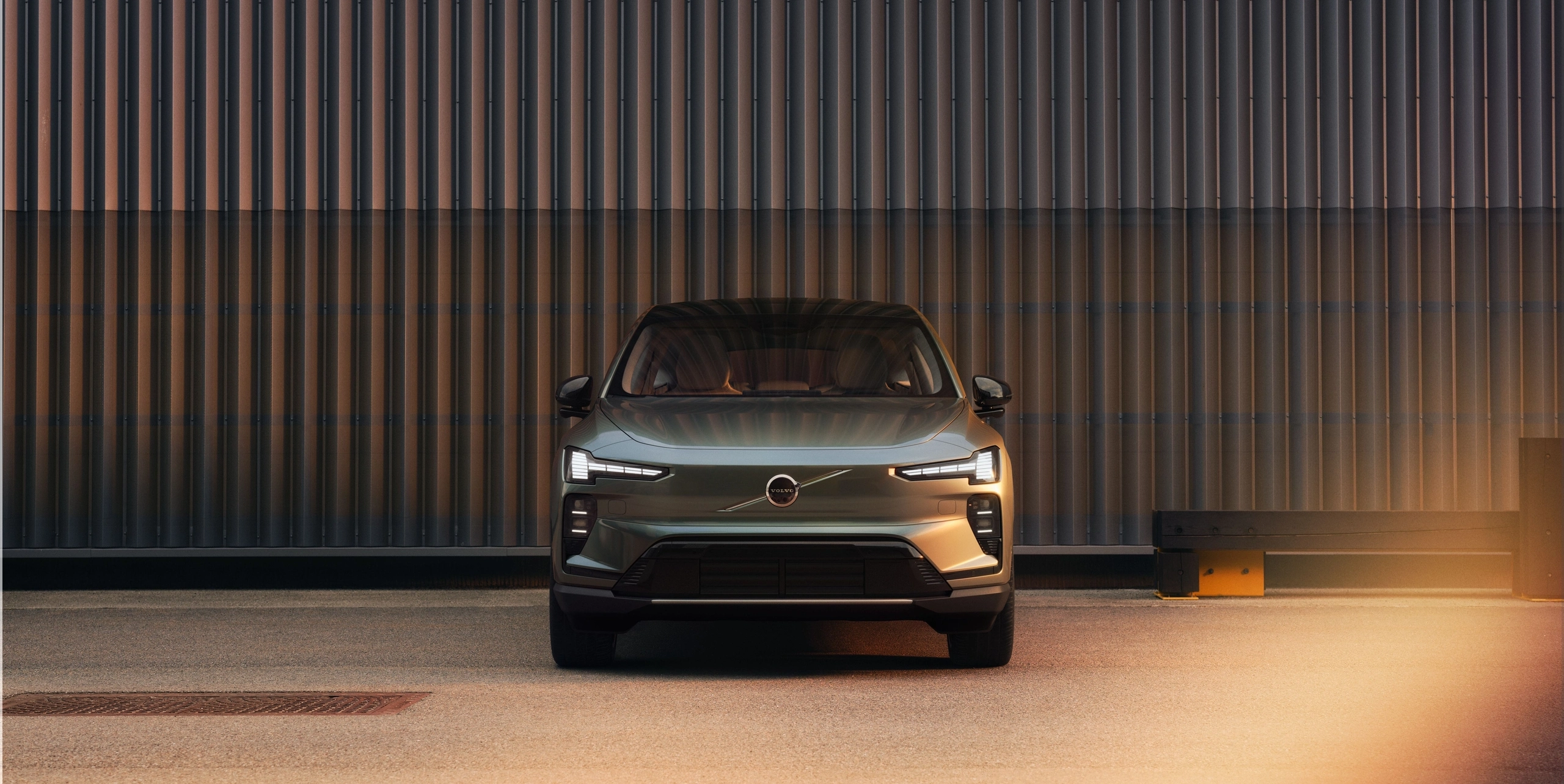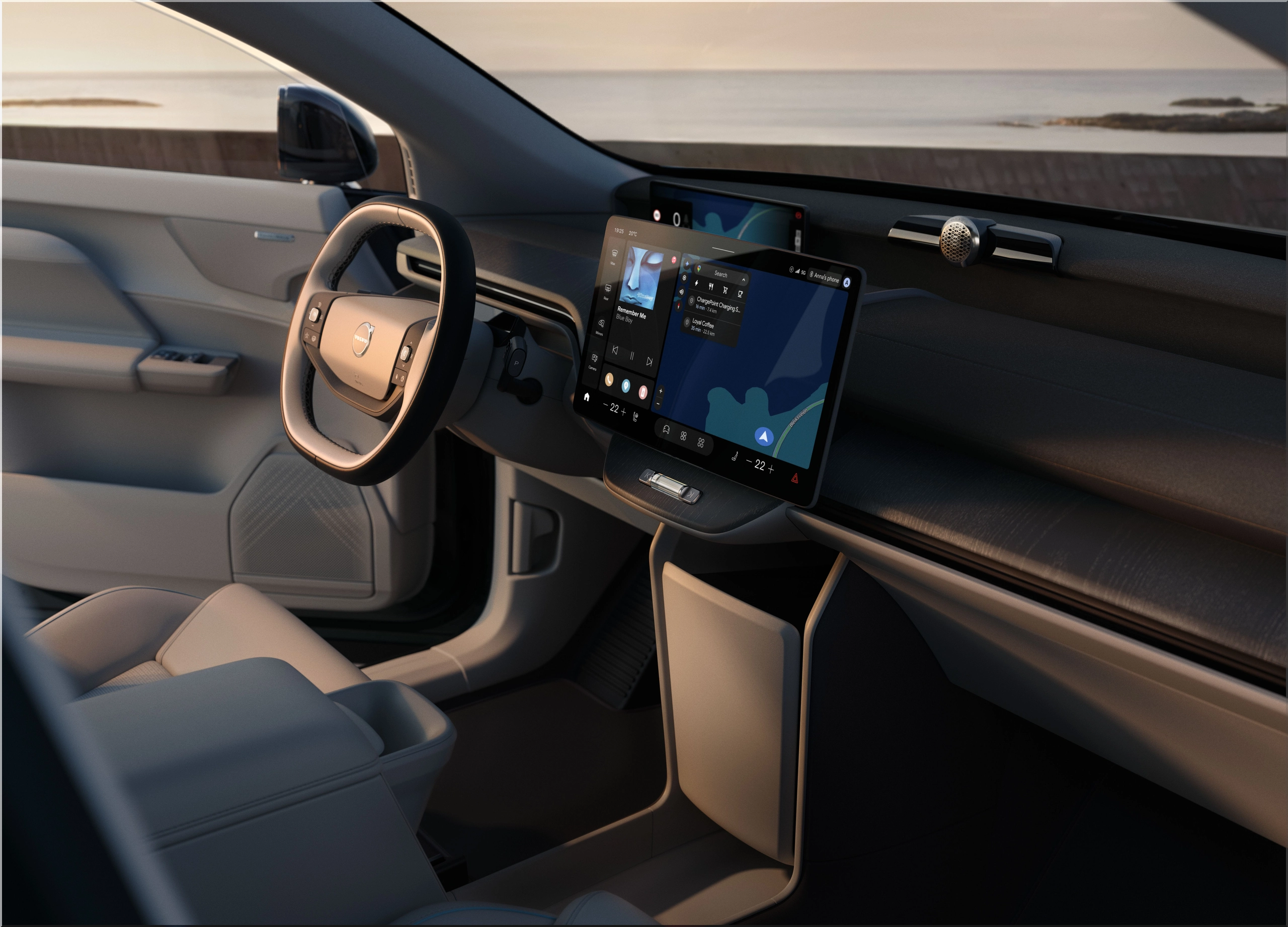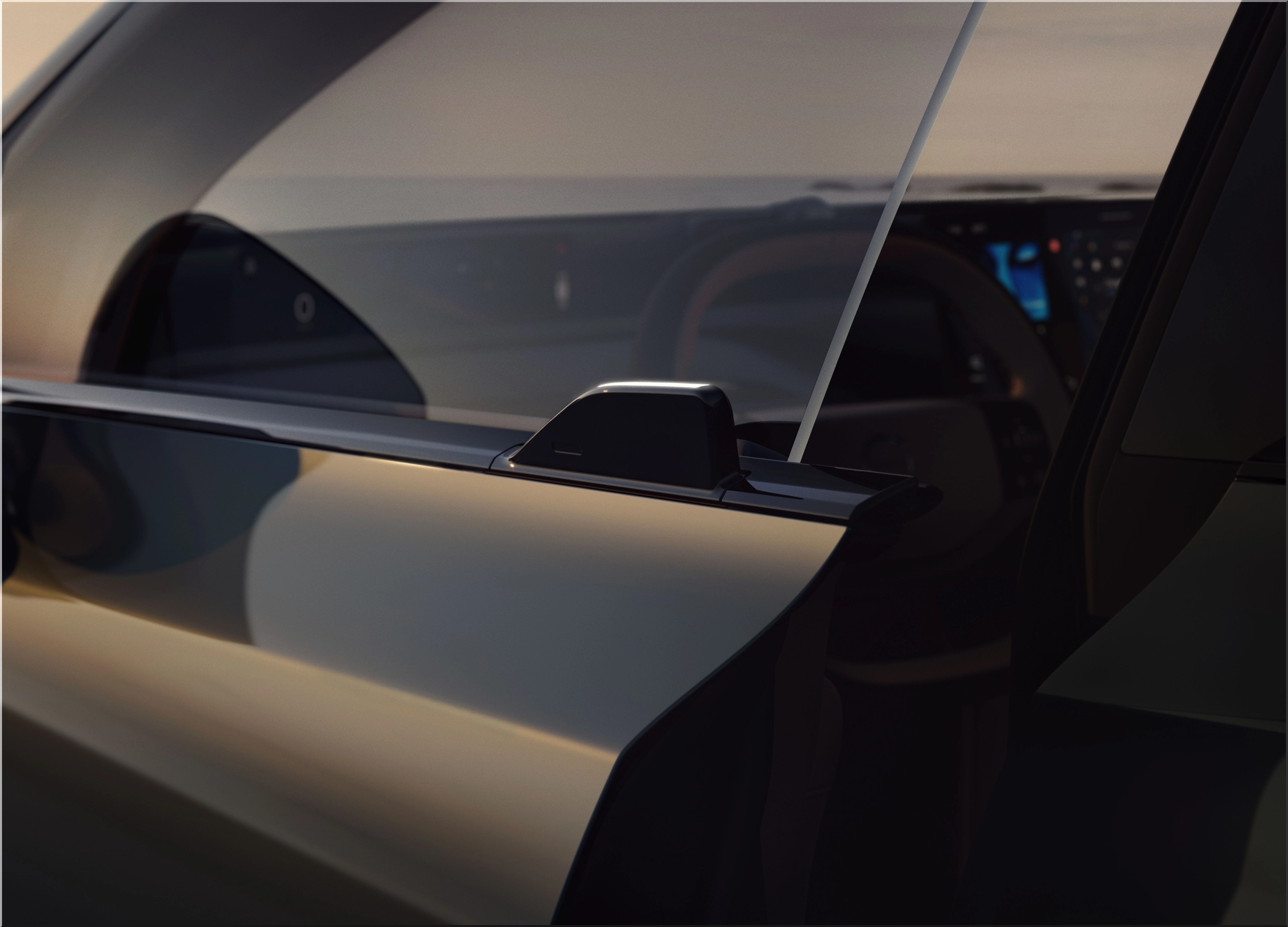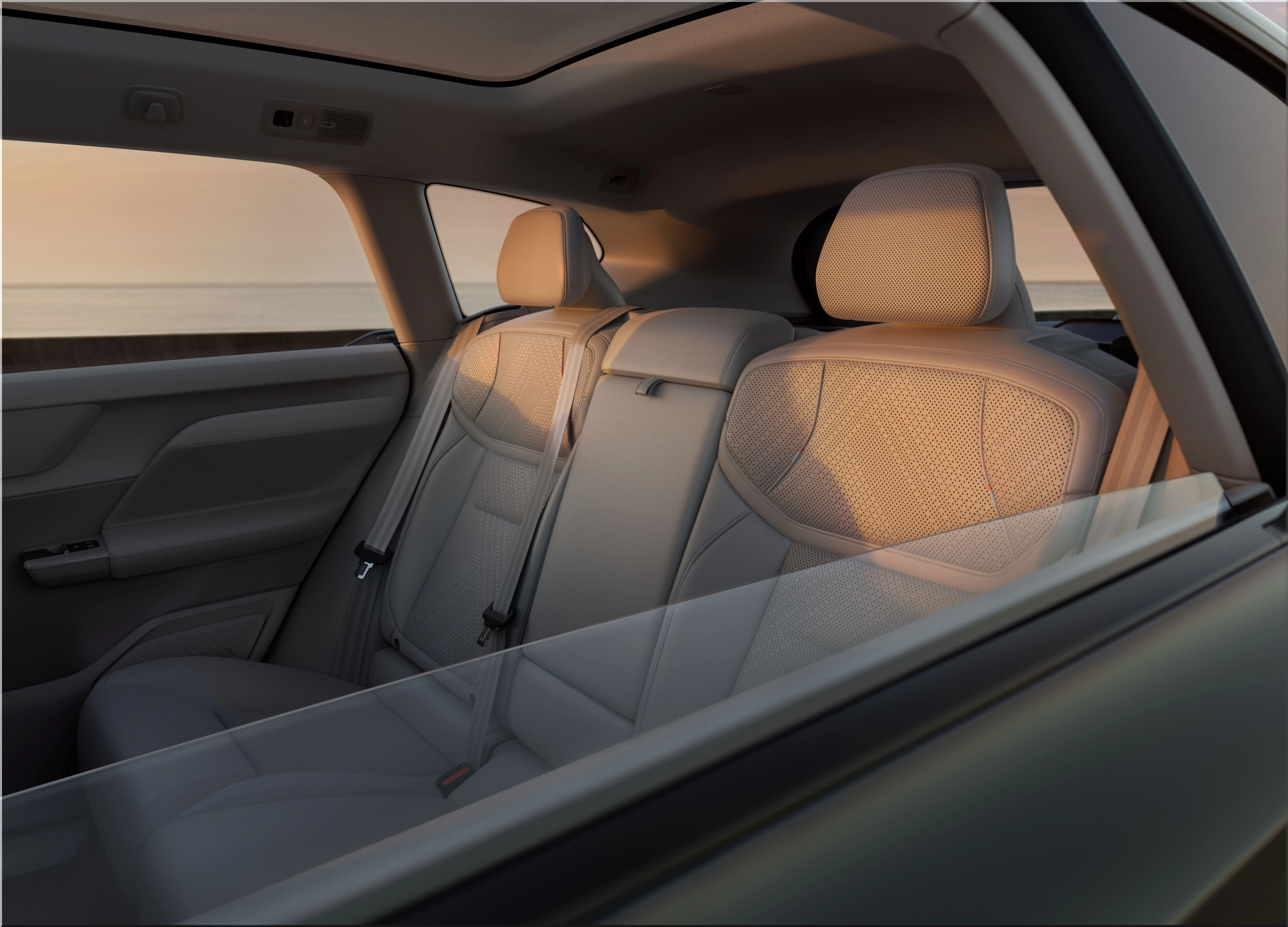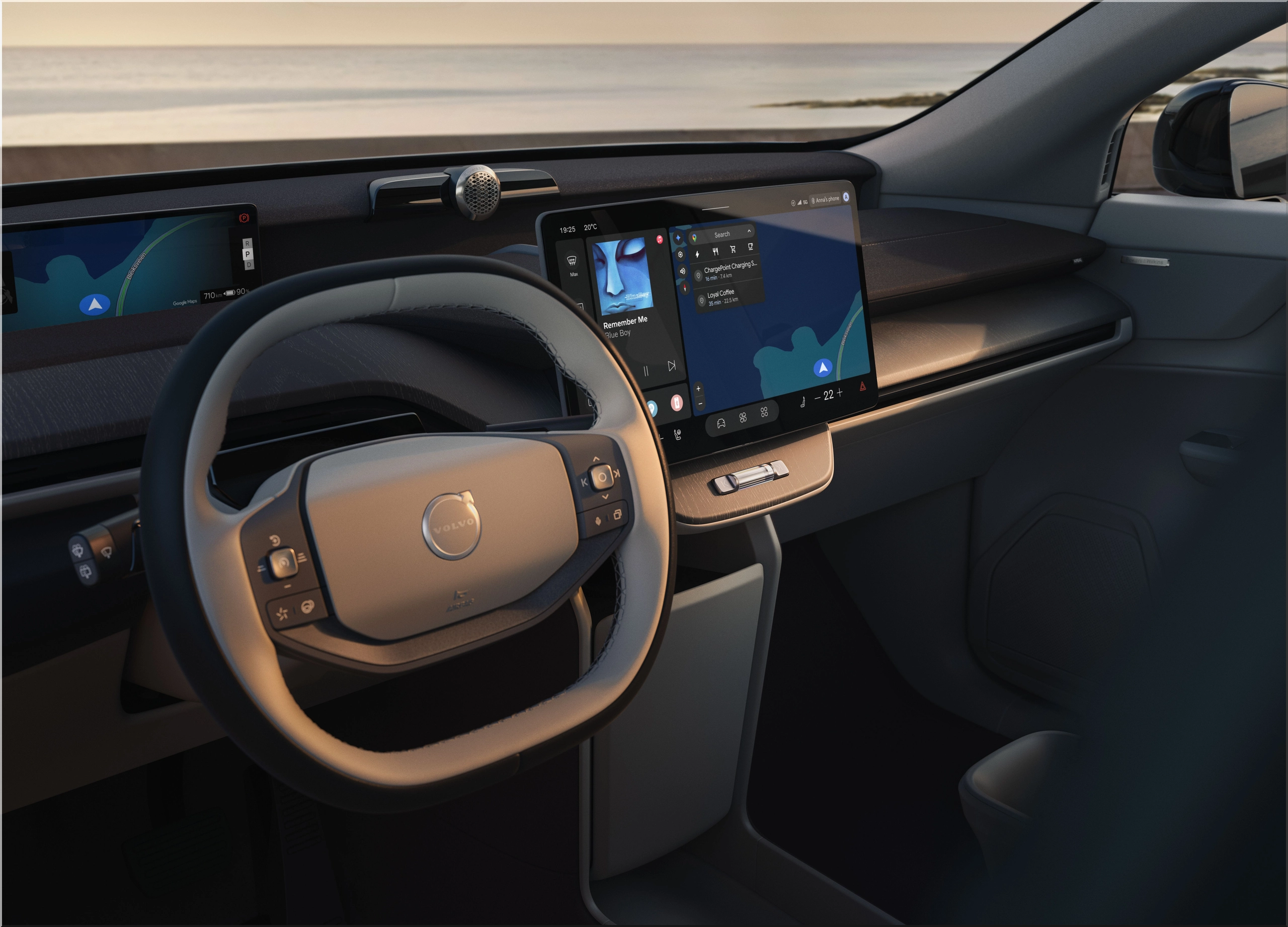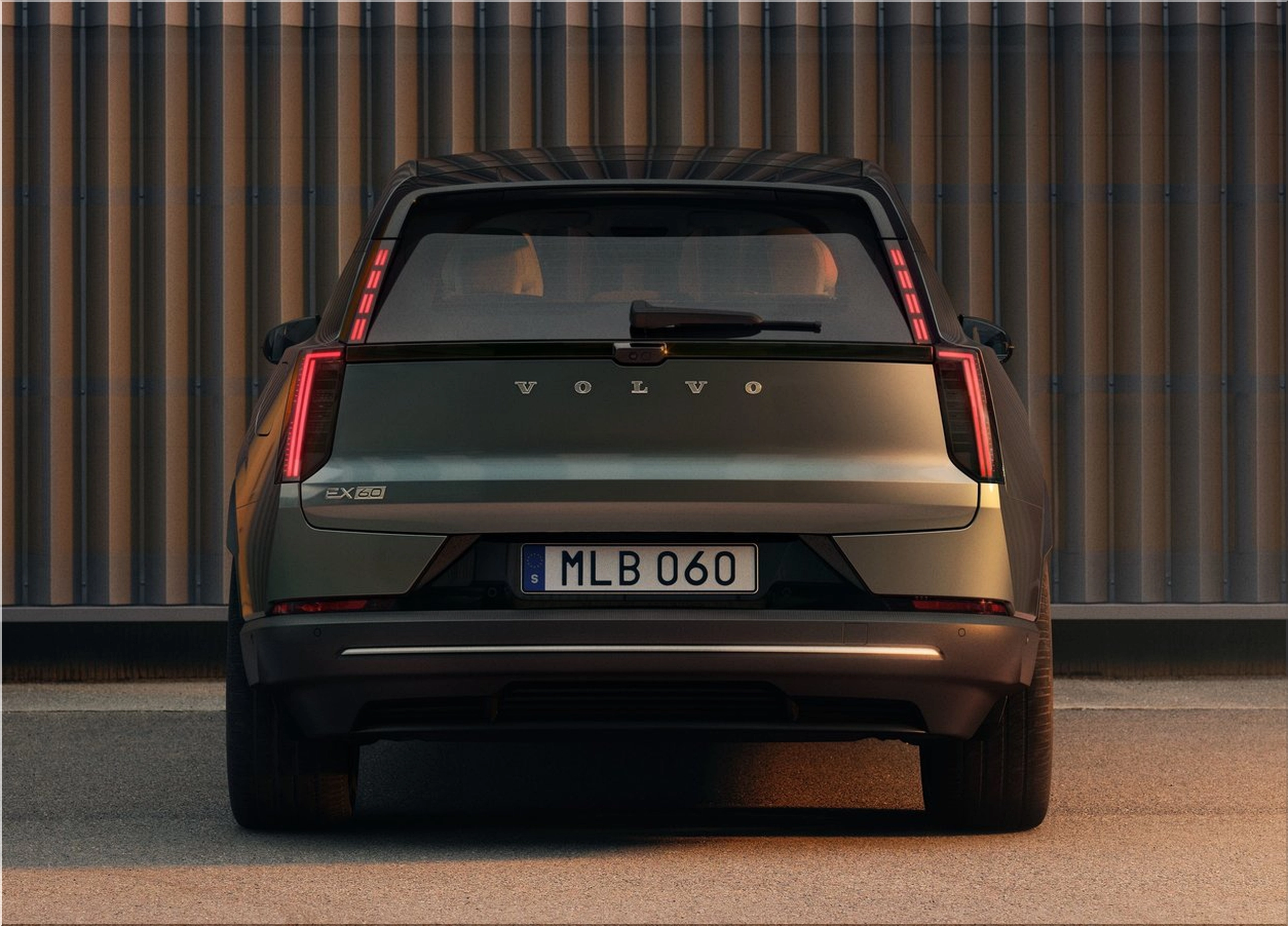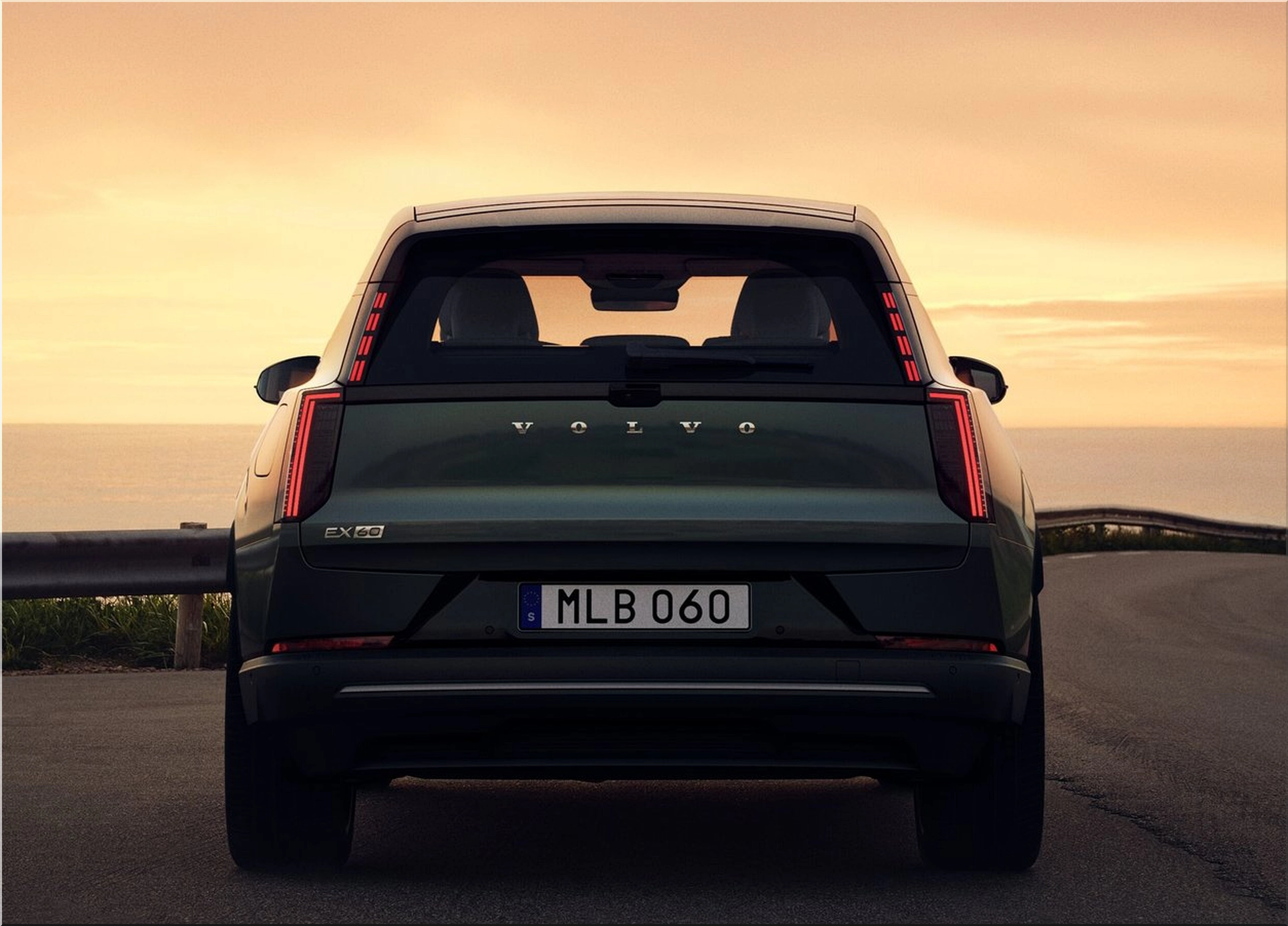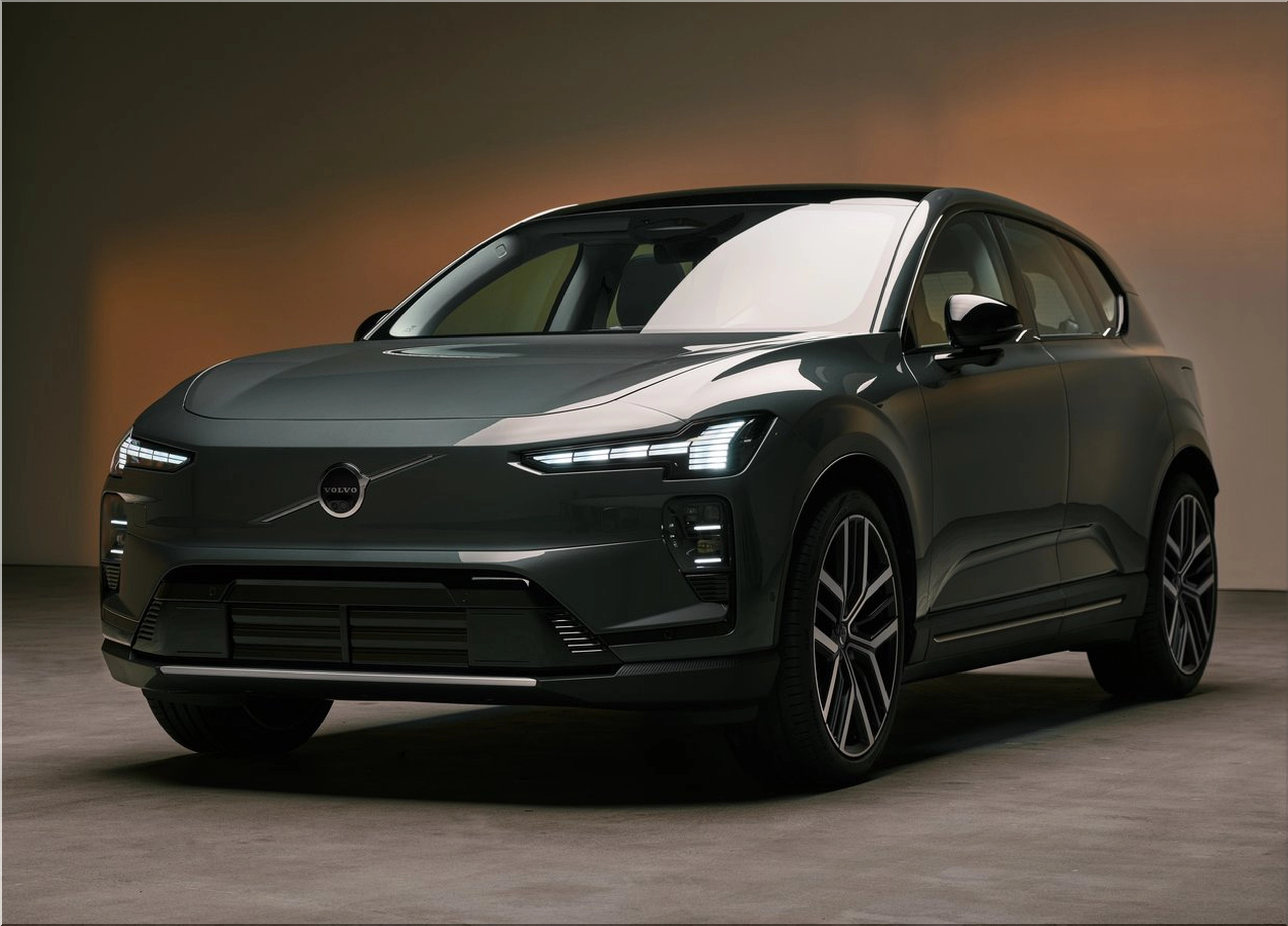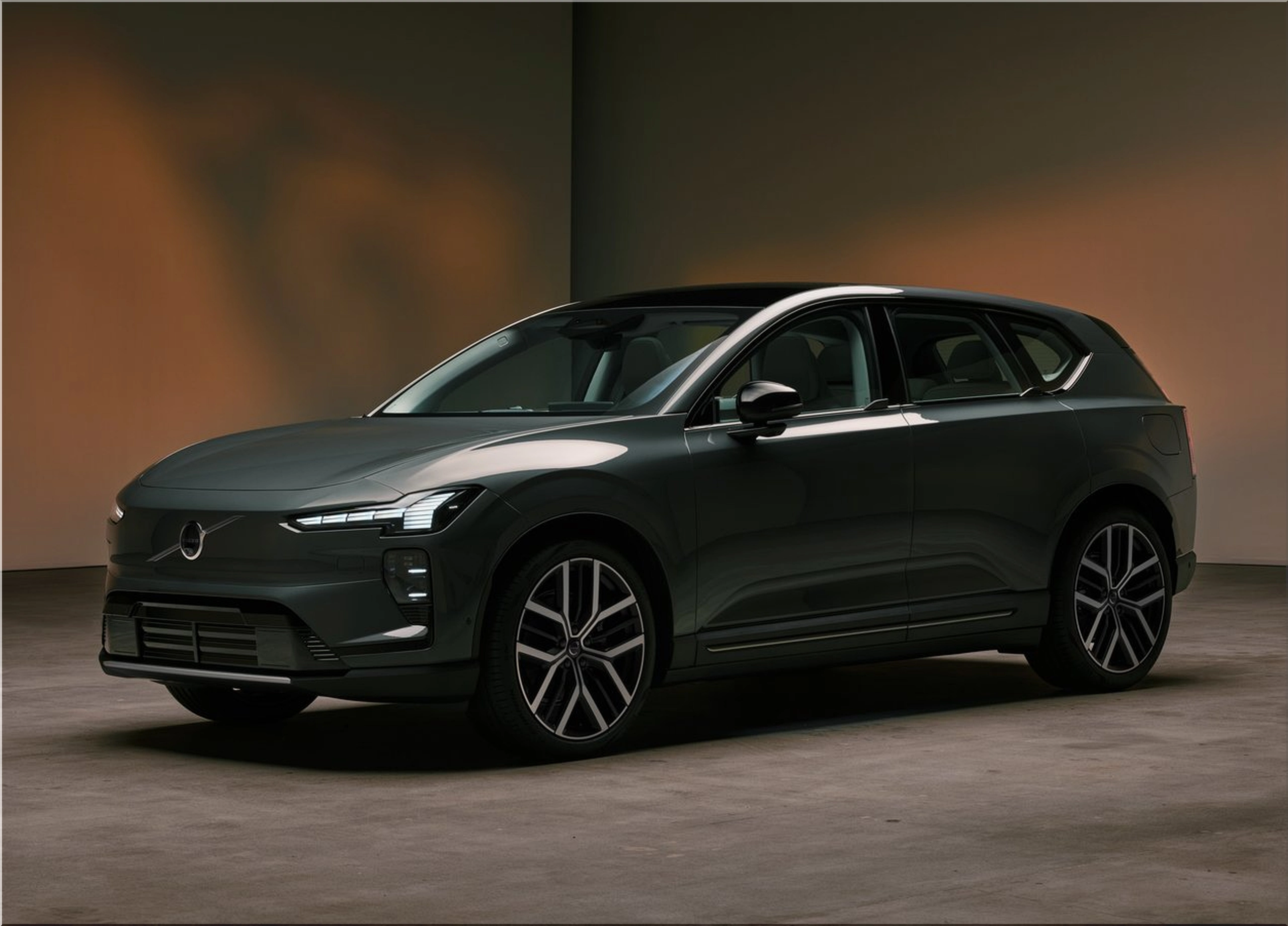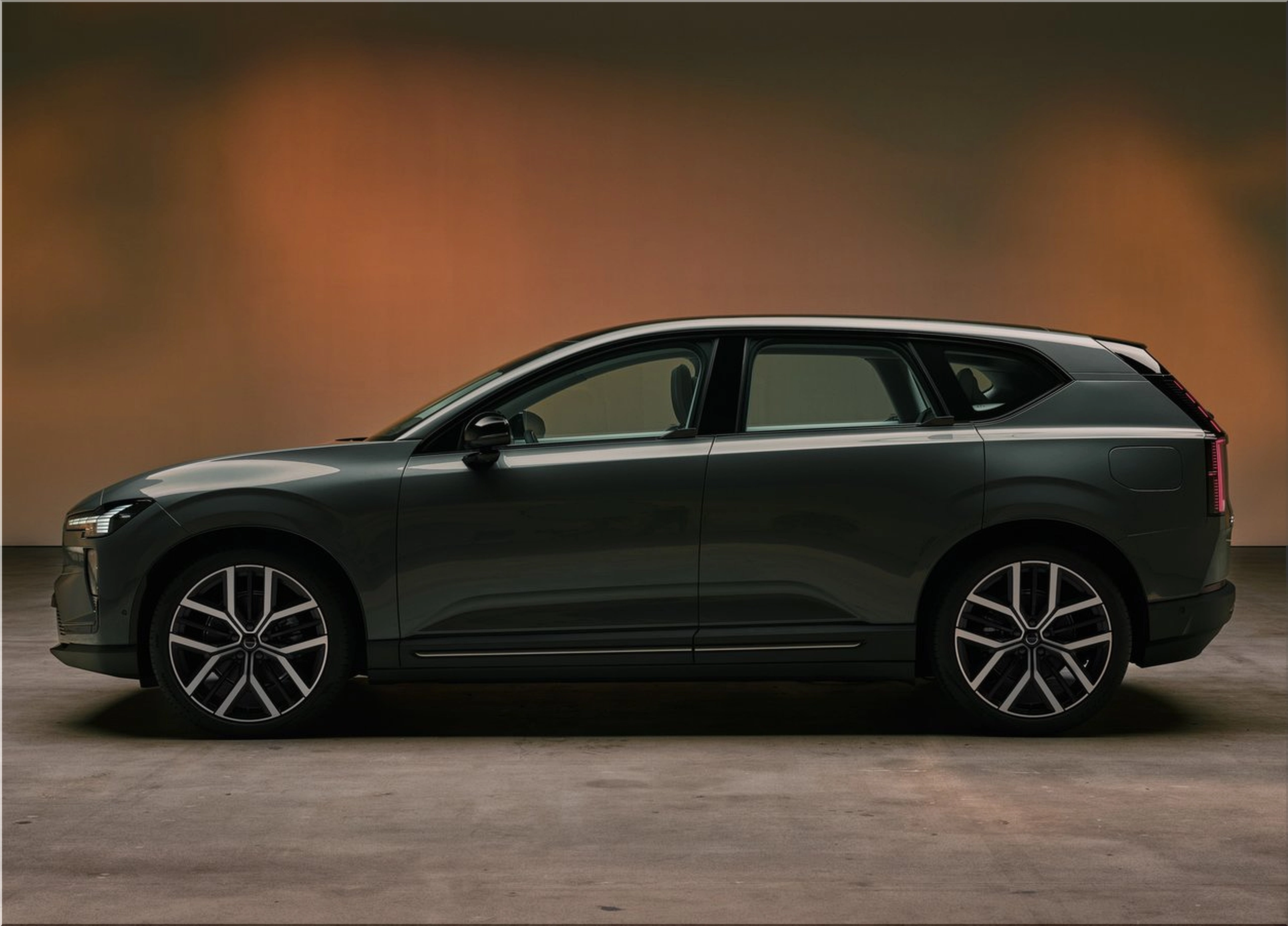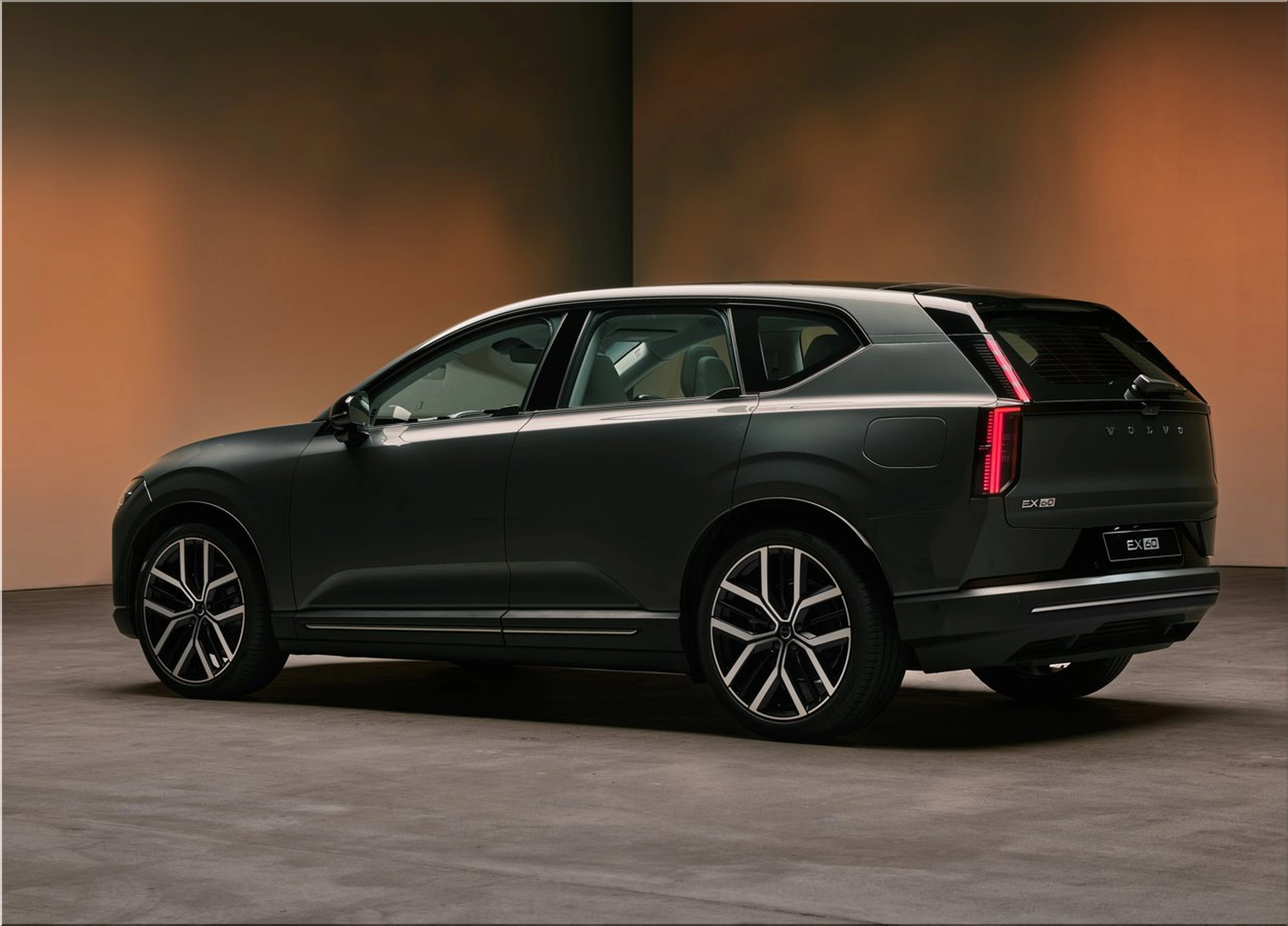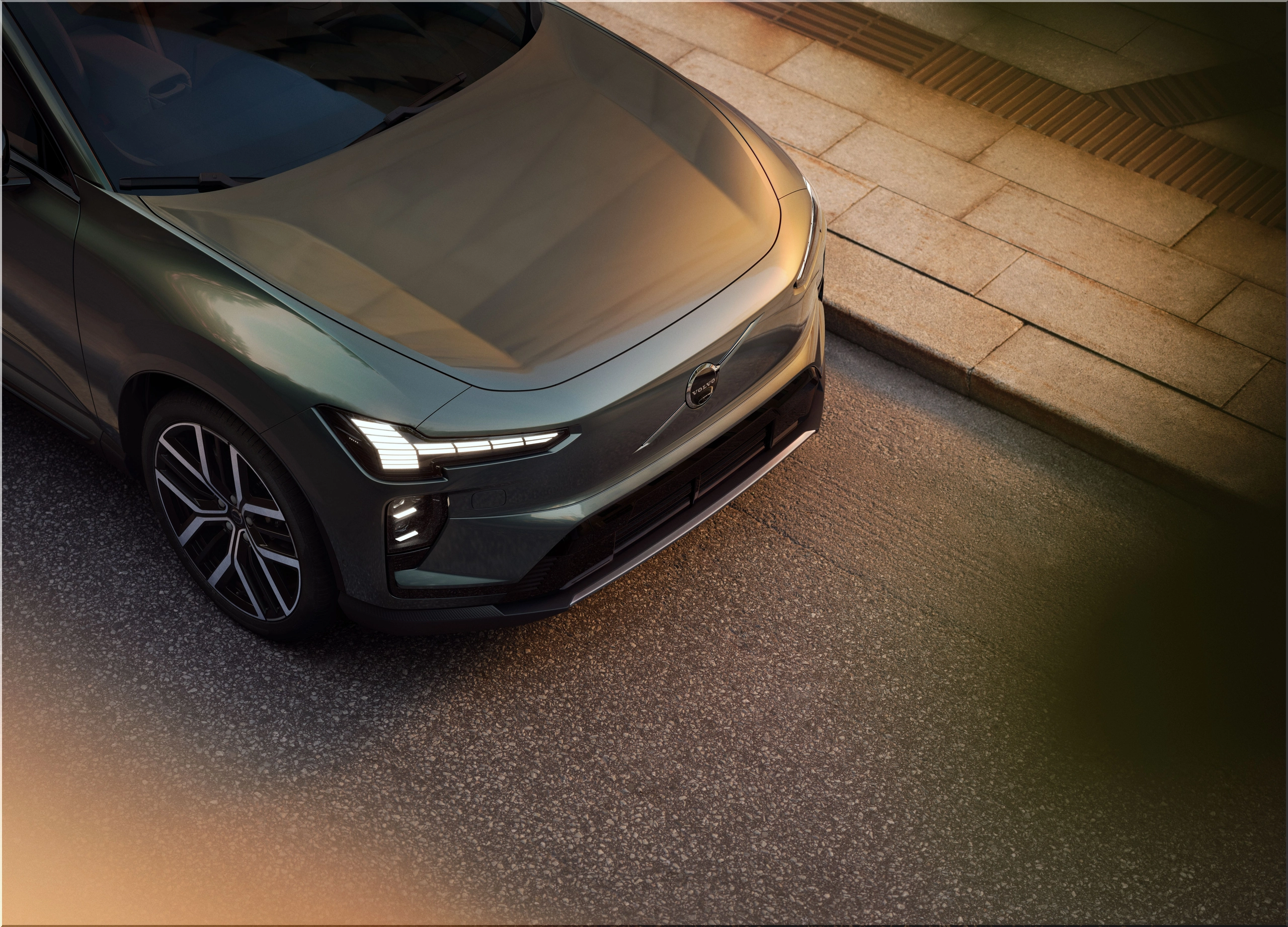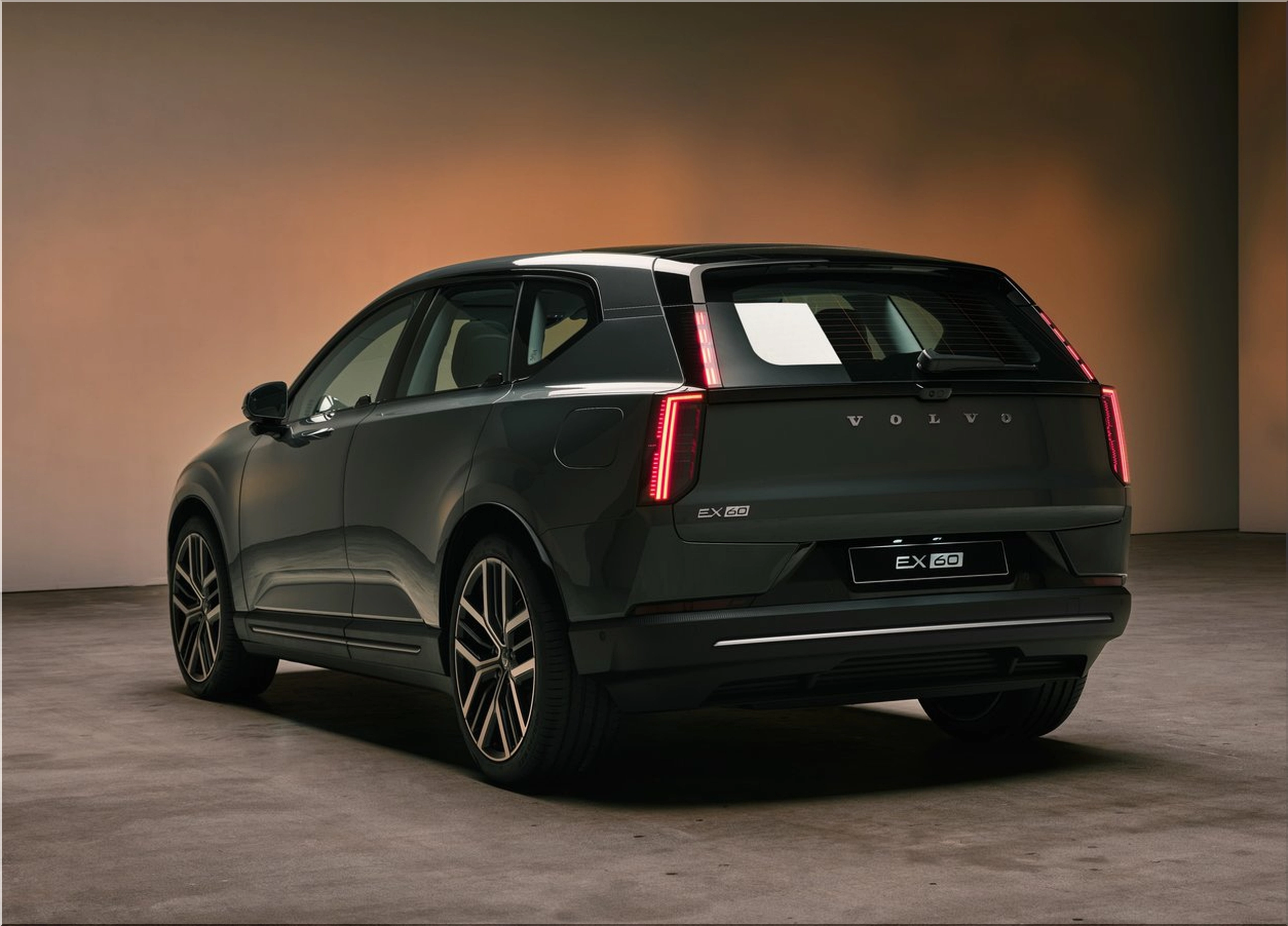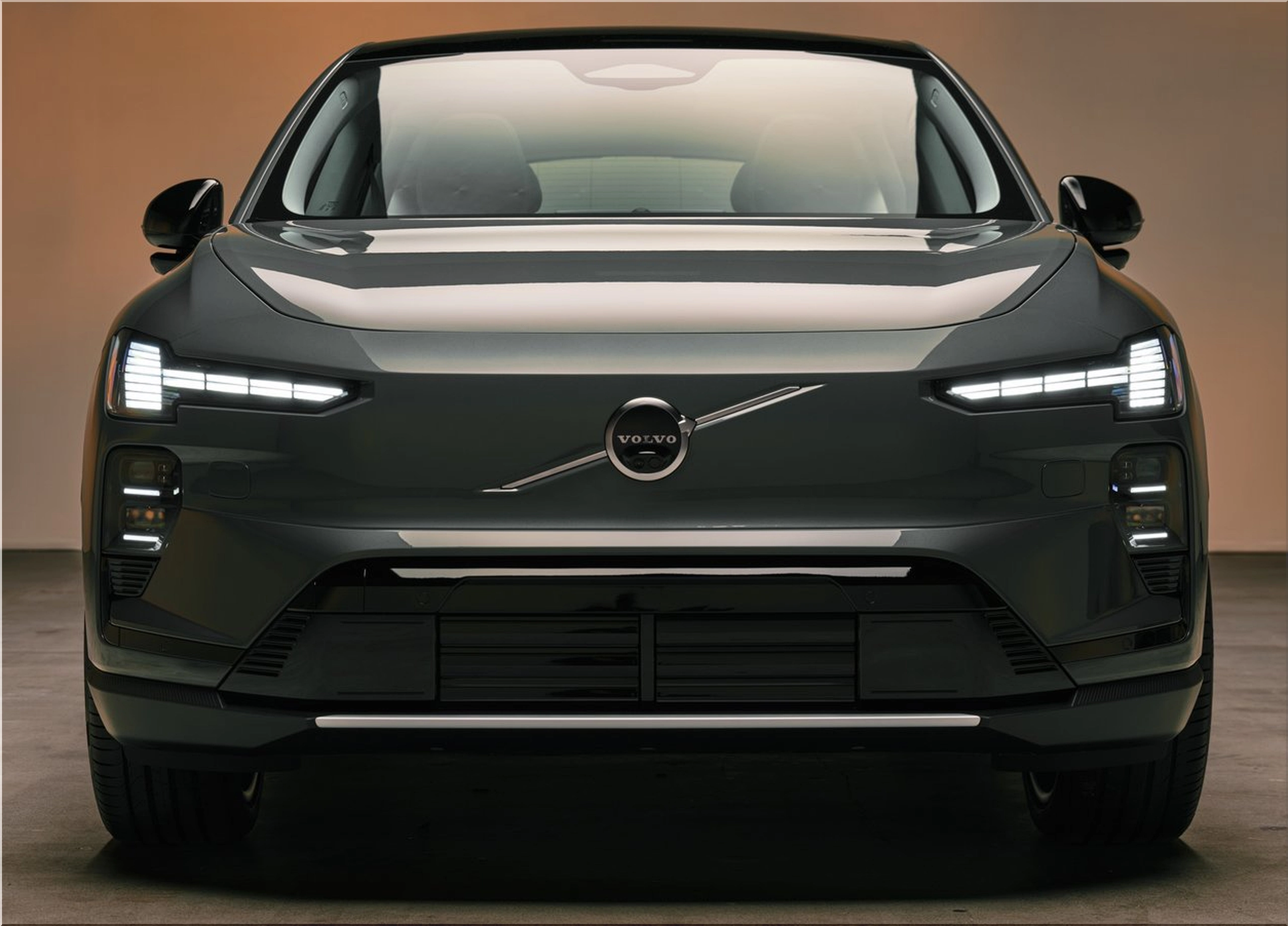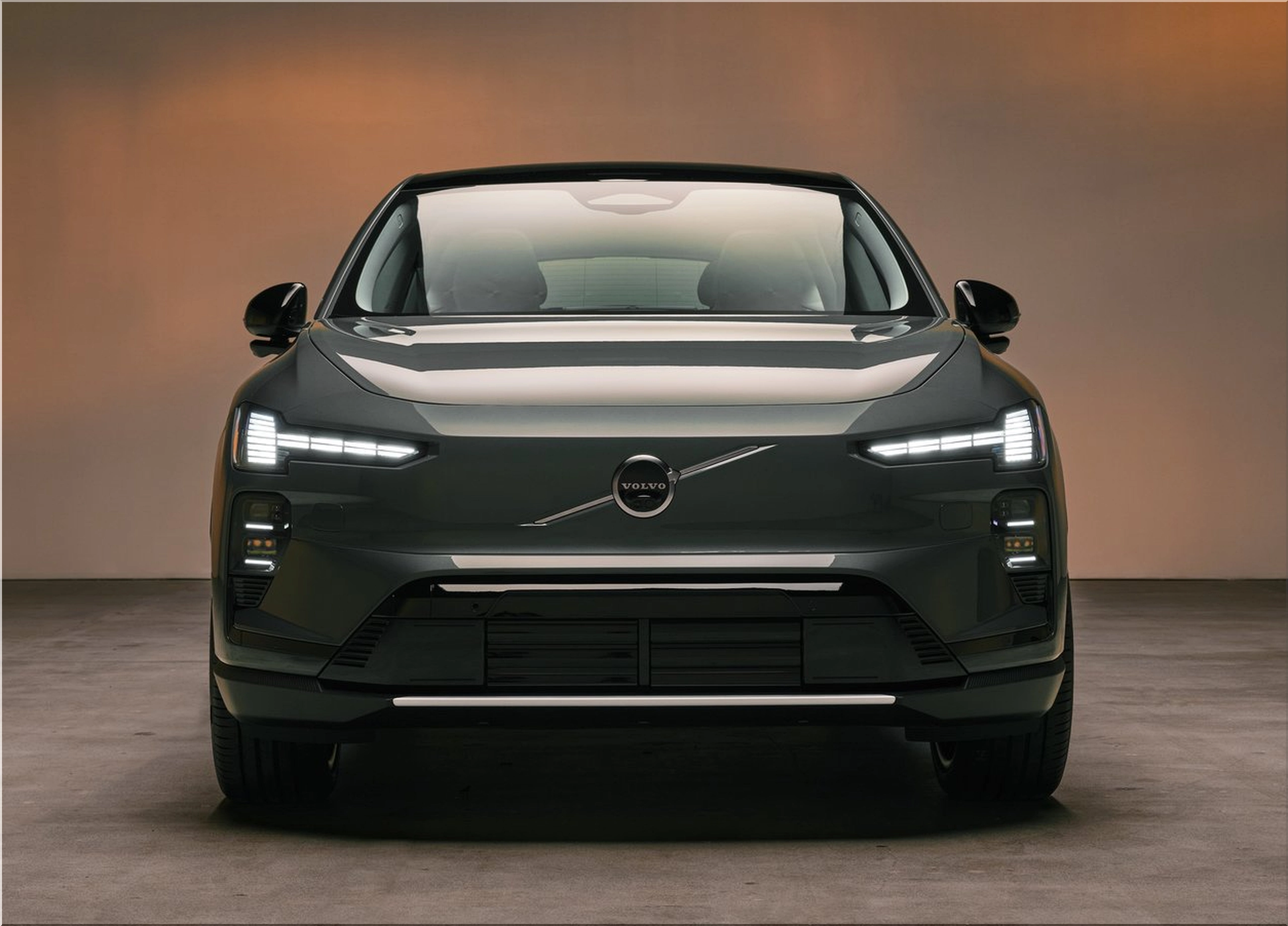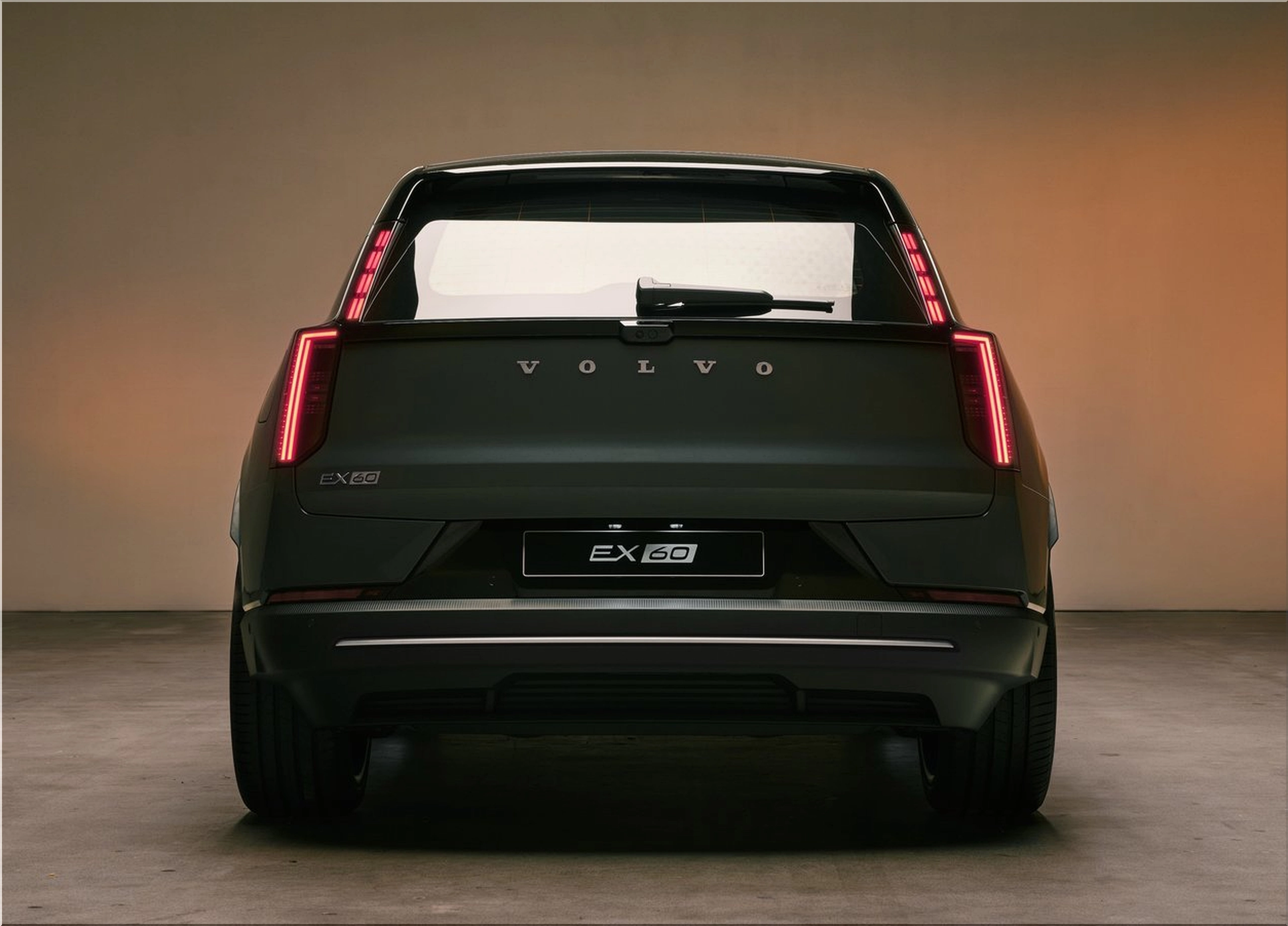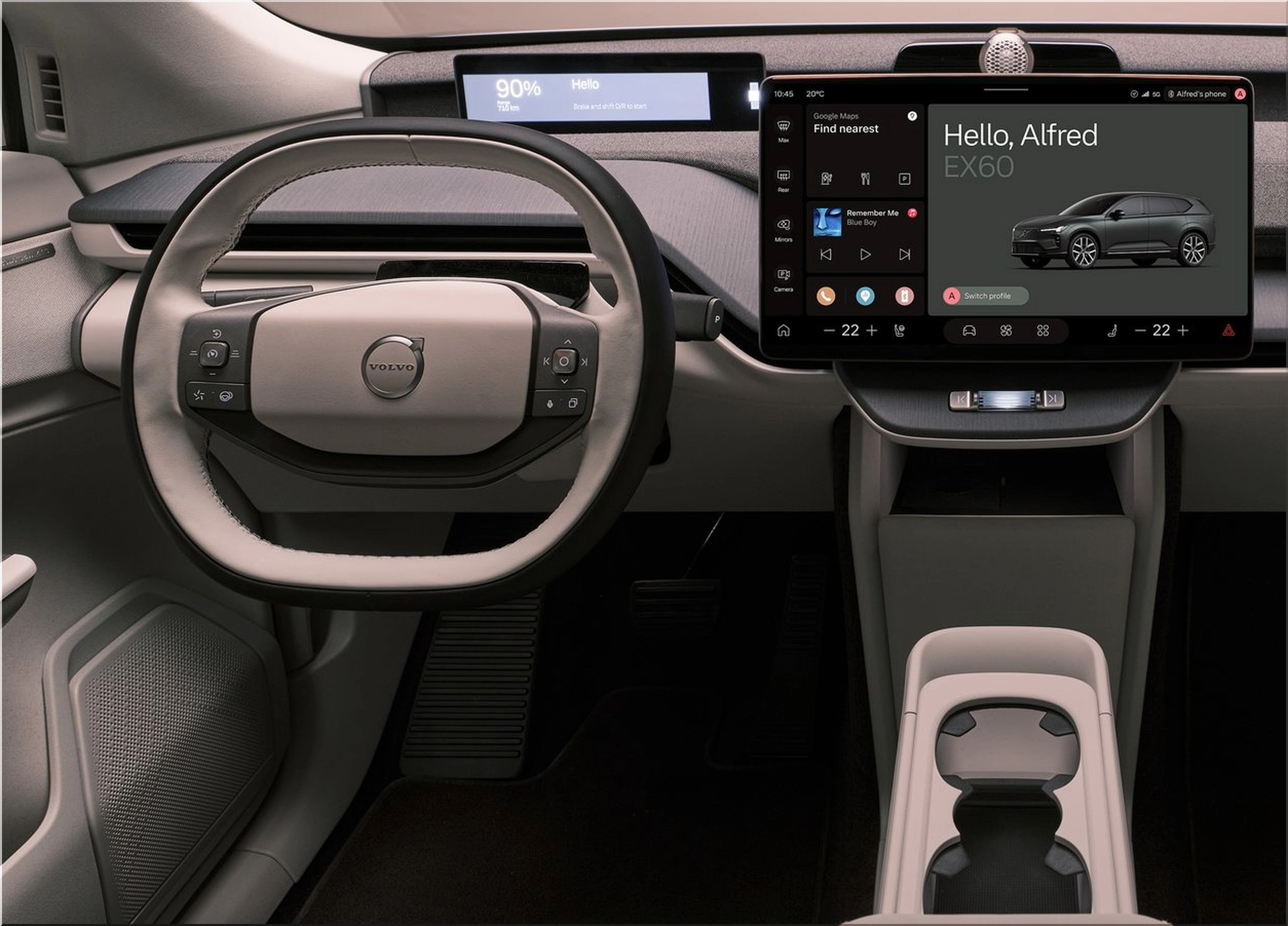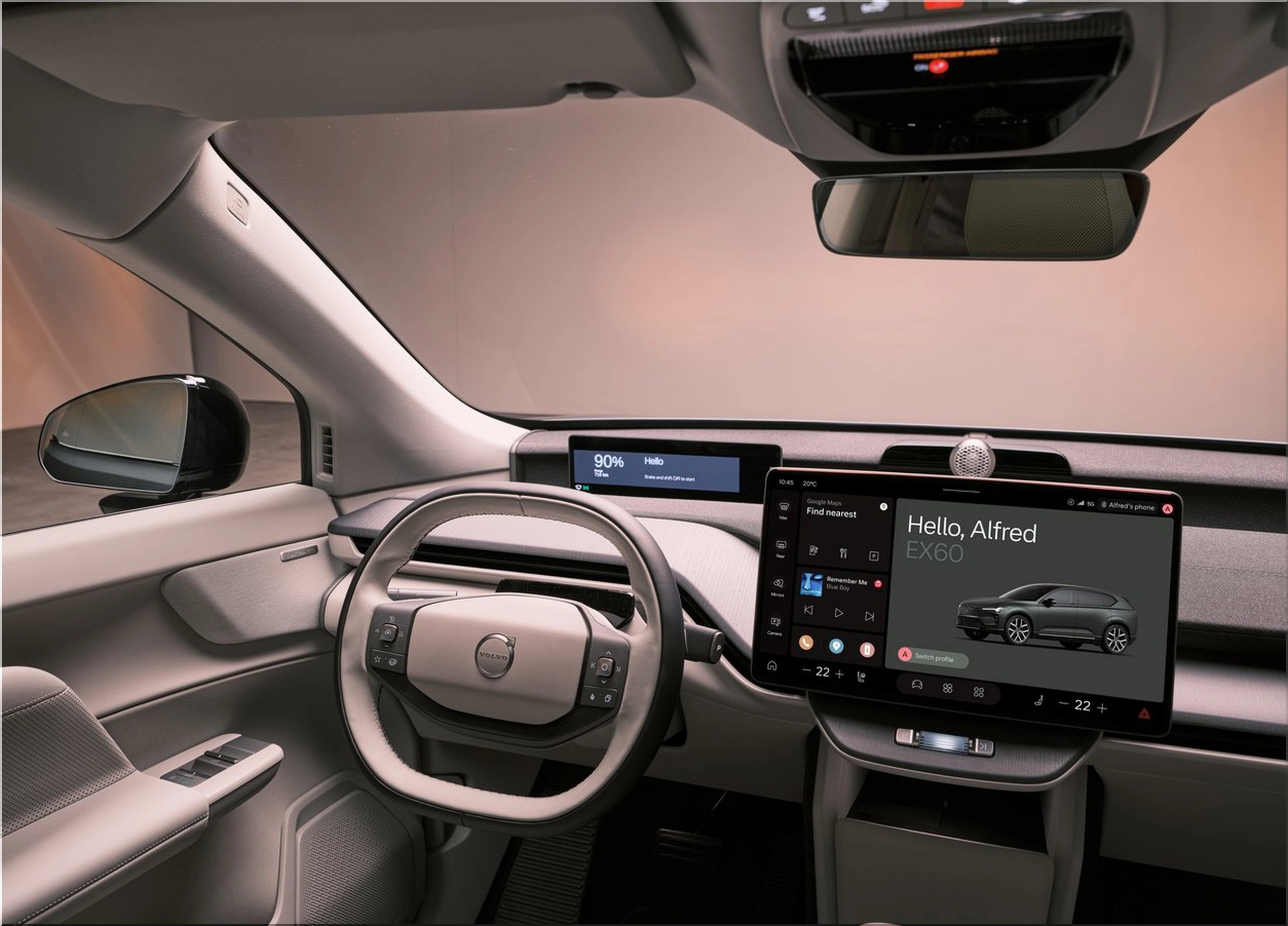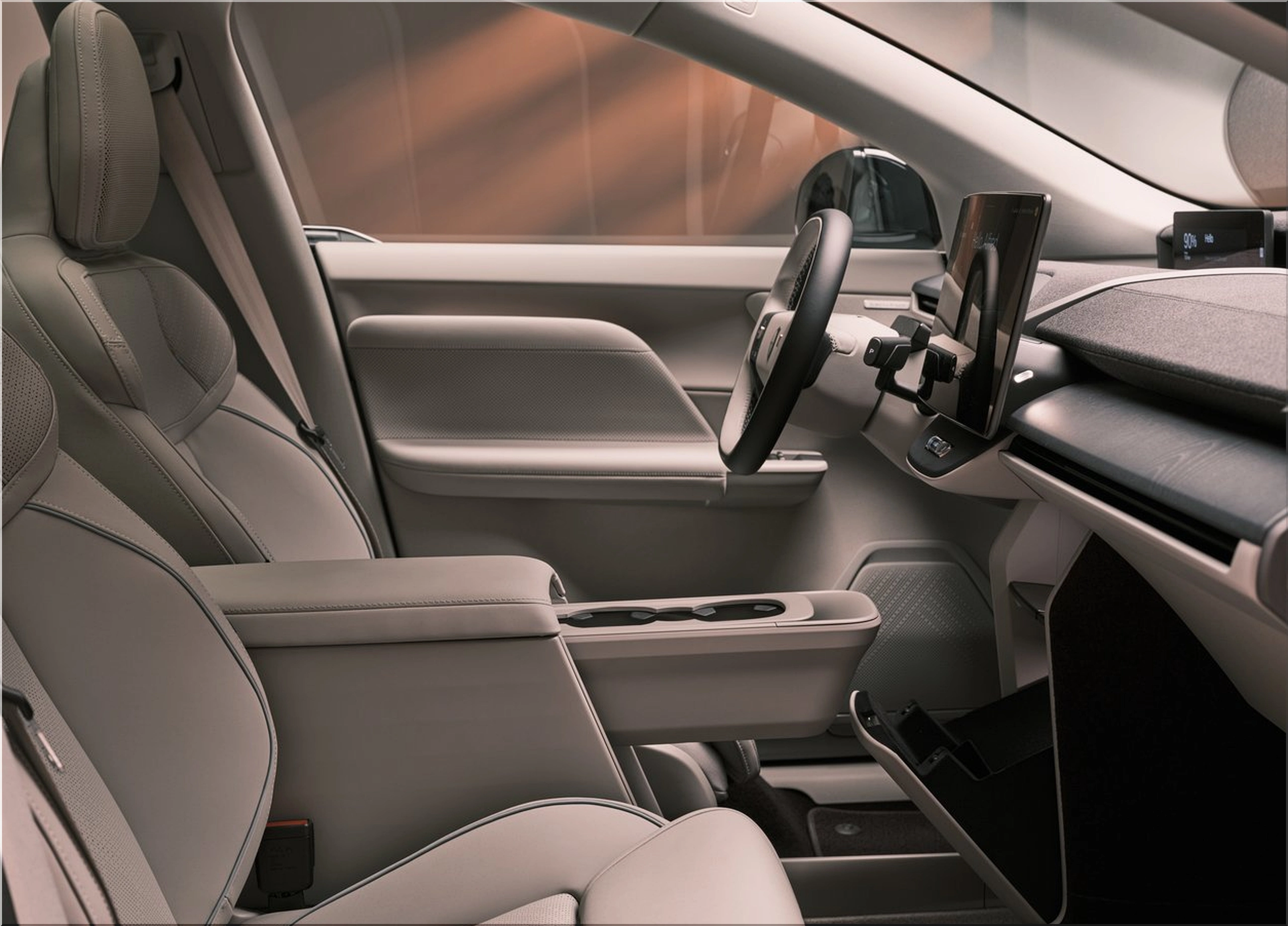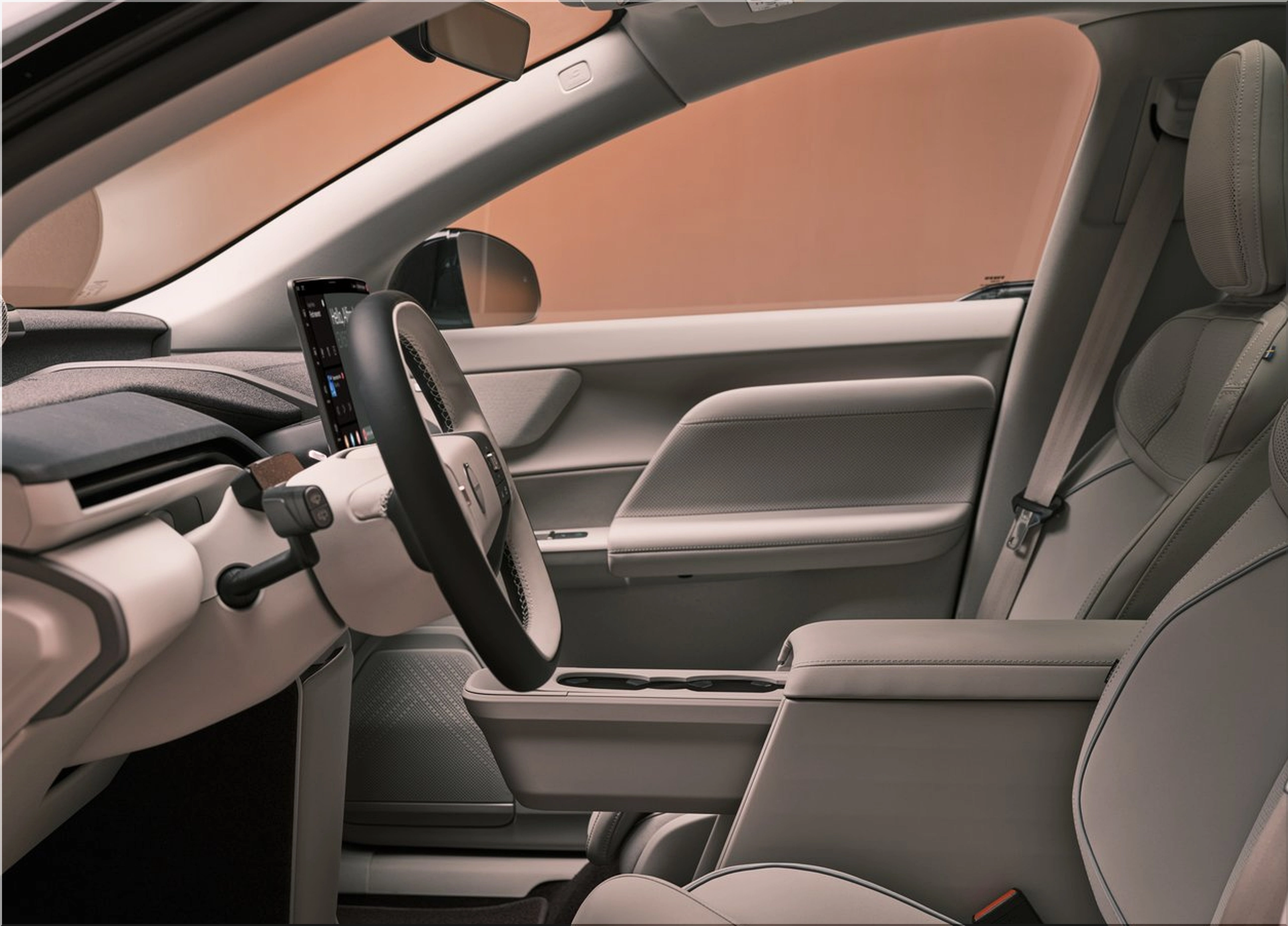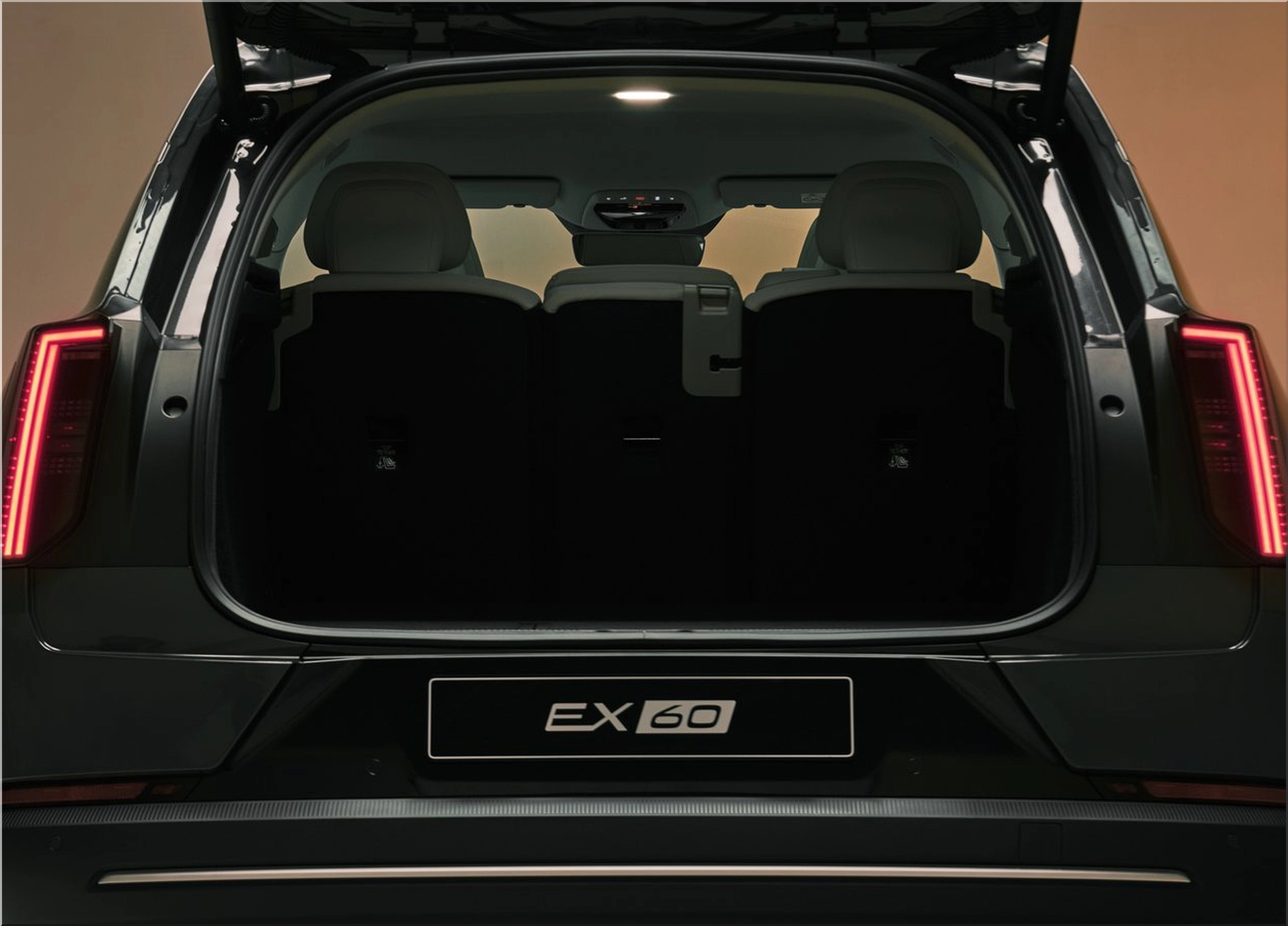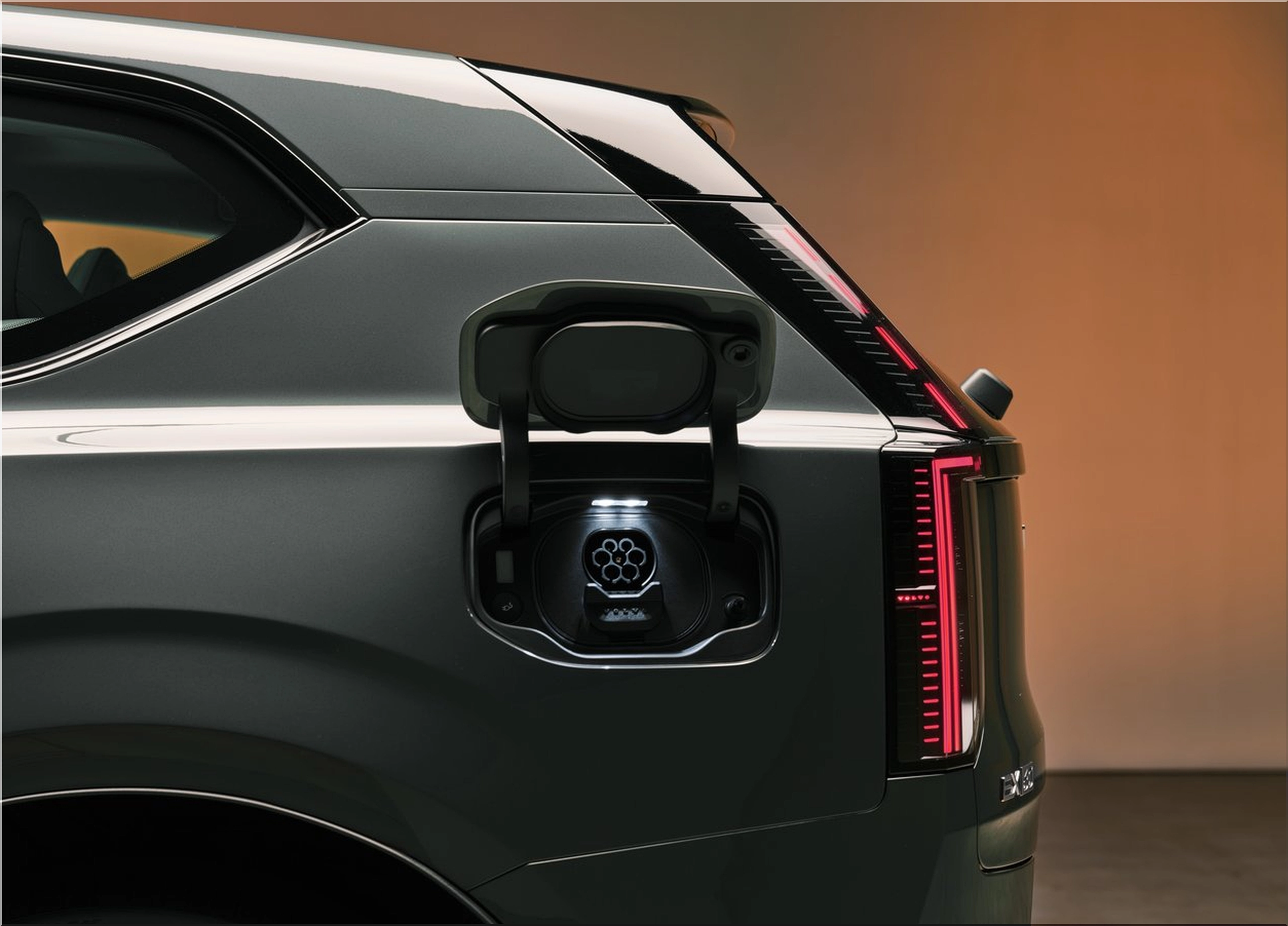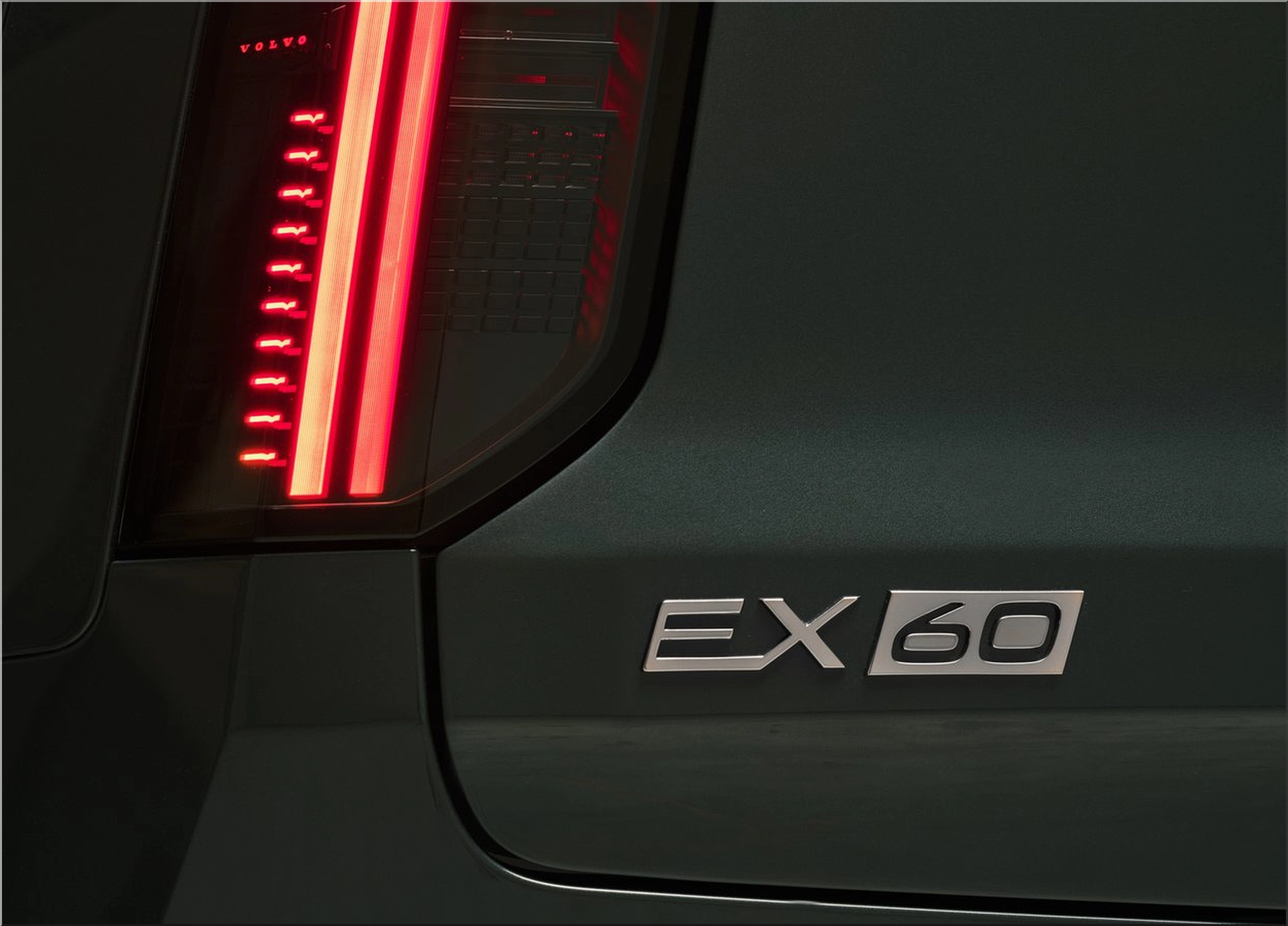
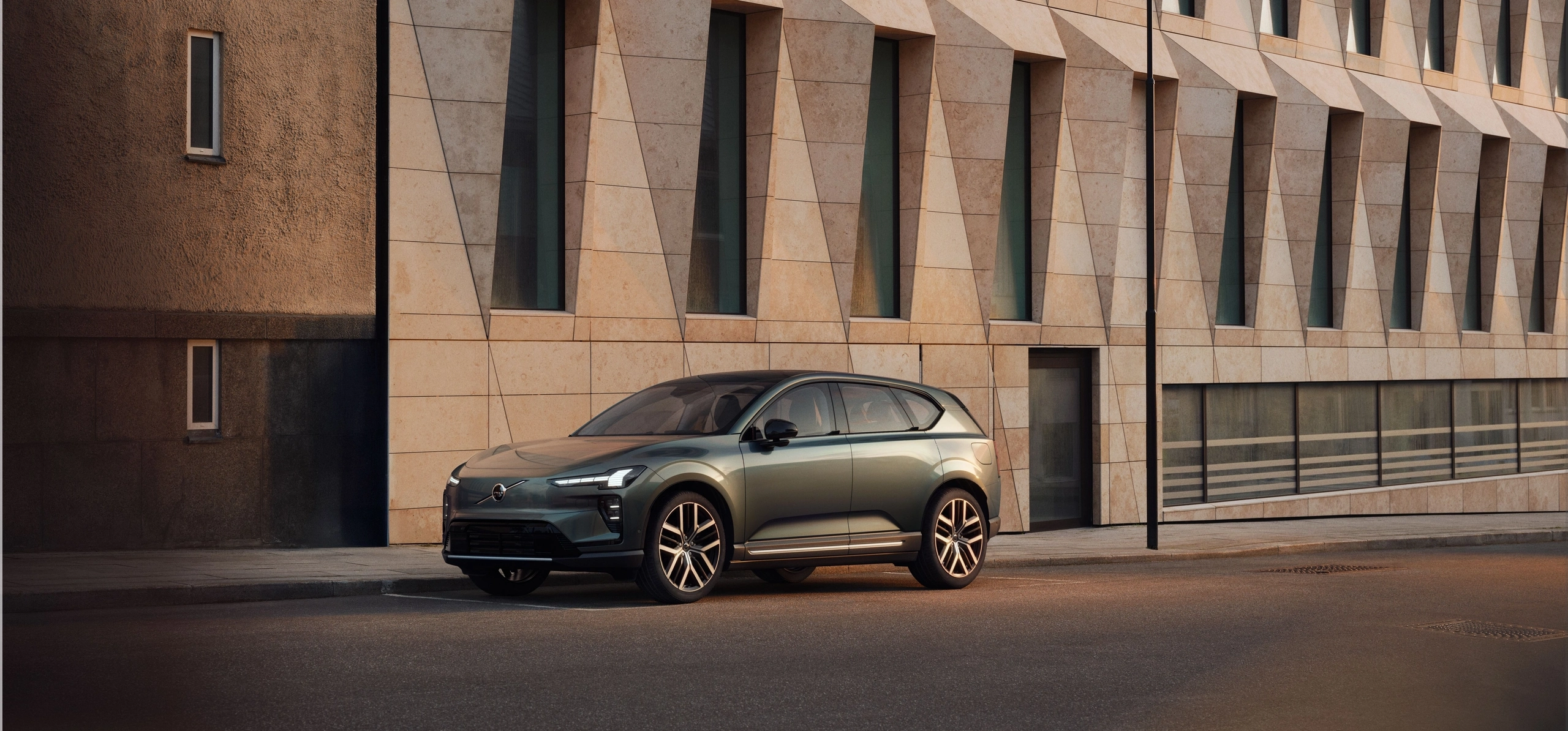
The electric vehicle sector just witnessed a shift with the global debut of the Volvo EX60. This vehicle marks the commercial premiere of the SPA3 platform and effectively addresses the most significant hurdle for electric adoption: range. This midsize SUV delivers performance figures that challenge established leaders like the Audi Q6 e-tron and the BMW iX3.
Engineering the 503-Mile Electric Benchmark
Volvo focused on efficiency to achieve these results. The flagship P12 AWD variant offers a preliminary WLTP range of up to 503 miles (810km). This performance stems from the new SPA3 architecture, which utilizes megacasting to reduce weight and complexity. By casting large aluminum sections as single pieces, Volvo improves structural rigidity while cutting down on hundreds of individual parts.
The cell-to-body technology further enhances this setup. Instead of a separate battery tray, the battery cells integrate directly into the vehicle structure. This design increases energy density by 20 percent and saves space. The 800V electrical system allows for rapid energy transfer, enabling the EX60 to add 211 miles (340km) of range in 10 minutes when using a 400kW fast charger.
Technical Performance Breakdown
The 2027 Volvo EX60 arrives in three distinct powertrain configurations to meet different driver needs:
- P6 RWD: The entry model features a single rear motor producing 369 horsepower and 354 lb-ft of torque. It uses an 83kWh battery (80kWh usable) to deliver approximately 385 miles (620km) of range. Acceleration from 0-60 mph takes 5.7 seconds.
- P10 AWD: This mid-tier version utilizes dual motors for 510 horsepower and 524 lb-ft of torque. It features a 91kWh battery, providing a range of 410 miles (660km). It completes the 0-60 mph sprint in 4.4 seconds.
- P12 AWD: The range leader produces 670 horsepower. With its high-capacity battery, it sets the class record at 503 miles (810km). It completes the 0-60 mph sprint in just 3.8 seconds.
HuginCore and Google Gemini Integration
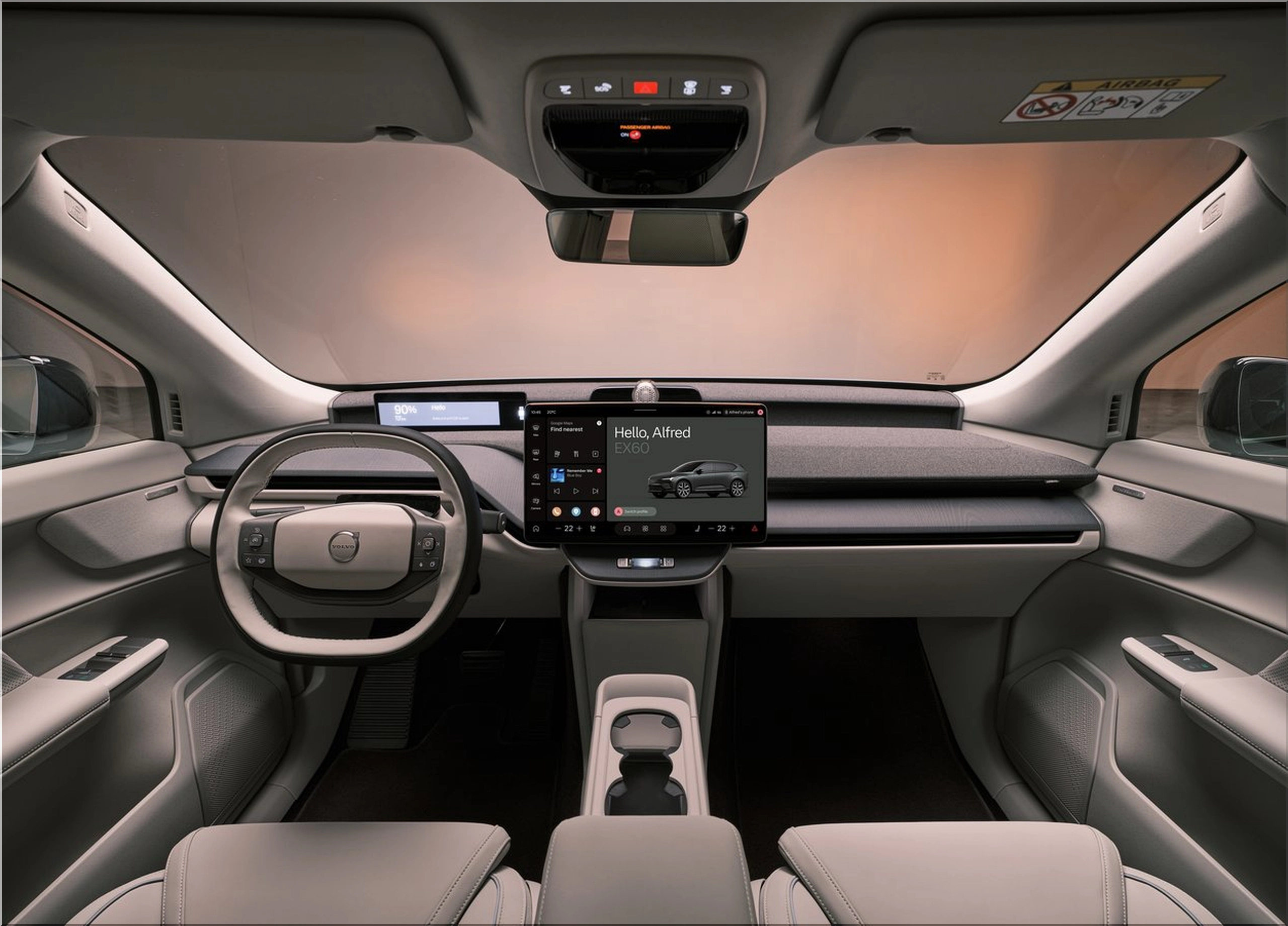
Software defines the EX60 experience. Volvo introduces HuginCore, a centralized computing system powered by NVIDIA DRIVE Orin and Qualcomm Snapdragon platforms. This core system processes 250 trillion operations per second, managing everything from safety sensors to the infotainment interface.
The EX60 is the first vehicle to launch with Google Gemini as a deeply integrated AI assistant. Drivers can engage in natural conversations to manage tasks without specific voice commands. For example, a driver can ask the car to check if a specific package fits in the trunk or find an address from a recent email. The system learns from global fleet data to improve safety responses and user interactions over time.
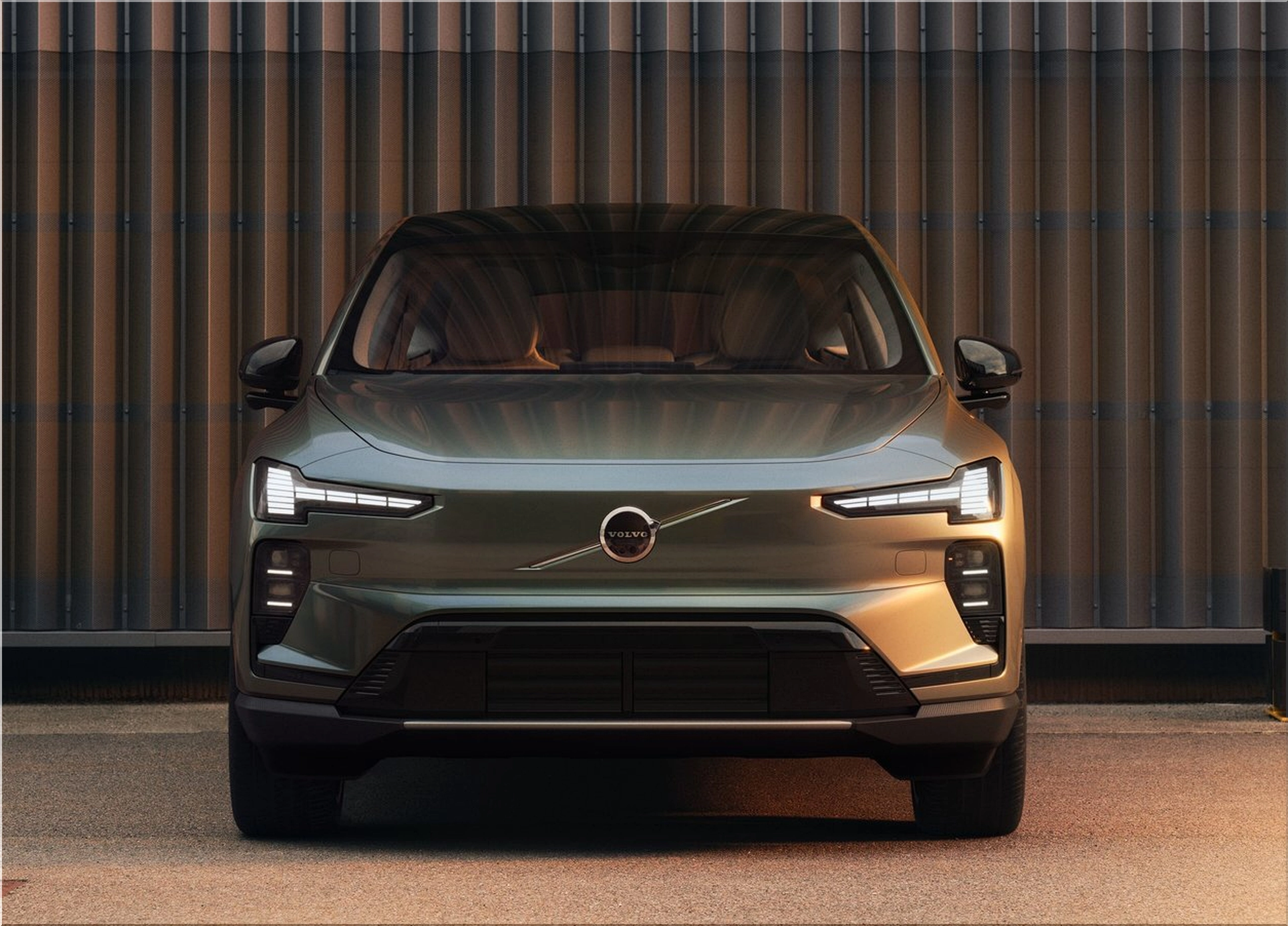
Market Comparison: Midsize Electric SUVs
The EX60 enters a crowded field but holds a clear advantage in efficiency and charging speed. The following table compares the P12 AWD variant against its primary competitors.
| Model | Max Range (WLTP) | Peak Charging Power | 0-60 MPH Time | Est. Base Price (USD) |
|---|---|---|---|---|
| Volvo EX60 P12 | 503 Miles (810km) | 400 kW | 3.8 Seconds | $72,000 |
| BMW iX3 (2026) | 500 Miles (805km) | 250 kW | 4.5 Seconds | $75,000 |
| Tesla Model Y LR | 373 Miles (600km) | 250 kW | 4.8 Seconds | $52,000 |
| Audi Q6 e-tron | 388 Miles (625km) | 270 kW | 5.0 Seconds | $66,000 |
Note: Prices are converted estimates based on current market data and include destination fees.