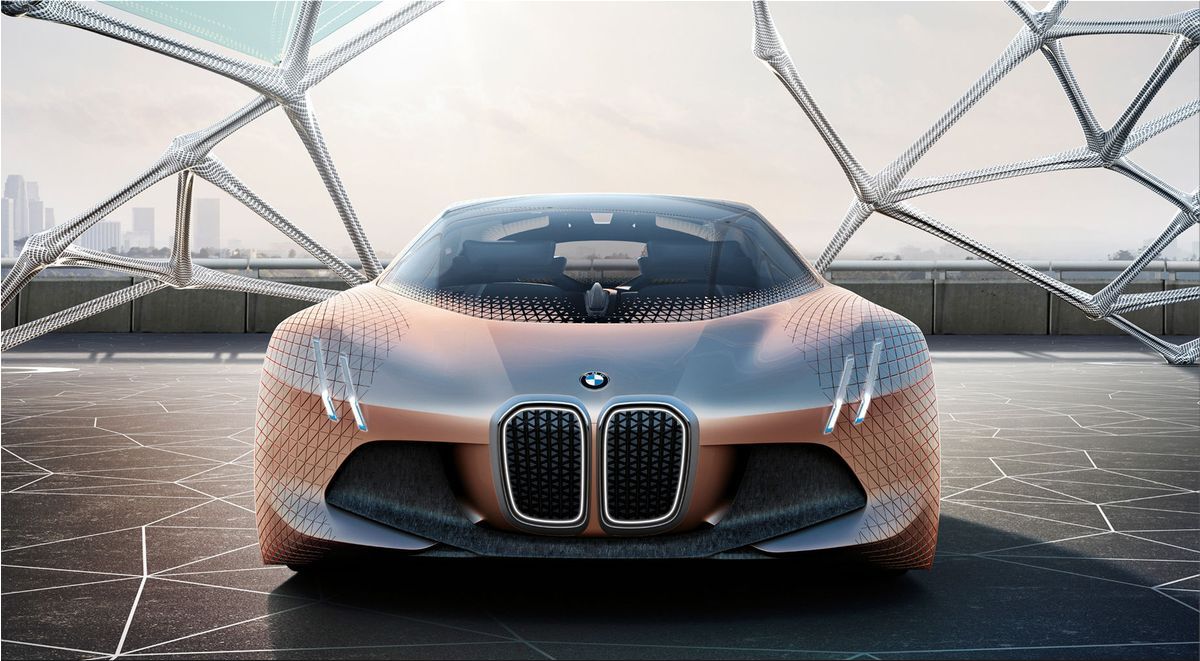
At this week's Detroit Auto Show, BMW announced its new fully electric iNext EV will go on sale in 2021. The vehicle will be based on the idyllic BMW Vision Next 100 project.
The BMW iNext will have a battery of between 60kWh and 120kWh, for a range of 450 km to 700 km. It will be one of the first cars produced on the new BMW platform, whose revolutionary architecture will allow to combine conventional gasoline and diesel vehicles, pure electric and plug-in hybrids.
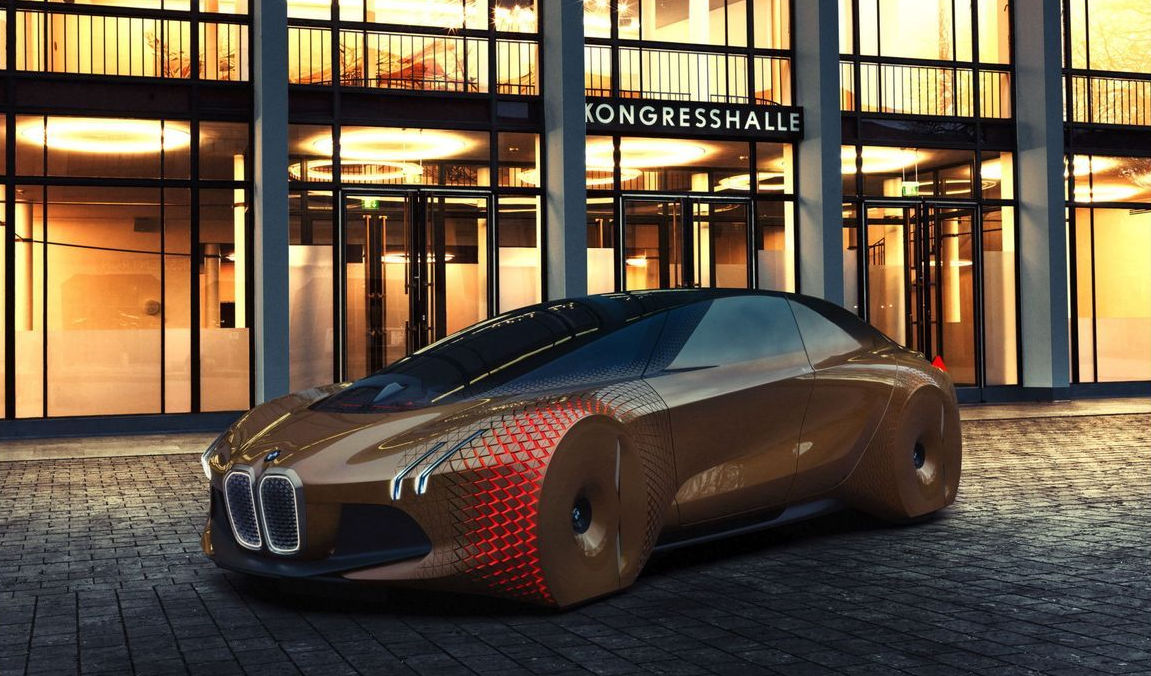
The iNext is expected to reach the market with a level-three autonomous technology. Level 3 is the equivalent system of the the Tesla Model S: the hands must be on the wheel and you must intervene if necessary. In time the iNEXT will be able of level four and five autonomous driving, where the driver have barely any input.

Head of BMW i Product Management Alexander Kotouc told autoexpress.co.uk: “I can promise you that this year you will see something and touch something – you need to let people experience what is coming.
“It’s groundbreaking; the iNEXT will be more of the shape and size of an X5. It will have a completely different interior and be able to seat five people.”
Ford unveiled the new Mustang Mach-E to the European public for the first time today at the “Go Electric” event in London. With the European Roadshow, Ford wants to inform consumers about the path to an electrified future. In addition, 1,000 charging… Continue reading

The Hyundai plant in Nošovice, Czech Republic has resumed operation after more than three weeks of coronavirus shutdown. For the time being, only two of the usual three shifts work in Nošovice, as a spokesman for the German Press Agency… Continue reading

The Vatican has installed photovoltaic panels on the roof of the Paul VI Audience Hall to produce green energy. The Vatican encourages the use of electric and hybrid vehicles and has eliminated the use of toxic pesticides in gardens… Continue reading

Norwegian Electric Systems (NES) completed the delivery of five all-electric propulsion systems for ferries operated by Norwegian transport company Fjord1. These e-ferries each have a capacity for 50 cars and are used at four… Continue reading