The Shift Toward Contactless Charging
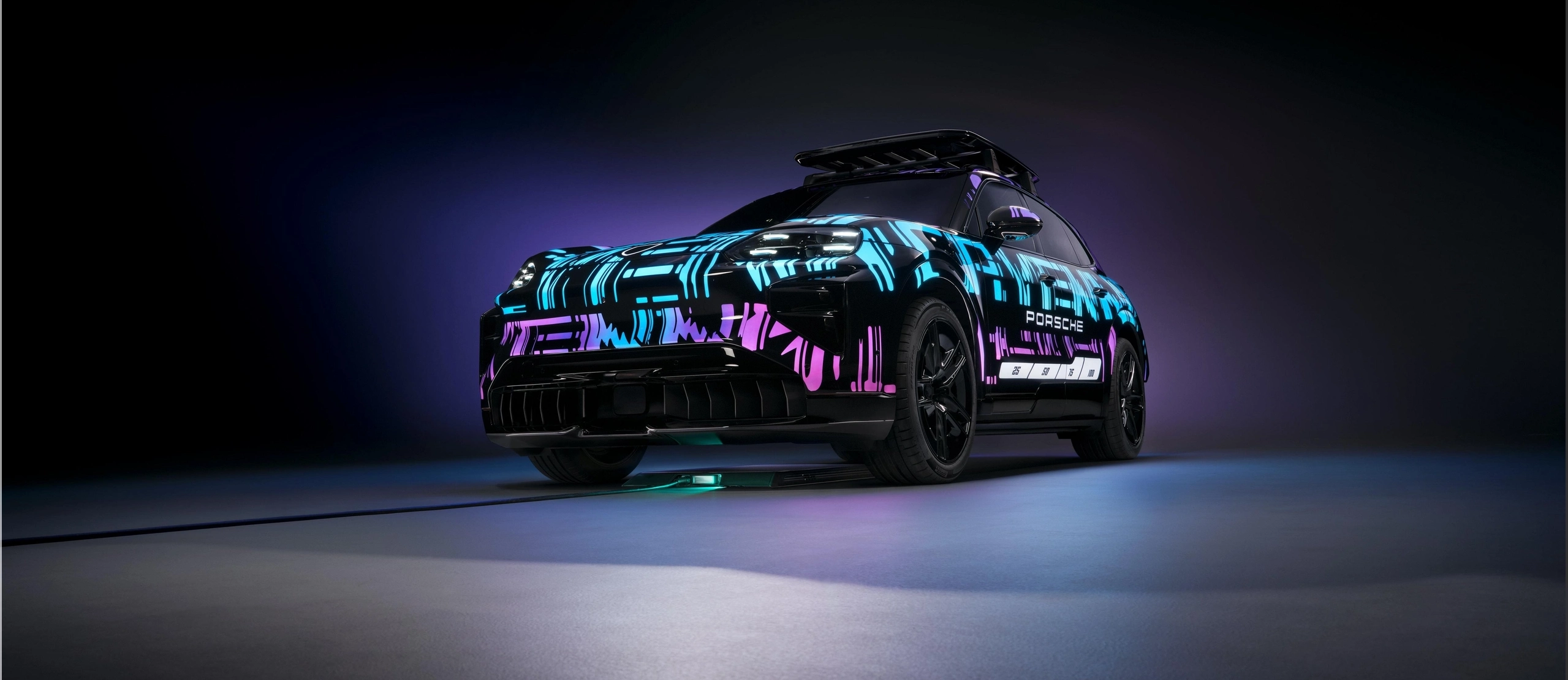
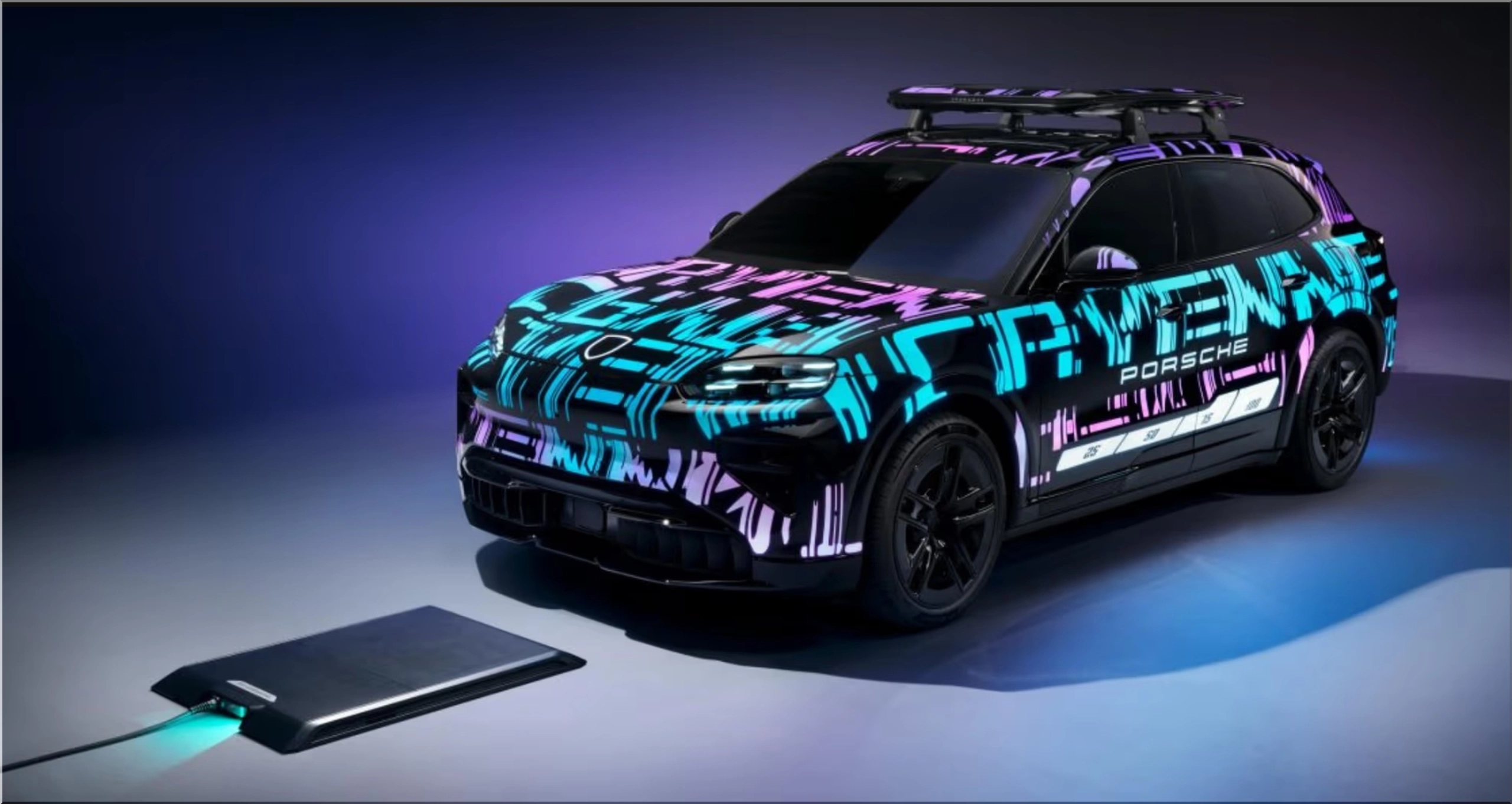
Porsche moves fast when efficiency produces real gains. The Cayenne Electric adds wireless inductive charging to its options list. The system removes cables, cuts setup steps, and turns a garage into an automated energy station. You park. The SUV charges. That simple process shows how the company plans to reduce friction in daily EV use.
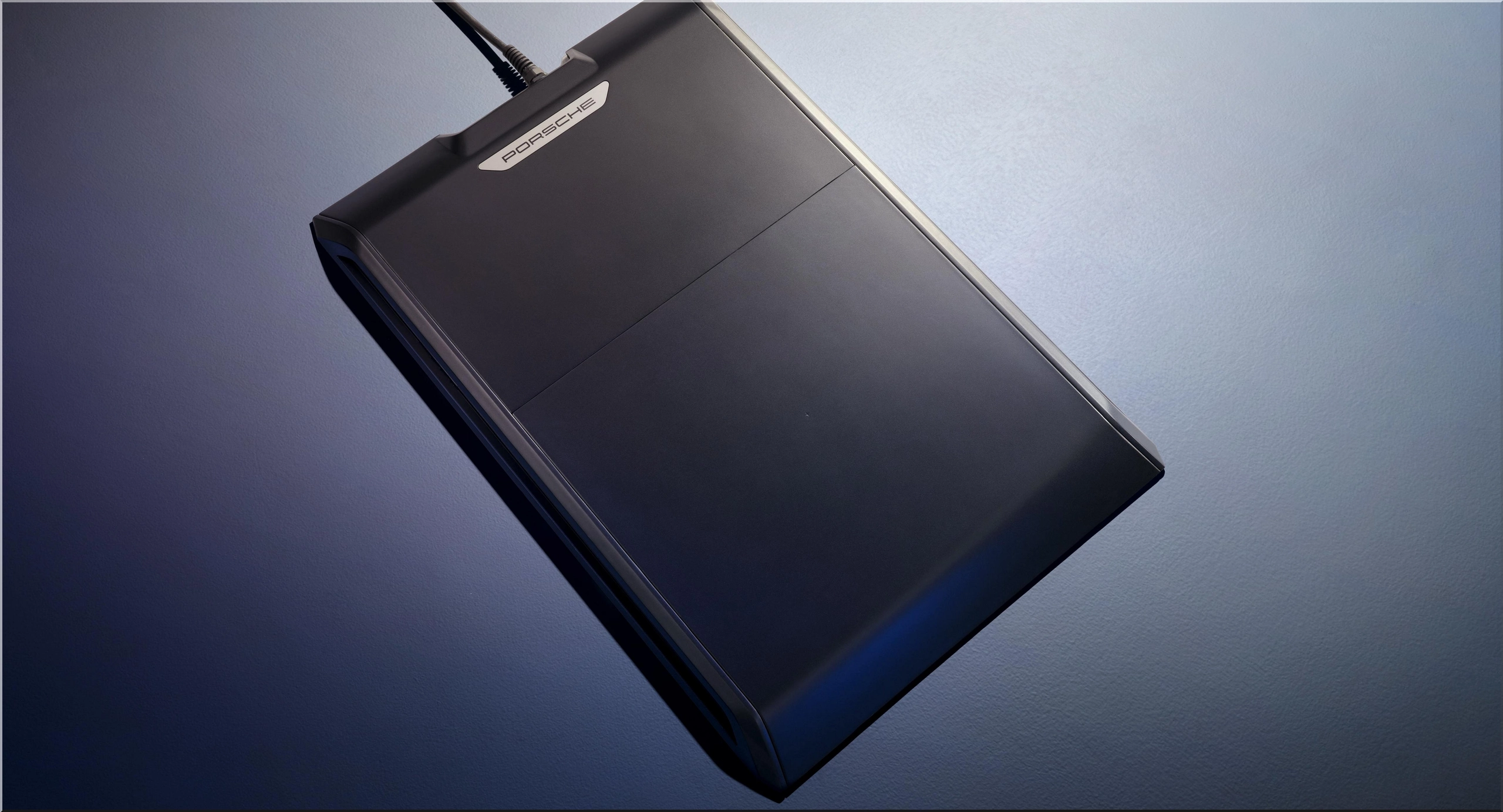
The feature relies on two core components: a wireless charging floor plate and a receiver module mounted behind the front axle. Together, they create an energy transfer process that mirrors smartphone induction pads, but at much higher power levels.
What the System Includes
Porsche designed the setup to reduce steps for owners. The floor unit measures 6 cm high, 78 cm wide, and 117 cm long. It contains the full charging hardware. No wallbox is required.
Key hardware elements:
- Inductive floor plate connected directly to household power
- Receiver coil integrated into the SUV underbody
- Wi-Fi communication module in the plate
- Automatic alignment system that uses positioning sensors
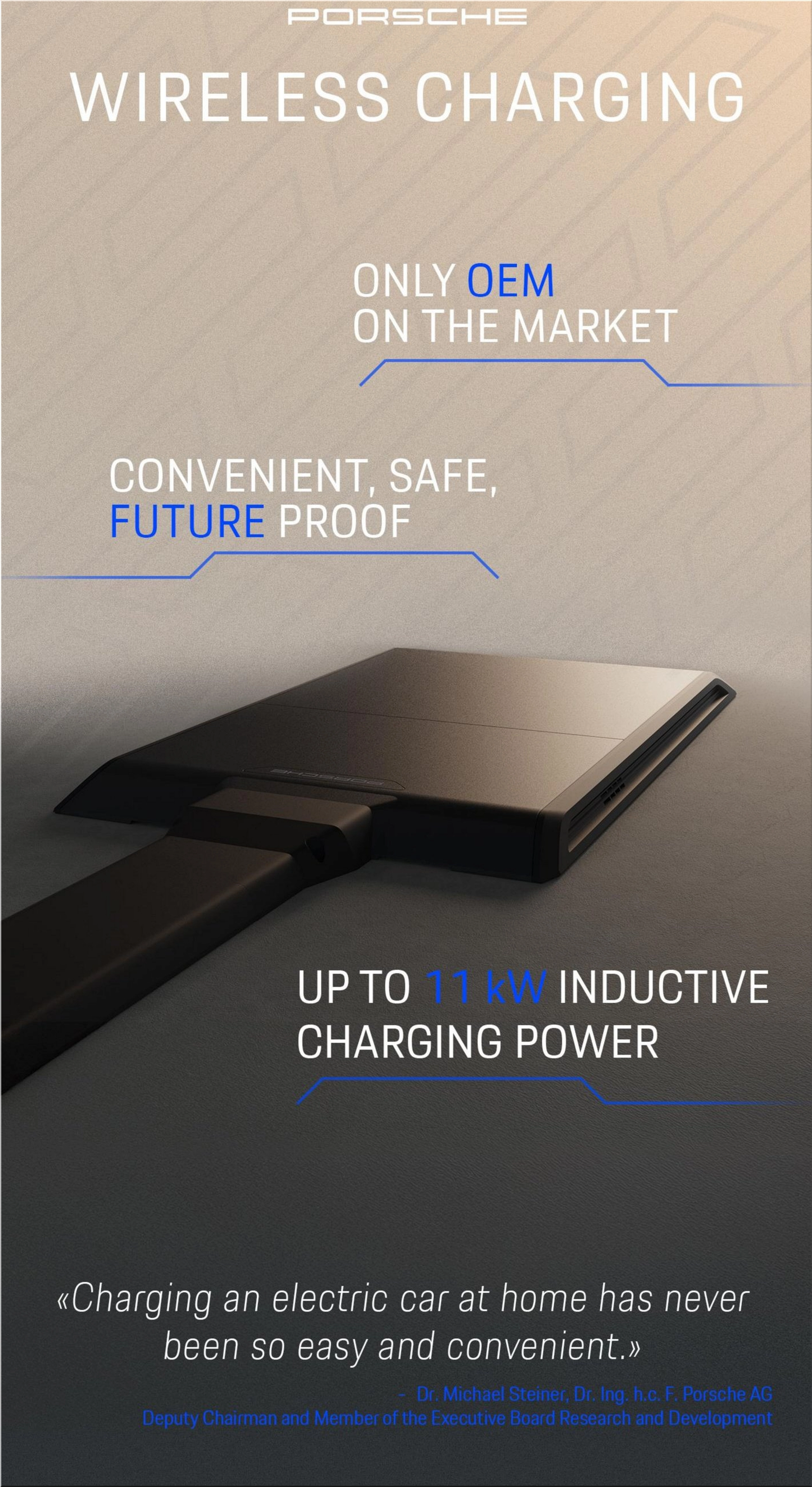
- 11 kW charging capability with over 90 percent efficiency
- Foreign-object and live-object detection for safety
The system initializes once. The SUV and the plate exchange encrypted data to prevent unauthorized use. After that, parking over the plate triggers an automatic connection.
How Inductive Charging Works
The method is based on inductive coupling, a well-known principle with more than a century of use. Two copper coils sit opposite each other. When current moves through the first coil, it generates a magnetic field. That field induces voltage in the second coil.
Smartphones use the same principle, but at a low power level. Porsche needed a more advanced solution to deliver 11 kW without cable losses or overheating.
Here is the charging sequence:
- Grid AC converts to DC inside the floor plate.
- DC converts to an 85 kHz, 2,000-volt AC signal.
- The floor coil creates a magnetic field.
- The receiver coil converts the field back into DC for the battery.
- Software adjusts for a misalignment of up to 10 cm.
Because the Cayenne Electric sits 12 to 18 cm above the plate, engineers needed tight magnetic control. Ferrite components in the plate and the receiver direct the magnetic flux. Shielding below the SUV prevents the field from spreading into other systems.
via autogefuehl
Positioning the SUV
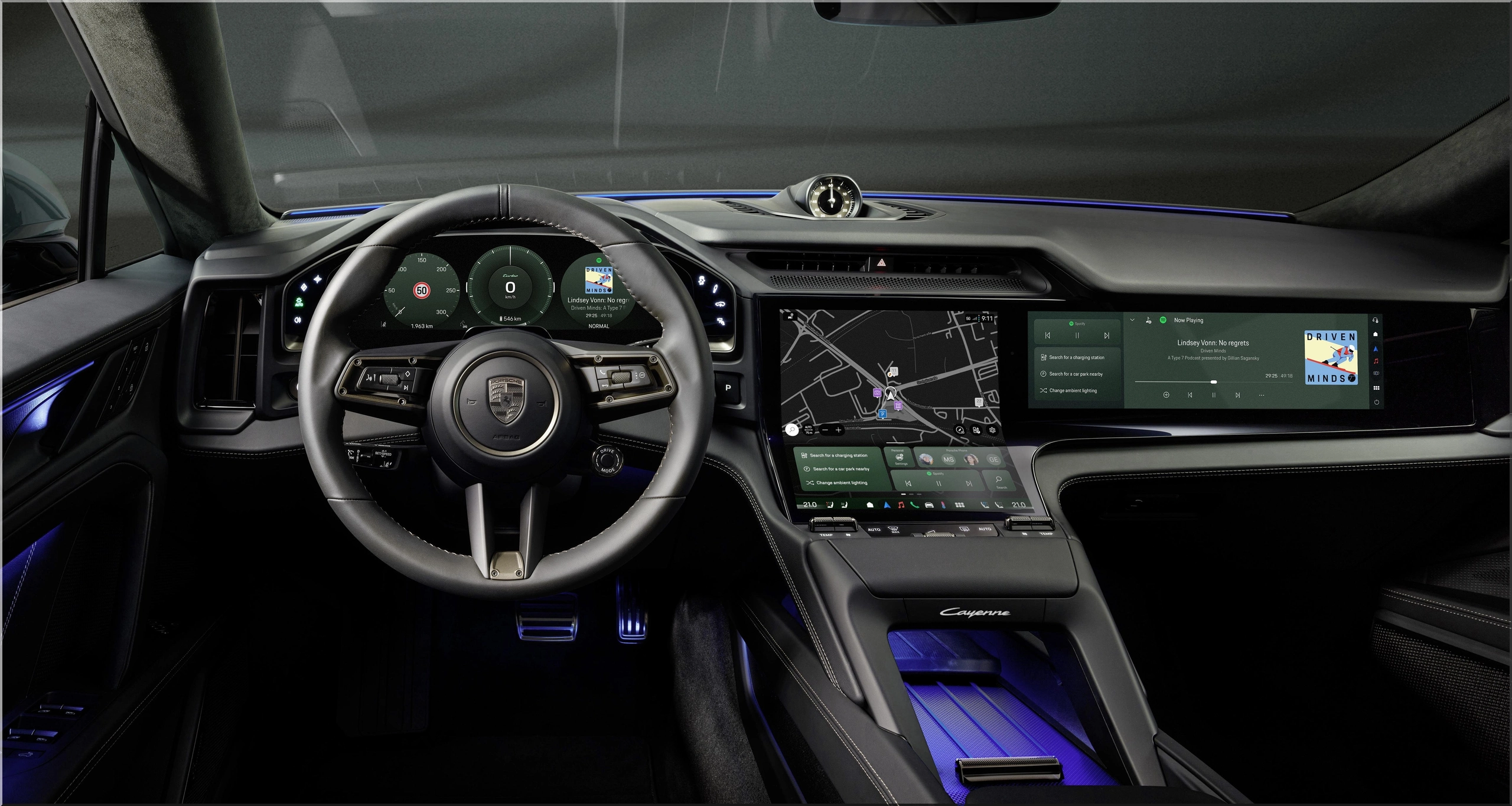
The driver uses the SUV's Surround View camera for accurate placement. The screen shows two icons:
- A green dot for the location of the receiver
- A green circle for the charging coil
When the dot sits inside the circle, the SUV is aligned. The system uses Keyless Go–derived sensors to ensure accuracy. Once parked and the brake engaged, charging begins.
Safety Controls
Porsche added several layers of protection. The foreign-object detection sensor stops charging if keys, coins, or tools fall under the vehicle. Motion sensors protect pets and children from exposure to the coil area.
Safety modules include:
- Magnetic-field shielding
- Ferrite directional guides
- Real-time misalignment checks
- Automatic shutoff for objects or movement
- EMC compliance to avoid interference with other electronics
These features maintain safety even at high power. Without them, metal items could heat up like cookware on an induction stove. Porsche prevents that outcome through active monitoring.
What Owners Gain
The value comes from convenience, reduced wear, and lower daily effort. Cable handling disappears. Charging becomes automatic.
Key benefits:
- Parking becomes the only step
- No cable clutter
- No plugging or unplugging
- Fewer wear points over vehicle life
- Charging time mirrors a typical wallbox
- Misalignment tolerance improves daily use
The solution works at 11 kW, similar to wired home chargers. Charging time remains competitive. With over 90 percent efficiency, energy loss stays low.
Future Automation
Porsche is developing a combined system that links automatic parking with inductive charging. You park in front of the garage and press a button. The SUV drives into the correct position, charges, and prepares for the next trip.
That pairing pushes toward a fully automated ownership cycle. It also positions the Cayenne Electric as a test bed for scalable wireless charging across future models.
How Inductive Charging Compares
The table shows a direct comparison between wired and wireless charging for home use.
| Feature | Wired Wallbox | Porsche Wireless Charging |
|---|---|---|
| Power | 11 kW | 11 kW |
| Cable handling | Required | None |
| Efficiency | High | Over 90% |
| Safety systems | Standard | Multi-layer object detection |
| Installation | Wallbox needed | Floor plate only |
| Alignment | Manual | Guided sensors |
| Price | Varies | To be announced |
Installation and Power Requirements
The floor plate connects to standard household power. Porsche removed extra hardware to reduce setup costs and simplify installation. A technician positions the plate according to the Cayenne's wheelbase and front-axle placement.
Key setup points:
- Floor plate connects directly to the power source
- One-time calibration pairing
- Wi-Fi communication link required
- No wall-mounted hardware needed
The floor plate's compact size allows installation in tight garages. At 6 cm tall, vehicles can drive over it without concern.
Market Impact
Wireless charging reduces friction for EV adoption. Porsche becomes the first major automaker to offer a contactless one-box 11 kW system. That decision moves the industry toward infrastructure that favors automation and simplicity.
This step matters because consumers choose convenience. EV owners want charging that works without added steps. Porsche delivers that with a system that functions like a smartphone charger but handles high-power transfer with controlled precision.
The Cayenne Electric targets buyers who expect both performance and ease of use. Inductive charging supports that expectation by cutting effort from a daily task.
The Logic Behind Porsche's Approach
Porsche took a direct path. It removed extra components, reduced the number of conversions, and kept the charging chain simple. That strategy raises efficiency and lowers hardware demands.
The system operates at 85 kHz because that frequency allows high energy transfer without large coils. The plate converts household current into a high-frequency, high-voltage signal. The vehicle then converts that back into DC with minimal loss.
The engineering target: deliver consistent energy even when alignment shifts up to 10 cm. That goal reflects daily use. Drivers seldom park with perfect accuracy. The system adapts to that reality by adjusting parameters during charging.
Looking Forward
Wireless home charging supports a long-term shift toward automated mobility. Porsche treats the Cayenne Electric as the starting point. As systems become integrated with autonomous parking and smart-home grids, the garage becomes a fully automated charging zone.
This technology reduces friction where it matters: daily use. Owners gain time. Charging becomes invisible. That outcome pushes adoption of electric SUVs without adding complexity.
Porsche Targets EV Leadership With Production-Ready Cayenne Electric Porsche’s upcoming 2026 Cayenne Electric just posted a record-breaking SUV run at Shelsley Walsh, one of the world’s oldest hillclimb courses. With… Continue reading

Kreisel Electric has developed the first fully equipped all-electric fire-fighting truck. Kreisel Electric in cooperation with Rosenbauer and Linz AG joined together two years ago to realize the vehicle. The basis for the all… Continue reading

European aerospace firm Airbus has now presented the electric air taxi CityAirbus in Ingolstadt, Germany, which will become a testing ground for testing this transport technology. Ingolstadt is a member of the Urban Air… Continue reading

BMW enters the electric scooters business with the E-Scooter, which will arrive in autumn and will have a range of 12 kilometers. According to the company in a statement, the E-Scooter weights nine kilograms and reaches… Continue reading