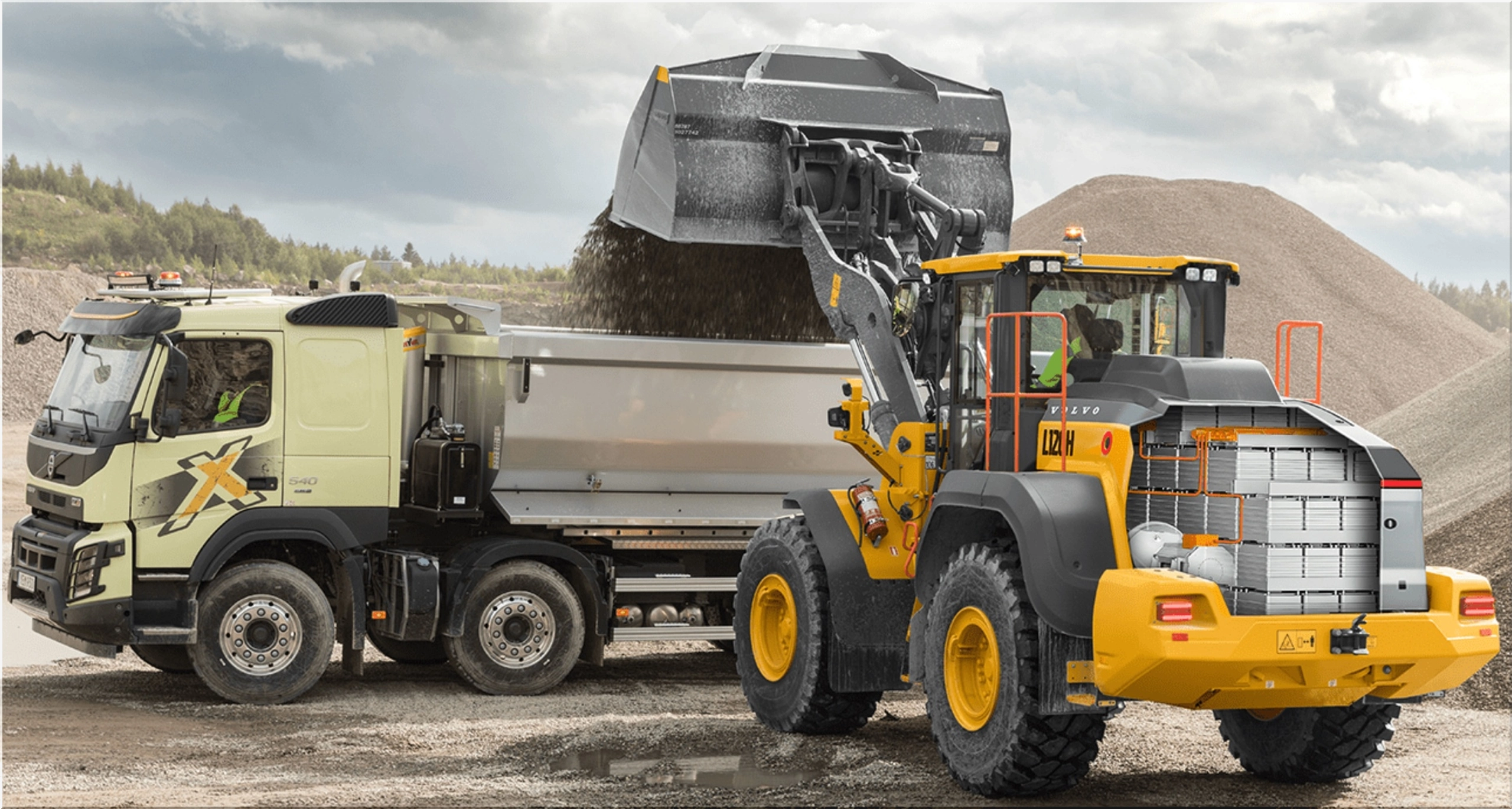
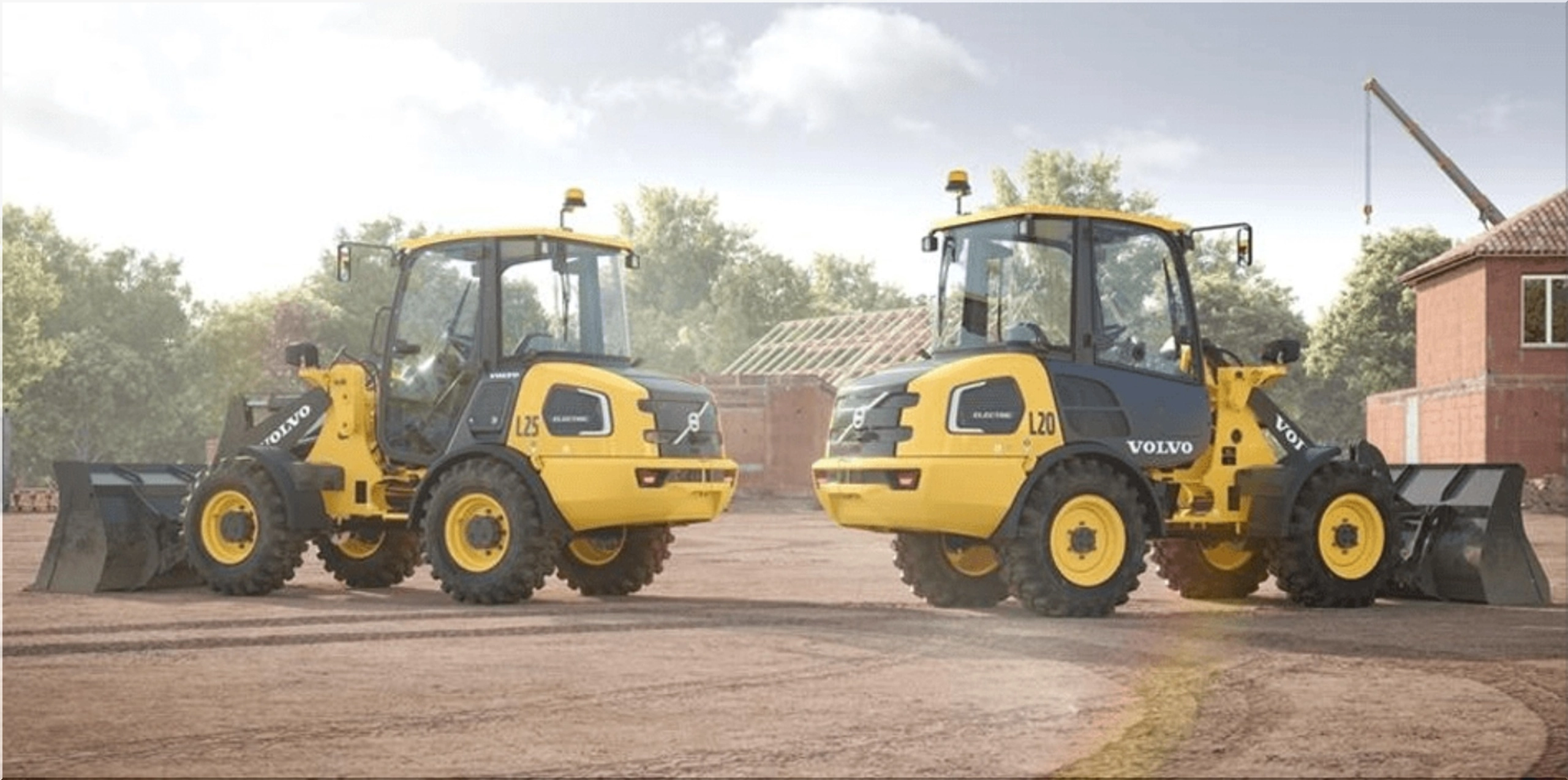
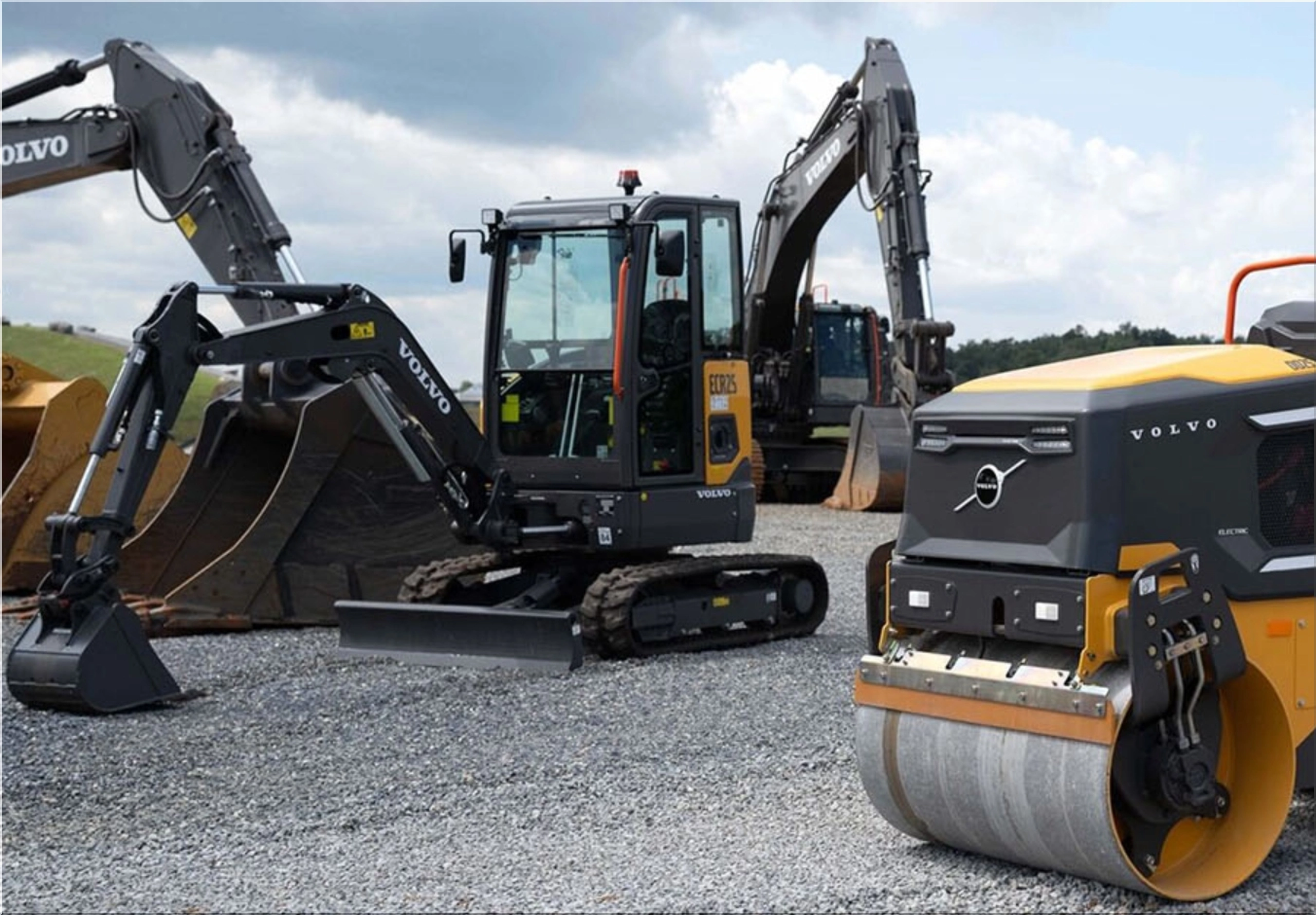
Volvo Construction Equipment (Volvo CE) is making history by becoming North America's first manufacturer to produce electric construction machines. The company has started the production of its ECR25 Electric and L25 Electric models at its Shippensburg, Pennsylvania, facility. These machines are part of Volvo CE's largest range of electric machines in the industry, which also includes the EC18 Electric, EC230 Electric, and DD25 Electric.
Why Electric Machines?
Volvo CE is committed to building a more sustainable future by offering electric construction machines with zero exhaust emissions, significantly lower noise levels, and reduced energy costs compared to conventional diesel-powered machines. The company also provides a premium warranty and a dedicated Electric Machines Management Application for its customers to manage the charging process and maximize machine uptime.
The electric machines are designed to perform as well as or better than their diesel counterparts, with the same power, speed, and lifting capacity. They also have lower maintenance requirements, with fewer moving parts and no engine oil or filters to change. The electric machines can be charged using either a standard 110-volt wall outlet or a fast charger that can fully charge the battery in less than two hours.
What Customers Say
Volvo CE has been testing its electric machines with selected customers in Europe and North America, and the feedback has been positive. For example, Green Circle Demolition, a demolition contractor based in Atlanta, Georgia, has been using the ECR25 Electric excavator for several months and has been impressed by its performance, efficiency, and quietness.
"It's been a game-changer for us," said Scott Knightly, president of Green Circle Demolition. "We can work in sensitive areas without disturbing the neighbors or the environment. We can also save money on fuel and maintenance. And the best part is that we don't have to sacrifice productivity or quality. The ECR25 Electric does everything we need it to do and more."
What's Next
Volvo CE is not stopping at electric machines. The company is also investing in other technologies that can reduce the environmental impact of construction equipment, such as hybrid systems, hydrogen fuel cells, and autonomous solutions. Volvo CE is also improving its circularity, which means minimizing waste and maximizing the reuse and recycling of materials throughout the product lifecycle.
"We are proud to be pioneers in electrifying the construction industry," said Melker Jernberg, president of Volvo CE. "But we know that electrification is not enough. We need to look at the bigger picture and find ways to make our entire business more sustainable. That's why we are exploring all kinds of innovations that can help us achieve our vision of building the world we want to live in." @via Volvo CE.

Toyota has been a pioneer in hybrid and fuel cell technology for decades, but it has been lagging behind in the electric vehicle (EV) market. That is about to change with the launch of the Toyota BZ4X, the first model in the new… Continue reading

The internal combustion engine may be sputtering towards its twilight, but fear not, driving enthusiasts. The spirit of the hot hatch is alive and well, and it's getting a jolt of electric adrenaline with the arrival of the Alpine… Continue reading
The Mazda 6e, set to hit the market in 2026, represents a bold leap into the electric sedan market for Mazda. With a legacy of fun-to-drive vehicles, Mazda now brings its A-game to electrification. The 6e promises to combine cutting… Continue reading

The 2026 Nissan Leaf enters its third generation with a clear goal: keep electric vehicles affordable while adding range and features. Nissan prices the Leaf S+ grade at $29,990, undercutting every other new EV in the U.S.… Continue reading