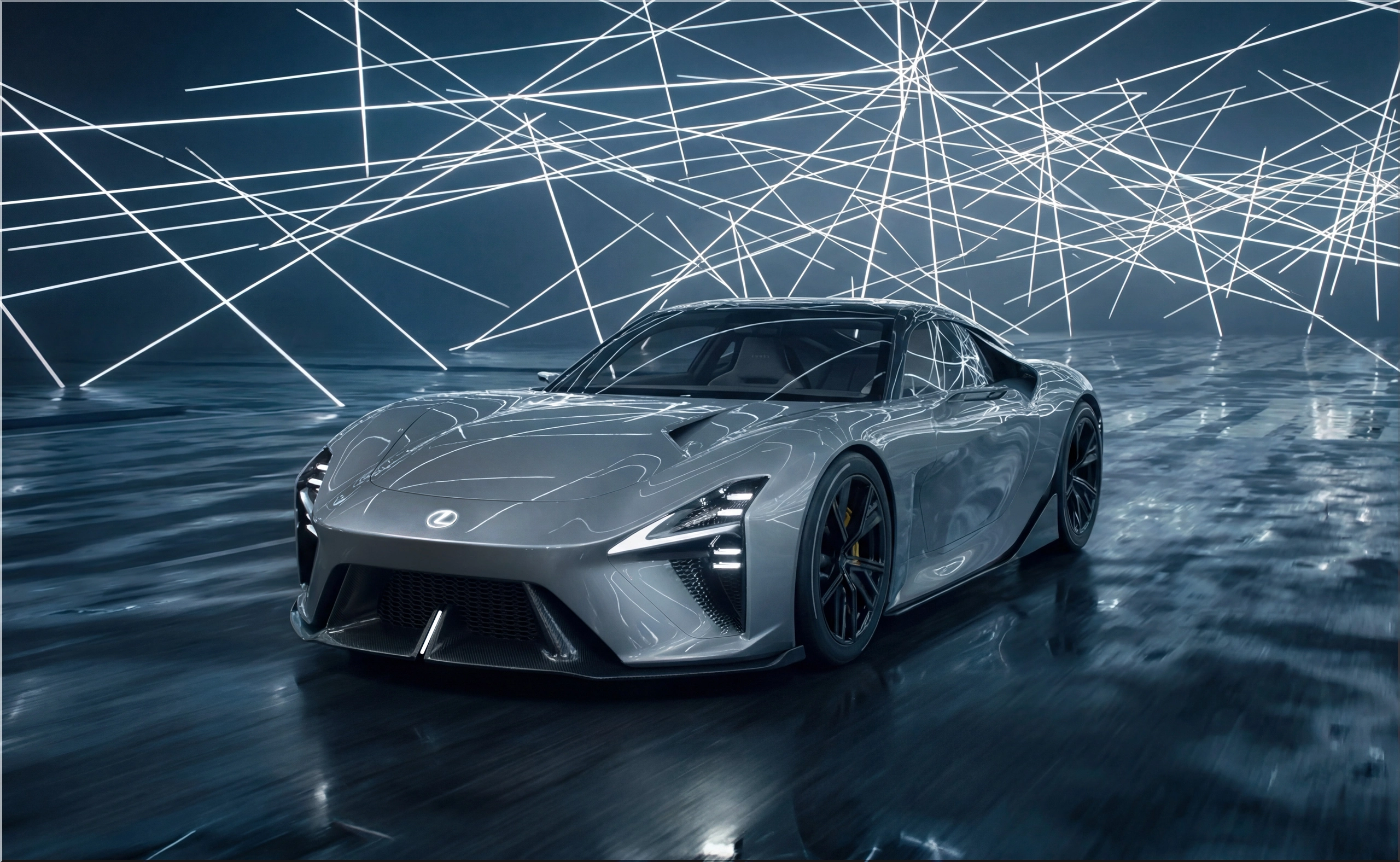
A New Direction for Electric Performance Cars
Lexus revealed the LFA Concept, a BEV sports car built around low mass, high rigidity, and aerodynamic efficiency. Engineers used race programs such as the GR GT and GR GT3 as development partners. The target is simple: build an electric sports car that responds fast, handles cleanly, and produces consistent performance.
The team focused on structural discipline. A light all-aluminum frame, a low center of gravity, and compact packaging drive the car's agility. Engineers shaped every component to reduce weight, improve stiffness, and cut delay in driver input.

Core Engineering Priorities
Lexus aligned the LFA Concept with three measurable goals: lower mass, higher rigidity, and stronger aerodynamic output. Each goal supports more precise control at speed.
Key structural points:
- All-aluminum frame cuts mass and lifts rigidity.
- Low seating position tightens the driver's connection to the chassis.
- Improved aero surfaces reduce drag and increase stability.
- BEV-specific packaging shortens response time and sharpens steering.
The model avoids legacy layouts. Instead, it uses an architecture shaped only by electric-drive needs. The LFA name signals engineering intent: preserve advanced mechanical skill and pass it to future programs.
Driver Immersion as a Measurable Design Goal
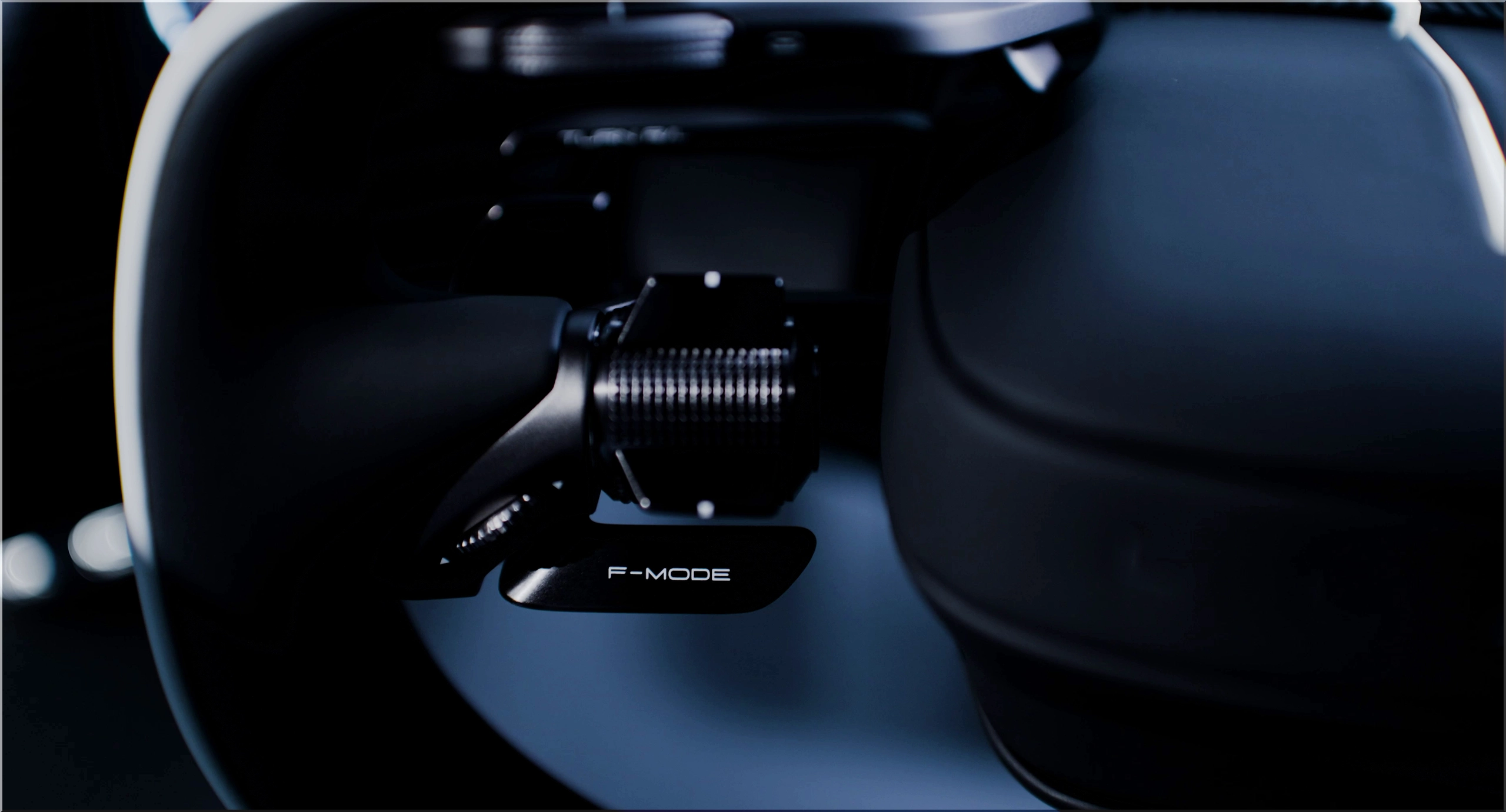
Lexus framed the LFA Concept around a simple metric: deeper driver focus. Engineers built an interior that reduces distraction and removes excess controls. The steering wheel supports continuous input without the need to regrip. Switch placement enables blind operation, cutting reaction time.
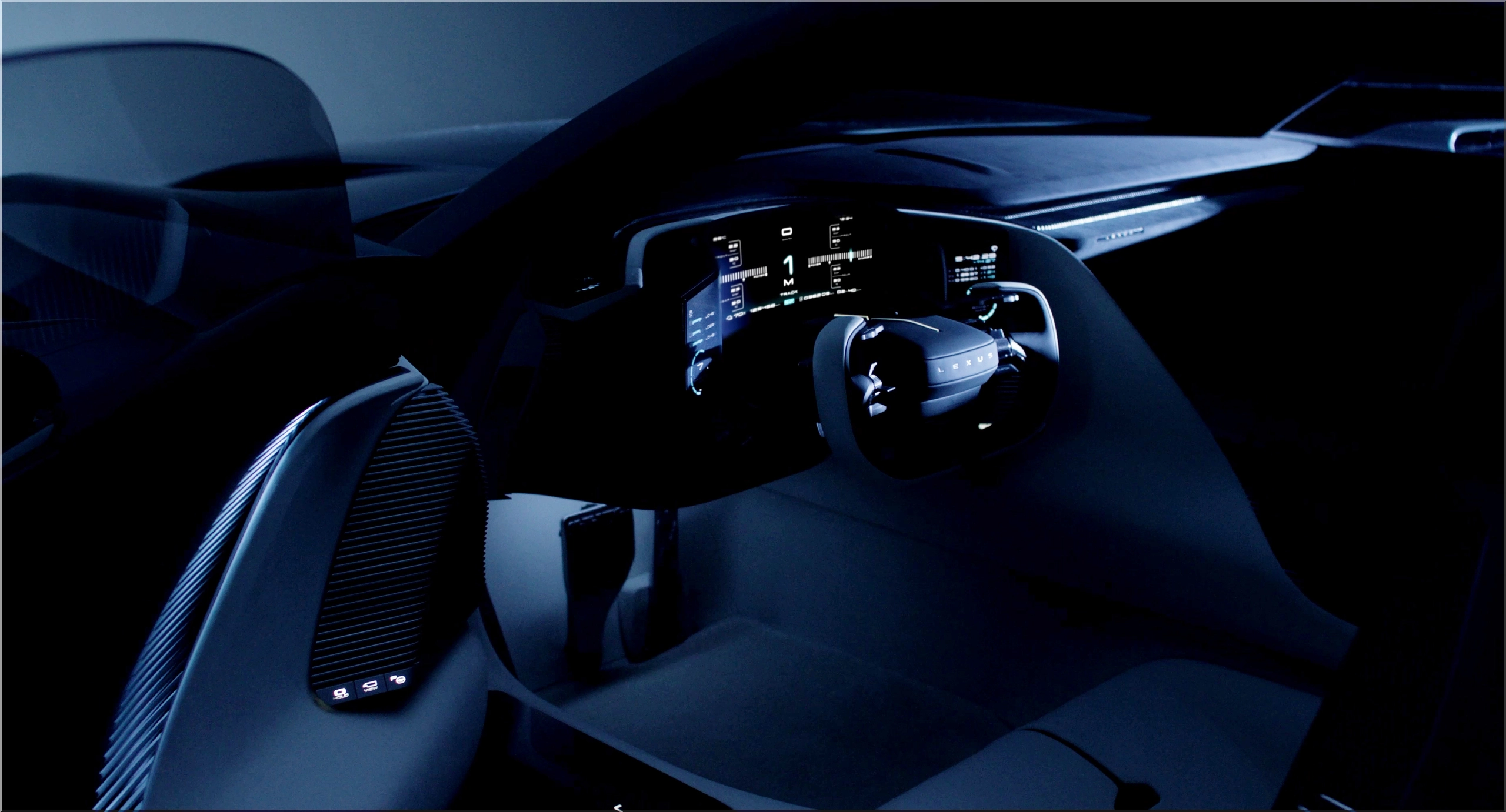
The cockpit uses a minimalist layout. Surfaces stay clean. The driver sits low, centered, and close to the car's rotational axis. This placement increases control accuracy and tightens the timing between intention and response.
Exterior Design Driven by Performance Targets
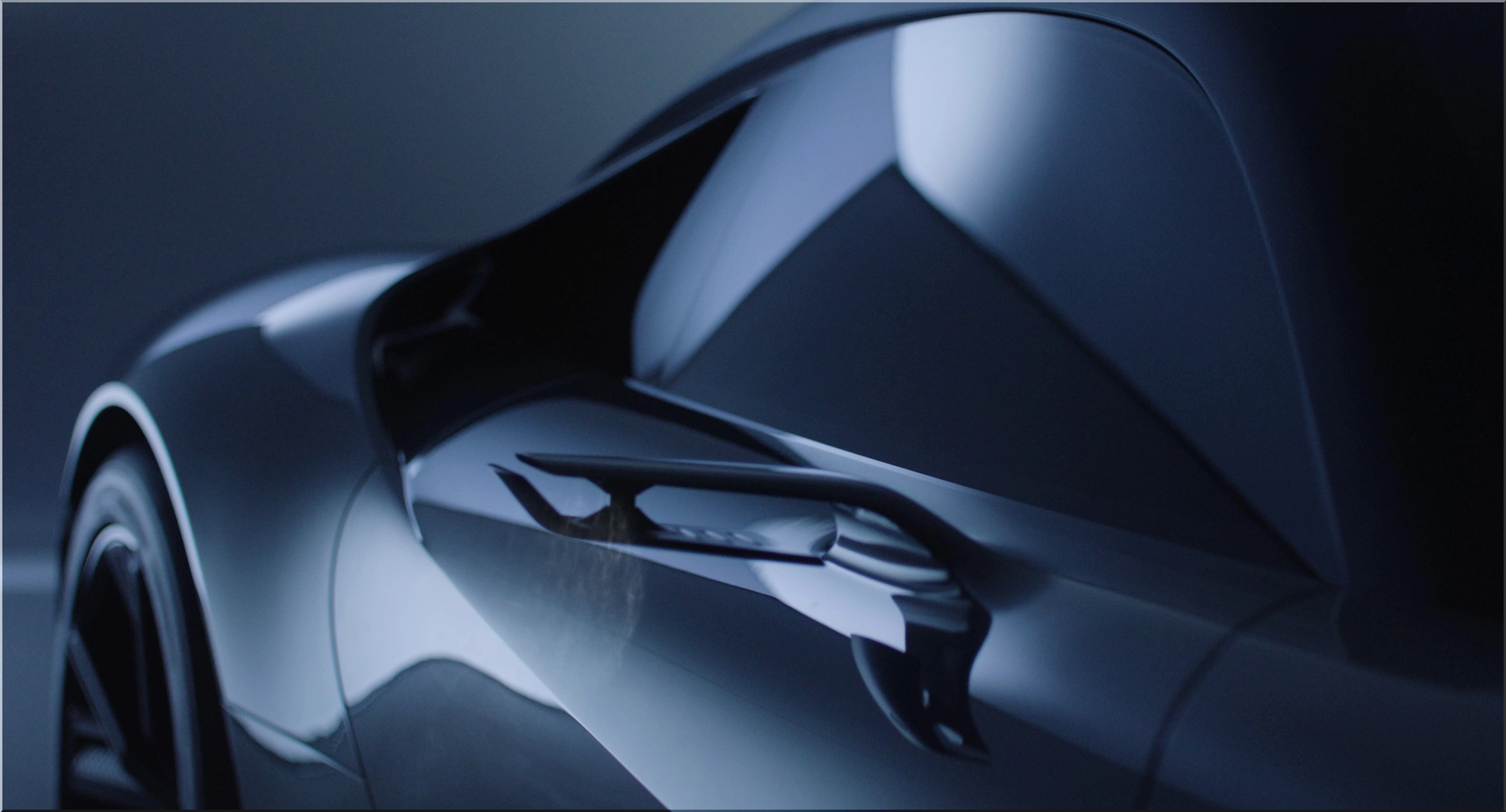
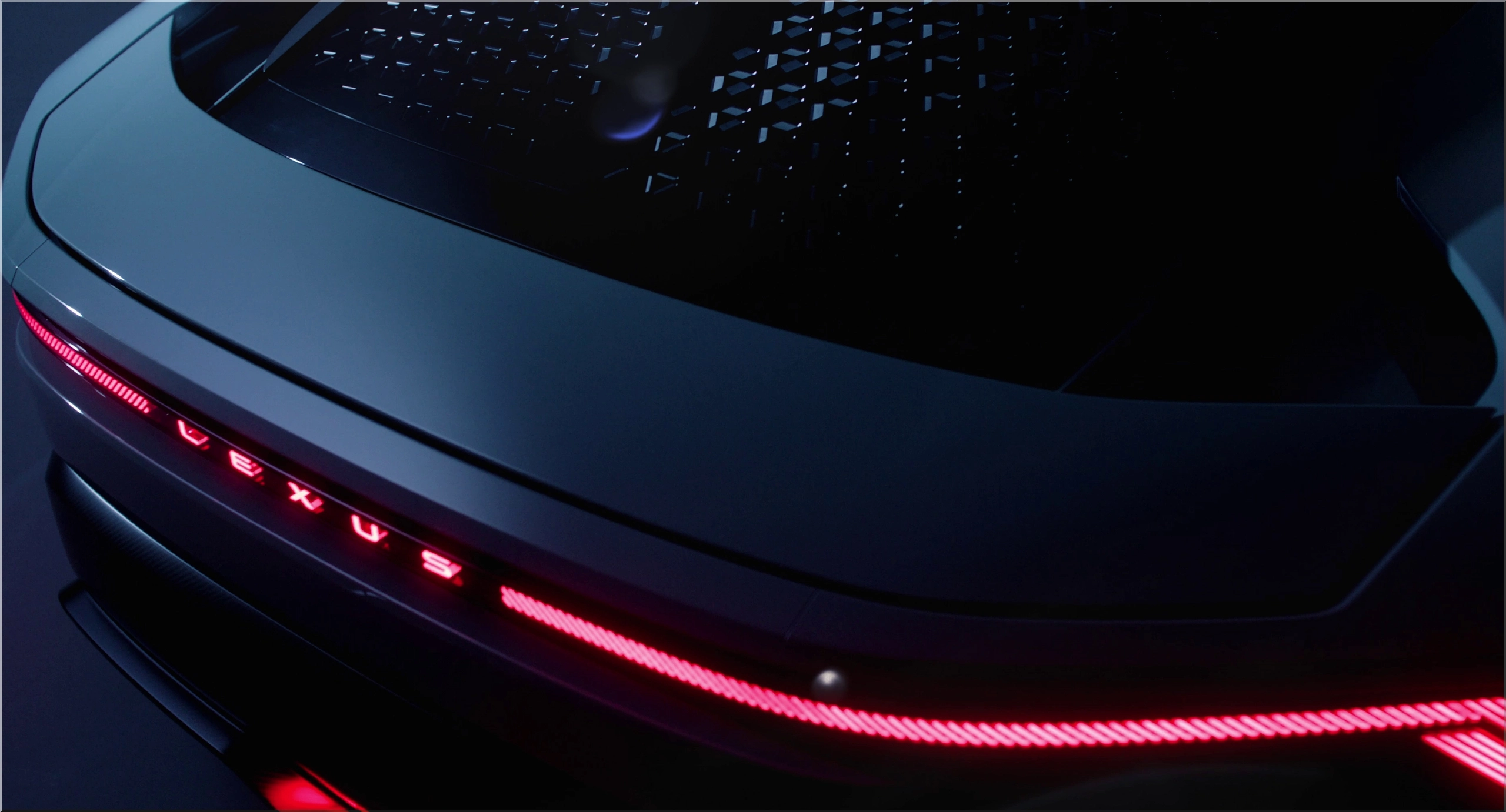
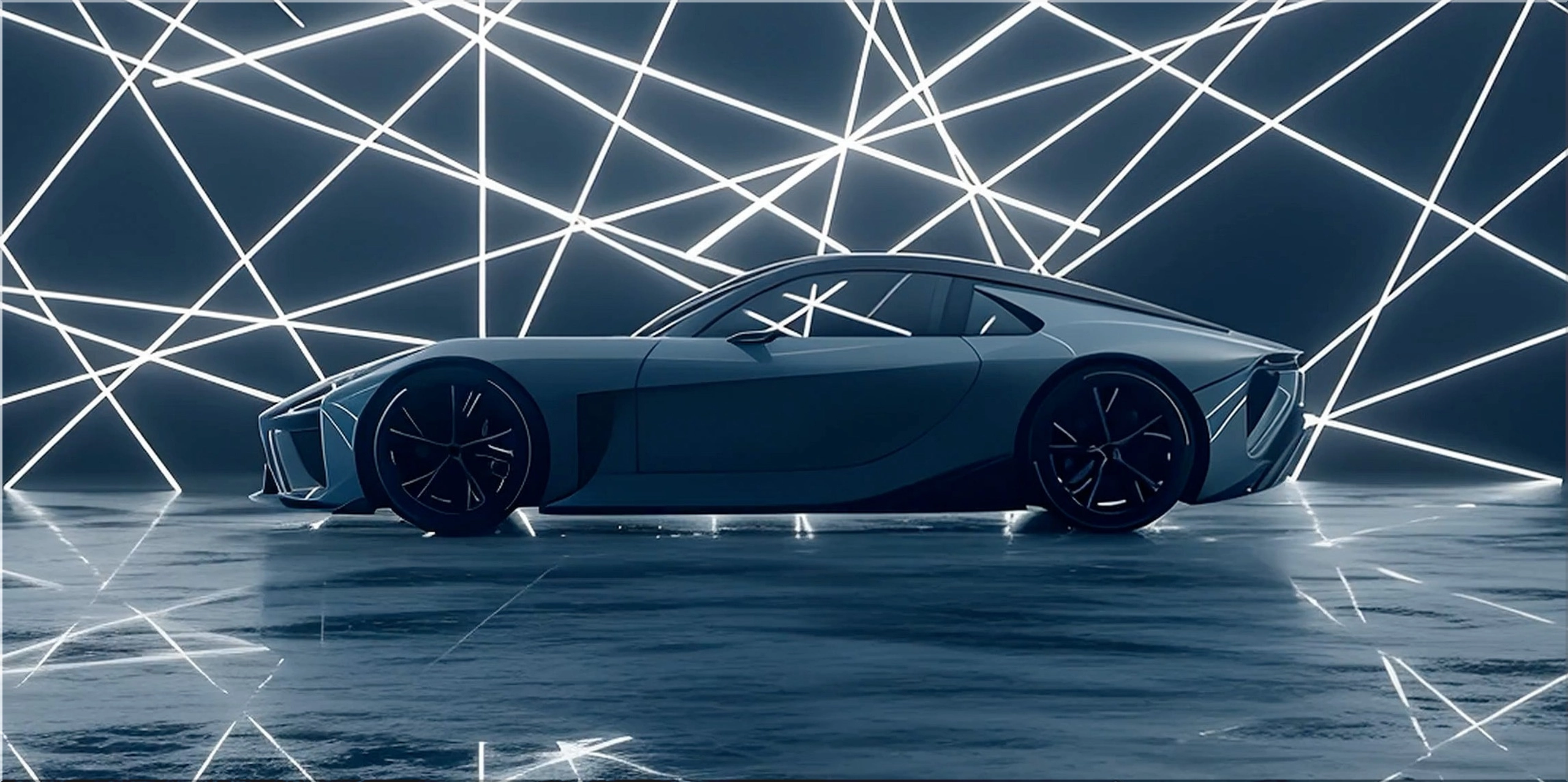
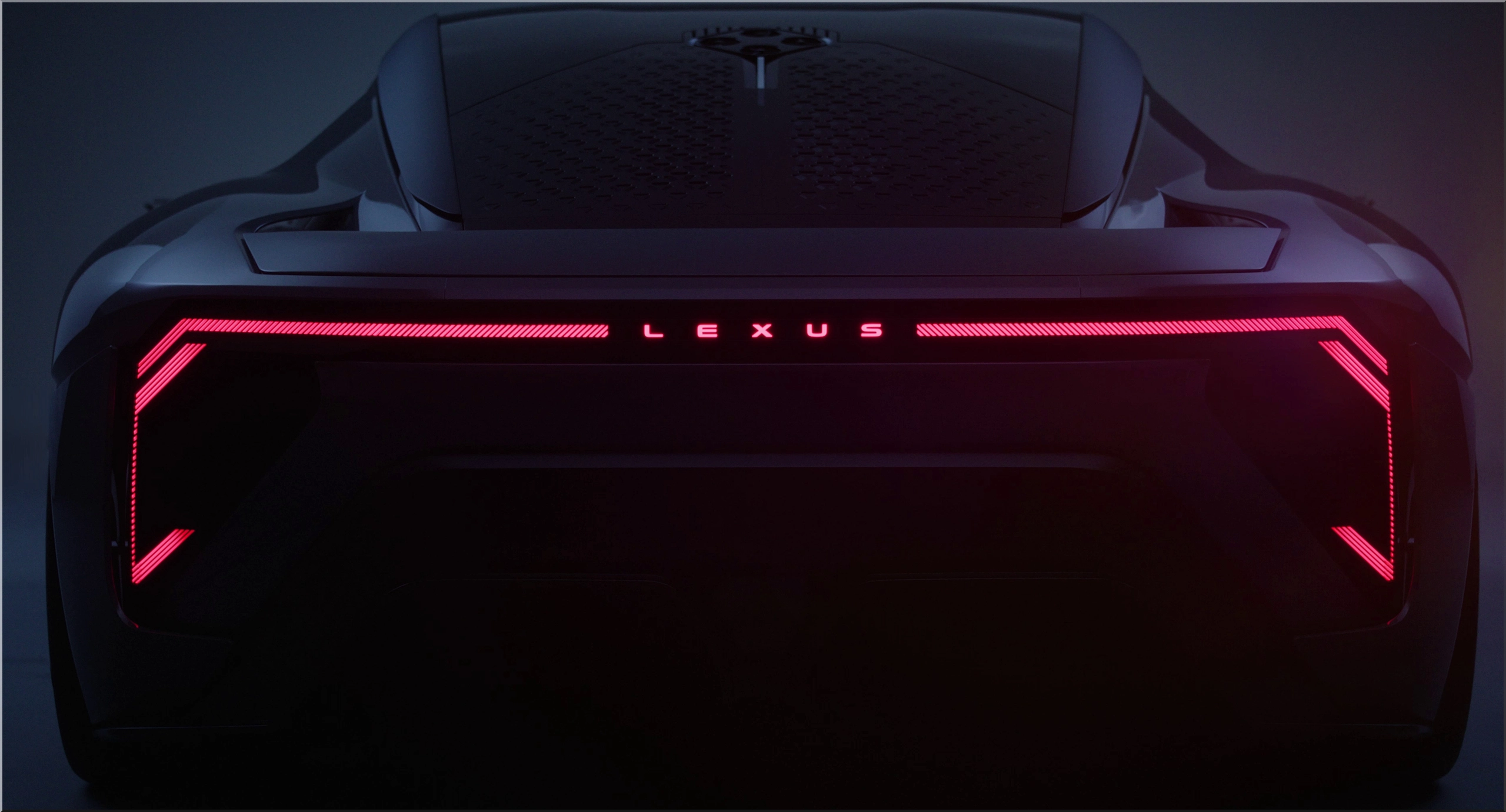
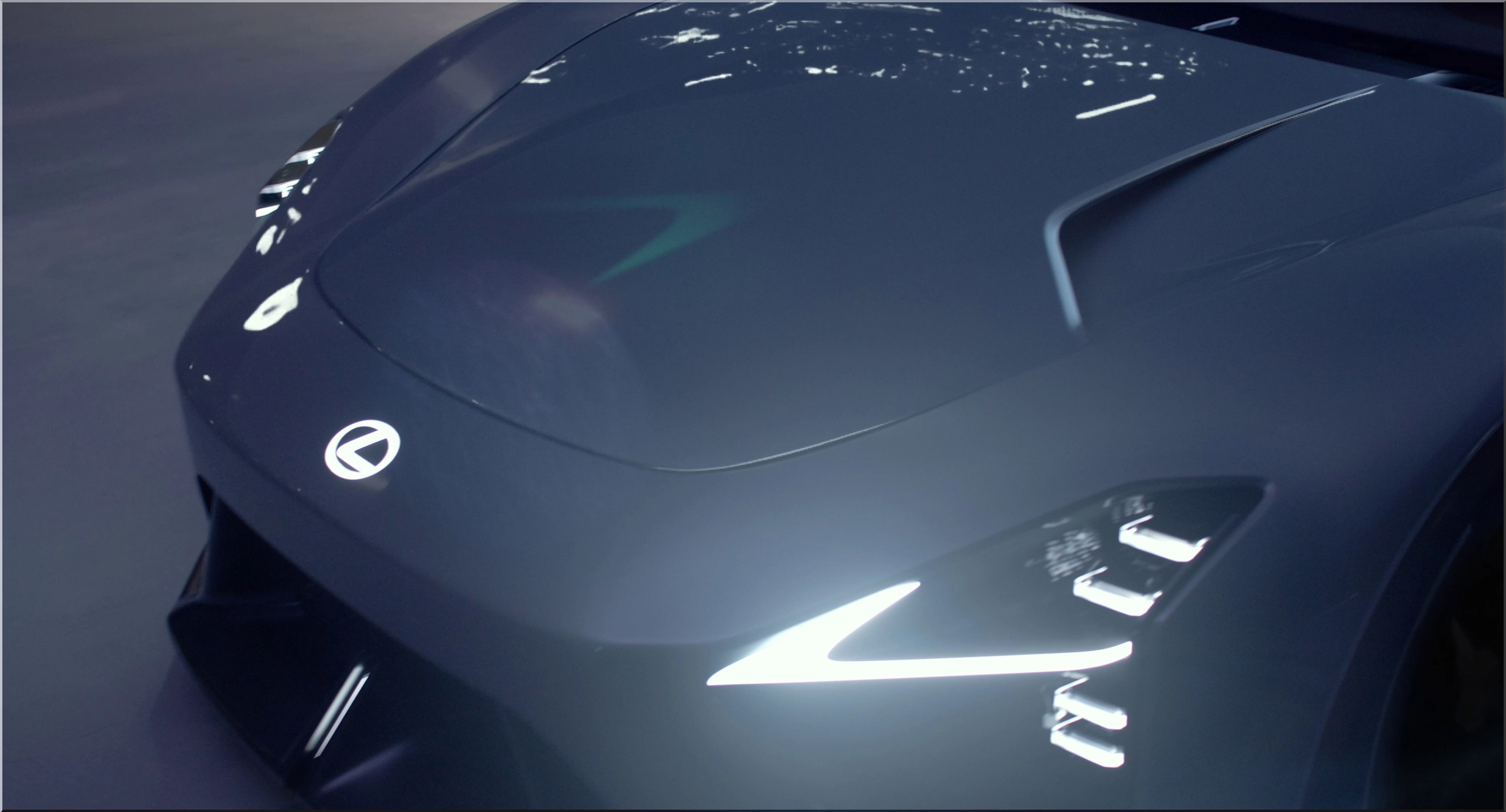
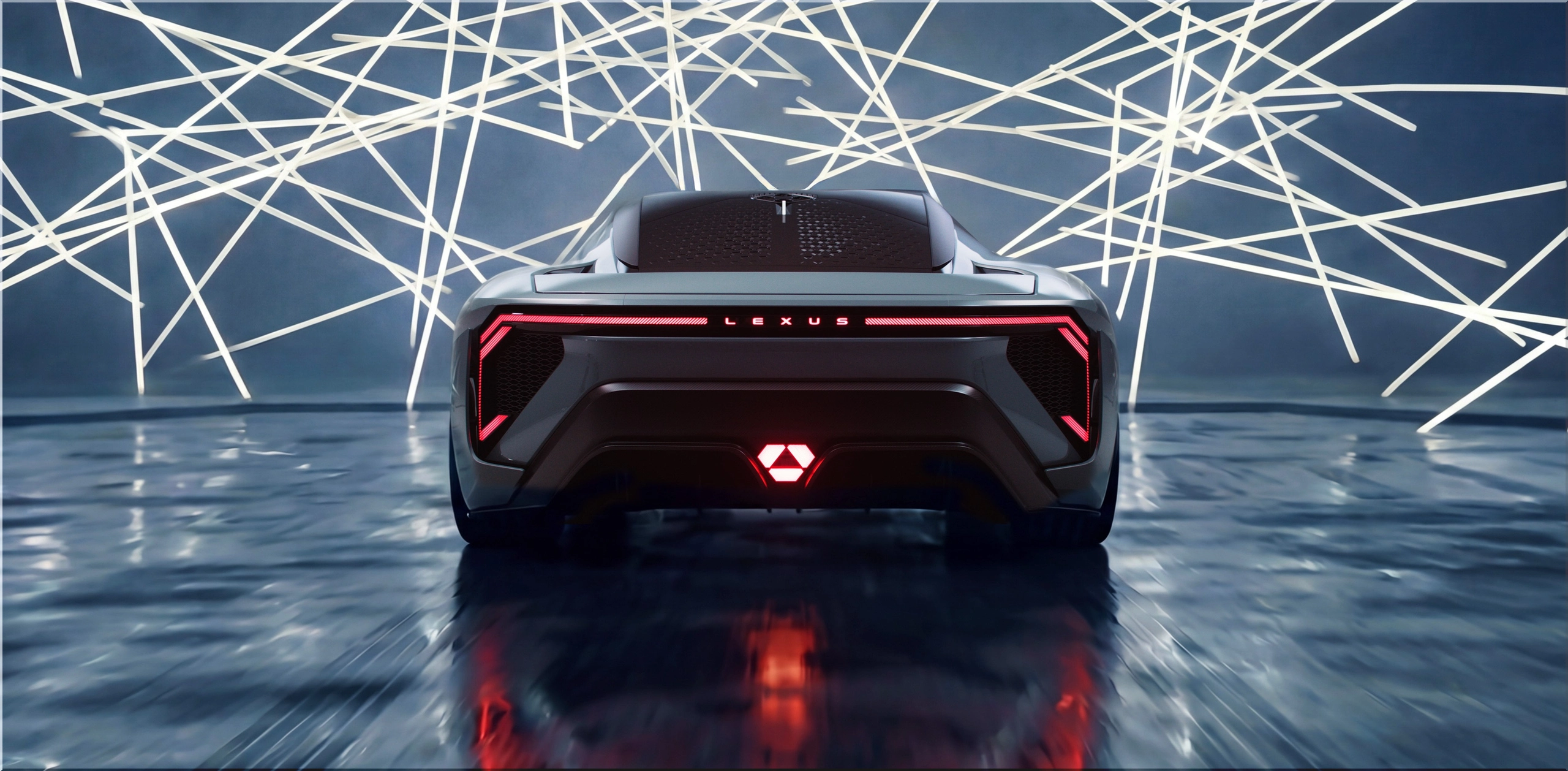
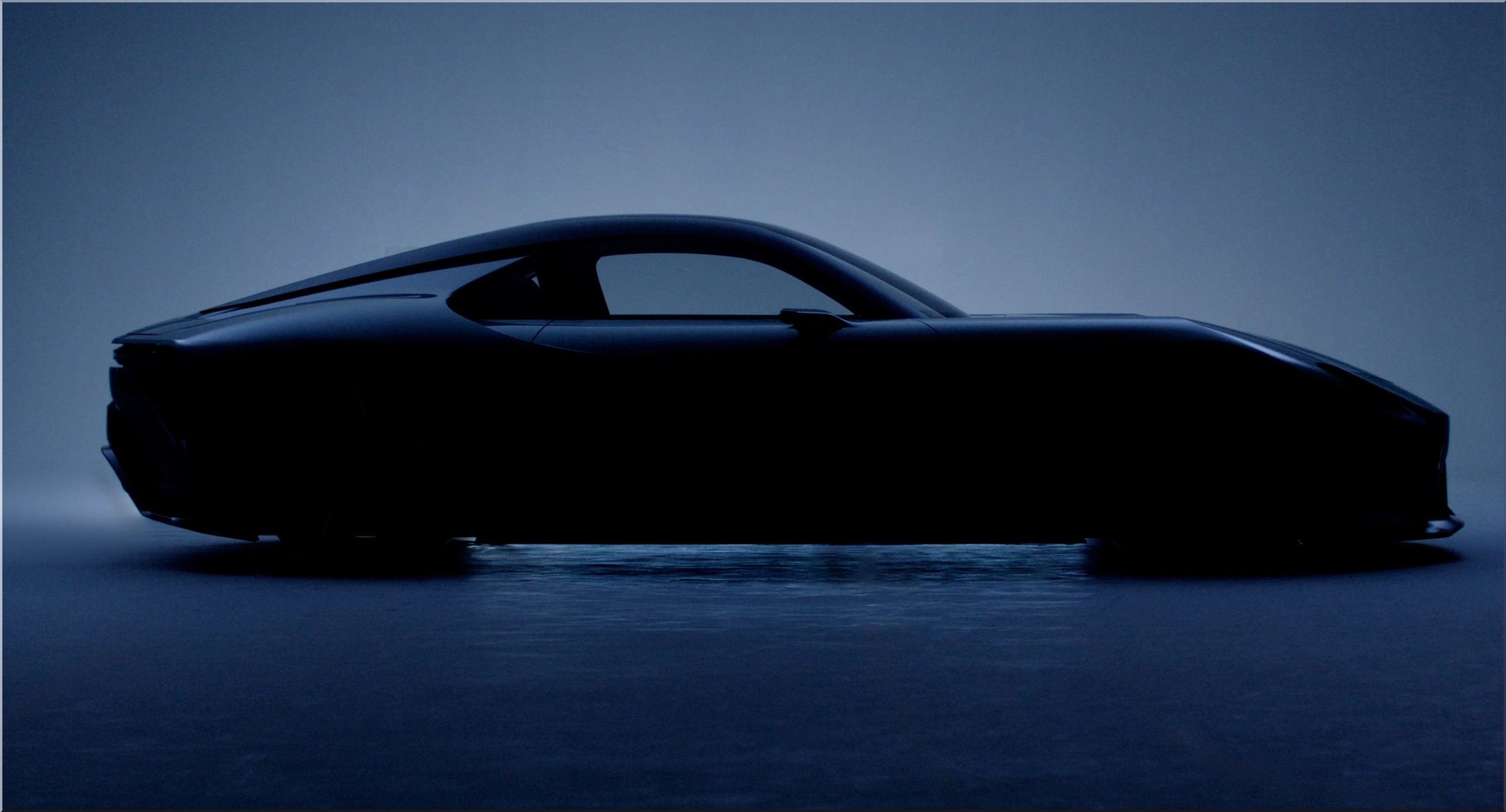
The LFA Concept adopts a wide, low stance. Its proportions center on a long wheelbase, short overhangs, and a clean roofline. The nose-to-tail flow comes from the aluminum GR GT frame. This structure supports the car's stability at high speed and reduces energy waste caused by turbulence.
Design priorities include:
- Functional aero channels that guide air away from high-drag zones.
- A low, flowing silhouette that reduces frontal resistance.
- Balanced weight distribution for more predictable cornering.
The shape borrows inspiration from the original Lexus LFA, but reworks it for a battery-electric platform. The design supports performance first, aesthetics second.
Interior Focused on Control and Speed
Inside, the car maintains a strict layout. All primary controls sit within immediate reach. The wheel supports rapid-fire steering inputs without repositioning. Lexus tuned the seating position to match GT3 race standards. This position lets the driver sense rotation more clearly and correct earlier.
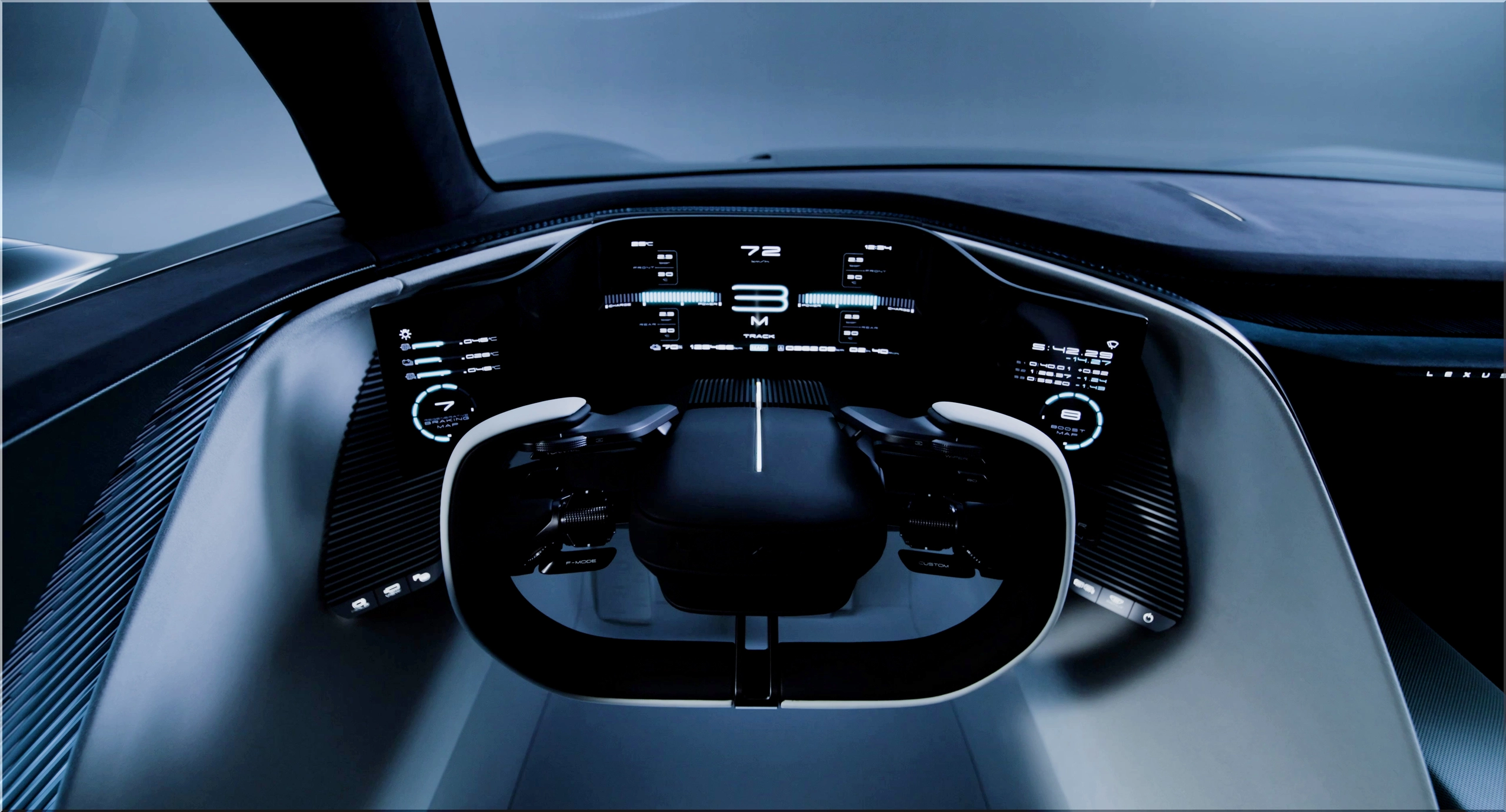
Cabin elements include:
- Minimalist instrument cluster for faster scanning.
- Direct digital feedback tailored for performance driving.
- Reduced visual noise to support concentration during high-speed operation.
The car uses simple materials and tight packaging. Every design choice supports control, not decoration.
Key Specifications
Lexus released initial dimensions for the LFA Concept:
| Specification | Value |
|---|---|
| Length | 4,690 mm |
| Width | 2,040 mm |
| Height | 1,195 mm |
| Wheelbase | 2,725 mm |
| Seating | 2 seats |
These numbers place the LFA Concept in the same footprint as mid-engine performance cars, but with BEV-specific packaging advantages such as lower center placement of electric components.
A Strategic Move for Lexus and Toyota
The LFA Concept supports Toyota's long-term electrification plan. The car brings race-inspired engineering into the BEV space and trains future engineers on high-precision vehicle development. Lexus positions the model as a testing ground for structural, aerodynamic, and packaging techniques that will move into production EVs.
The company links this car to its internal goal called "Beyond Zero," focused on reducing negative environmental impact while adding new user value through next-generation mobility solutions.

What the LFA Concept Signals for the Market
The LFA Concept gives Lexus three strategic advantages:
- A halo car for the BEV era.
- A test platform for advanced aero and lightweight materials.
- A training vehicle for future development teams.
Electric sports cars need strong identity, measurable performance, and clear engineering purpose. This model delivers a technical roadmap that supports future Lexus EVs without relying on legacy components or engines.


The Takeaway
The Lexus LFA Concept moves the brand toward high-precision electric performance. The car uses low mass, strong rigidity, and aerodynamic control to target faster response times and more consistent handling. Lexus focuses on measurable results, not styling gestures. The concept sets the stage for a new era of electric sports models built on lightweight engineering and direct driver engagement.

Audi's activesphere concept is a unique crossover vehicle that fuses the luxury of an Audi Sportback with the utility of an SUV and the robust off-road capabilities of a traditional Audi. It shares the Audi PPE architecture with the… Continue reading

The Hyundai IONIQ 6 N turns the slippery IONIQ 6 sedan into a serious electric performance car with dual motors, all-wheel drive, 641 hp with boost, 568 lb-ft of torque, an 84 kWh battery, and rapid 800V charging. The bigger… Continue reading

The Skoda Vision X announces the arrival of the Czech brand in the urban crossover segment, at the Geneva Motor Show. Vision X is a serious competitor of the Renault Captur and Peugeot 2008. The Skoda Vision X is a concept… Continue reading

The new Renault City K-ZE opens a new chapter for the French manufacturer. City K-ZE is an electric SUV that earns its place on the most developed market for zero emission vehicles. Six months after the presentation of… Continue reading