What the Electric ES Targets
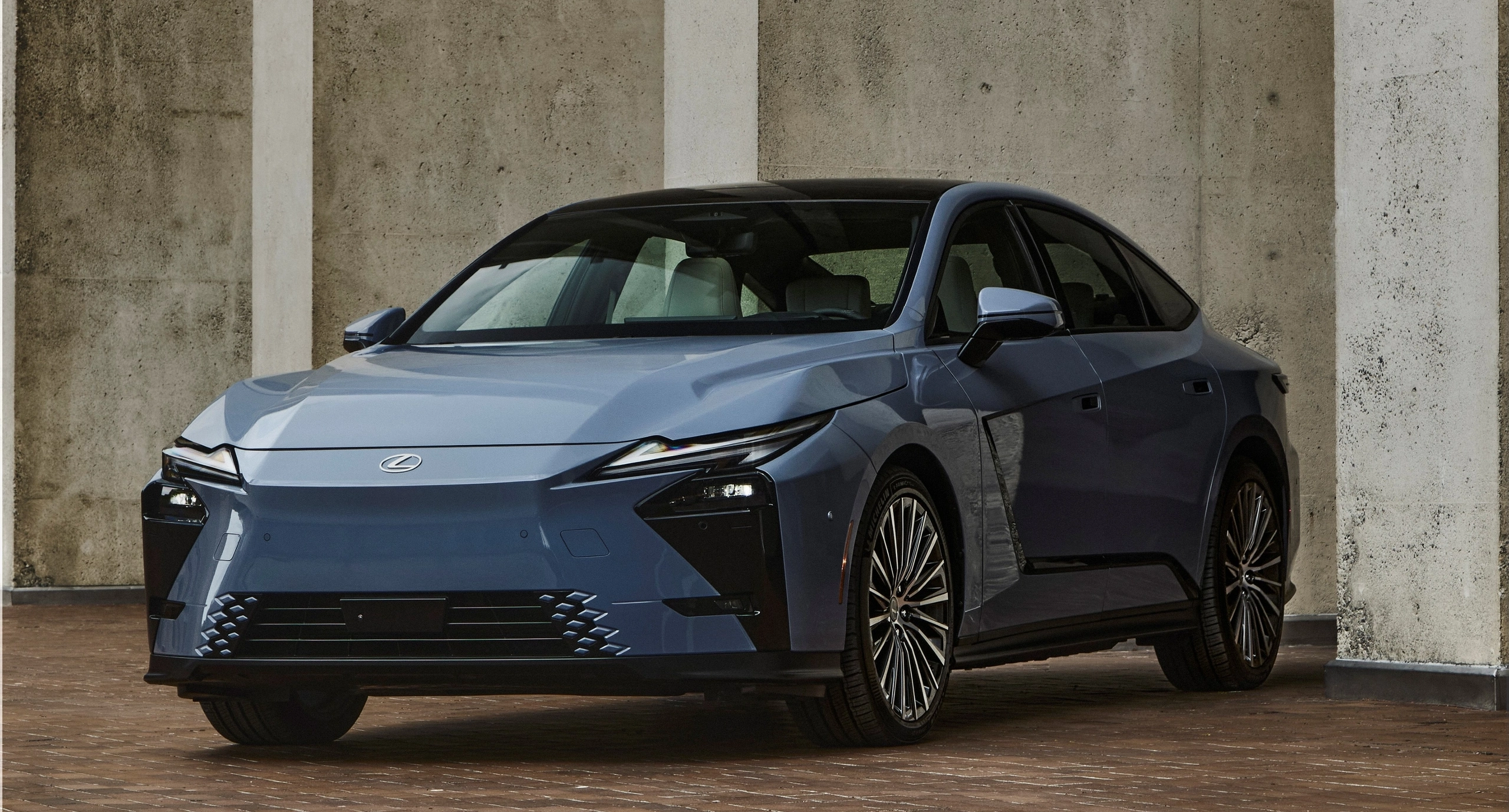
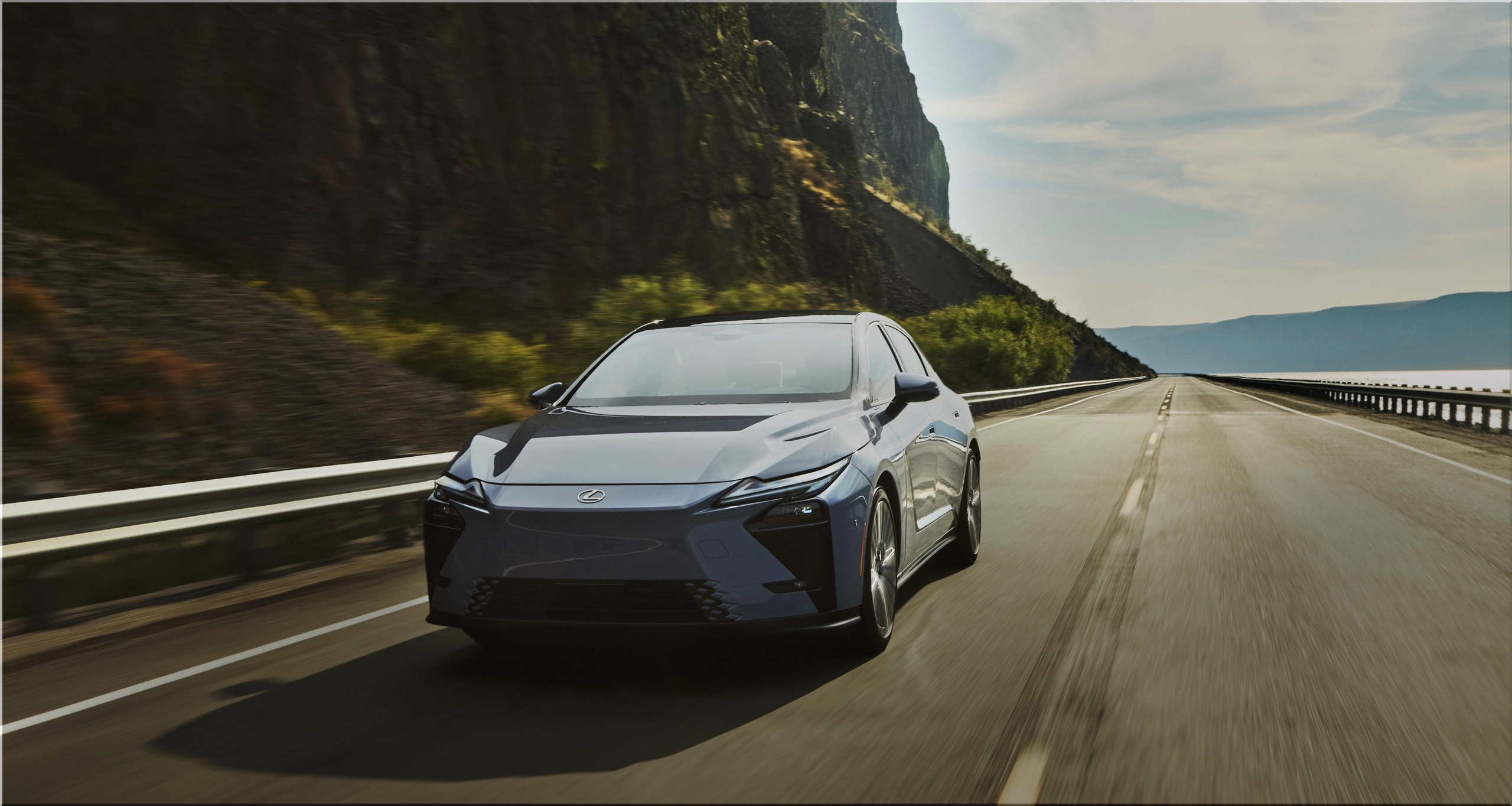
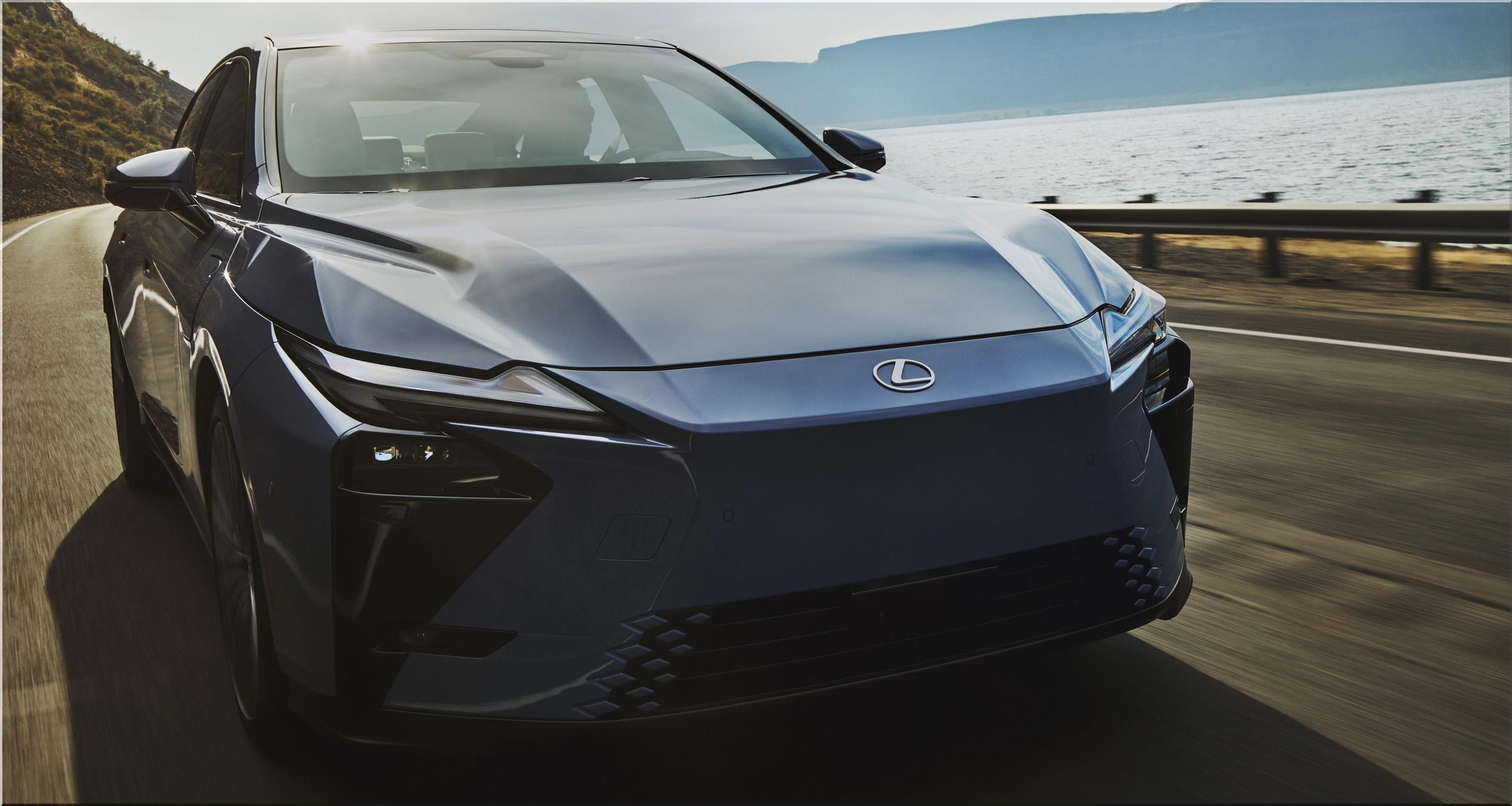
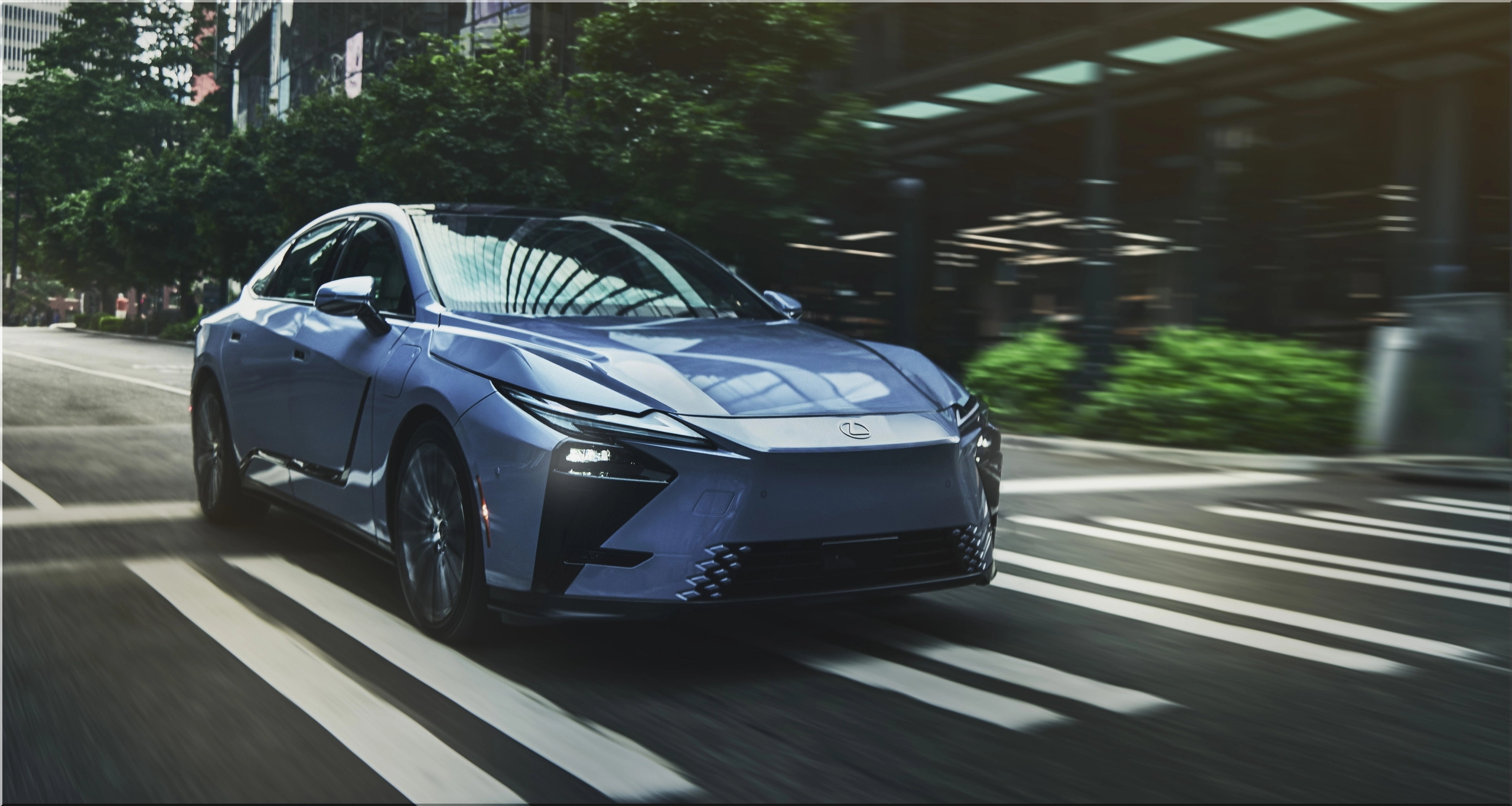
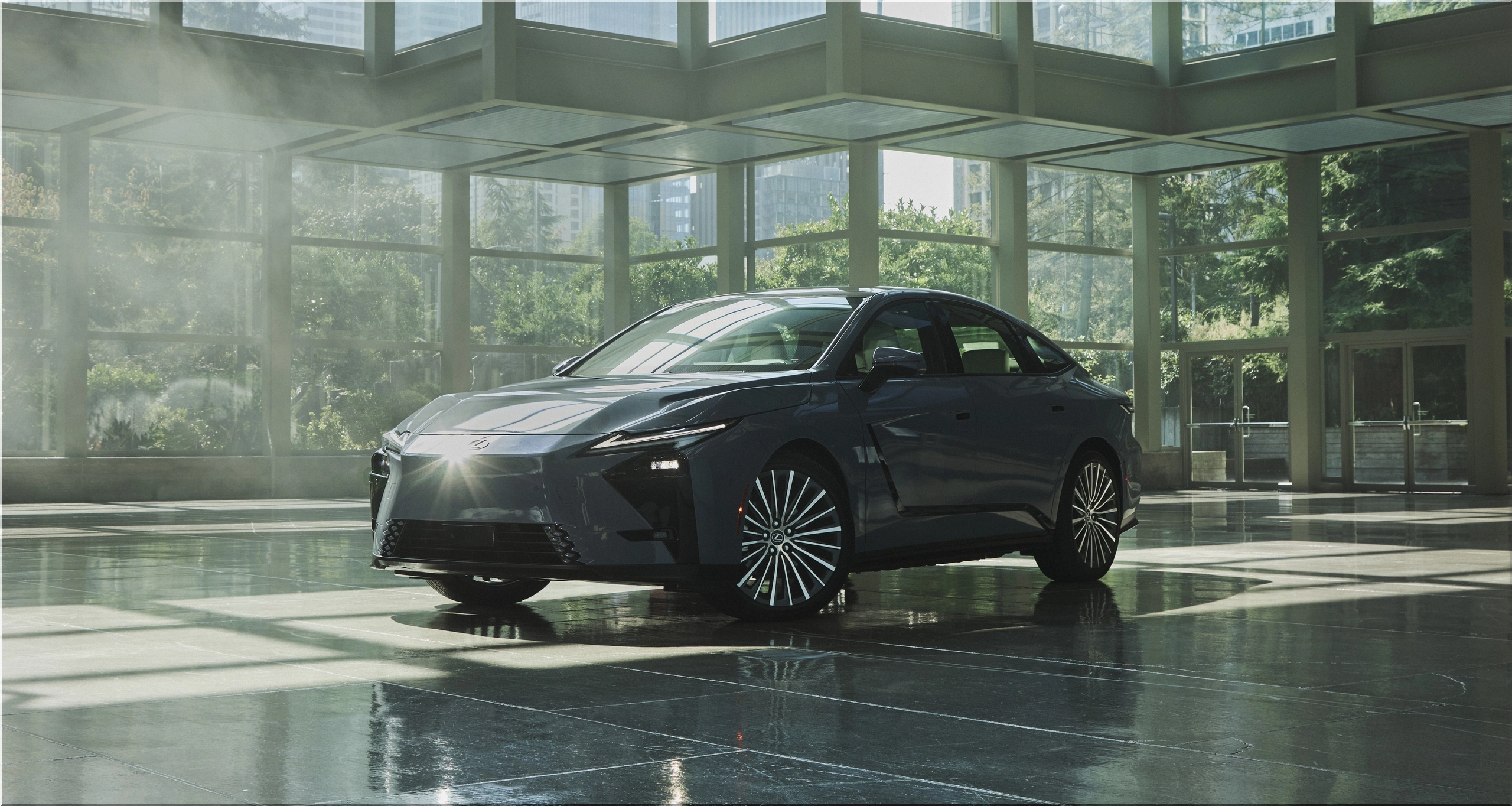
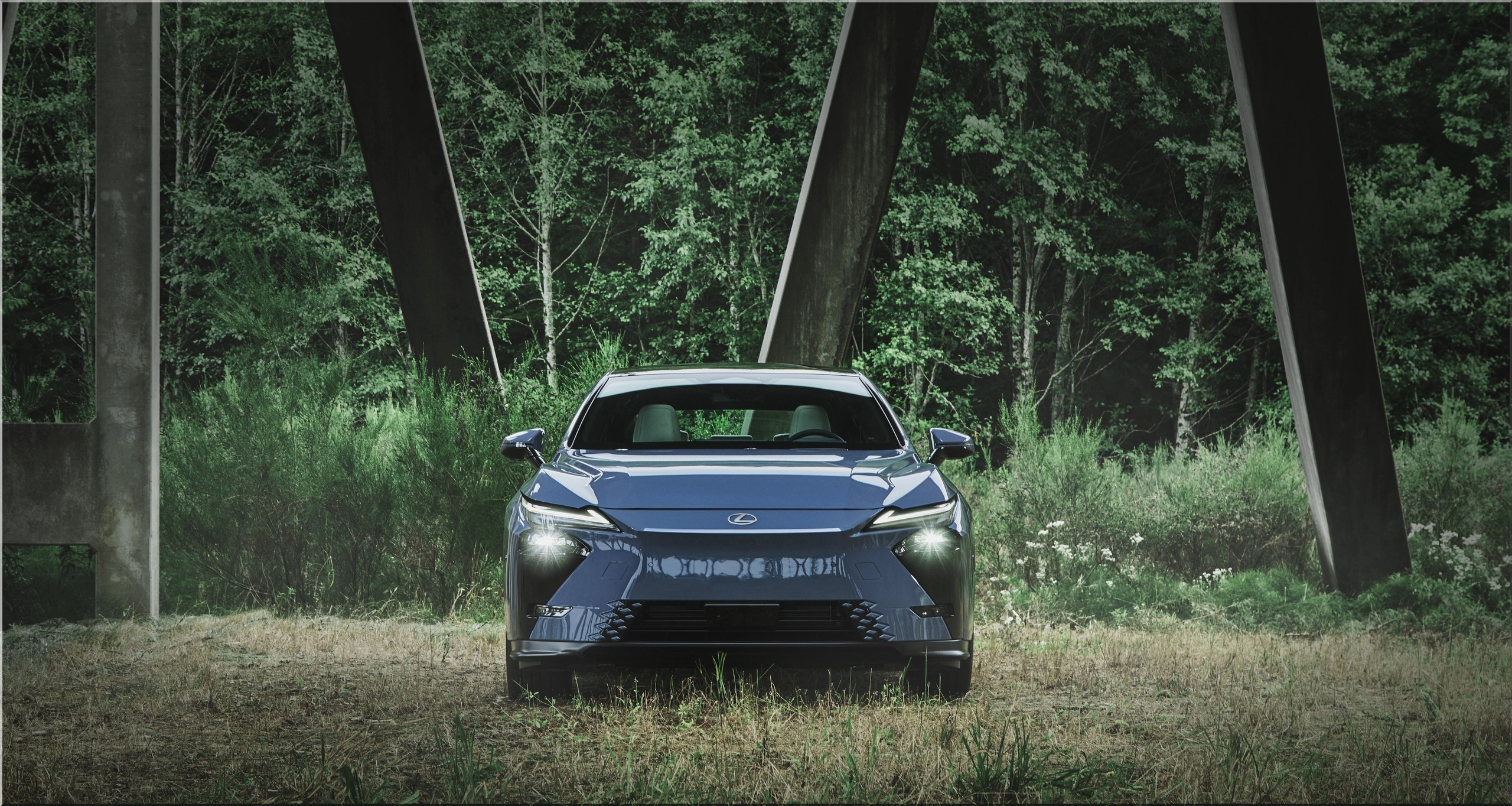
Lexus positions the 2026 Lexus ES electric lineup to compete in a segment dominated by long-range midsize sedans. The brand takes a direct approach: reduce energy loss, upgrade platform rigidity, and use controlled torque distribution to improve efficiency at highway speeds.
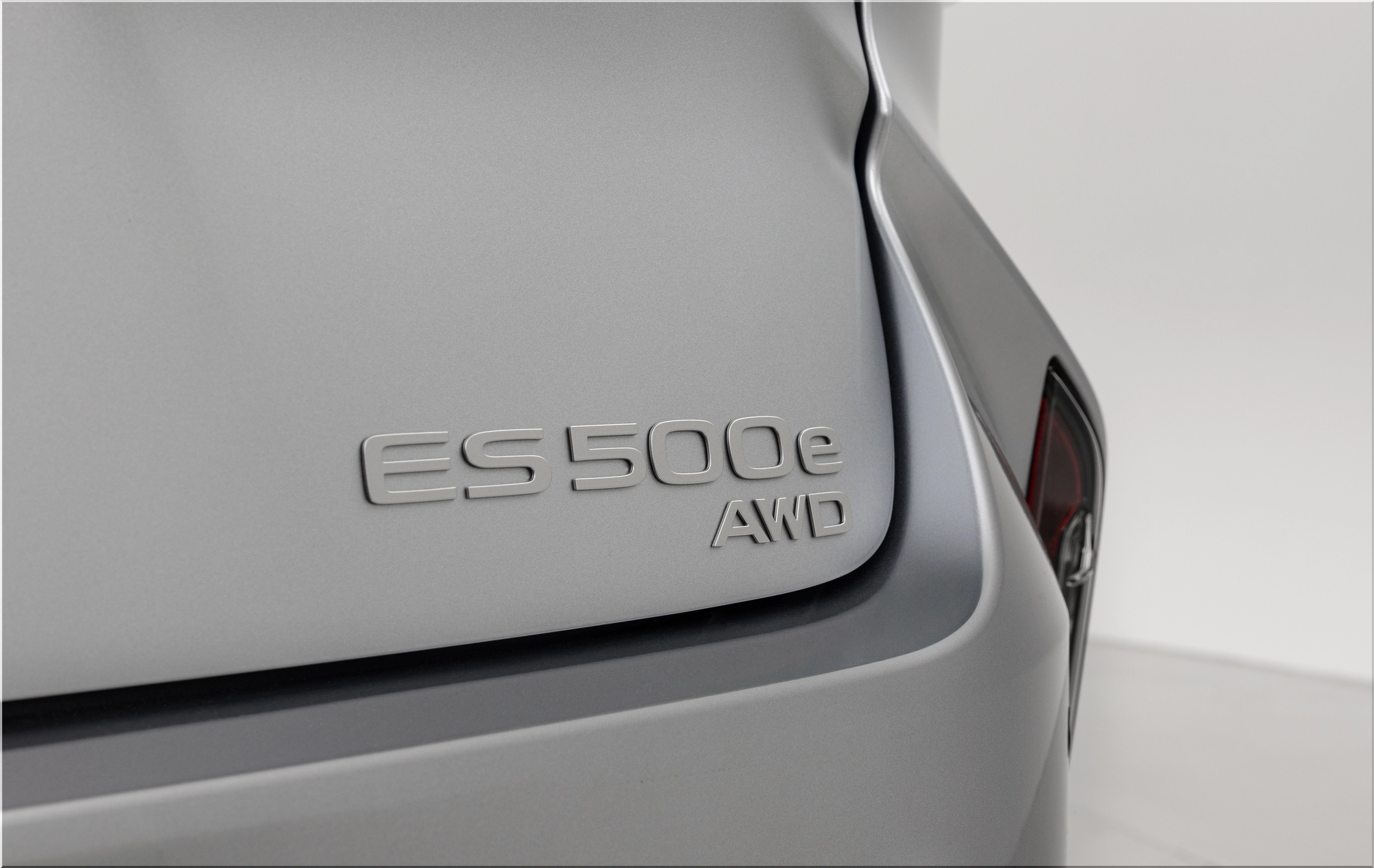
The new ES 350e and ES 500e serve as the first battery-electric ES models since the sedan's introduction in 1989. Lexus applies lessons from Toyota's global EV programs, focusing on durability, predictable consumption, and simple interfaces.
Battery, Range, and Charging
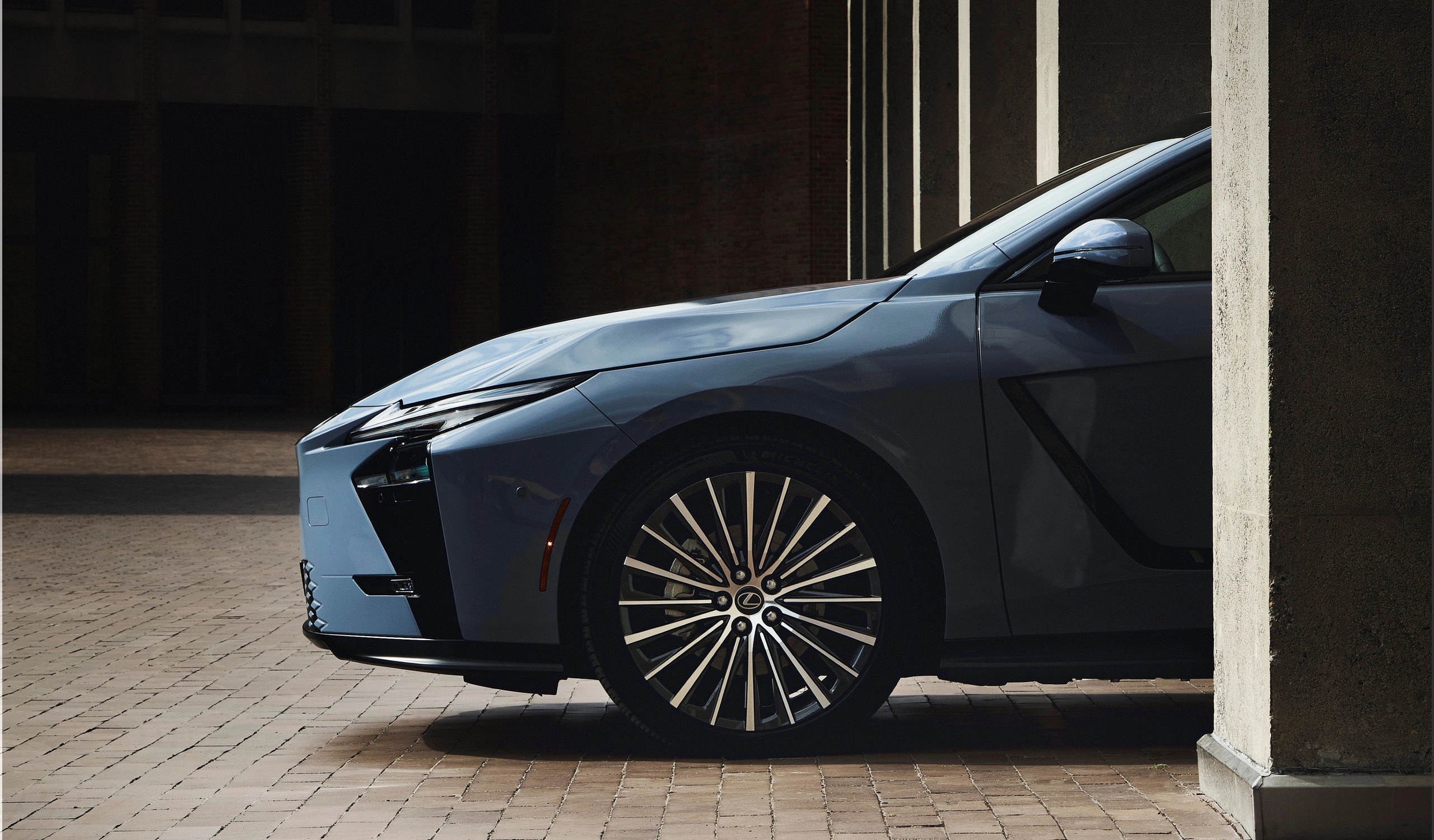
Both EV trims use a large-capacity battery mounted under the floor. This placement lowers the center of gravity and improves stability during lane changes and steady high-speed driving.
Range and Charging
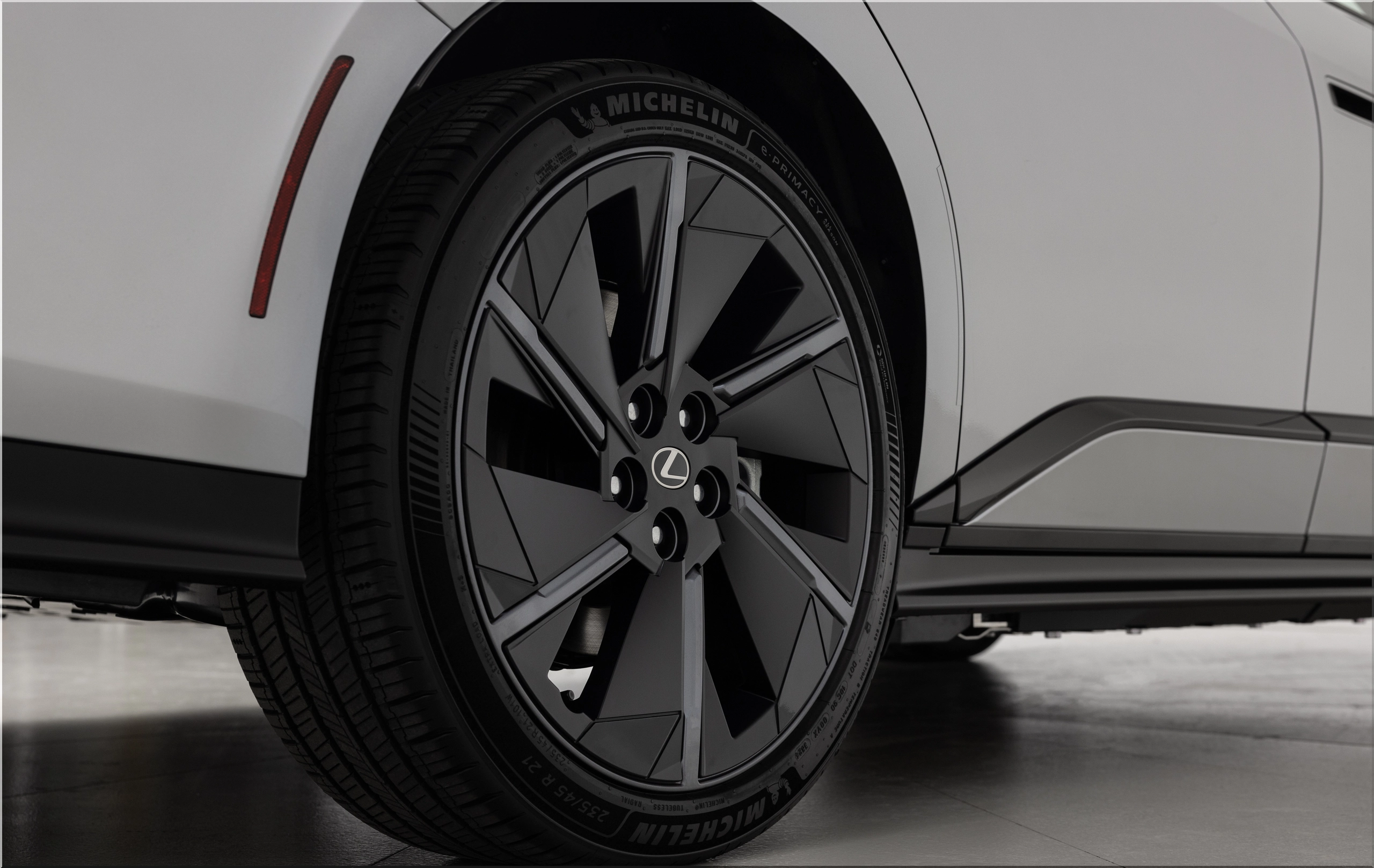
- ES 350e: about 300 miles on 19-inch wheels
- ES 500e: about 250 miles on 19-inch wheels
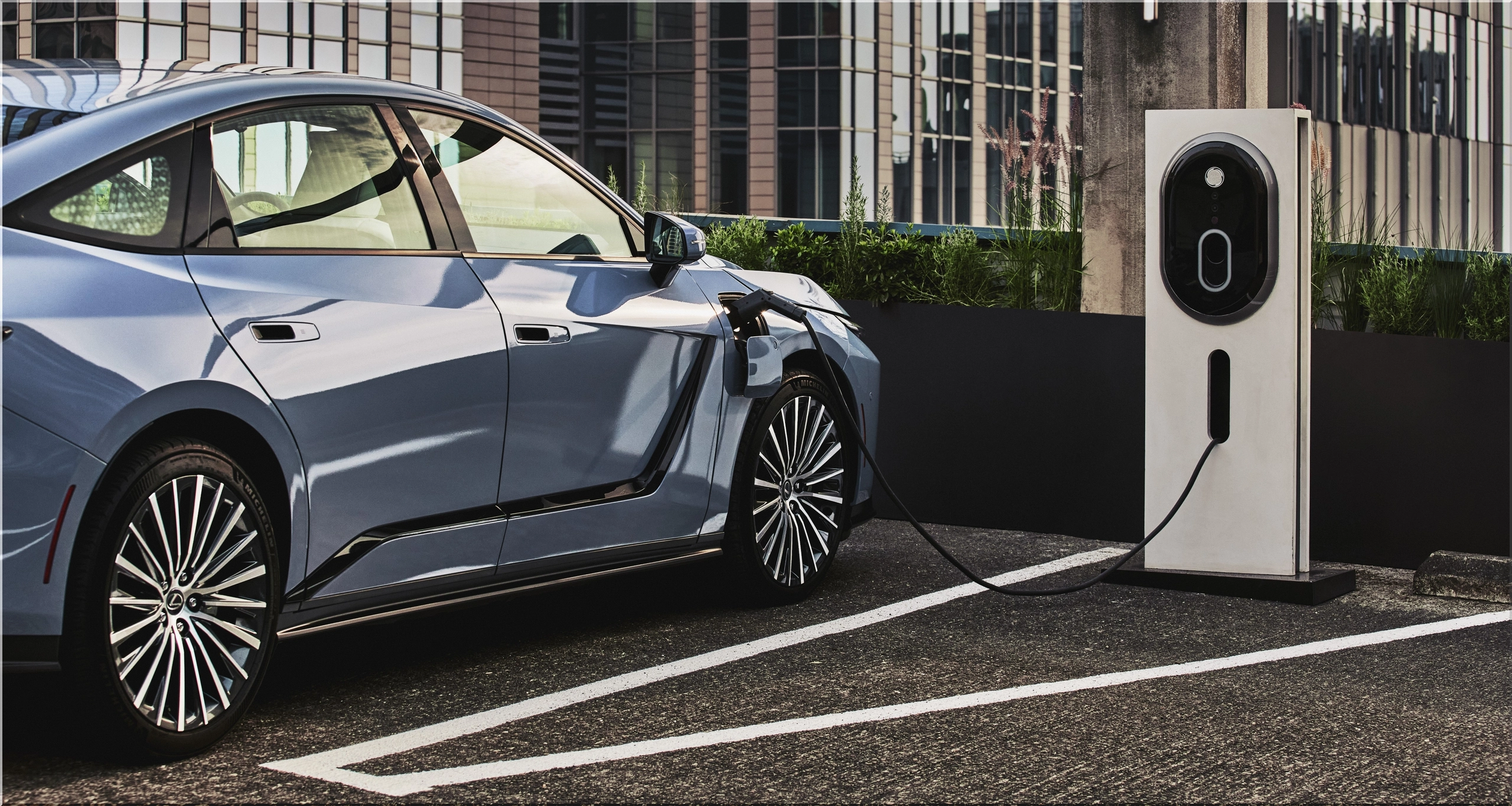
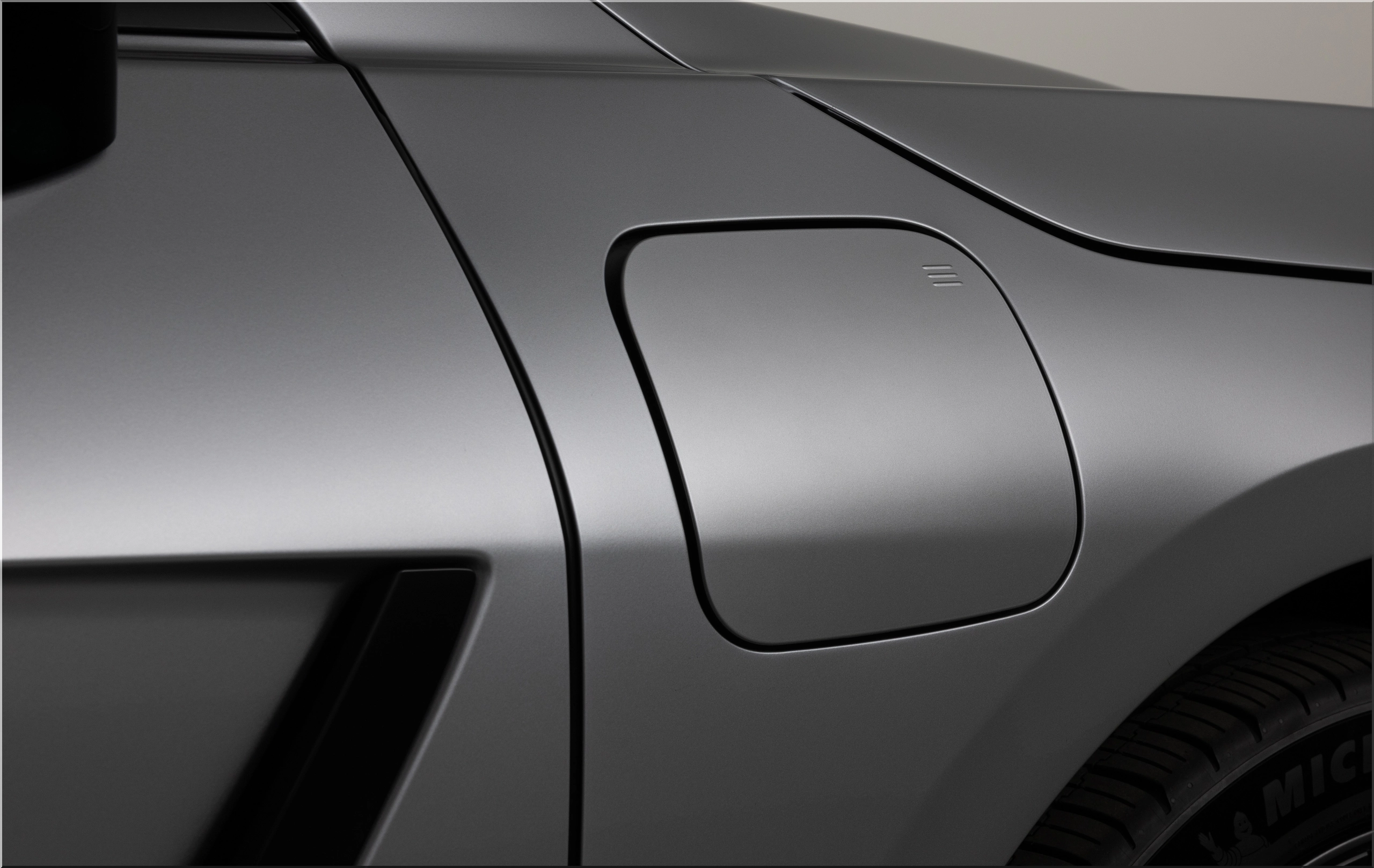
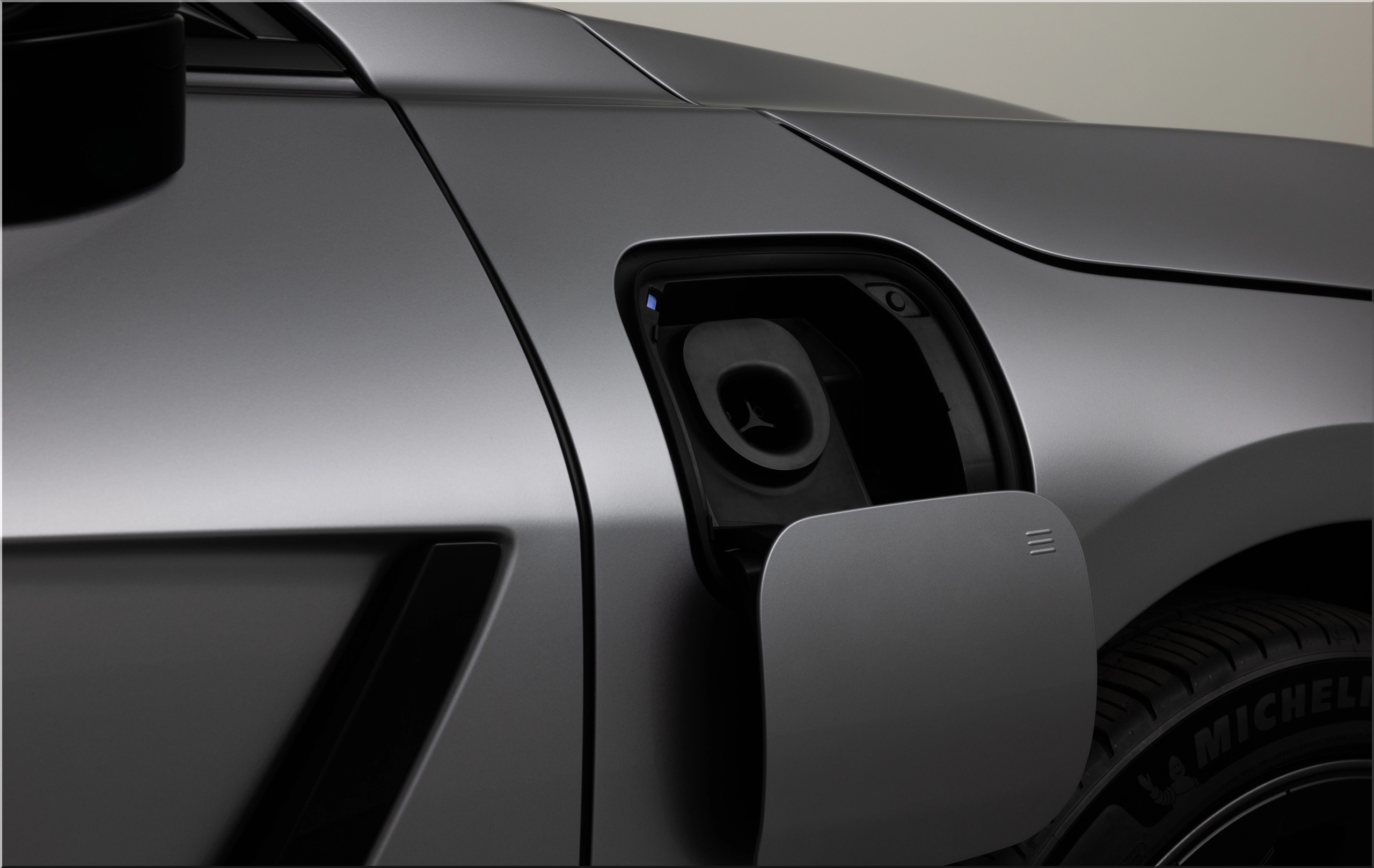
Lexus adopts NACS to match the charging standard across North America.
Key charging details:
- DC fast charging from 10% to 80% in around 30 minutes
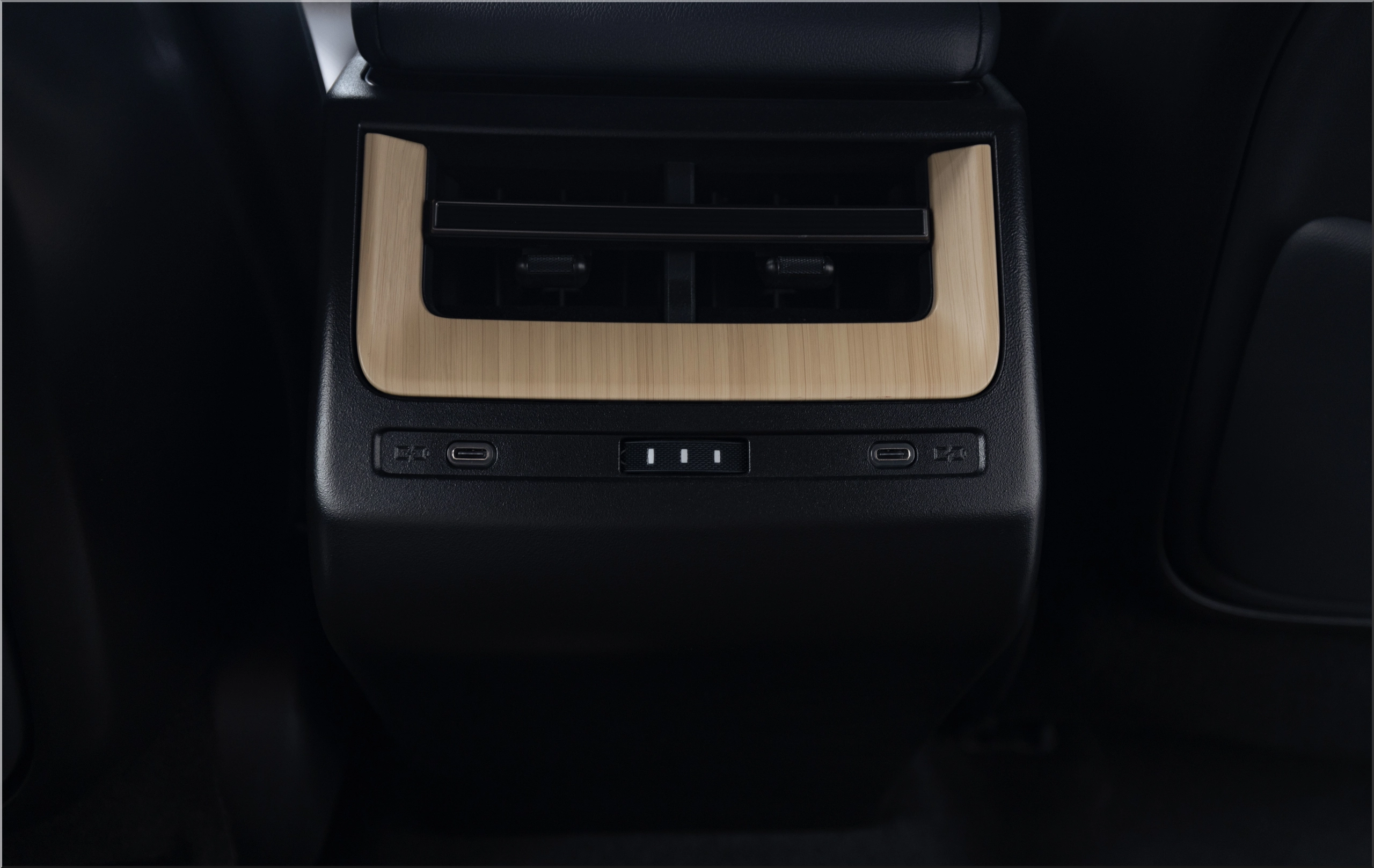
- Includes 11-kW AC onboard charger
- Supports Level 1 and Level 2 AC charging
- Charging rates scale based on temperature, wheel size, and driving load
These figures put the electric ES in a competitive zone with direct rivals offering mid-range battery capacity rather than oversized battery packs.
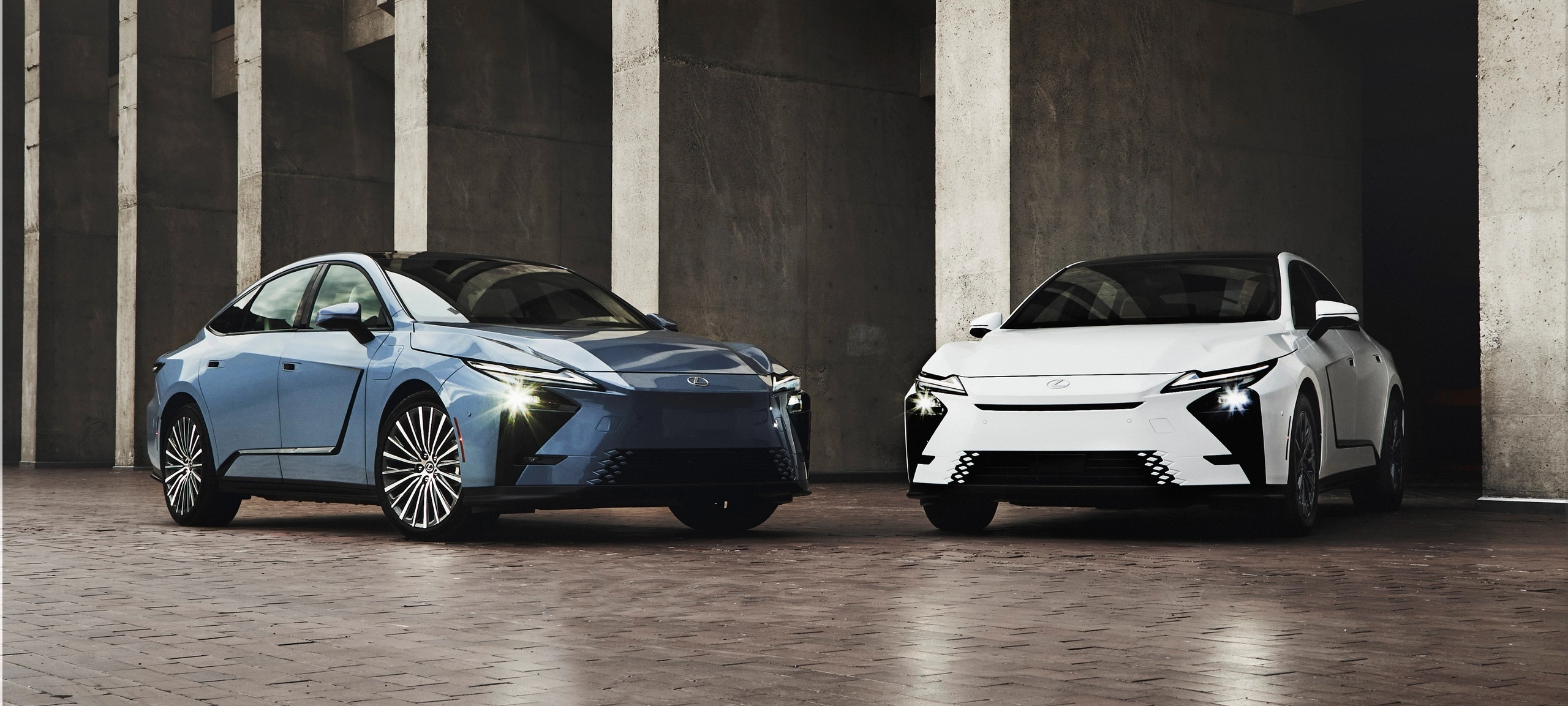
DIRECT4 AWD: Core Difference in the ES 500e
The ES 500e uses DIRECT4, also used in Lexus RZ 450e electric car, an active torque distribution system that shifts power from 100:0 to 0:100 between axles.
This enables:
- Faster launches from a stop
- Stronger traction on low-grip surfaces
- Better corner exit control at moderate throttle
- Higher stability during lane changes at highway speeds
DIRECT4 becomes the primary technical divider between the two electric models.
Platform and Driving Behavior
The 2026 ES rides on a reengineered GA-K platform, modified for both hybrid and electric powertrains. Lexus increases rigidity across the floor, front, and rear to reduce flex under heavy loads.
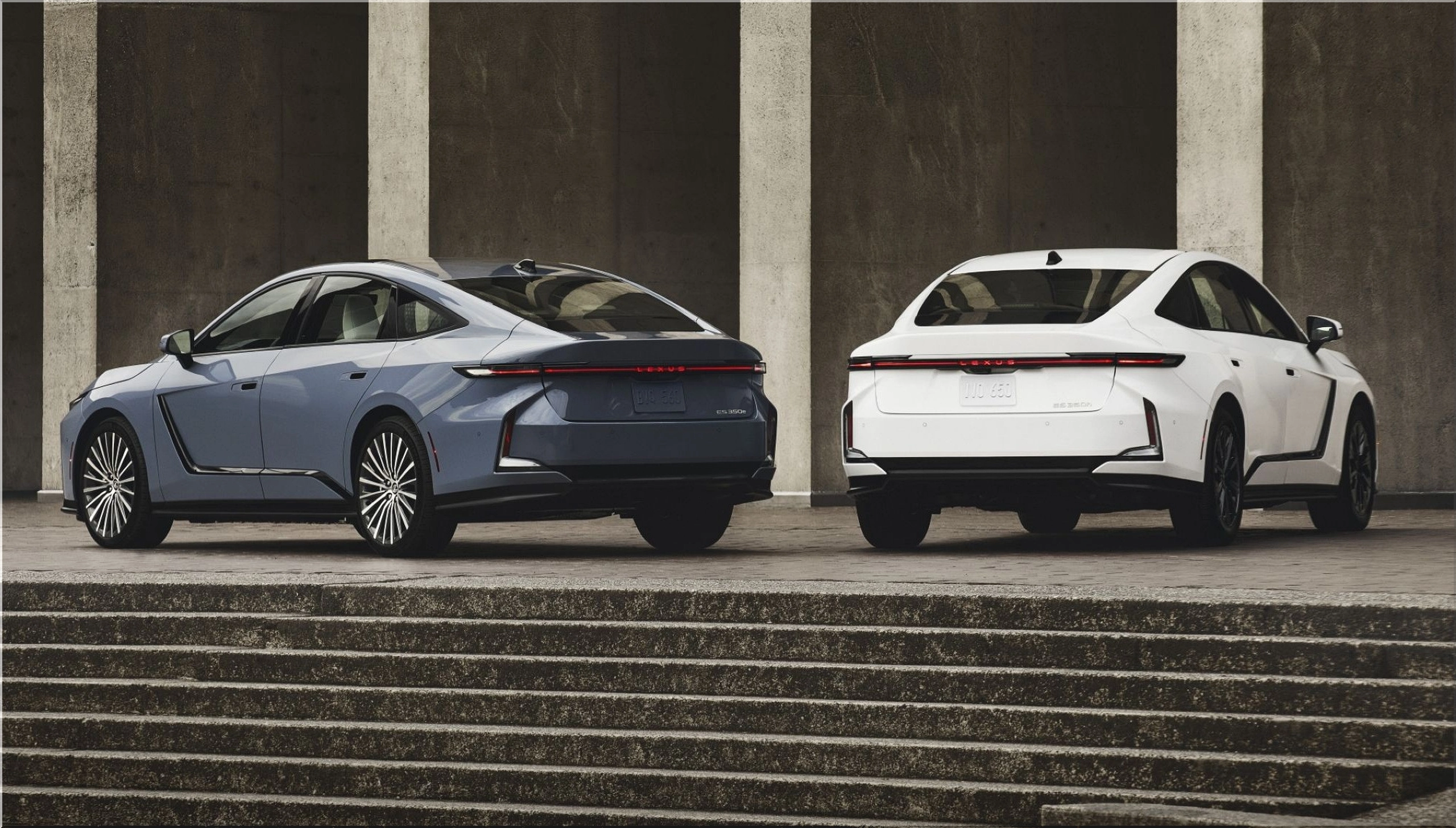
Key driving gains
- Sharper steering response
- Reduced vibration at mid-range speeds
- Improved braking stability due to stronger floor structure
The multi-link rear suspension appears on the ES for the first time. This upgrade improves grip and reduces body movement over rough surfaces, supporting the heavier load of the EV battery.
Aerodynamic Focus
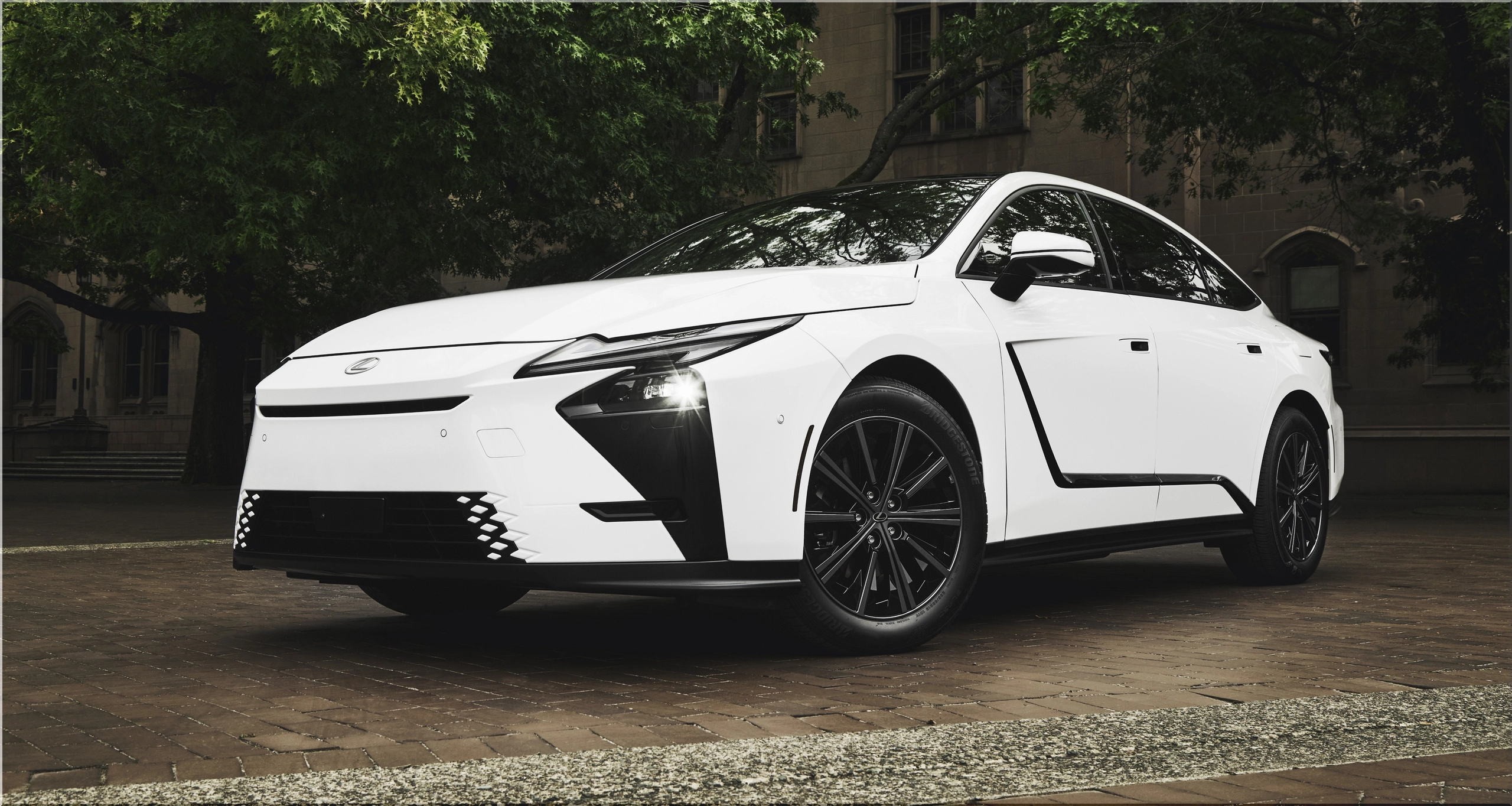
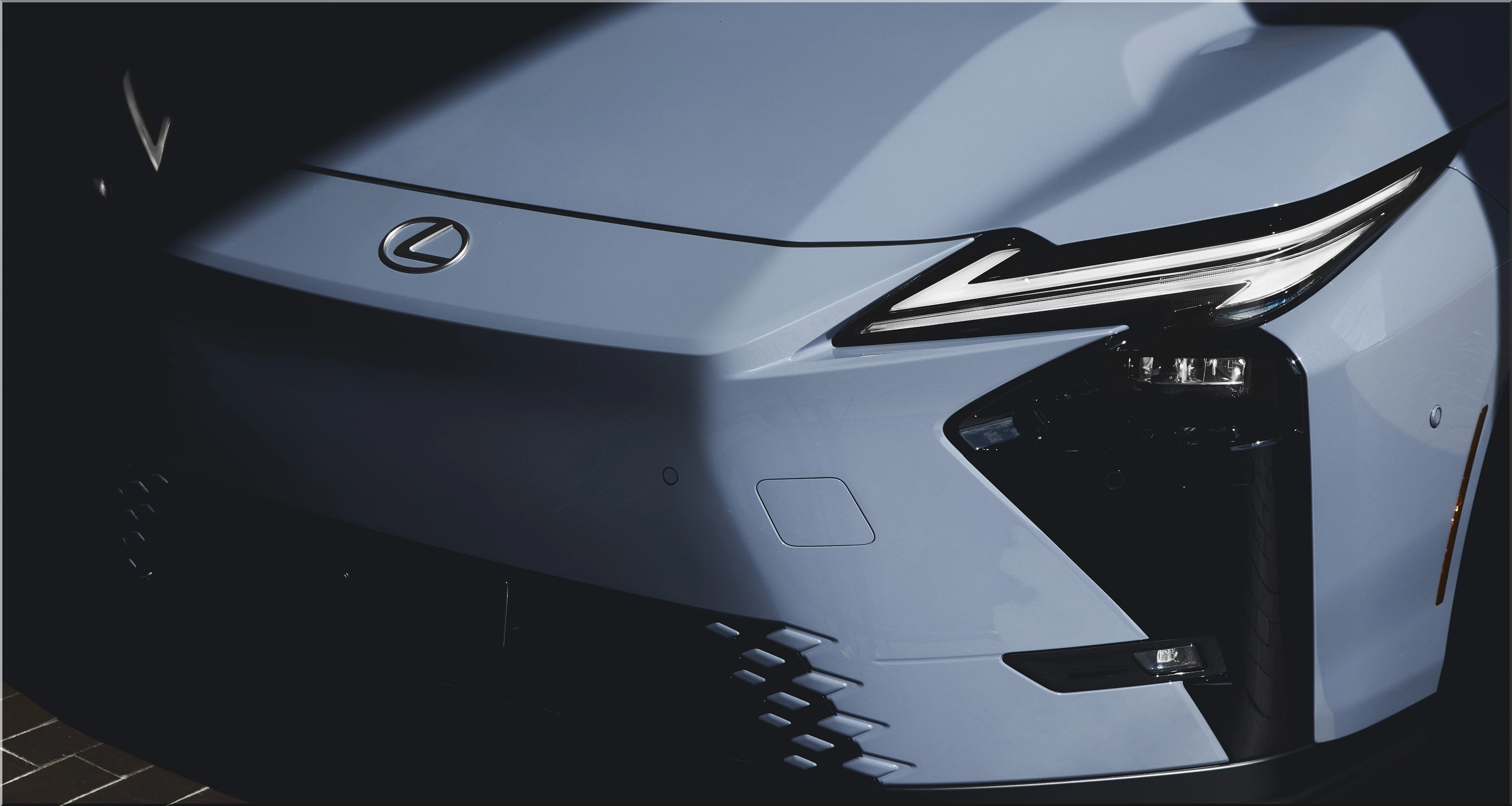
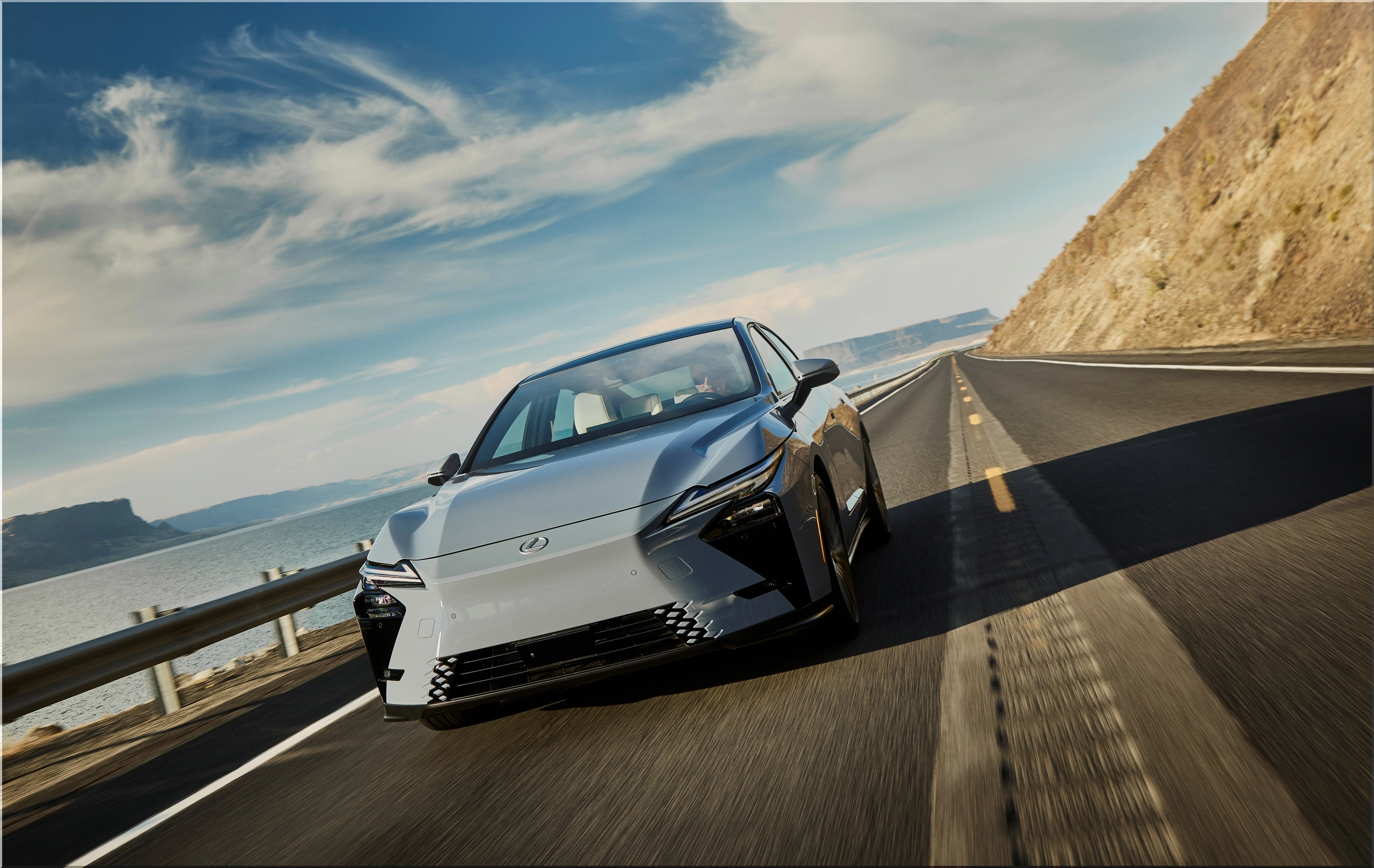
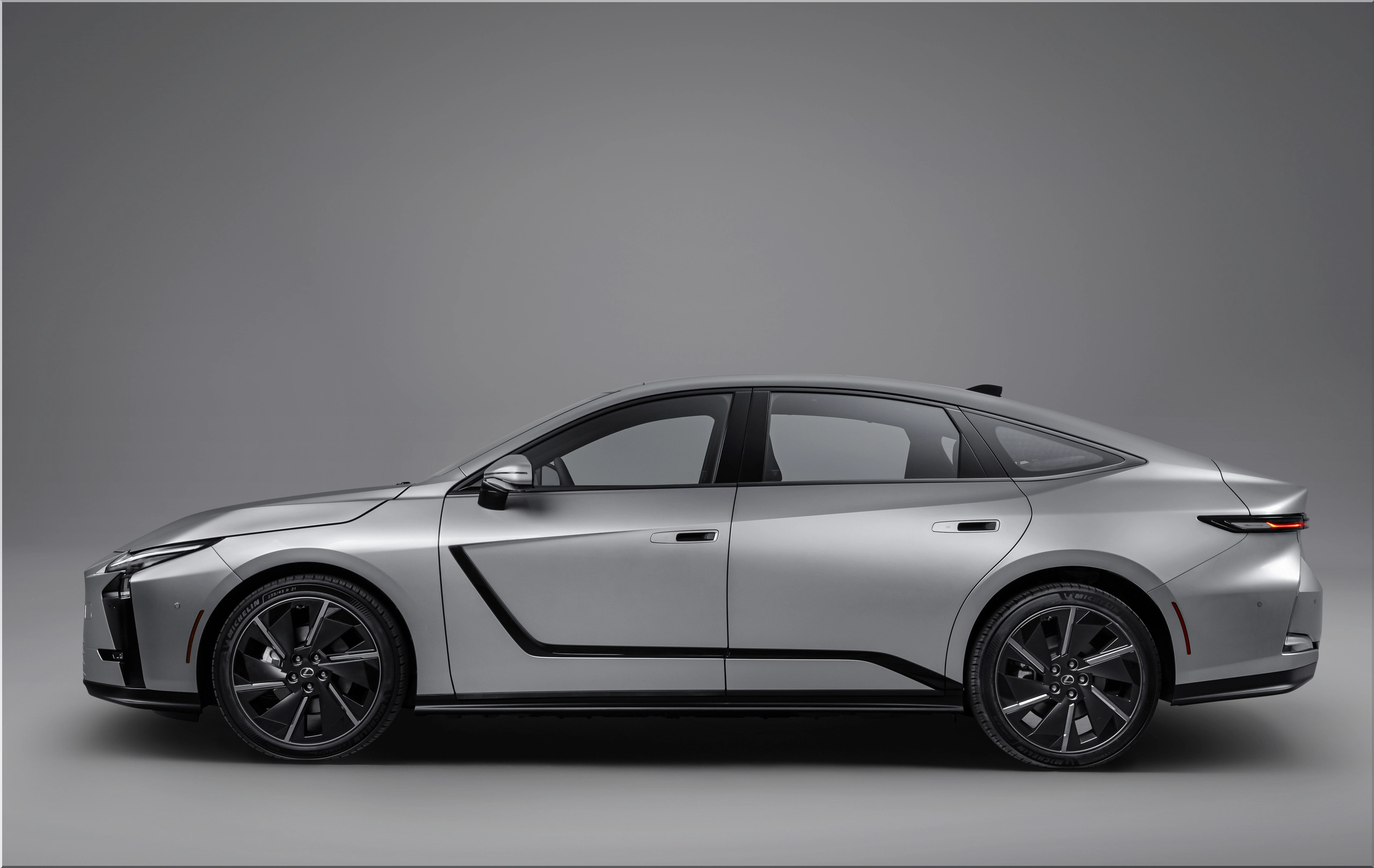
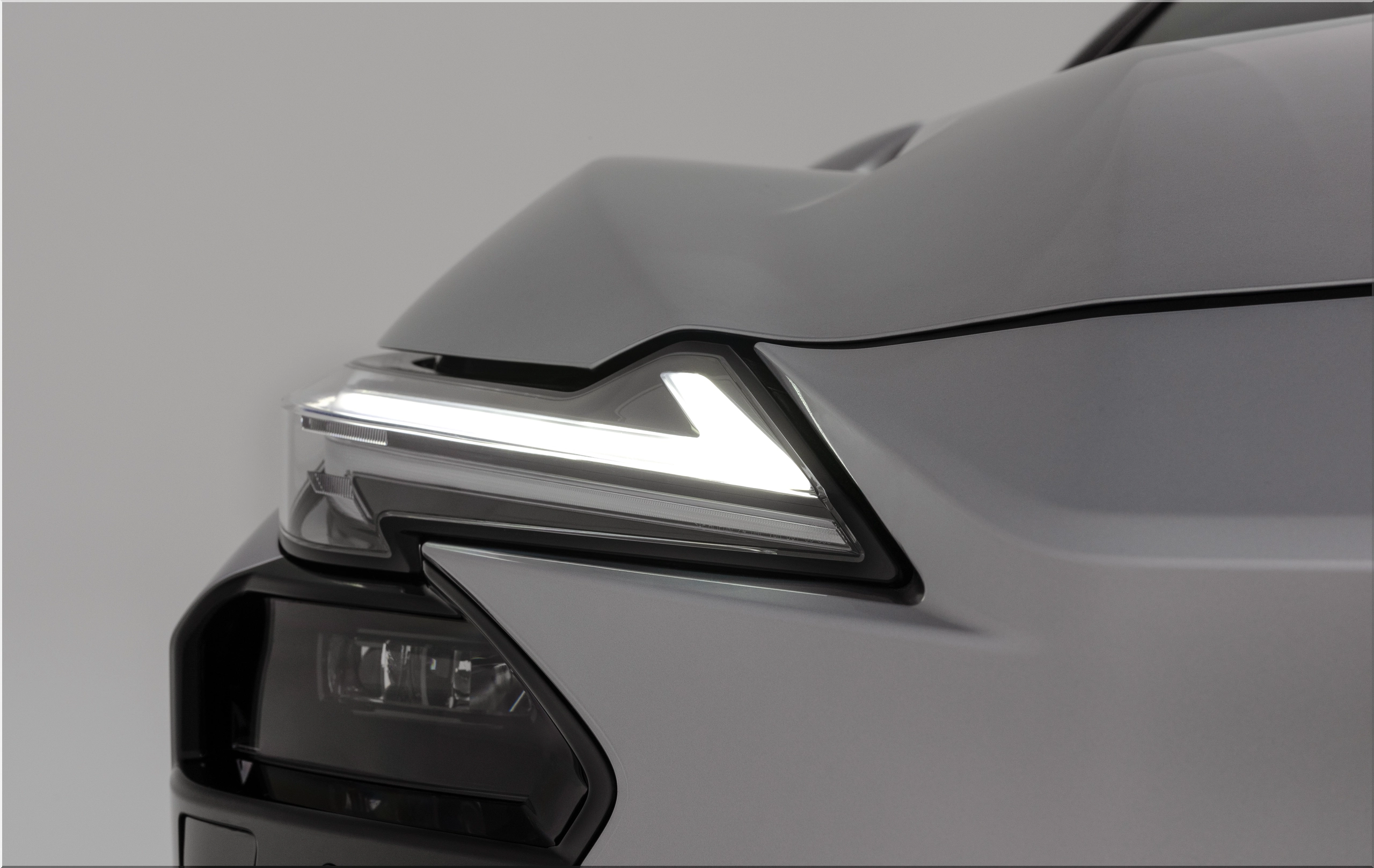
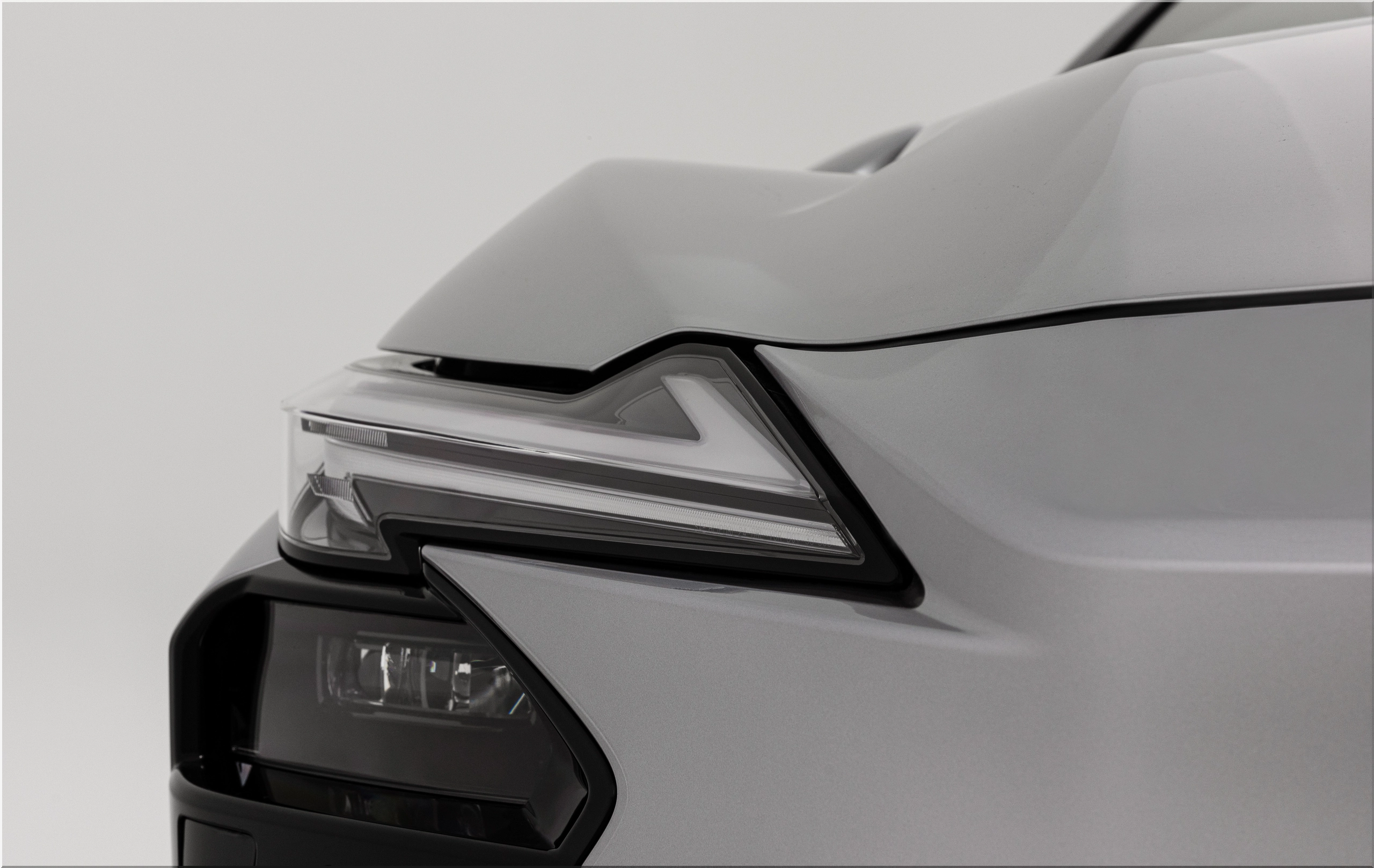
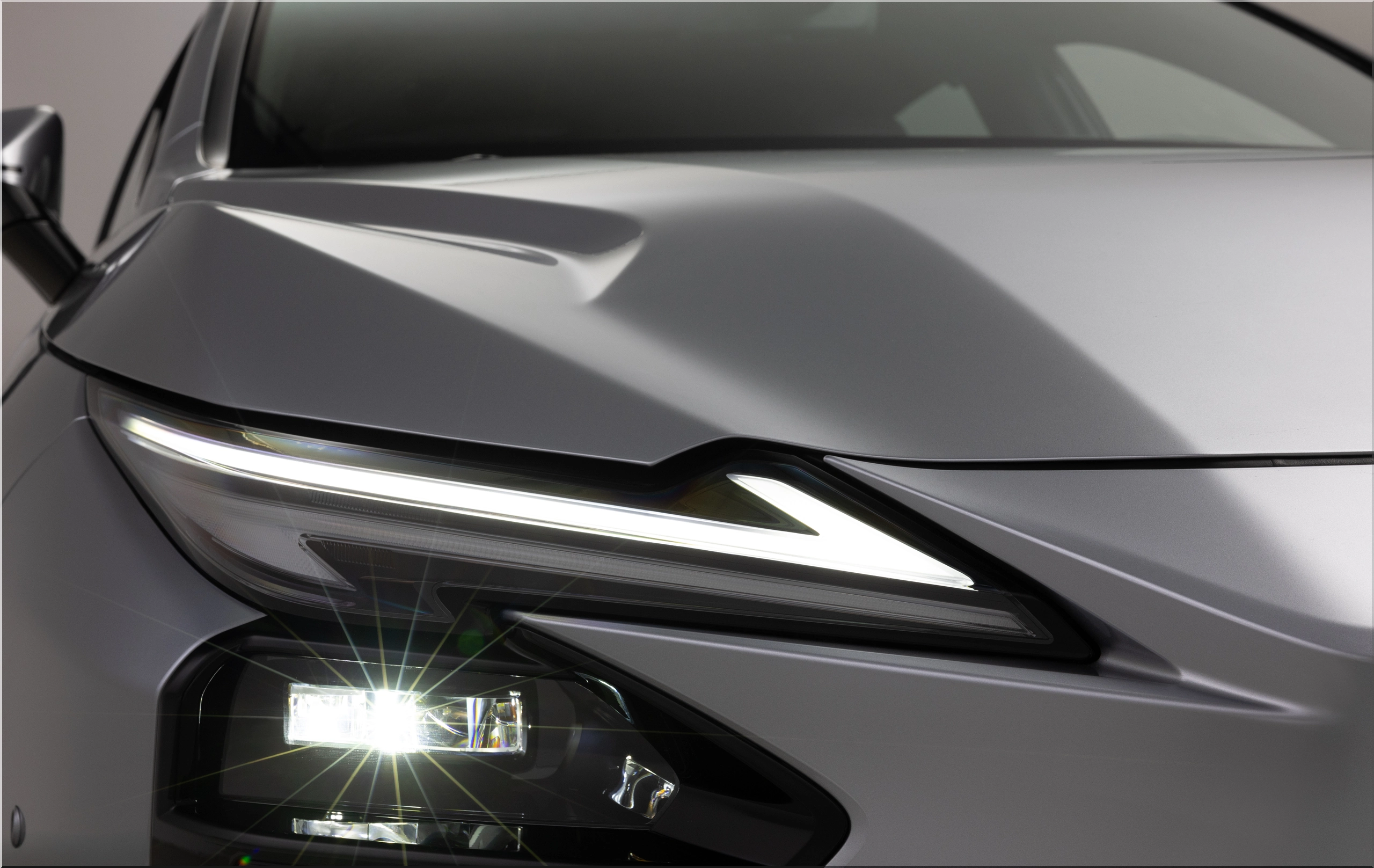
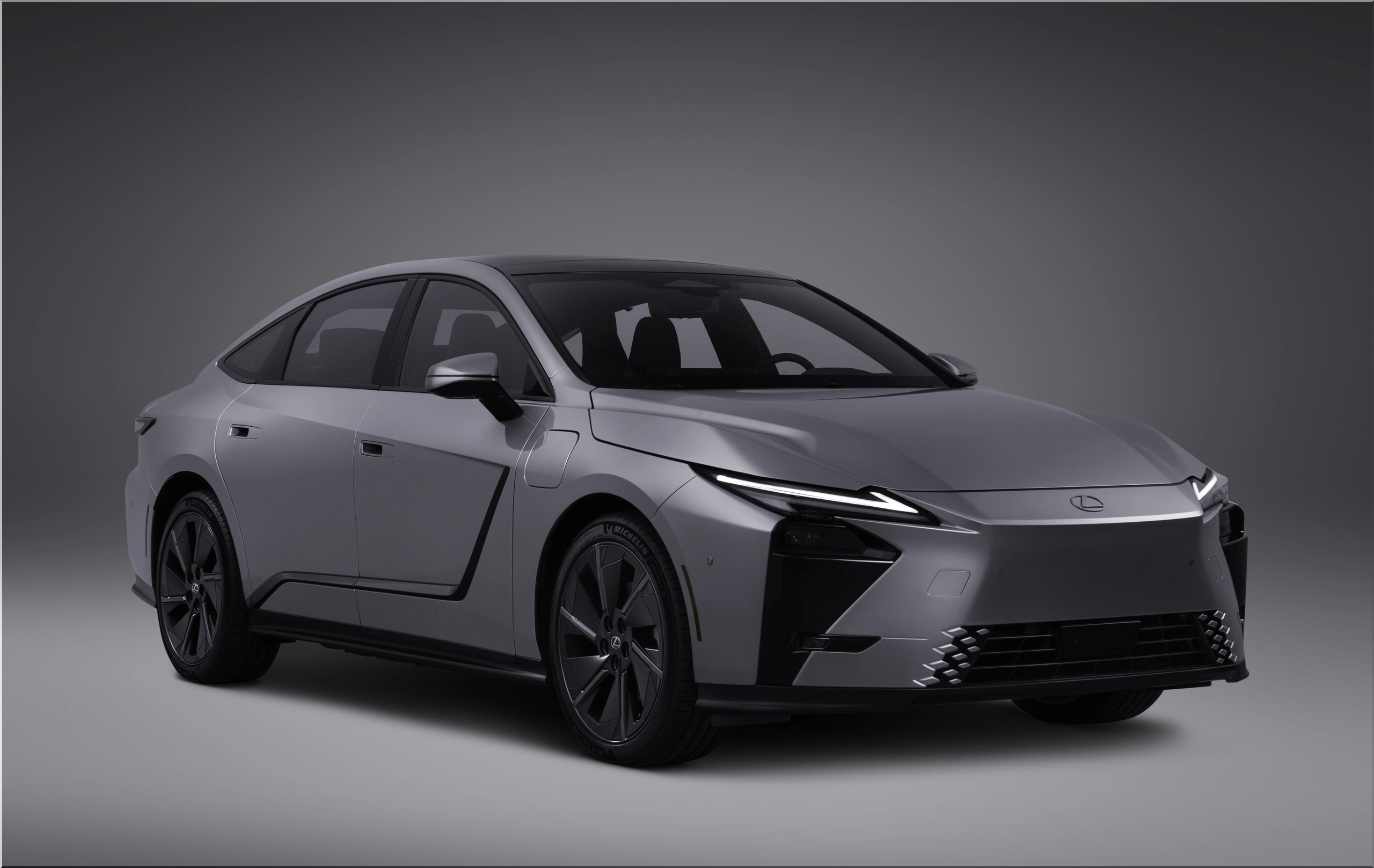
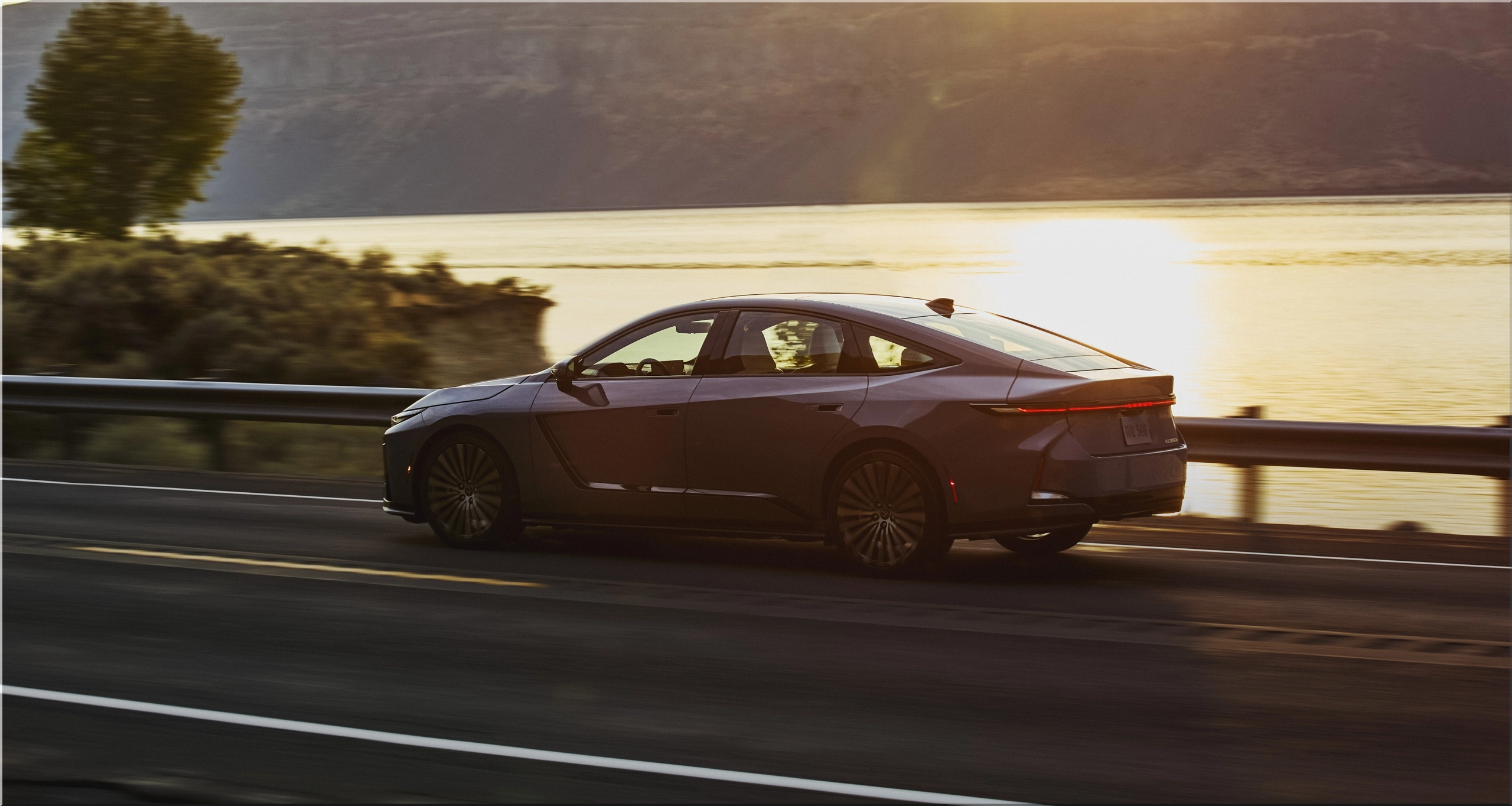
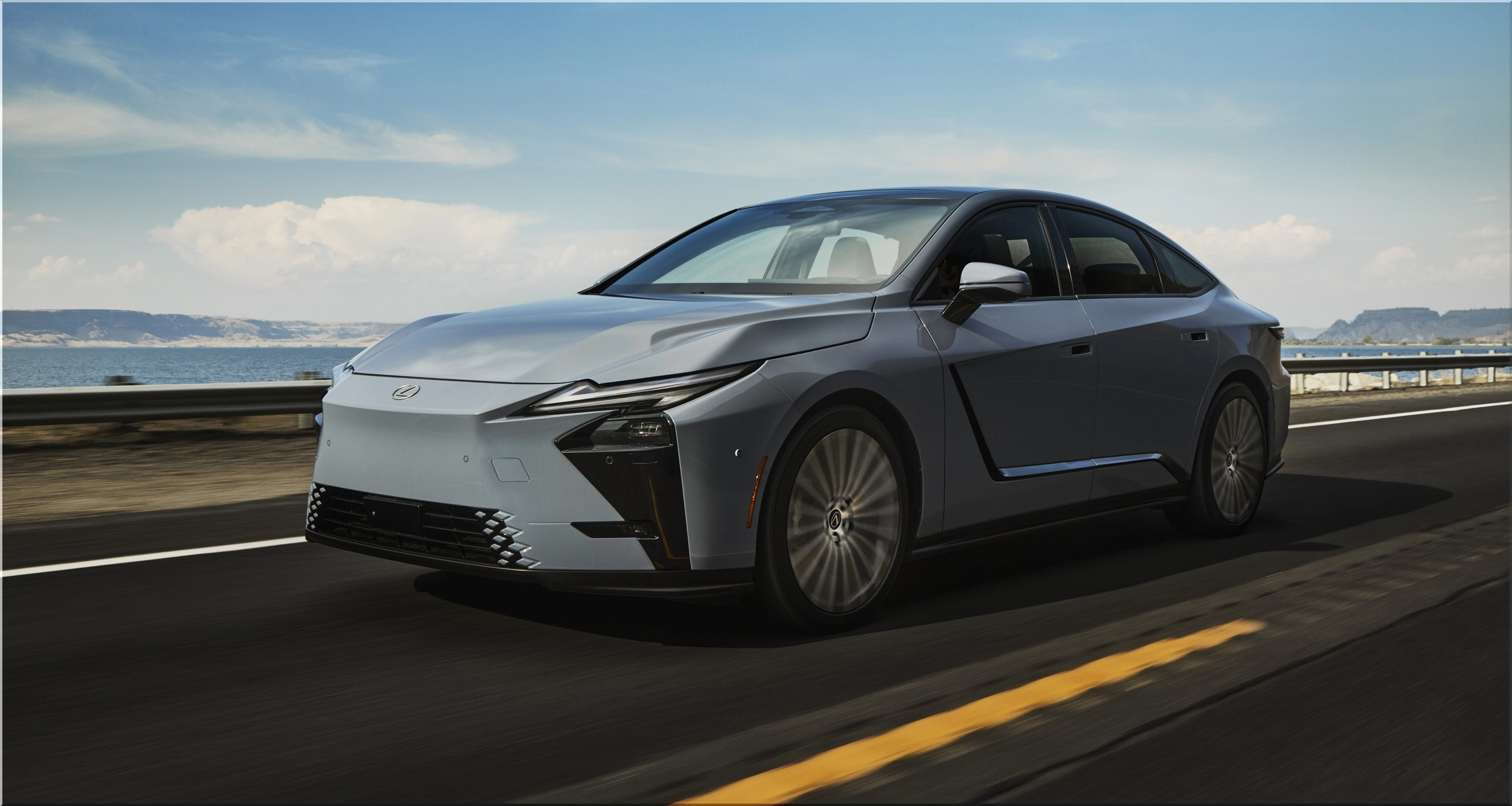
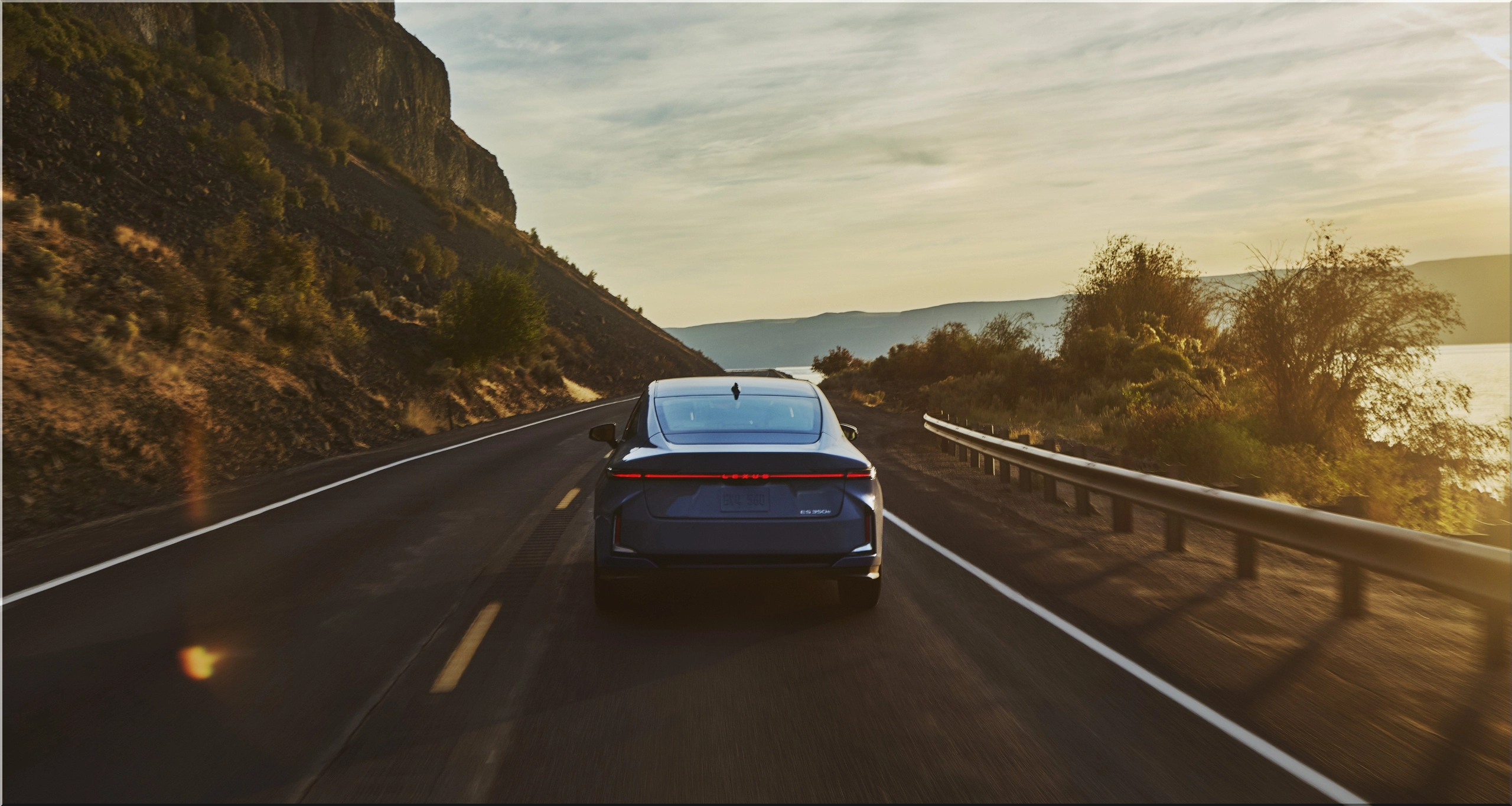
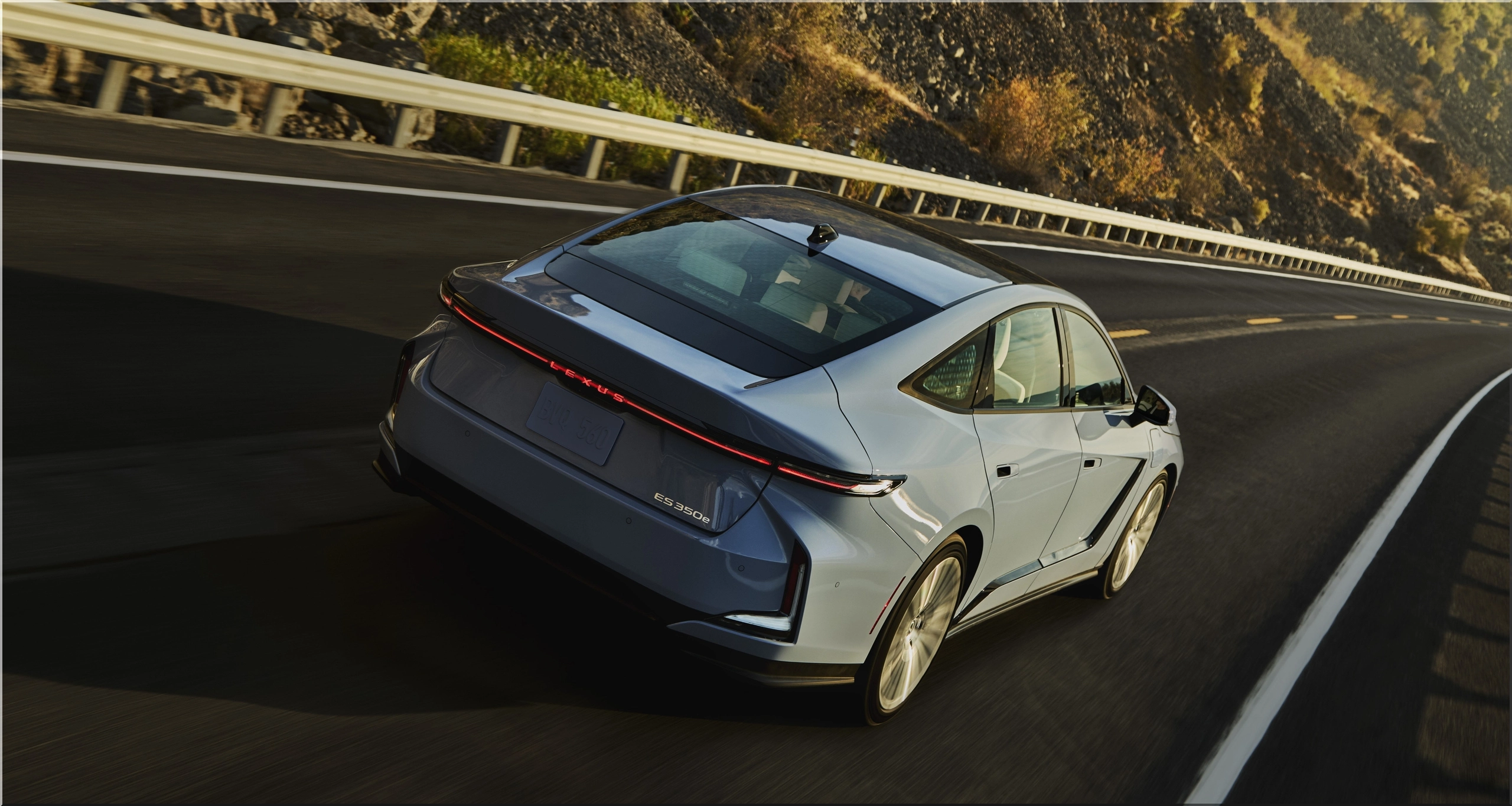
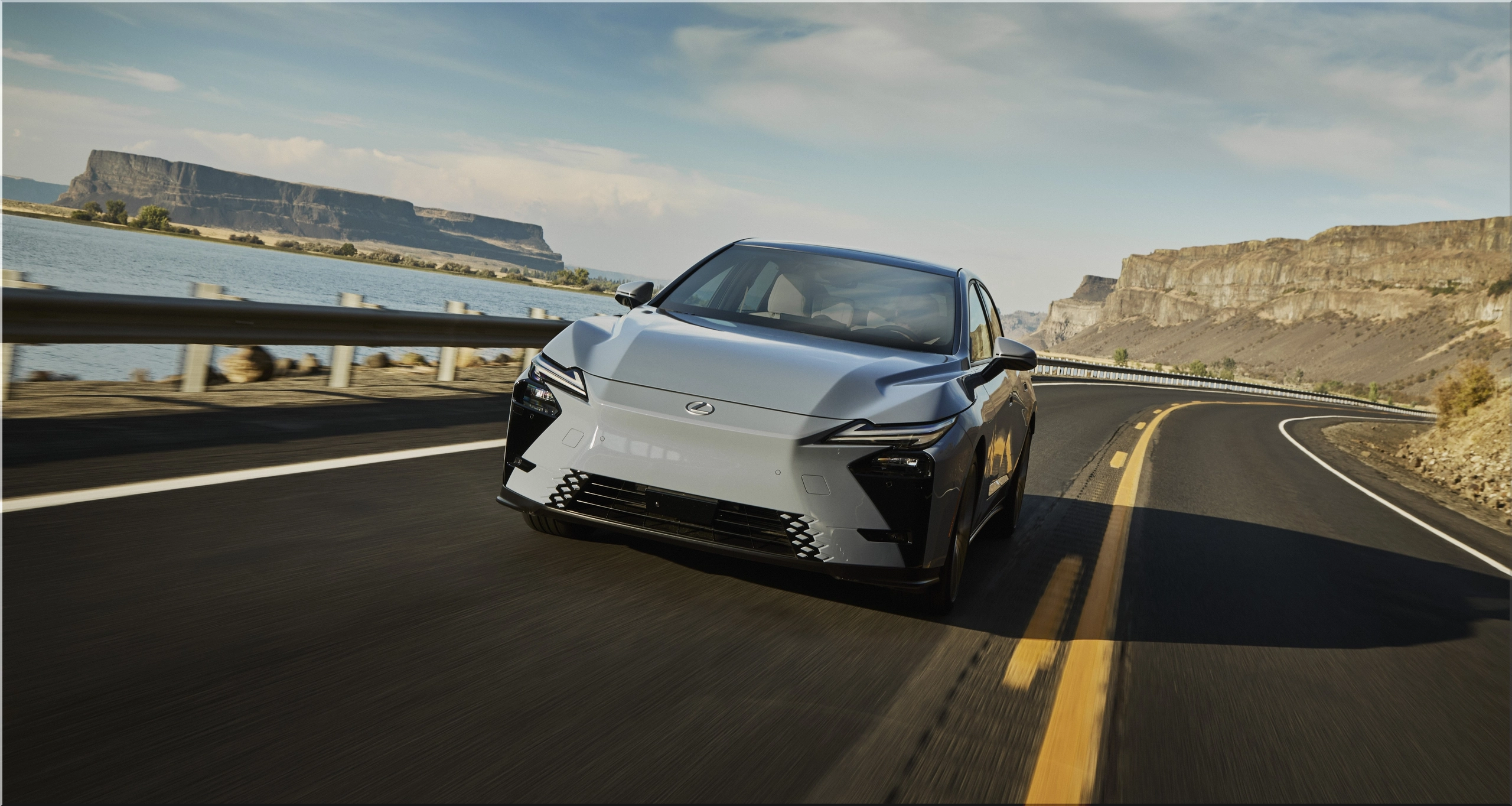
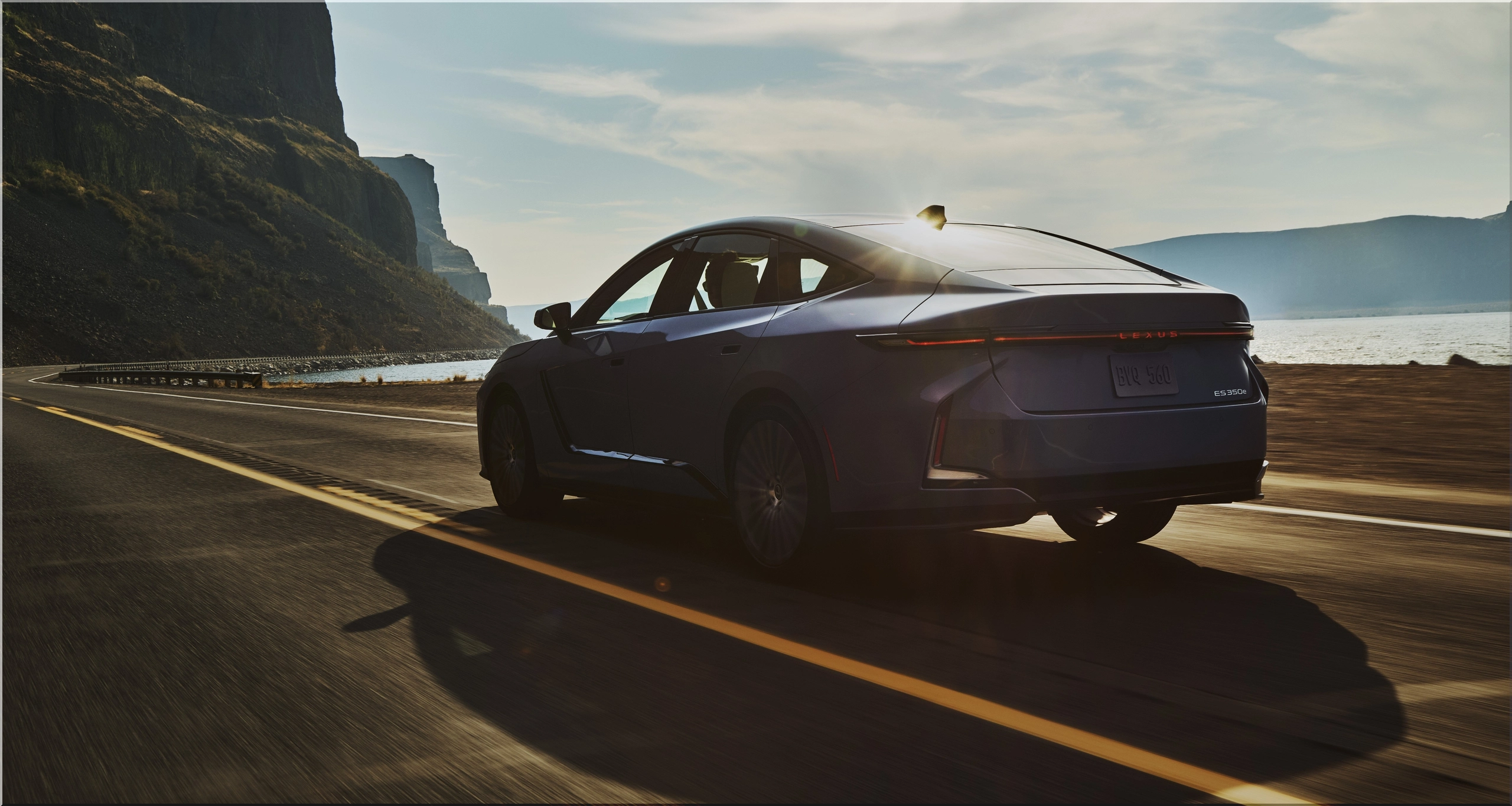
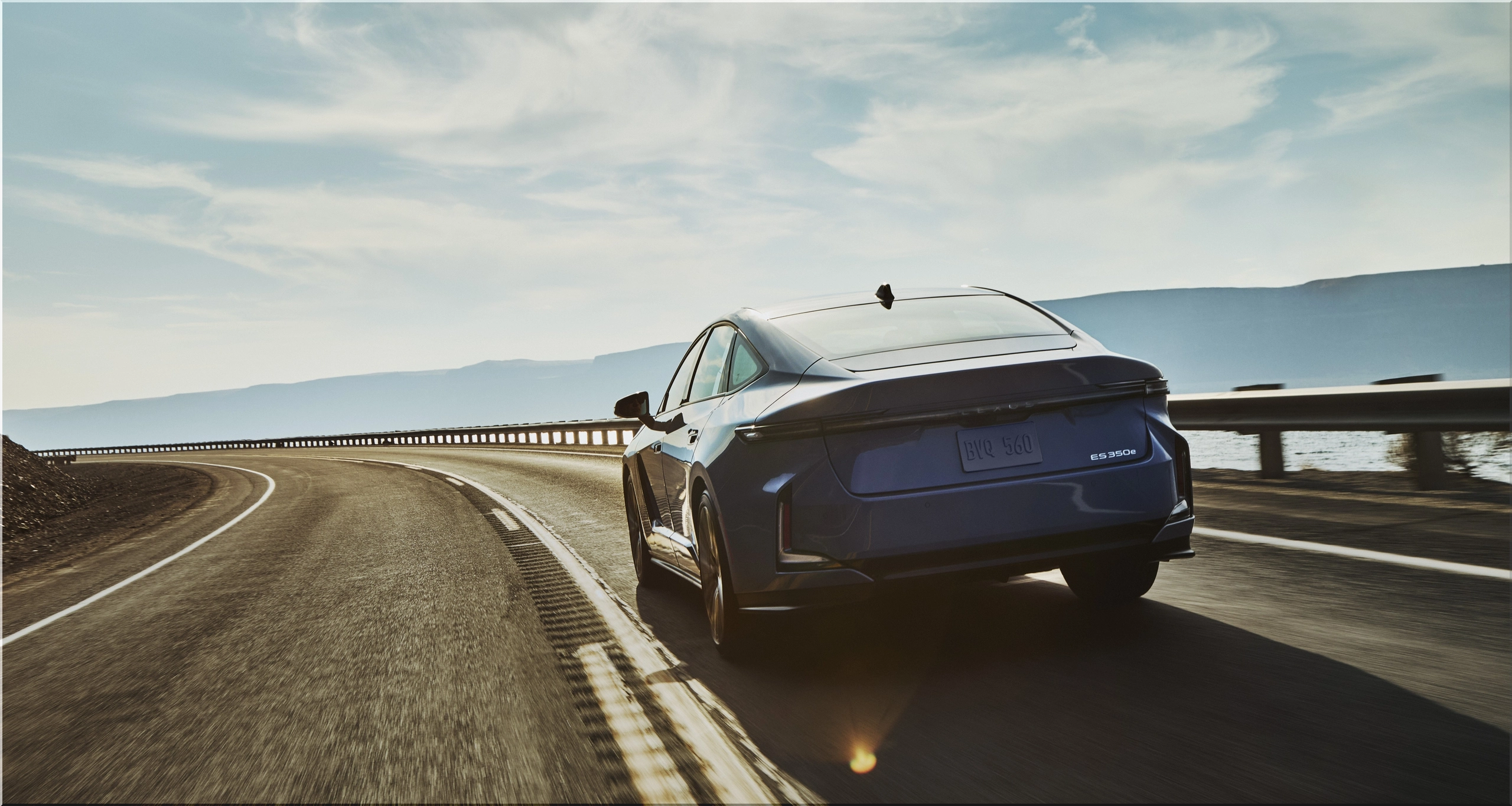
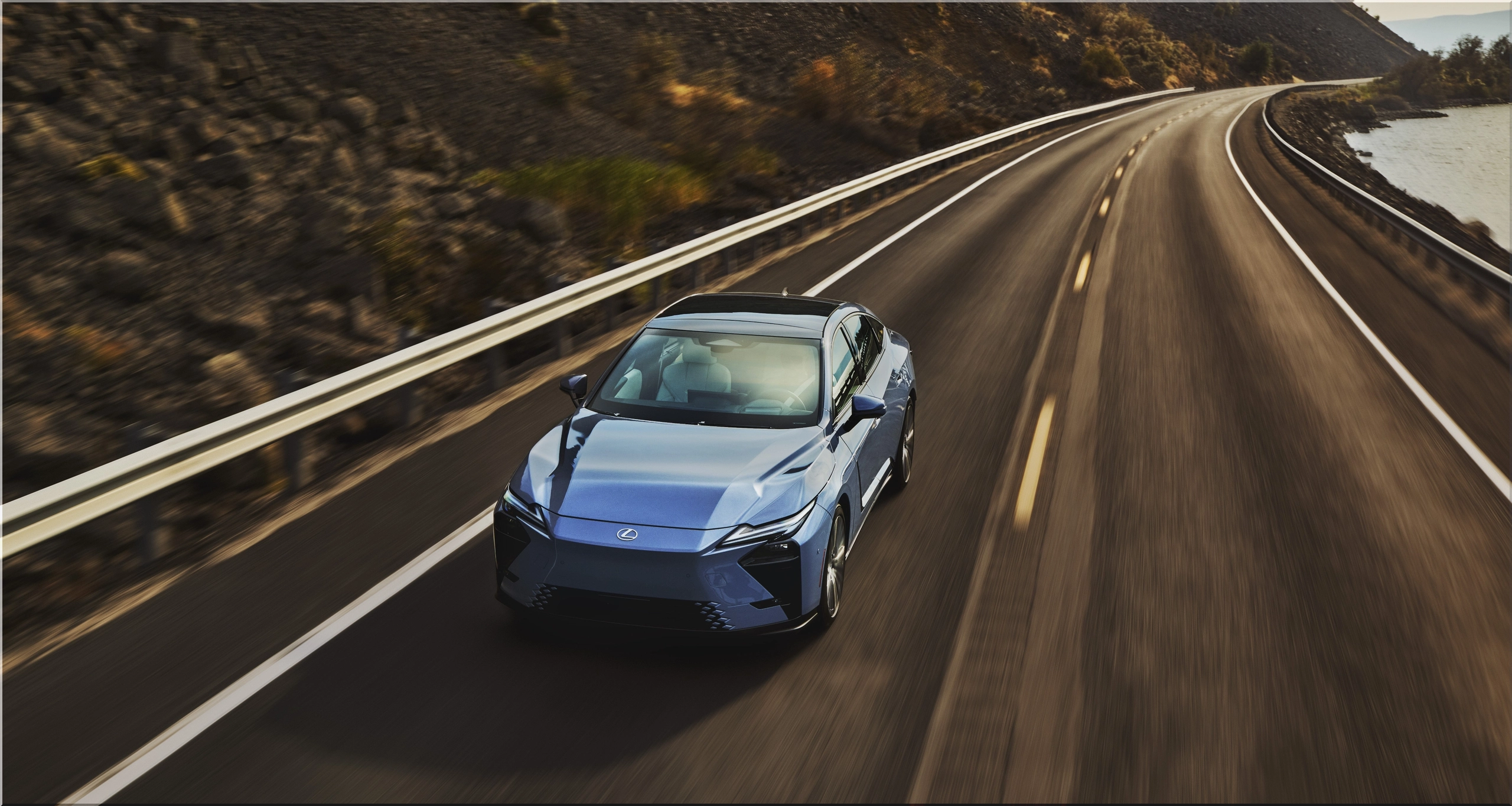
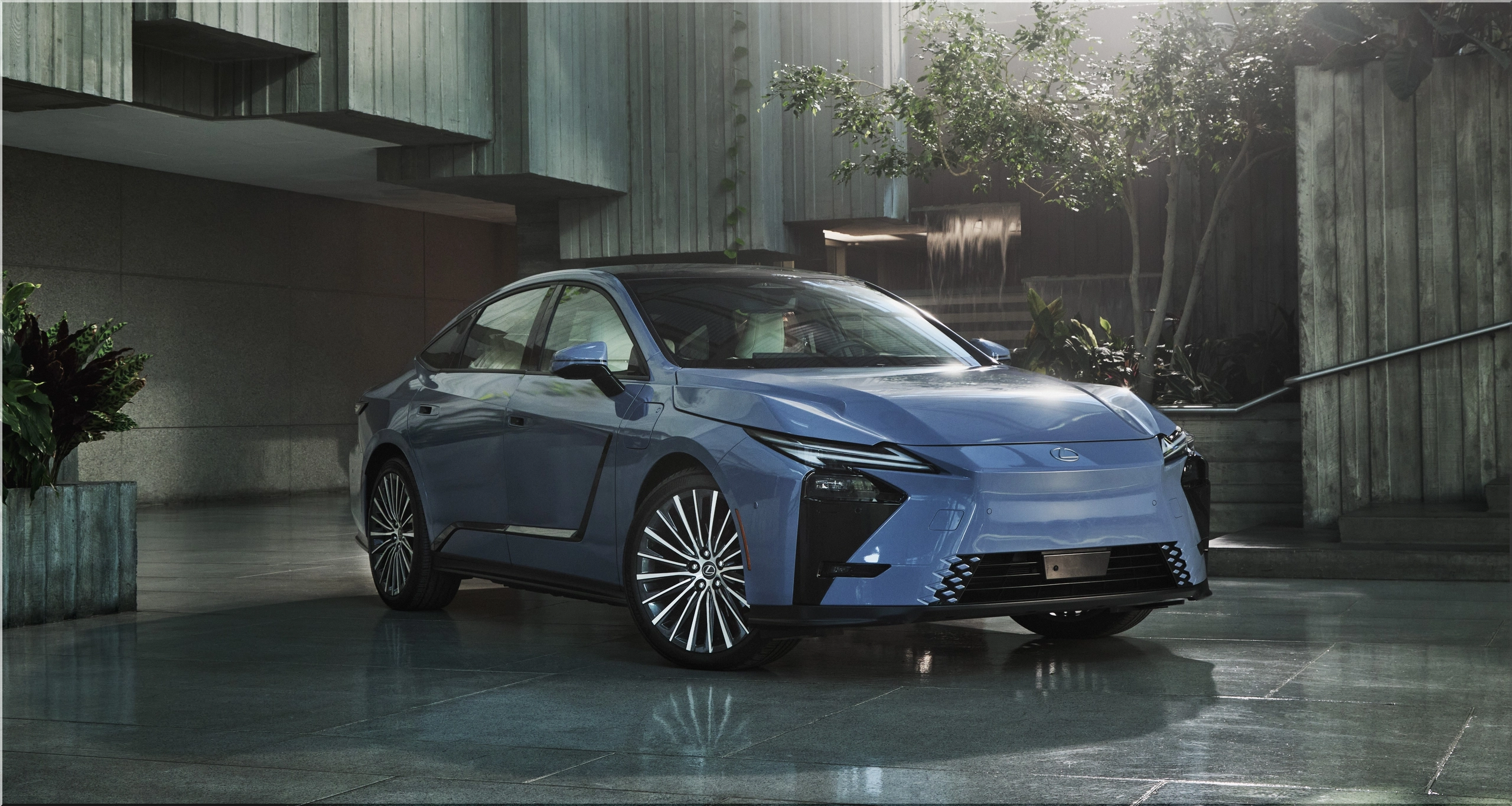
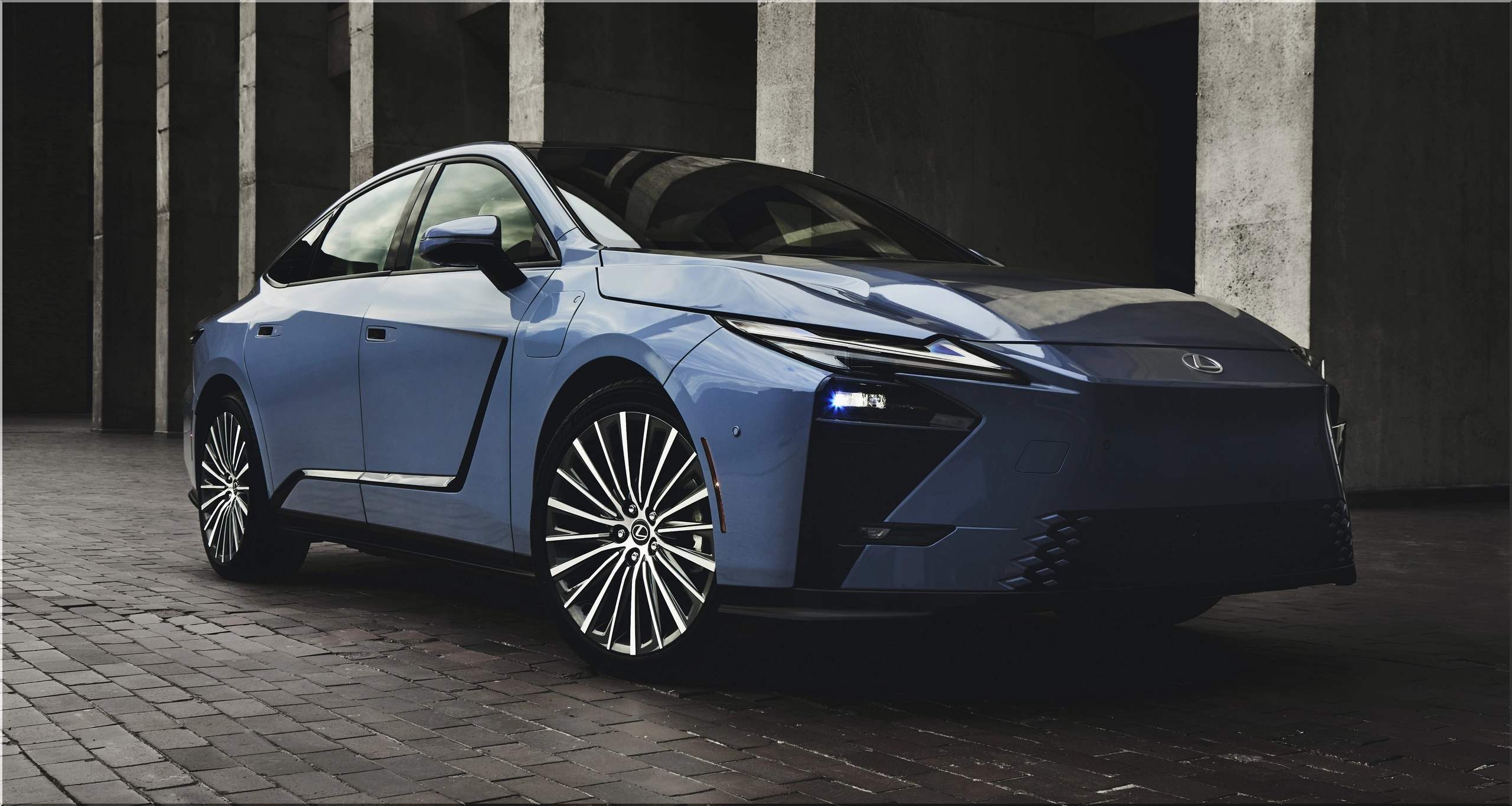
The body lines follow the Clean Tech x Elegance design theme. For the EV trims, the priority shifts toward airflow efficiency.
Core aerodynamic adjustments:
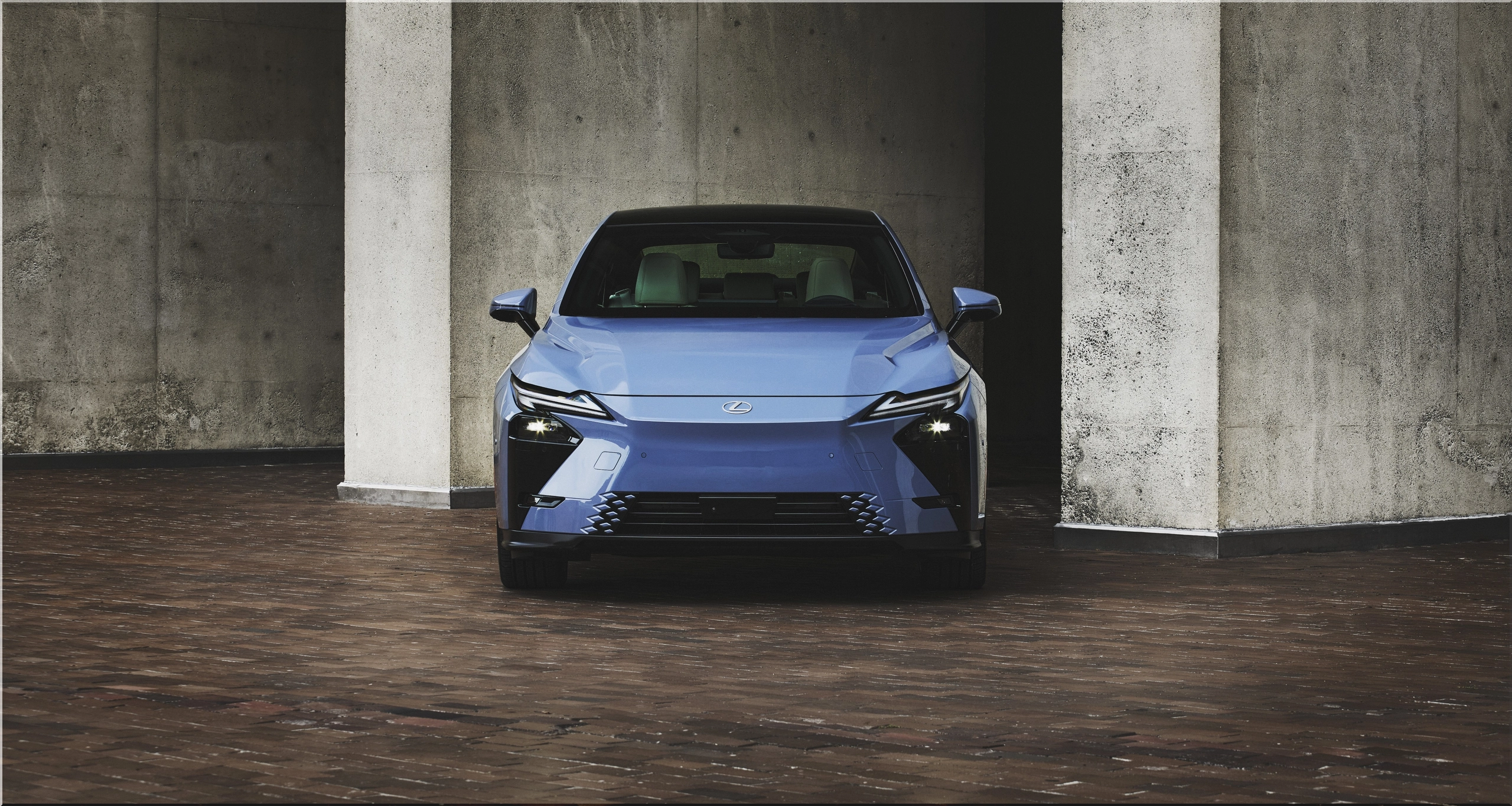
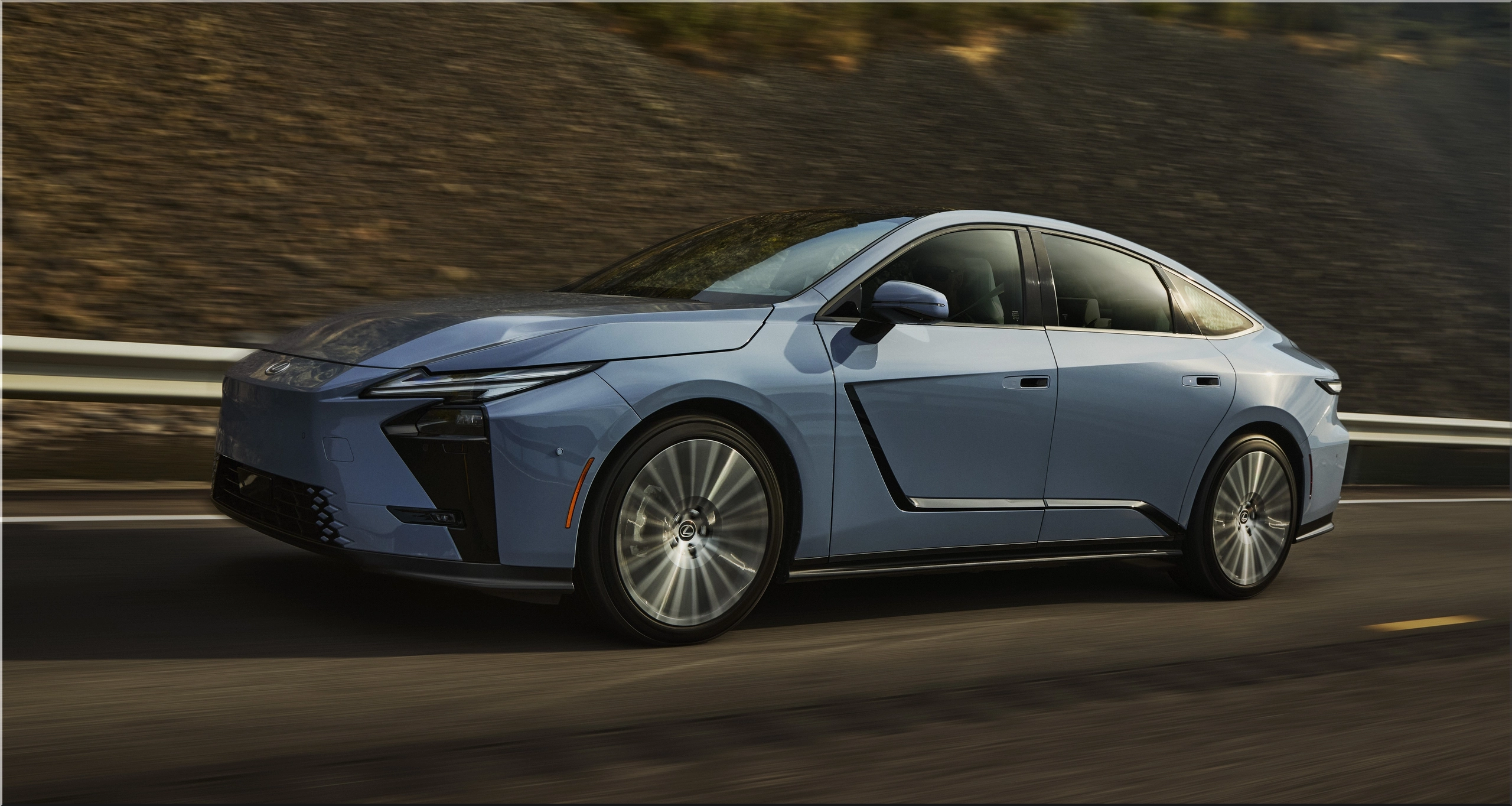
- Low nose for reduced drag
- Taut side profile to reduce lift
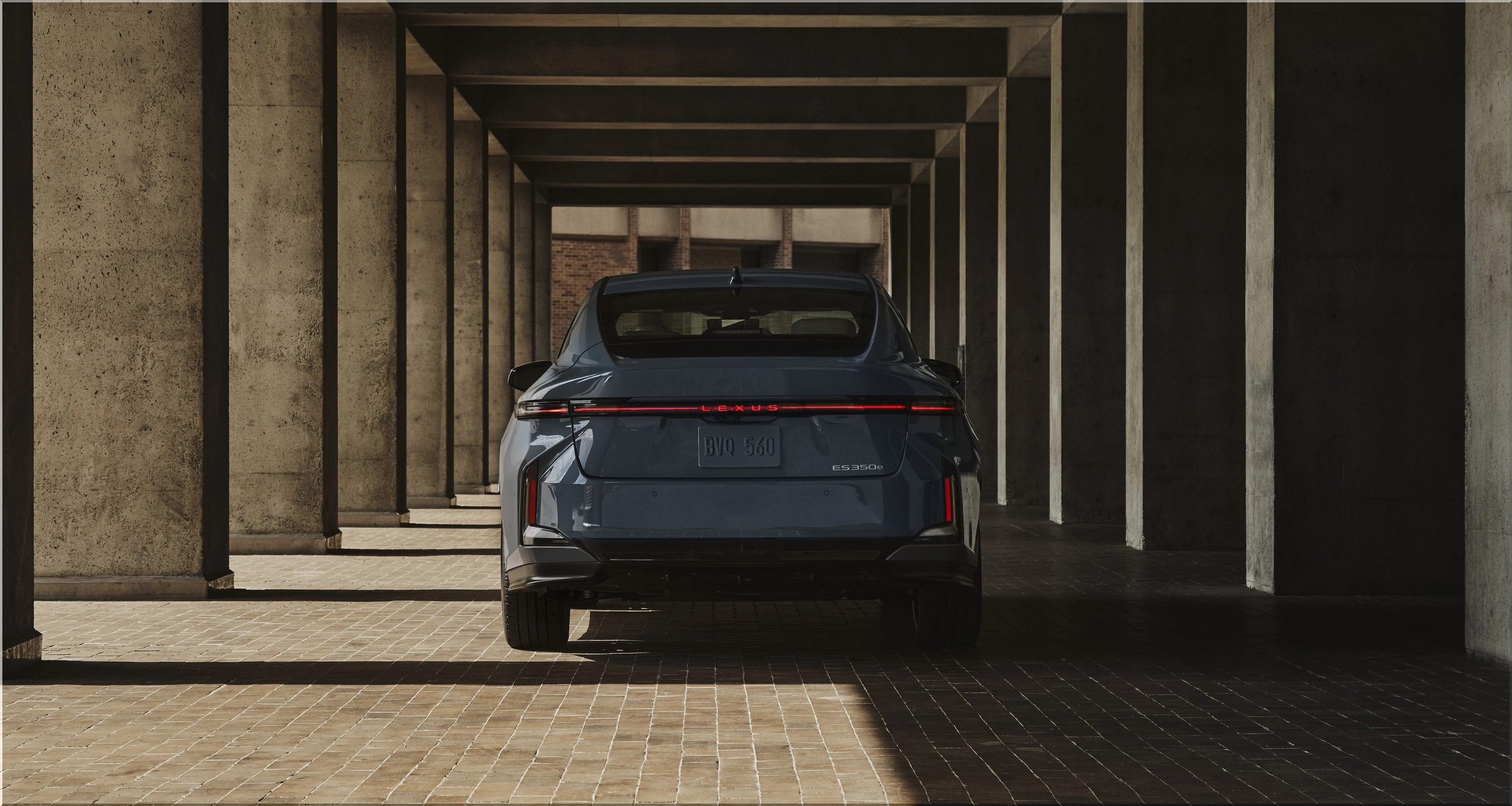
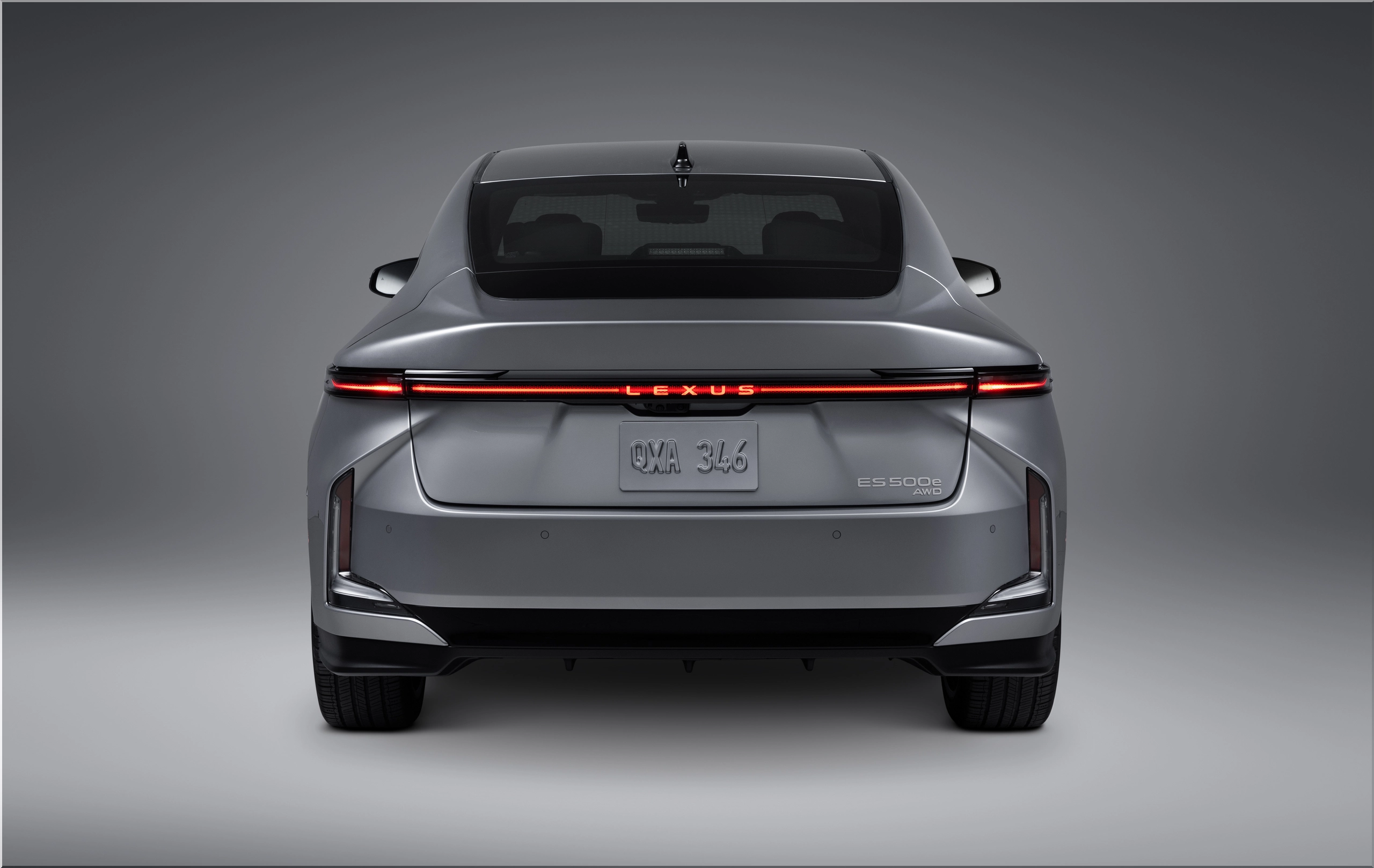
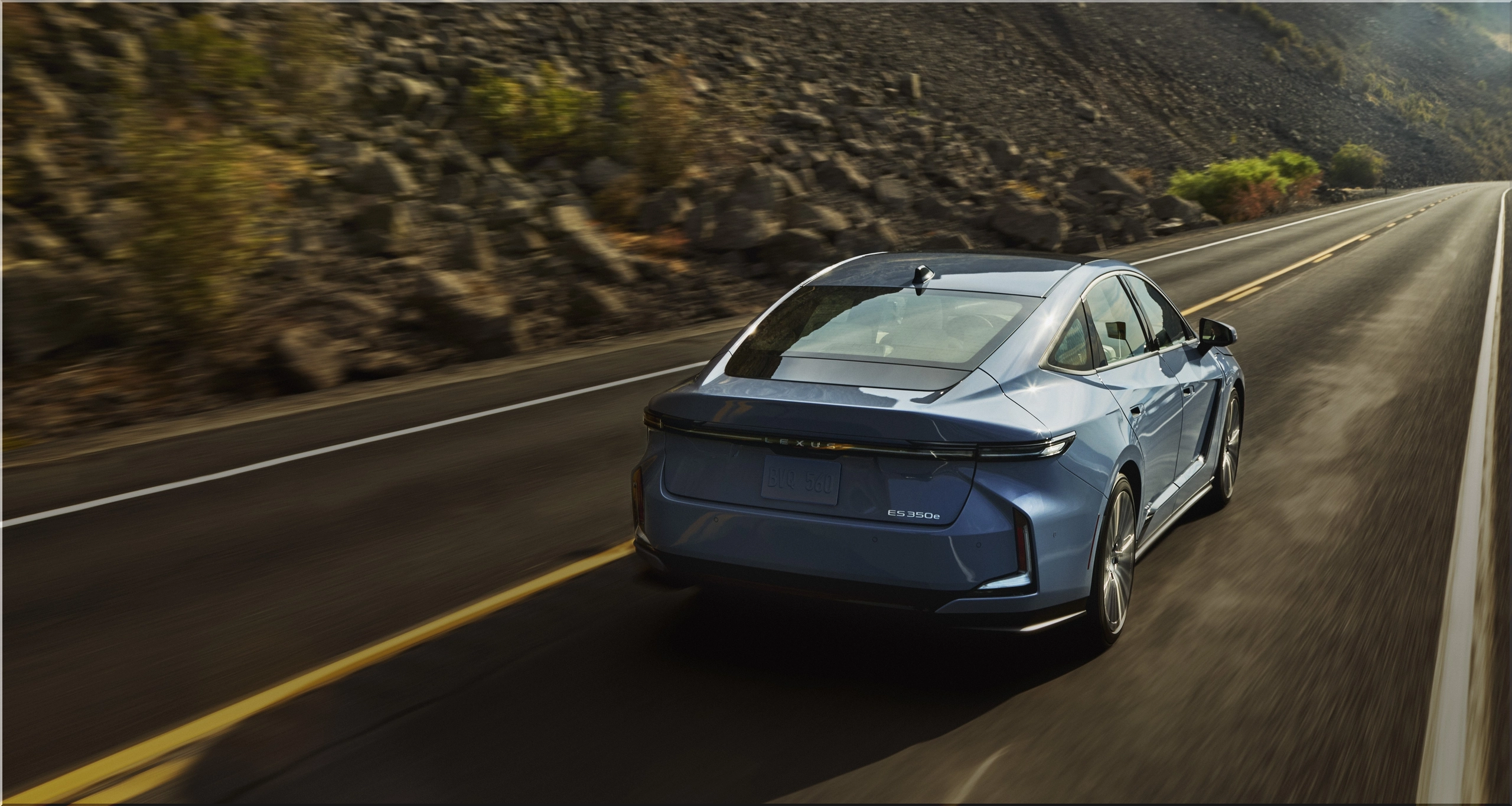
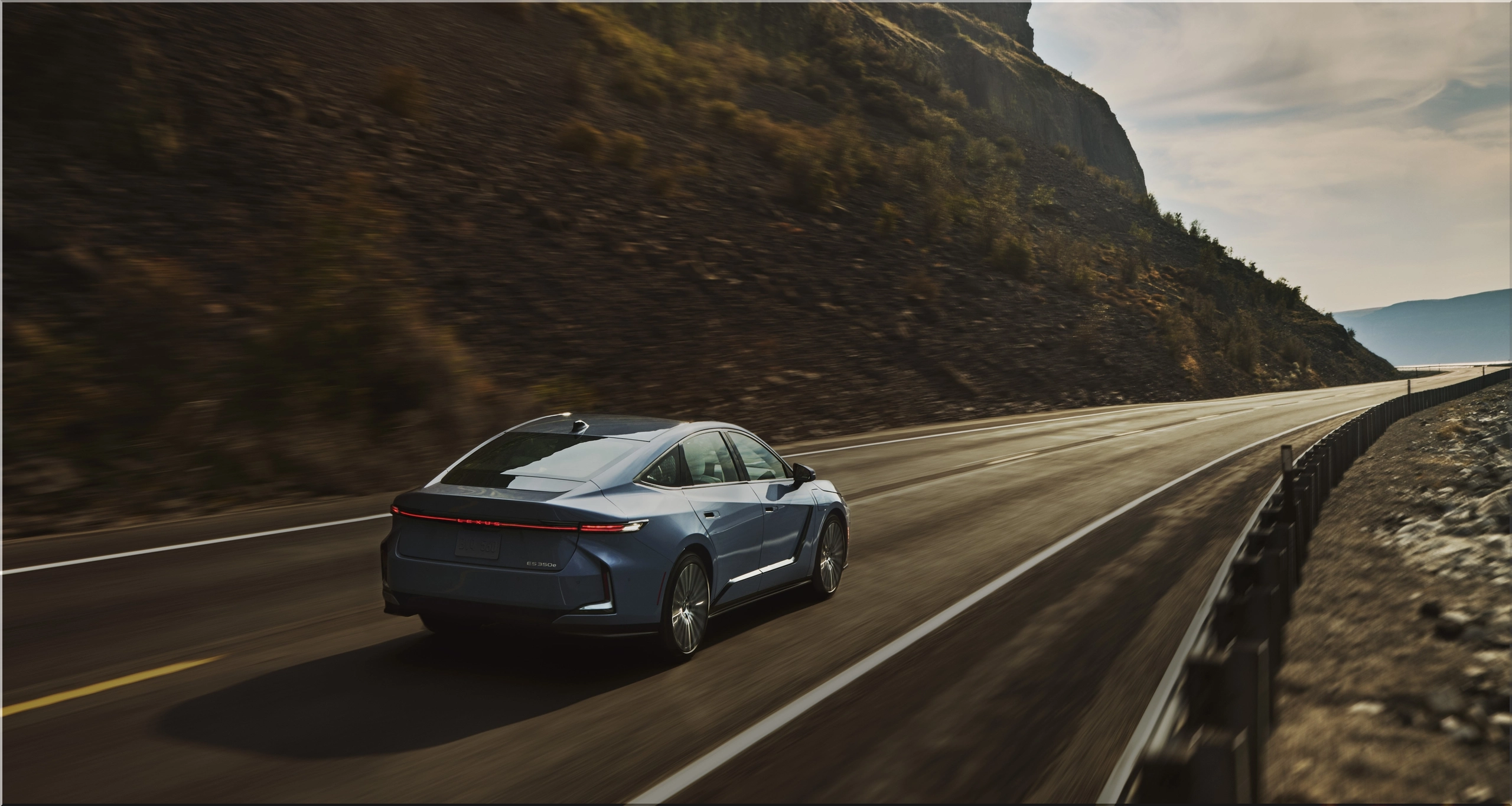
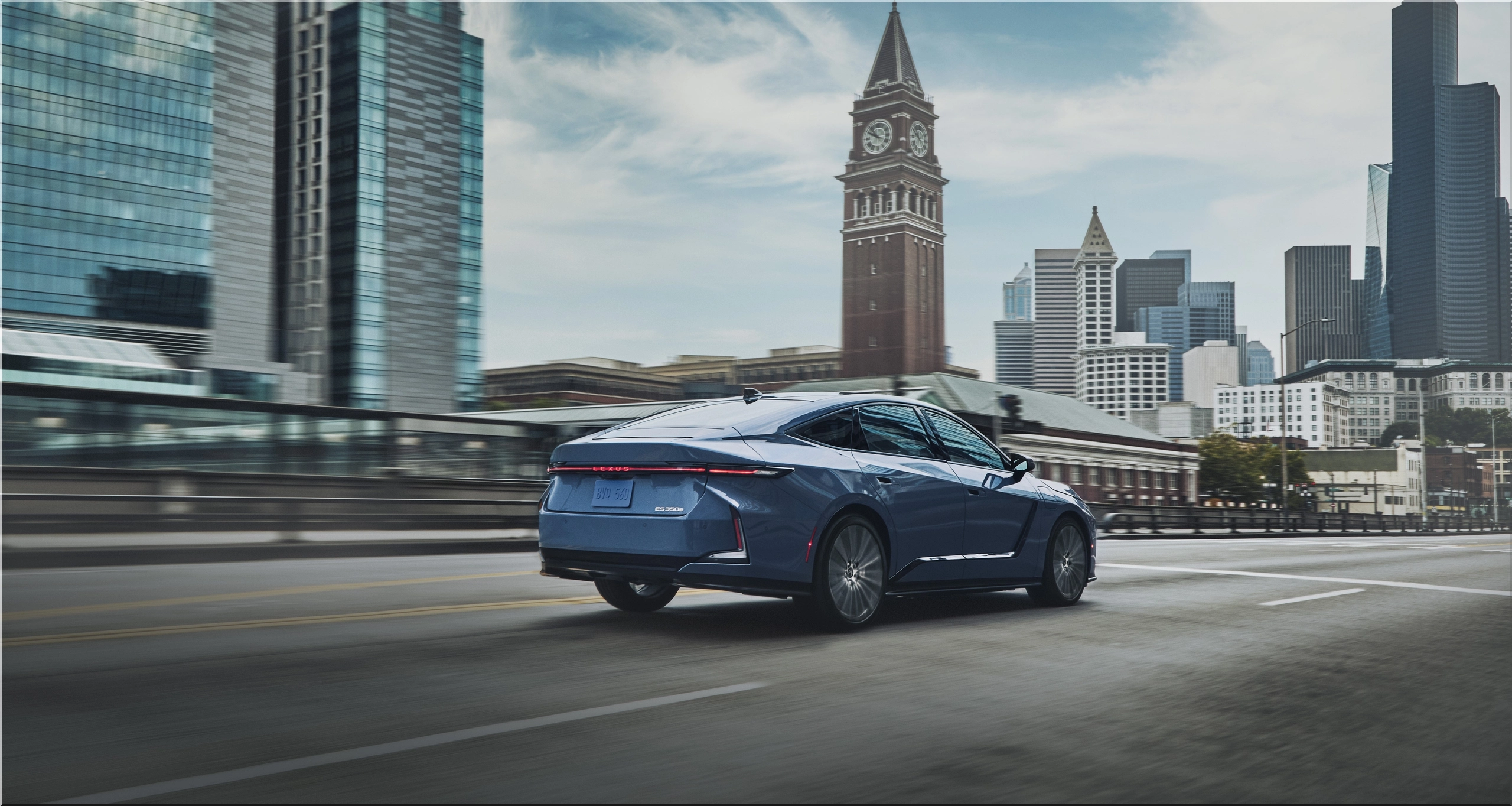
- Rear taper that controls airflow separation
- Wide stance supported by precise tire positioning
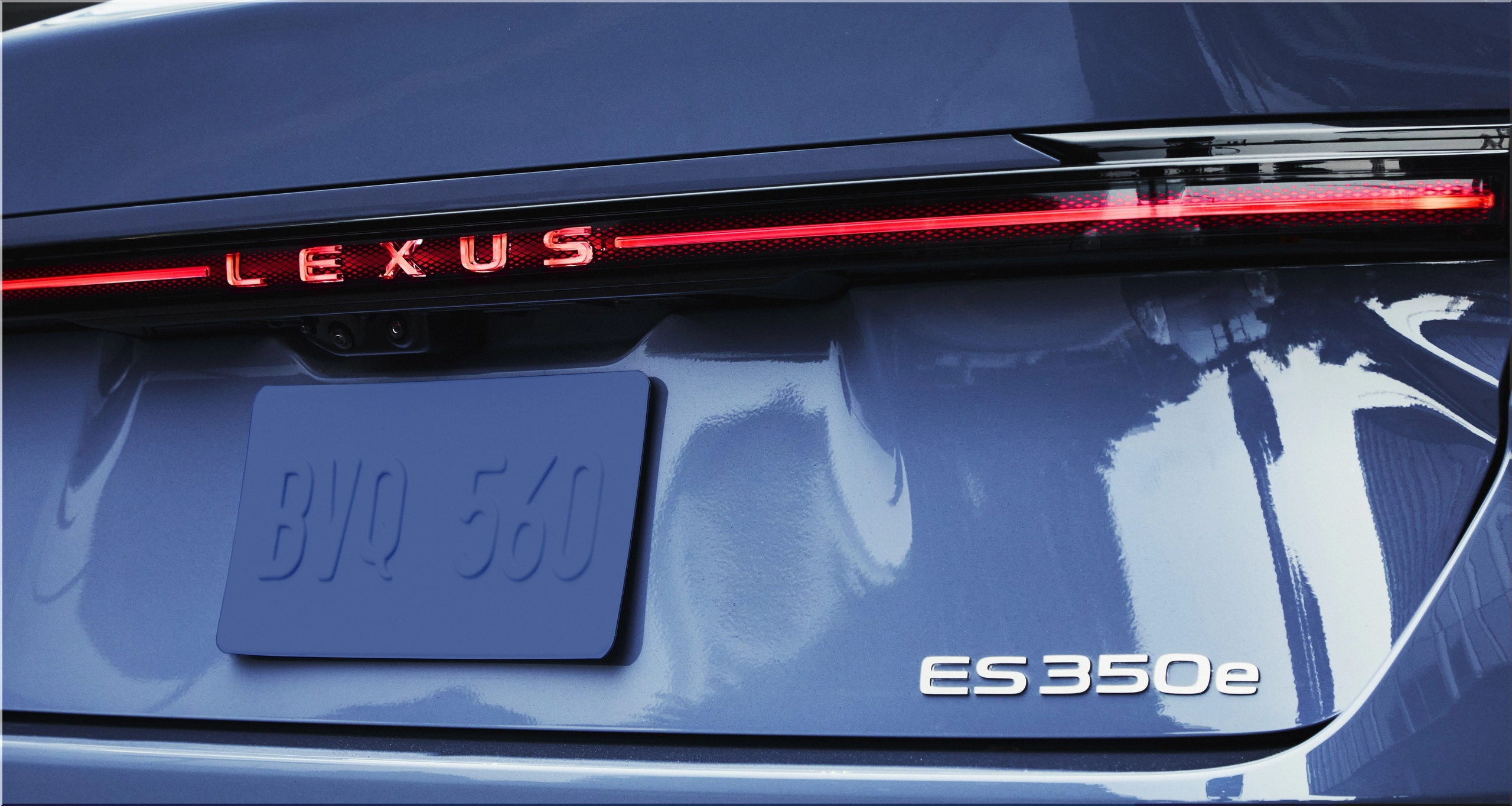
- Integrated Rear L-Signature Lamp to clean up rear airflow
Each adjustment reduces energy loss at highway speeds. This is essential for real-world range accuracy and consistent long-distance consumption.
Interior and Technology for EV Buyers
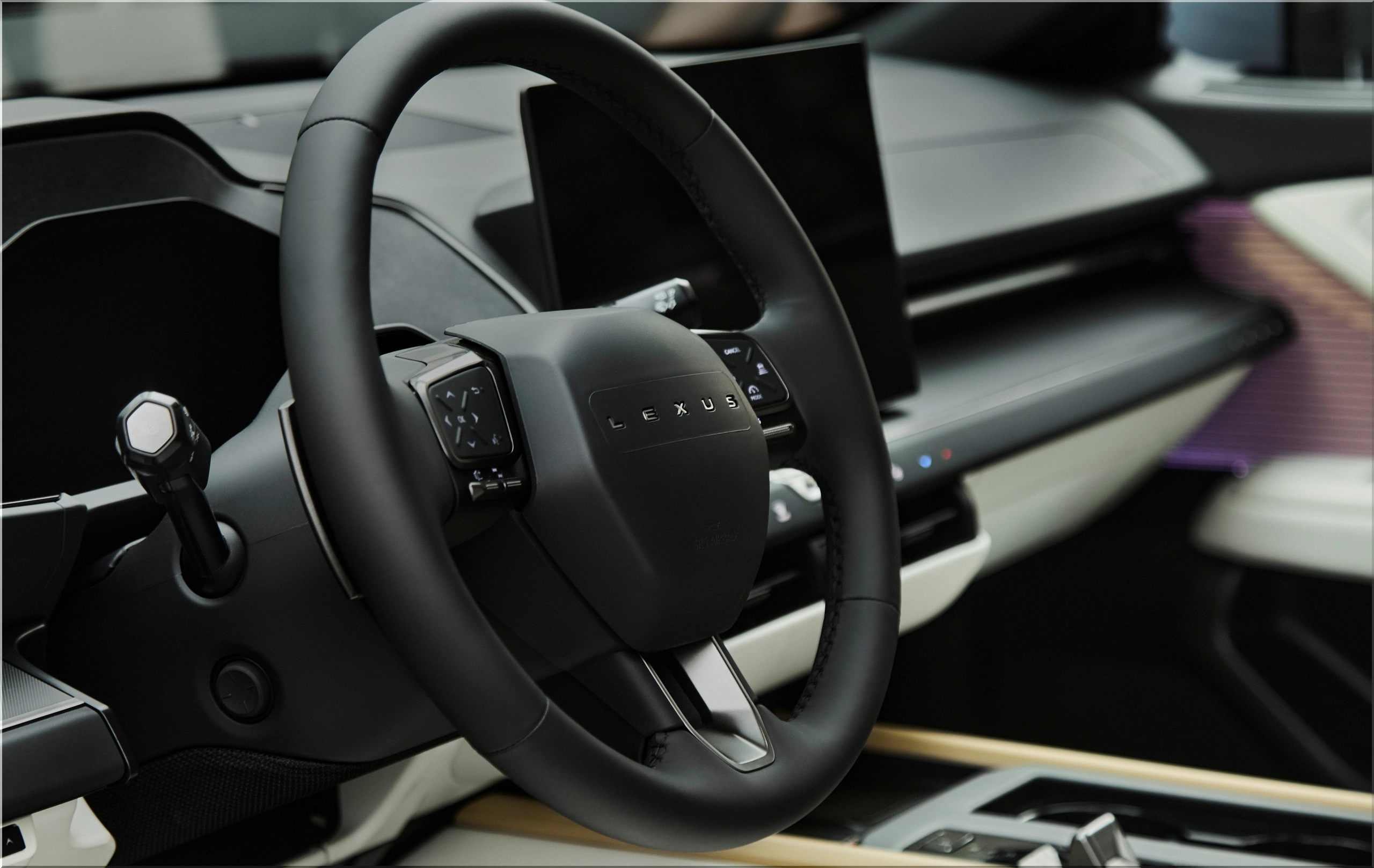
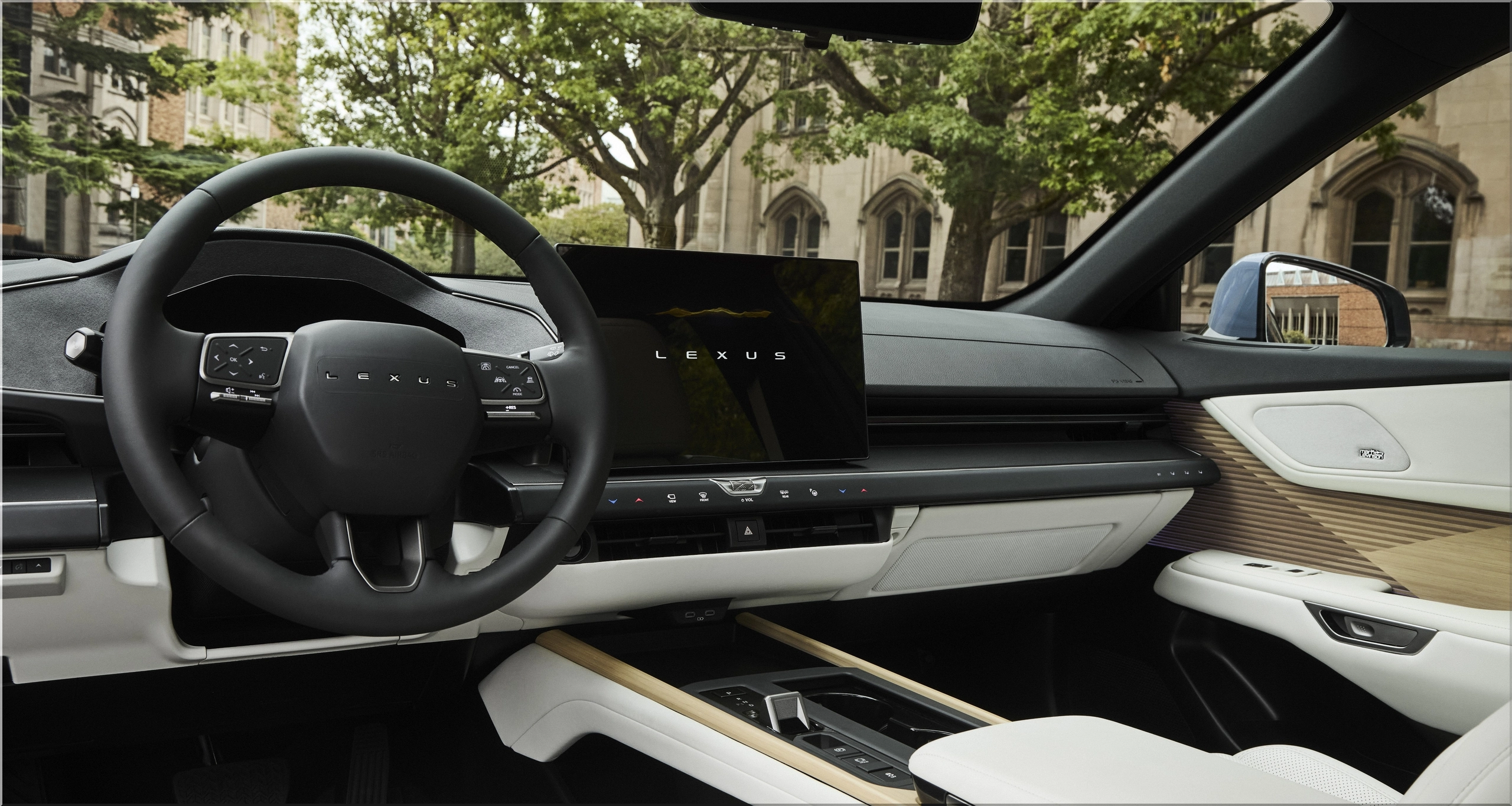
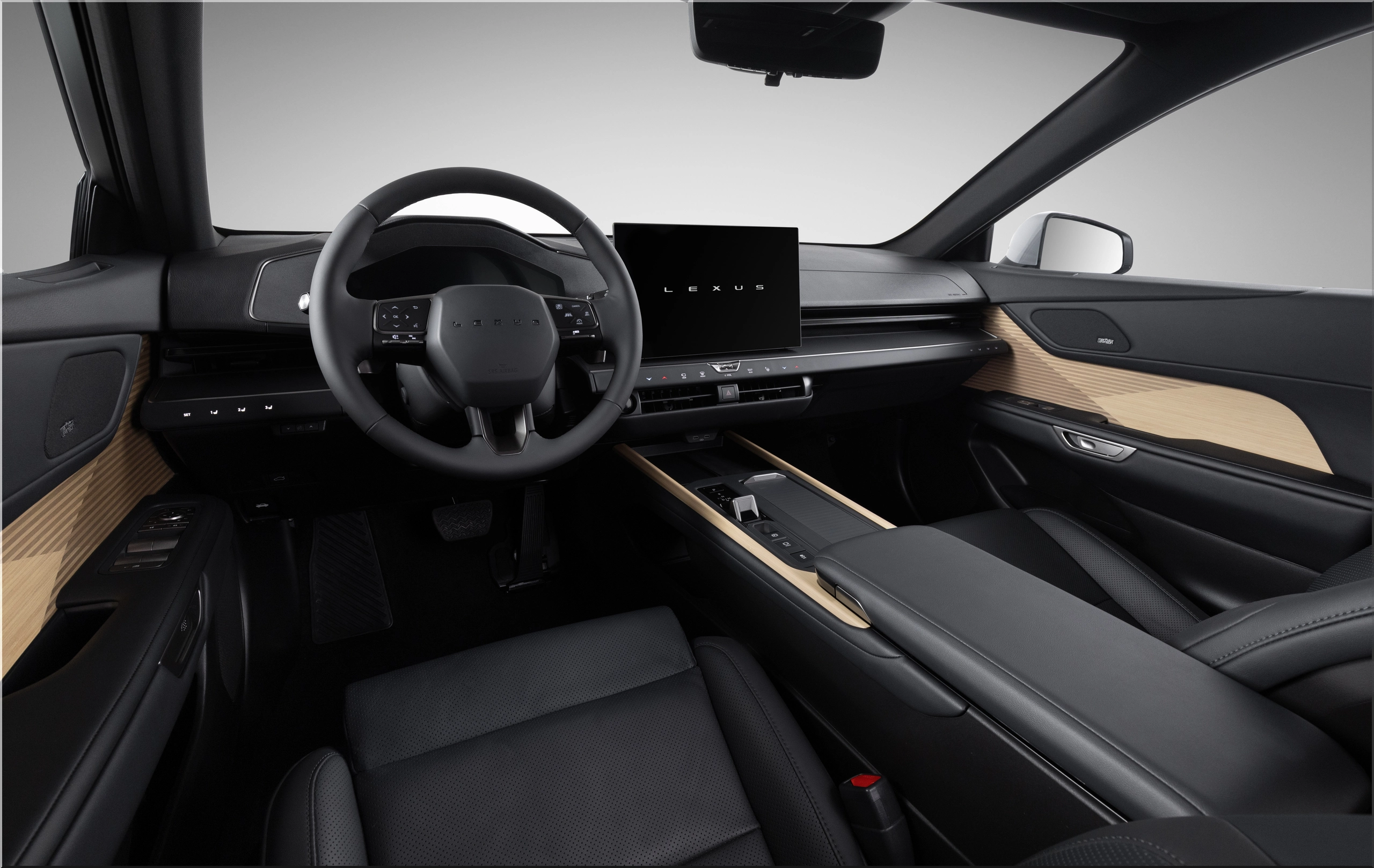
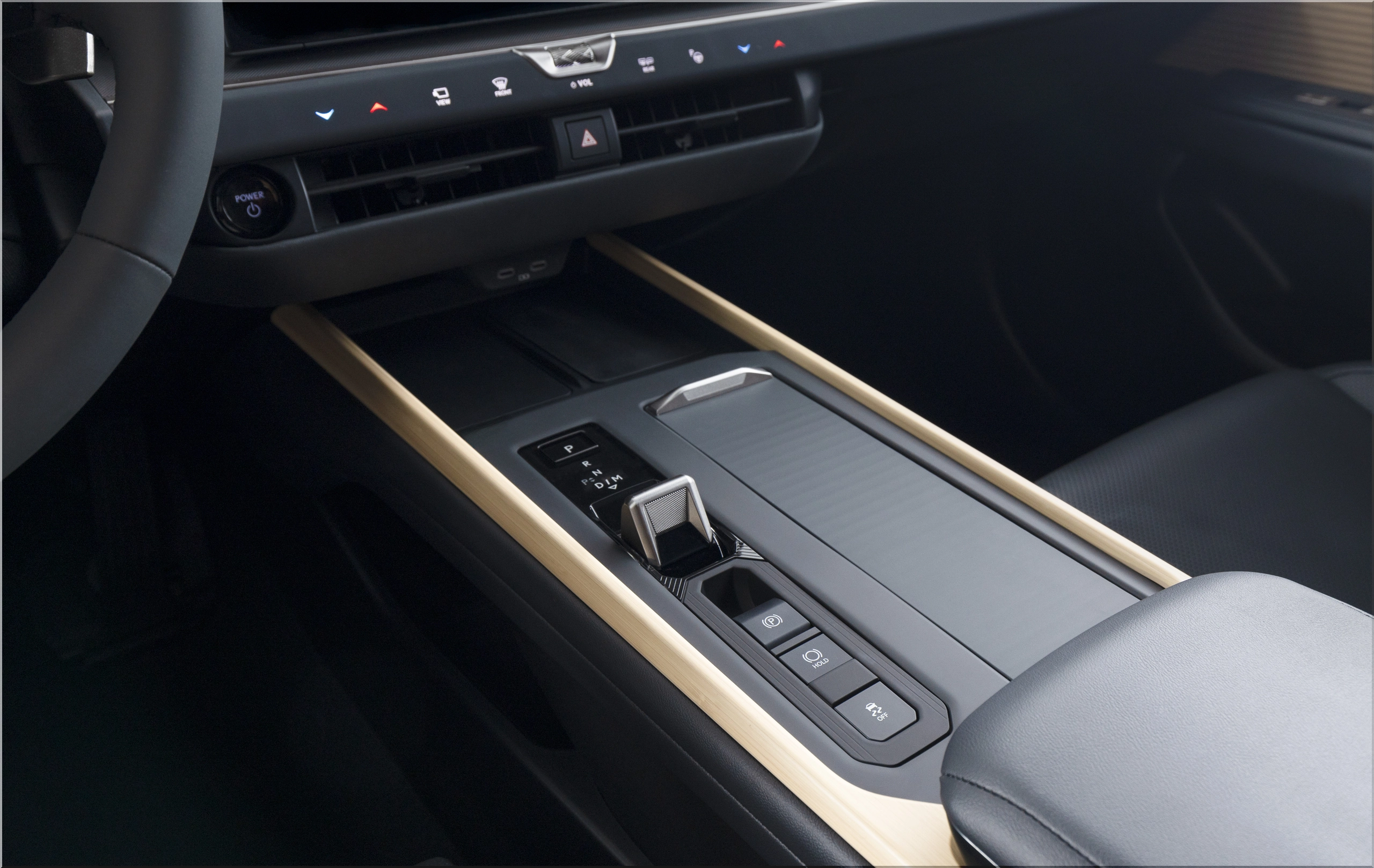
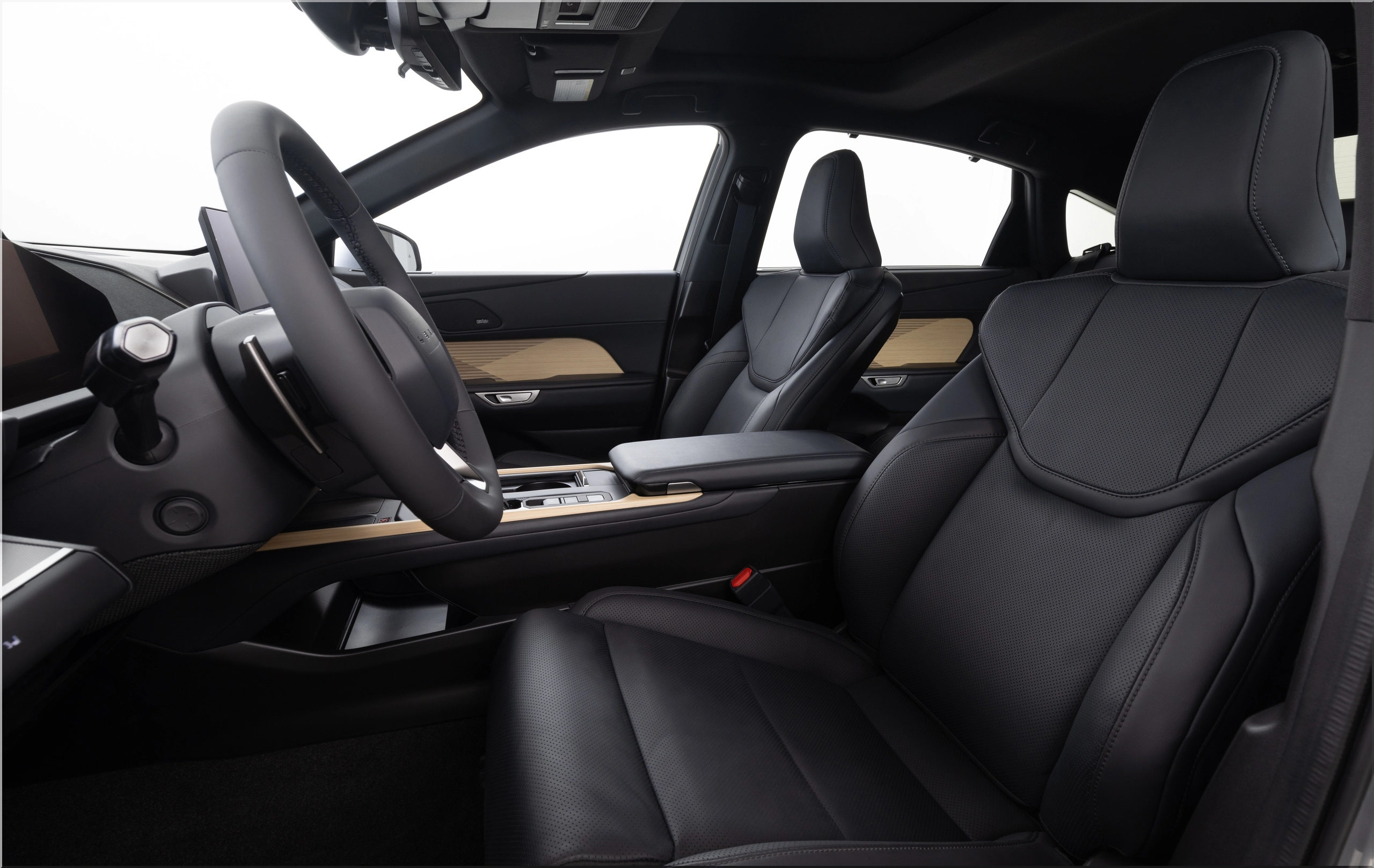
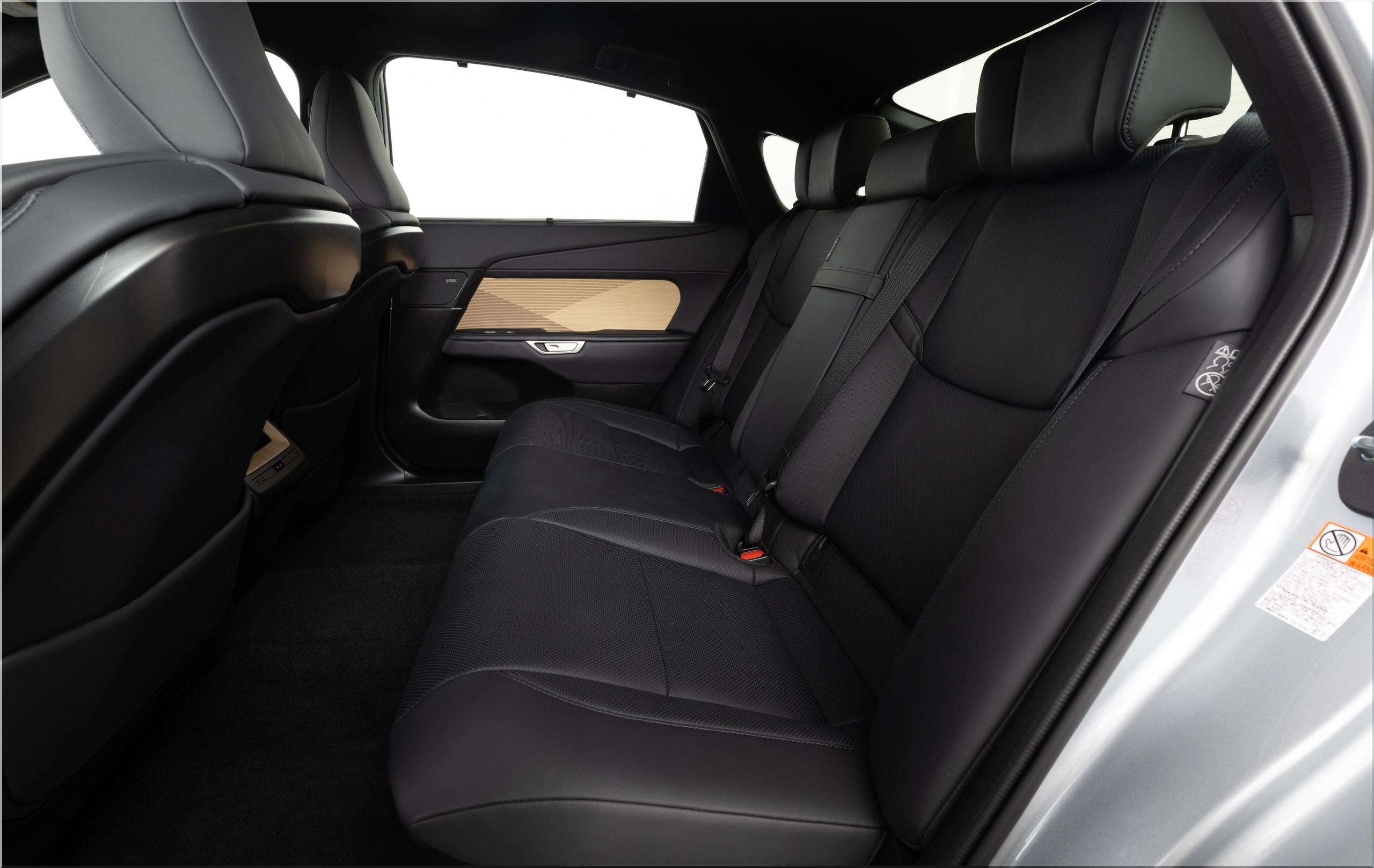
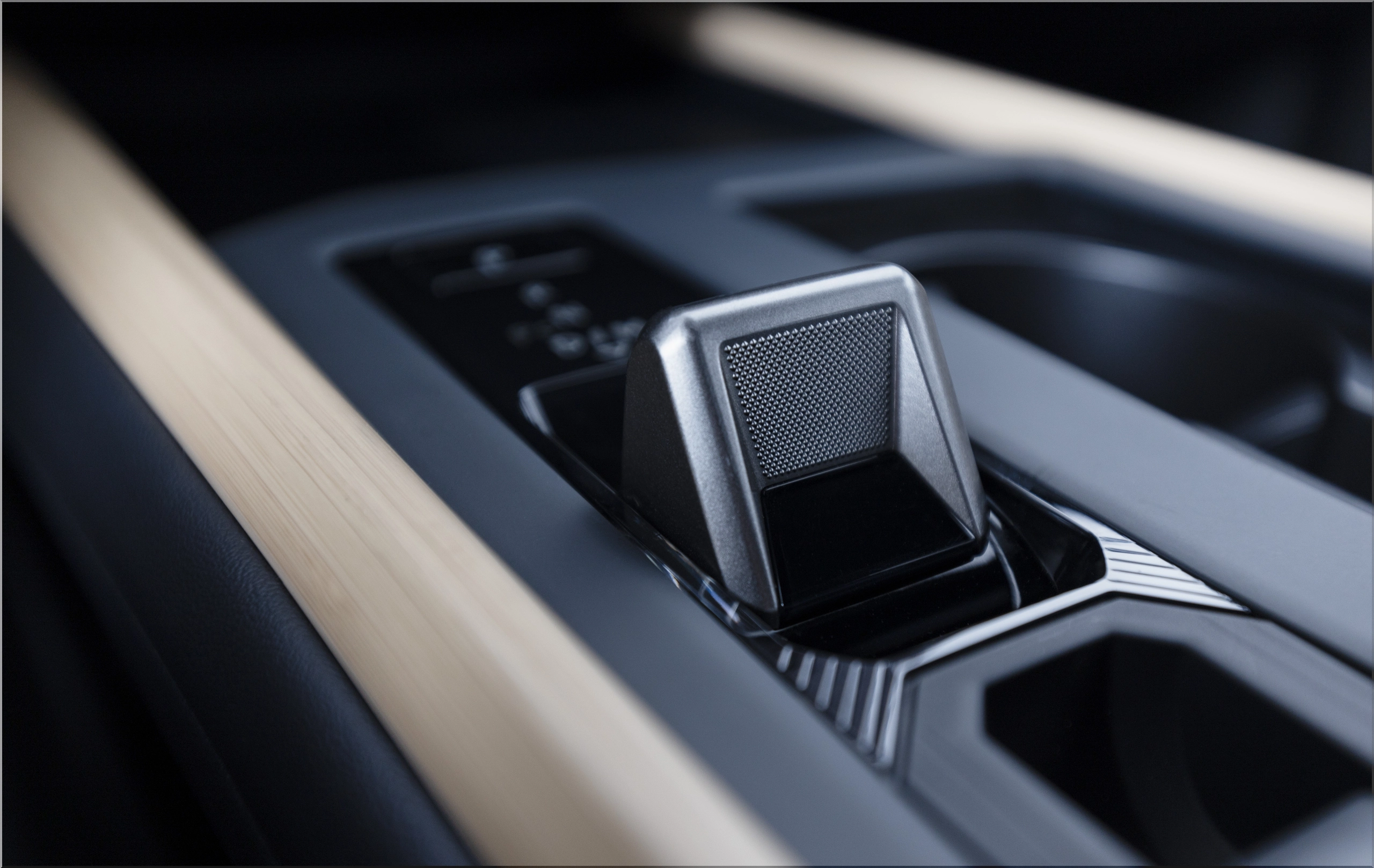
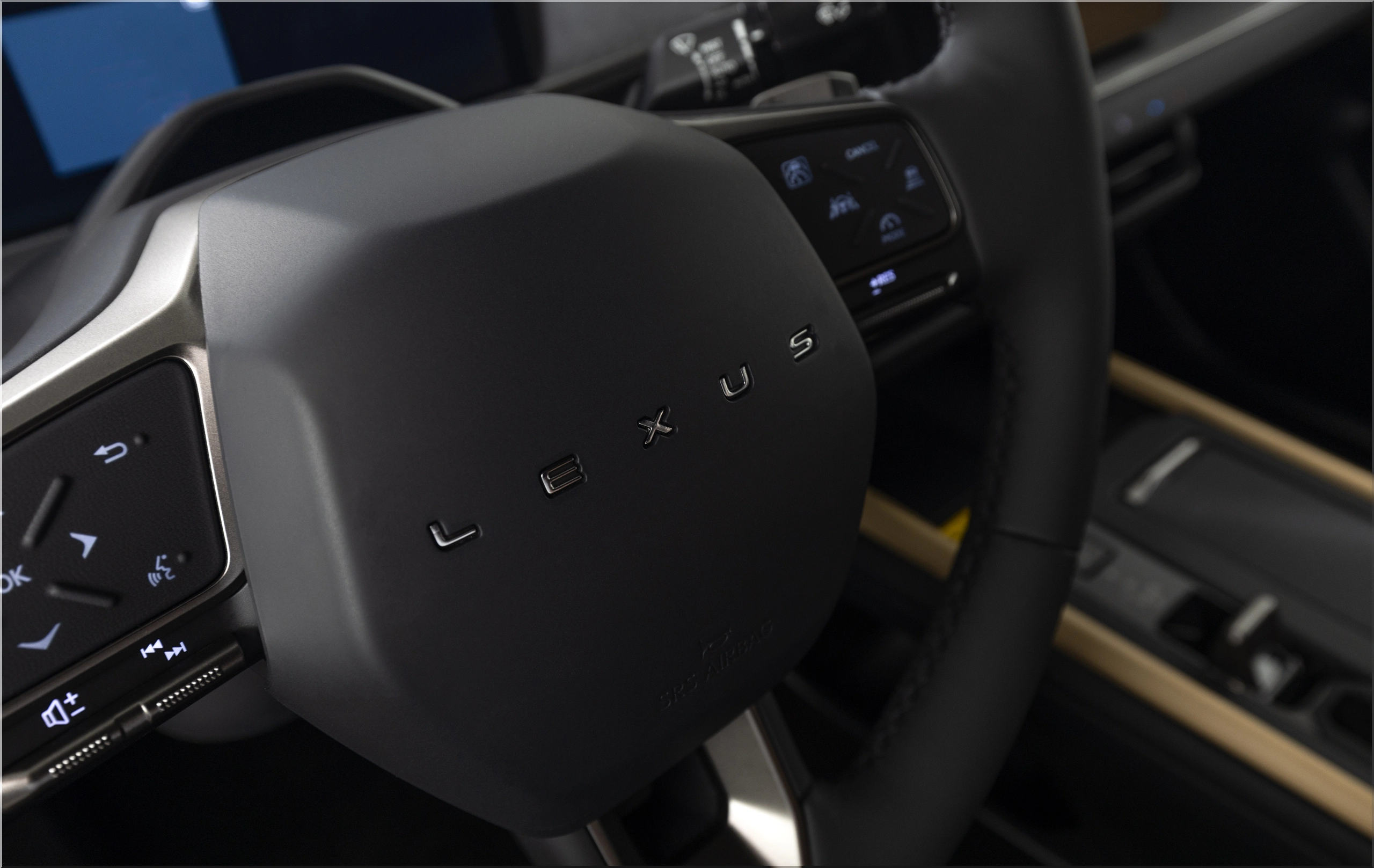
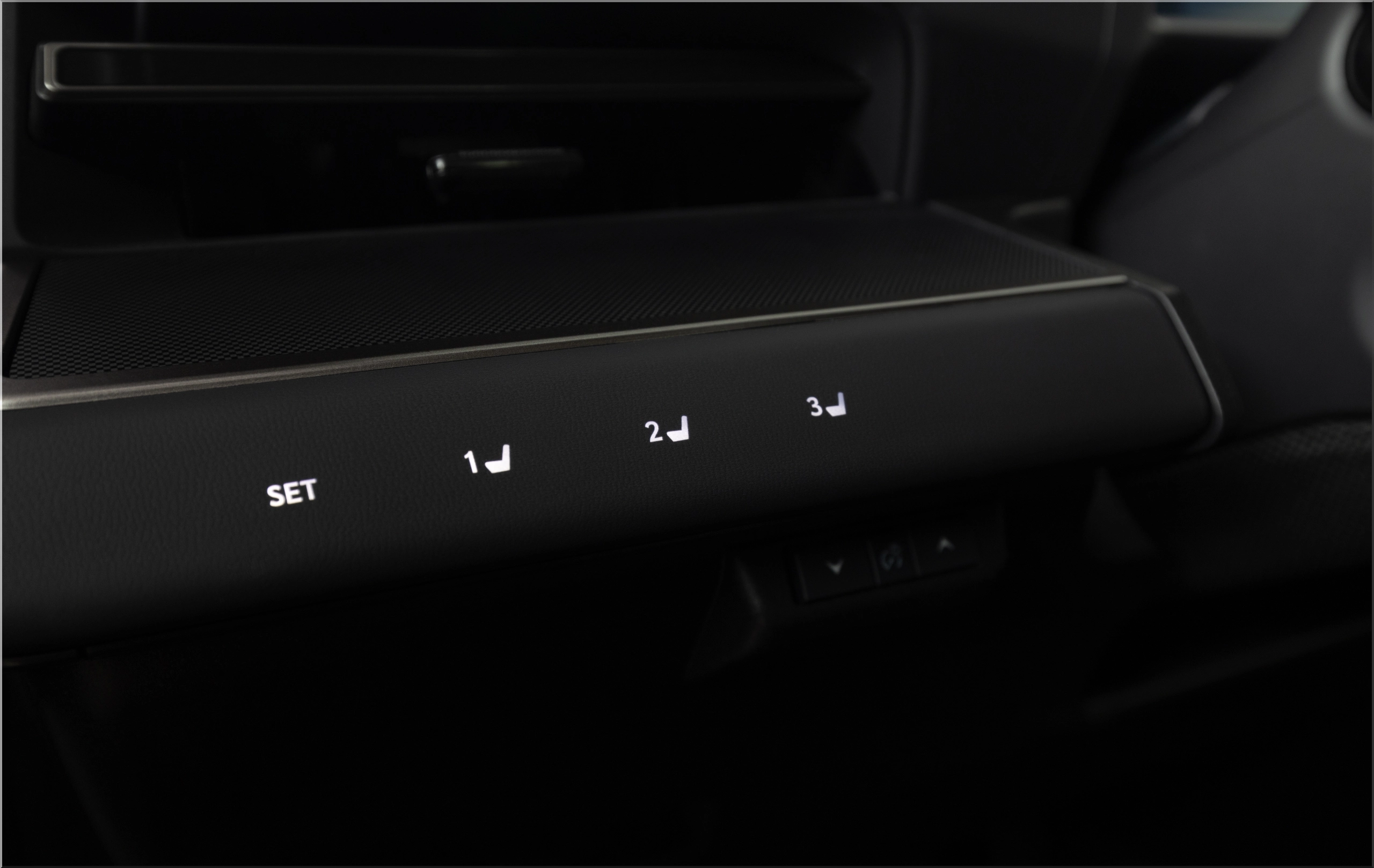
The cabin layout supports electric-first driving behavior. Lexus increases glass coverage, raises sightlines, and simplifies console structures to reduce driver distraction.
Key EV-focused interior features
- 12.3-inch digital gauge cluster with integrated navigation
- 14-inch touchscreen with faster processing
- Updated voice assistant with shorter response times
- Wireless Apple CarPlay and Android Auto
- Dual Bluetooth connections
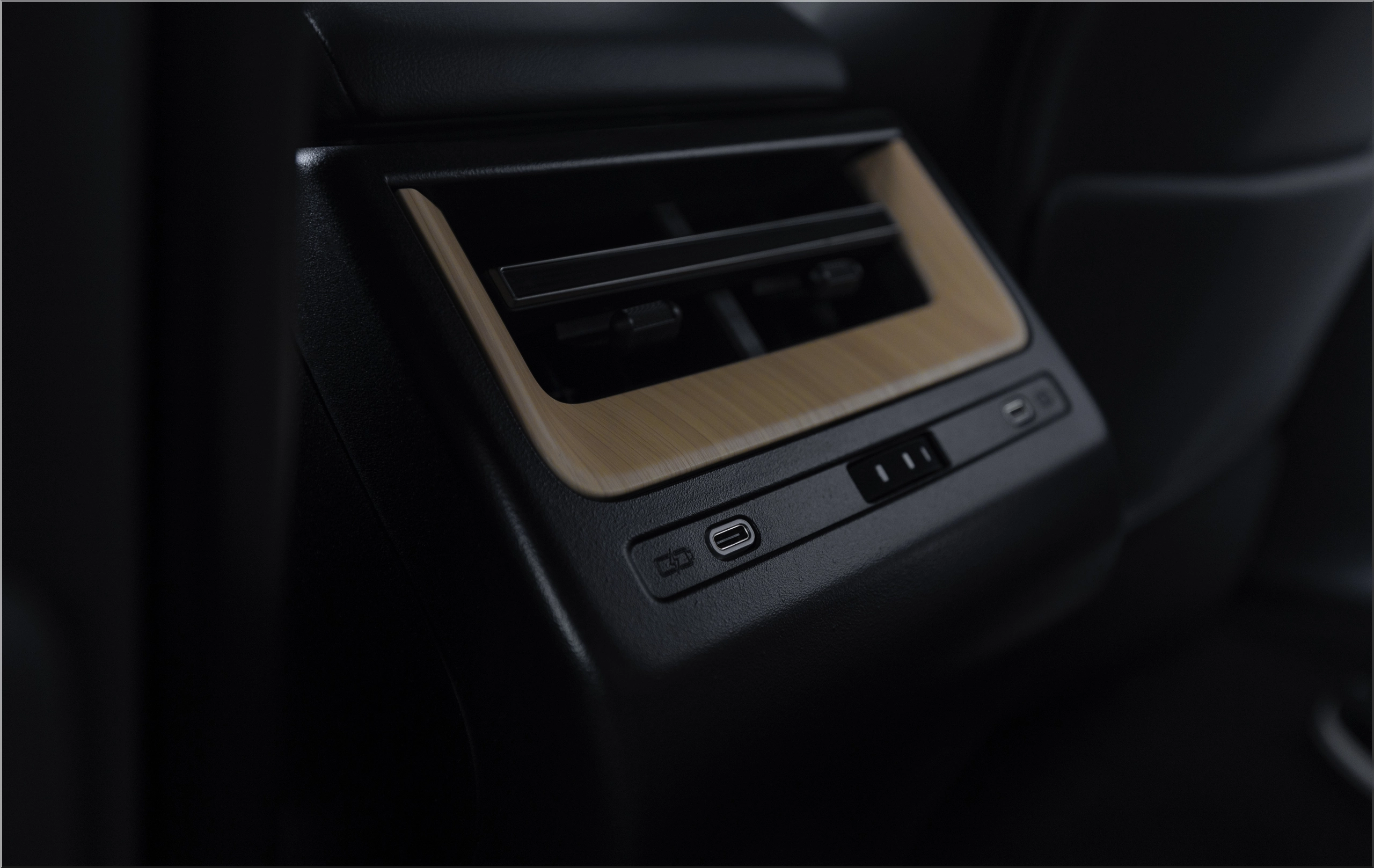
- Thin dash and console panels for more storage space
- New ambient lighting themes
The EV models benefit most from the digital cluster's integrated navigation. Energy routing adjusts based on temperature, grade, and speed patterns.
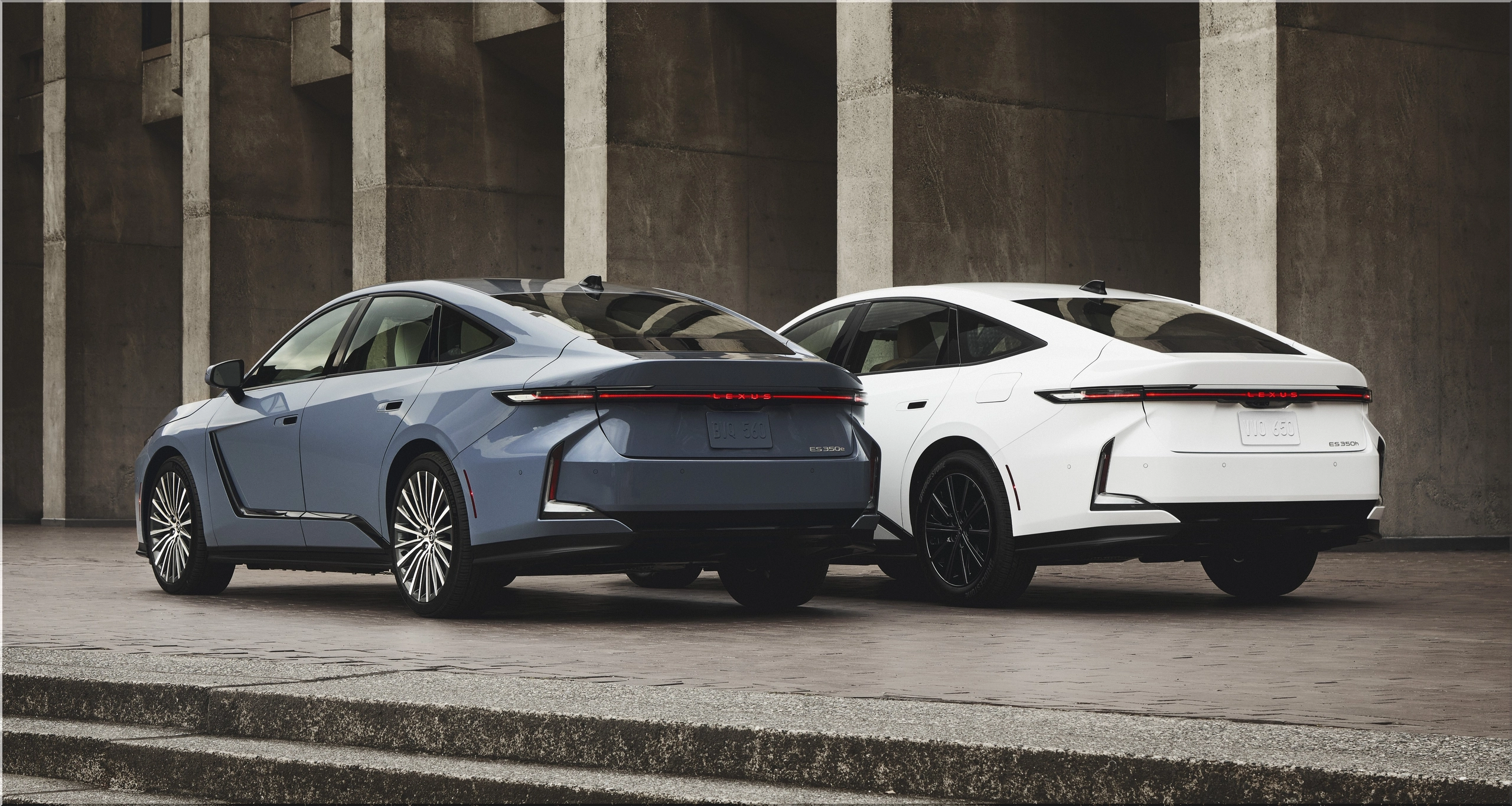


Lexus ES 350e vs. Lexus ES 500e: Clear Differences
The two electric trims target different drivers.
Lexus ES 350e (FWD)
- Longer range
- Lower power consumption
- Designed for commuters and long-distance drivers
- Lower estimated price point
Lexus ES 500e (AWD with DIRECT4)
- Shorter range due to higher output
- Full-time dual-motor system
- Stronger performance at all speeds
- Designed for buyers who need traction and consistent acceleration
The ES 500e uses more aggressive battery output mapping. Lexus tunes the system to deliver stronger response at low and mid speeds.
Expected Pricing
Official pricing will arrive closer to launch. Based on standard Lexus pricing patterns and segment comparisons:
- ES 350e: estimated USD $56,000–$58,000
- ES 500e: estimated USD $63,000–$66,000
These ranges place both trims under several German competitors while offering stronger long-term reliability forecasts.
Who the Electric ES Targets
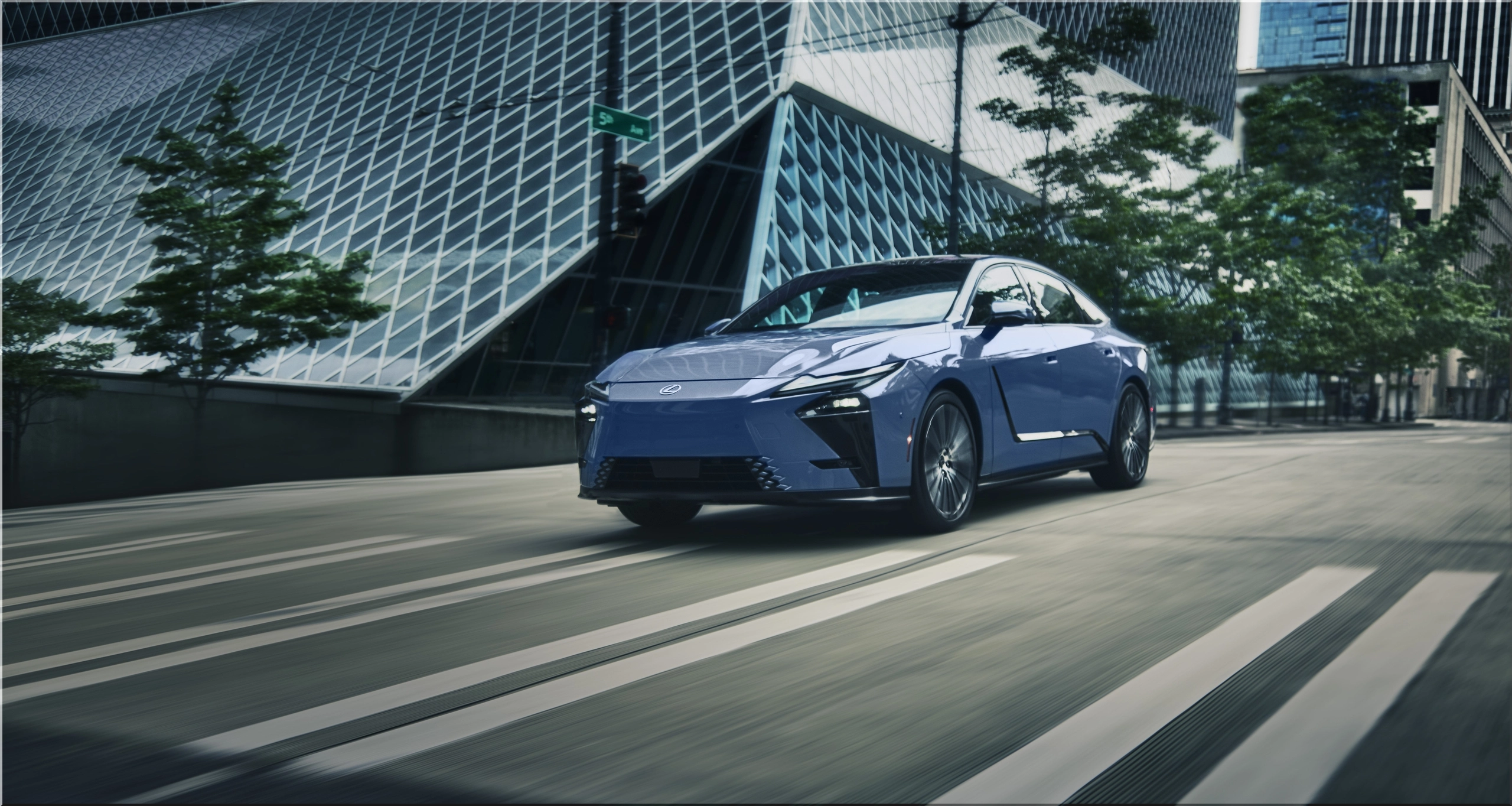
Lexus directs the electric ES toward buyers who want predictable ownership costs, quiet operation, and strong resale value. The segments most likely to respond include:
- Drivers replacing aging midsize sedans
- Owners of early-generation EVs seeking improved range and stability
- Buyers shifting from plug-in hybrids to full EVs
- Drivers avoiding larger SUVs due to parking or energy use




Key Takeaways for Electric-Sedan Shoppers
The 2026 Lexus ES electric lineup focuses on efficiency, traction, and ride stability rather than peak power or avant-garde cabin concepts.
Shoppers gain:
- 300-mile estimated range on the ES 350e
- DIRECT4 AWD on the ES 500e
- Fast charging from 10% to 80% in ~30 minutes
- New multi-link rear suspension
- Strong structural rigidity from the updated GA-K platform
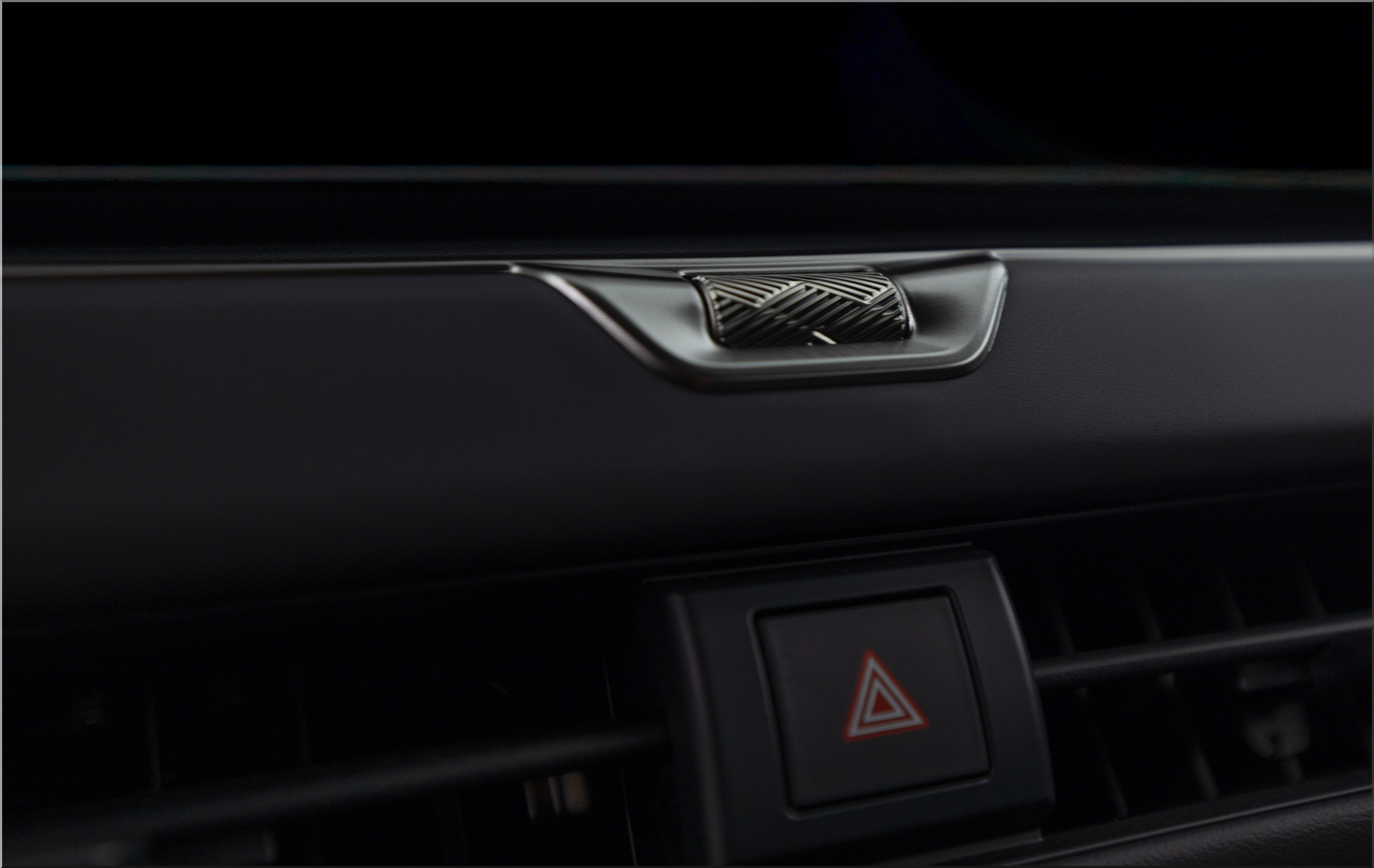
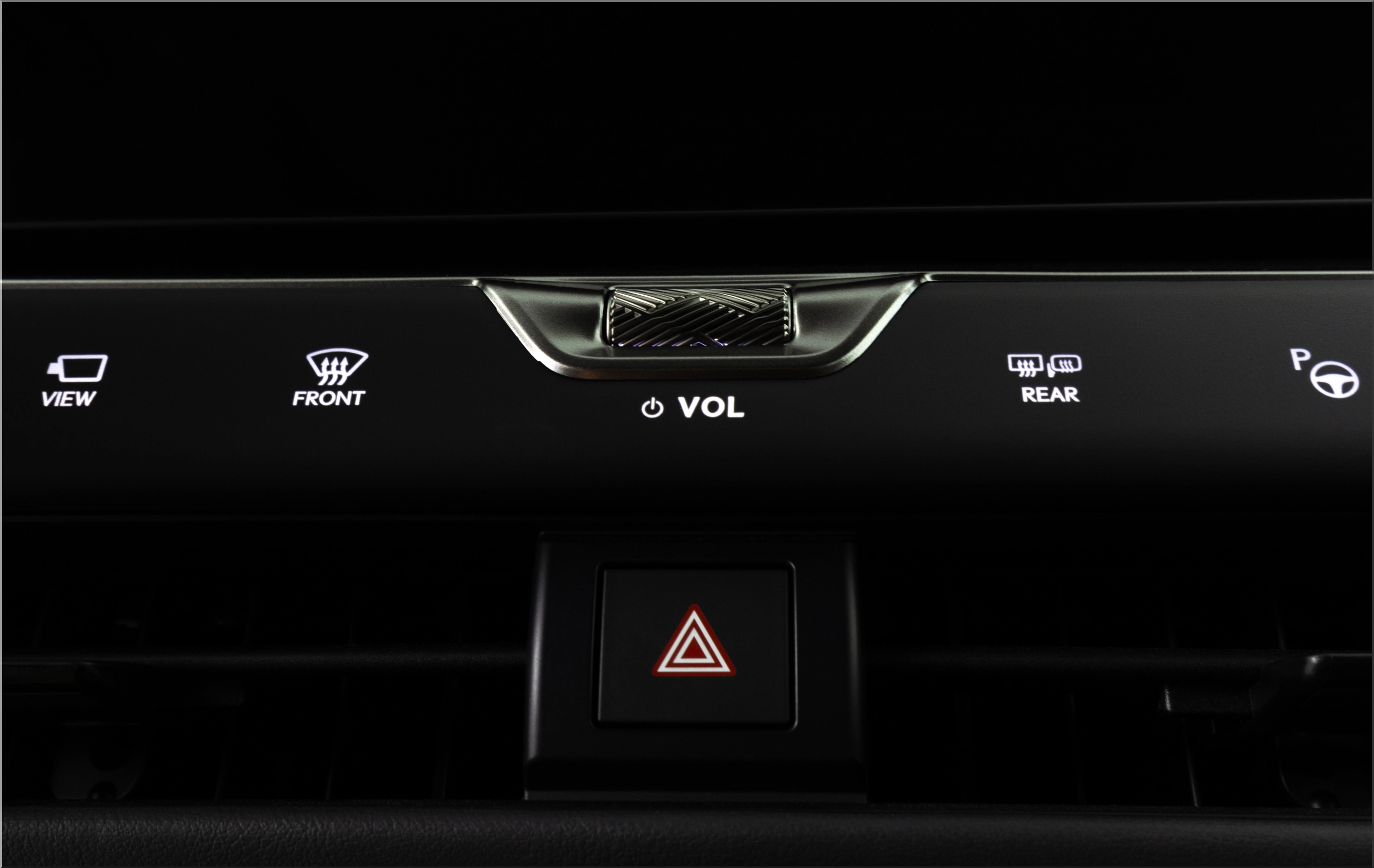
- Simple, direct interfaces for navigation and energy control
The electric ES models target buyers who want a reliable sedan with measurable efficiency gains, improved battery control, and predictable charging behavior.

The new Mercedes-AMG GT 4-Door Coupe EV launches AMG into a far harder electric performance fight. The GT 63 delivers up to 1,169 horsepower, three axial-flux motors, 2,000 Nm of torque, and 600 kW DC charging. The… Continue reading
Mazda, the Hiroshima-based automaker renowned for its driver-centric vehicles and sophisticated design language, has unveiled the 2025 Mazda EZ-6. This electric sedan, currently exclusive to… Continue reading
The 2026 BAIC ArcFox Alpha S5 aims straight at the electric fastback sedan crowd with a simple pitch: sharp packaging, strong straight-line performance, and enough battery to stay relevant in a segment that punishes weak numbers. Looking at… Continue reading
E-VIA FLEX-E is a project co-funded by the European Commission that aims to install ultra-fast charging stations for electric cars in southern Europe. And more specifically, in Spain, France and Italy. The first phase of this… Continue reading