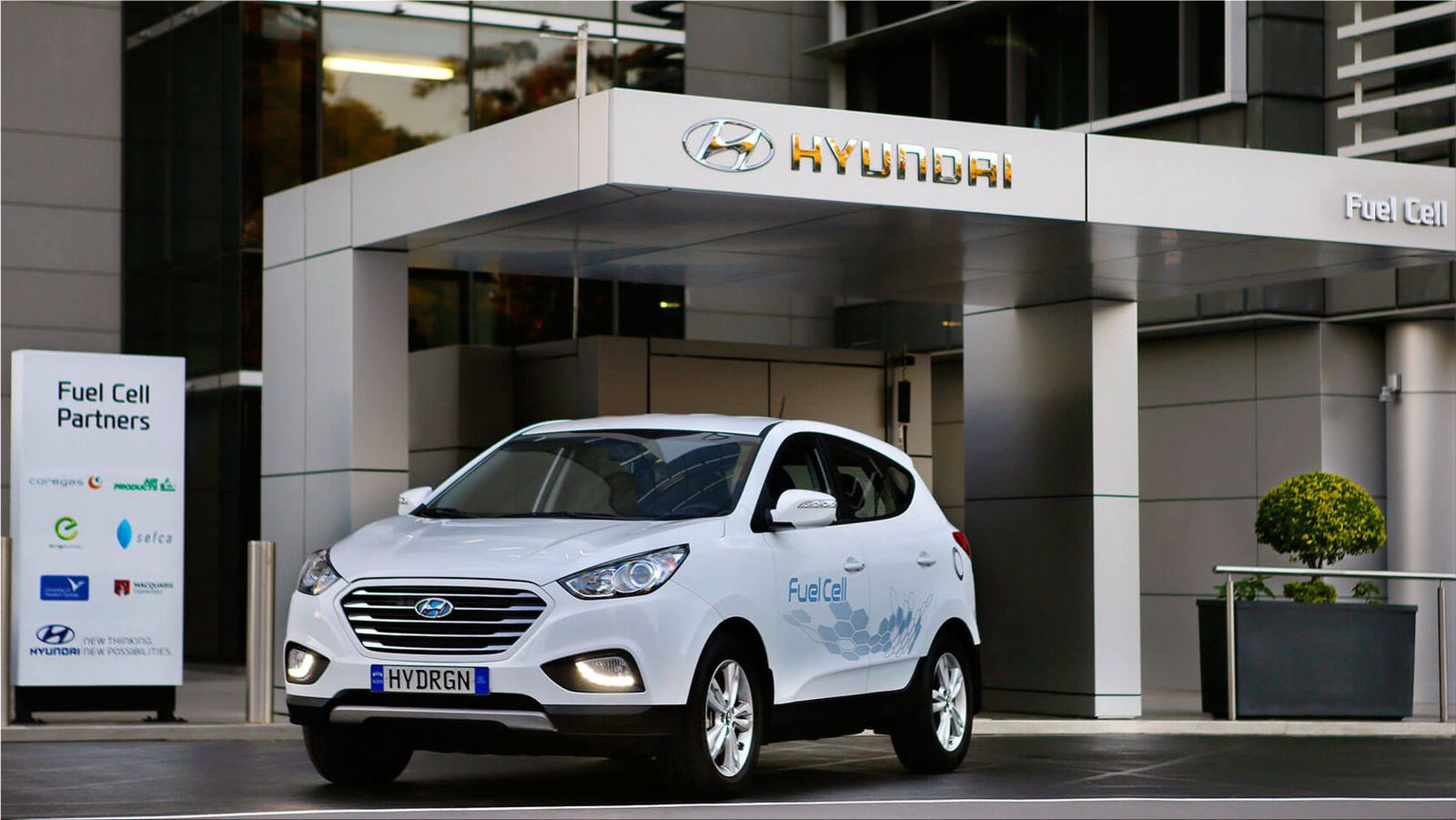
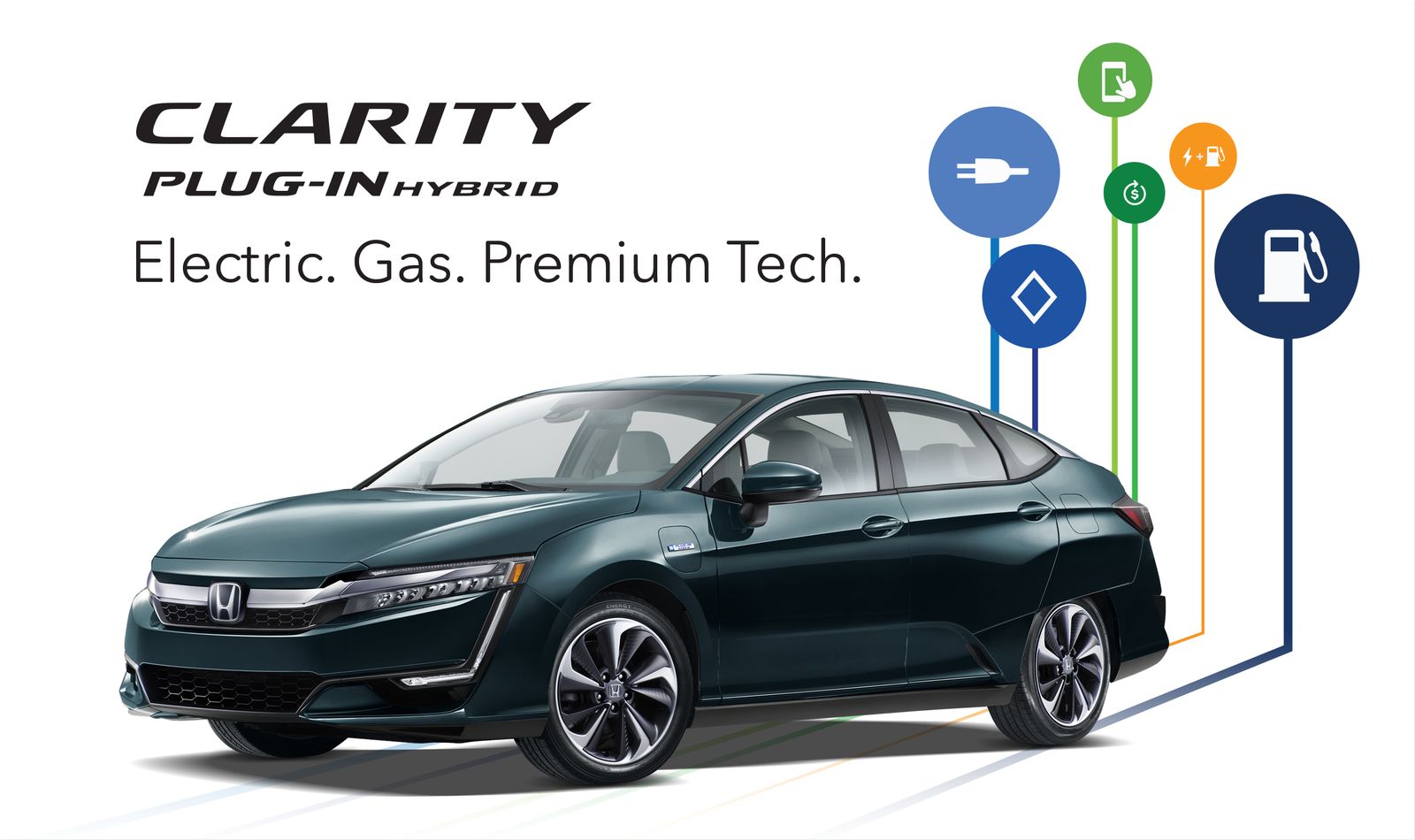
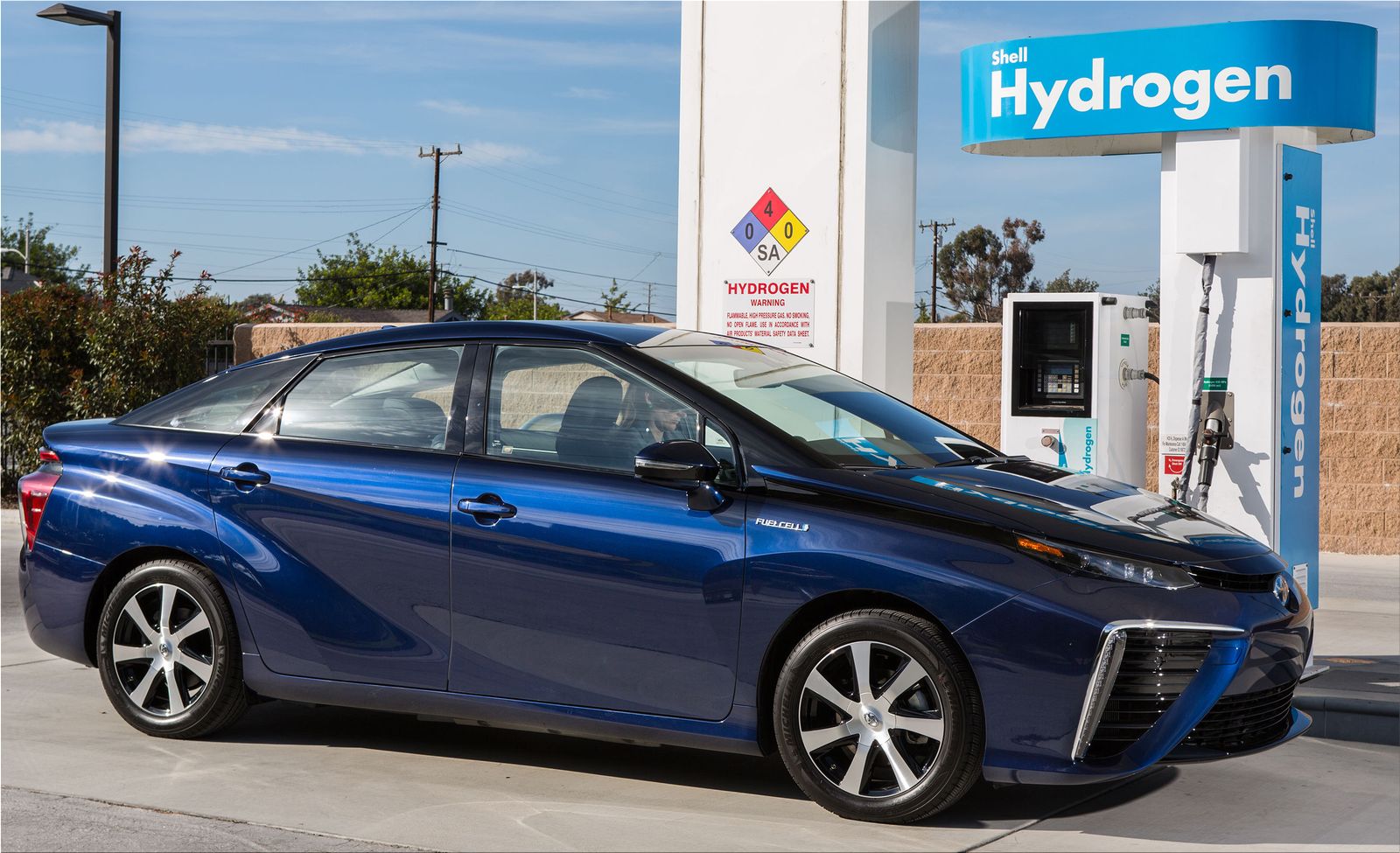
The Japanese automobile manufacturers Toyota, Nissan and Honda, along with eight other companies, have formed Japan H2 Mobility, a company that will be dedicated to the development of hydrogen stations for fuel cell vehicles in Japan.
The objective of Japan H2 Mobility is to gradually increase the number of fuel cell vehicles in Japan and in parallel to make sustainable the hydrogenation business.
The initial capital of Japan H2 Mobility is $469,948 and will be chaired by Hideki Sugawara. The purpose is to begin the building of 80 stations throughout the country for the year 2021, according to 'Strategic roadmap for hydrogen and fuel cells'.
Japan H2 Mobility will start operating in April 2018, with the goal of attracting the maximum possible participation of hydrogenation operators and investors.

The 2018 Nissan Leaf model was introduced in early September, 2017. The electric car underwent serious changes, both stylistic and technical. From the consumer point of view, the main achievement was an increased power reserve.… Continue reading

Electric vehicles are increasingly present in the automotive landscape. It seems that, now, generalist and premium brands have launched into the adventure of putting real options on the market for real use. In the next Frankfurt Motor Show, which will open… Continue reading

The new Toyota PROACE Electric van will be launched in European markets from the fall of 2020. The range includes three body lengths and two different battery sizes, with up to 330 kilometres range. Its clever design… Continue reading

The new Toyota Proace CITY Electric marks a significant expansion of the Toyota Professional product range in electrified light vans and passenger cars. This electric van makes Toyota a strong player in the segment of… Continue reading