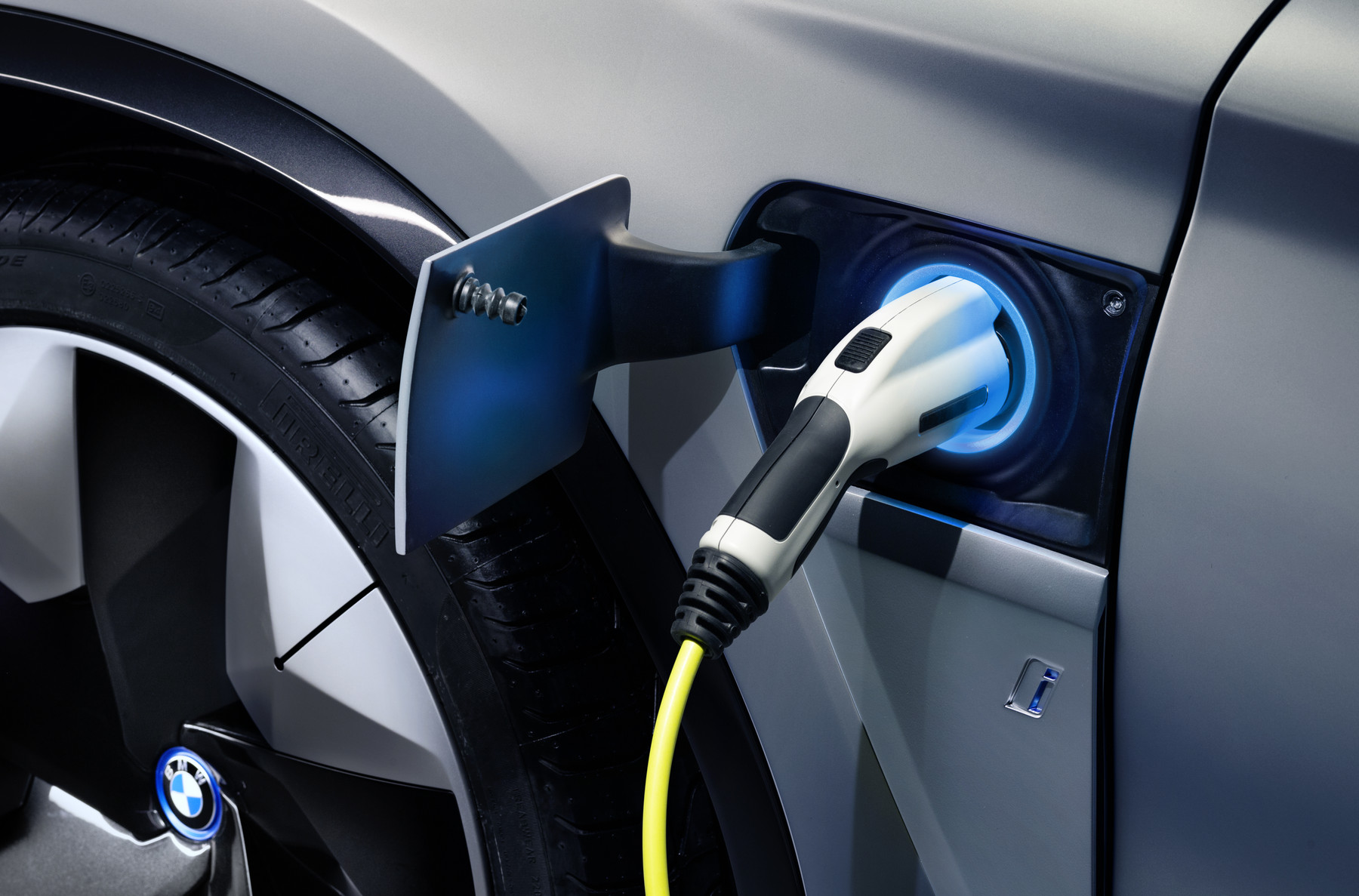
The Indian government has decided to cut VAT on electric vehicles from 12% to 5% and charging stations from 18% to 12%. In addition, the purchase of electric buses by the municipalities is exempt from VAT.
The changes will come into force on 1 August 2019. The VAT on petrol and diesel remains at 28 percent. With the tax cut, the Indian government wants to reduce the price difference between the two types of power in order to make electric cars more affordable.
However, an exemption from the registration fee for electric vehicles, which was discussed in June, was not decided. Reports are still in the room to increase the registration fee for gasoline and diesel.
However, the Federal Bureau of Indirect Taxes (abbreviated to GST) has made the condition that the vehicles have at least 12 seats eligible for the tax exemption for electric buses. The Indian government wants to promote not only renewable energy, but also clean traffic.
If you’re looking for a new electric SUV that combines performance, design, and technology, you might want to check out the 2024 Acura ZDX and ZDX Type S. These are the first all-electric models from Acura, and they promise… Continue reading

The transportation industry is on the cusp of a revolution, and electric vehicles are at the forefront of this change. Daimler Truck, a leading innovator in the commercial vehicle space, is making significant strides in developing and deploying zero… Continue reading
The Ford Mustang Mach-E has galloped into the record books, achieving a Guinness World Record for the longest distance traveled by a production electric vehicle on a single charge. This impressive feat not only showcases the… Continue reading
The 2025 Chevrolet BrightDrop represents General Motors' (GM) vision for the future of sustainable, efficient, and innovative fleet vehicles. With the rise of electric vehicles (EVs) in the commercial sector, this EV aims to… Continue reading