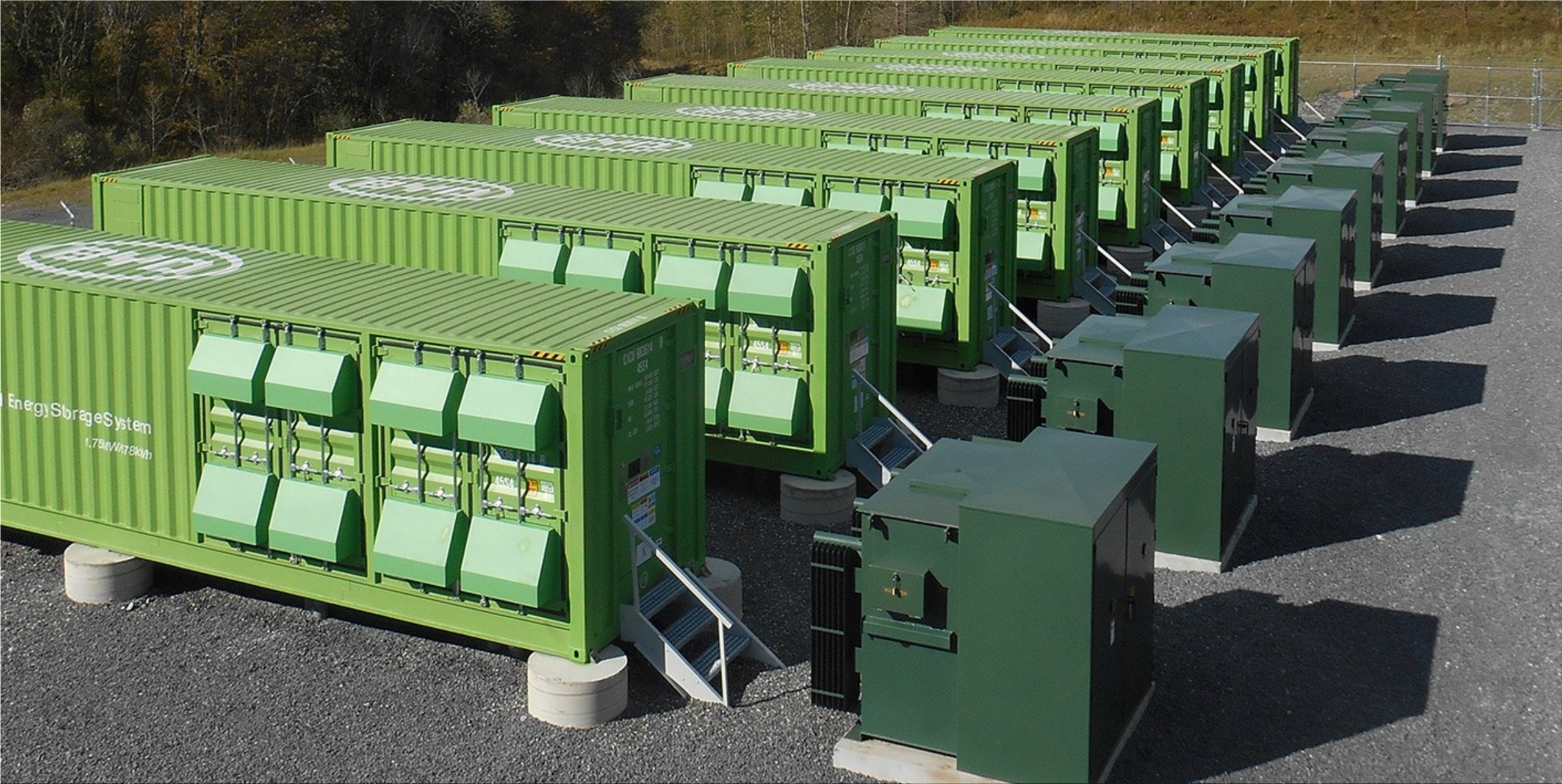
The major problem of switching to renewable energy sources is the lack of available technologies for converting electricity derived from solar and wind energy into chemical fuel for long-term storage and in the opposite direction.
There are already certain solutions in this area, but for the time being, they are too expensive and work only in one direction of transformation. However, now scientists have proposed a model of a fuel cell that turns energy into fuel and vice versa, and if the principle of its operation is worthwhile, the development of renewable energy sources will receive a new powerful stimulus.
Researchers have created a new type of fuel cell - a proton conducting fuel cell (PCFC), which converts electricity into hydrogen fuel and back with a single set of catalysts. It consists of two electrodes, separated by a membrane that transmits protons.
However, for the time being, both new devices are small laboratory samples. In order for the technology to become widespread, researchers need to increase the scale of devices without reducing their performance. If engineers can achieve this, the cost of storing renewable energy can drop dramatically, which will help networks and consumers to end their dependence on fossil fuels.
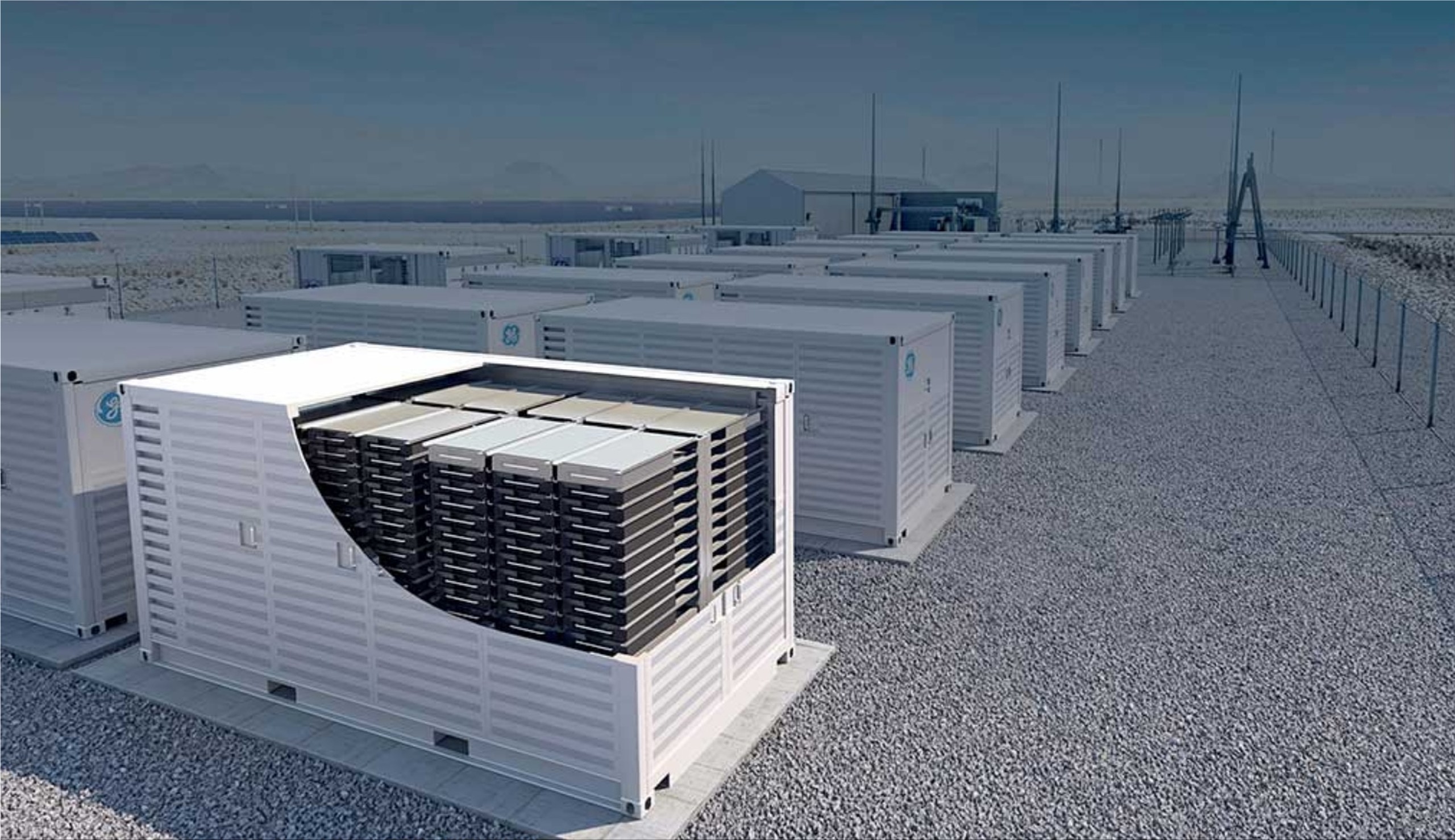
The market for such technologies grew in parallel with the development of renewable energy: in 2007, with the help of the sun and wind in the USA, only 0.8% of the total electricity was mined, and in 2017 - already 8%. But supply and demand do not always correspond to each other: for example, in California, solar panels generate much more electricity on clear days than the power system needs in the daytime, but they do not produce it after sunset, when all consumers at home actively consume electricity. [via sciencemag]
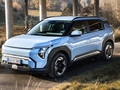
The electric vehicle market just hit a critical inflection point as Kia officially recalibrated the financial barrier for its most decorated compact SUV. By adjusting prices across the entire model program,… Continue reading

The 2027 Porsche Taycan adds E-Shift virtual gears, a standard 105 kWh Performance Battery Plus, native NACS DC fast charging, and a much quicker infotainment system. Porsche did not chase a gimmick here. It sharpened the Taycan's driver… Continue reading
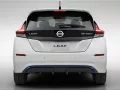
The 2018 Nissan Leaf model was introduced in early September, 2017. The electric car underwent serious changes, both stylistic and technical. From the consumer point of view, the main achievement was an increased power reserve.… Continue reading

Electric vehicles are increasingly present in the automotive landscape. It seems that, now, generalist and premium brands have launched into the adventure of putting real options on the market for real use. In the next Frankfurt Motor Show, which will open… Continue reading