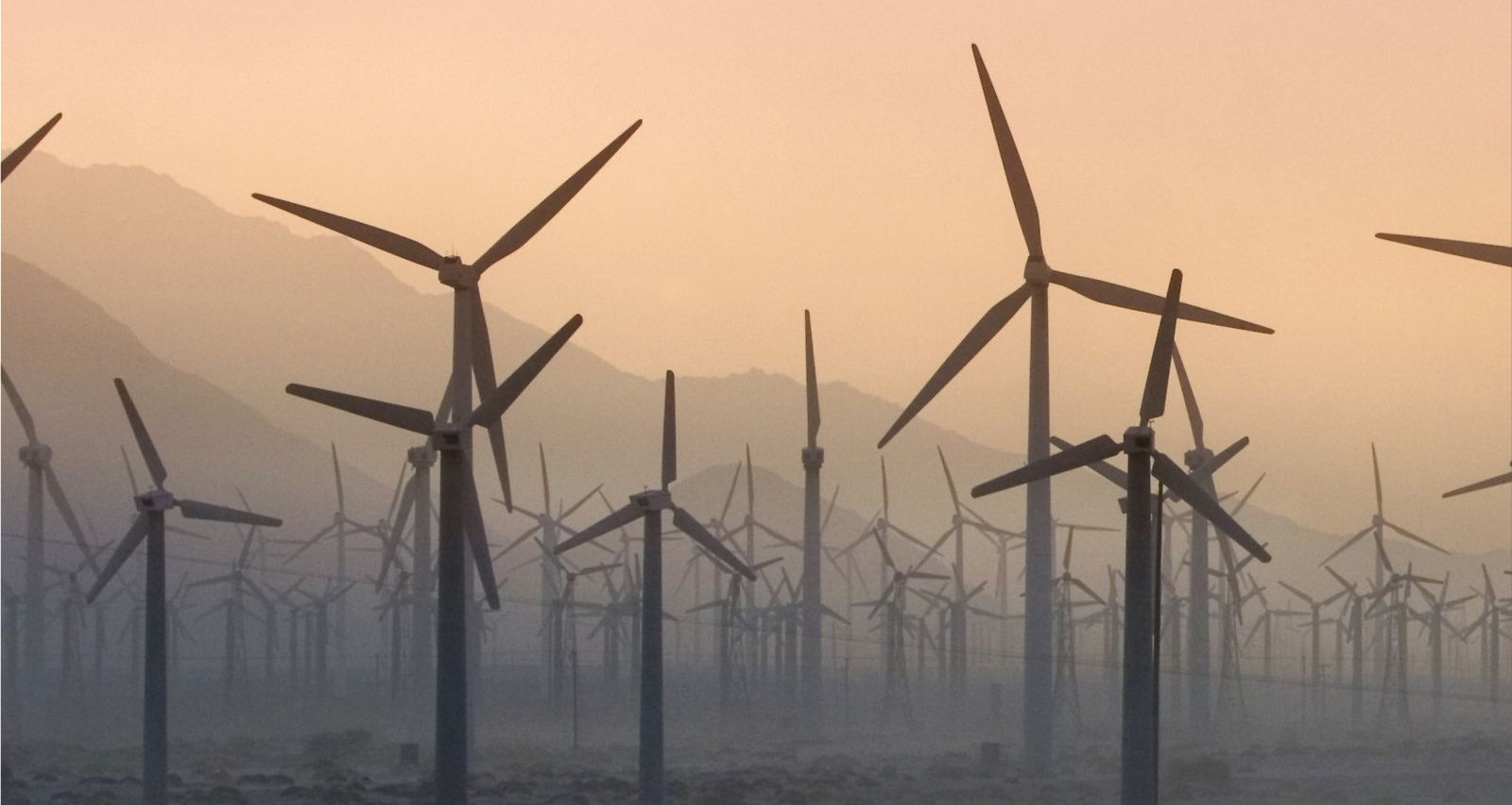
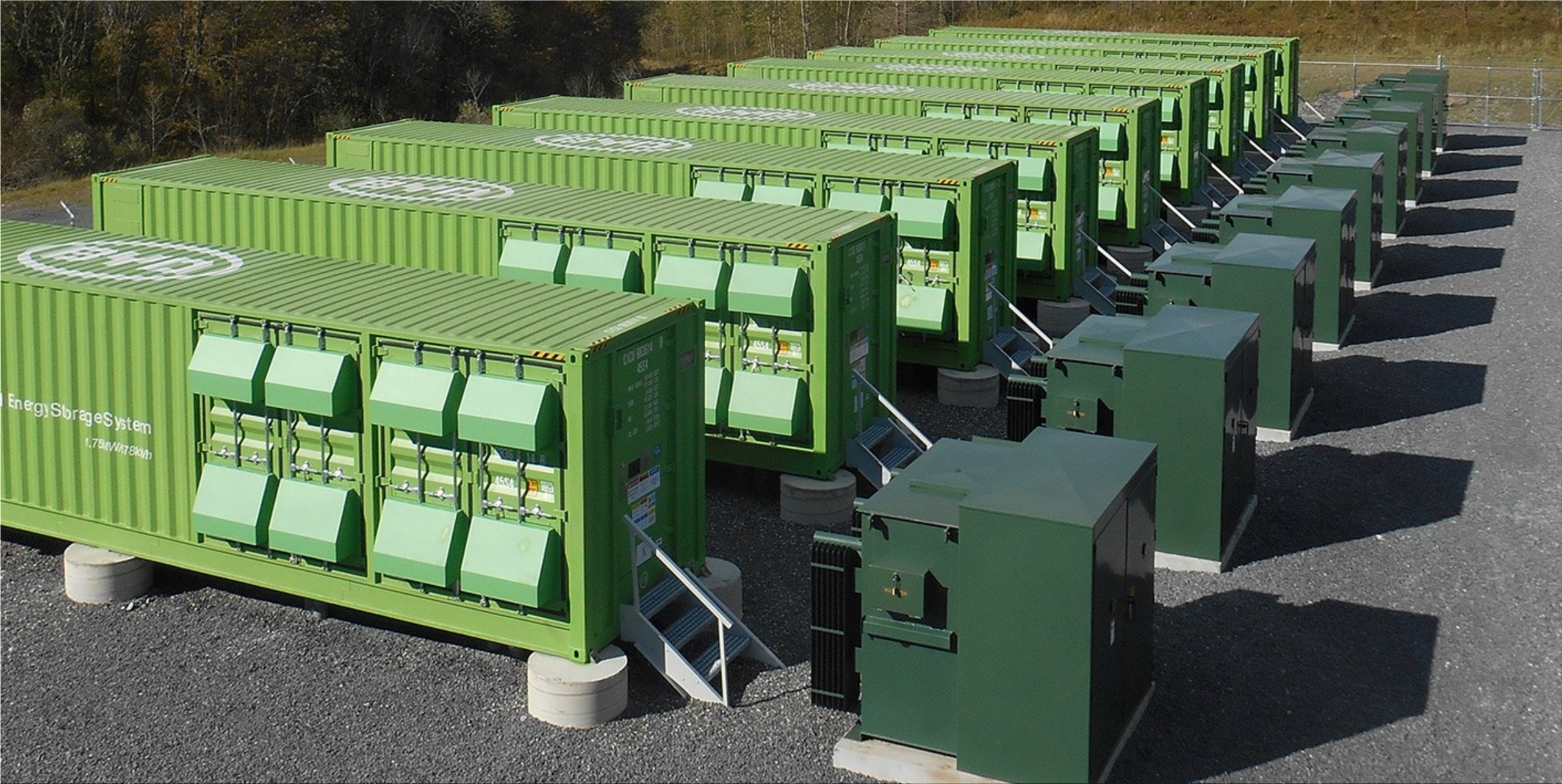
The major problem of switching to renewable energy sources is the lack of available technologies for converting electricity derived from solar and wind energy into chemical fuel for long-term storage and in the opposite direction.
There are already certain solutions in this area, but for the time being, they are too expensive and work only in one direction of transformation. However, now scientists have proposed a model of a fuel cell that turns energy into fuel and vice versa, and if the principle of its operation is worthwhile, the development of renewable energy sources will receive a new powerful stimulus.
Researchers have created a new type of fuel cell - a proton conducting fuel cell (PCFC), which converts electricity into hydrogen fuel and back with a single set of catalysts. It consists of two electrodes, separated by a membrane that transmits protons.
However, for the time being, both new devices are small laboratory samples. In order for the technology to become widespread, researchers need to increase the scale of devices without reducing their performance. If engineers can achieve this, the cost of storing renewable energy can drop dramatically, which will help networks and consumers to end their dependence on fossil fuels.
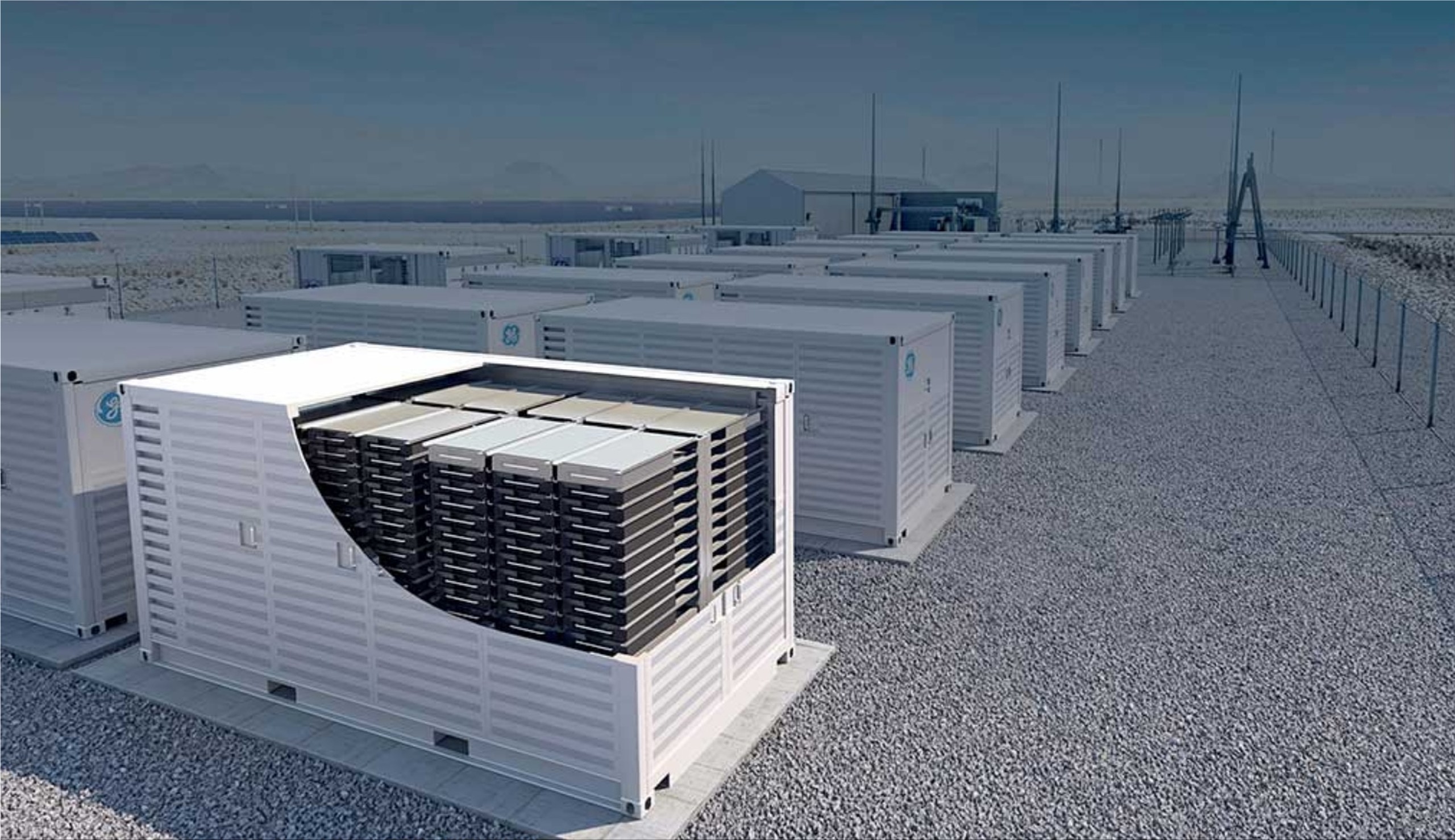
The market for such technologies grew in parallel with the development of renewable energy: in 2007, with the help of the sun and wind in the USA, only 0.8% of the total electricity was mined, and in 2017 - already 8%. But supply and demand do not always correspond to each other: for example, in California, solar panels generate much more electricity on clear days than the power system needs in the daytime, but they do not produce it after sunset, when all consumers at home actively consume electricity. [via sciencemag]

Skoda has announced the launch of a full-electric version of its Citigo. The Citigo EV will have a maximum range of 300 km (186 miles) and will be called Citigo E. First rumors about an Skoda electric city car were from a… Continue reading

Voltabox continues to grow. According to preliminary figures, the German battery system manufacturer generated sales of 66.9 million euros in 2018. For the current financial year, it expects further revenue growth of around 60-70 percent (between 105… Continue reading

The Volkswagen Group has announced that it will invest 1,000 million euros in its first battery cell production plant in Europe, which will probably be located at its headquarters in Salzgitter, Germany. Everything depends, according to… Continue reading
The president of the acting Government and the only candidate for re-election, Francina Armengol (President of the Balearic Islands), has promised in her inaugural speech tax incentives for those who buy electric cars instead of polluting… Continue reading