The competition to develop more competitive batteries is fierce. The latest research from Stanford University and the National Accelerator Laboratory (SLAC) has presented a major discovery that will allow increased energy density and lithium battery safety.
The works have focused their efforts on the redesign of the current collector. A component that currently has been tried to solve with a thinner or porous design, something that means reducing weight but at the cost of increasing the risk of fire, which has led many manufacturers to add more electrolytic material.

Lithium batteries have a pair of current collectors, one at the anode and one at the cathode, which works with the device's two electrodes to distribute current flow in either direction. Today's current collectors are typically made of copper foil or aluminium foil, making them one of the heaviest components in the battery, sometimes accounting for up to 50% of the total weight of the device.
According to Yi Cui, a professor at SLAC and Stanford, "The current collector has always been considered dead weight, and until now it hasn’t been successfully exploited to increase battery performance. But in our study, making the collector 80% lighter increased the energy density of lithium-ion batteries—how much energy they can store in a given weight—by 16-26%. That’s a big jump compared to the average 3% increase achieved in recent years.".
The Stanford University team have been experimenting with a lightweight polymer called polyimide. This was integrated with a fire retardant called triphenyl phosphate. One of the great advantages of this approach according to its developers is that the new collector should be easy to manufacture and also cheaper, by replacing some of the copper with an inexpensive polymer.
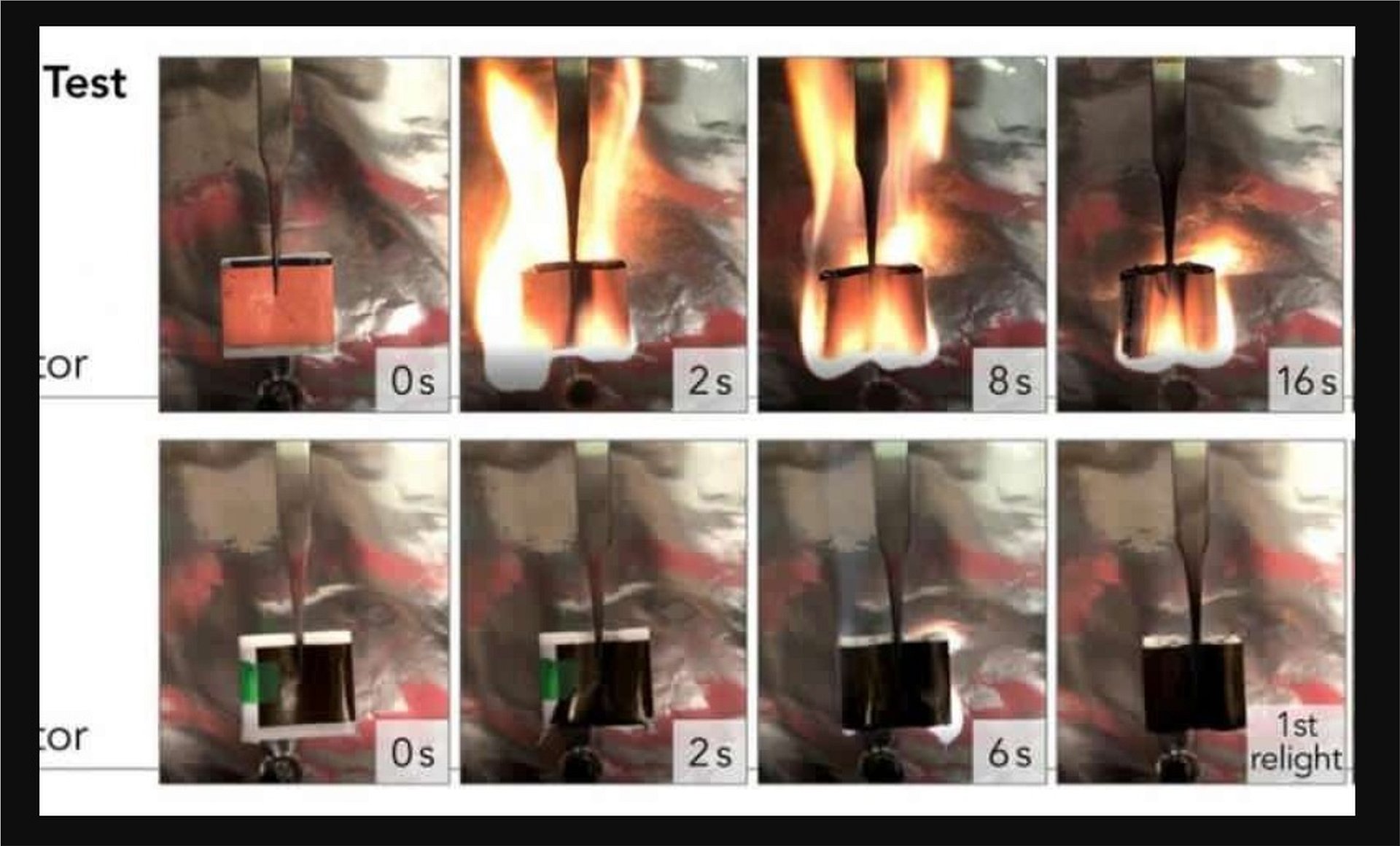
Some achievements have already been patented, and they have even been sent to different battery manufacturers to begin exploring the possibilities of this exciting advance that will help increase the energy densities of batteries, improve safety, and even reduce their costs. via nature.com.

E-VIA FLEX-E is a project co-funded by the European Commission that aims to install ultra-fast charging stations for electric cars in southern Europe. And more specifically, in Spain, France and Italy. The first phase of this… Continue reading

Irish Post is planning to buy 750 electric vehicles by 2022, of which 200 will hit the streets later this year. In addition to delivery vans, pedelecs (pedal electric cycle) are also on the shopping list. The background to this is that… Continue reading

Renault presents the experimental vehicle of a light commercial electric vehicle for urban traffic delivery: Renault EZ-FLEX. The EZ-FLEX comes with a purely electric drive and full network integration. A dozen models will soon go out to… Continue reading

The EQC will be the first electric car of the EQ family. It is already available for order and from July you will start with the deliveries. We tell you what you need to know about the first electric SUV from Mercedes. The Mercedes EQC is… Continue reading