The Chinese car market is transitioning rapidly to electromobility, but German automakers need help to keep up. According to a recent report in the Handelsblatt, Volkswagen recorded a 2.4 percent market share for its all-electric vehicles in China last year. At the same time, BMW, Mercedes, and Audi lagged significantly behind at 0.8, 0.3, and 0.1 percent, respectively. The domestic competition with BYD, Nio, or Xpeng dominates the Chinese market, and even Tesla, the American electric car manufacturer, has a significant presence in China.
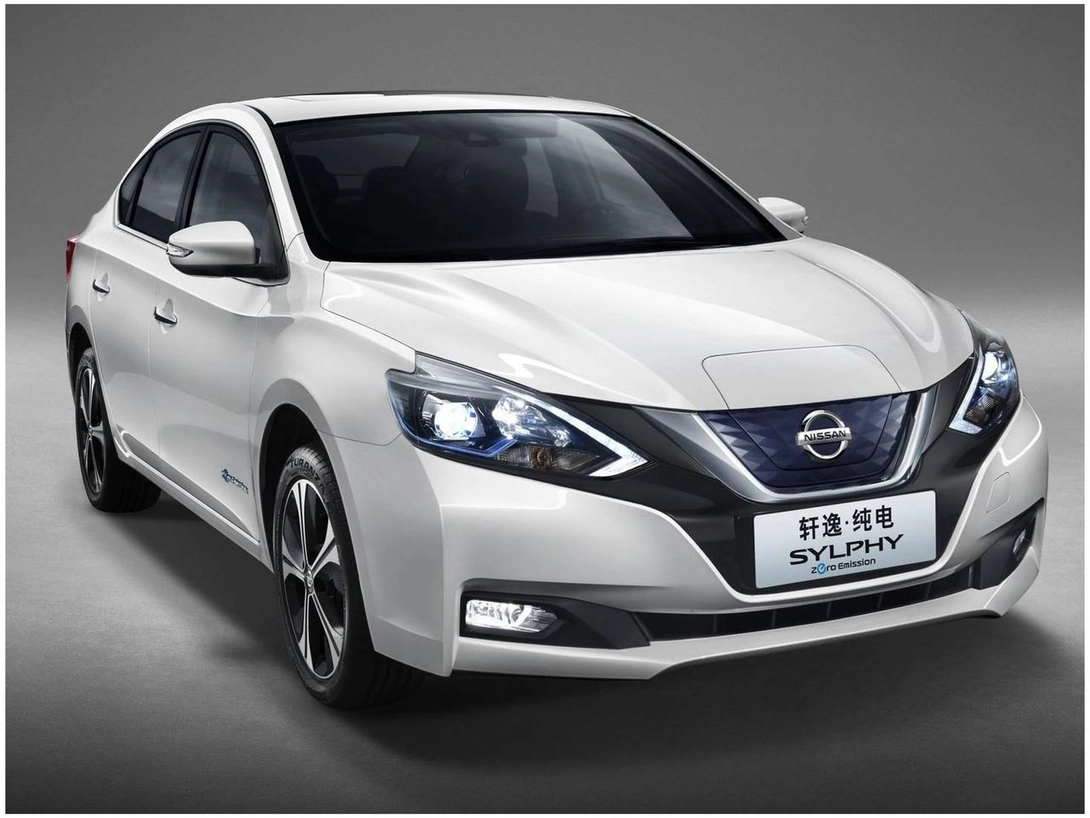
There are numerous reasons for the German automakers' struggle to gain traction in China. Chinese companies are increasingly bringing their own electric vehicles to market, with newcomers like Wuling Hongguang Mini, BYD Dolphin sedan, and BYD Yuan Plus SUV dominating the sales charts. Second, German automakers' electric vehicles are priced higher than those of their Chinese competitors, and Chinese customers tend to buy electric cars in the price segment below the equivalent of 40,000 euros.
The most significant reason for the German carmakers' struggle is technology. Chinese consumers attach greater importance to digitality than European consumers, and German automakers need to catch up in this area. Language assistants and vehicle networking with internet services are already working well in Chinese vehicles, while German automakers are still struggling here. Additionally, Chinese electric cars like the BYD Dolphin and BYD Han offer 800-volt drive technology, which can only be found in the upper price range of German electric models like the Porsche Taycan and Audi e-Tron GT.