Toyota Targets Track Dominance with the bZ Time Attack Concept
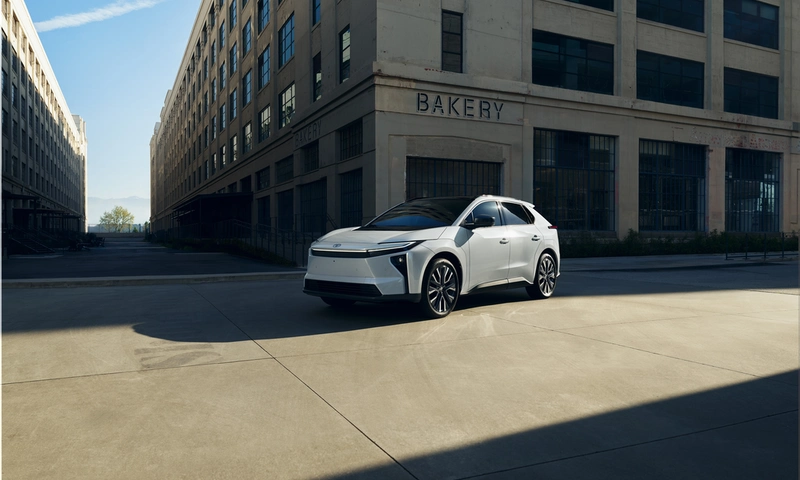
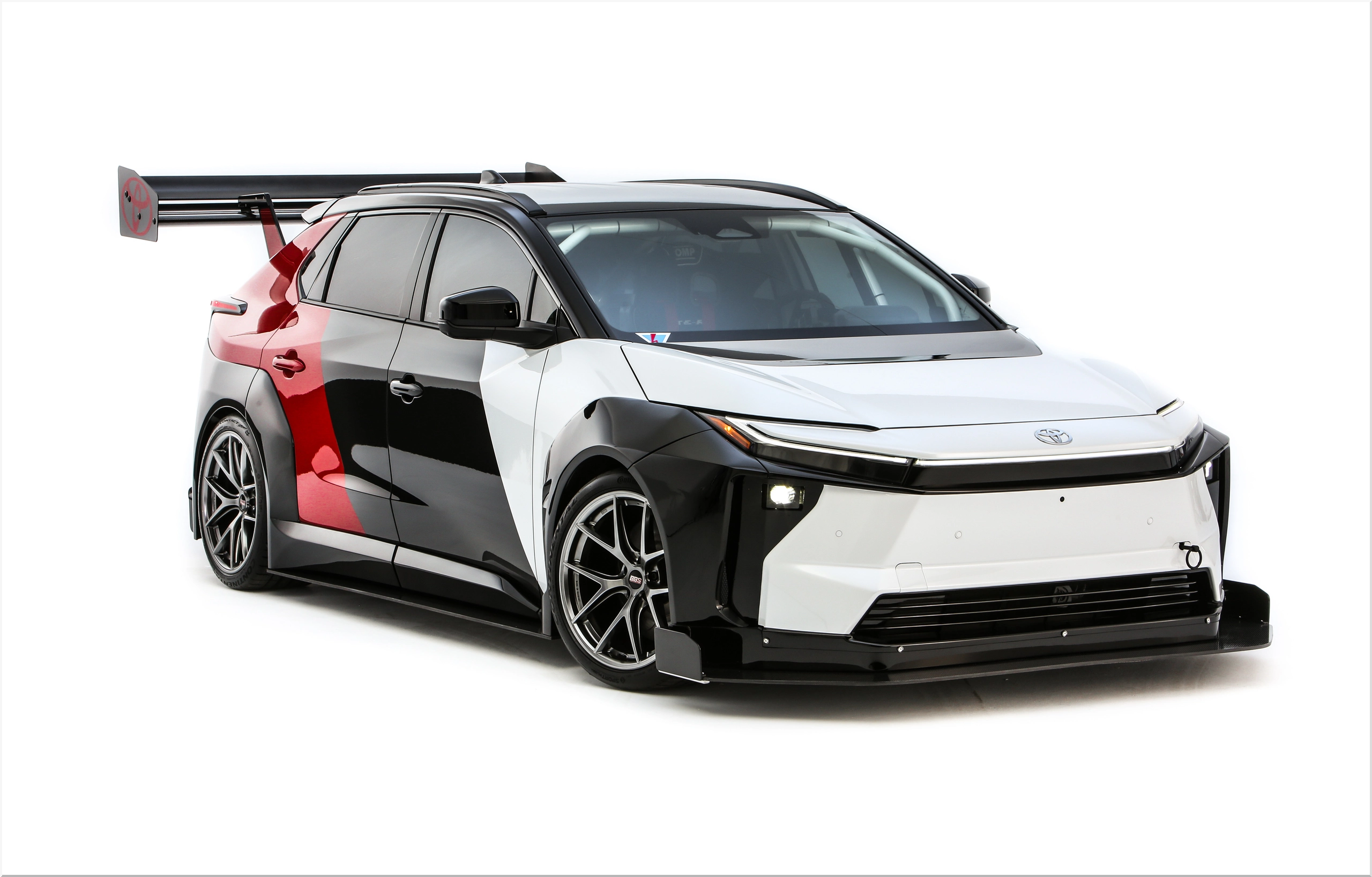
At the 2025 SEMA Show in Las Vegas, Toyota took a bold step into the electric performance arena. The automaker revealed the bZ Time Attack Concept, its first all-electric, all-wheel-drive SEMA concept build. Designed to test the outer limits of battery-electric vehicle (BEV) engineering, the concept merges motorsports aerodynamics, racing-grade suspension, and cutting-edge fabrication into a focused time attack machine.
The foundation is Toyota’s 2026 bZ AWD platform, which already produces 338 horsepower and accelerates from 0–60 mph in 4.9 seconds in its production trim. For SEMA, engineers went further—aiming squarely at performance benchmarks set by combustion-based competitors.
Data-Driven Design for Maximum Output
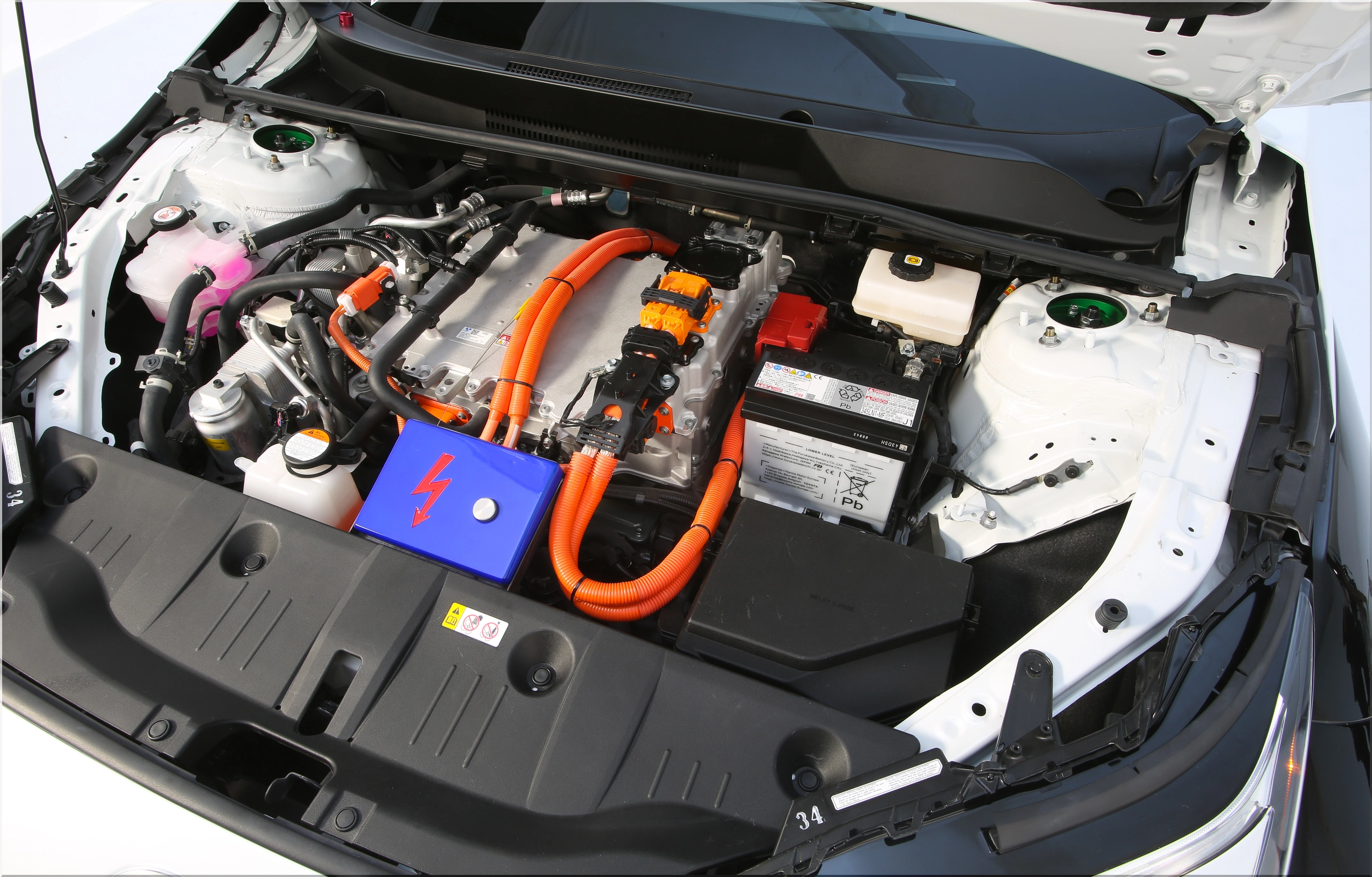
Toyota’s engineers and Motorsports Technical Center team, led by Marty Schwerter, focused on two central challenges: battery performance and aerodynamic integration. Both are critical for any electric vehicle designed for competition. Schwerter explained that the project was never about display value—it was an experiment in how far the bZ platform could be pushed on track.
Image
Key engineering priorities:
- Improve energy density and heat management under racing load.
- Enhance aerodynamic stability without compromising efficiency.
- Optimize weight distribution to maintain agility and safety.
To achieve this, Toyota employed a hybridized fabrication process. Using laser scanning, CAD modeling, and large-scale 3D printing, the team accelerated development cycles while maintaining high precision. Fender arches were digitally modeled, 3D-printed, and hand-finished. This combination of additive manufacturing and traditional race-car craftsmanship reduced prototyping time dramatically.
Technical Overview: Built for the Circuit
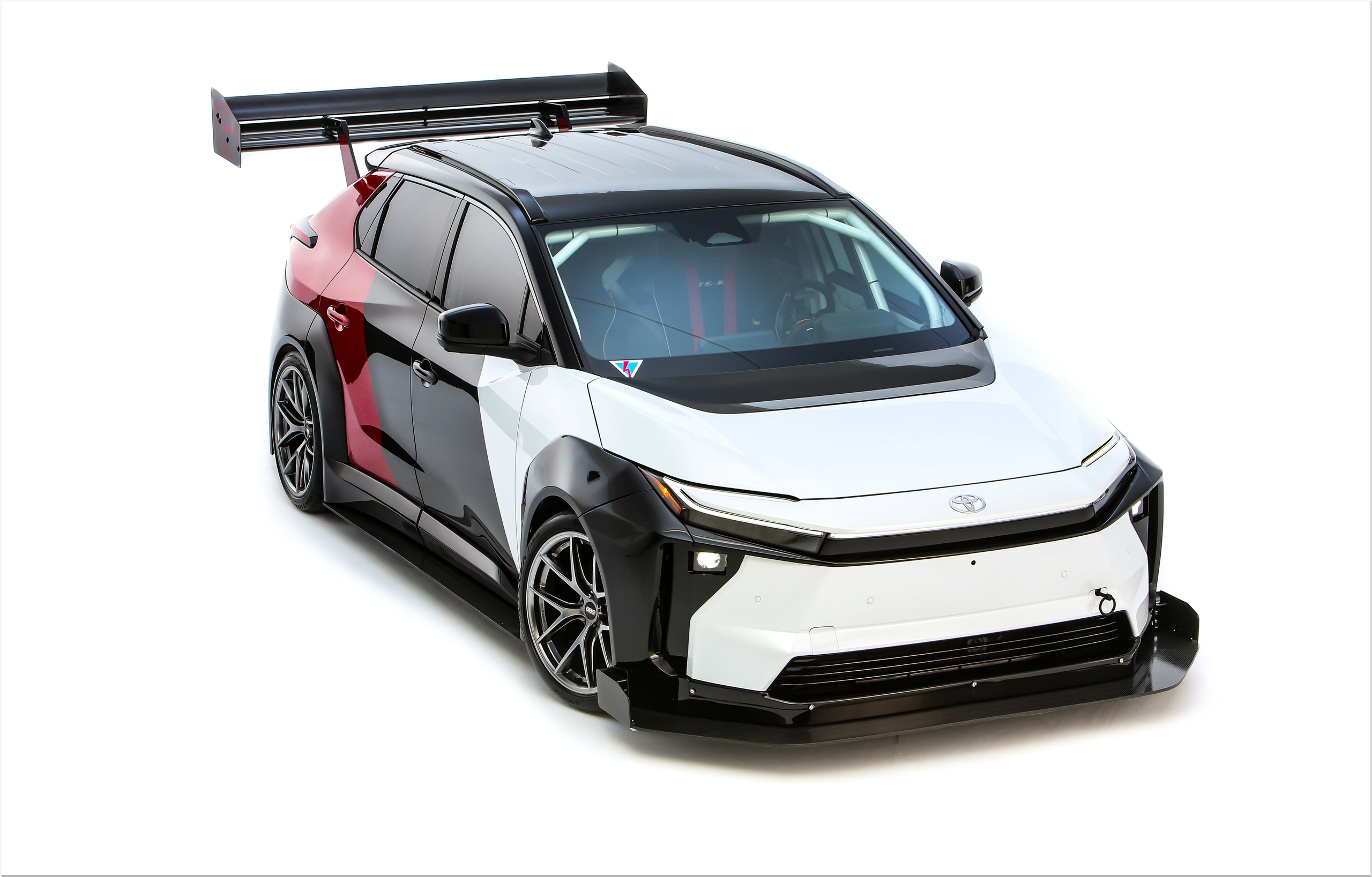
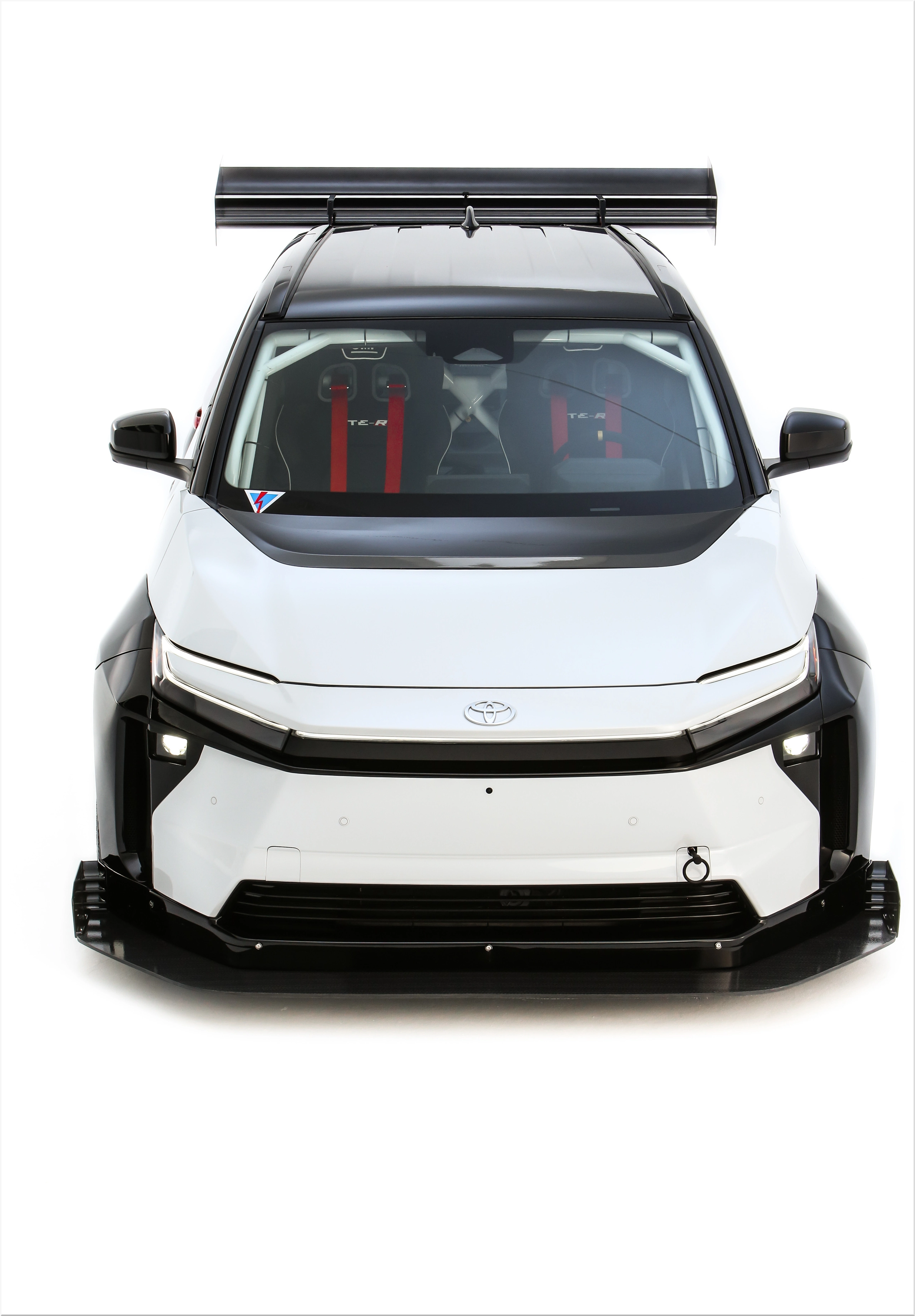
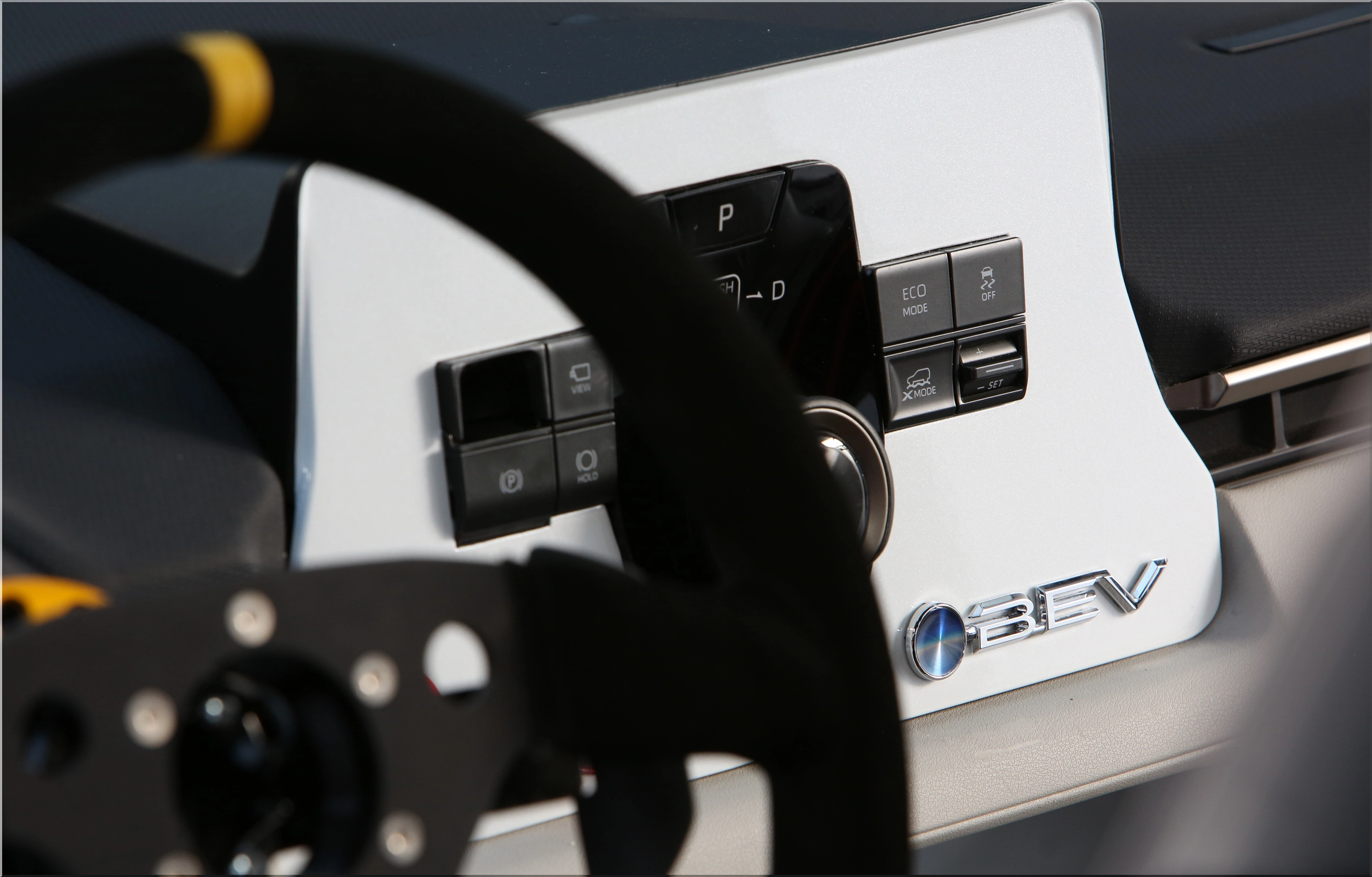
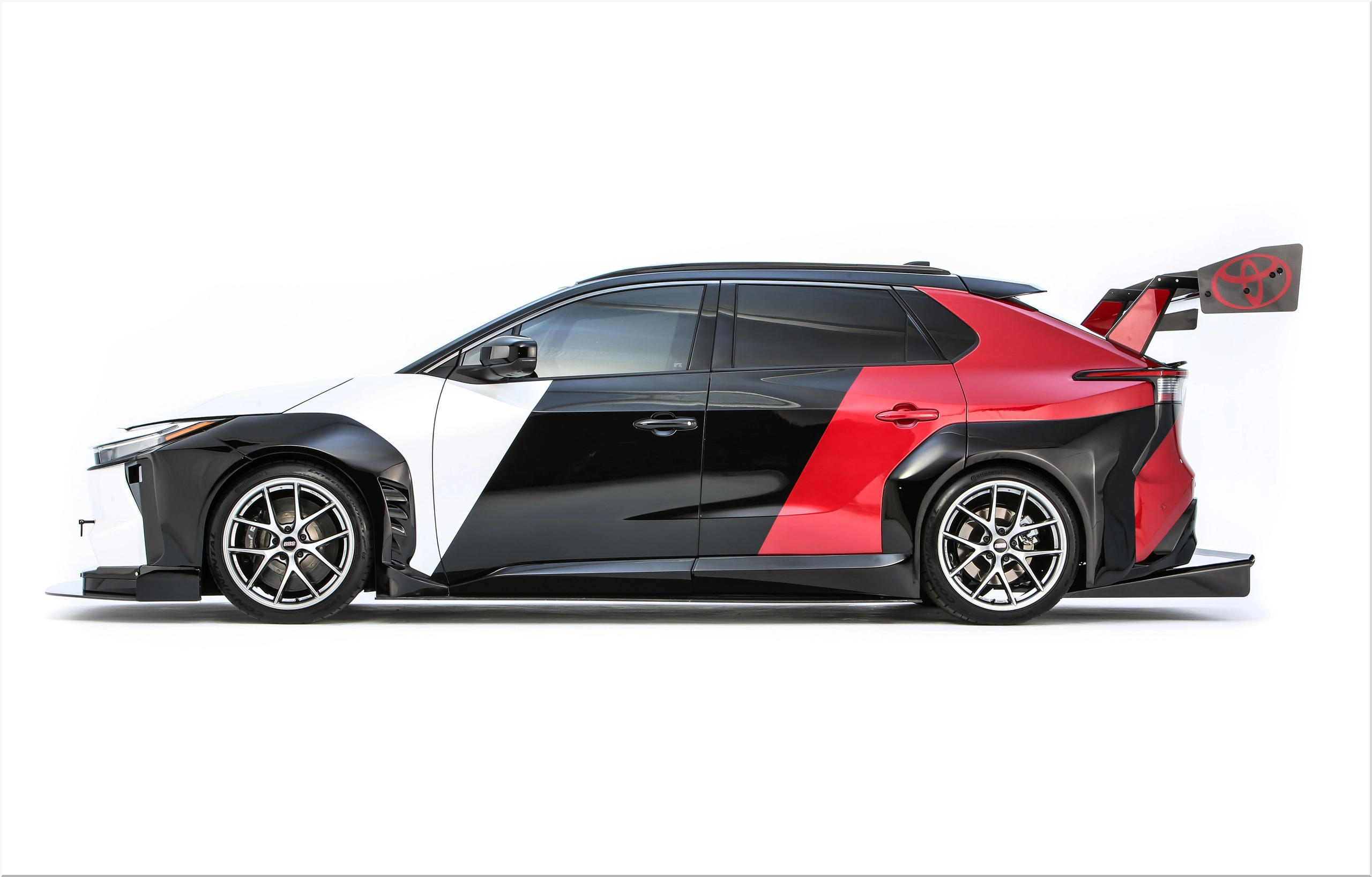
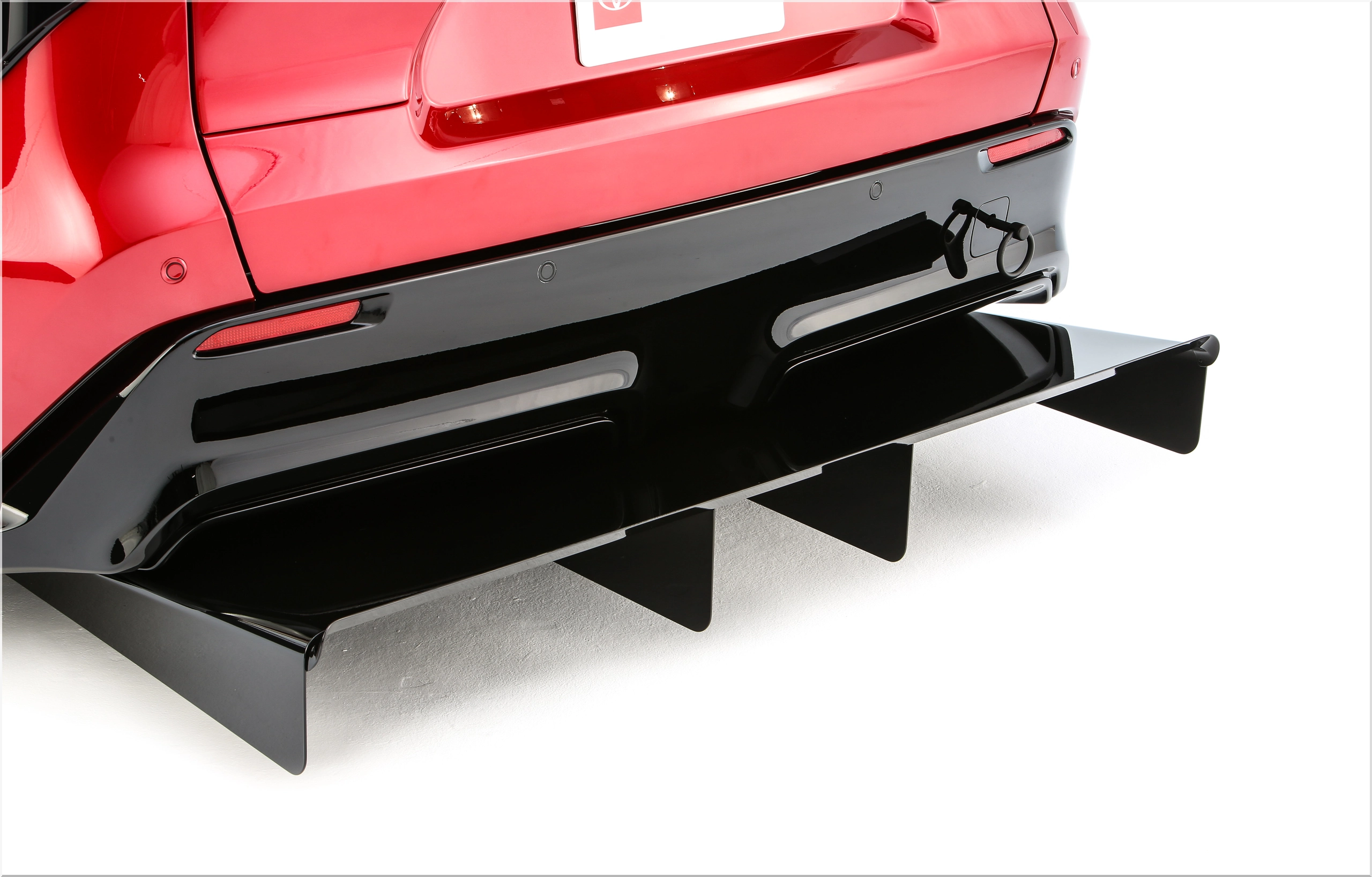
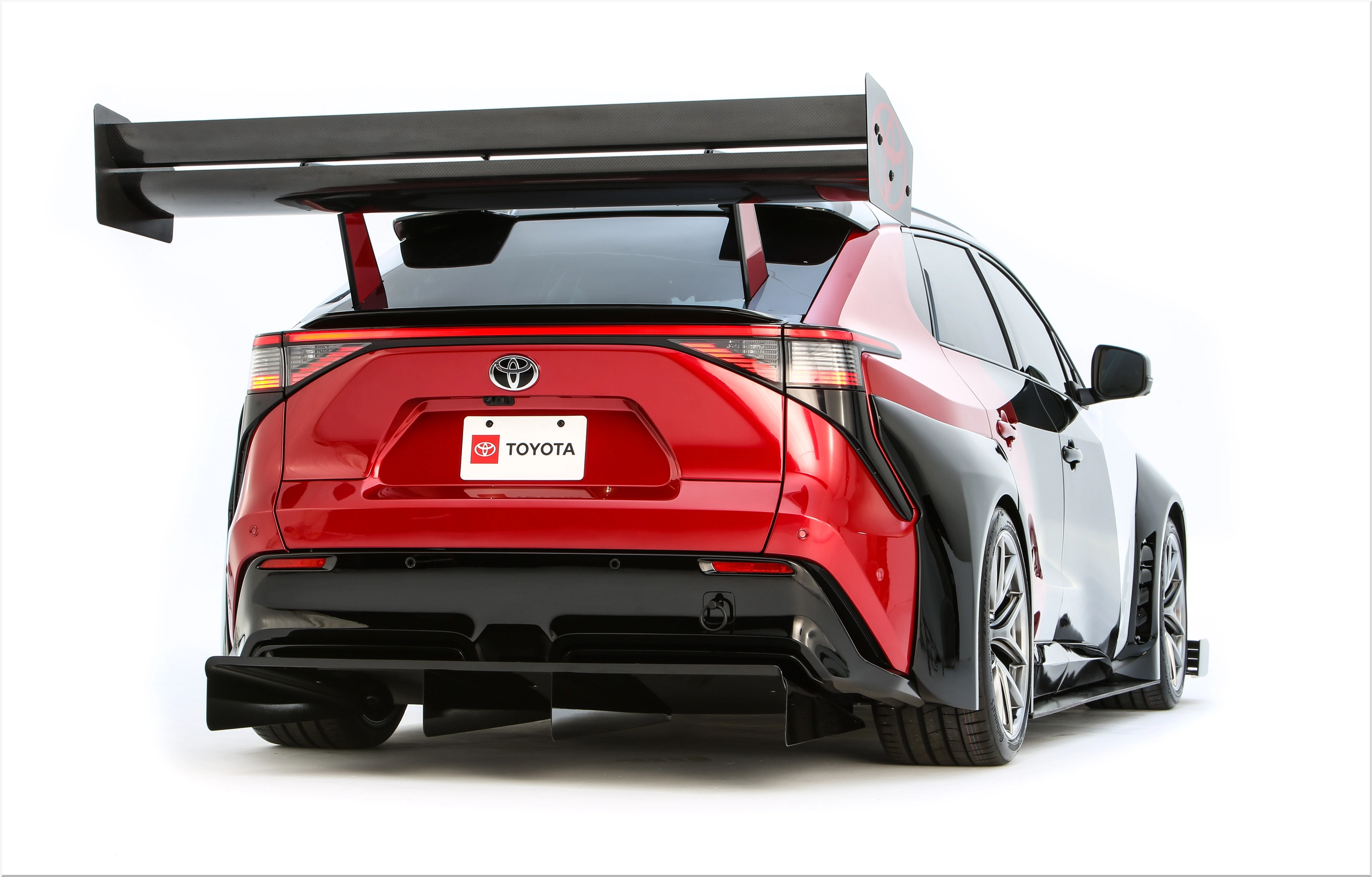
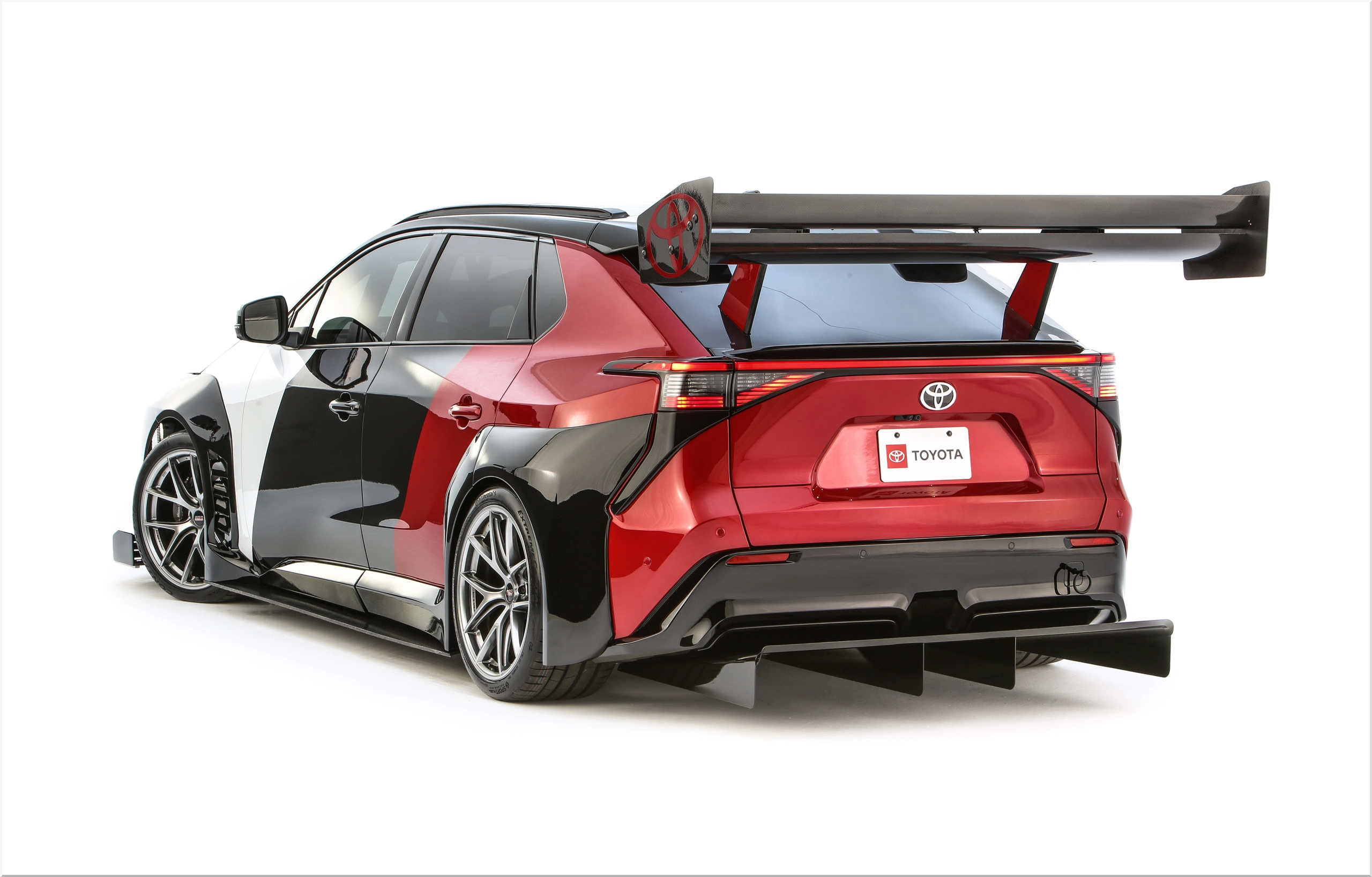
The bZ Time Attack Concept is lowered six inches from stock and widened by the same amount, improving track stance and downforce. The aero package—including a massive rear wing, front splitter, side skirts, and rear diffuser—was developed to sustain stability under high cornering loads.
Powertrain and chassis details:
| Component | Specification |
|---|---|
| Power Output | Over 300 kW (400+ hp) |
| Drivetrain | All-Wheel Drive (AWD) |
| Suspension | TEIN coilovers and springs |
| Brakes | Alcon system with Hawk pads |
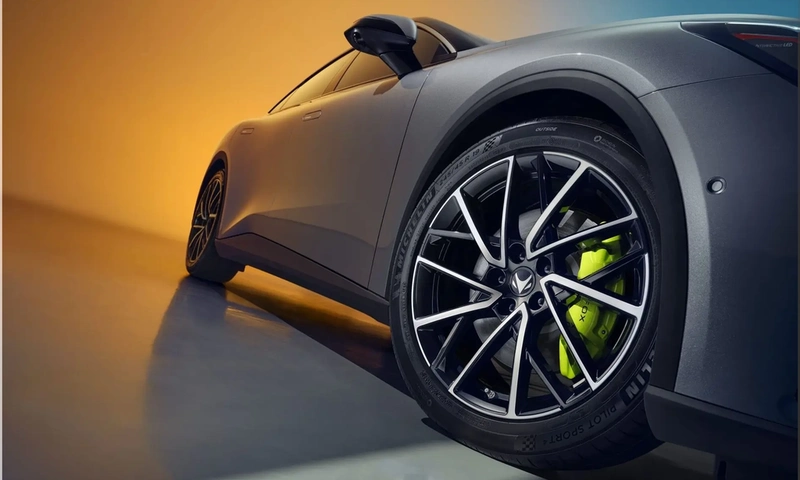
| Wheels | 19×11-inch BBS Unlimited |
| Tires | 305/30ZR19 XL Continental Extreme Contact Sport 02 |
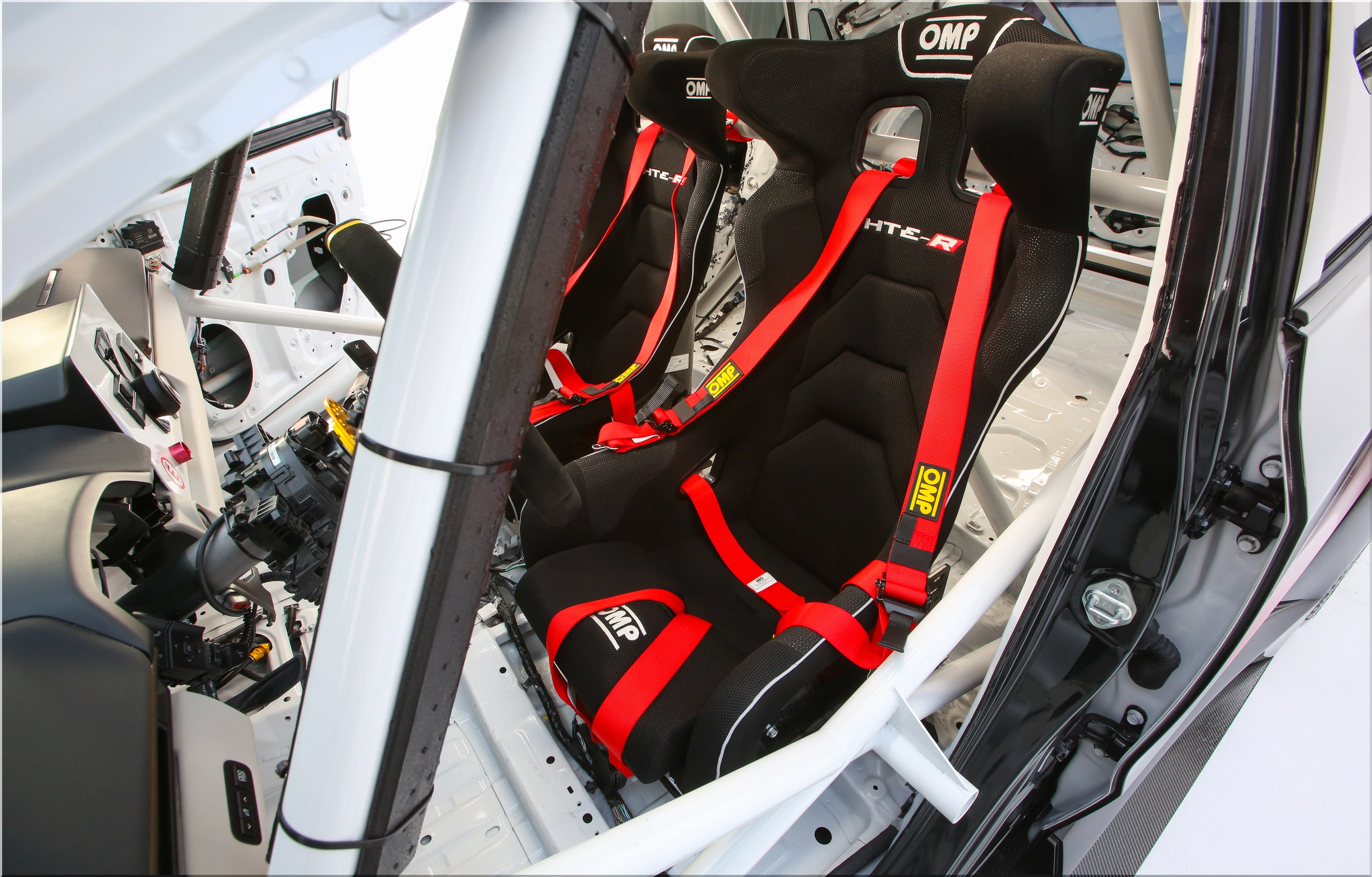
| Safety | FIA-spec 4130 chromoly cage, OMP HTE-R seats, and harnesses |
This hardware translates to high mechanical grip and consistent braking—vital for time attack and hill climb disciplines. Toyota’s engineers tuned the ECU calibration to deliver torque seamlessly across all four wheels, offering improved control under full throttle.
Video gallery
Video title
Toyota bZ Time Attack
Additive Manufacturing Meets Racing Reality
The concept’s construction showcases Toyota’s growing reliance on additive manufacturing (AM) for performance applications. Led by Greg Stewart and Dallas Martin at Toyota’s Add Lab in Georgetown, Kentucky, the AM process made it possible to test multiple aerodynamic setups quickly. The 3D-printed body panels and aero components allowed for tight fitment and weight savings—key metrics in electric racing development.
The car’s tri-color finish—pearl white, metallic black, and red accents—was created using PPG materials, giving the concept a sharp, factory-grade appearance.
Expanding Toyota’s Electric Vision
The bZ Time Attack Concept isn’t an isolated experiment. Toyota plans to expand its bZ lineup in 2026 with:
- A new bZ model featuring extended range and faster charging.
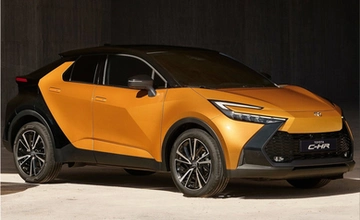
- The bZ Woodland and C-HR BEV, both aimed at delivering diverse performance options across the lineup.
These models represent Toyota’s commitment to electrified performance and its strategy to serve multiple powertrain markets. At SEMA, the automaker showcased over two dozen vehicles across BEV, hybrid (HEV), plug-in hybrid (PHEV), fuel cell (FCEV), and gasoline ICE platforms—reinforcing its “Powered by Possibility” theme.
Performance Data Meets Practical Experimentation
Toyota didn’t build the bZ Time Attack Concept as a showpiece—it’s a functional prototype designed for real-world motorsport testing. Engineers intend to collect thermal, aerodynamic, and load-distribution data to refine next-generation BEV performance technologies.
This approach mirrors Toyota’s philosophy: use competition as a proving ground. Data from such experimental builds informs battery cooling, aero integration, and chassis stiffness improvements across future production BEVs.
Market Implications: Toyota’s Strategic Shift
While other automakers race to electrify production lines, Toyota continues to test performance technologies in controlled environments before large-scale rollout. This data-first approach gives the company flexibility to adapt to consumer demand, regulatory changes, and infrastructure development.
By combining R&D insights, 3D printing innovation, and motorsport engineering, Toyota positions itself not just as a participant but as a technical leader in EV performance development. The bZ Time Attack Concept could become a template for future track-oriented BEVs, proving that electric performance and durability can coexist under competitive pressure.
Image gallery:

The Takeaway
The Toyota bZ Time Attack Concept represents the company’s most aggressive step yet into electric motorsport. It merges advanced fabrication, race-proven engineering, and strategic data collection to shape the next phase of Toyota’s EV lineup. While still a prototype, it offers a clear preview of how Toyota’s future BEVs may balance speed, efficiency, and reliability.
In short, this concept transforms the bZ platform into a laboratory on wheels—one built not for showrooms, but for the stopwatch.
Auto Show
- Add new comment
- 175 views