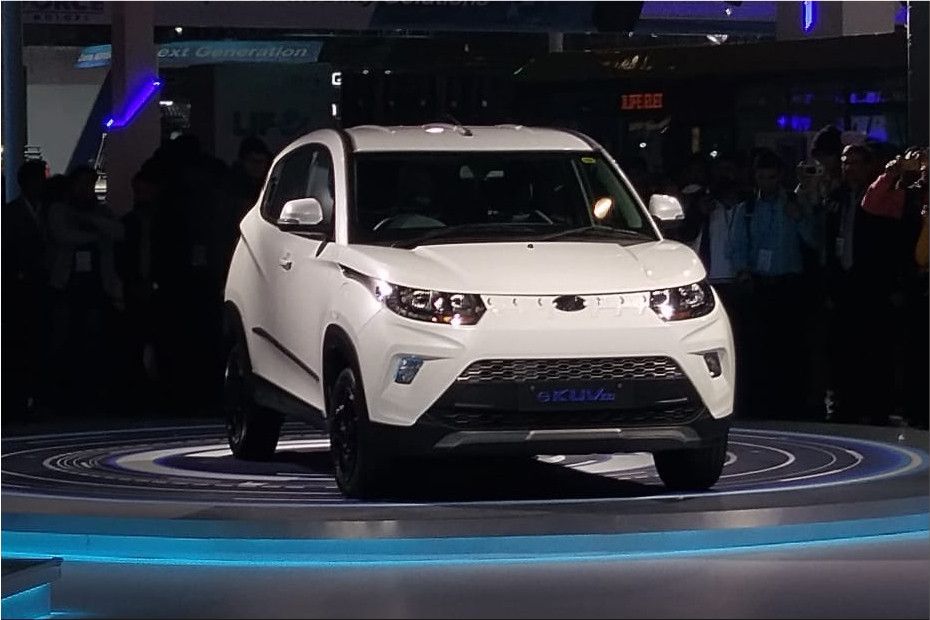
Mahindra eKUV100 has been announced for 2020. The vehicle was designed for the Indian market, in which it will debut in the coming months, and should be sold for an equivalent of around 10,000 euros.
Derived from the KUV100 model, the Mahindra eKUV100 points to competitors as an economic SUV suitable for the city. The autonomy offered by the 15.9 kWh lithium-ion battery amounts to 147 km. From the point of view of charging capacity, this electric car can go from 0 to 80% charge in an hour. The steering wheel is multifunctional and has an infotainment system with a large display.
Economic, but connected. The Mahindra eKUV100 can also be managed remotely. Initially, the electric car was presented as intended only for the Indian market. In the last few hours, however, the manufacturers have opened the possibility of launching the Indian electric SUV in other markets.
Mahindra eKUV100 is capable of delivering 54 HP with 120 Nm of maximum torque.
Mahindra eKUV100 will get features like connected car technology for features like remote diagnostics, cabin pre-cooling, location tracking, and monitoring one’s driving pattern and Expected features include dual airbags, ABS with EBD as well as rear parking sensors.

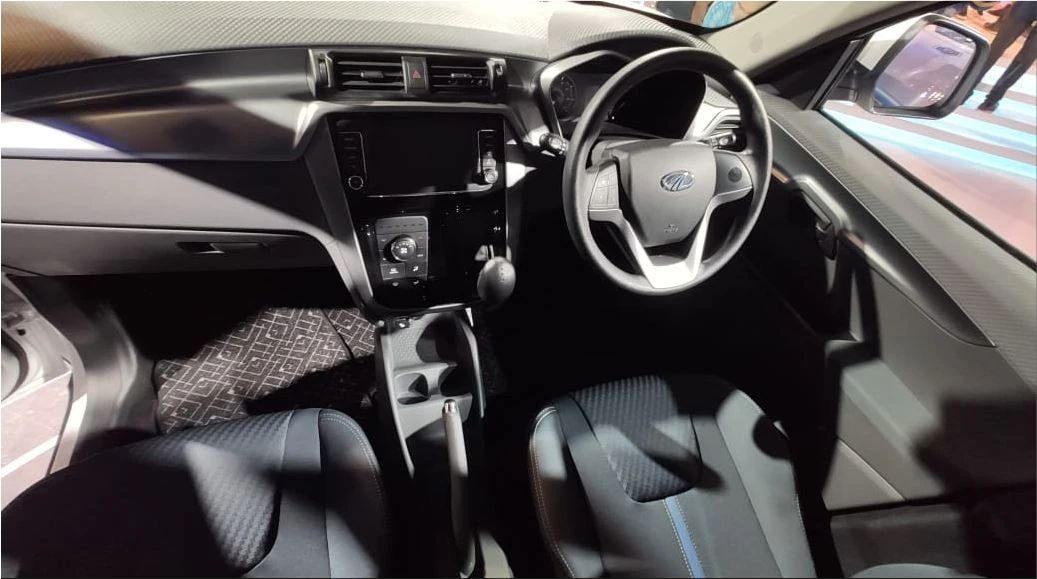
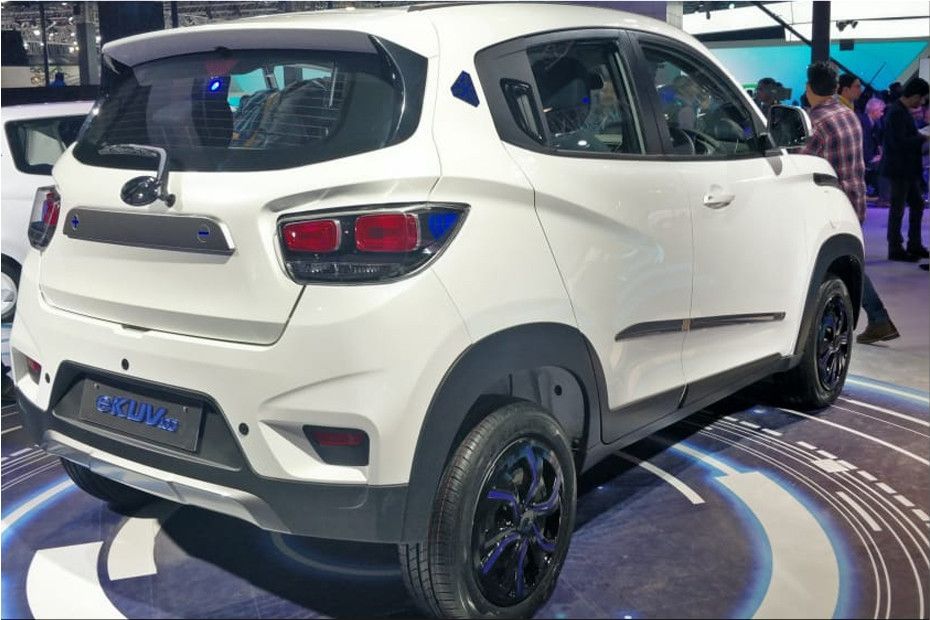
Mahindra eKUV100 will get features like connected car technology for features like remote diagnostics, cabin pre-cooling, location tracking, and monitoring one’s driving pattern and Expected features include dual airbags, ABS with EBD as well as rear parking sensors.
Mahindra EKUV100 will be followed by the XUV300 Electric and the Ford Aspire sedan as part of the Mahindra-Ford joint venture. In addition to the eKUV100, the Tata Nexon EV and MG ZS EV are also scheduled to launch this year but will be positioned higher in the price range.

Ford unveiled the new Mustang Mach-E to the European public for the first time today at the “Go Electric” event in London. With the European Roadshow, Ford wants to inform consumers about the path to an electrified future. In addition, 1,000 charging… Continue reading

The Hyundai plant in Nošovice, Czech Republic has resumed operation after more than three weeks of coronavirus shutdown. For the time being, only two of the usual three shifts work in Nošovice, as a spokesman for the German Press Agency… Continue reading

The Vatican has installed photovoltaic panels on the roof of the Paul VI Audience Hall to produce green energy. The Vatican encourages the use of electric and hybrid vehicles and has eliminated the use of toxic pesticides in gardens… Continue reading

Norwegian Electric Systems (NES) completed the delivery of five all-electric propulsion systems for ferries operated by Norwegian transport company Fjord1. These e-ferries each have a capacity for 50 cars and are used at four… Continue reading