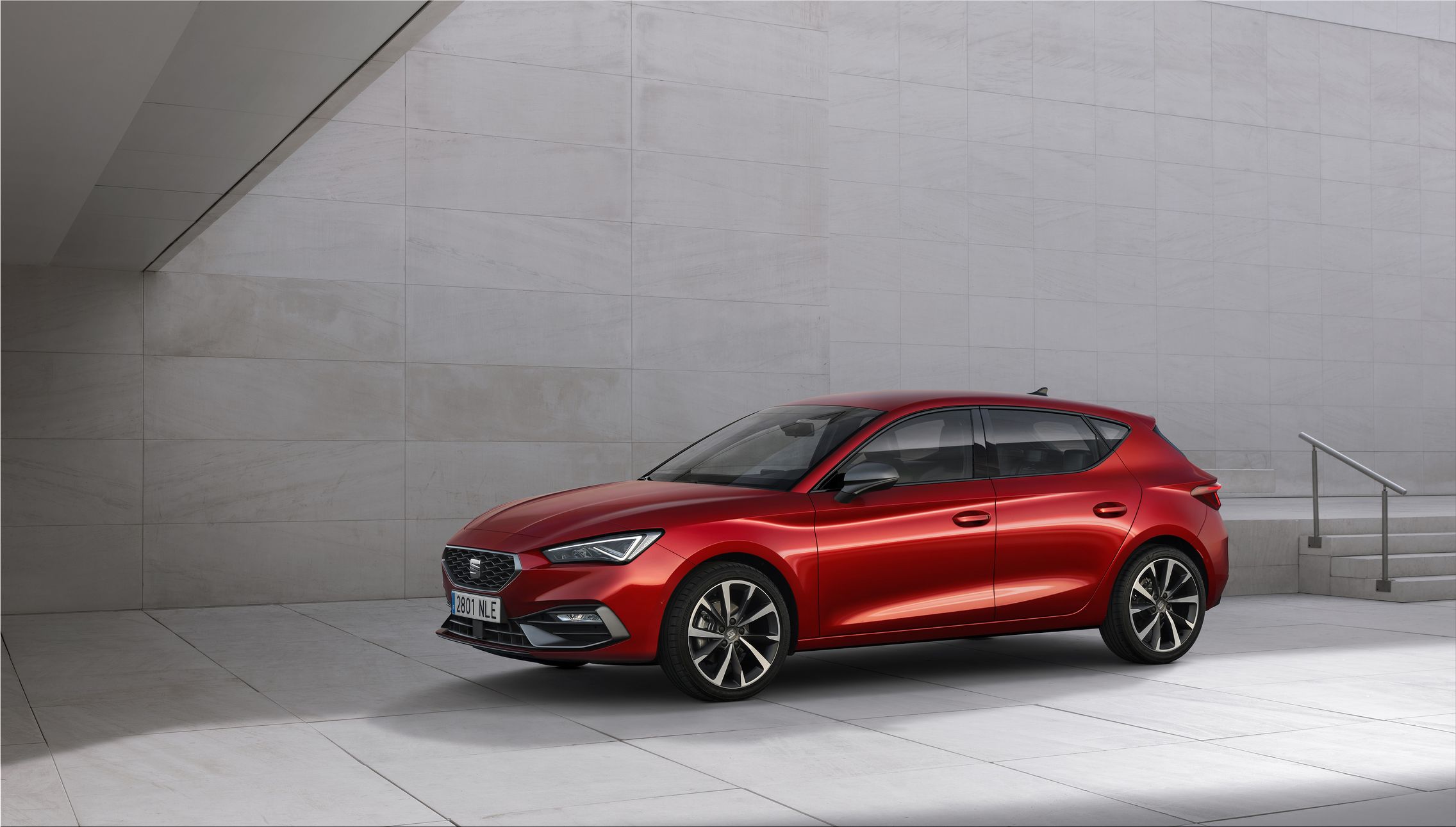
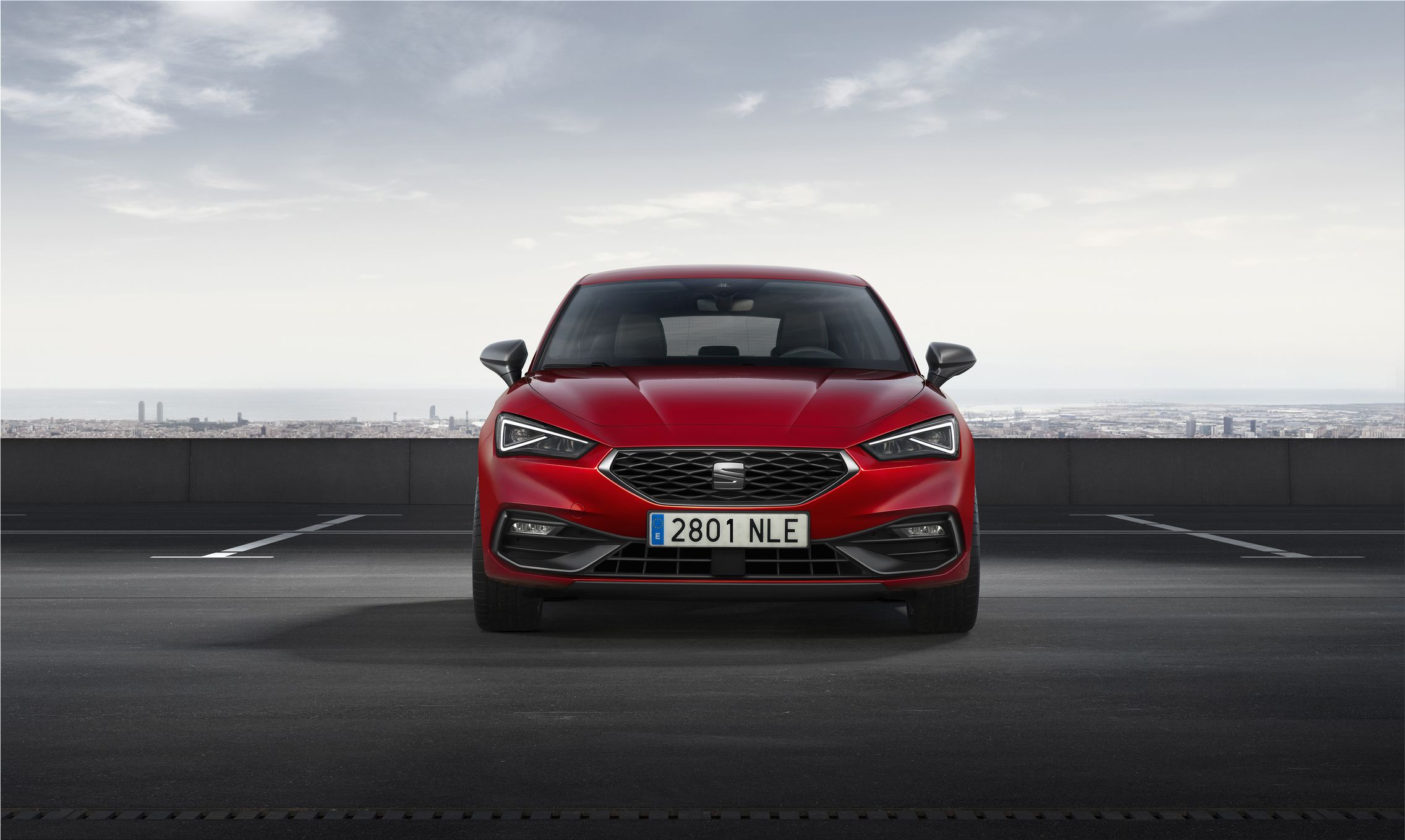
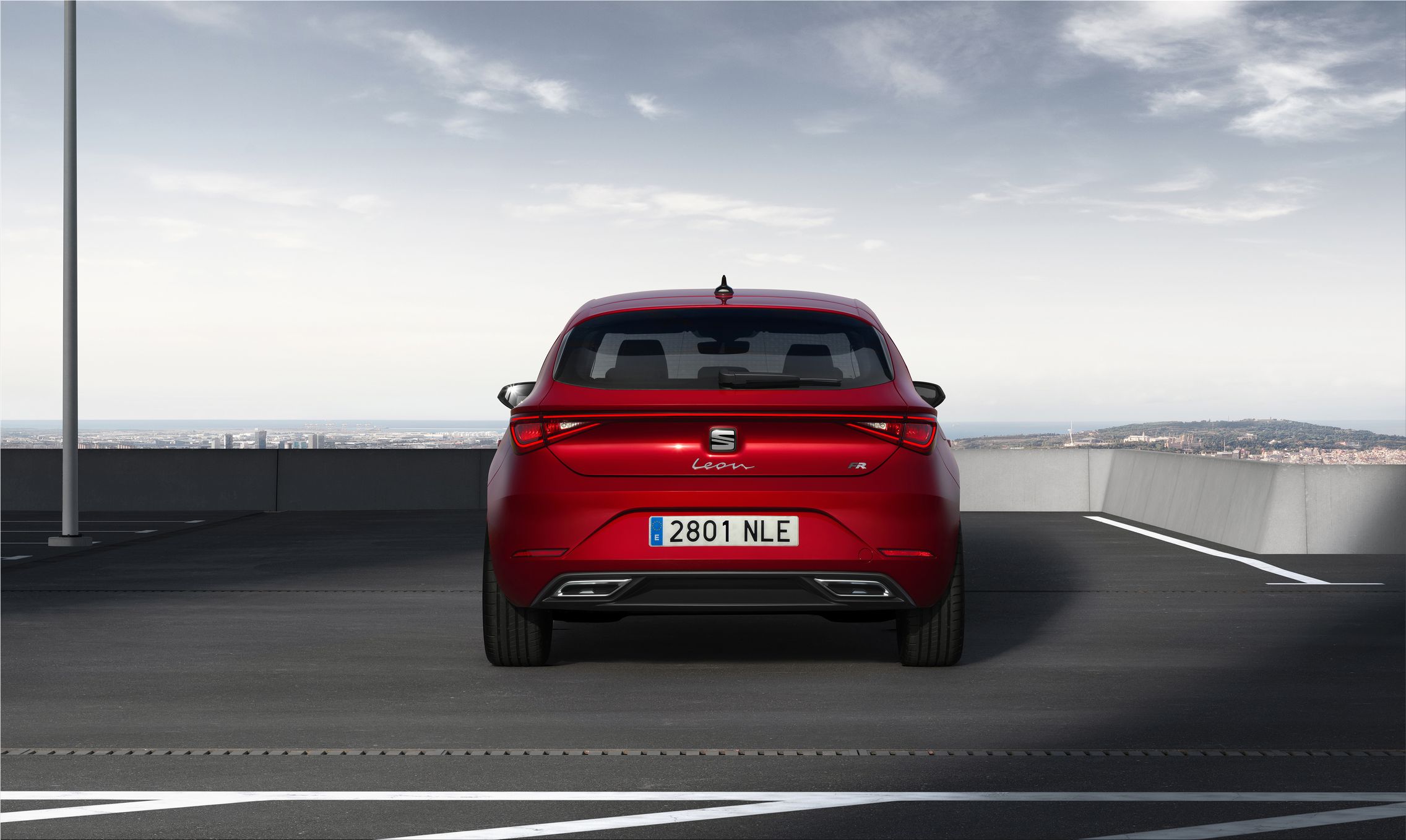
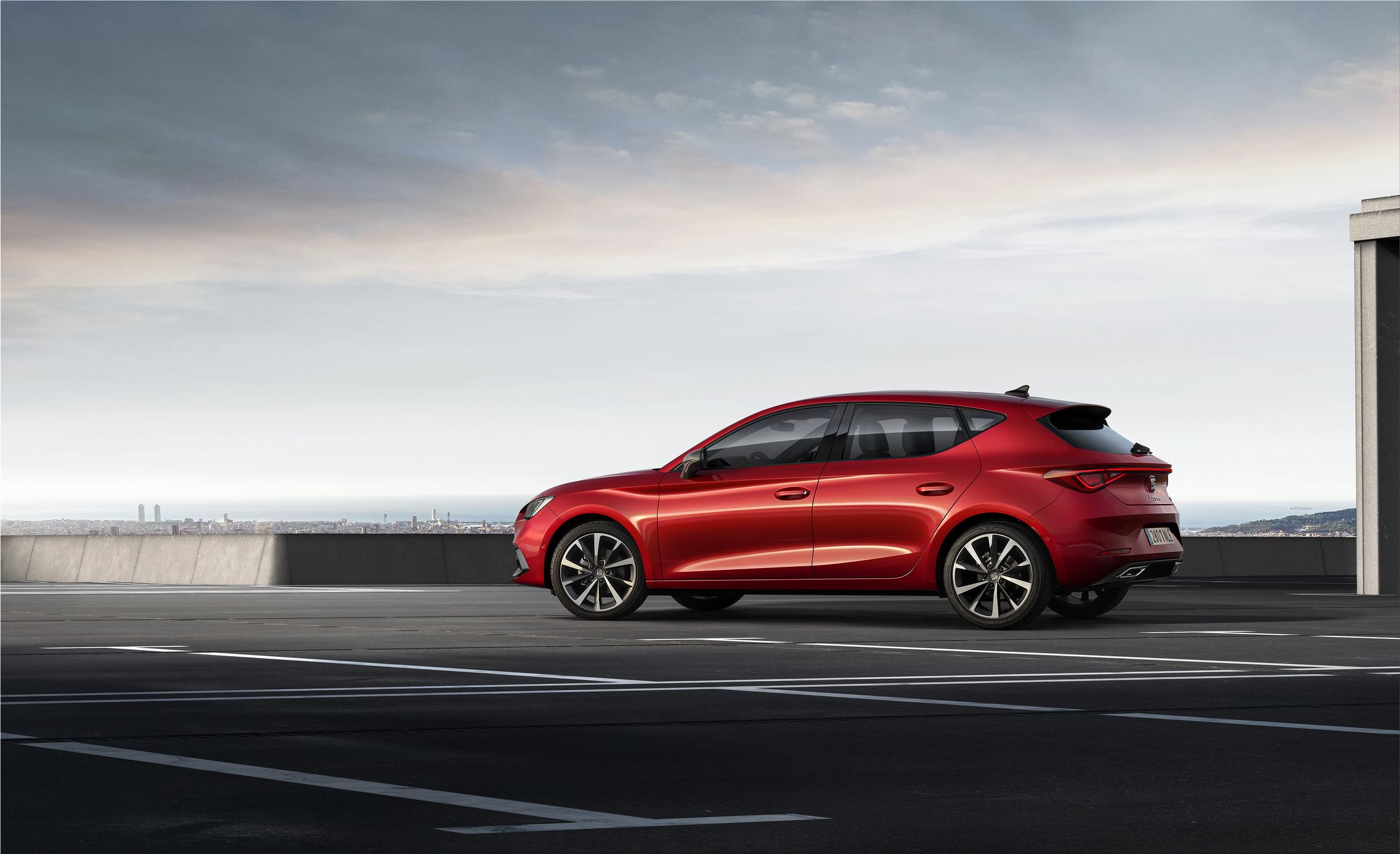
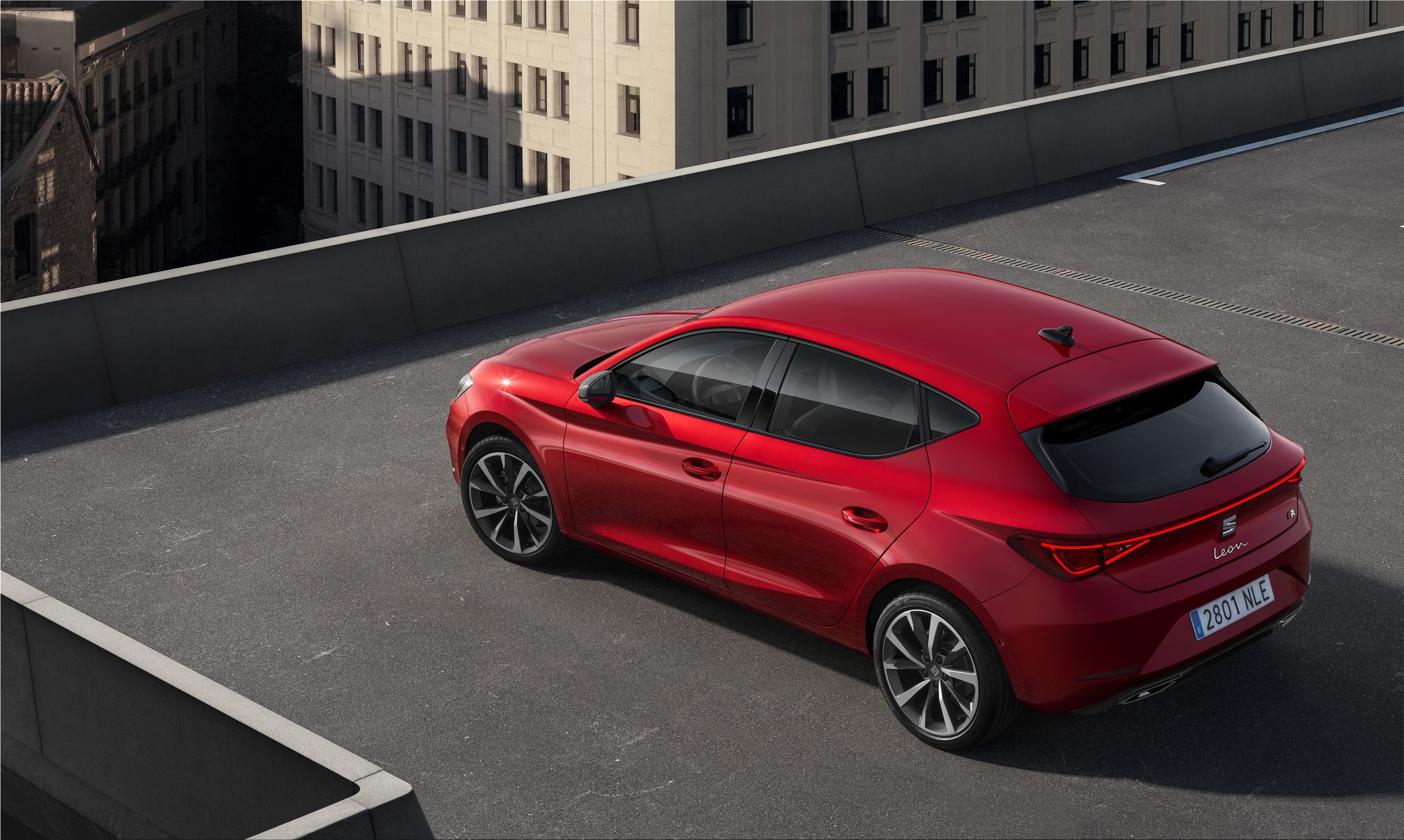
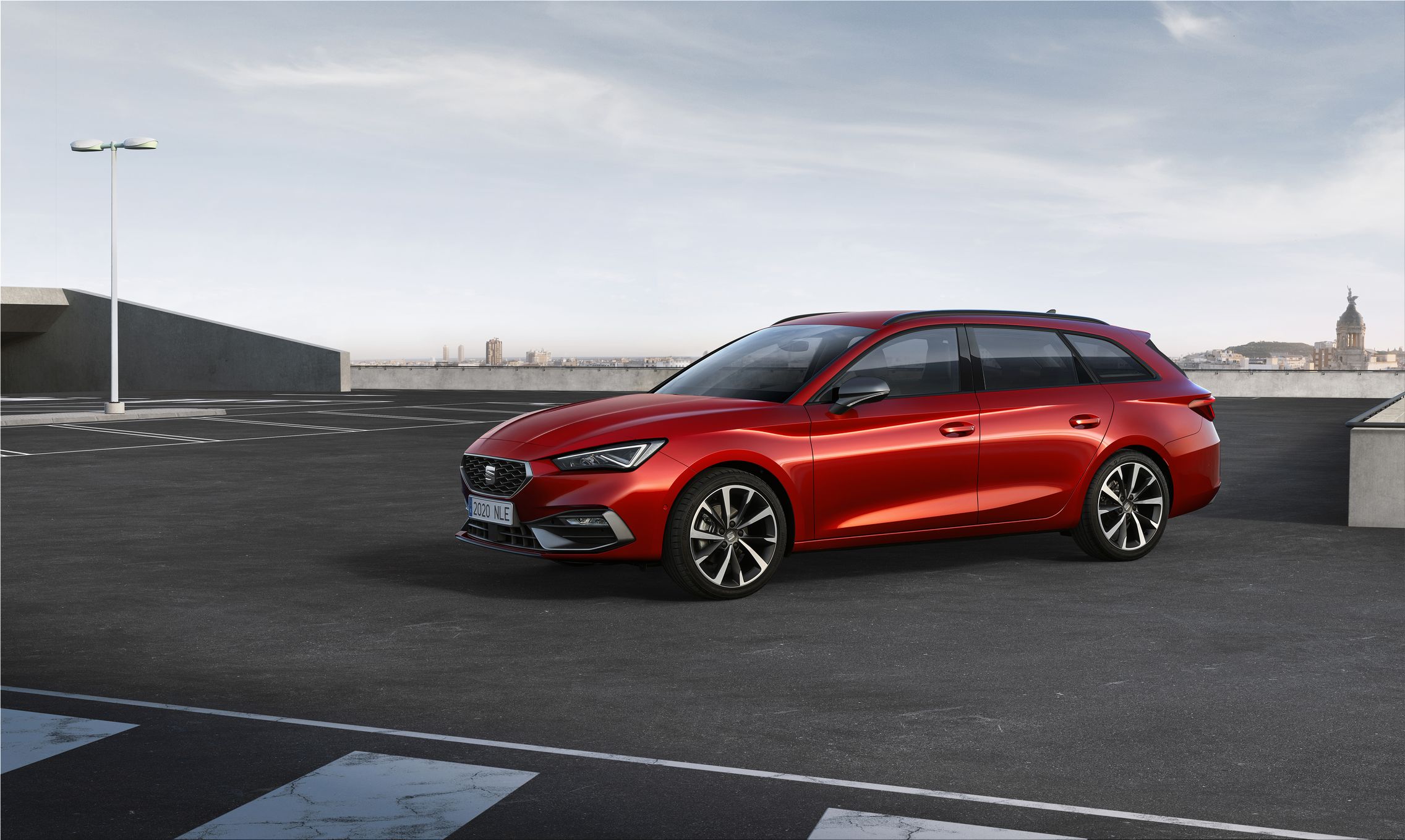
Seat has presented the fourth generation of the Leon, which for the first time will also be available as a mild hybrid (eTSI) and as a plug-in hybrid (eHybrid). Production will start in January.
Seat Leon has always been a cornerstone of the brand's success: the first three generations of the compact car sold a total of more than two million copies. And the fourth generation also promises to bring a breath of fresh air to the competitive compact class with its striking design, state-of-the-art technologies and a more dynamic personality. From the fourth quarter of 2020, customers can look forward to a new level of connectivity, efficiency, dynamism and security.
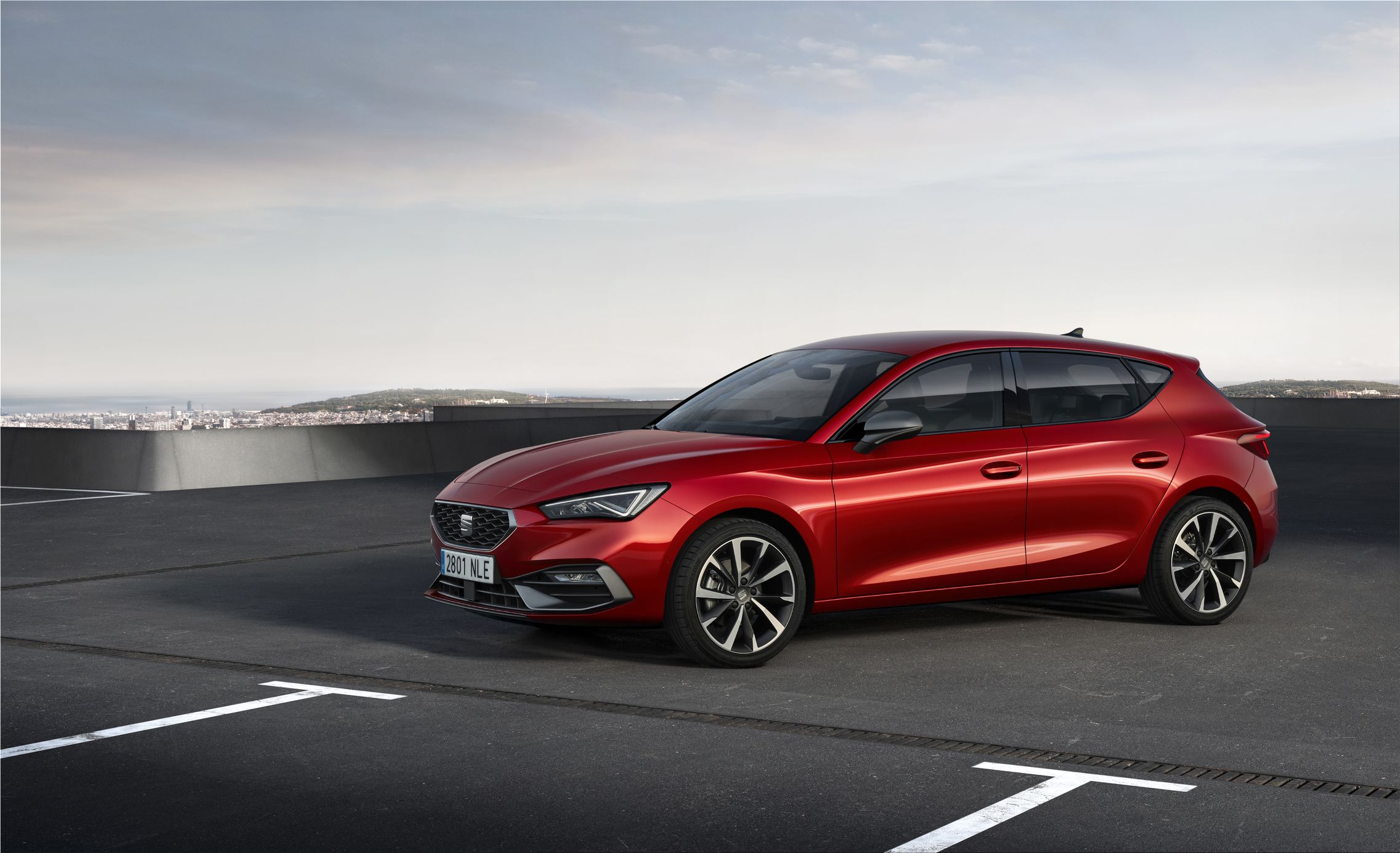
The new SEAT Leon clearly expresses the design philosophy of the Spanish brand - but raises it to a completely new level in its fourth generation. It stands for self-confidence, elegance and sportiness and at the same time convinces with a calmer, more mature design language and more aesthetics. It clearly stands out from the competition in the compact class.
The new SEAT Leon was designed and developed in Barcelona. It will also be produced at SEAT's headquarters in Martorell.
The Seat Leon eHybrid plug-in hybrid variant with a system output of 150 kW combines a 1.4-litre four-cylinder petrol engine with an electric motor and a 13 kWh battery, which is intended to enable a purely electrical range of around 60 kilometres. The PHEV variant with 180 kW is not offered for now at least.
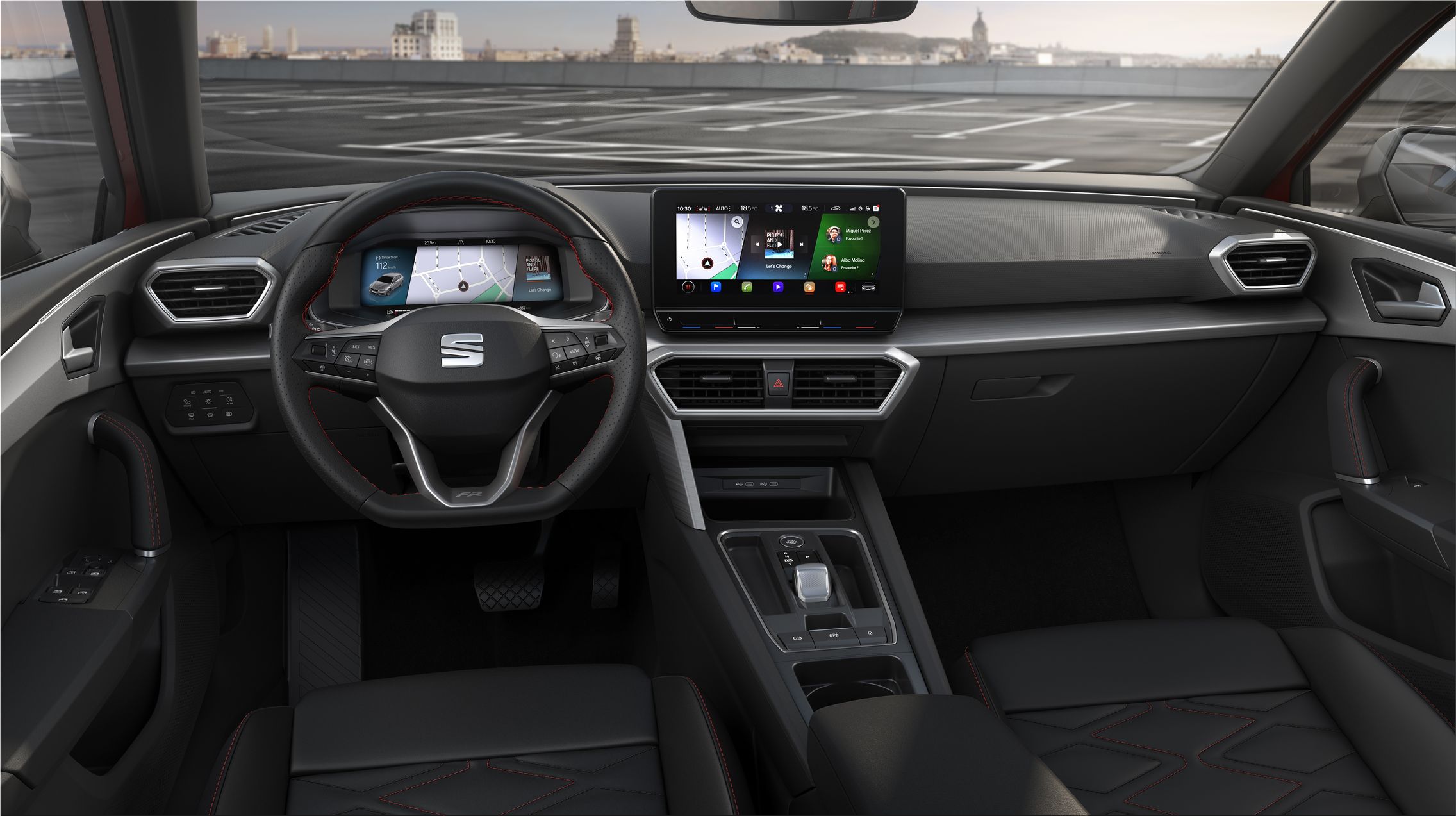
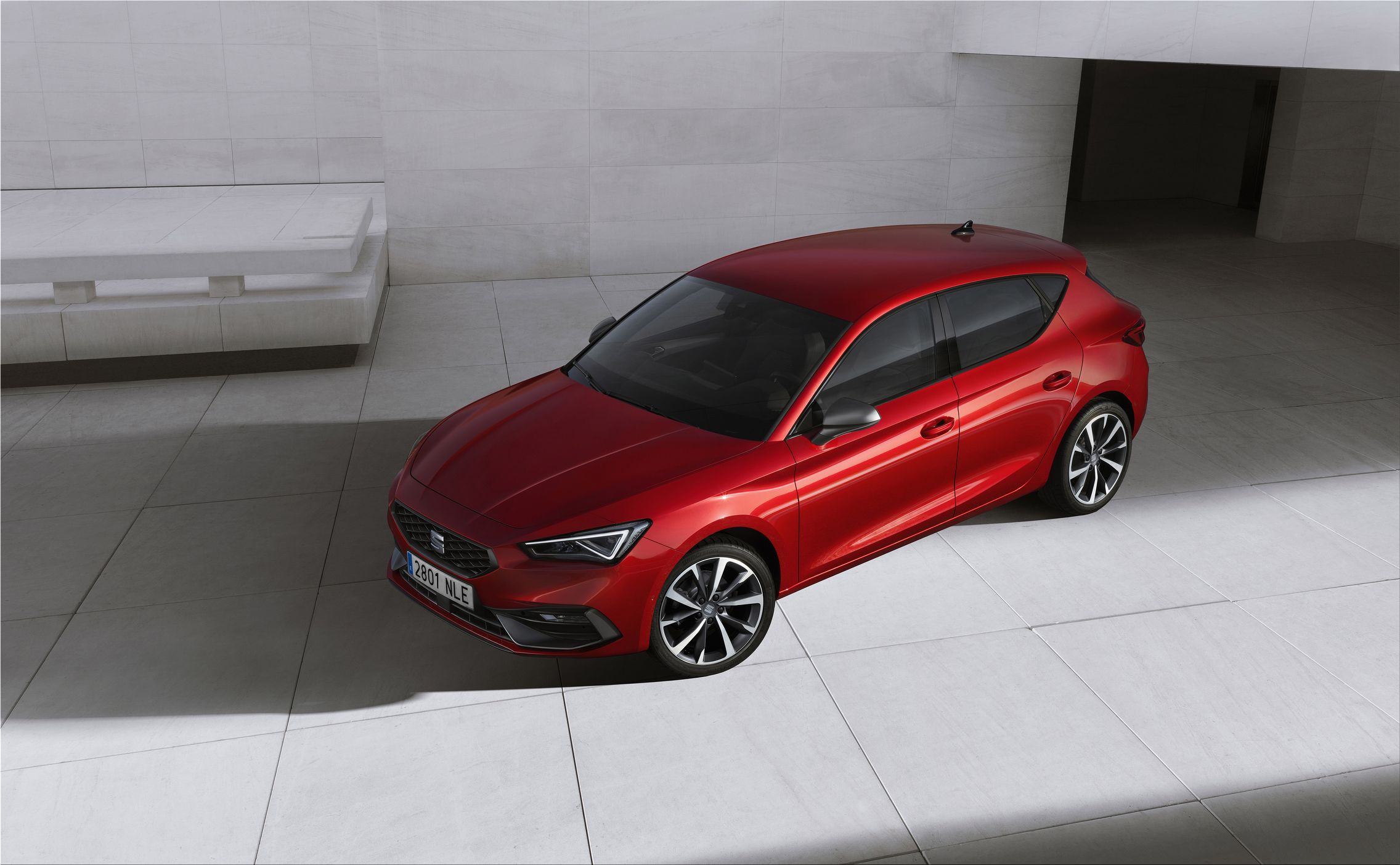
At the market launch in April, the Leon should be available as a five-door model with a classic compact car body and as a station wagon. In both versions, the wheelbase has grown by five centimetres to 2.69 meters, which should give passengers in the back seat a little more space. In total, the five-door hatchback increased by 8.6 centimetres (to 4.37 meters) and the station wagon called the Sport Tourer even by 9.3 centimetres (to 4.64 meters). While the height has remained almost the same, the new generation of the Leon is even 17 millimetres narrower than its predecessor.
The trunk of the five-door still holds 380 litres, that of the station wagon increases by 30 litres to 617 litres.
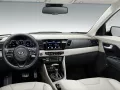
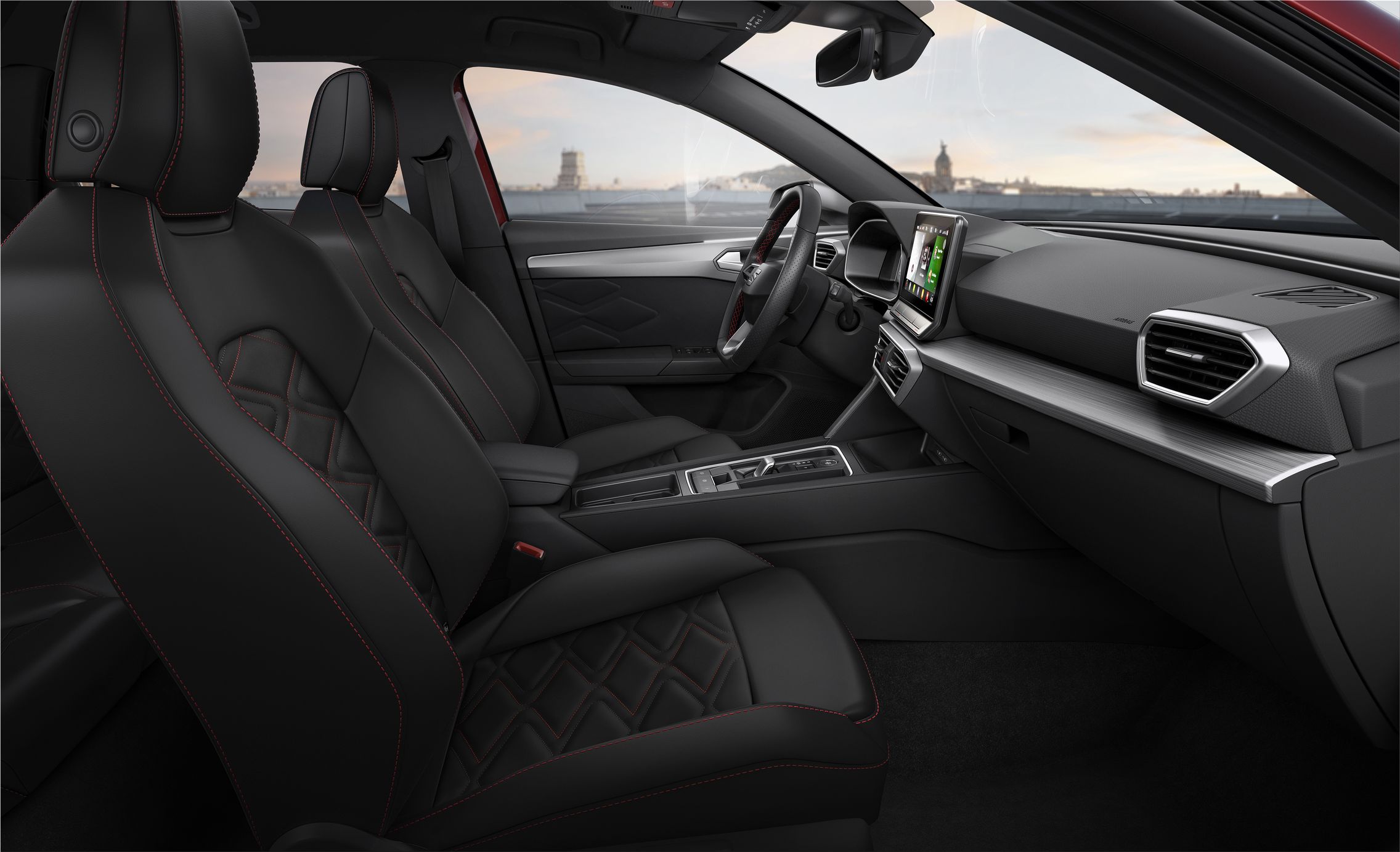
There are hardly any surprises in the interior. A 10.25-inch fully digital instrument cluster in conjunction with a 10-inch touchscreen is optionally available. As in Golf 8, there is new voice control. There should also be other connectivity features.
Seat does not yet give precise consumption data or information on charging performance. Before the market launch, Leon will be presented at the Geneva Motor Show in early March.
The two mild hybrids with 95 and 110 kW are always equipped with a seven-speed DSG. The drive, called eTSI, should not be confused with a full hybrid, the vehicles cannot drive purely electrically at any time. The 48-volt belt starter generator only supports the combustion engine in order to increase performance or reduce consumption.
Skoda has announced the launch of a full-electric version of its Citigo. The Citigo EV will have a maximum range of 300 km (186 miles) and will be called Citigo E. First rumors about an Skoda electric city car were from a… Continue reading
Voltabox continues to grow. According to preliminary figures, the German battery system manufacturer generated sales of 66.9 million euros in 2018. For the current financial year, it expects further revenue growth of around 60-70 percent (between 105… Continue reading

Cars and motorcycles that run on gasoline or diesel will be banned in the Amsterdam, Netherlands, starting 2030. Starting next year, diesel cars older than 15 years will be banned on the A10 road around the Dutch capital. Also, buses and vans emitting exhaust… Continue reading
BMW presents the project for the supercar of the future. Electric, connected and sporty, these are the features of Vision M Next. BMW's electric future runs fast. The announcement comes directly from Munich, where at a conference, the… Continue reading