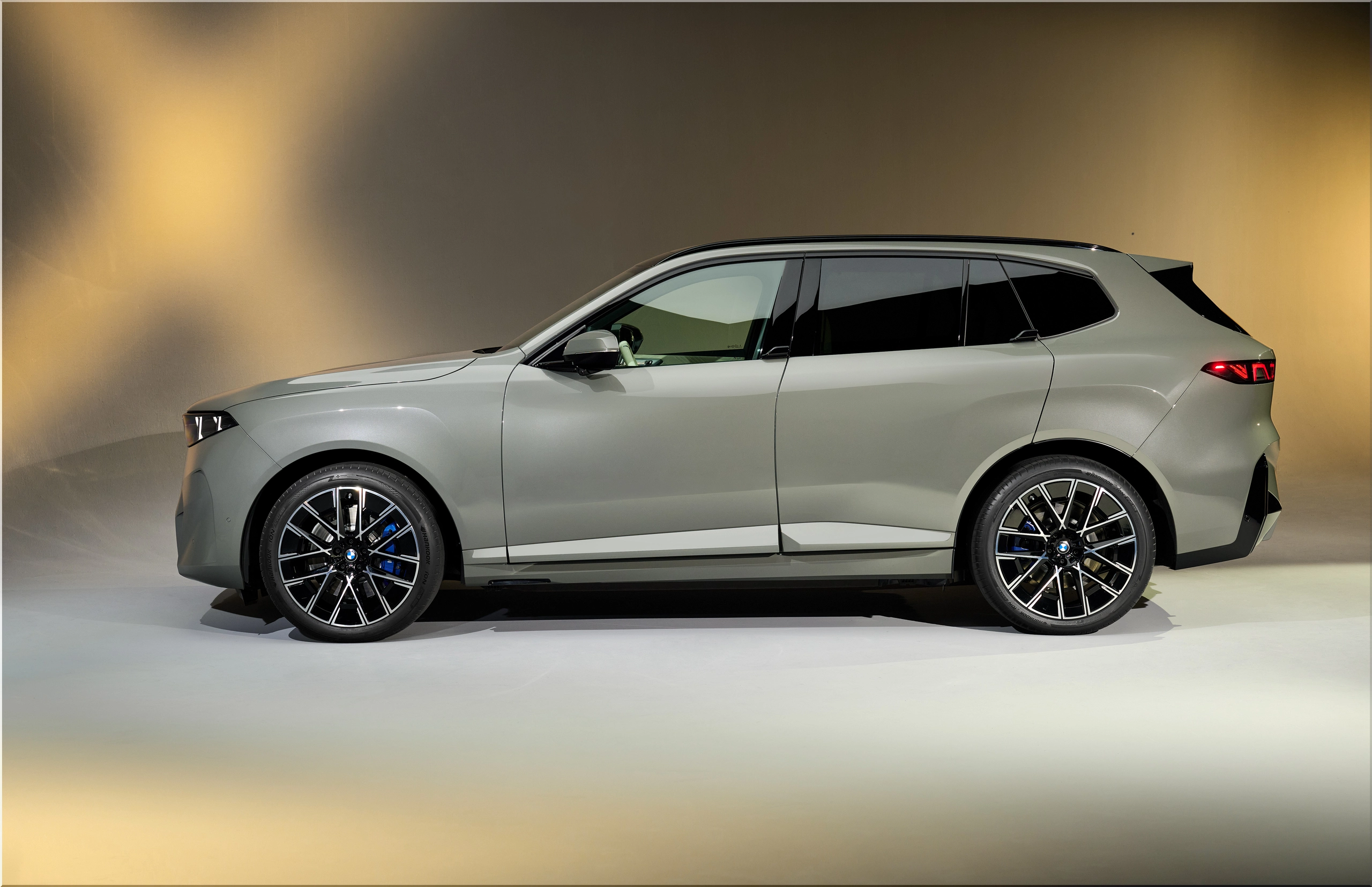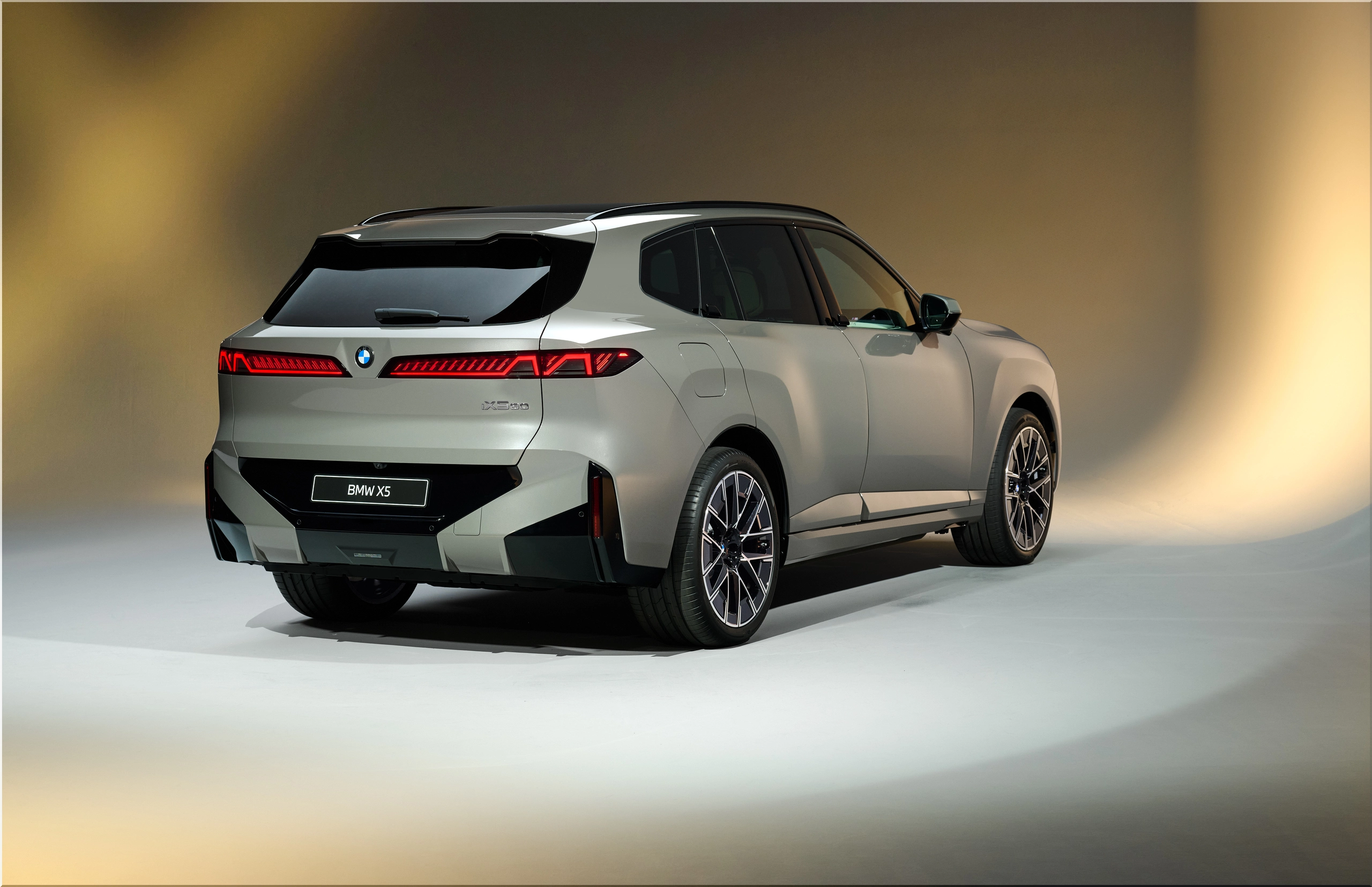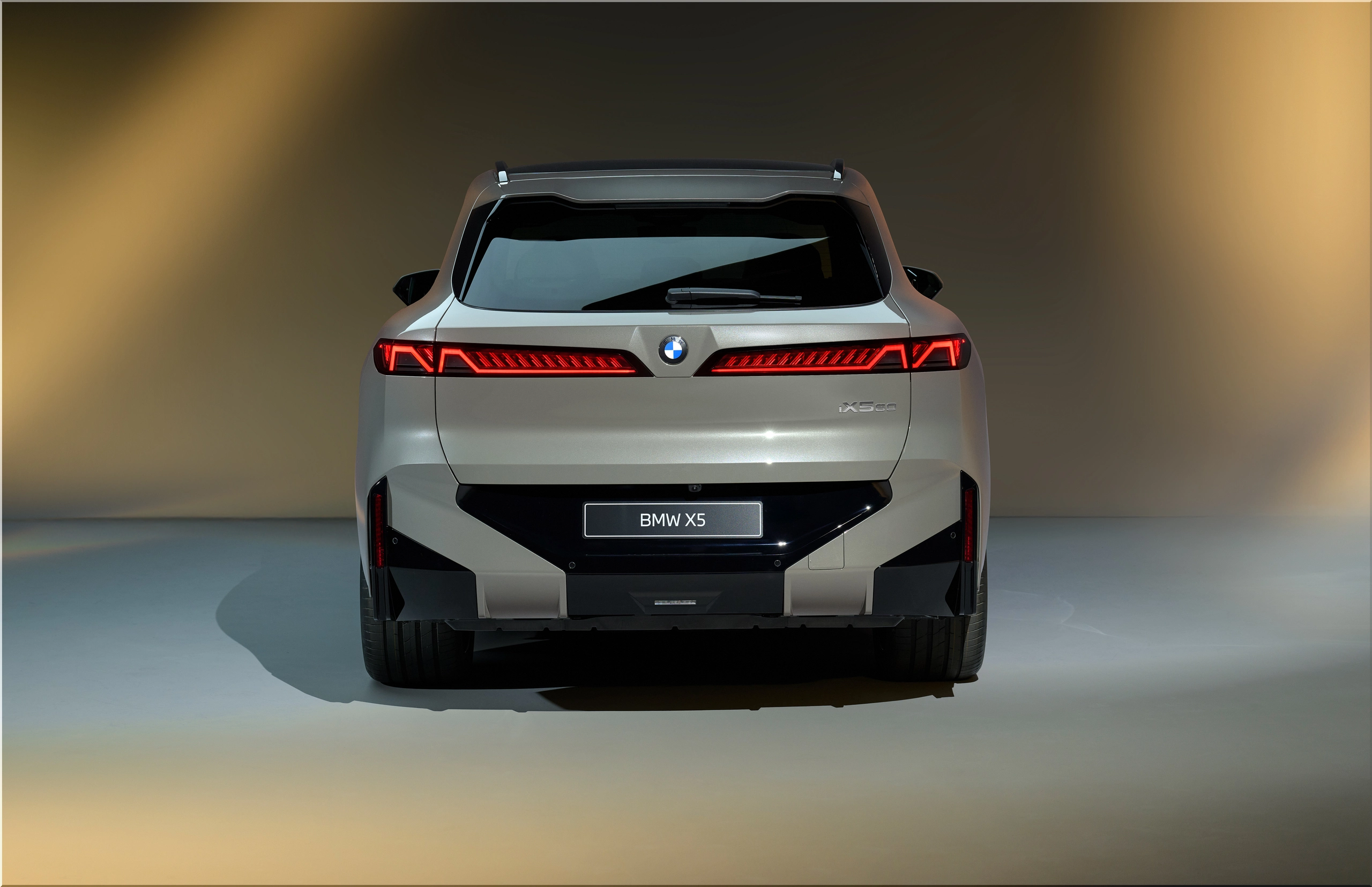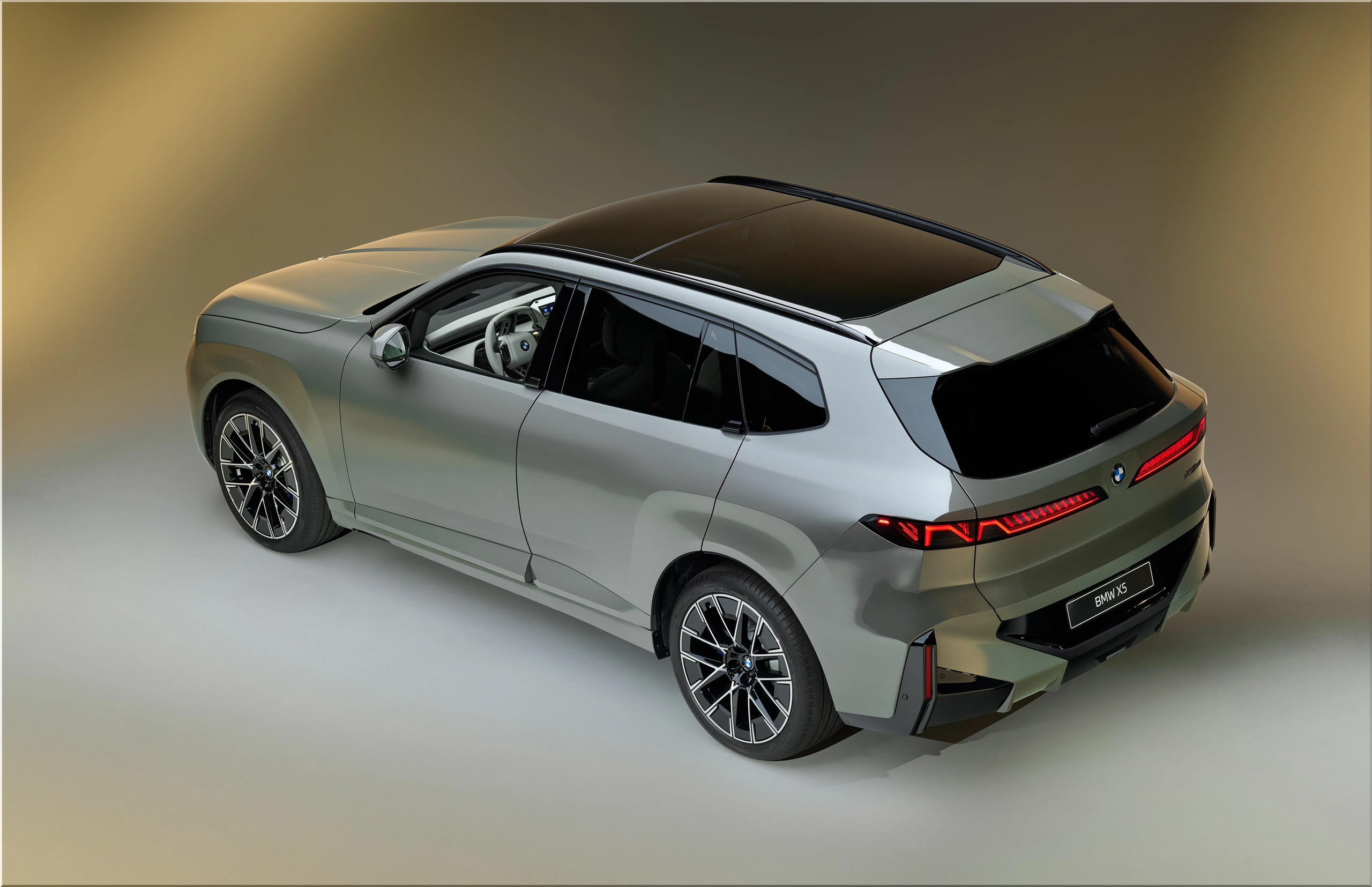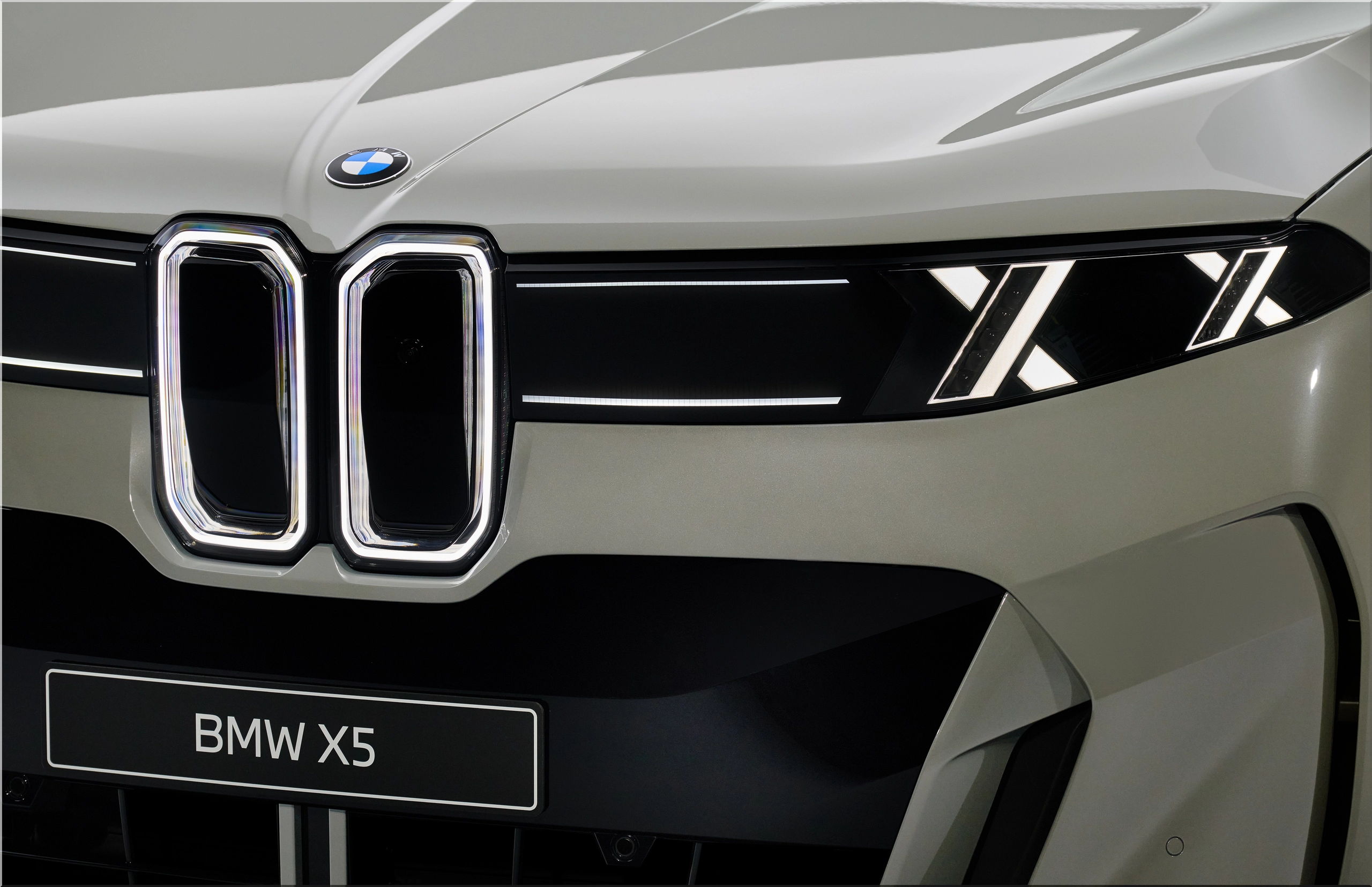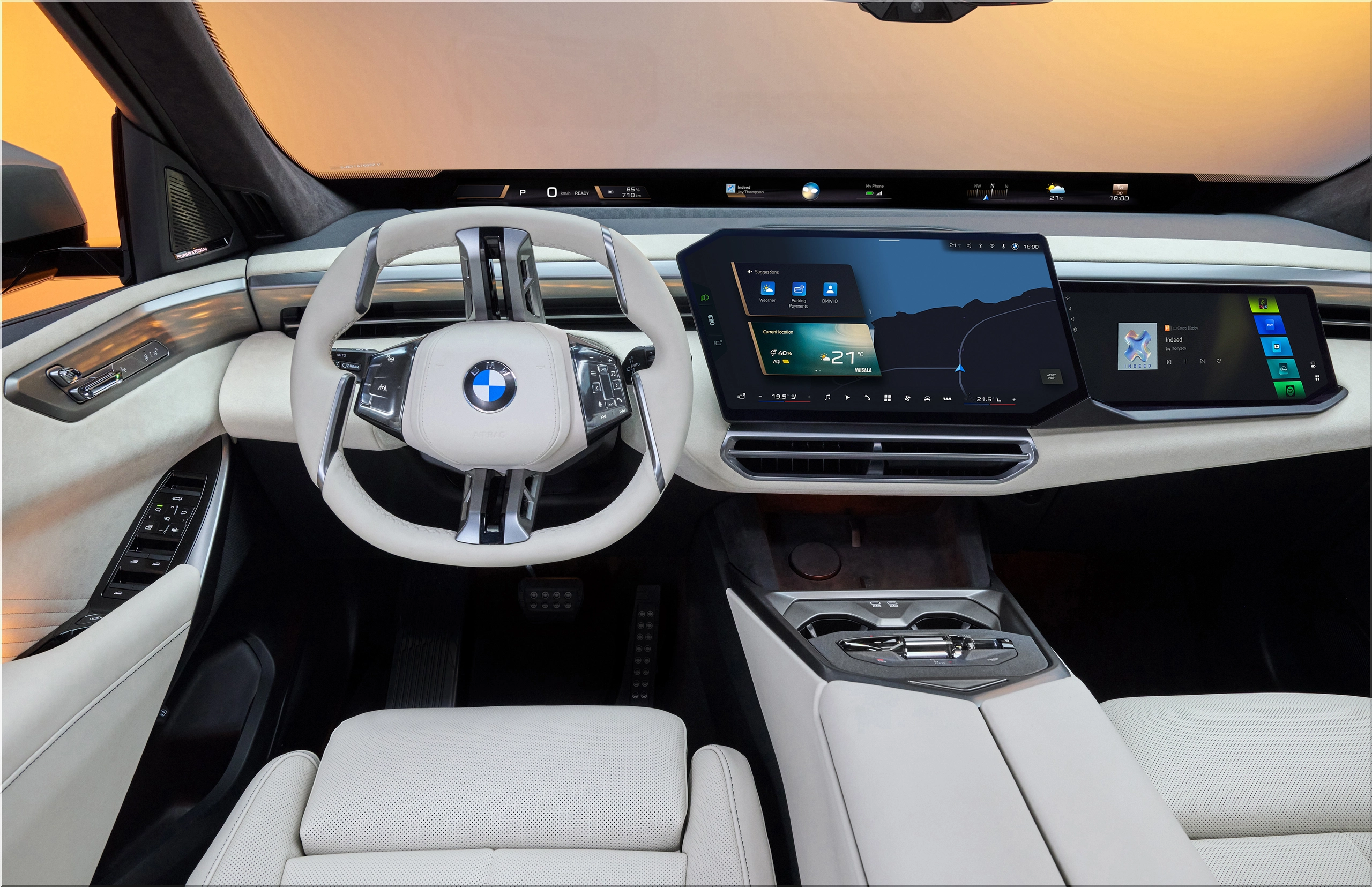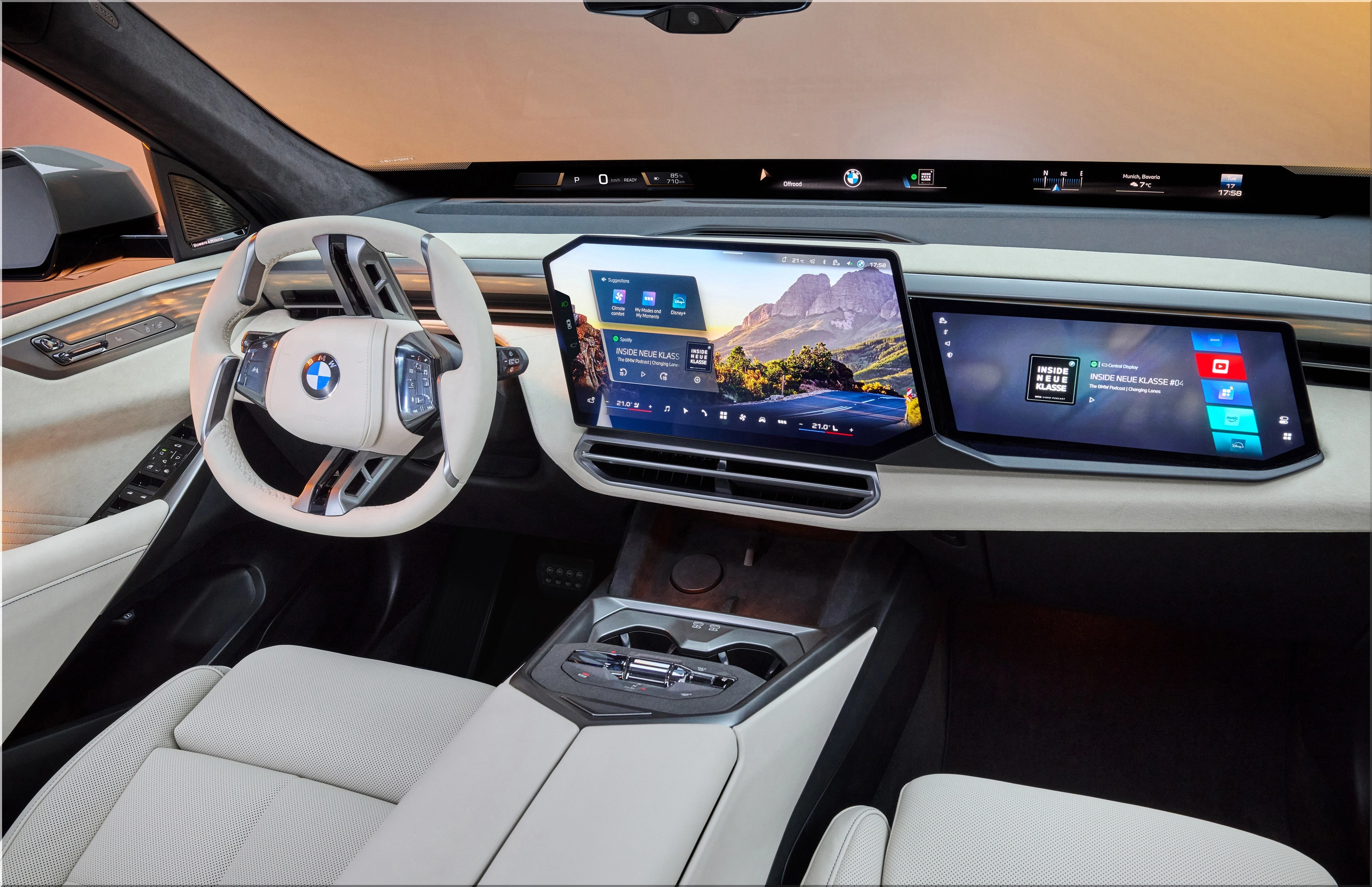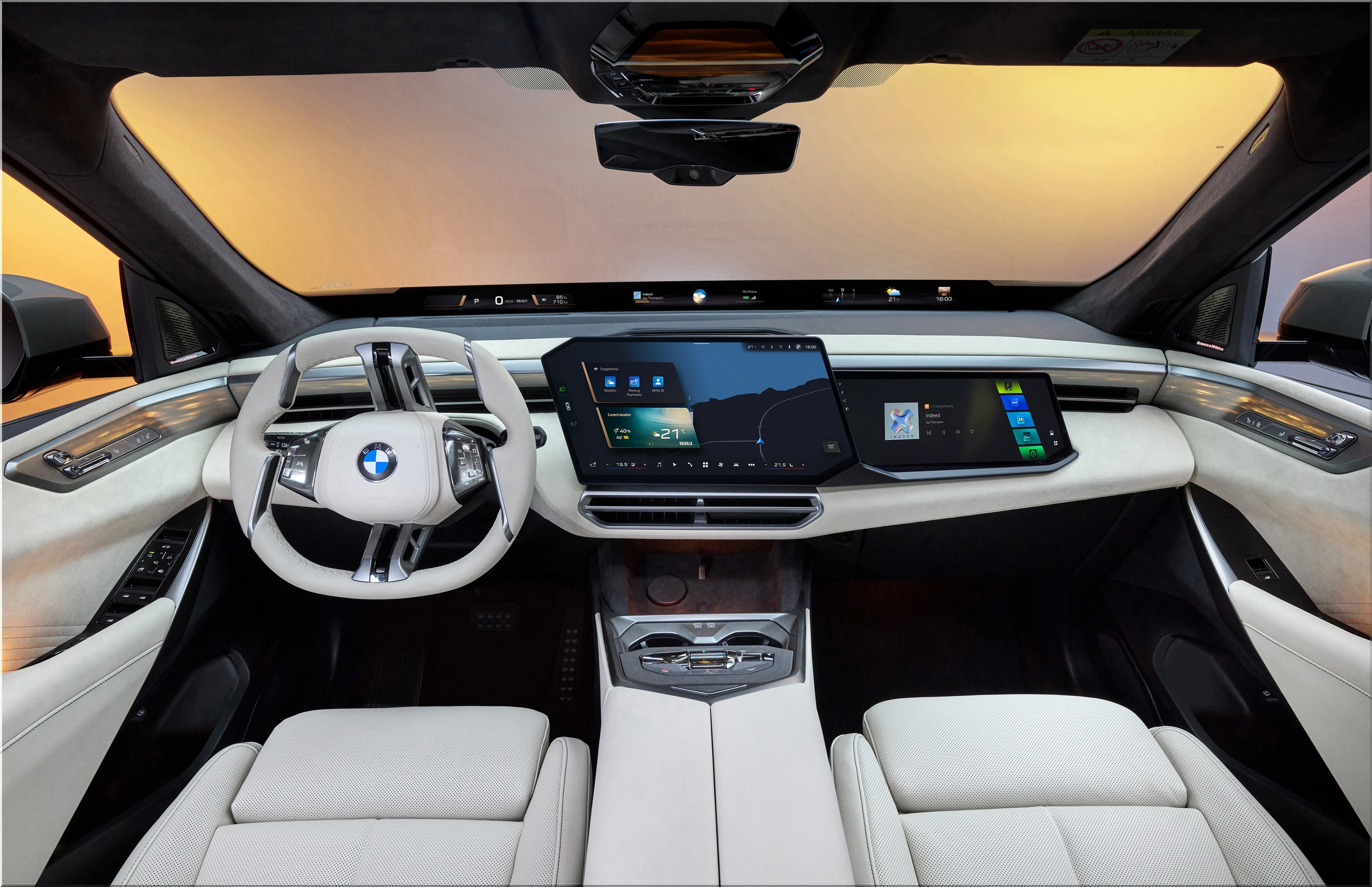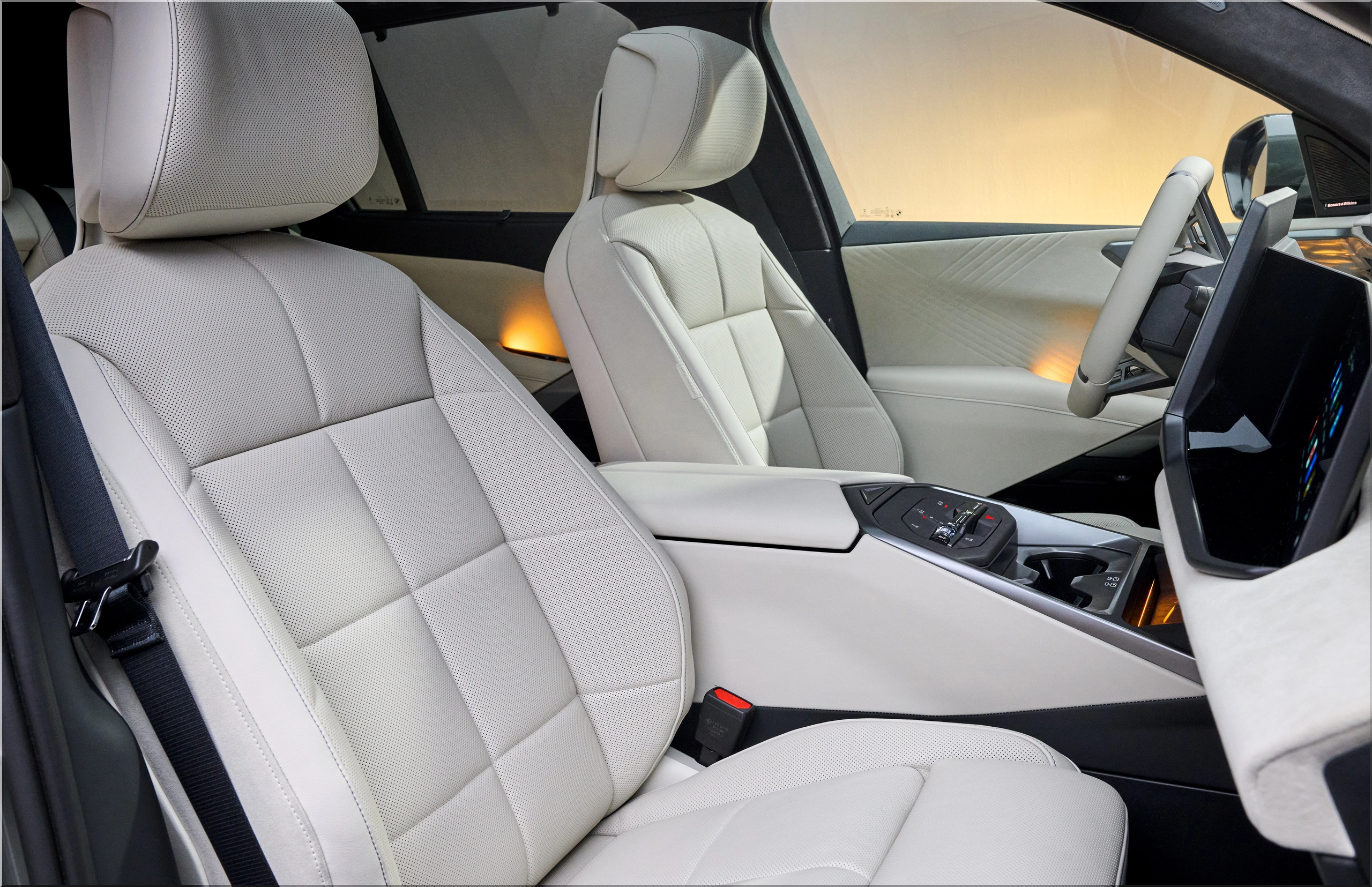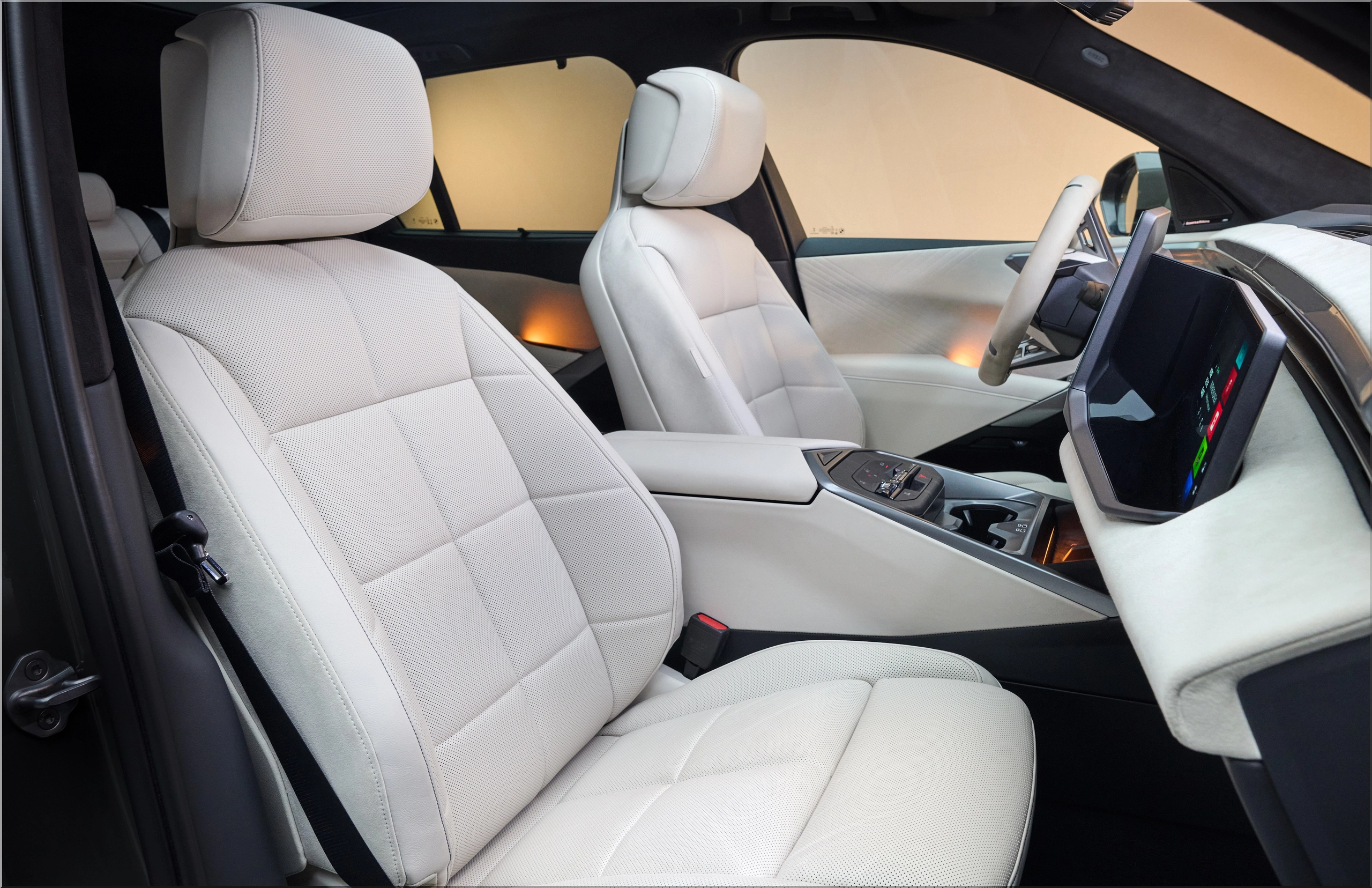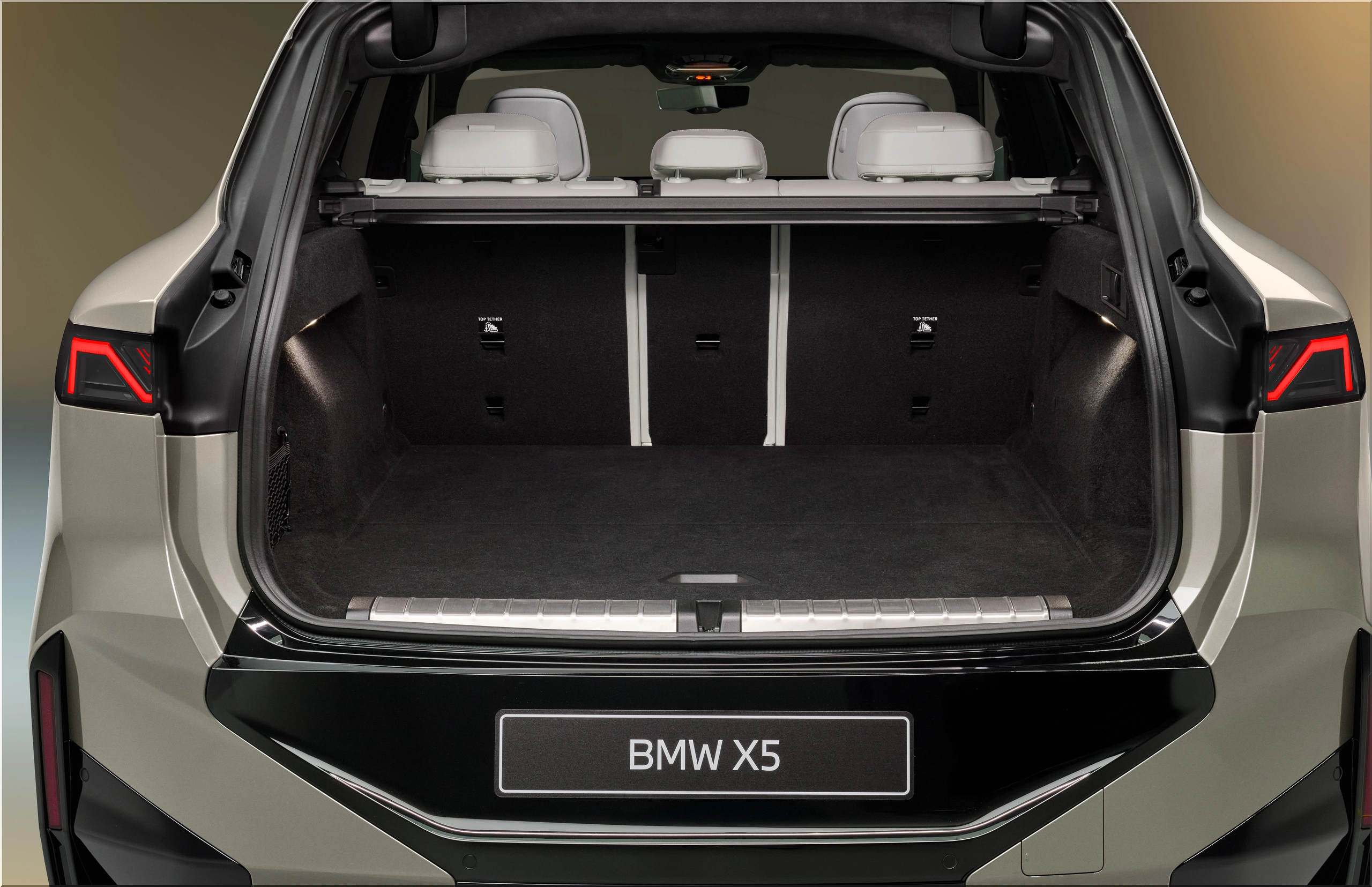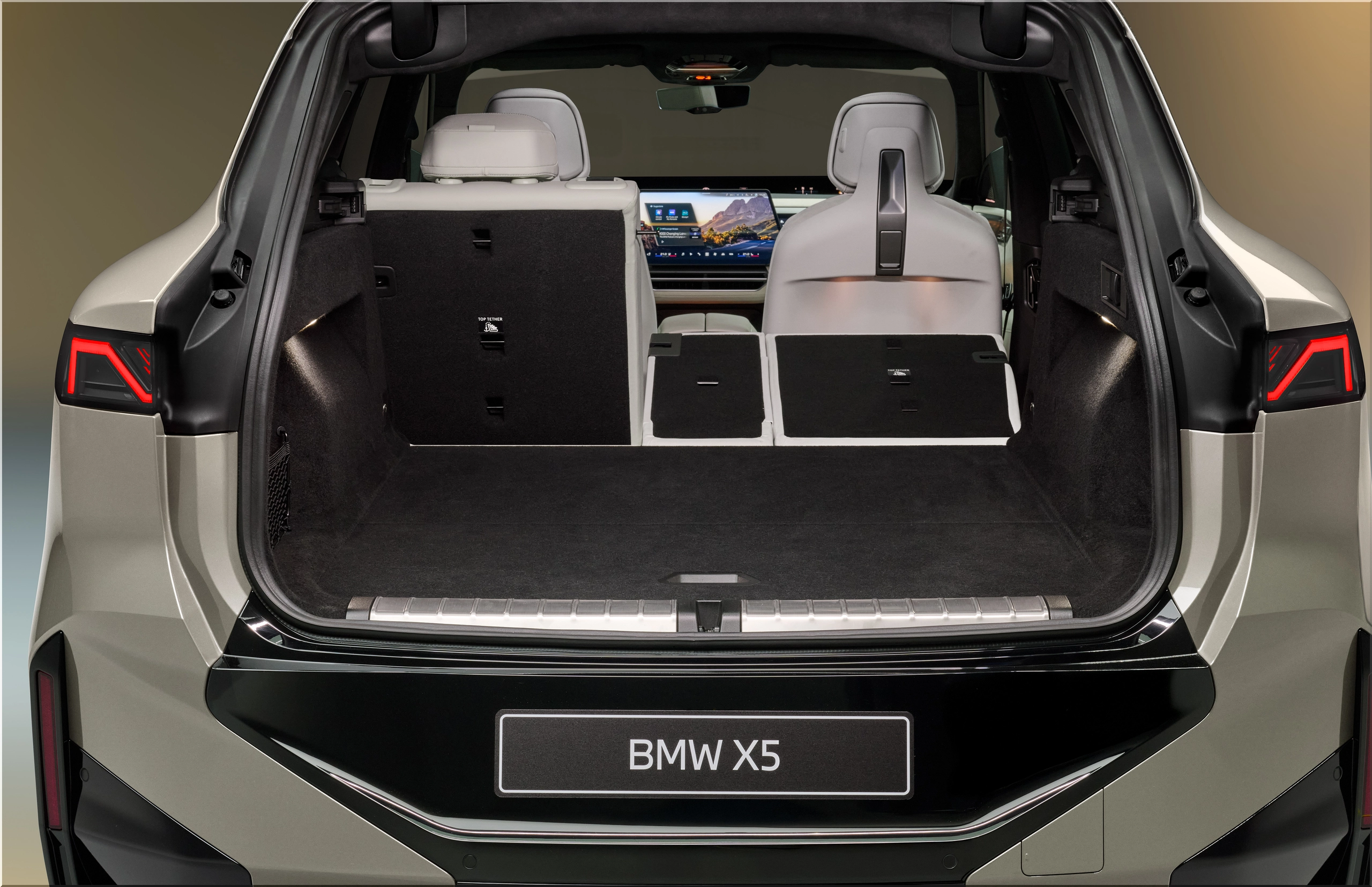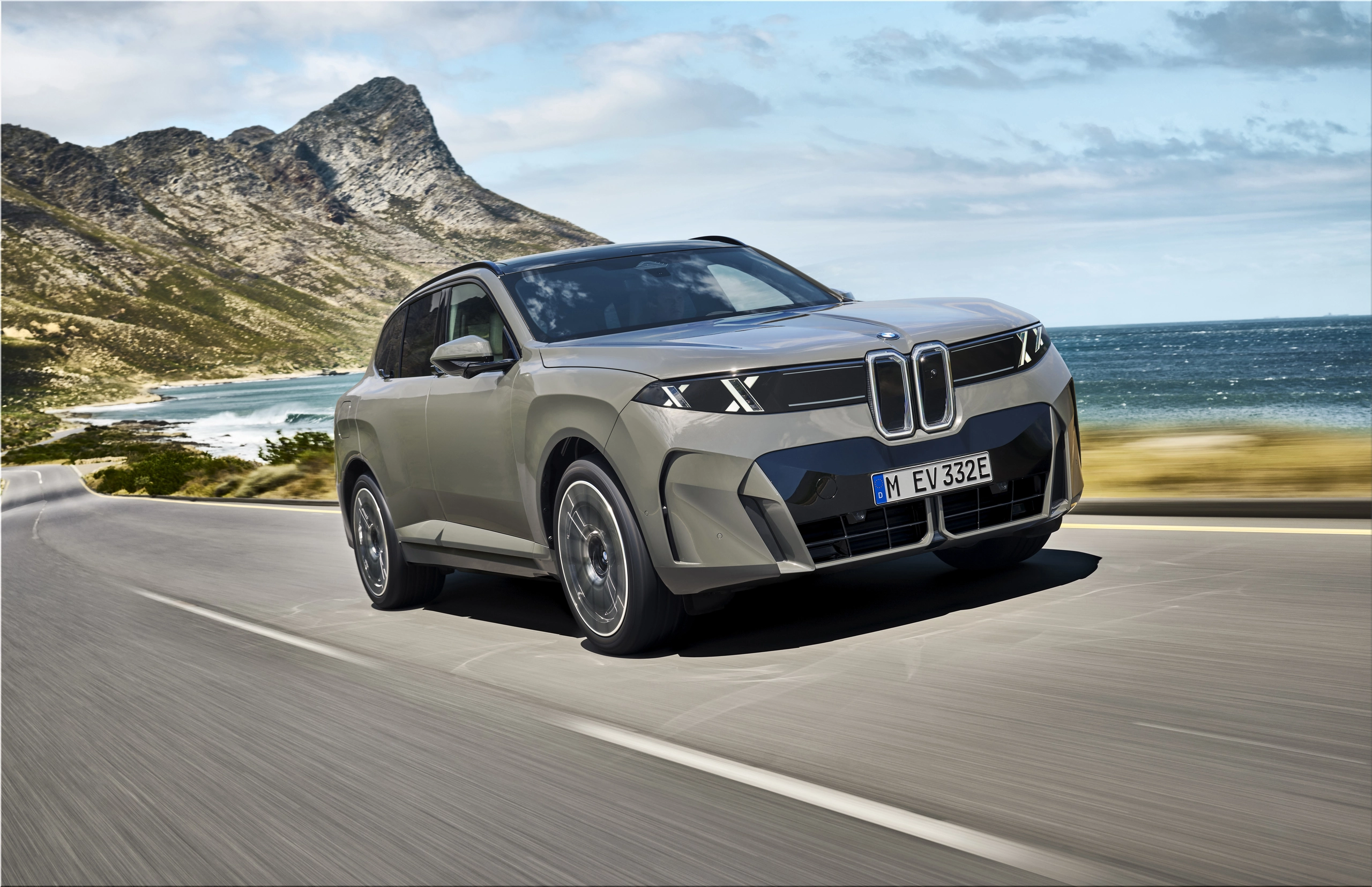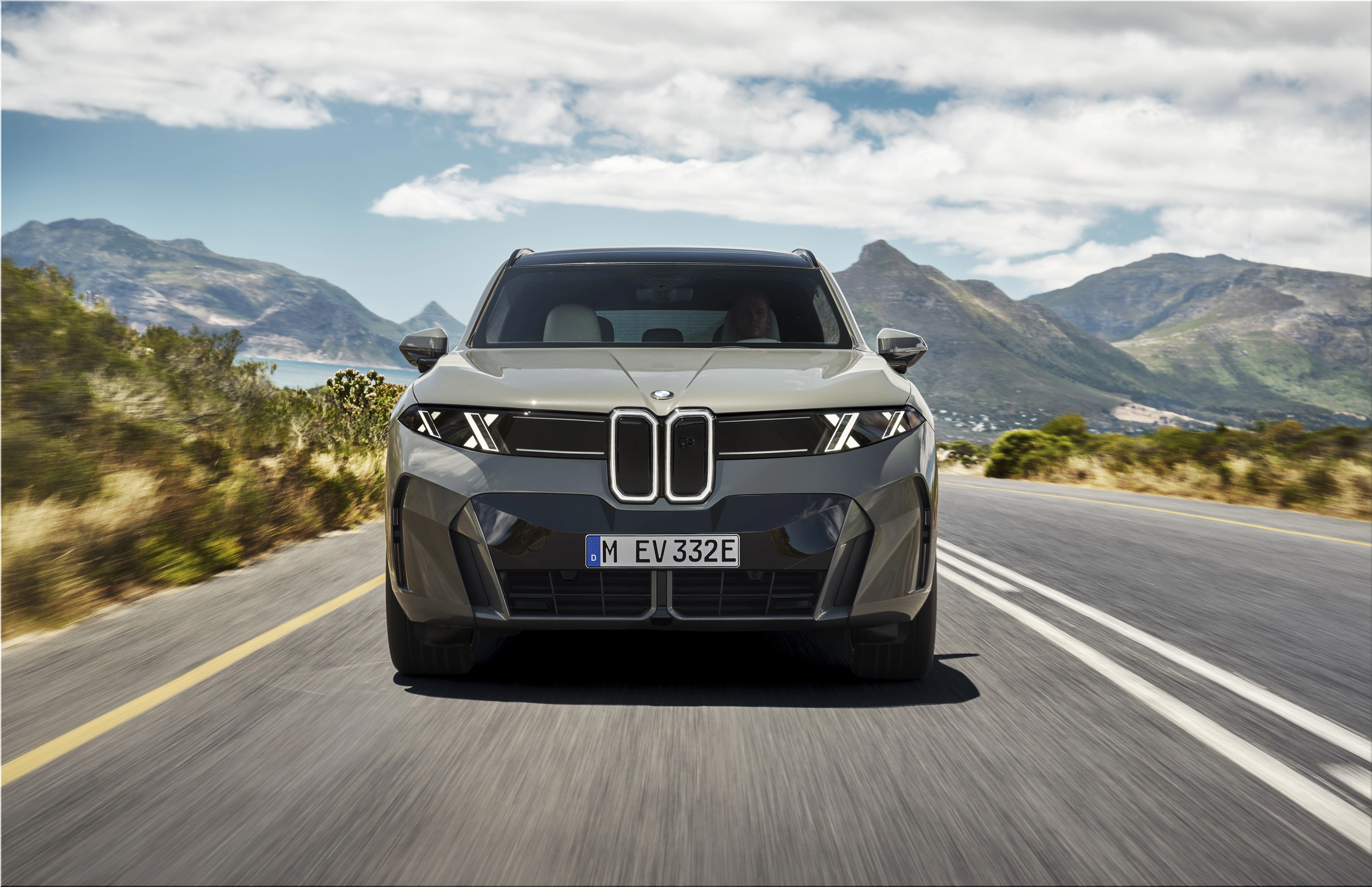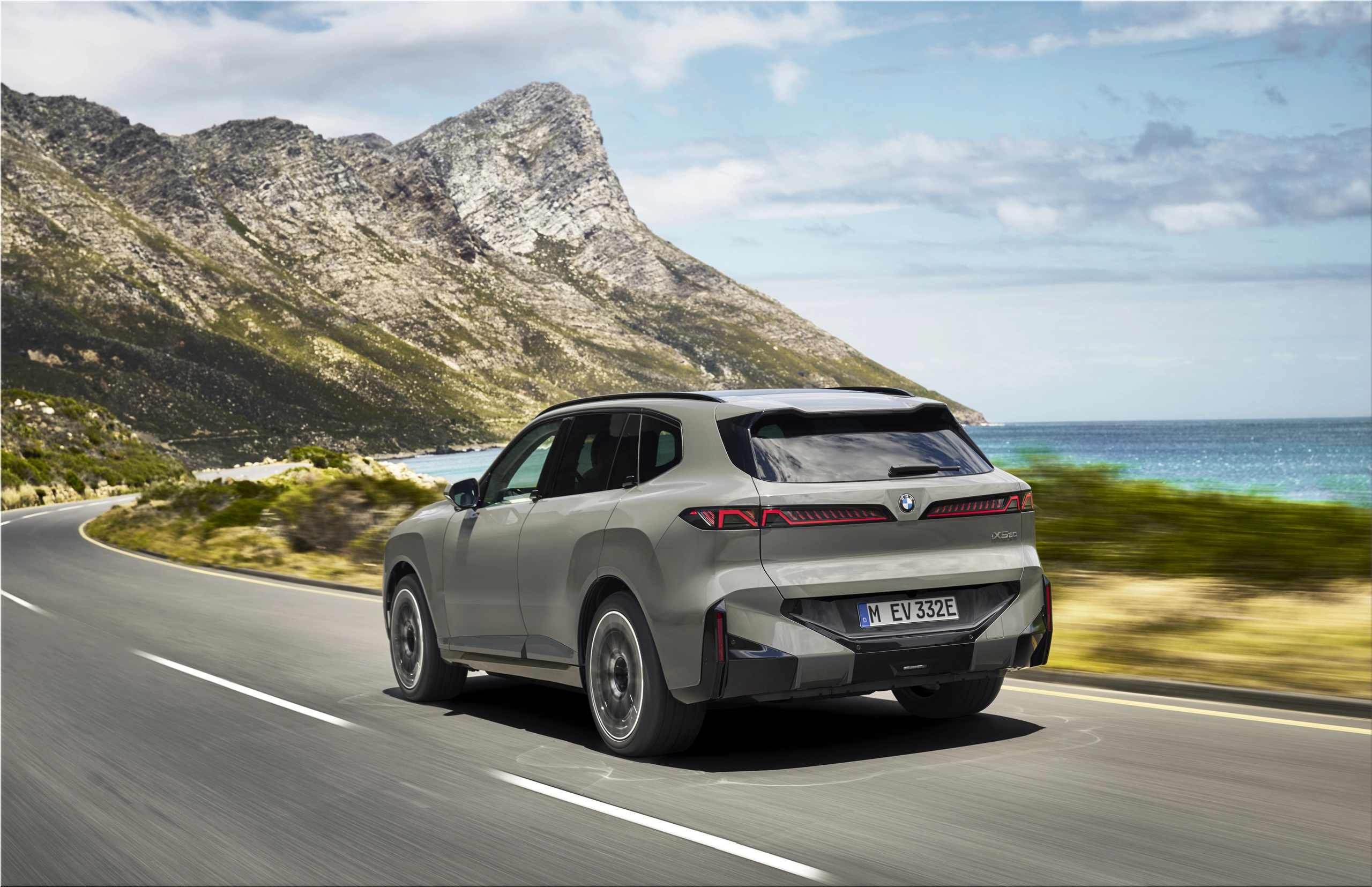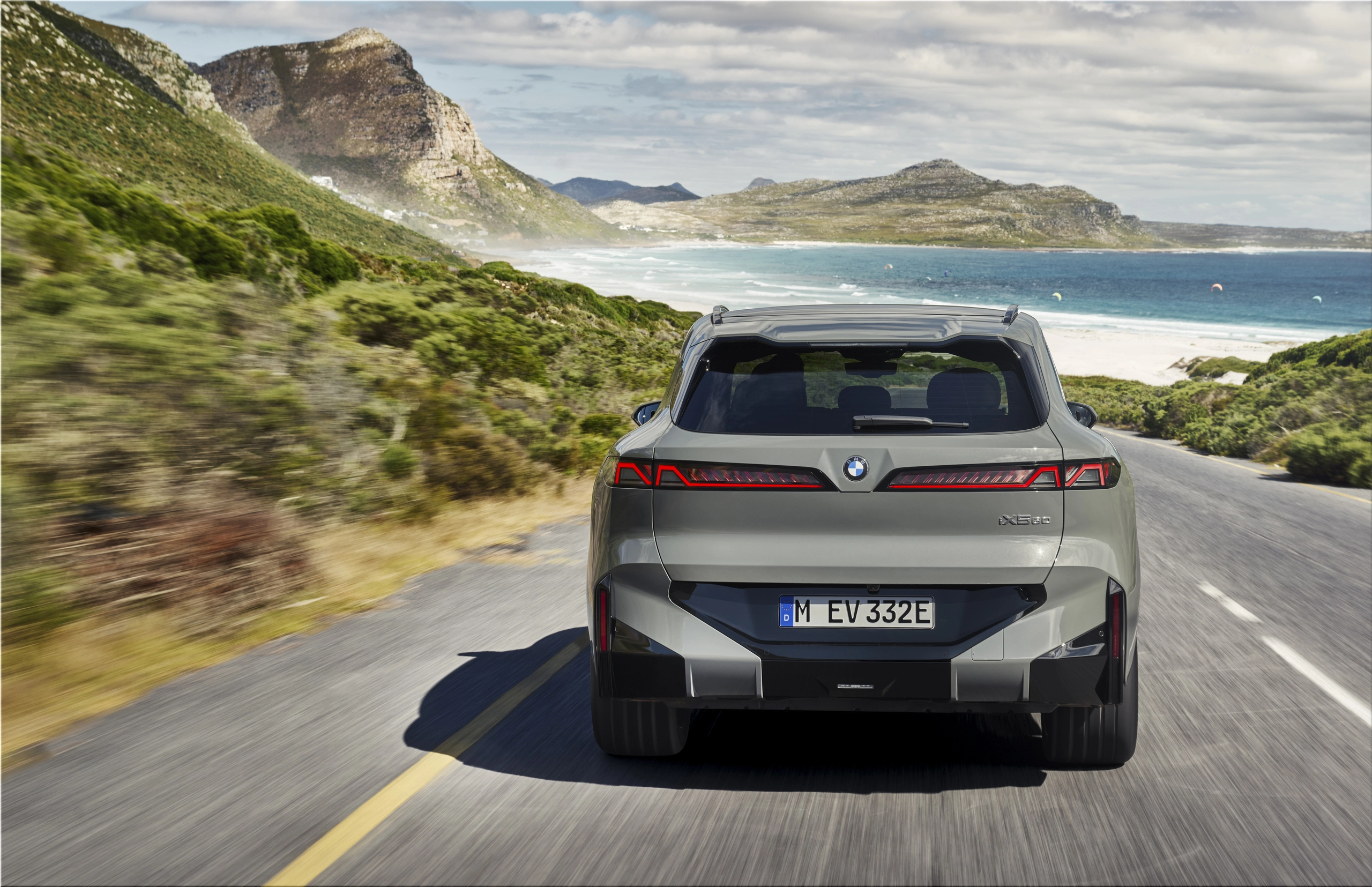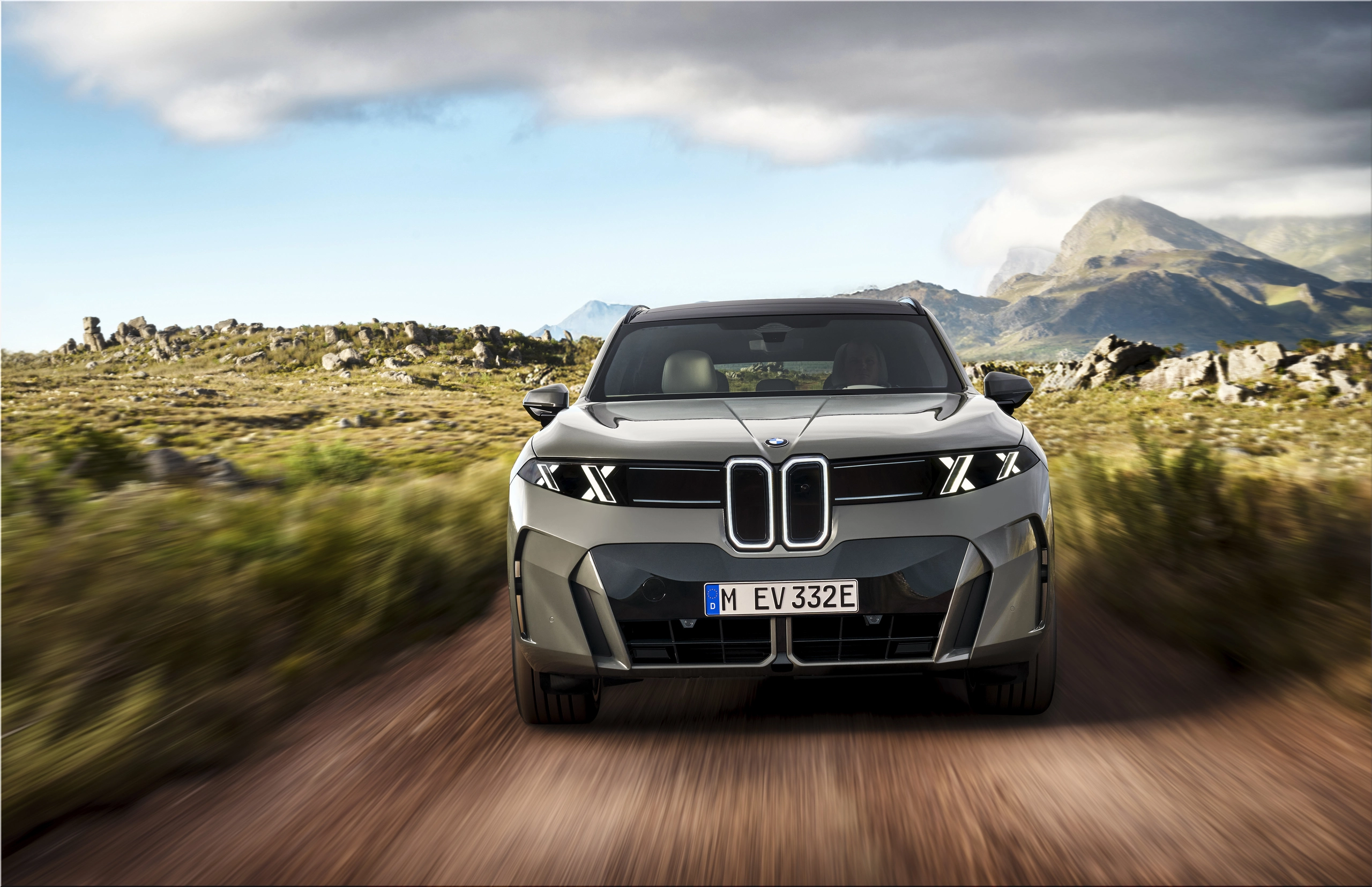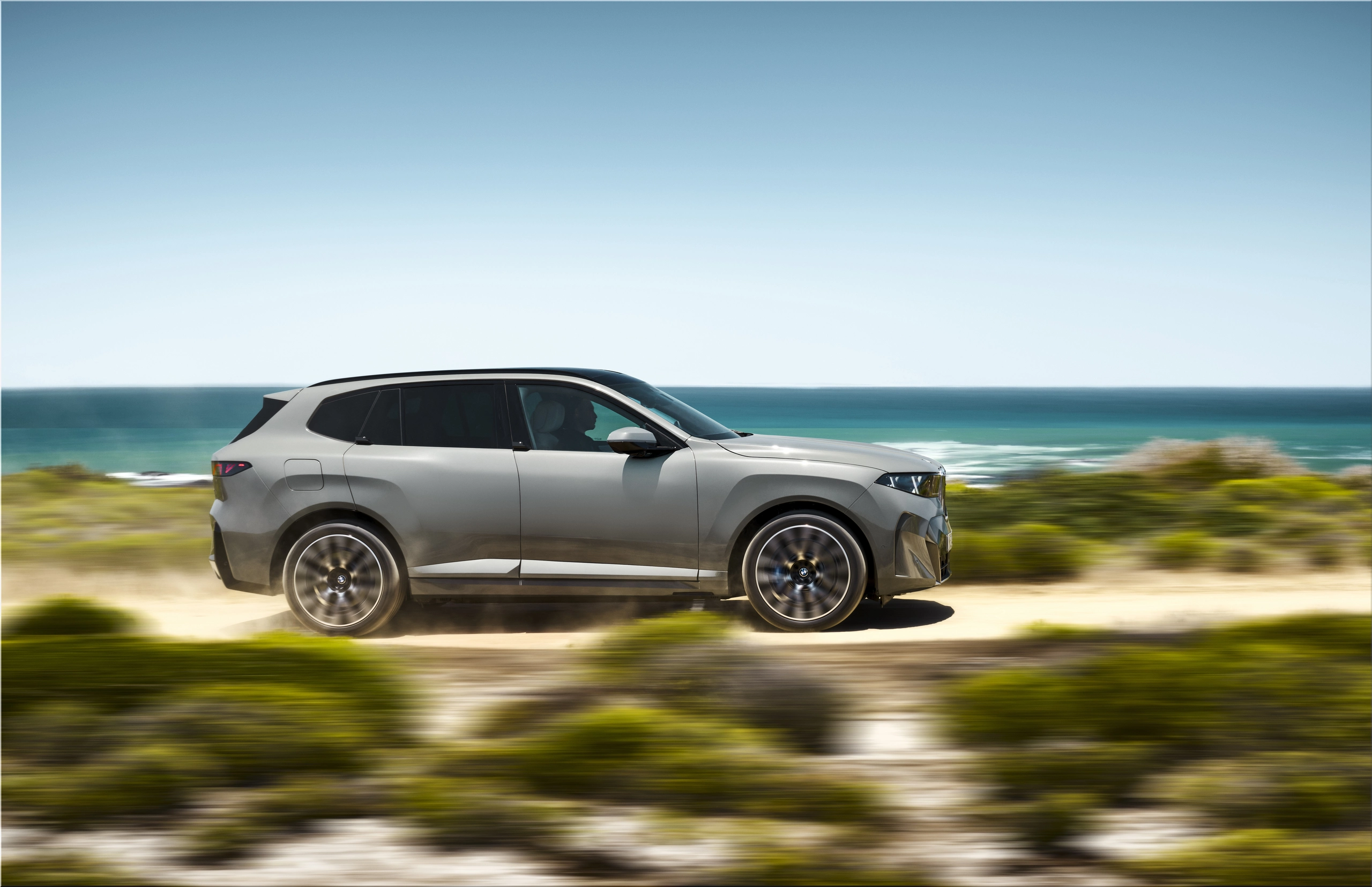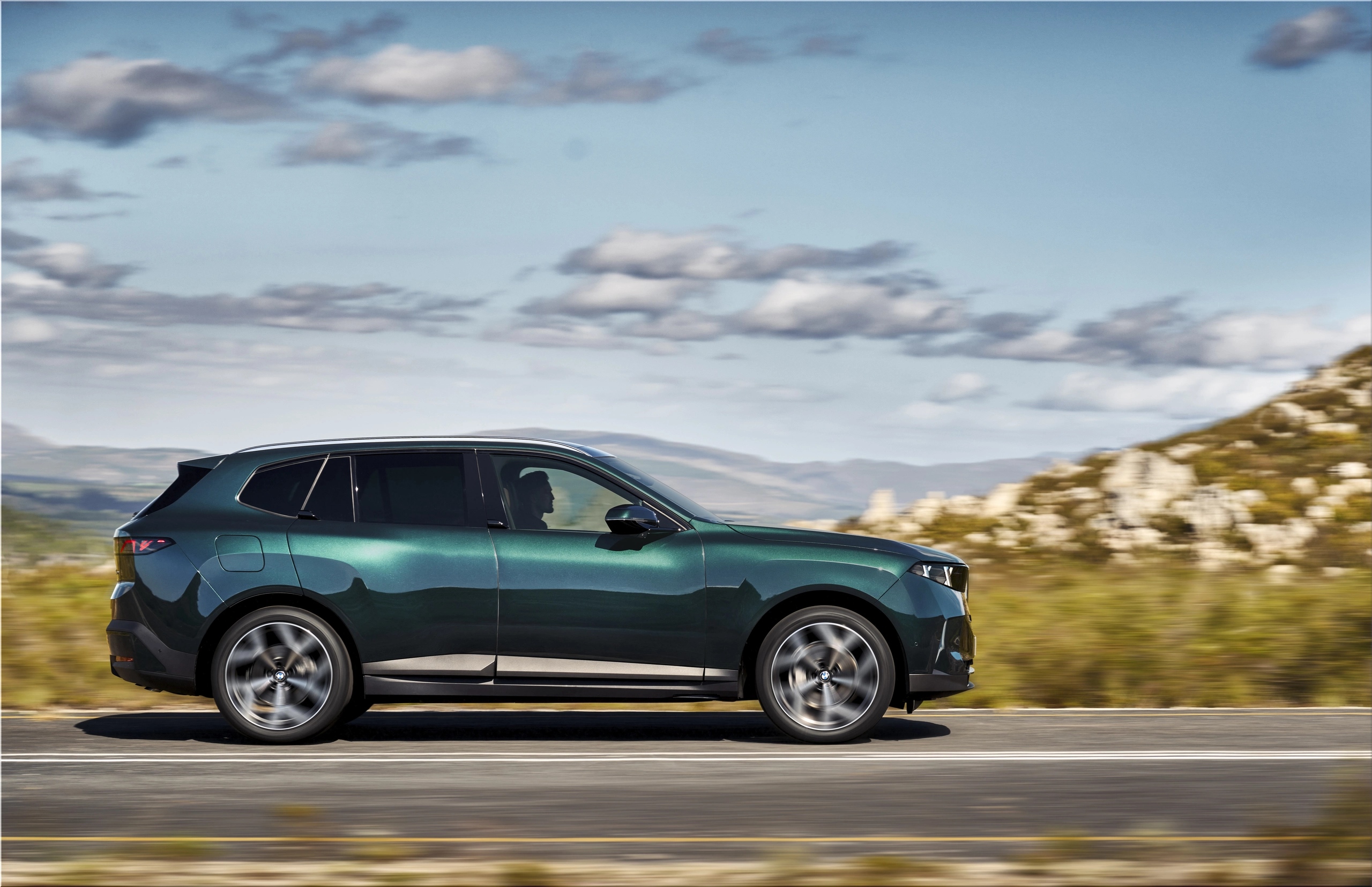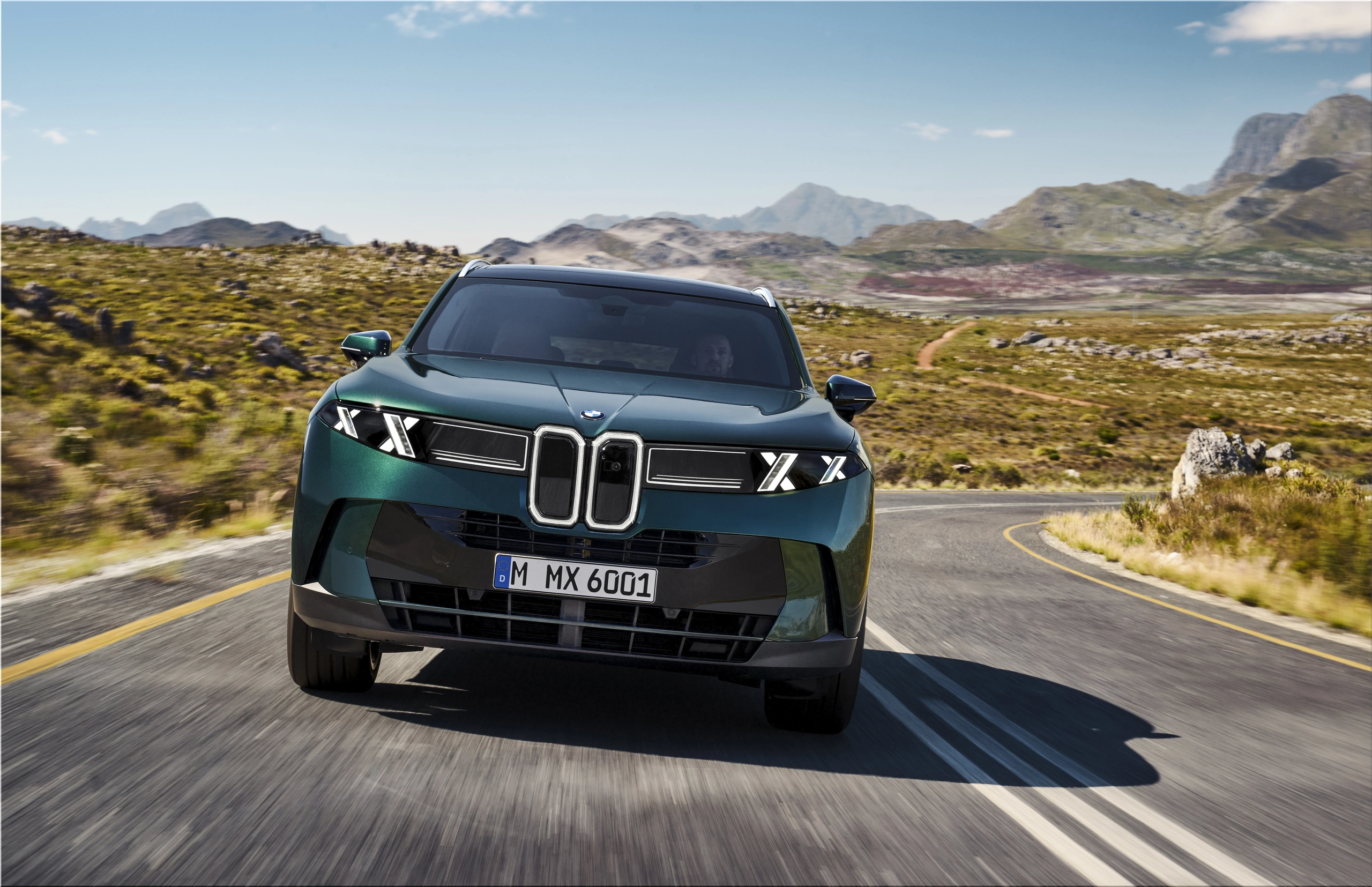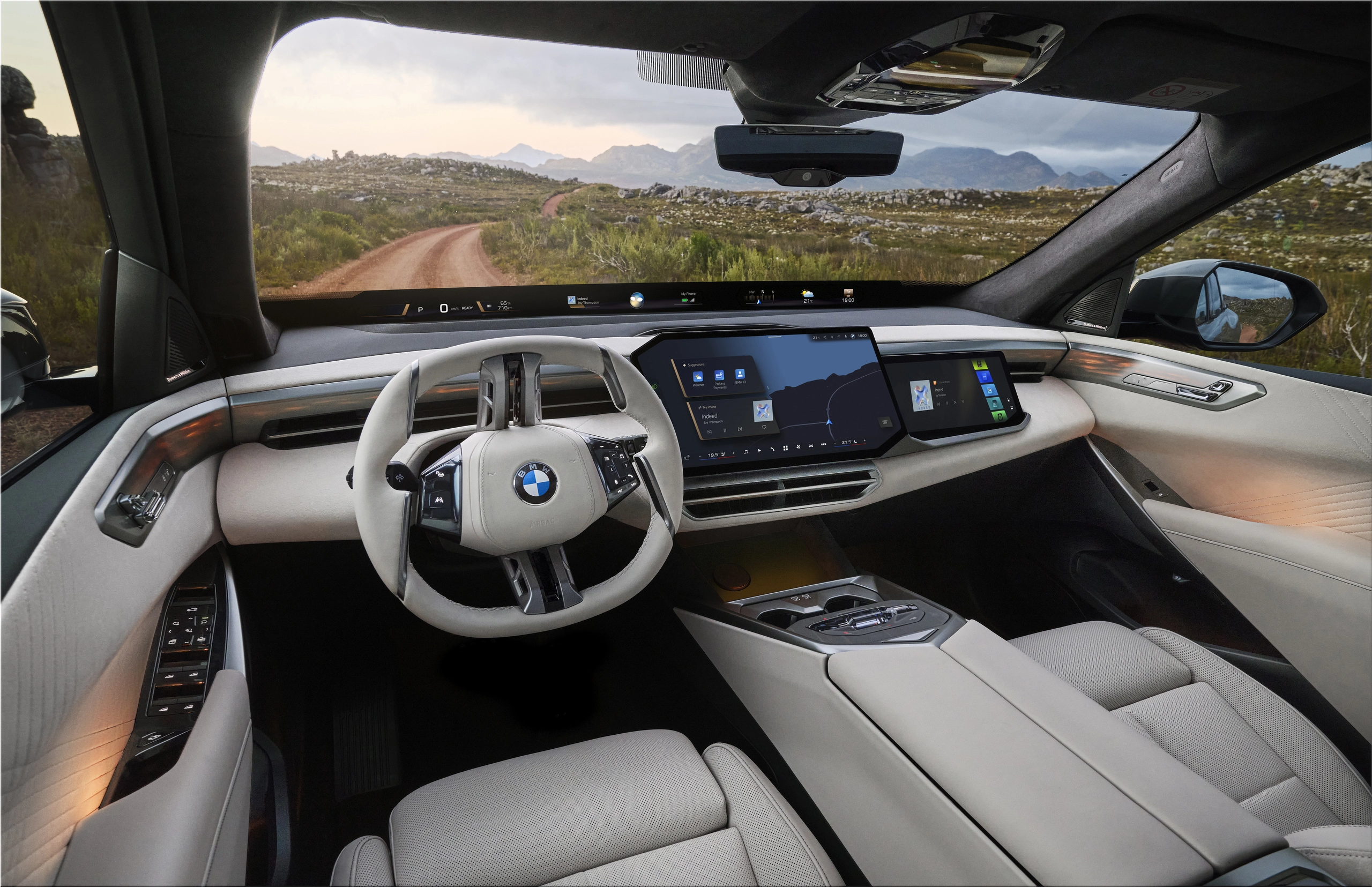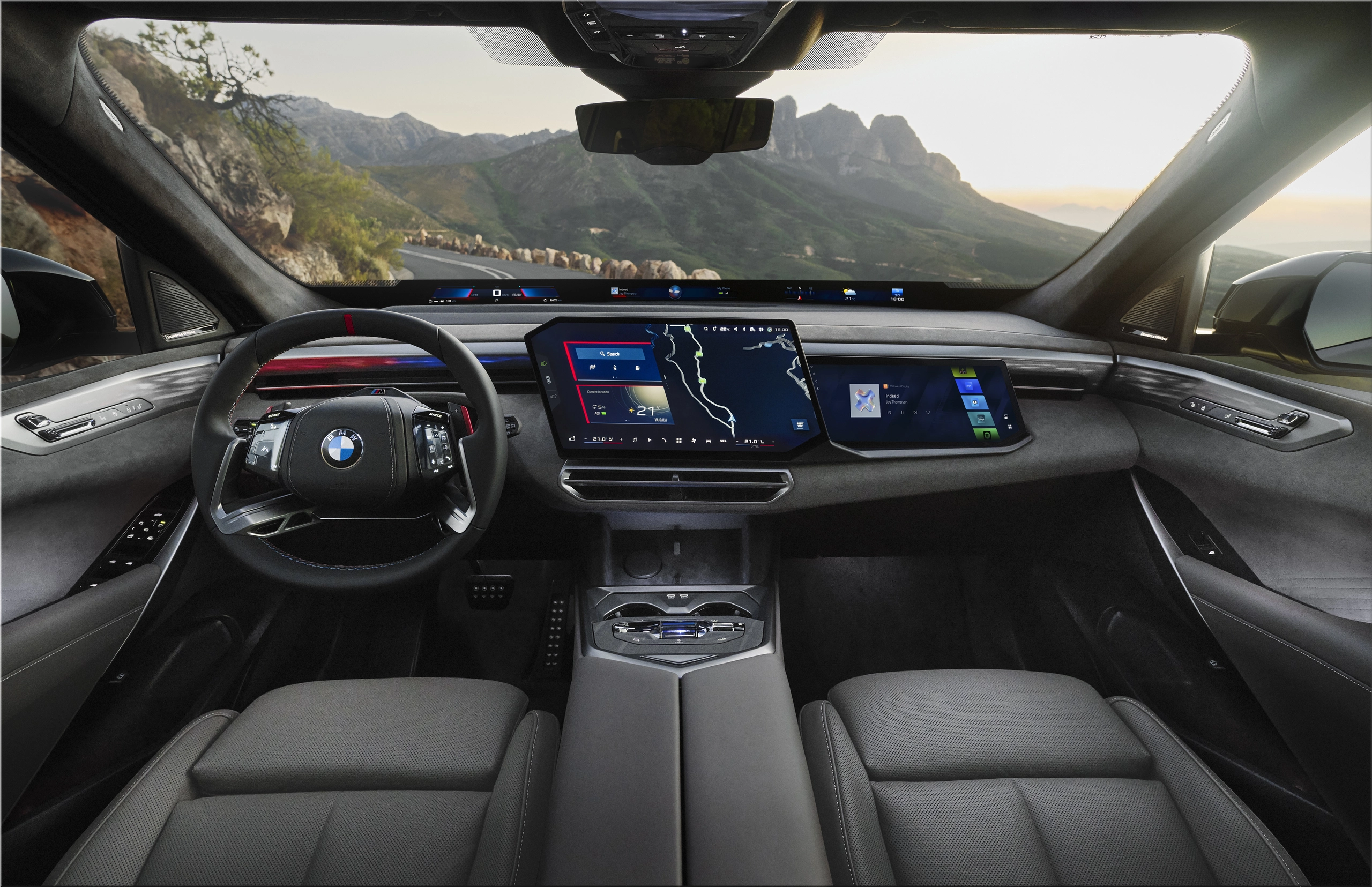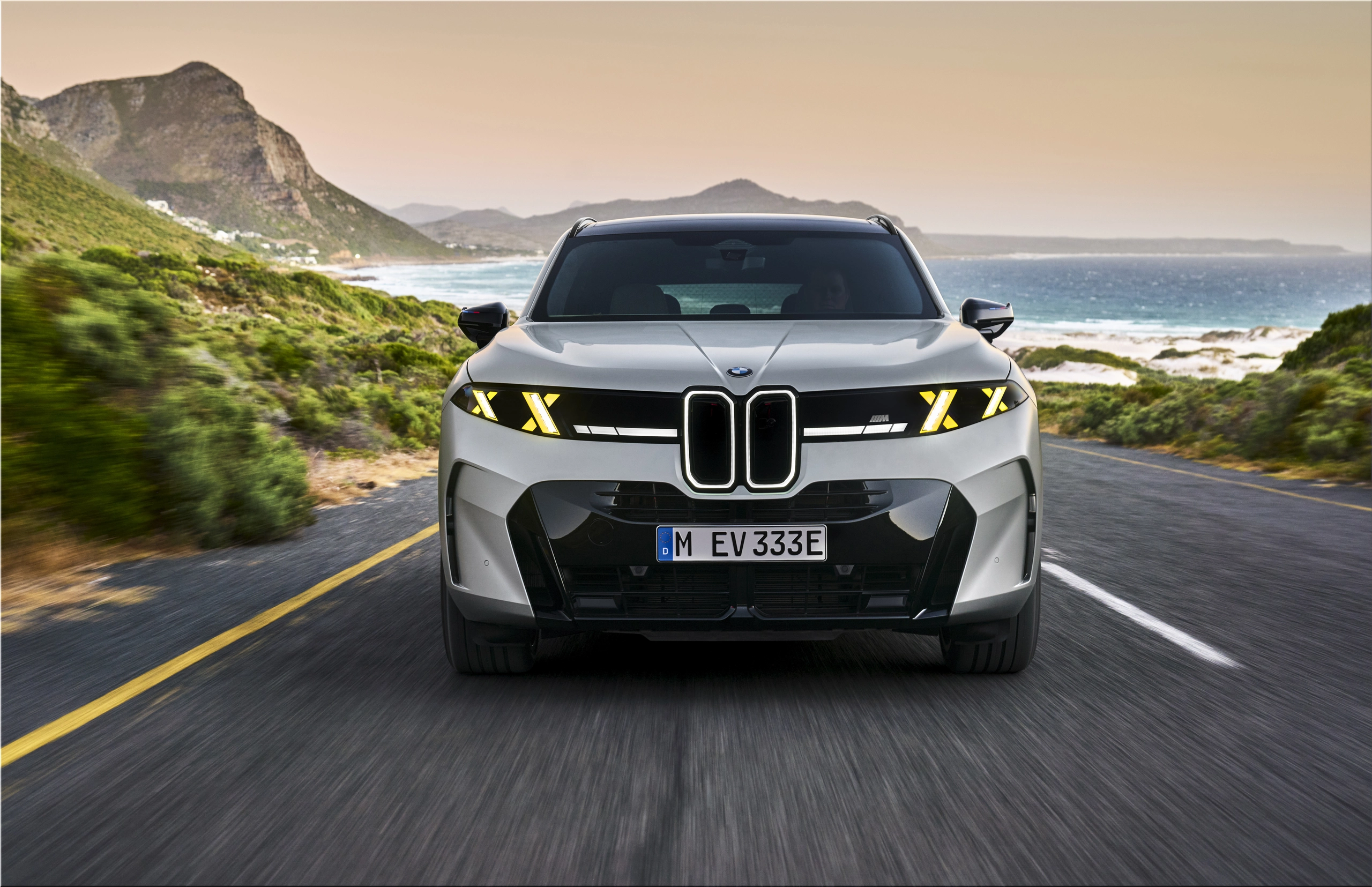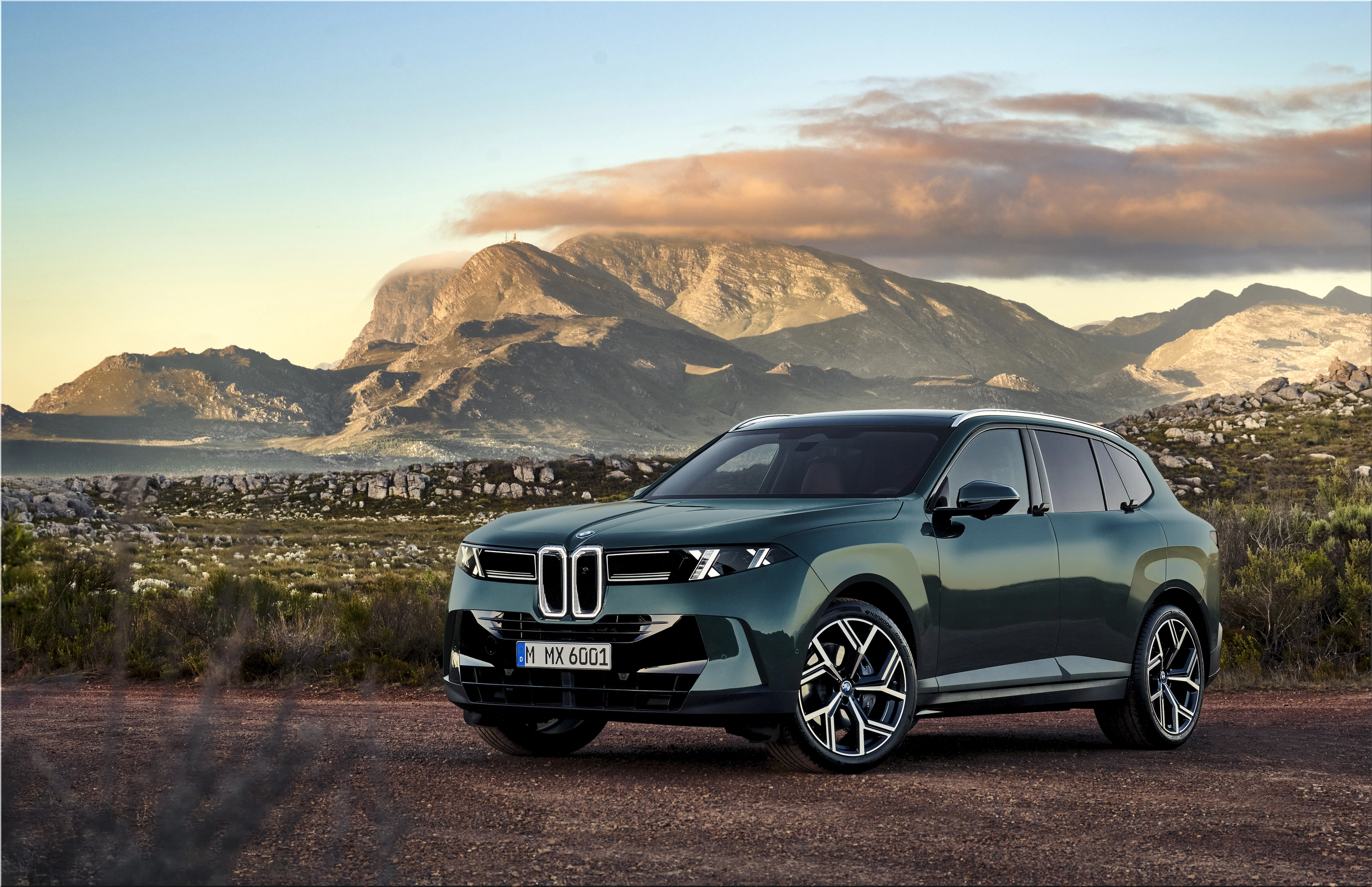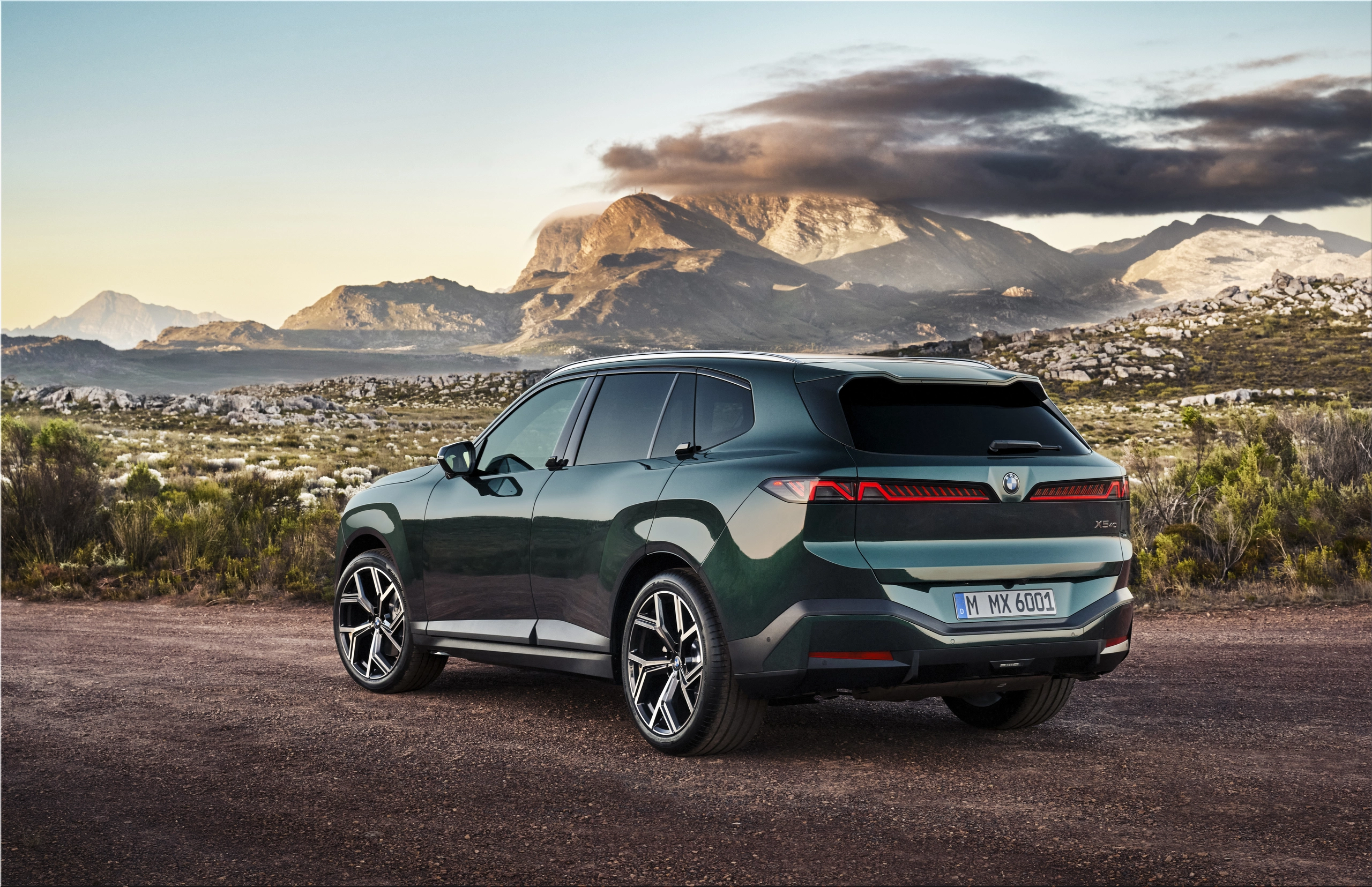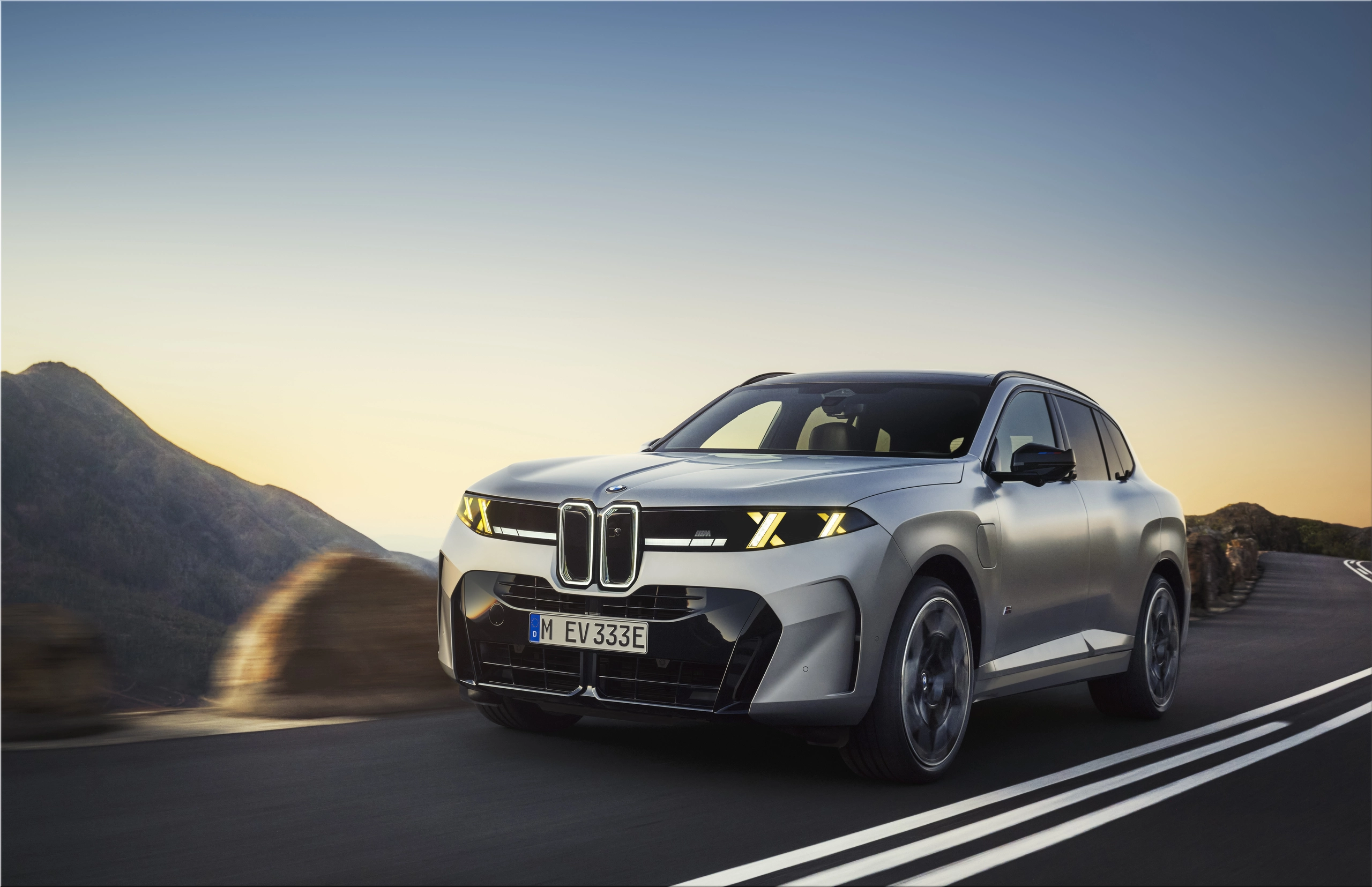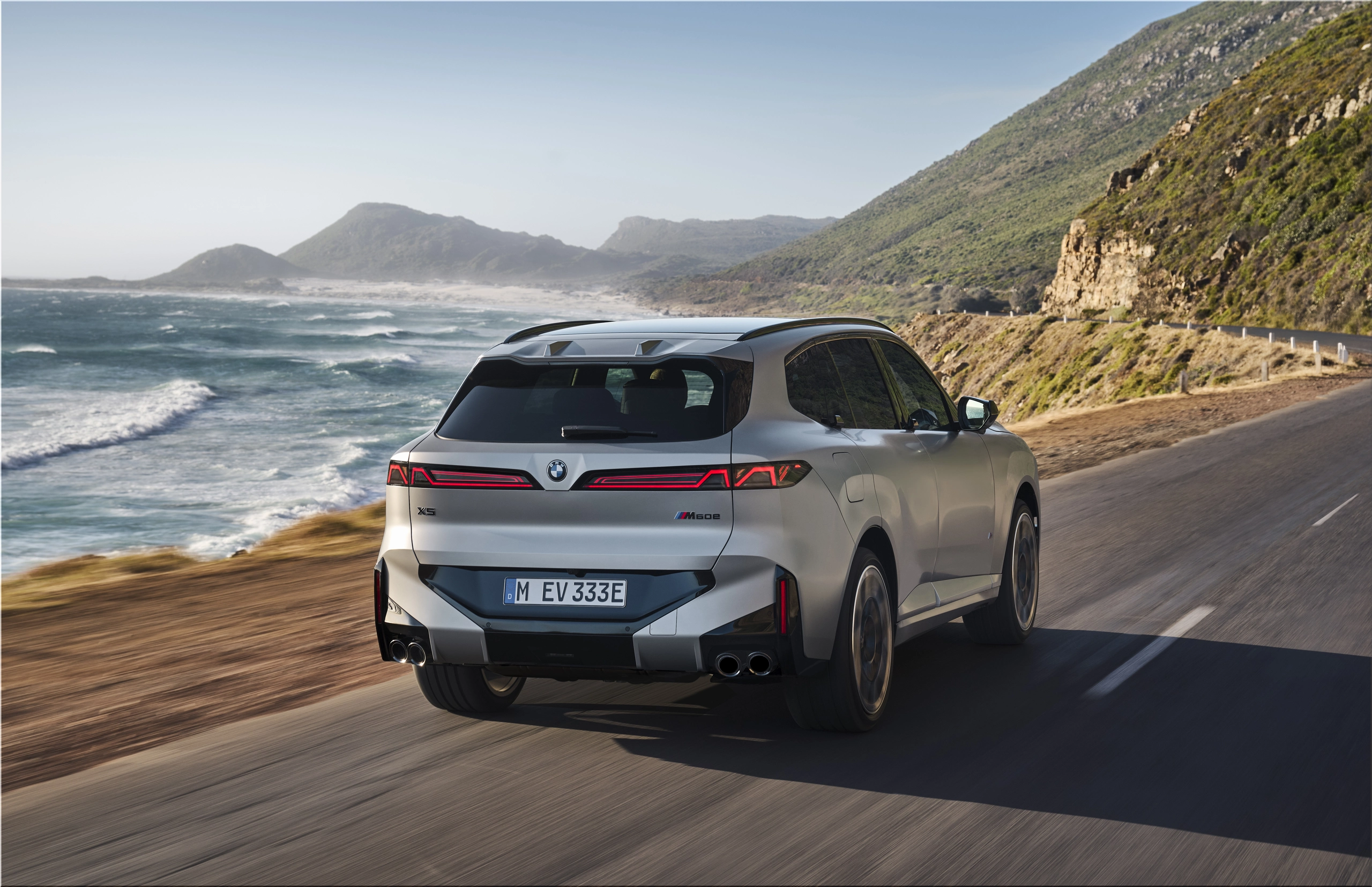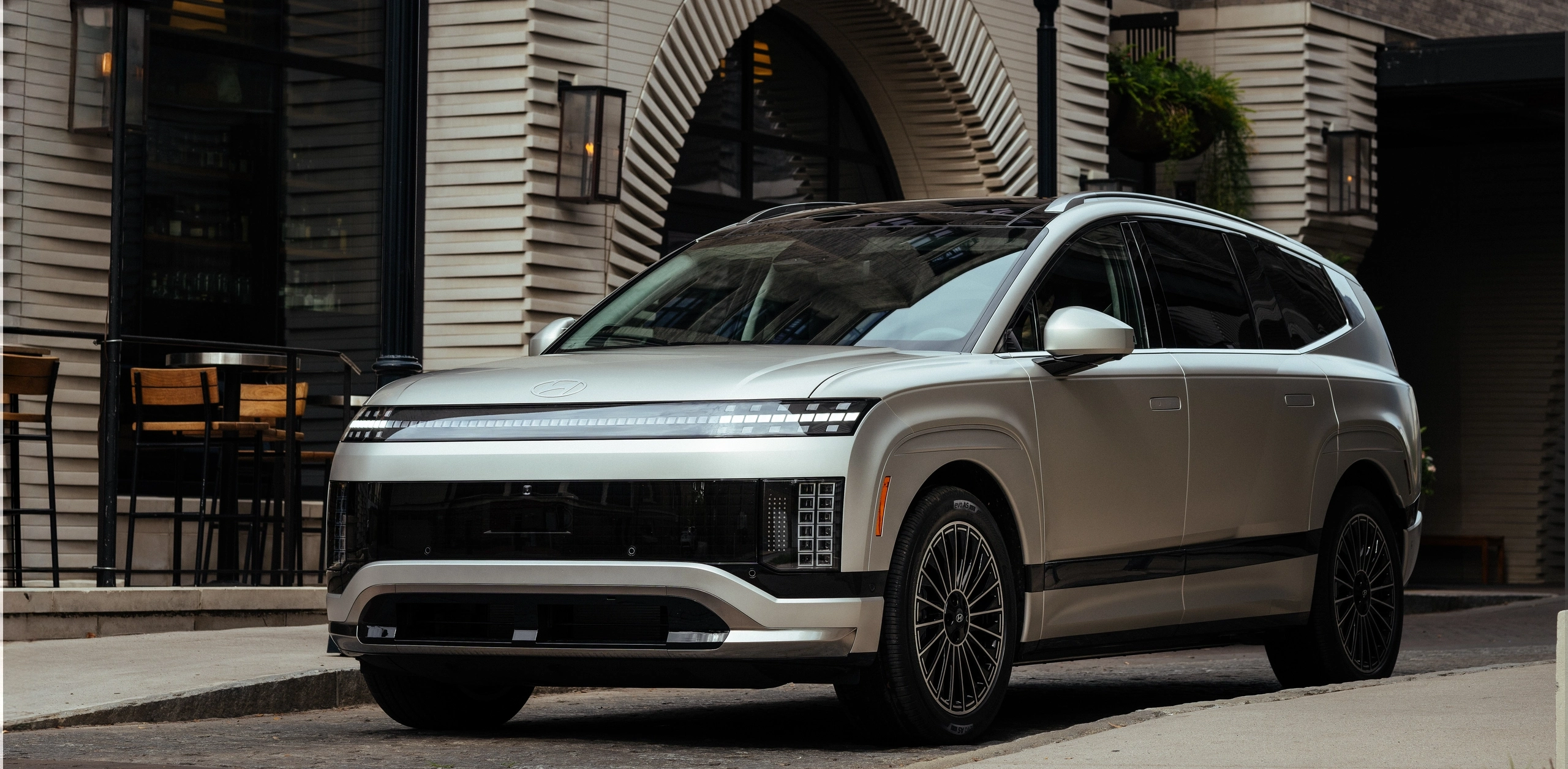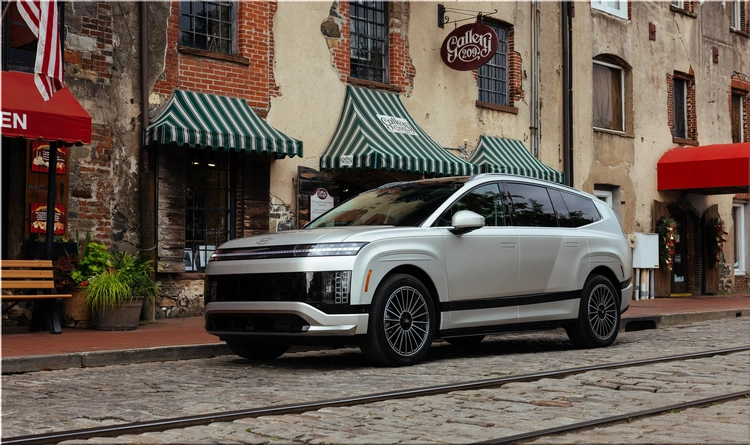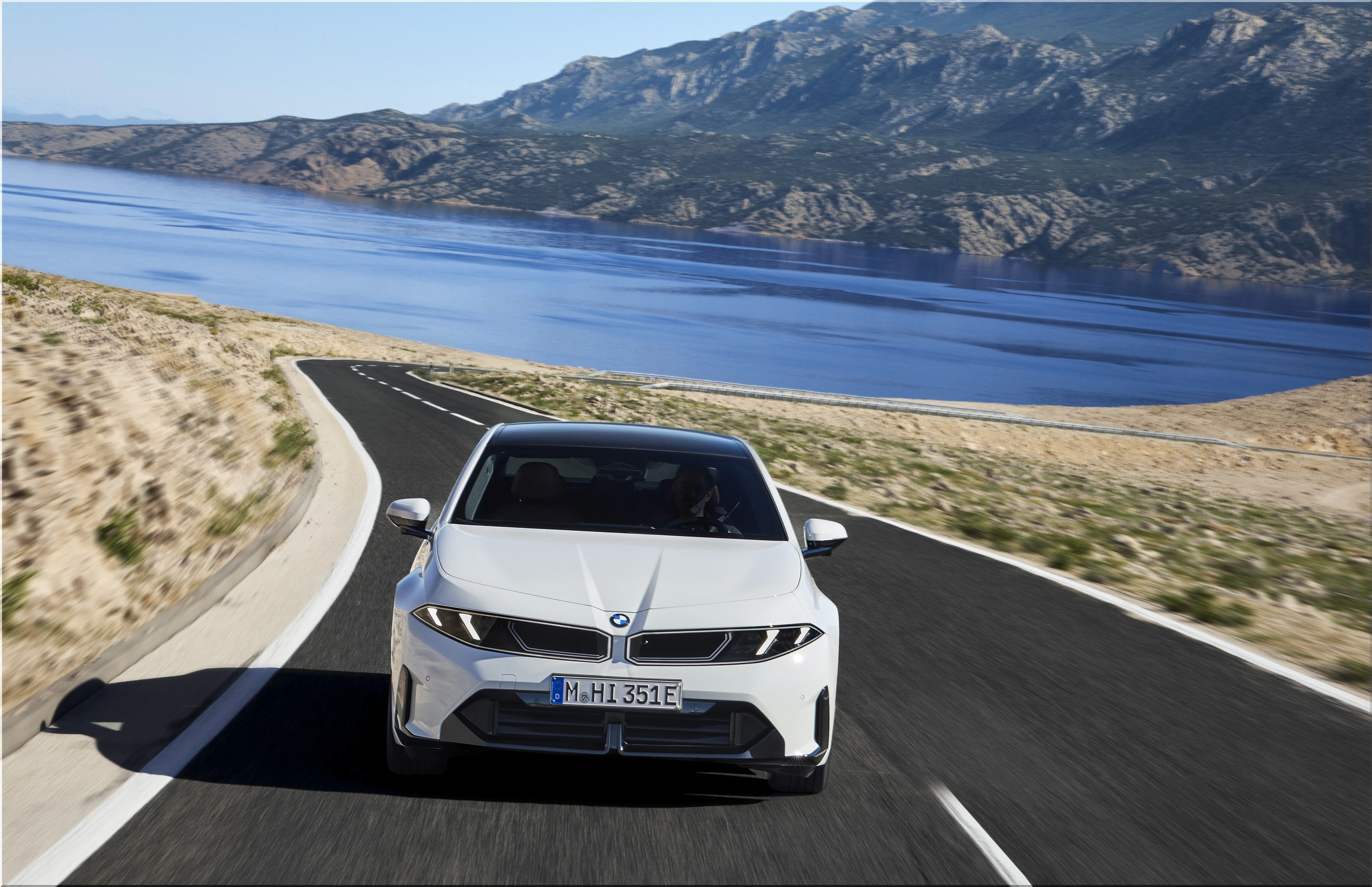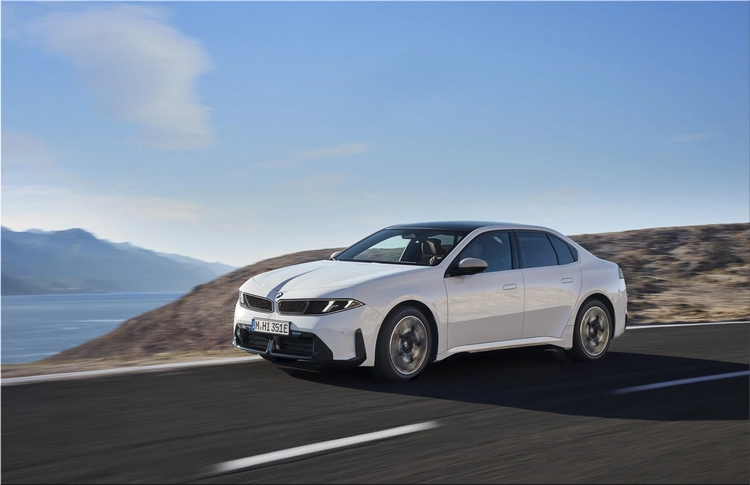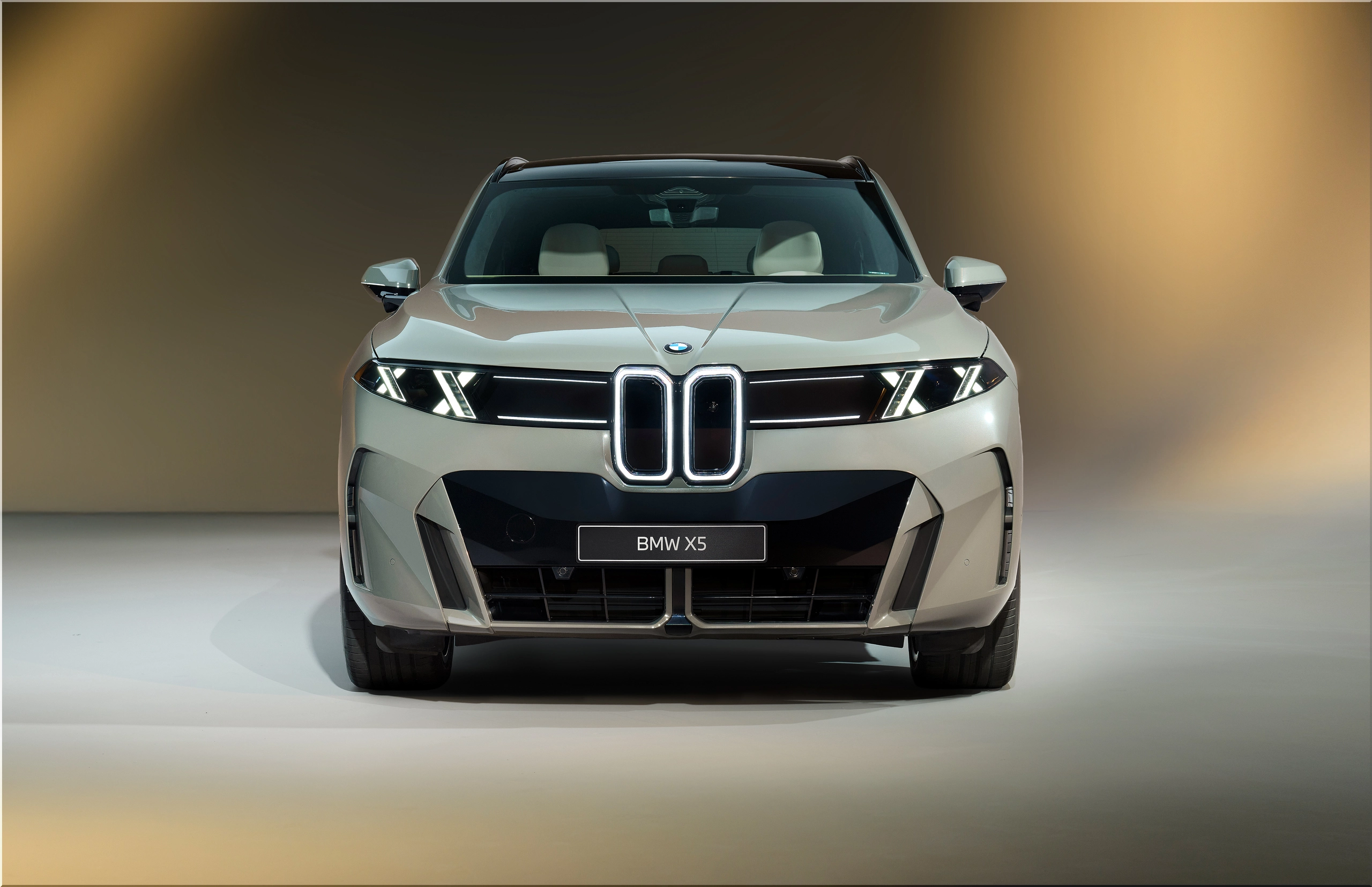
The new BMW X5 moves into its fifth generation with a rare powertrain spread: gasoline mild hybrid, diesel mild hybrid, plug-in hybrid, full battery-electric BMW iX5, and a later hydrogen fuel-cell version. The headline spec belongs to the BMW iX5 60 xDrive, which targets up to 845 km WLTP range.
What Makes the New BMW X5 Different?
BMW did not turn the X5 into a one-note EV project. Instead, it built one large premium SUV around several propulsion paths, which fits markets with uneven charging access, diesel demand, plug-in hybrid tax rules, and growing EV adoption.
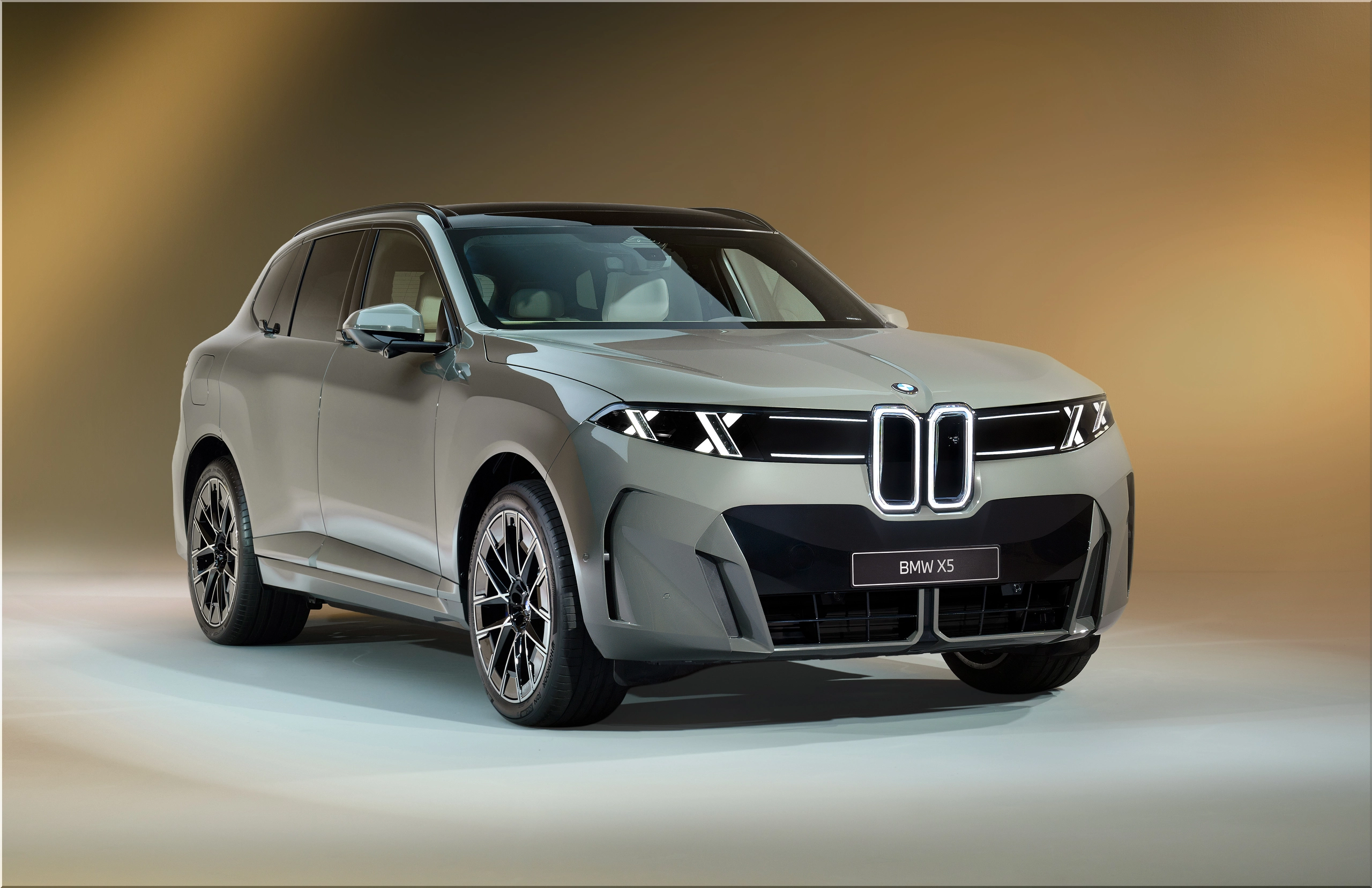
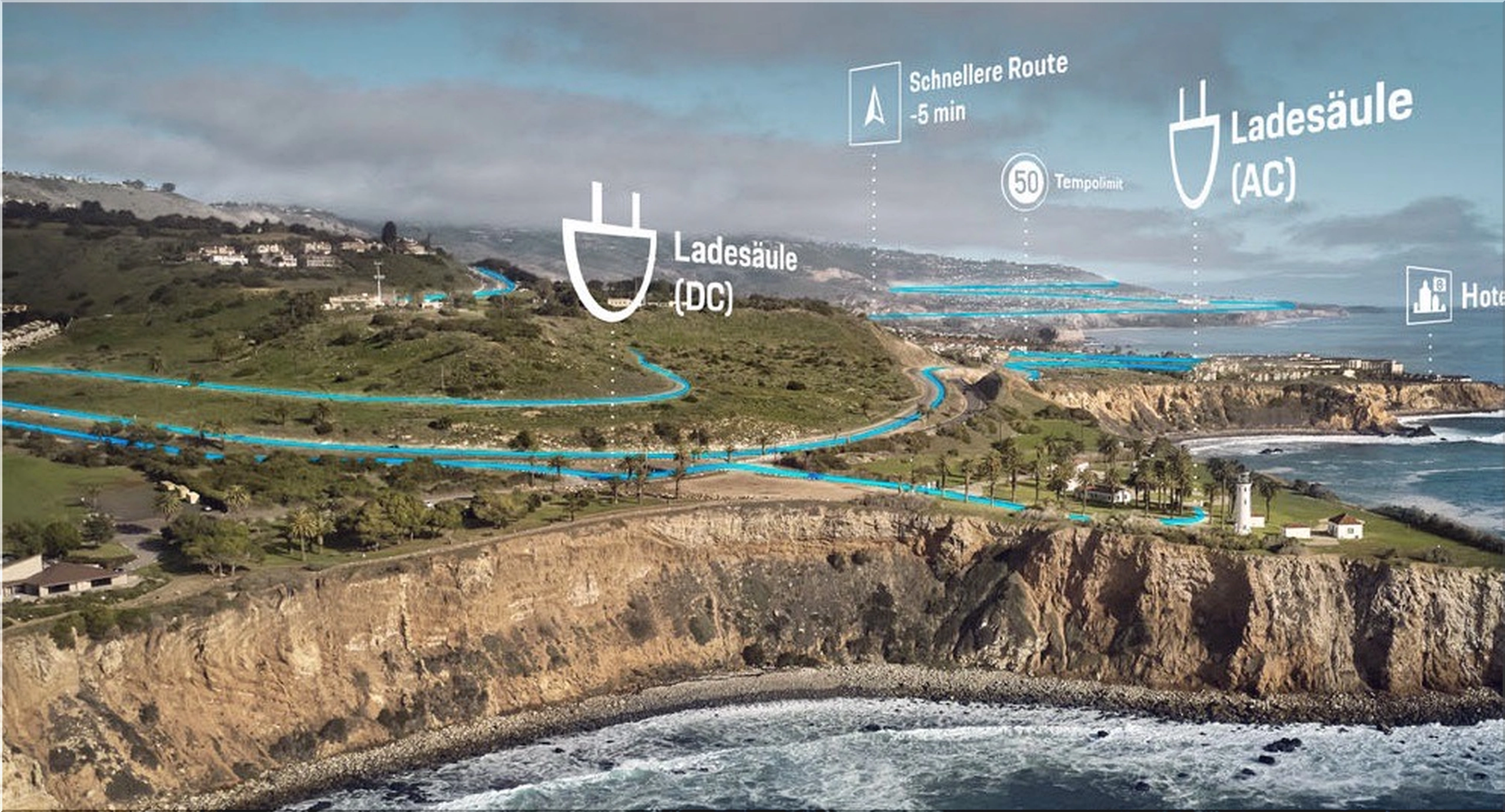
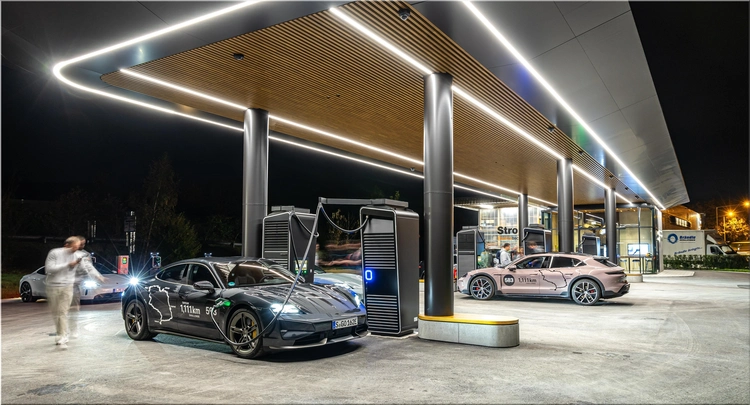
Looking at the data, the BMW iX5 60 xDrive carries the real engineering story. It uses sixth-generation BMW eDrive hardware, an 800V battery system, a 141 kWh net battery, and DC fast charging up to 460 kW. Specifically, BMW says the iX5 can add up to 350 km of range in 10 minutes and charge from 10-80 percent in 23 minutes.
| Specification | BMW iX5 60 xDrive |
|---|---|
| Length | 4,994 mm / 196.6 in |
| Width | 2,000 mm / 78.7 in |
| Height | 1,748 mm / 68.8 in |
| Wheelbase | 3,035 mm / 119.5 in |
| Battery | 141 kWh net |
| DC charging | Up to 460 kW |
| WLTP range | 645-845 km / 401-525 miles |
| Cargo volume | 655-1,850 L / 23.1-65.3 cu ft |
| Front storage | 53 L / 1.9 cu ft |
| Towing | 2,700 kg / 5,952 lb |
Which BMW X5 Powertrain Makes The Most Sense?
The BMW X5 40 xDrive looks like the pragmatic gasoline choice, with 400 hp, 580 Nm, and a 5.3-second 0-100 km/h run. The X5 40d xDrive brings 313 hp and 670 Nm, which suits high-mileage drivers and towing-heavy use in diesel-friendly markets.
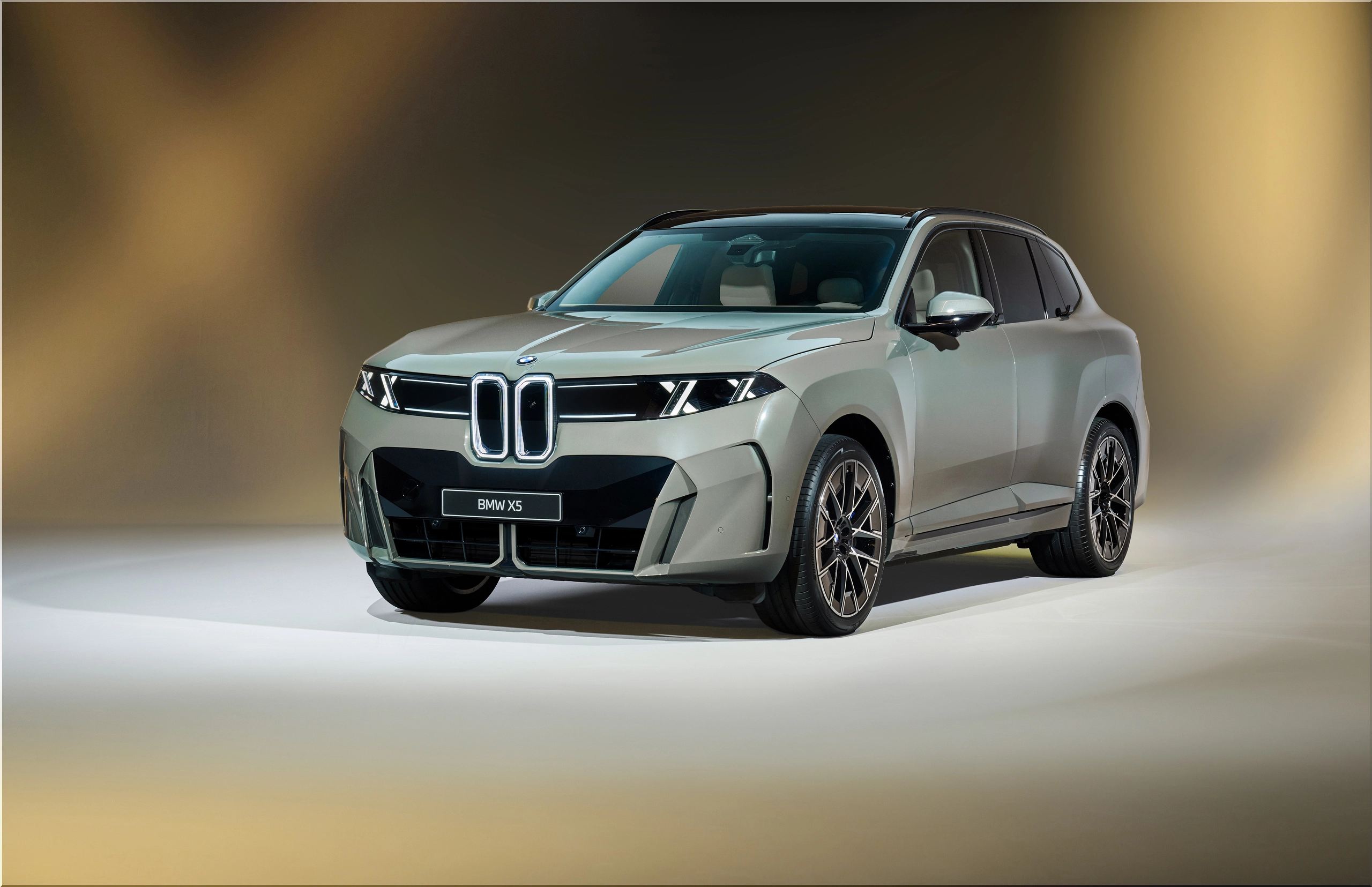
In addition, the plug-in hybrids cover a wide span. The X5 50e xDrive makes 489 hp and offers 86-102 km of electric range, while the X5 M60e xDrive raises output to 612 hp and 800 Nm. That M60e number matters for buyers who want gasoline flexibility without giving up brutal launch performance.
| Model | Output | Torque | 0-100 km/h | Electric Range | Towing |
|---|---|---|---|---|---|
| BMW X5 40 xDrive | 400 hp | 580 Nm | 5.3 sec | N/A | 3,000 kg / 6,614 lb |
| BMW X5 40d xDrive | 313 hp | 670 Nm | 6.1 sec | N/A | 3,000 kg / 6,614 lb |
| BMW X5 50e xDrive | 489 hp | 700 Nm | 5.0 sec | 86-102 km | 3,300 kg / 7,275 lb |
| BMW X5 M60e xDrive | 612 hp | 800 Nm | 4.5 sec | 81-98 km | 3,300 kg / 7,275 lb |
| BMW iX5 60 xDrive | 578 hp | 805 Nm | 4.6 sec | 645-845 km | 2,700 kg / 5,952 lb |
Does The BMW iX5 Solve The Big Electric SUV Problem?
Consequently, the iX5 attacks the usual electric SUV weakness: long-distance confidence. A 141 kWh net battery gives BMW room to offset highway drag, winter range loss, and the weight penalty of a large luxury SUV.
From an expert perspective, the iX5 still faces one hard question: charging access. A 460 kW peak sounds excellent, but drivers need compatible ultra-fast chargers to see the full benefit. In regions with weaker infrastructure, the X5 50e xDrive may give buyers better real-world flexibility.