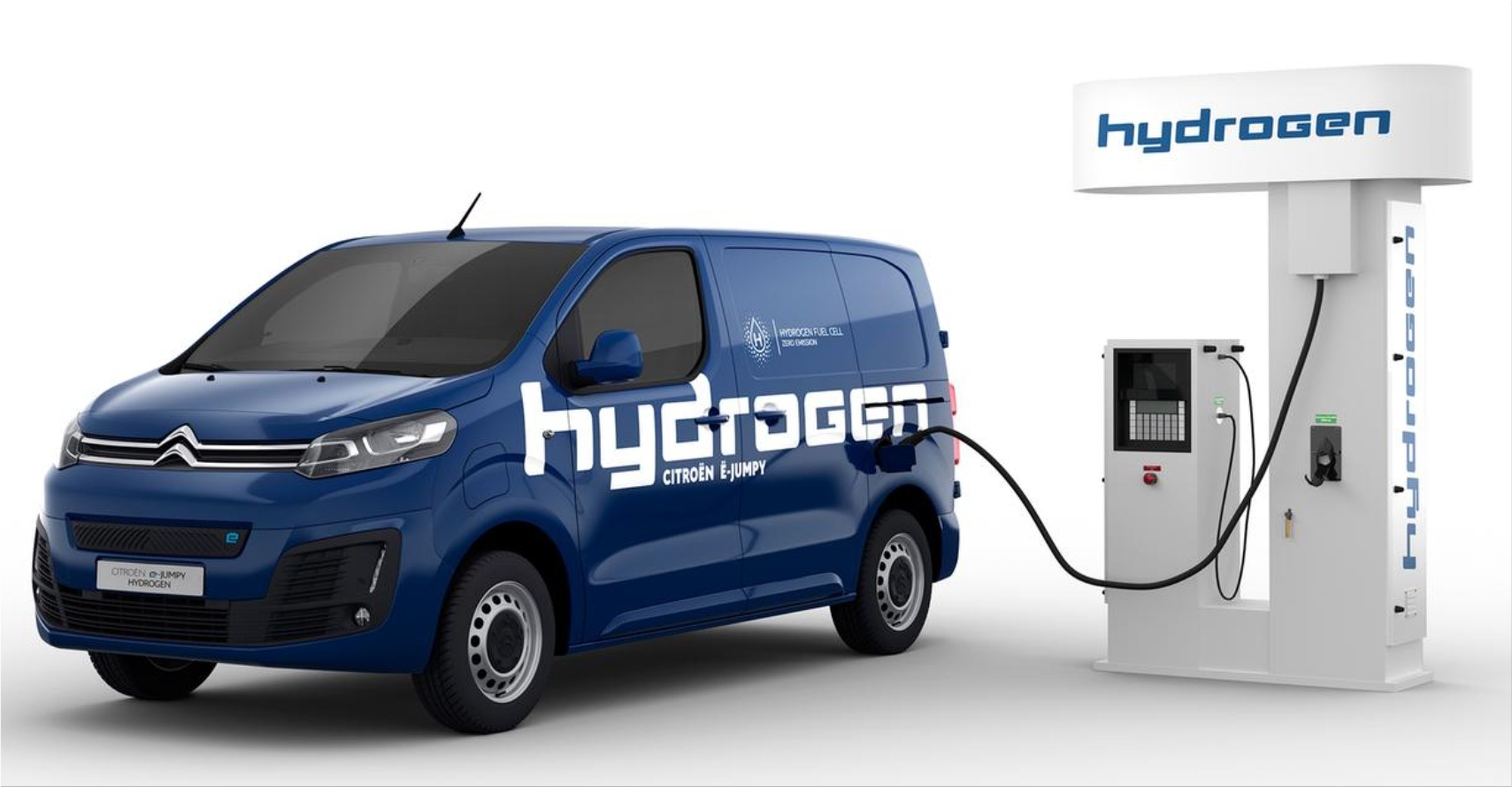
Citroen launched a while ago a new hydrogen-powered fuel cell electric van. Now, the Citroen e-Jumpy Hydrogen is being delivered to customers; it completes the French range of light commercial vehicles with a pure battery drive.
"The hydrogen solution is aimed at those who need a range of more than 300 km for long journeys or long tours, who need a vehicle that charges quickly to maximize usage time, and who need unrestricted access in city centers. But they also have a usage profile that is more suitable for faster roads and highways, where there is easy access to hydrogen filling stations," says Citroen.
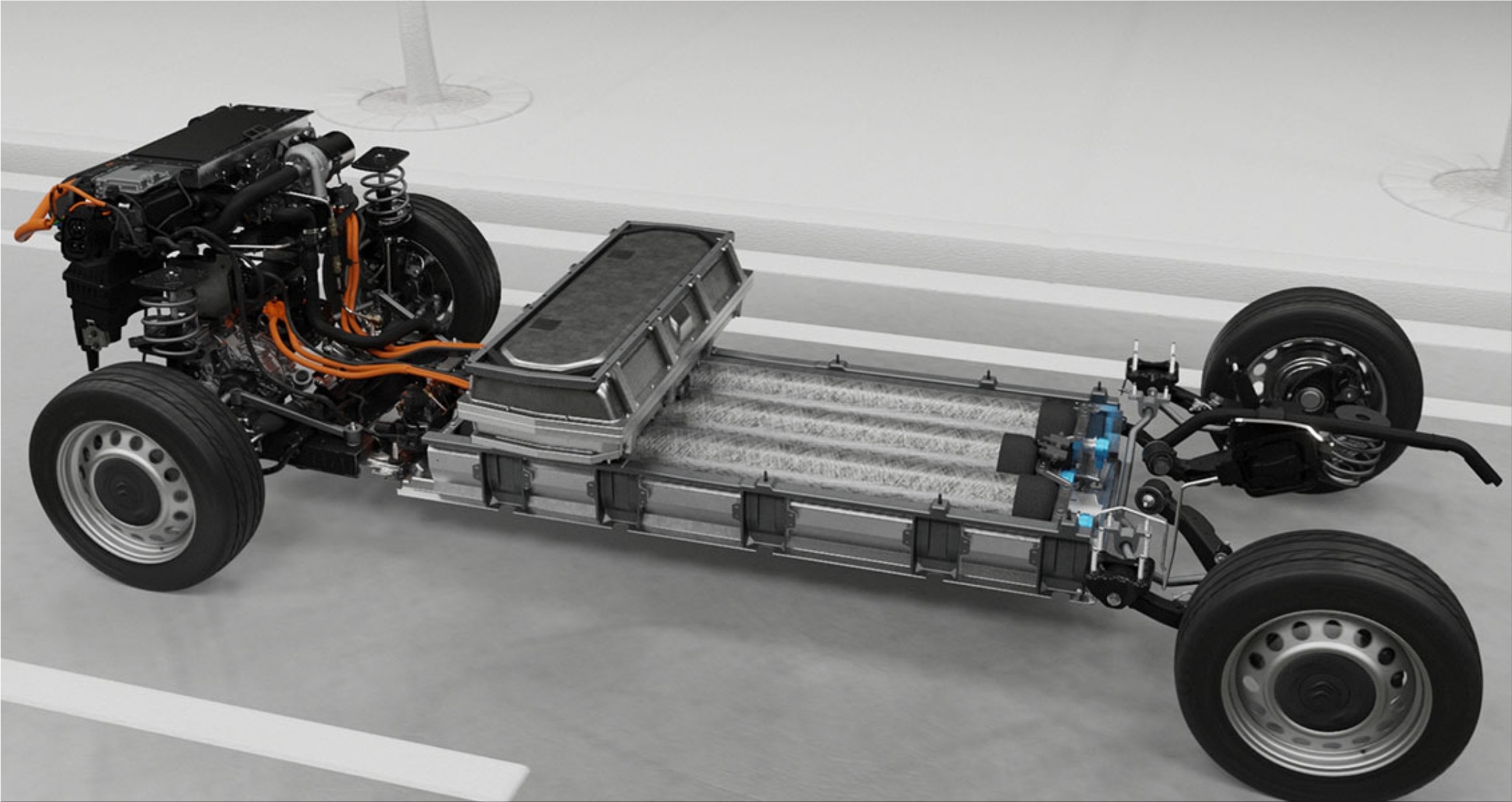
The hydrogen fuel cell electric vehicle shares its technology in the Stellantis Group with Opel and Peugeot. The fuel cell electric vehicle combines a 10.5 kWh lithium-ion battery, a 45 kW fuel cell, and a 4.4-kilogram hydrogen storage system for a total range of over 400 kilometers (WLTP). The battery provides the electric drive with energy, especially when starting and accelerating, and, according to the developers, enables good energy recovery. On the other hand, the fuel cell gives the vehicle a greater range.
The electric motor in the Citroen e-Jumpy Hydrogen, which is mainly fed by the 45 kW hydrogen fuel cell, ensures a range of 350 kilometers. The 10.5 kWh battery serves as a reserve and enables 50 kilometers in the WLTP cycle. "It also provides extra power to the engine, which is necessary for dynamic vehicle performance, especially when accelerating," says Citroen. It also enables energy to be recovered when decelerating and braking. The combination of the components results in a possible range of over 400 kilometers without refueling or charging.
According to Citroen, refueling the Citroen e-Jumpy Hydrogen is 20 times faster than charging an all-electric vehicle at a public 100 kW charging station. The three hydrogen tanks are filled in around three minutes. The loading volume of the Citroen e-Jumpy Hydrogen is not affected by integrating the battery and the hydrogen tanks. The battery pack was mounted under the seats and the three hydrogen tanks under the floor. The loading volume of the two available models is unchanged compared to the electric versions: 5.3 m³ for the medium length and 6.1 m³ for the XL. As with the petrol/diesel models, payload and trailer load may be up to 1000 kg.
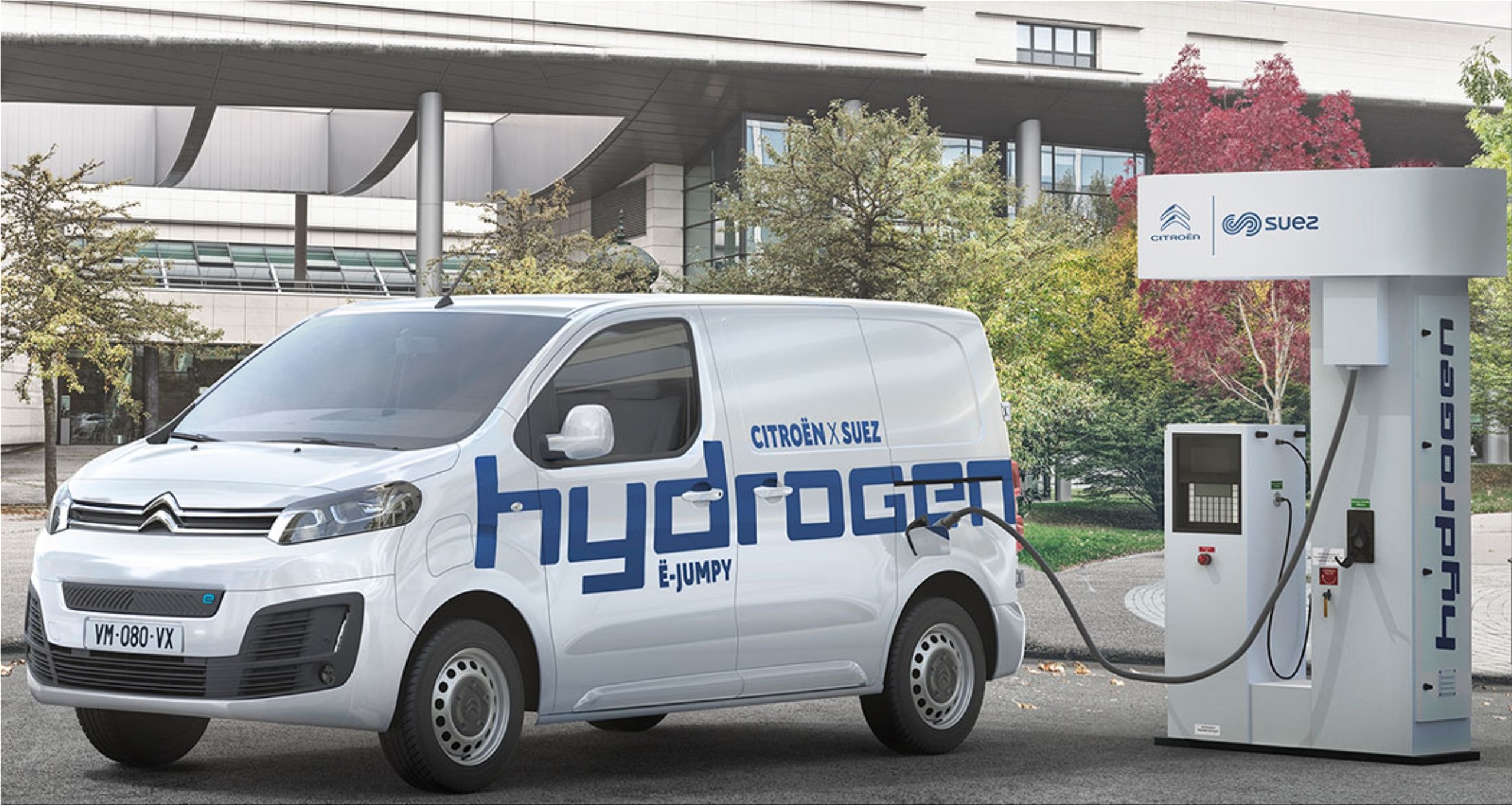
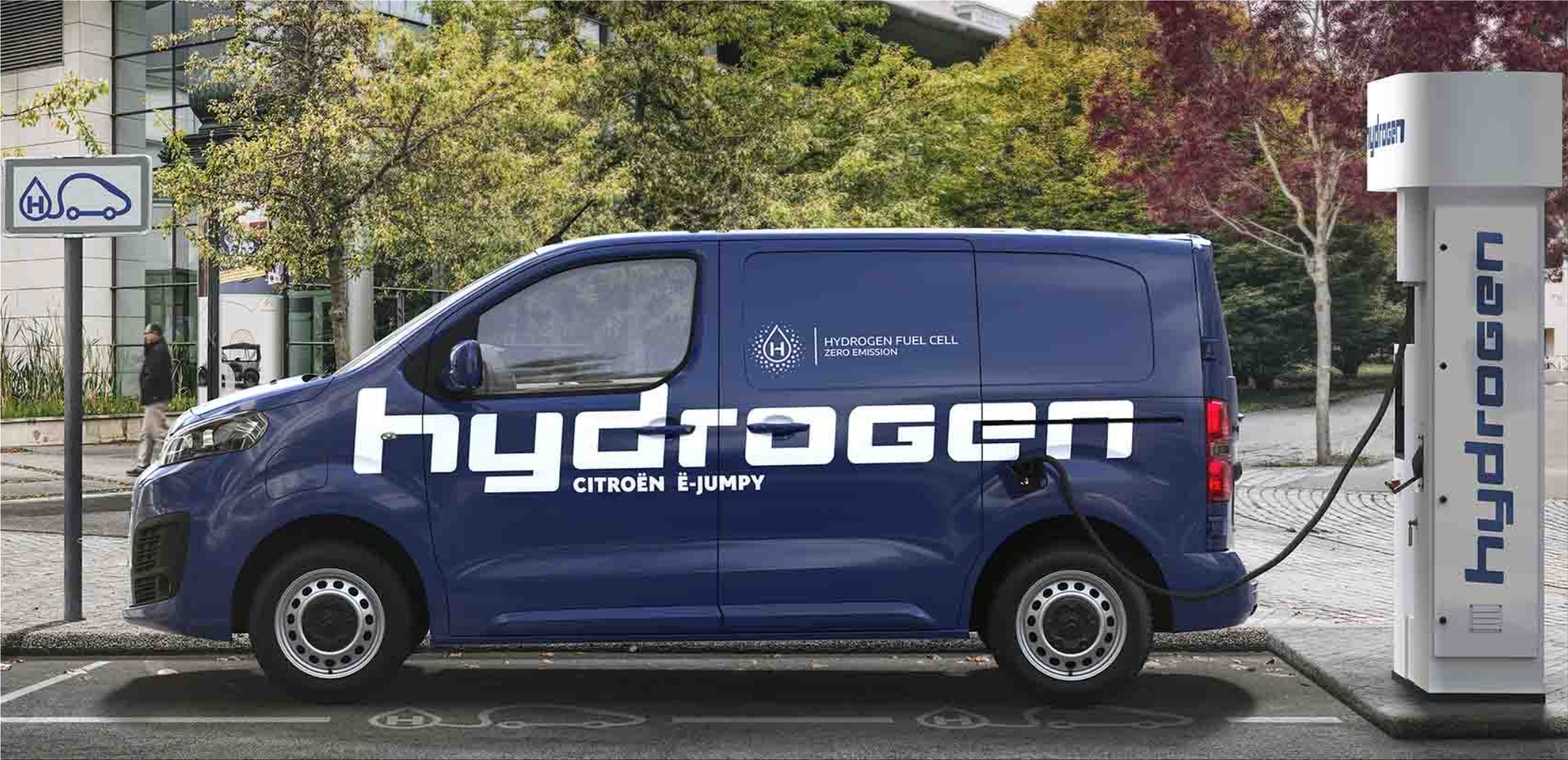
The new Citroen e-Jumpy Hydrogen electric van (manufactured in France at the SevelNord plant) is being converted in the Stellantis center for hydrogen fuel cells at Opel in Rüsselsheim. @via EV stories.
The demand to drastically reduce vehicle emissions is being pushed ever further. As a result, Peugeot is one of the first manufacturers to offer an electric van with a hydrogen fuel cell in series production in the… Continue reading

German bus manufacturer Daimler Buses wants to mass produce the electric version of the Citaro from the end of 2018, after having increased sales and maintained operating profit in 2017. The Daimler Buses bus division reported today that it… Continue reading
Volkswagen has unveiled an unprecedented electric concept in the form of a buggy. About 70 years after the launch of the first buggy on California beaches, Volkswagen introduced the Buggy ID concept to demonstrate that these vehicles can still be upgraded and… Continue reading
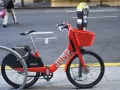
Uber launched its e-bike rental platform Jump with around 1,000 pedelecs in Berlin. It is the first location in Germany. The bright red electric bikes are now available in twelve districts of the capital. The rent costs one euro basic… Continue reading