Electric Van Enters Final Testing Phase with Strong Results
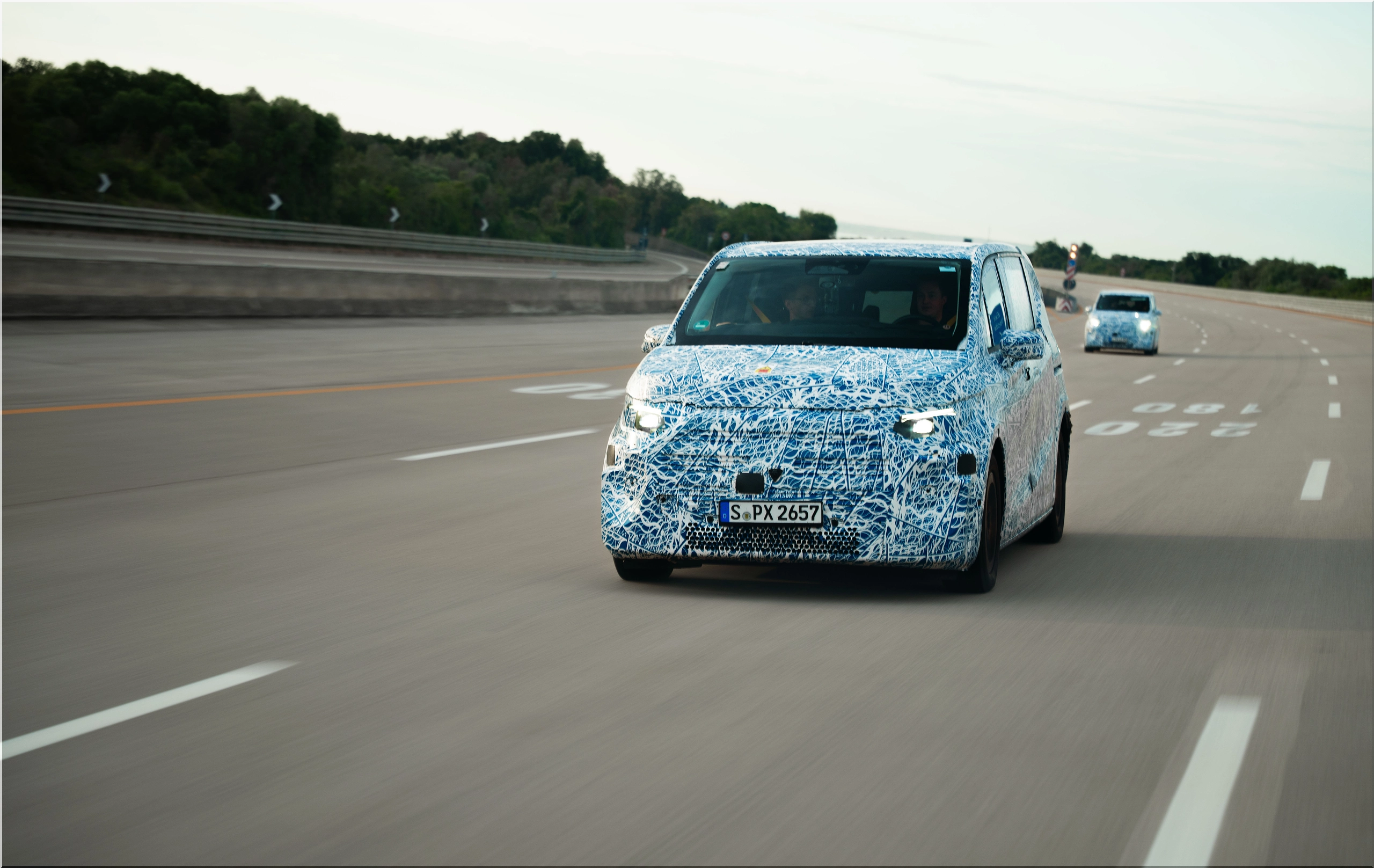
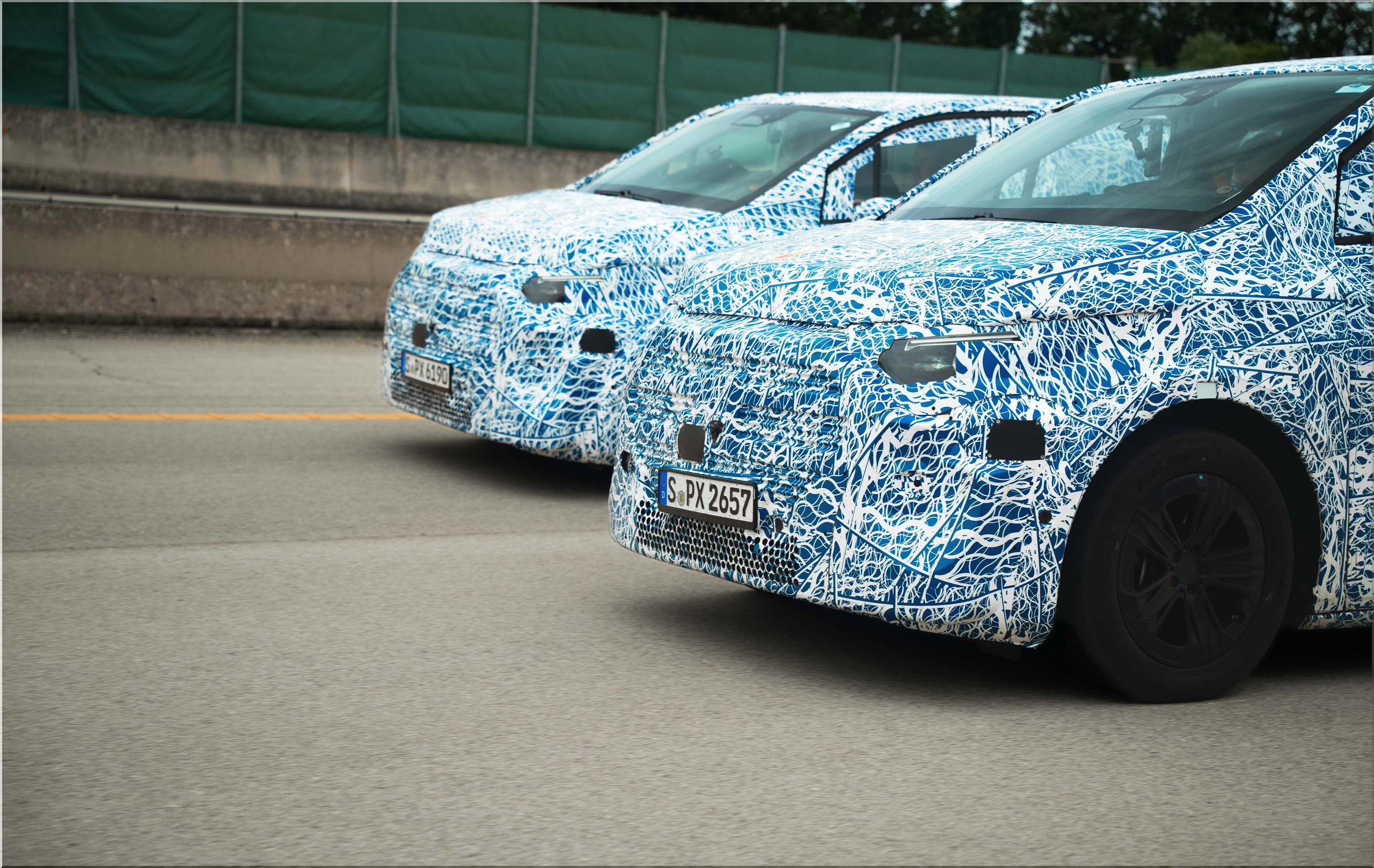
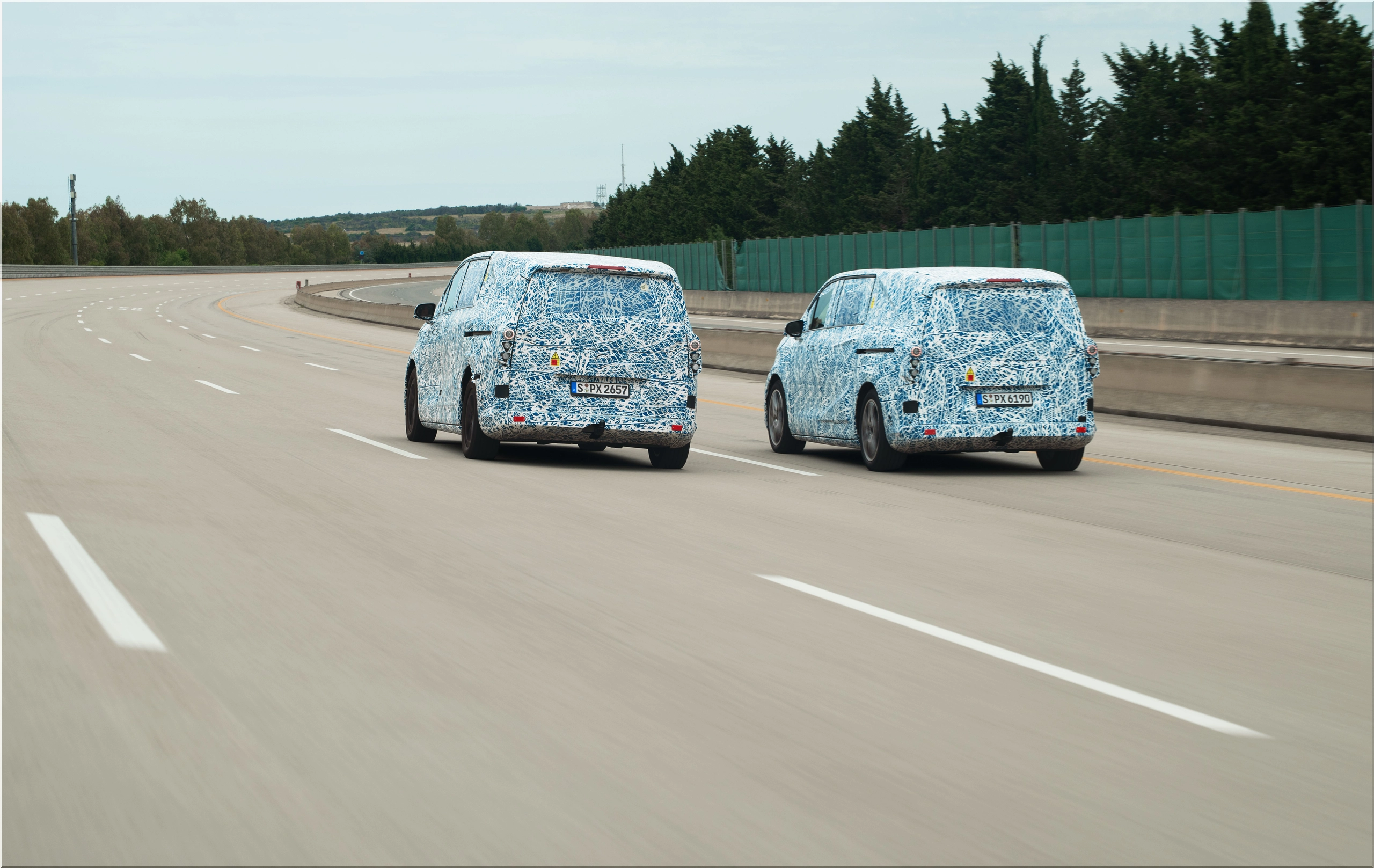
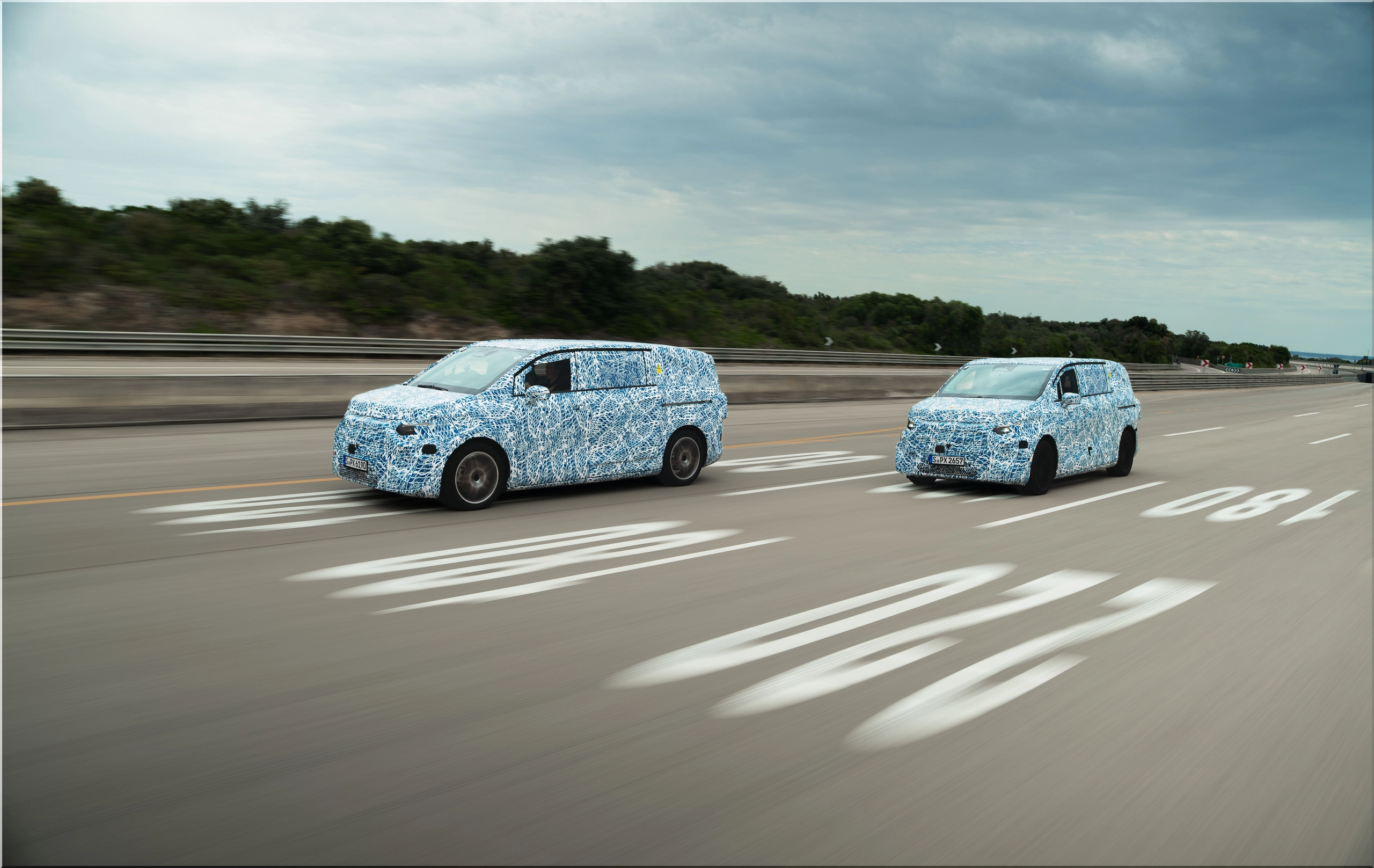
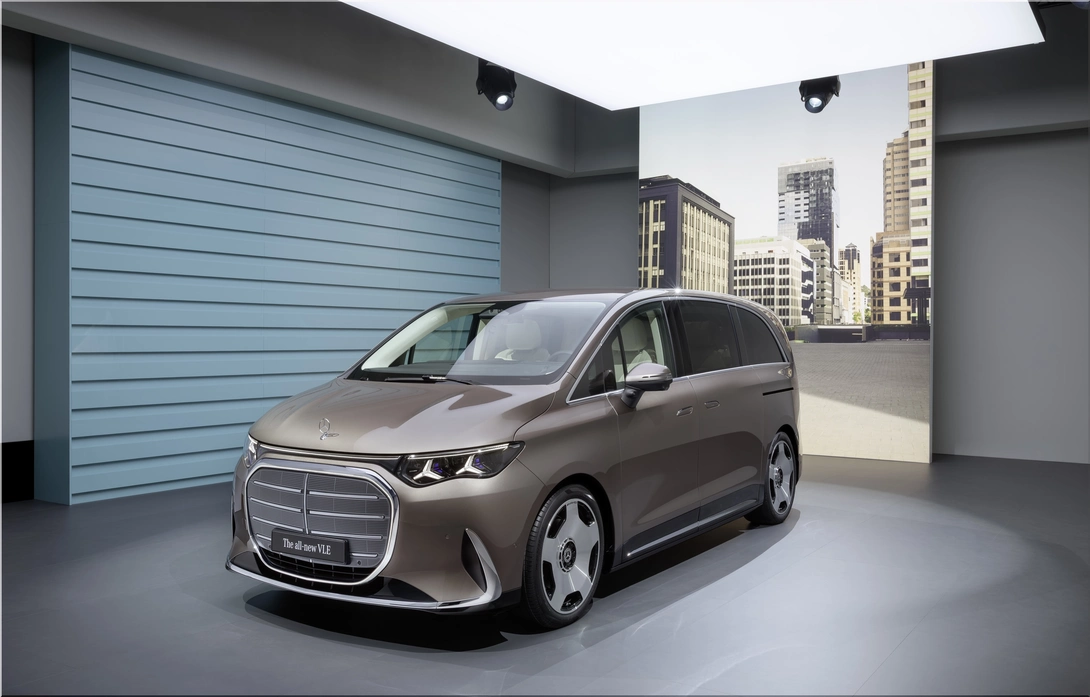
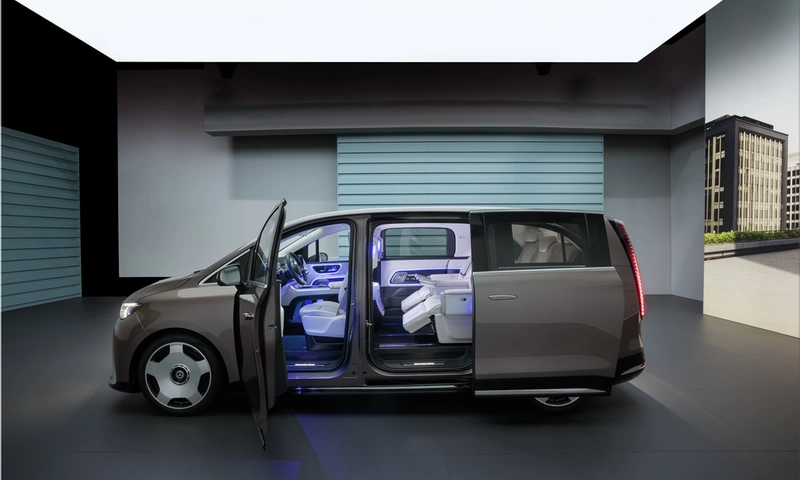
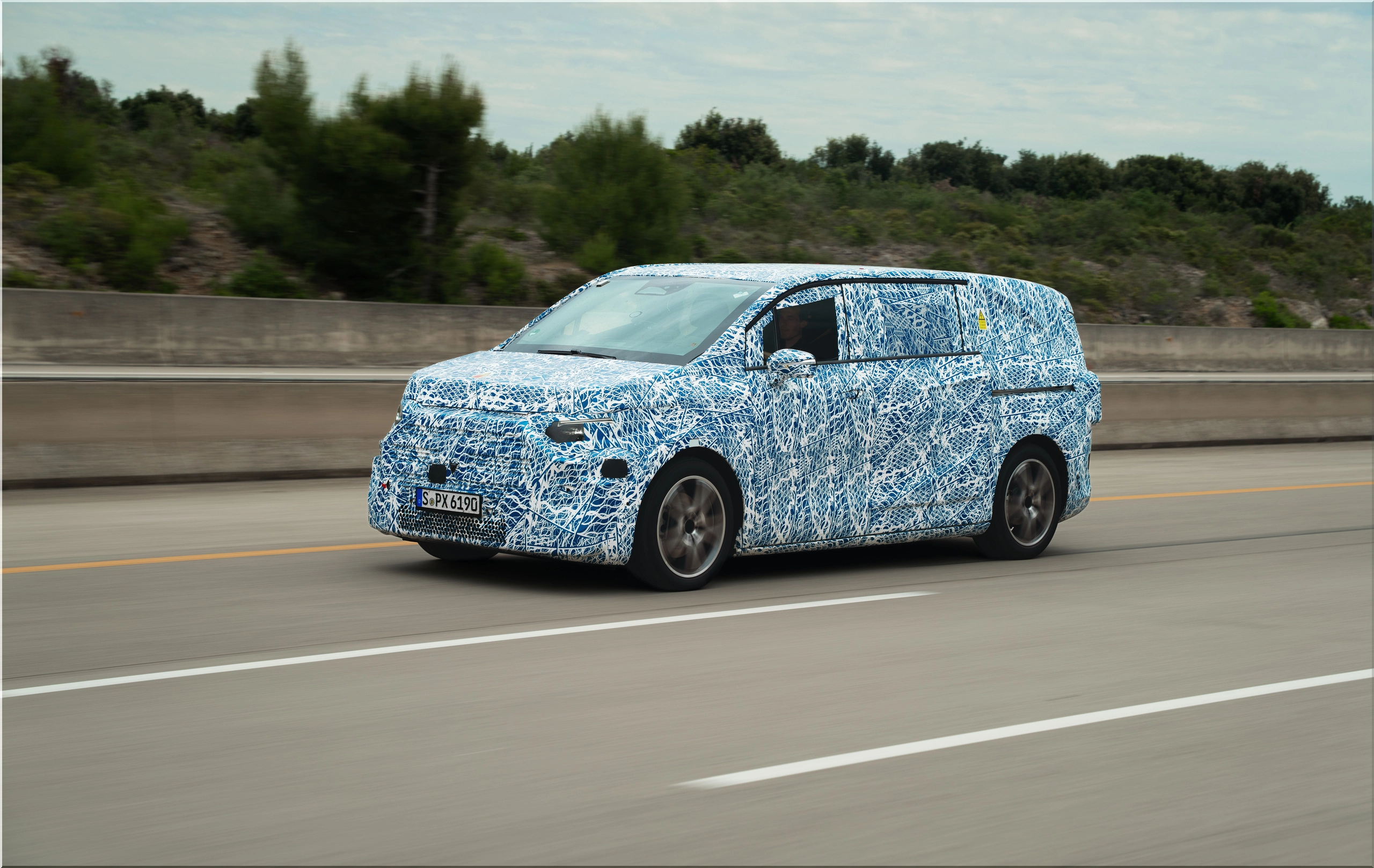
Mercedes-Benz is preparing to launch its next-generation electric van in 2026. Internally called the VLE, this prototype has completed key development milestones. The all-electric platform has proven itself in aerodynamic, high-speed, and long-range tests. With room for up to eight passengers, the VLE is designed to replace combustion-based MPVs while targeting family and VIP shuttle use cases.
Short sentences. No wasted words. Here's what matters.
VLE Overview: What It Is and Why It Matters
Mercedes-Benz’s VLE is the company’s first van built on a modular electric vehicle platform. The vehicle promises:
- Up to eight seats
- Limousine-like ride
- MPV-level space
- All-electric performance
- Low drag design
- Advanced energy recovery
The VLE rides on the Van Electric Architecture (VEA). This platform separates private vans (VLE, VLS) from commercial applications. Both the VLE and VLS will support varying battery sizes, rear-axle steering, and next-gen thermal management systems.
Efficiency Test 1: Wind Tunnel Performance
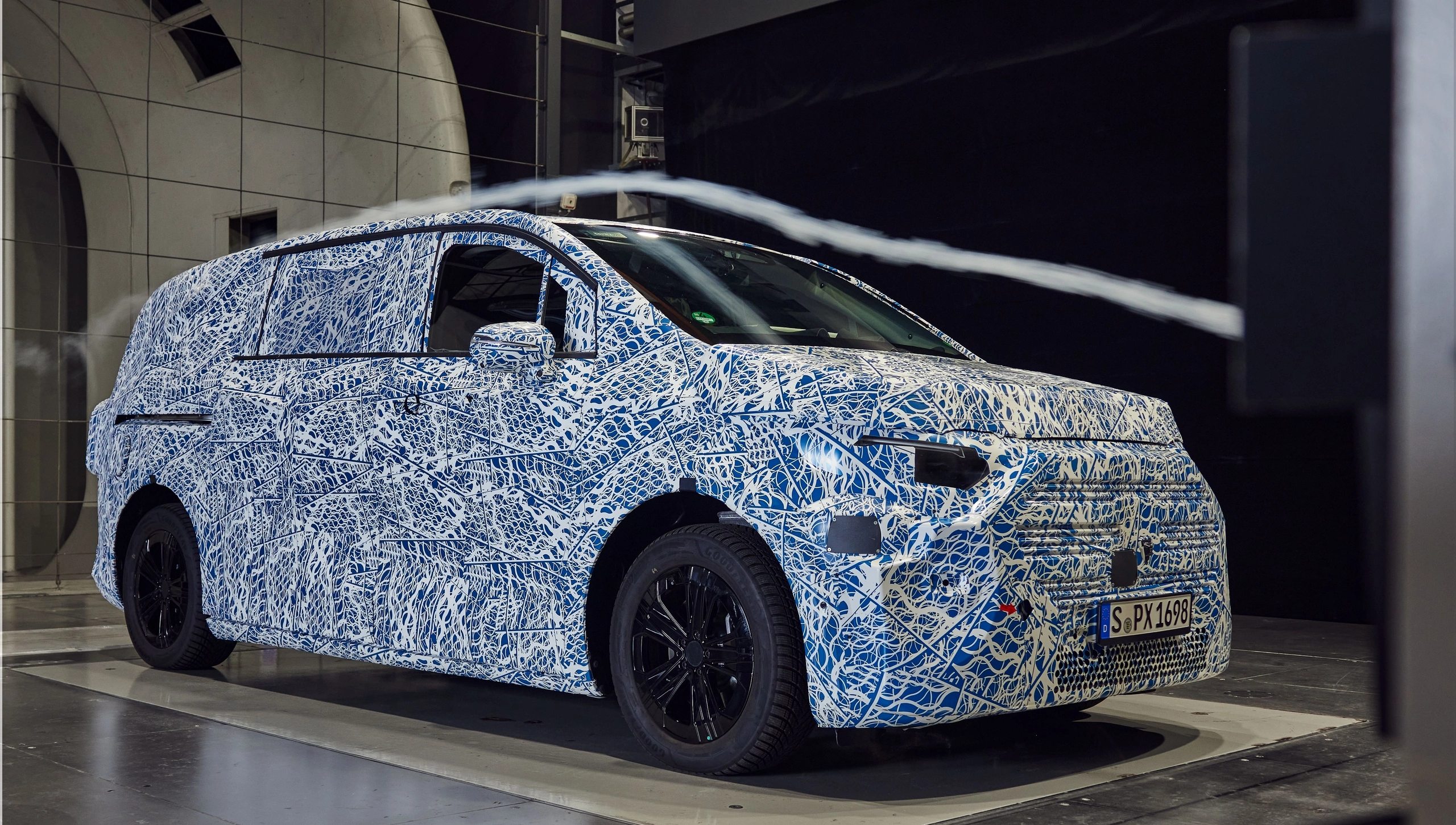
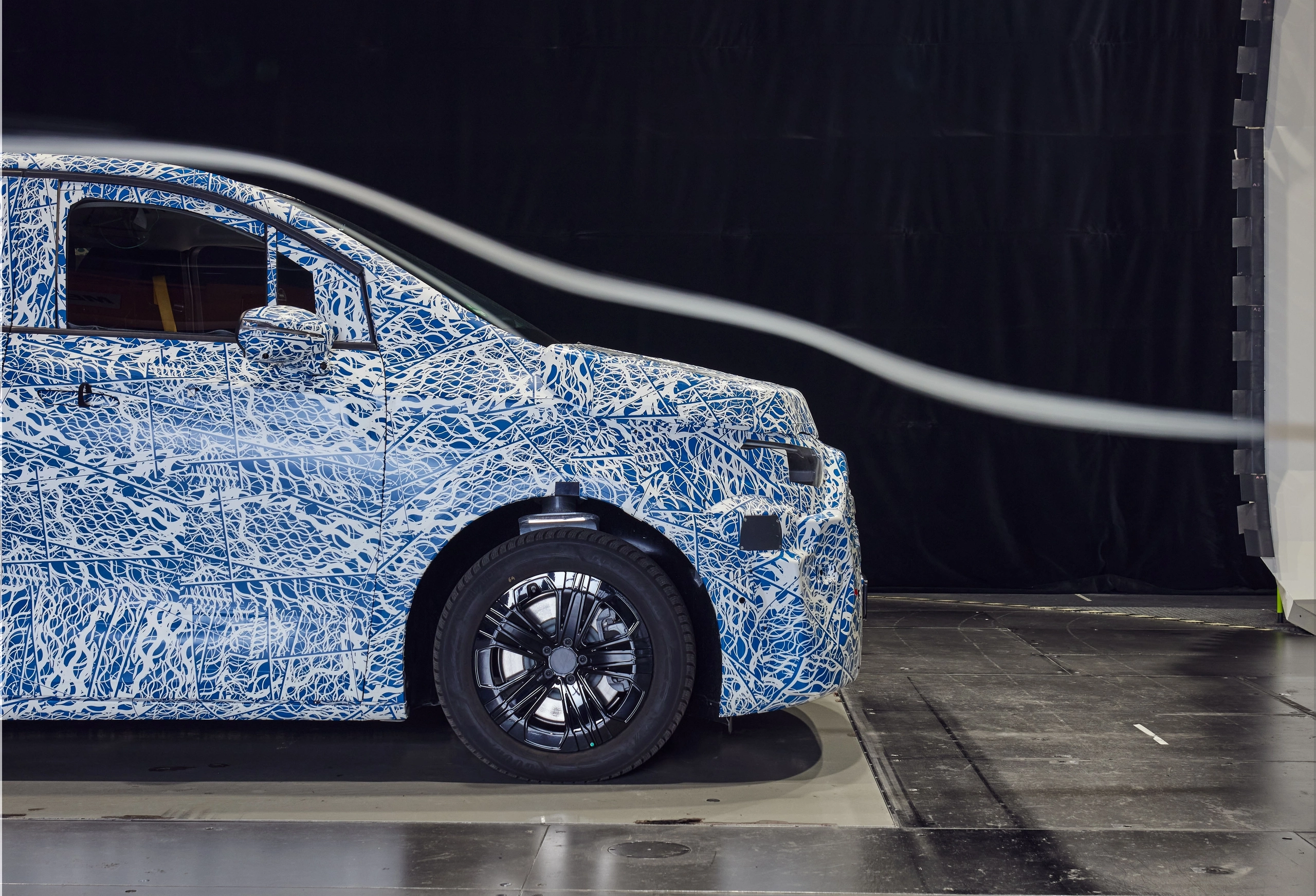
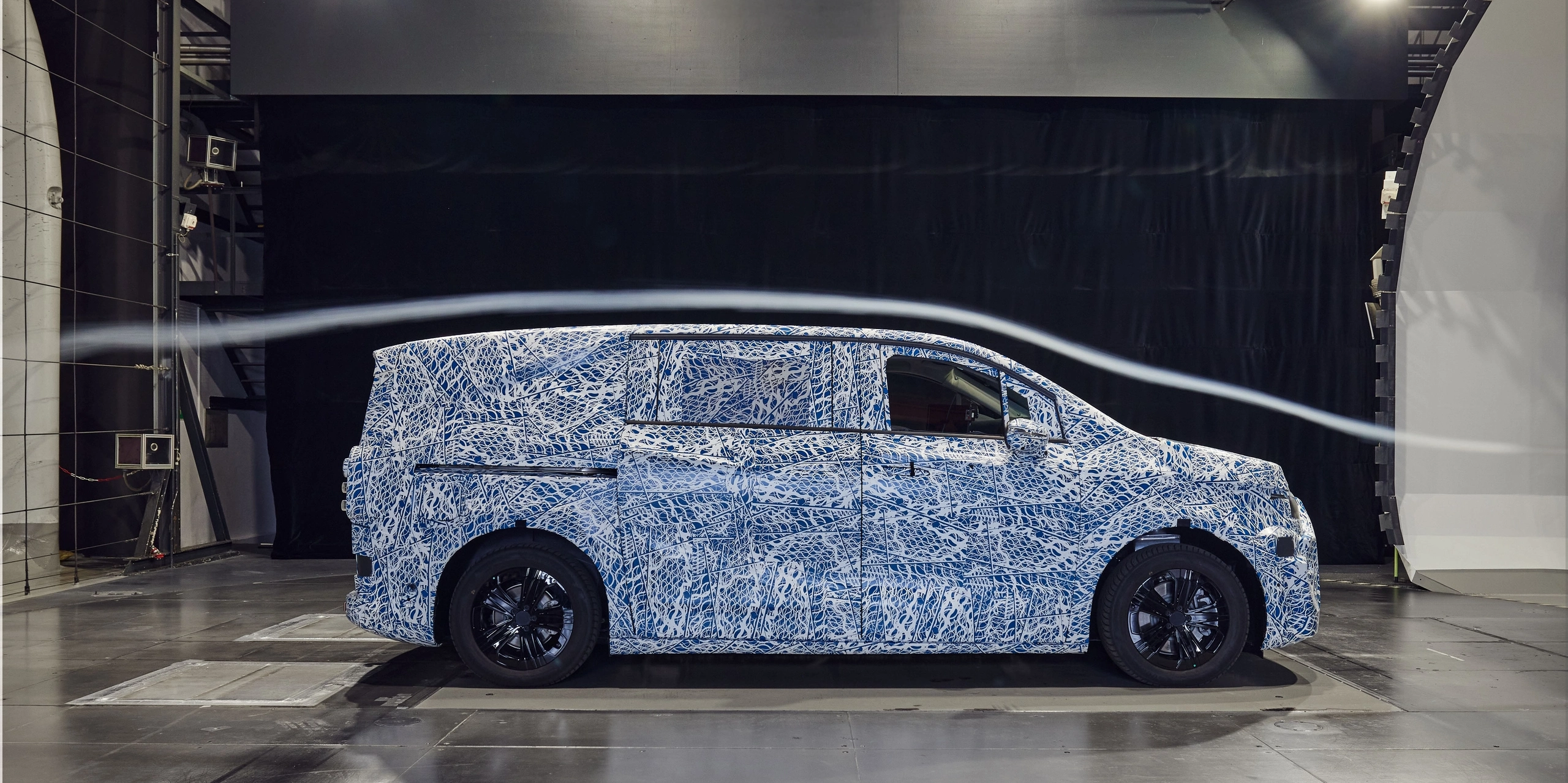
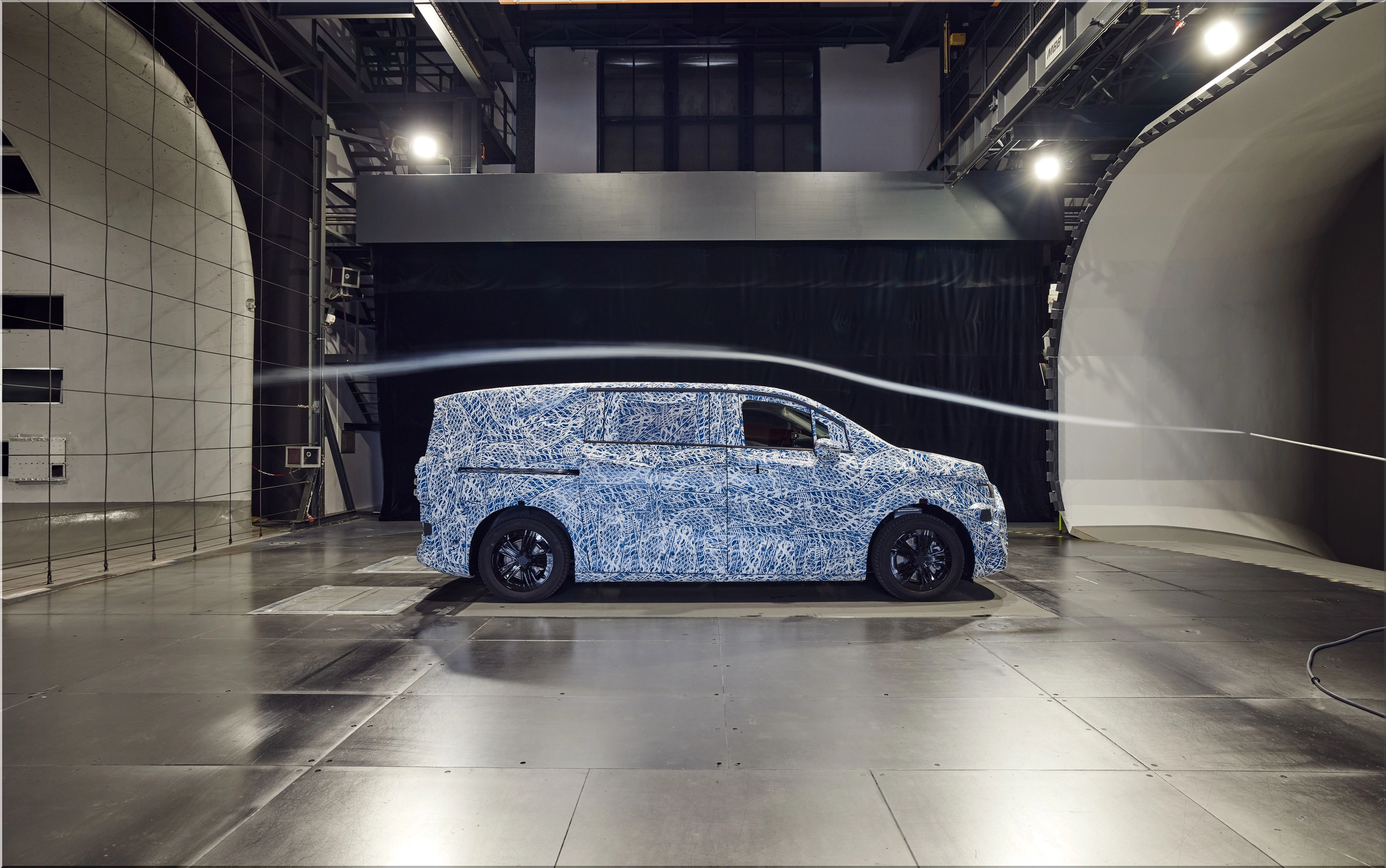
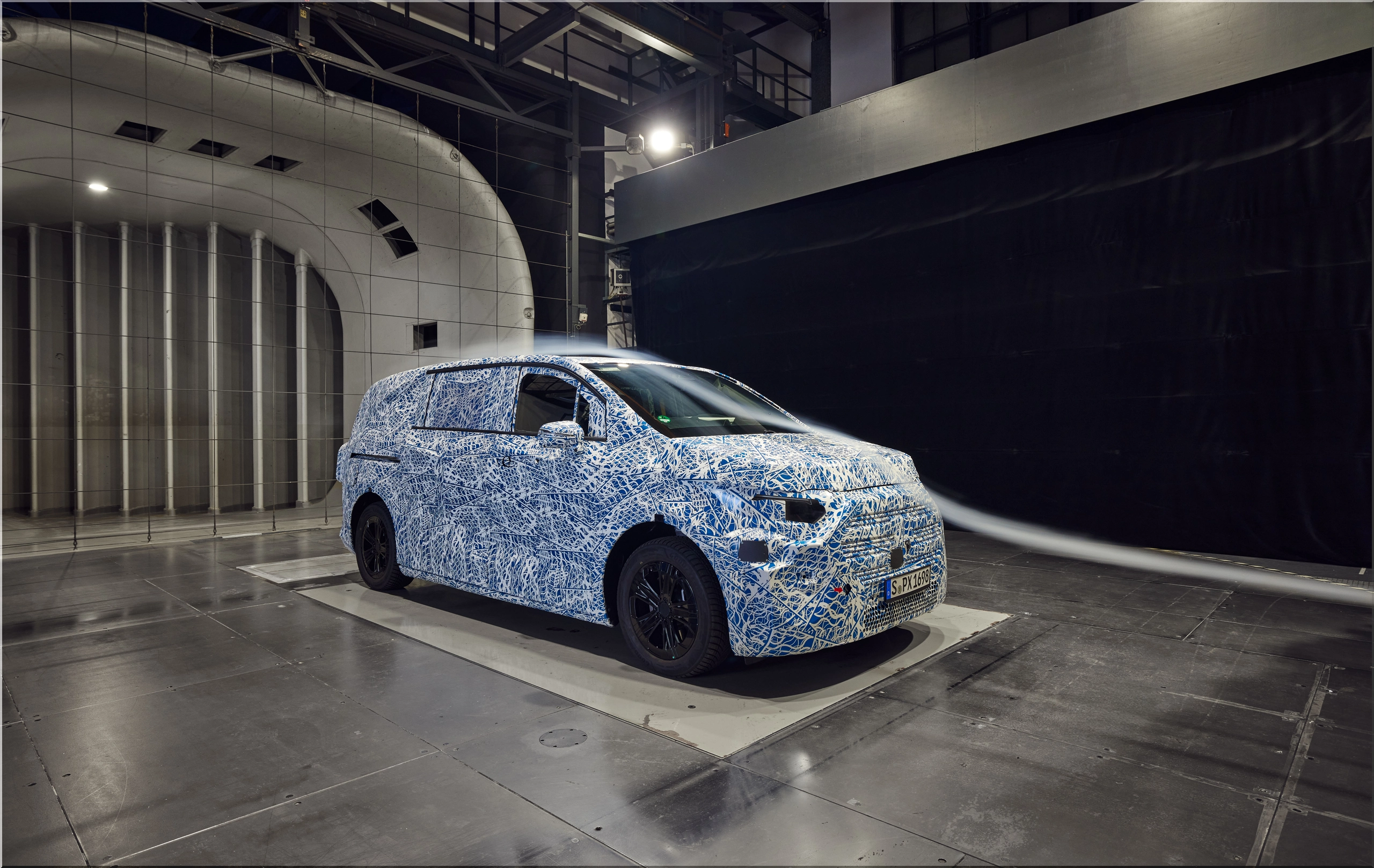
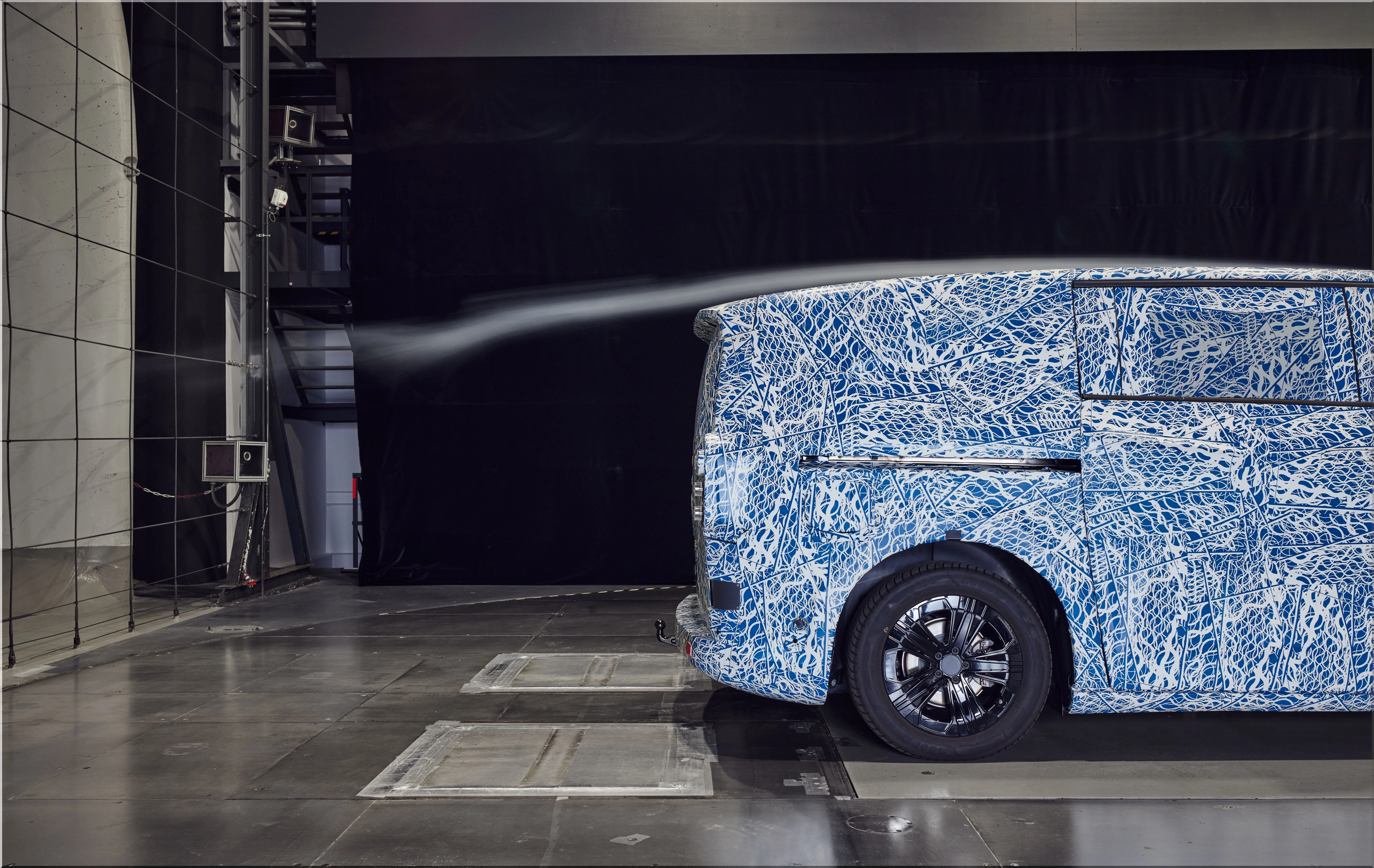
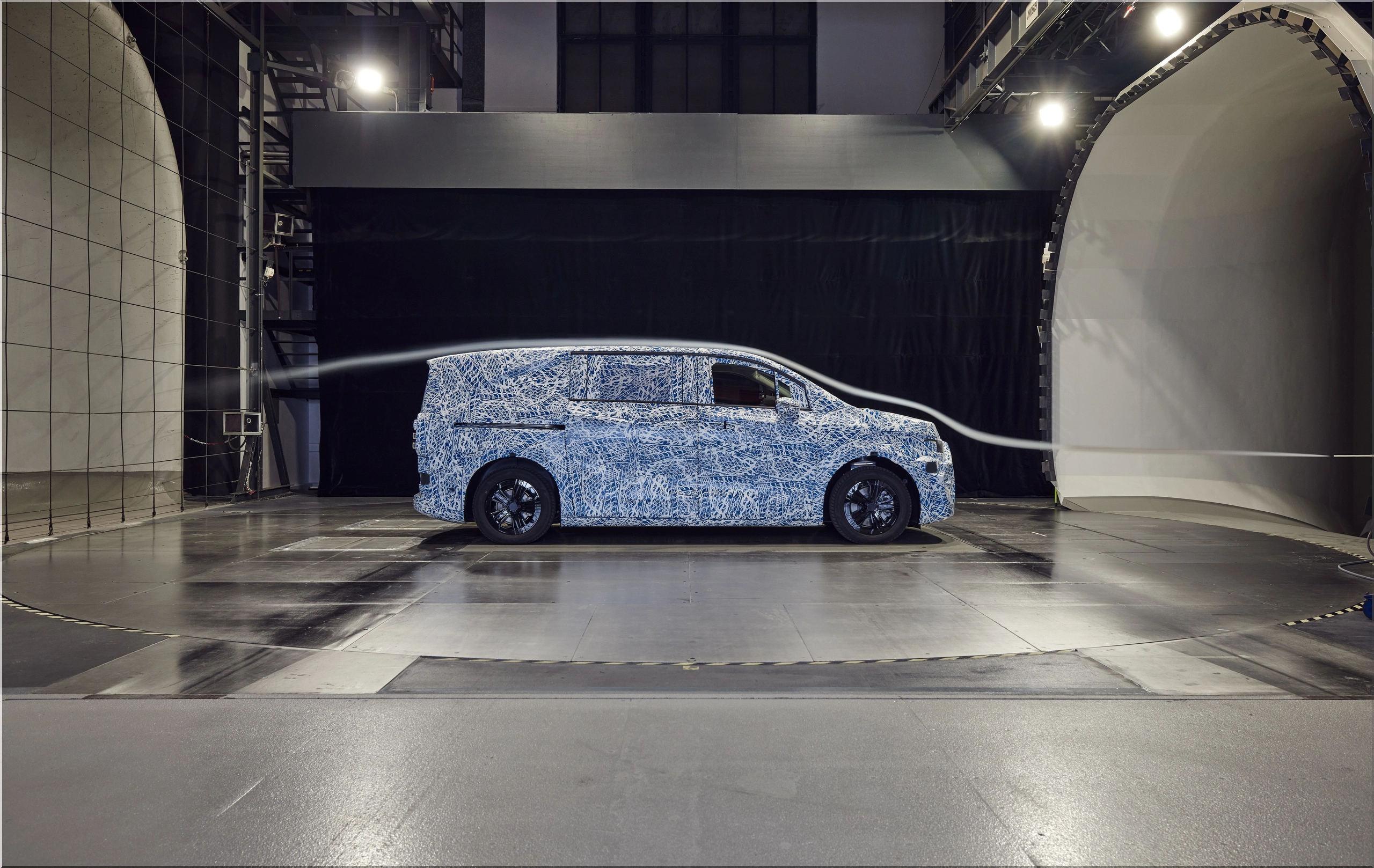
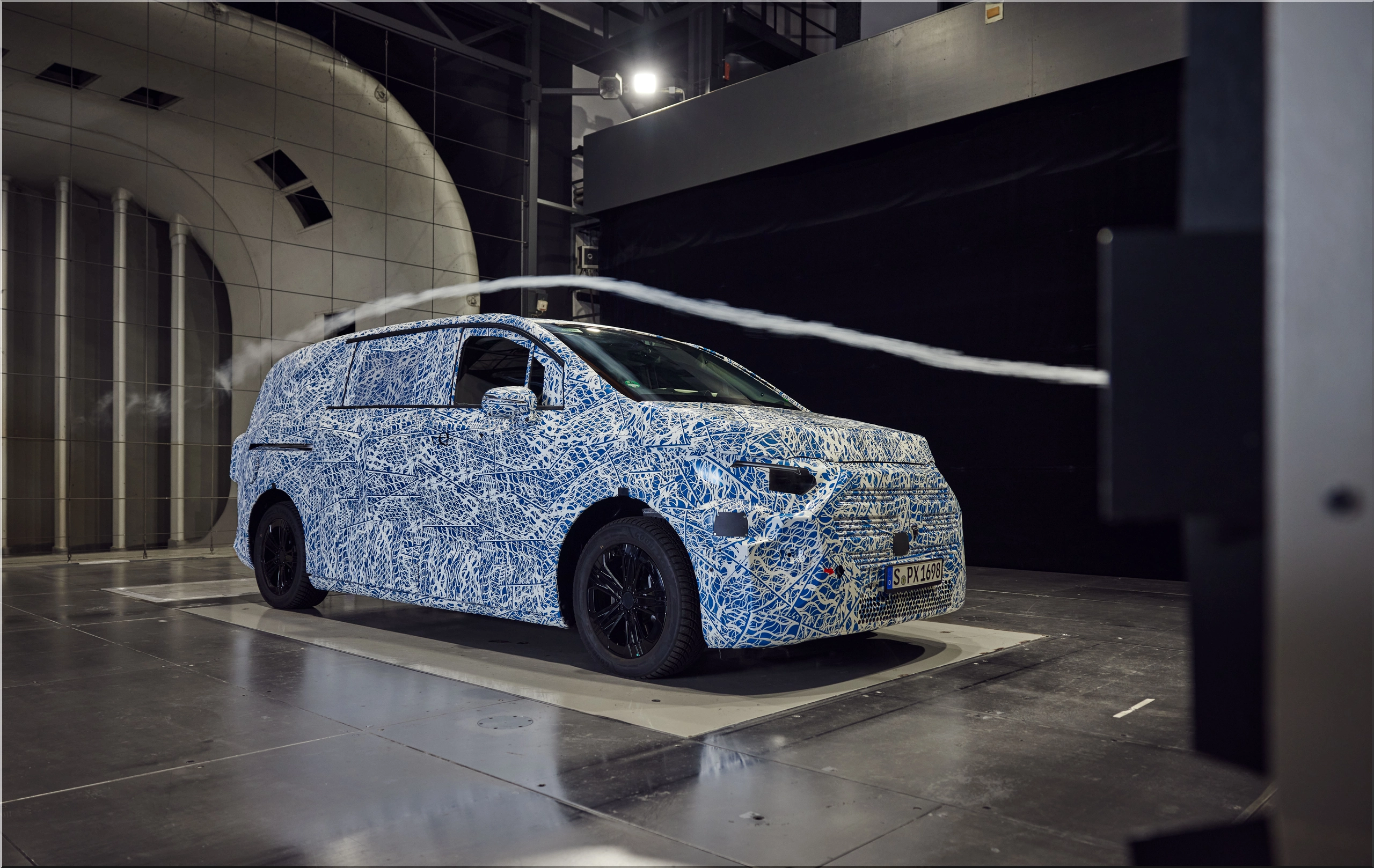
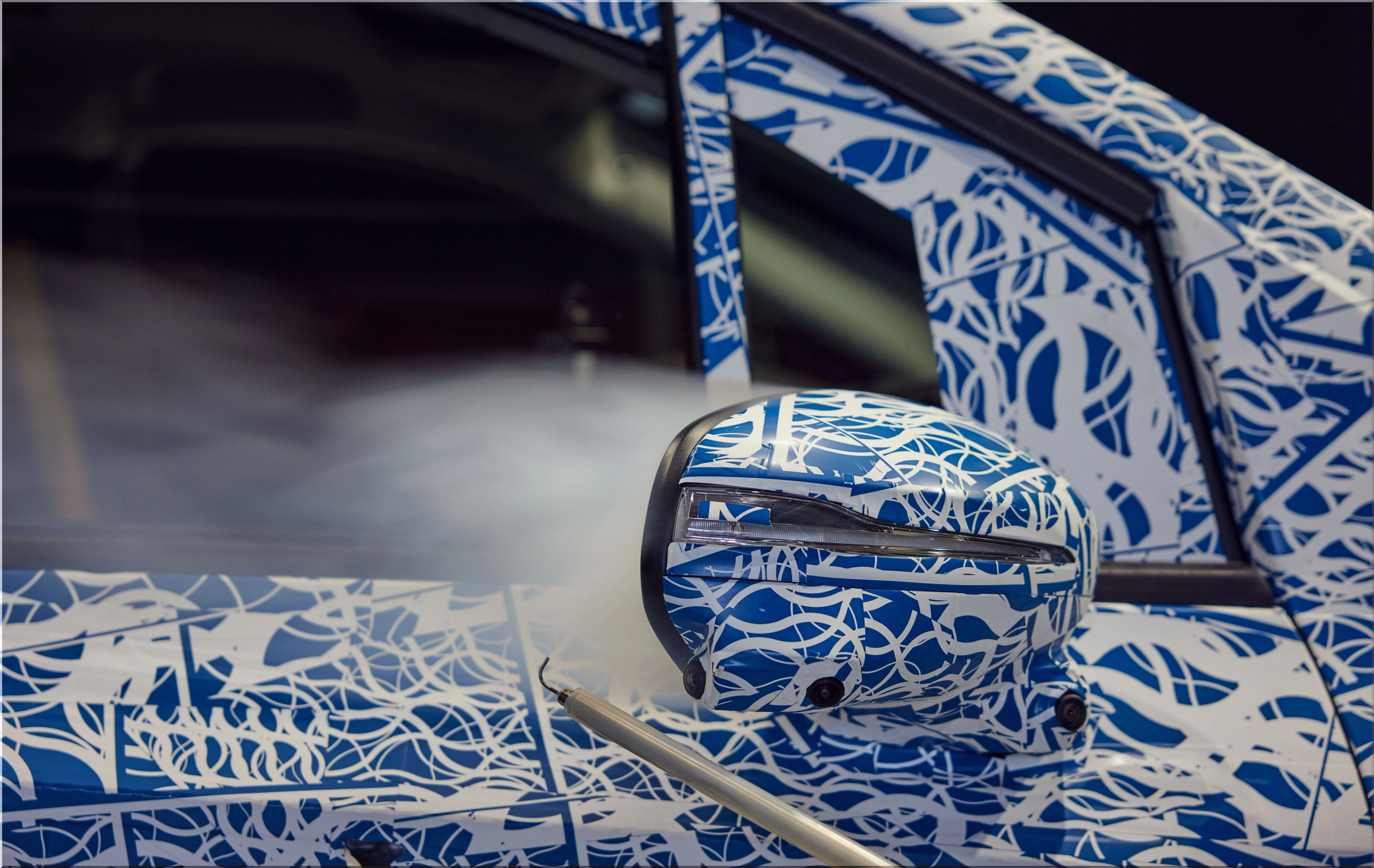
The Mercedes-Benz wind tunnel in Stuttgart put the VLE through simulated gale-force winds. Even with camouflage, the VLE recorded a low drag coefficient. Engineers focused on:
- A roofline that stretches back without sharp angles
- A smoothly integrated rear
- Tight wheel arch clearances
The payoff is simple: better range and lower energy consumption on highways.
Key result: Drag performance exceeds current MPVs.
Efficiency Test 2: High-Speed Handling at Nardò
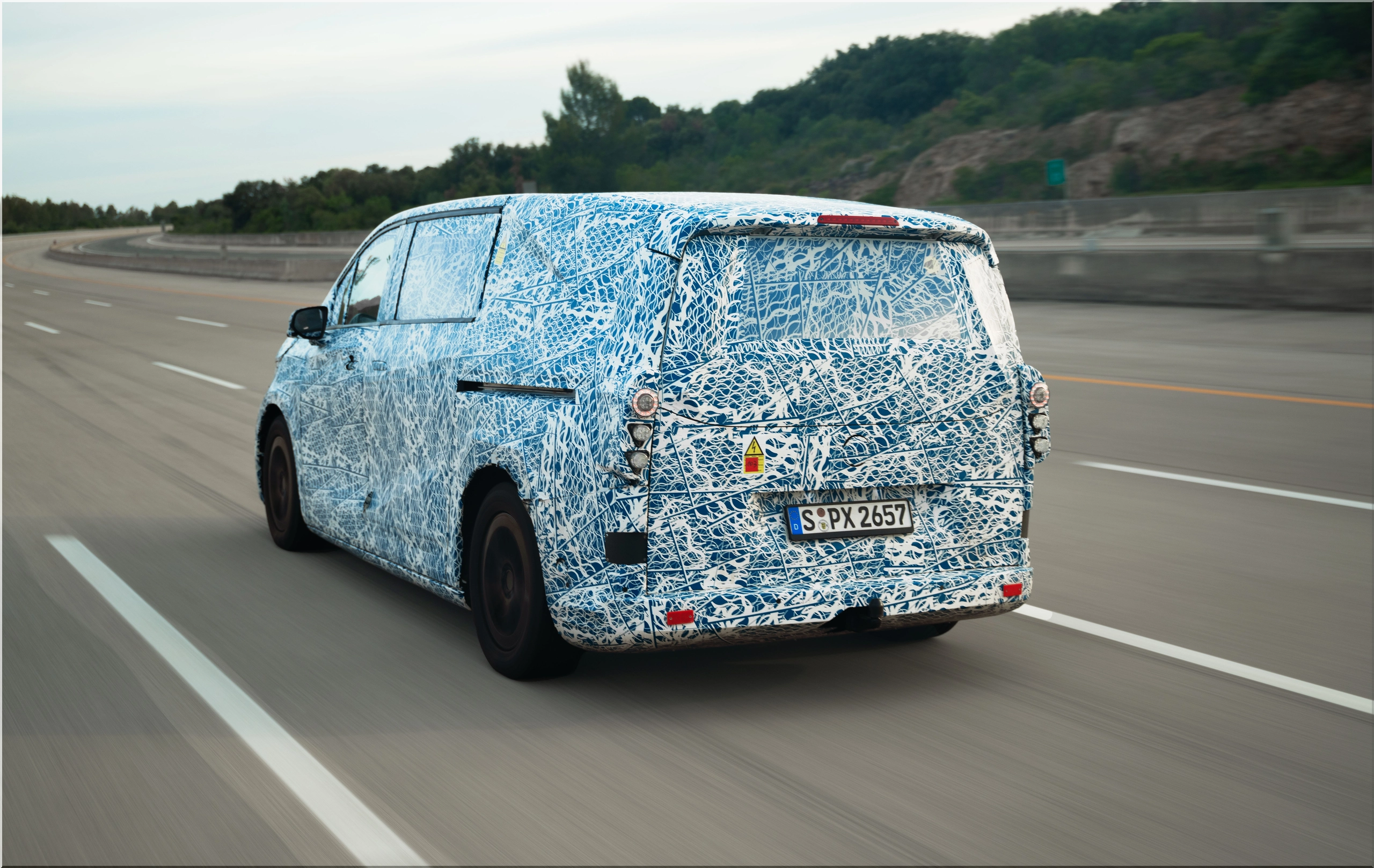
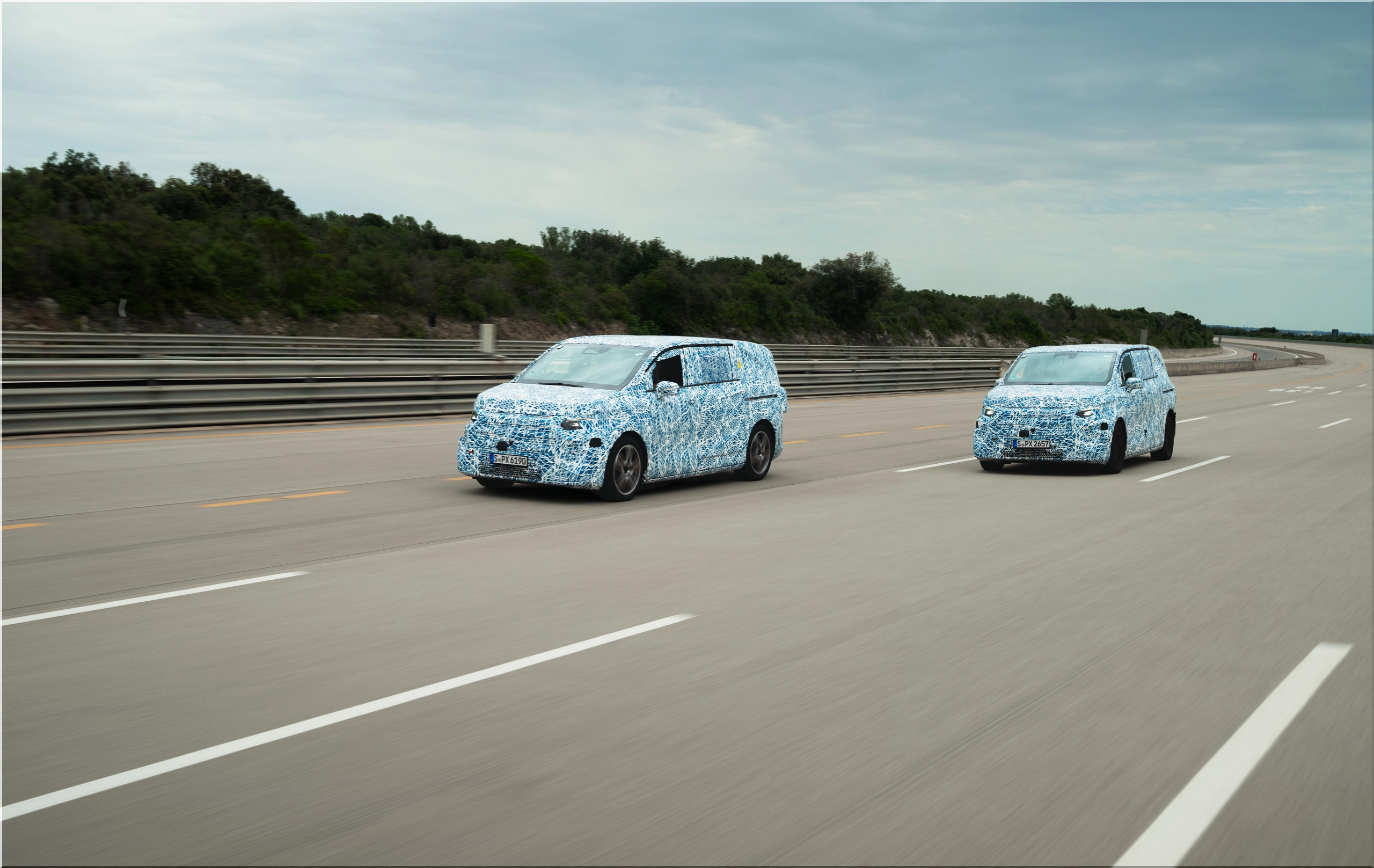
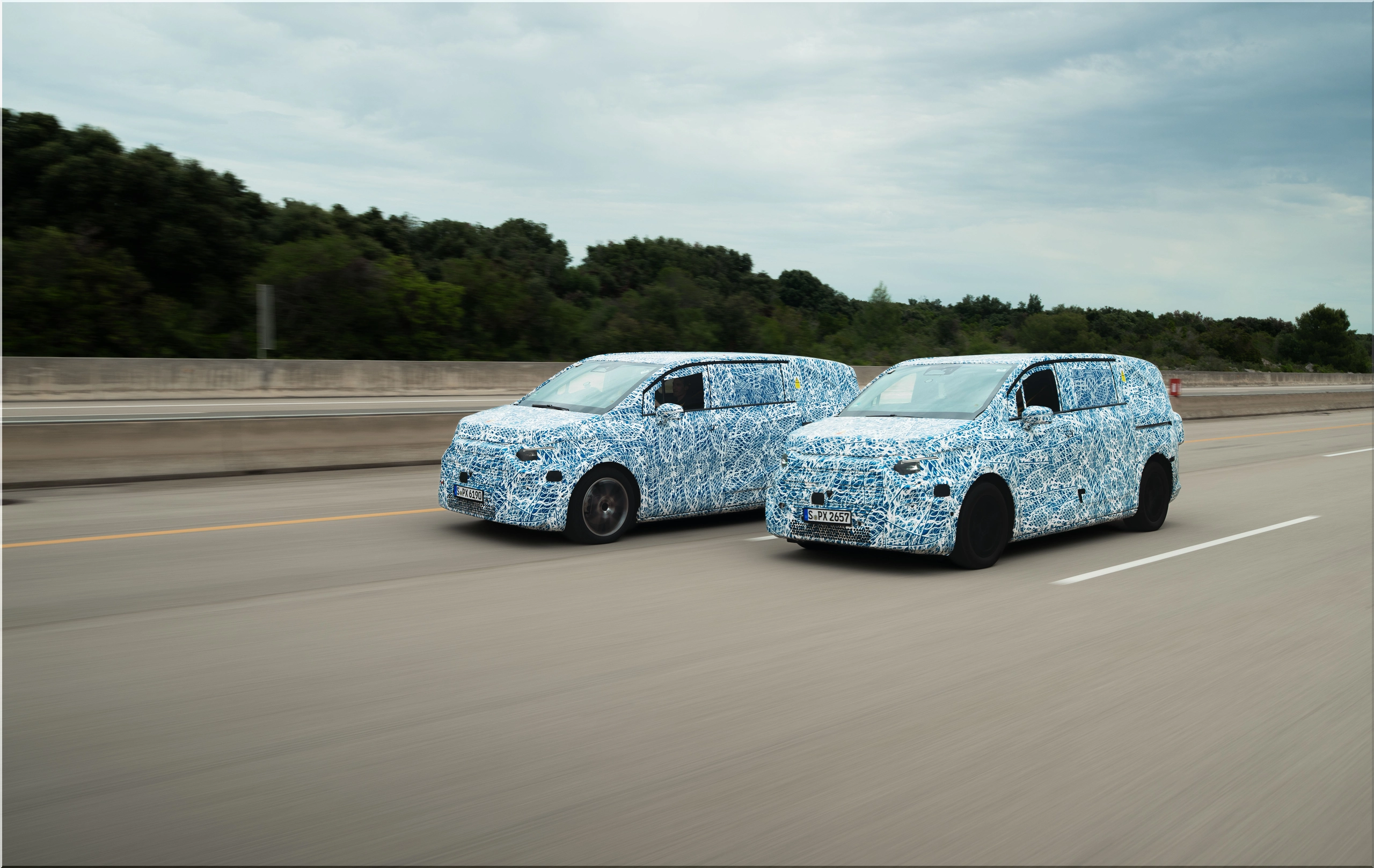
Next, the VLE went to Nardò, Italy, where it tackled dynamic handling and high-speed testing. The focus here was tuning the electric drive system.
Engineers optimized:
- Recuperation settings for energy recovery during deceleration
- Thermal management under high loads
- Rear axle steering to reduce turning radius
Rear-axle steering also boosts agility at low speeds and stability at high speeds. This is rare in MPVs, especially in the electric segment.
Efficiency Test 3: Long-Range Real-World Driving
To test real-world usability, Mercedes-Benz drove a VLE prototype from Stuttgart to Rome—a distance of approximately 1,100 kilometers (~684 miles).
The route included:
- Autobahn speeds
- Rural highways
- Urban congestion
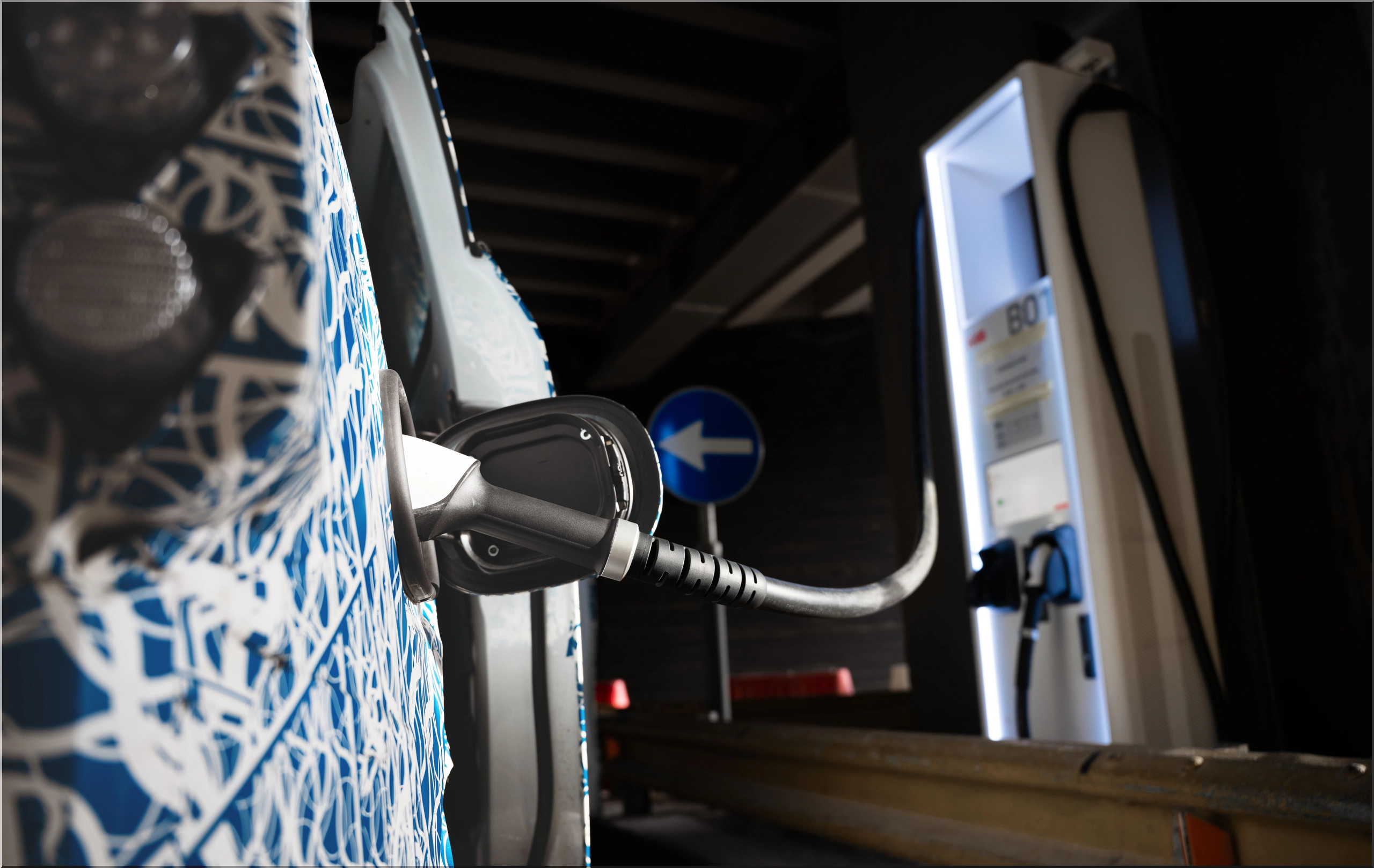
Charging stops? Just two. Each lasted 15 minutes. That’s a clear win for trip planning.
Takeaways:
- Efficient drivetrain and battery system
- Fast-charging support
- Everyday usability for long-distance families and transport businesses
Target Market: Families and VIP Shuttle Operators
The VLE lineup targets two use cases:
1. Families and Adventure Seekers
- Spacious interior
- Configurable seating
- Fast charging on long trips
2. Shuttle and Premium Transport
- Whisper-quiet ride
- Rear-axle steering for easier urban driving
- High-end materials expected in final trim
VLE vs. Existing Electric Vans
| Feature | Mercedes-Benz VLE (Est.) | Ford E-Transit | Volkswagen ID. Buzz | Rivian EDV |
|---|---|---|---|---|
| Seating Capacity | Up to 8 | 2–15 (Cargo/Passenger) | Up to 7 | Cargo only |
| Platform | New Electric Van Architecture | Converted ICE platform | EV platform | Custom EV platform |
| Rear Axle Steering | Yes | No | No | No |
| Fast Charging | Yes, 15 min top-ups | Moderate | Yes | Yes |
| Target Market | Family, VIP | Commercial | Family | Commercial |
| Estimated U.S. Price (USD) | $60,000–$75,000 | $53,000+ | $58,000+ | N/A |
The VLE differentiates itself by combining passenger comfort, fast charging, and high-speed efficiency.