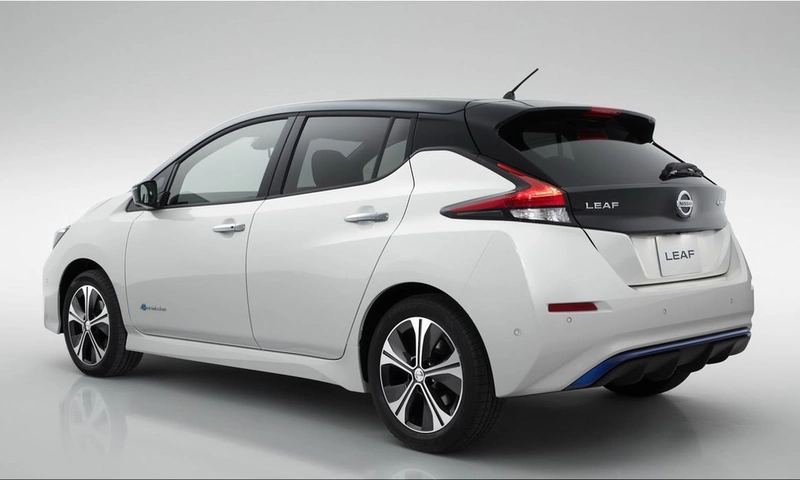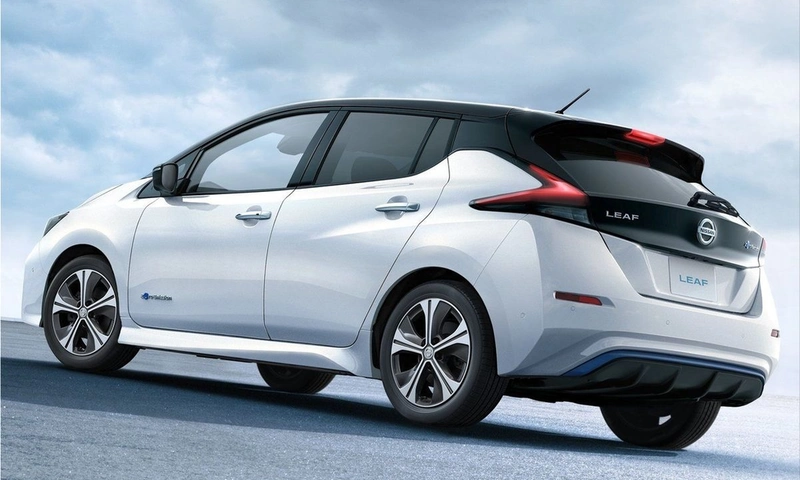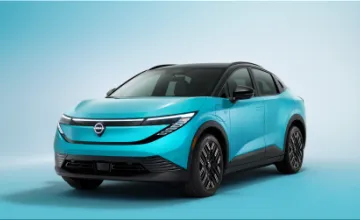
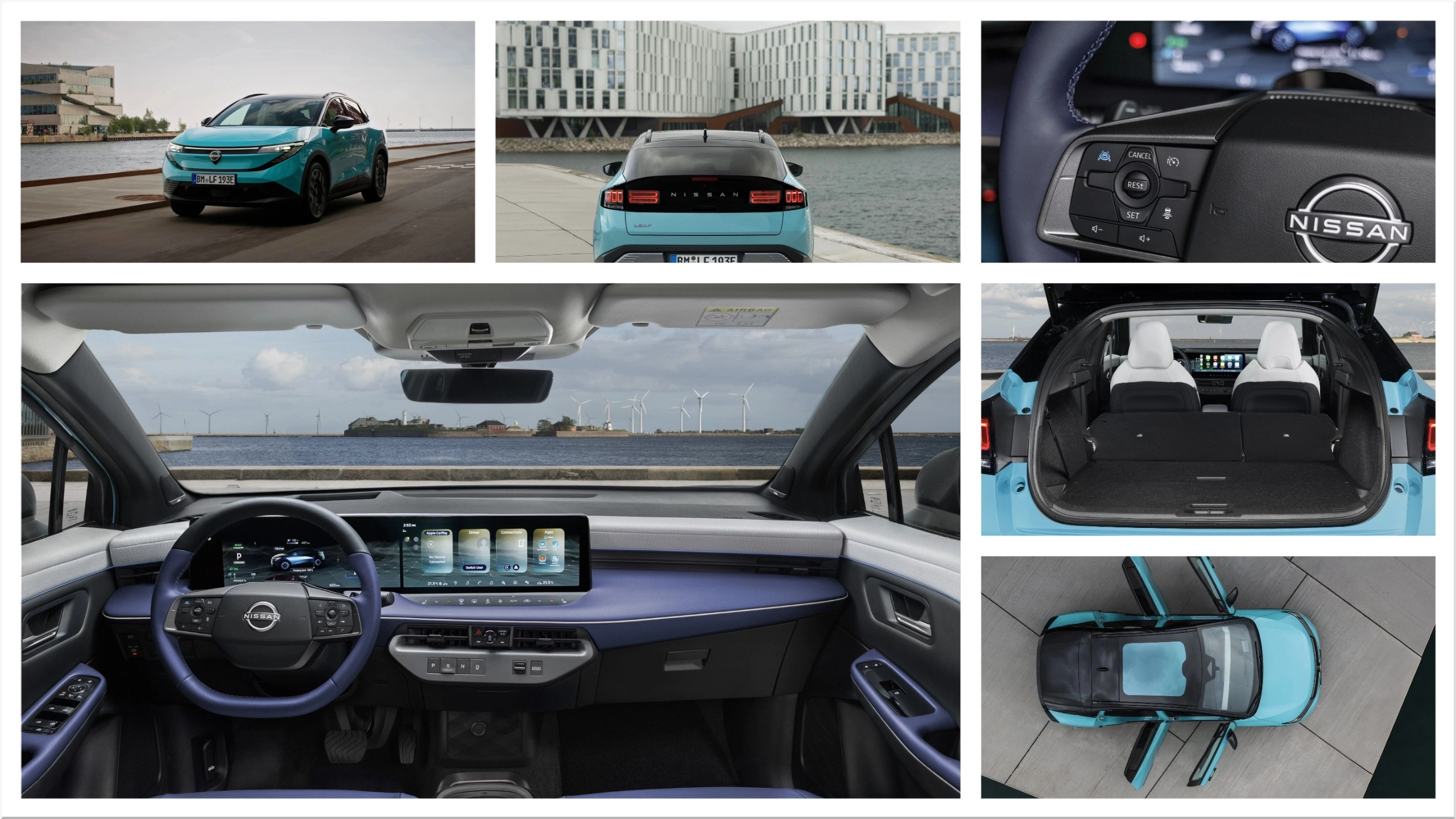
Nissan Built the Third-Generation LEAF Around Real Usage Patterns
Nissan created the new Nissan LEAF with a planning model guided by hard data rather than assumptions. Product teams tracked 28 billion kilometers of global usage. That dataset shaped core decisions for range, size, digital systems, and charging features.
Teams in Europe handled planning for this generation. They used customer feedback, telematics patterns, and rapid testing cycles. Their goal centered on efficiency and usability backed by measurable data points.
Image
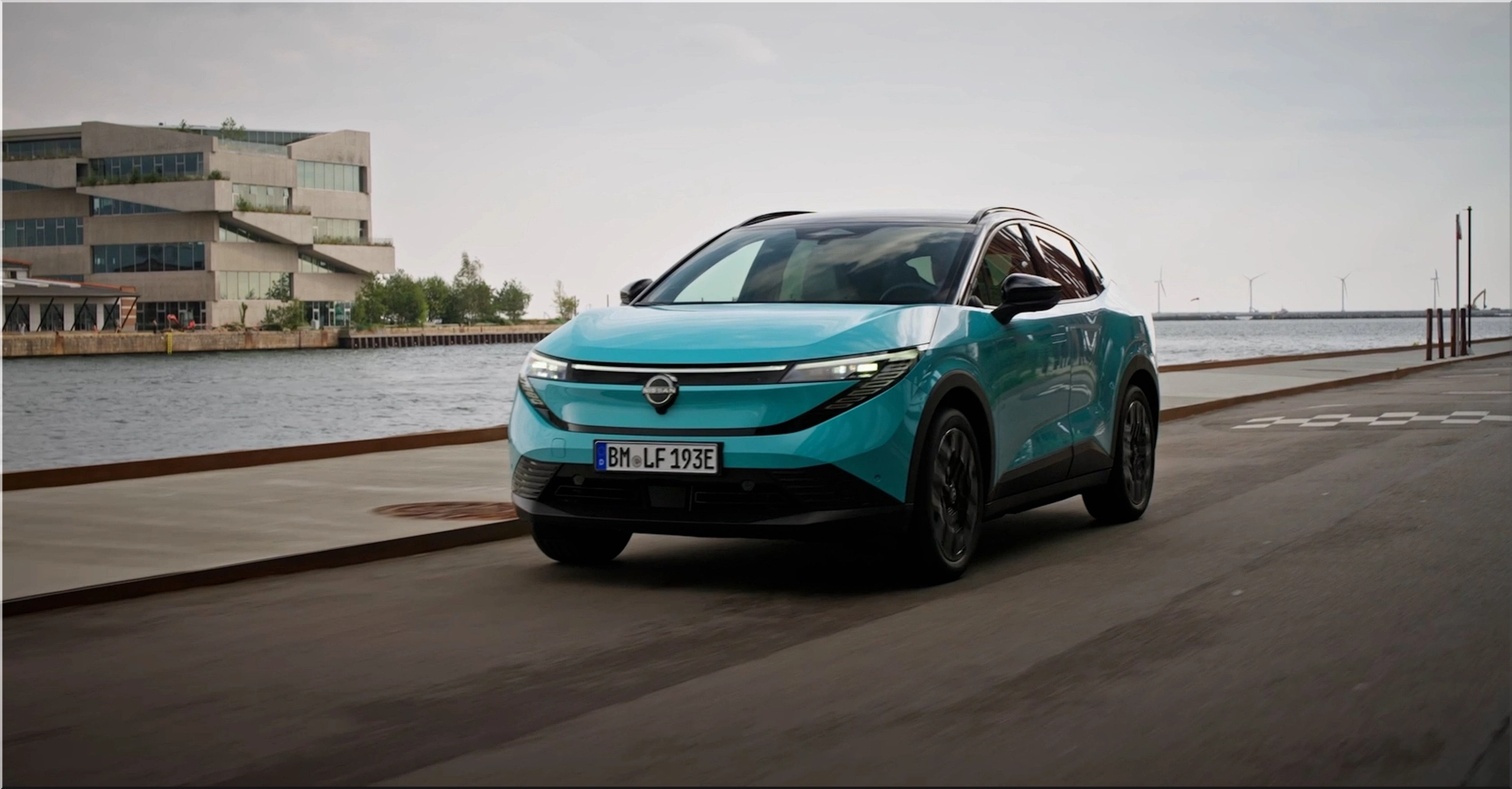
Shifts in EV Customer Expectations
Early EV adopters valued environmental gains. They accepted limited comfort and fewer digital tools. Current buyers expect more practical gains from a compact electric hatchback. That shift pushed Nissan to redesign the entire LEAF experience.
Product planning leaders reported steady requests for stronger range, more responsive charging, and better digital connectivity. These findings came from continuous analysis rather than isolated surveys.
Image
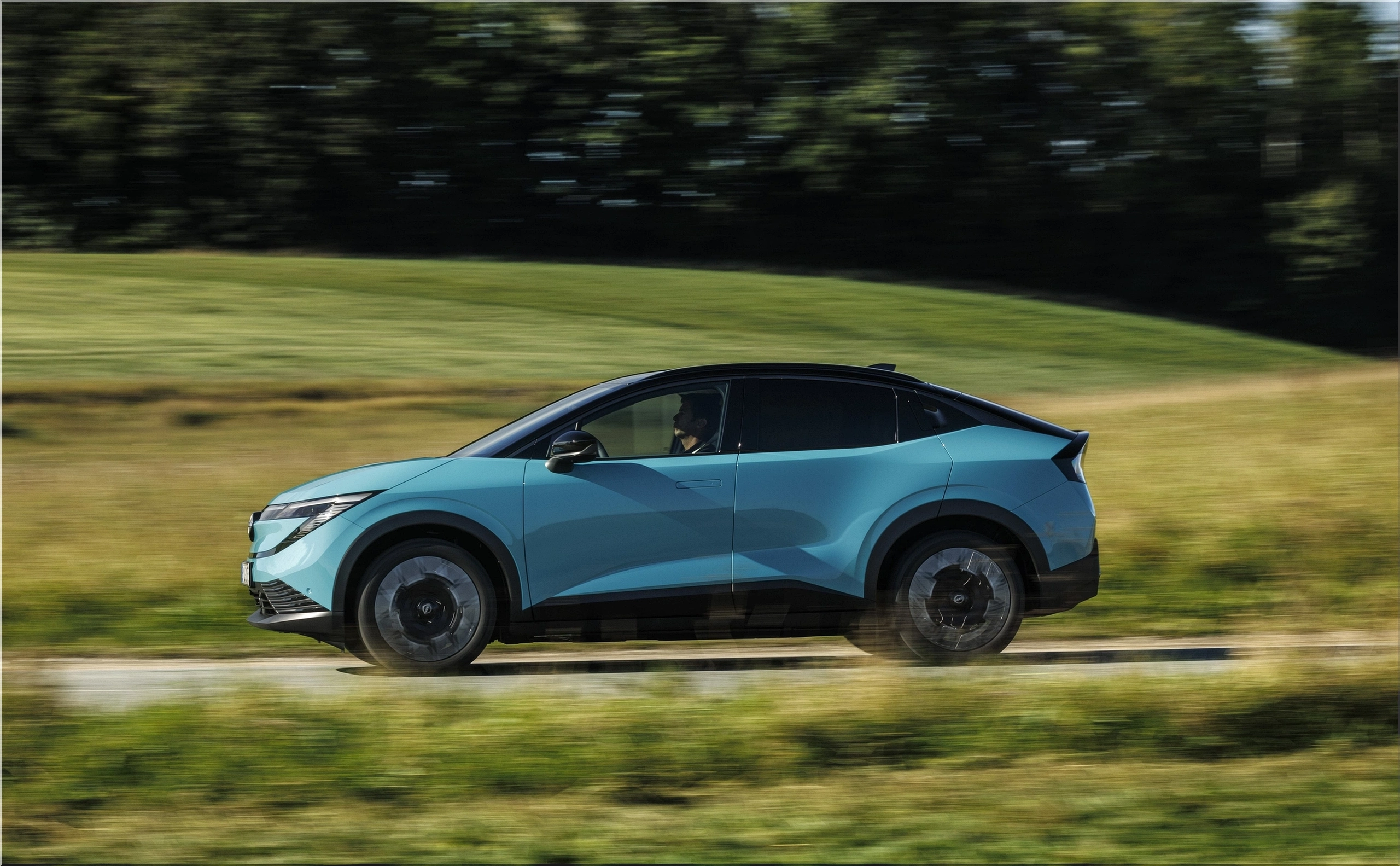
Core Insights From 28 Billion Kilometers of Data
Teams reviewed usage data from Europe, Asia, and North America. Patterns stayed consistent.
Key findings included:
- Drivers stayed within short daily distances.
- Public charging usage varied by region.
- Daytime charging sessions increased during colder seasons.
- Owners favored clear controls and simple interfaces.
That dataset guided each major decision. Nissan focused on practical gains instead of marketing-driven features.
Image
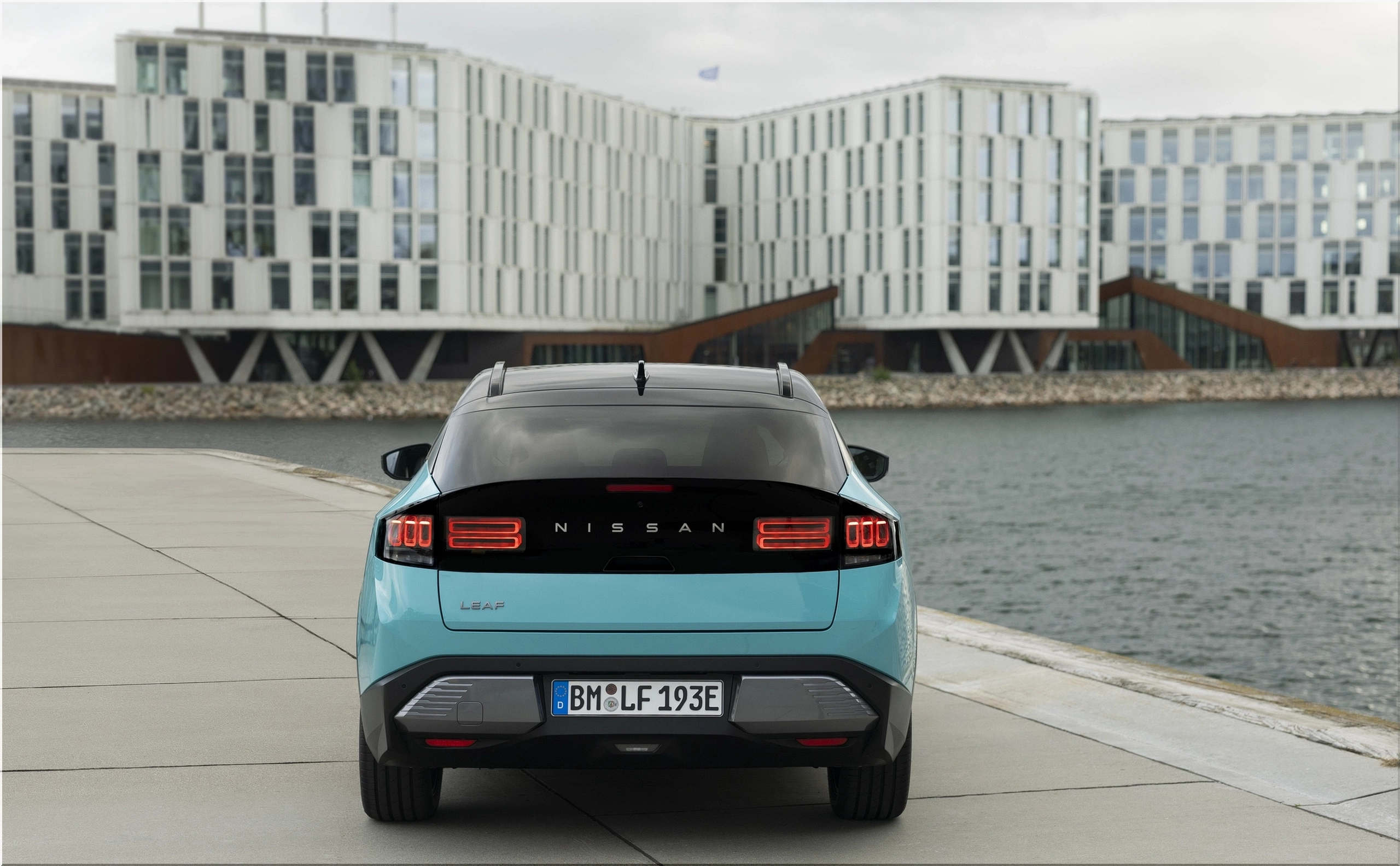
Major Data-Driven Conclusions
- Drivers needed steady range during winter.
- Clear software menus mattered more than niche functions.
- Charging predictability influenced satisfaction more than peak speed.
- Compact dimensions improved daily convenience.
- Cabin practicality ranked higher than premium touches.
These results shaped the new model's priorities.
Video gallery
Video title
2026 Nissan LEAF
European Planning Teams Took the Lead
The Nissan Europe Product Planning group guided the full process. Key figures included Xavier Tesson, Christophe Amblard, and Alexander Nikolaev. Their teams tracked regional expectations and tested prototypes across multiple cities.
They focused on efficiency, user-focused digital tools, and steady daily performance. Engineers studied how drivers used energy across varied climates. That work helped set targets for battery management and thermal systems.
Customer Behavior Guided Every Major Feature
Nissan centered development on clear customer needs with efficiency goals shaped through usage data. This direction affected charging, heating controls, cabin layout, and interface design.
Key priorities included:
- Energy efficiency
- Simple digital menus
- Practical cabin layout
- Predictable charging features
- Steady winter performance
Planners aimed for consistent real-world results instead of peak-lab figures.
Image
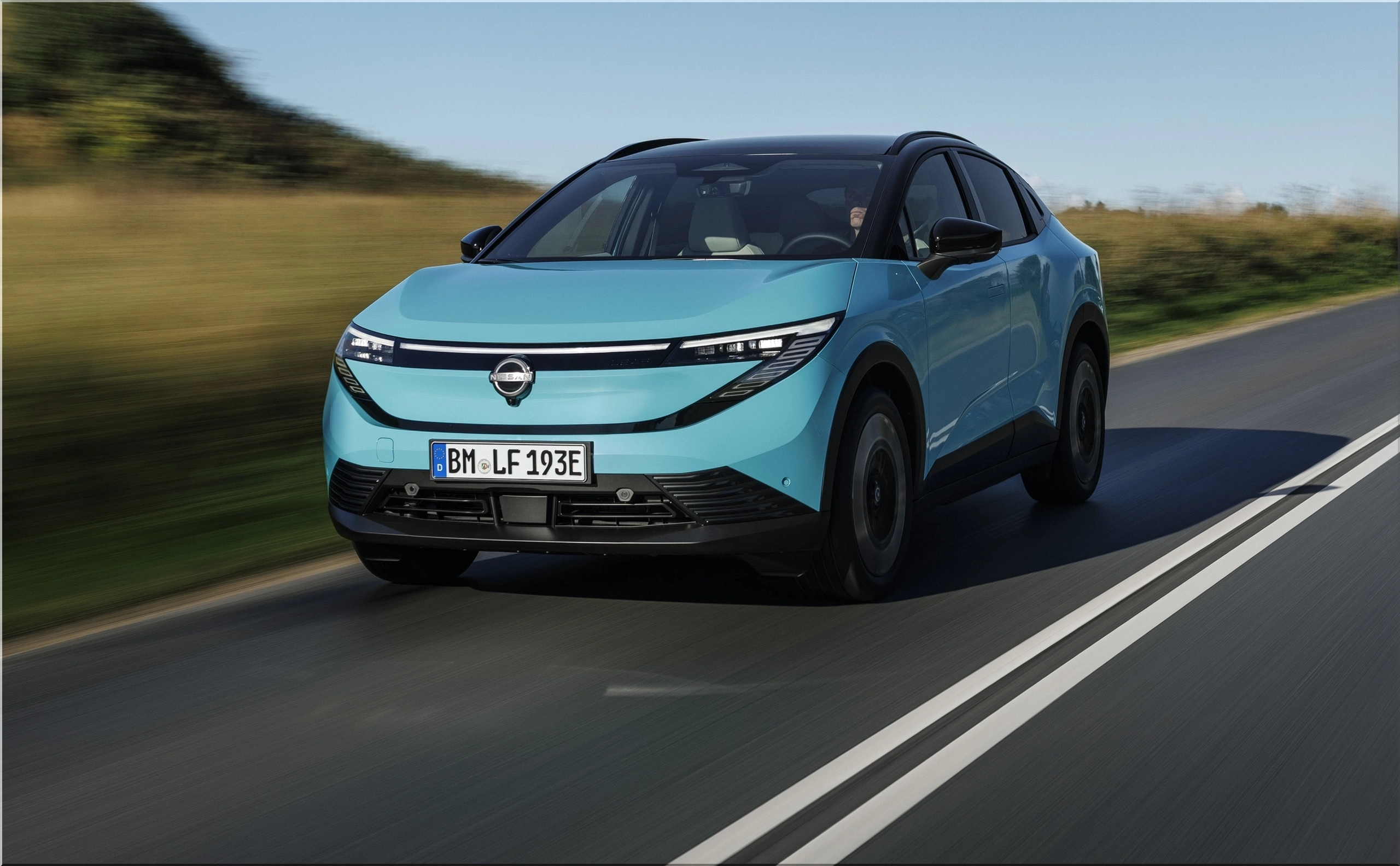
Range and Charging Features Built From Real Trips
The team tracked daily usage segments to guide charging and range settings.
Daily Distance Patterns
- Most trips stayed under 40 km.
- Regional peaks varied, but patterns stayed consistent.
- City drivers preferred quick top-ups during errands.
Charging Behavior
- Home charging dominated daily cycles.
- Drivers preferred short sessions during weekdays.
- Public charging increased during long trips only.
Nissan used these patterns to shape the new LEAF charging map, energy predictions, and battery management settings.
Simpler Digital Tools Based on Driver Priorities
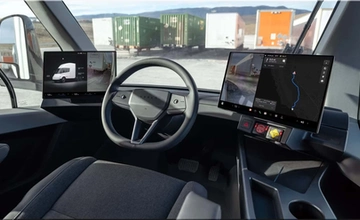
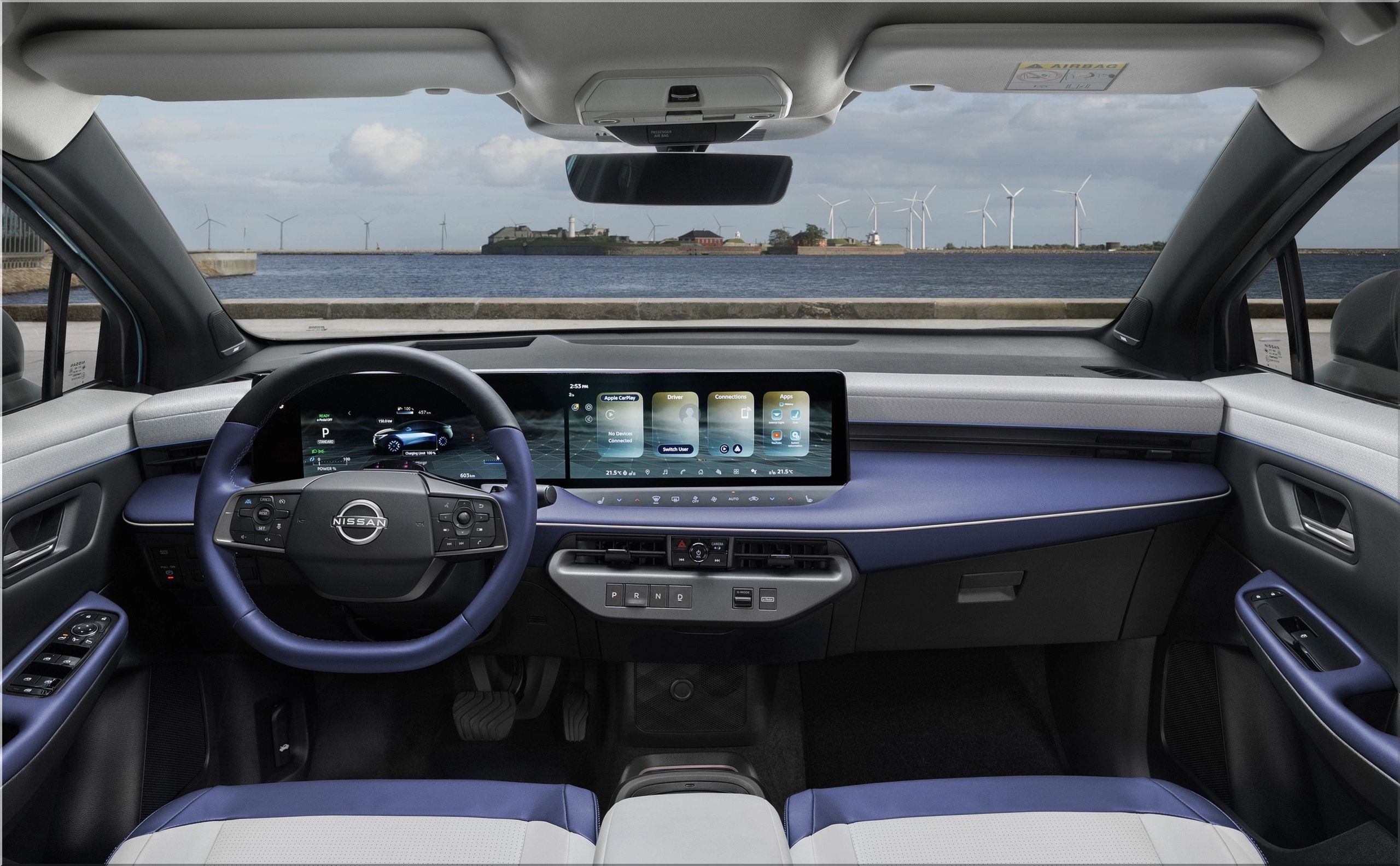
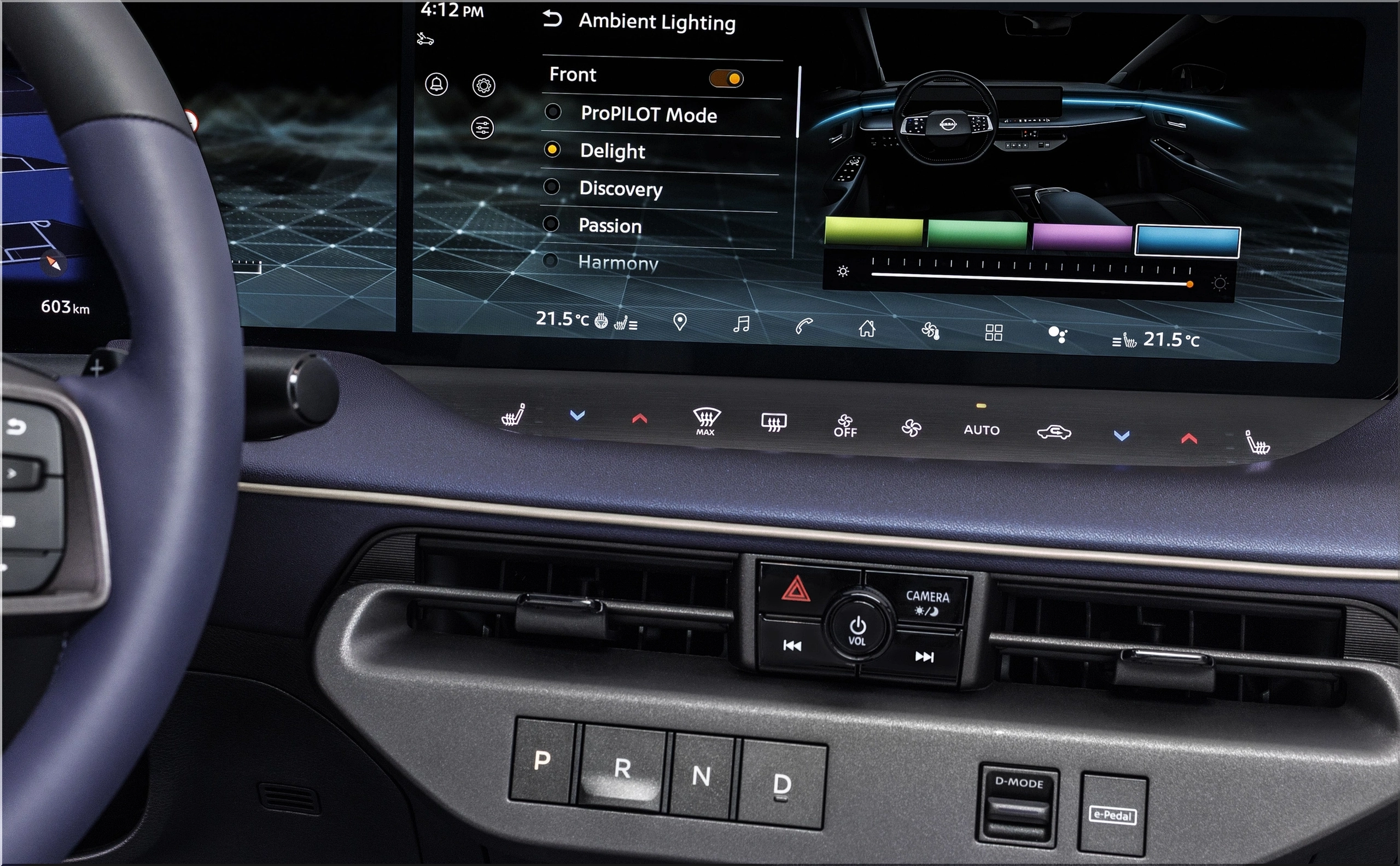
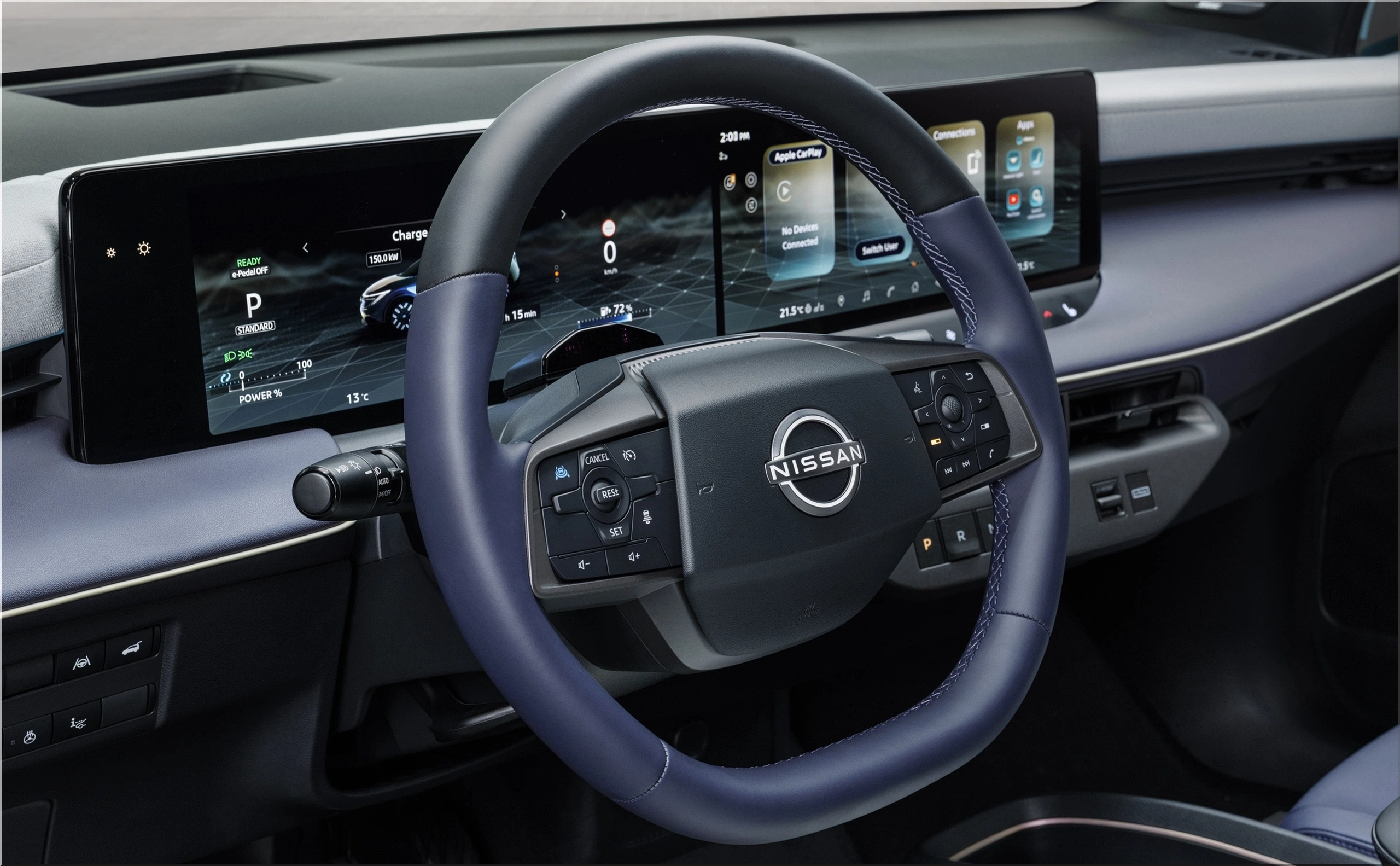
Data showed that drivers wanted simple, predictable menus. The team reduced clutter on the main screens and shifted focus to faster responses.
Key changes included:
- Clearer energy usage graphs
- Reduced interface layers
- Faster route guidance
- Cleaner charge status screens
These features aimed to reduce driver task load and improve daily convenience.
Cabin Layout Based on Practical Needs
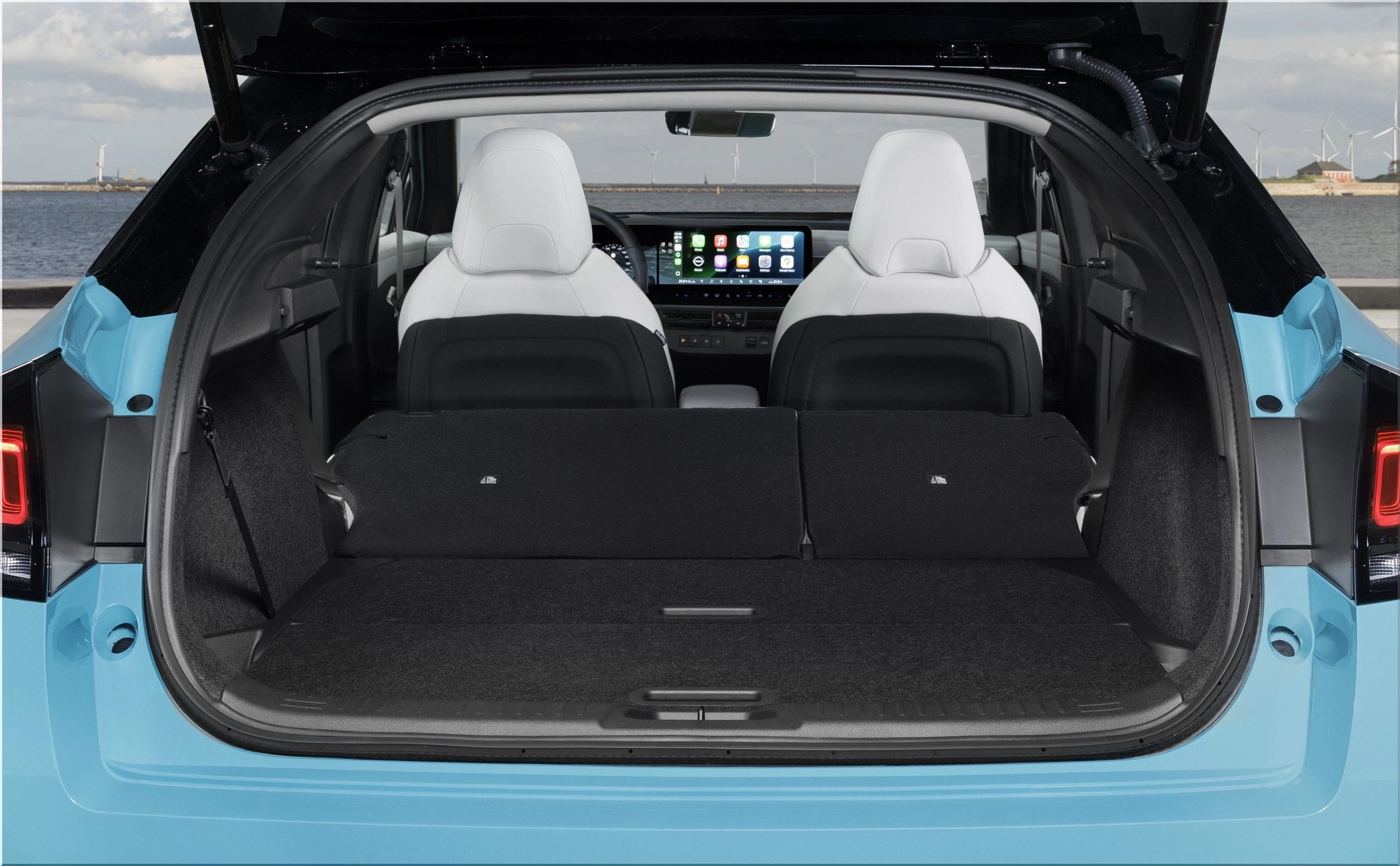
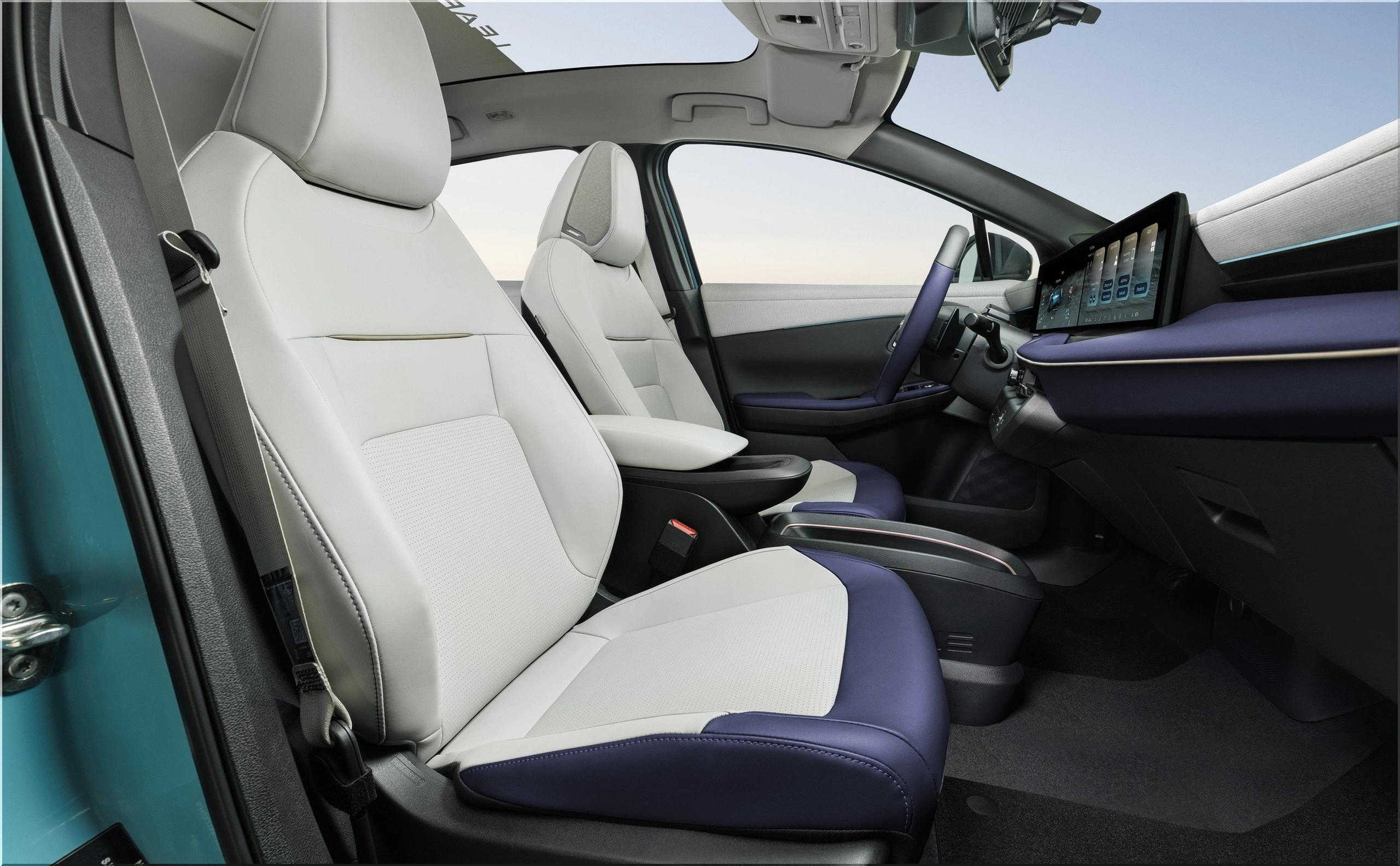
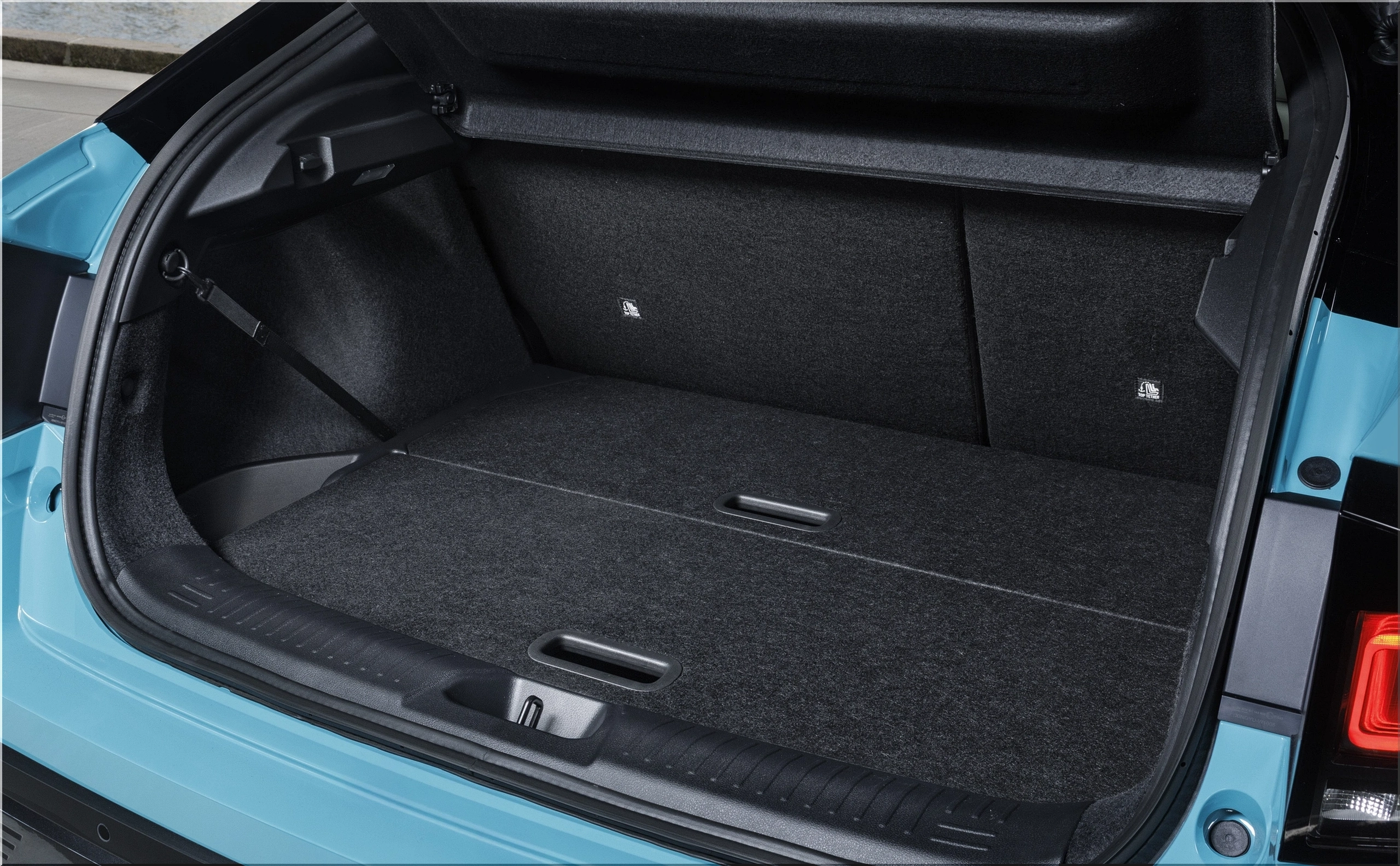
Customer feedback pushed teams to redesign storage areas, seating space, and climate controls. Practicality outweighed cosmetic features.
Planning teams measured small tasks such as:
- Reaching for core controls
- Loading grocery bags
- Managing tight parking spaces
- Stowing small devices
The final cabin layout reflects these studies more than design trends.
How Data Influenced Vehicle Positioning in Europe
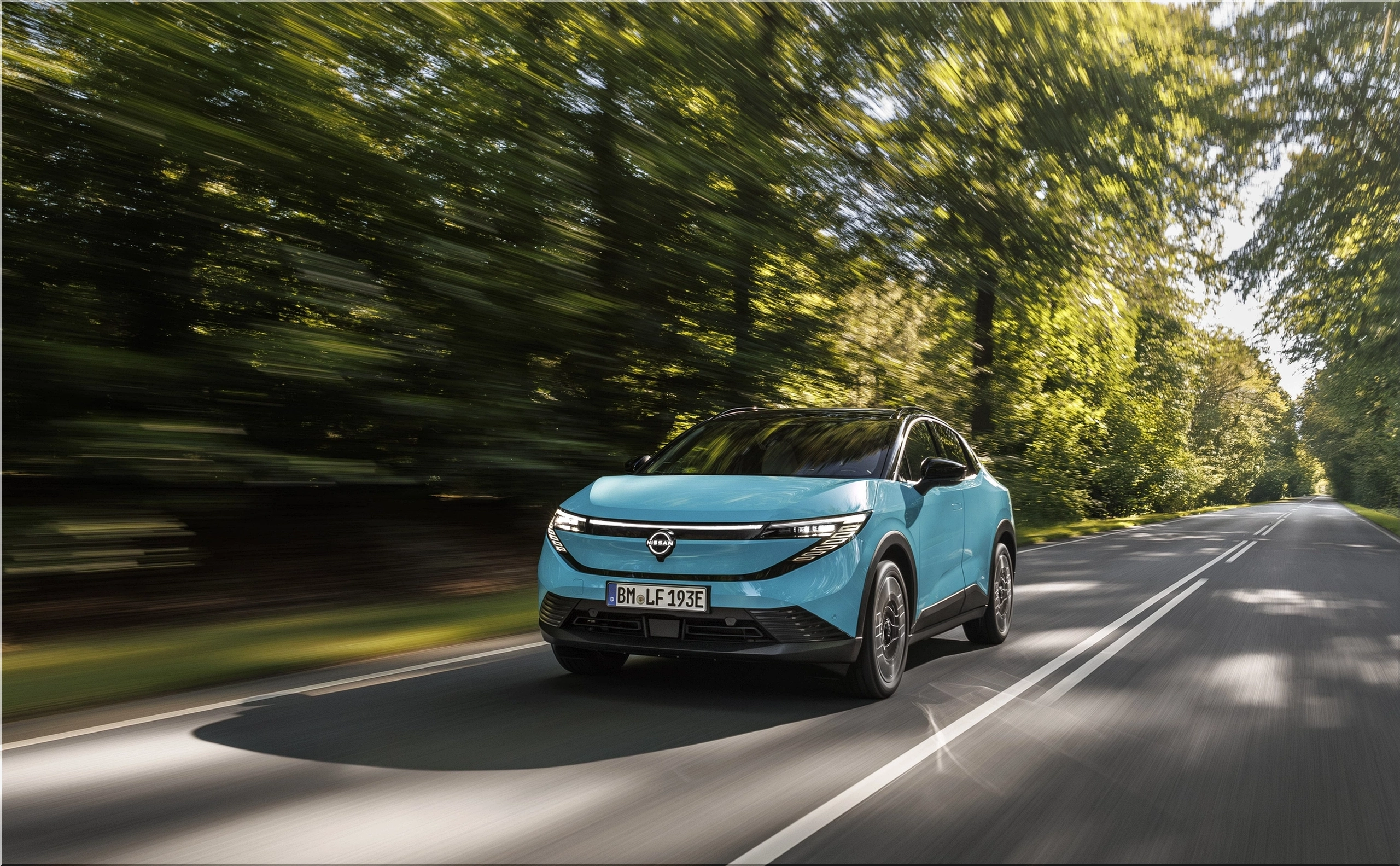
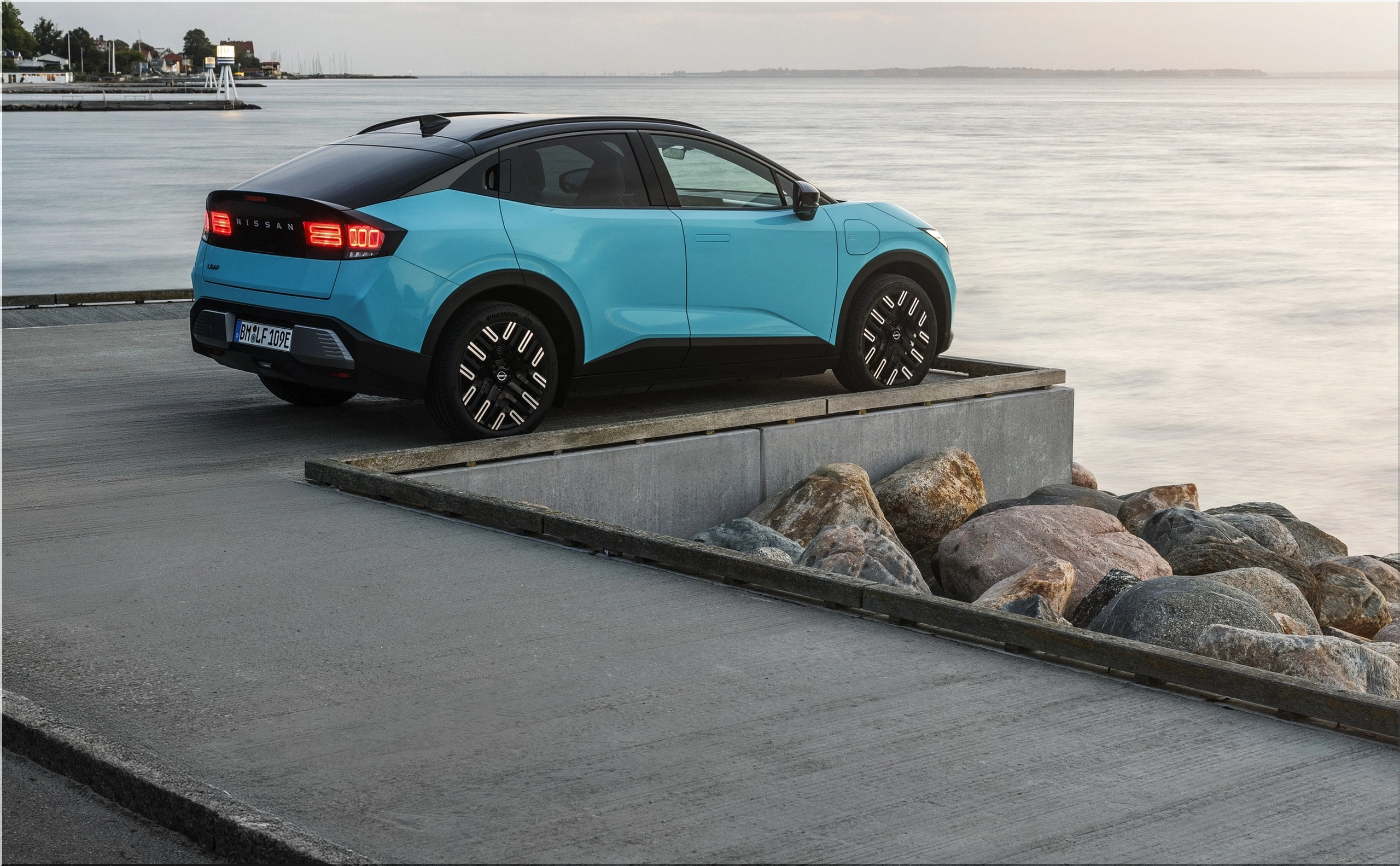
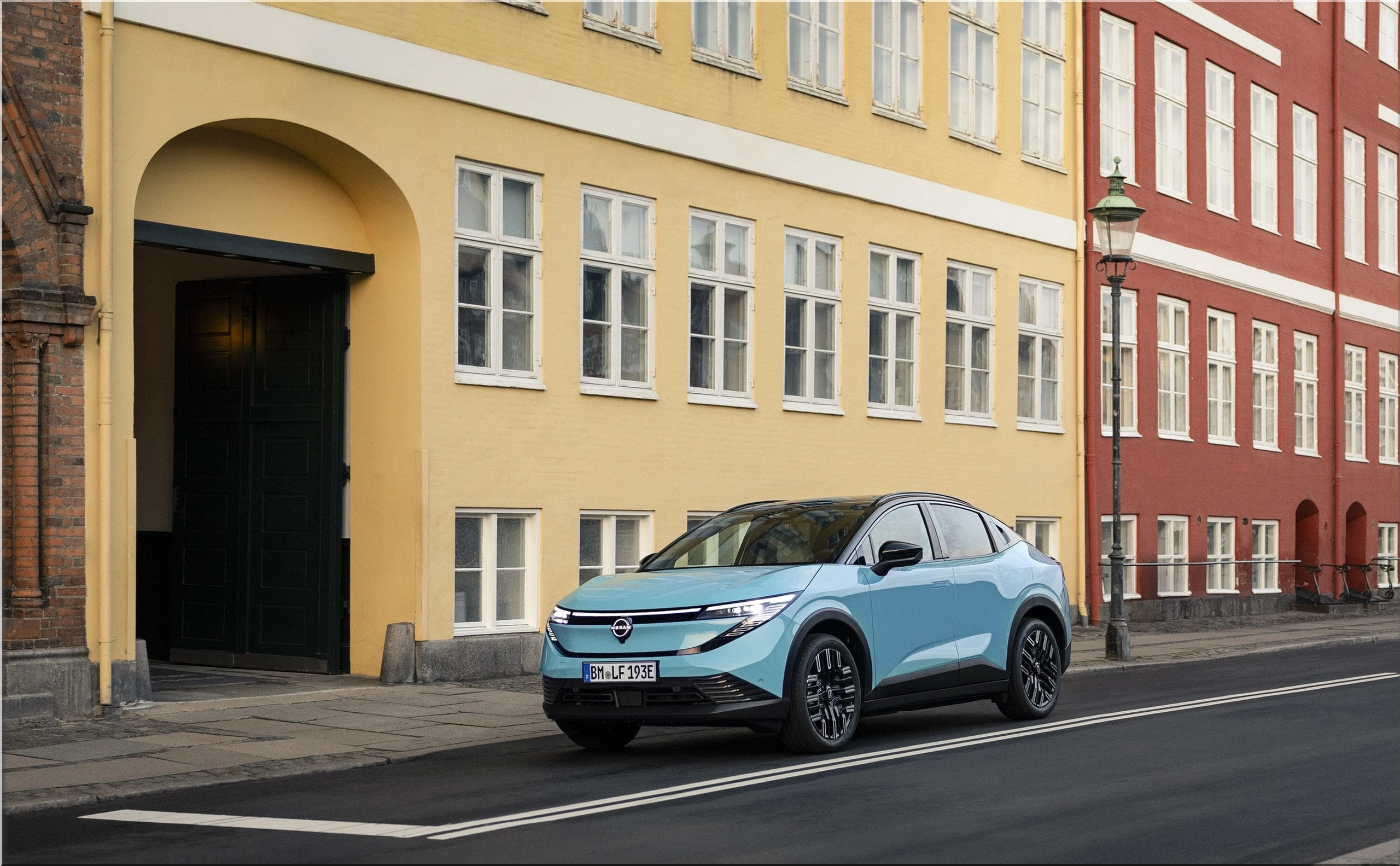
European drivers favored compact EVs with predictable range and strong digital tools. That shaped this third-generation Nissan LEAF as a practical compact EV rather than a premium-focused product.
European planning leaders tracked:
- Regional charging infrastructure
- Climate variations
- Customer feedback loops
- Local driving patterns
These inputs guided size targets, thermal settings, and digital systems.
Table: Key Planning Inputs Behind the New Nissan LEAF
| Planning Area | Data Source | Key Decision |
|---|---|---|
| Range targets | Winter usage data | Focus on steady cold-weather performance |
| Cabin layout | Customer behavior studies | Prioritize storage, direct controls |
| Charging | Public and home charging patterns | Improve predictability and session control |
| Digital tools | Menu usage logs | Shorten menus and improve clarity |
| Dimensions | Urban driving data | Maintain compact footprint |
Nissan's Data Strategy for Future EVs
Nissan built a planning model that centers on long-term data analysis. Future EV products will likely follow the same structure.
The company continues to track real usage across multiple markets. Engineers expect this dataset to grow each year. That growth will guide new projects and refine existing EV systems.
Pricing Expectations
Nissan has not released official pricing for this generation. Current compact EVs in Europe range between $32,000 USD and $45,000 USD. The new Nissan LEAF will likely stay within that range based on segment trends.
Nissan aims to keep costs competitive while meeting core customer demands for:
- Range stability
- Charging predictability
- Practical cabin layout
- Clear digital tools
Image gallery:


Final Takeaway
Nissan used real usage data and customer behavior patterns to plan the new Nissan LEAF. Teams focused on practical gains backed by billions of kilometers of real driving. European product planners shaped this EV around efficiency, simple digital tools, and predictable performance.
The result reflects a planning model grounded in real trips, real drivers, and measurable patterns rather than assumptions.
- Add new comment
- 211 views