First Electric Waste Collection Truck Hits the Road in Vadsø
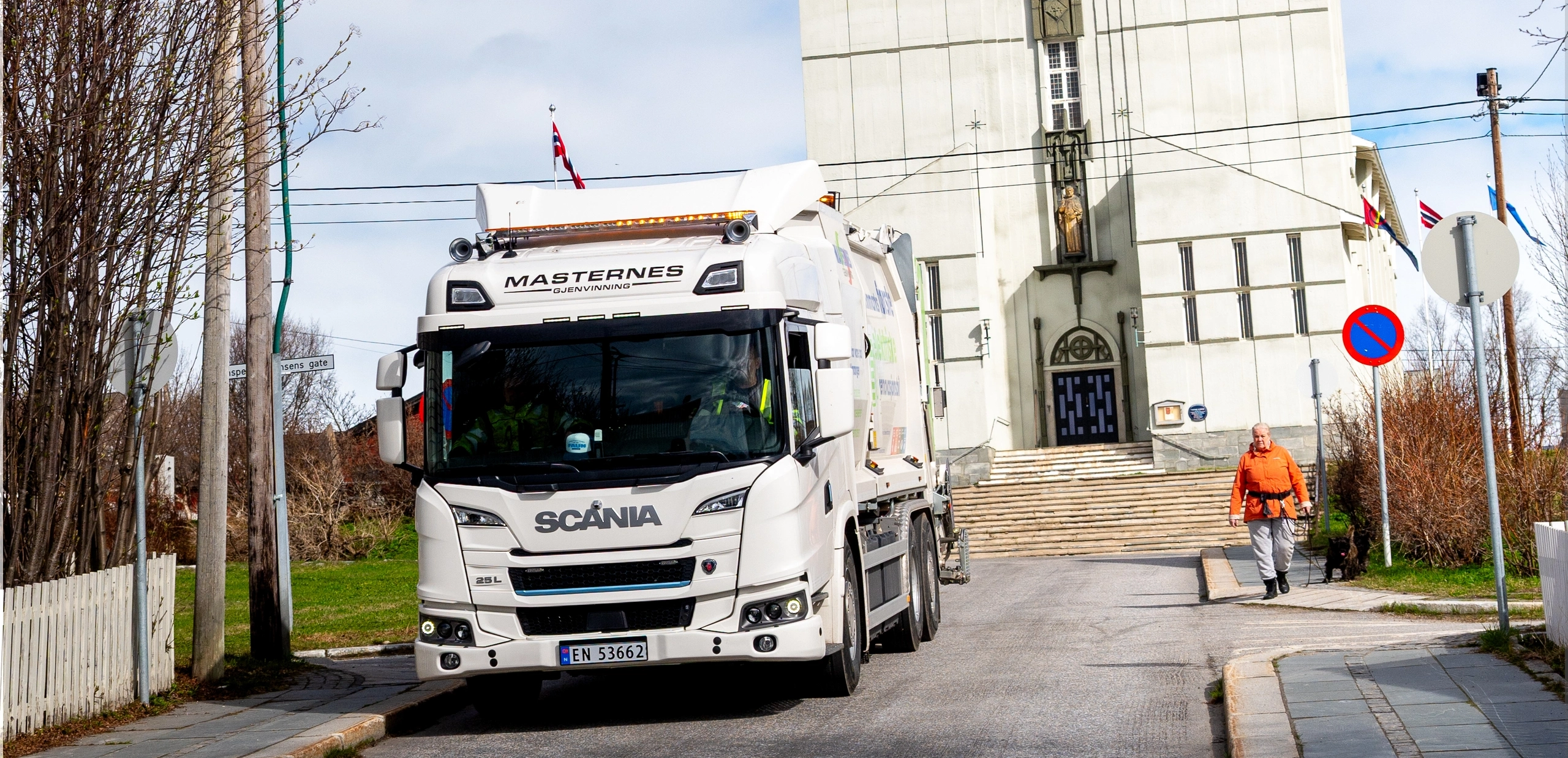
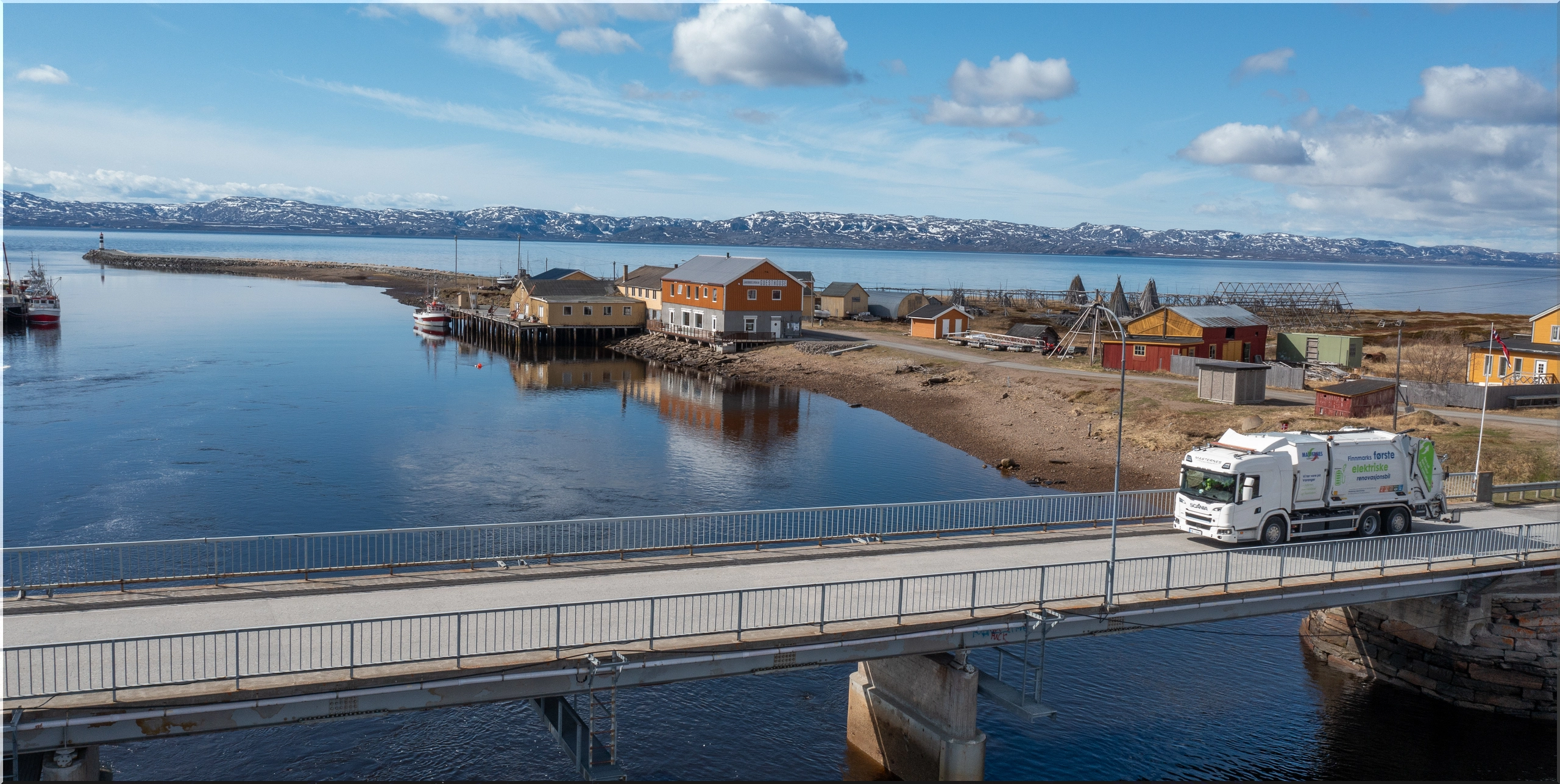
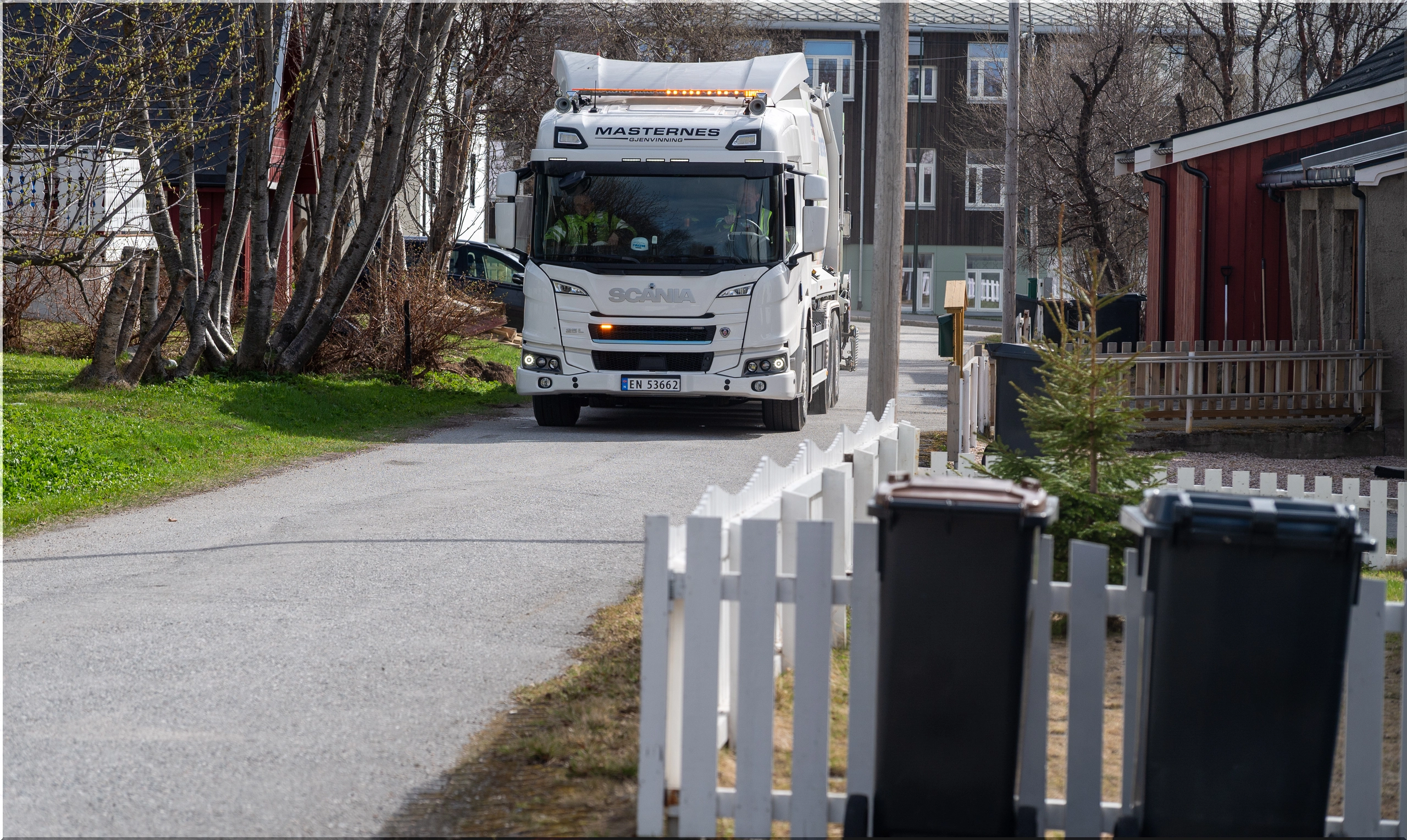
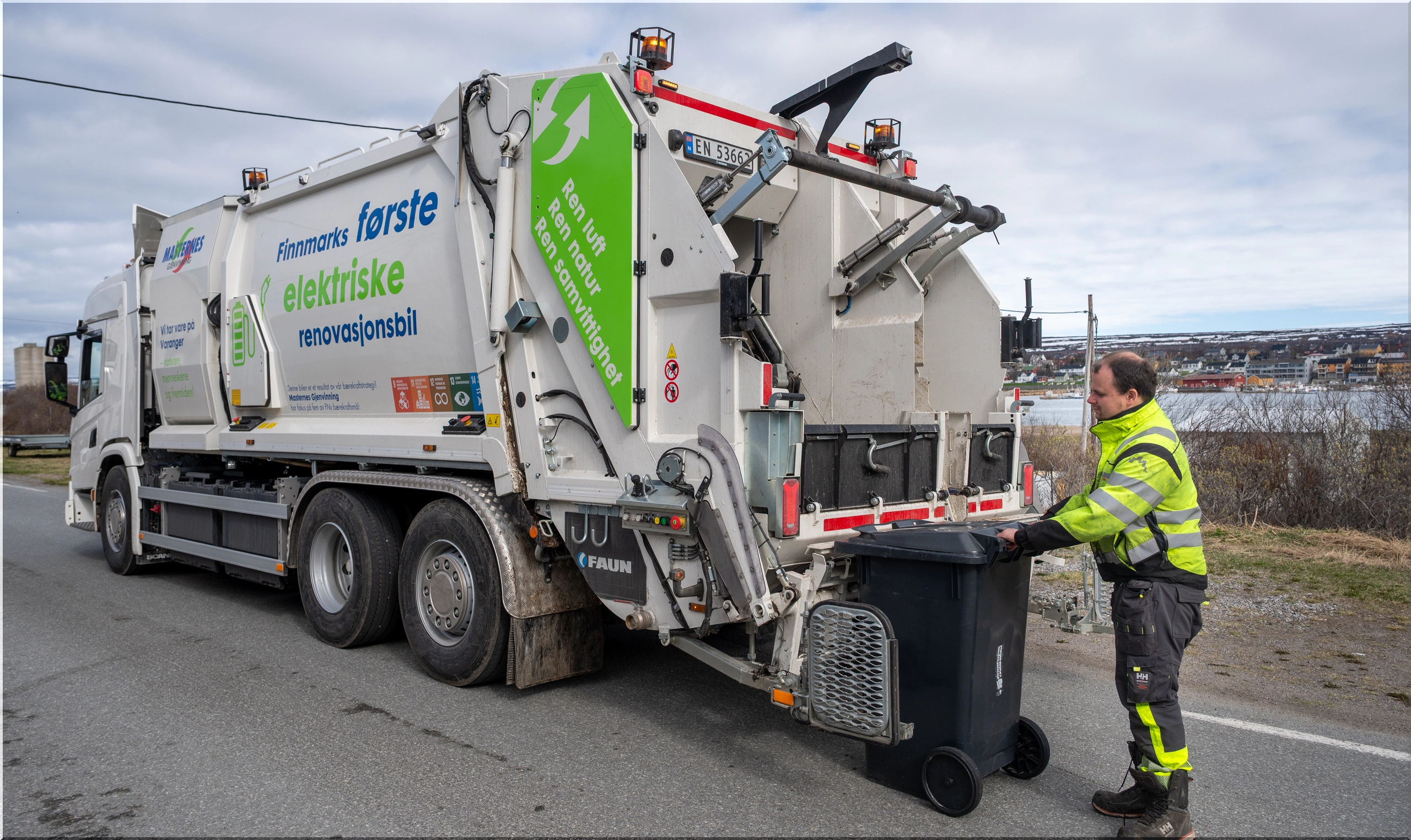
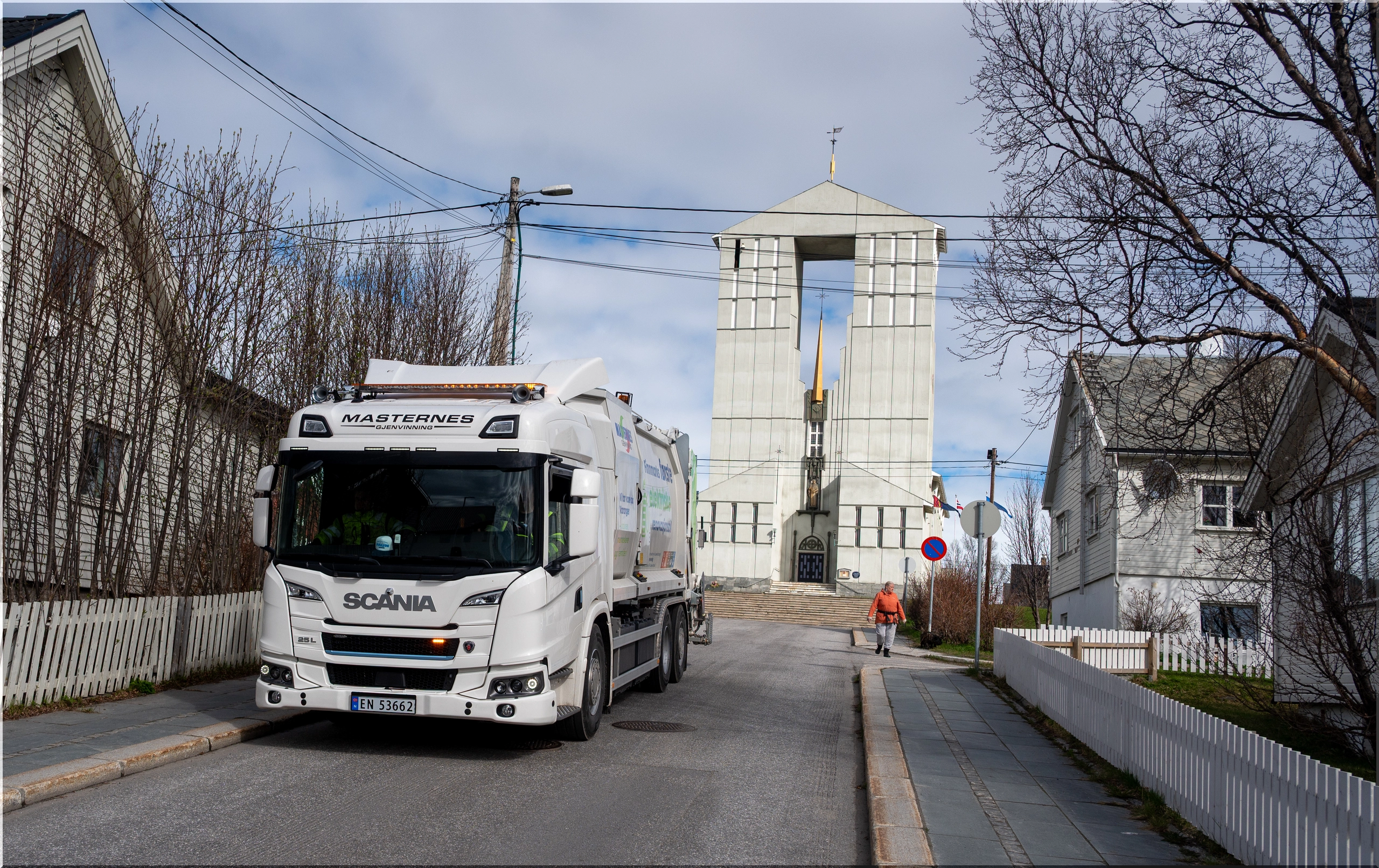
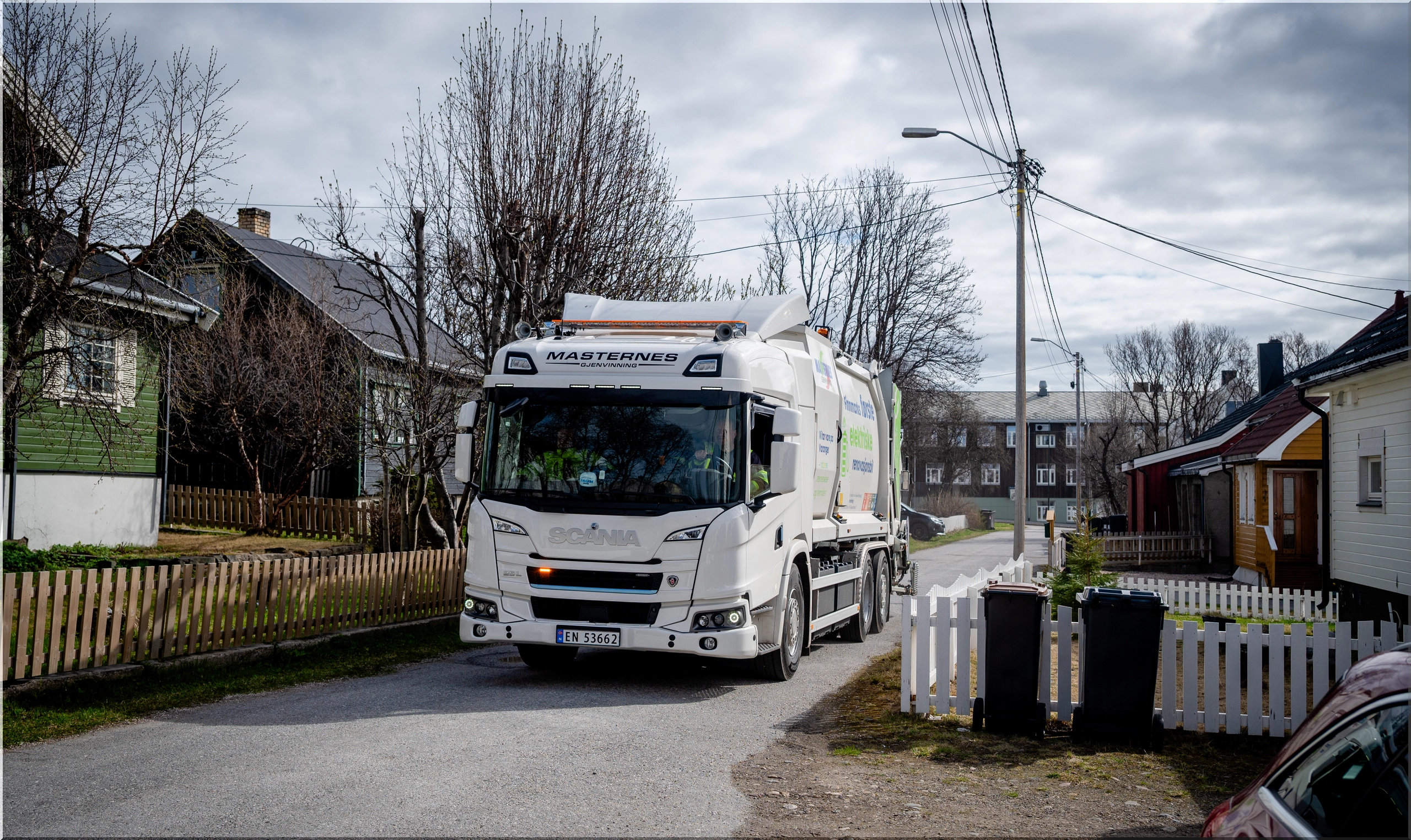
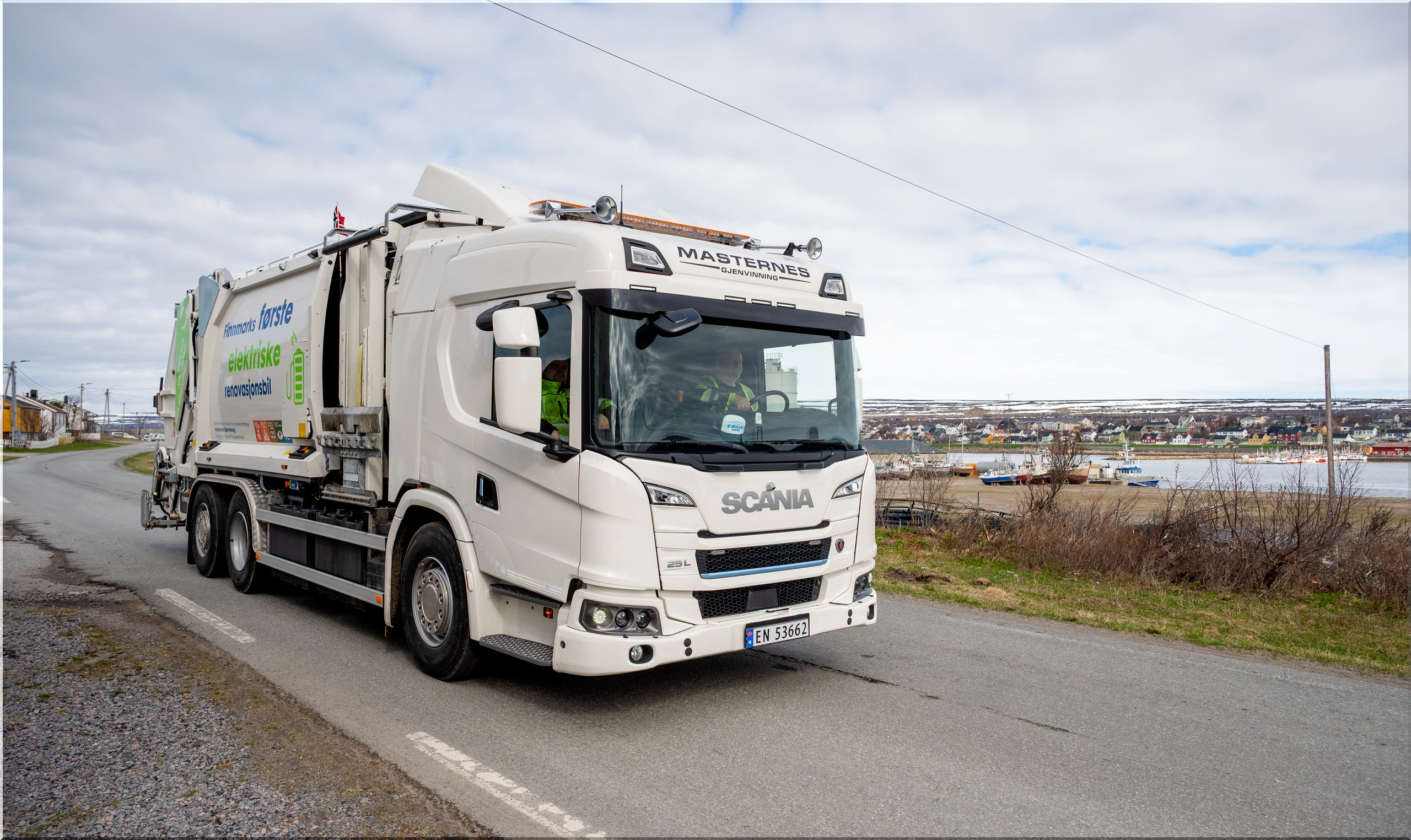
Masternes Gjenvinning, a waste management company in Finnmark, Norway, has started operating the first electric garbage truck north of the Arctic Circle. The Scania 25 L model now collects household waste in Vadsø municipality, establishing a new benchmark in electric commercial transport for Arctic conditions.
This rollout isn’t symbolic—it’s functional and cost-efficient. Based on initial operating data, the company expects to cut annual fuel expenses by nearly $18,000 USD.
Why It Matters
- Scania 25 L is now fully operational on routes averaging 100 km per day.
- The truck maintains 40% battery reserve at the end of the day.
- Charging is done overnight using a 43 kW on-site charger.
- Daily electricity cost: a few hundred NOK (~$20–30 USD/month).
- The expected annual savings: 200,000 NOK (~$18,300 USD) vs. a diesel truck.
Key Specifications: Scania 25 L (Electric Waste Configuration)
| Feature | Value/Detail |
|---|---|
| Powertrain | Battery-electric |
| Battery Reserve (after duty) | 40% |
| Charging Power | 43 kW overnight |
| Range Usage Per Day | ~100 km |
| Collection Chambers | 3 (Food, Mixed Waste, Plastic/Paper) |
| Annual Savings (fuel) | ~$18,300 USD |
| Total Routes Reduced | 5–6/month due to optimized load capacity |
Cost and Logistics Optimization
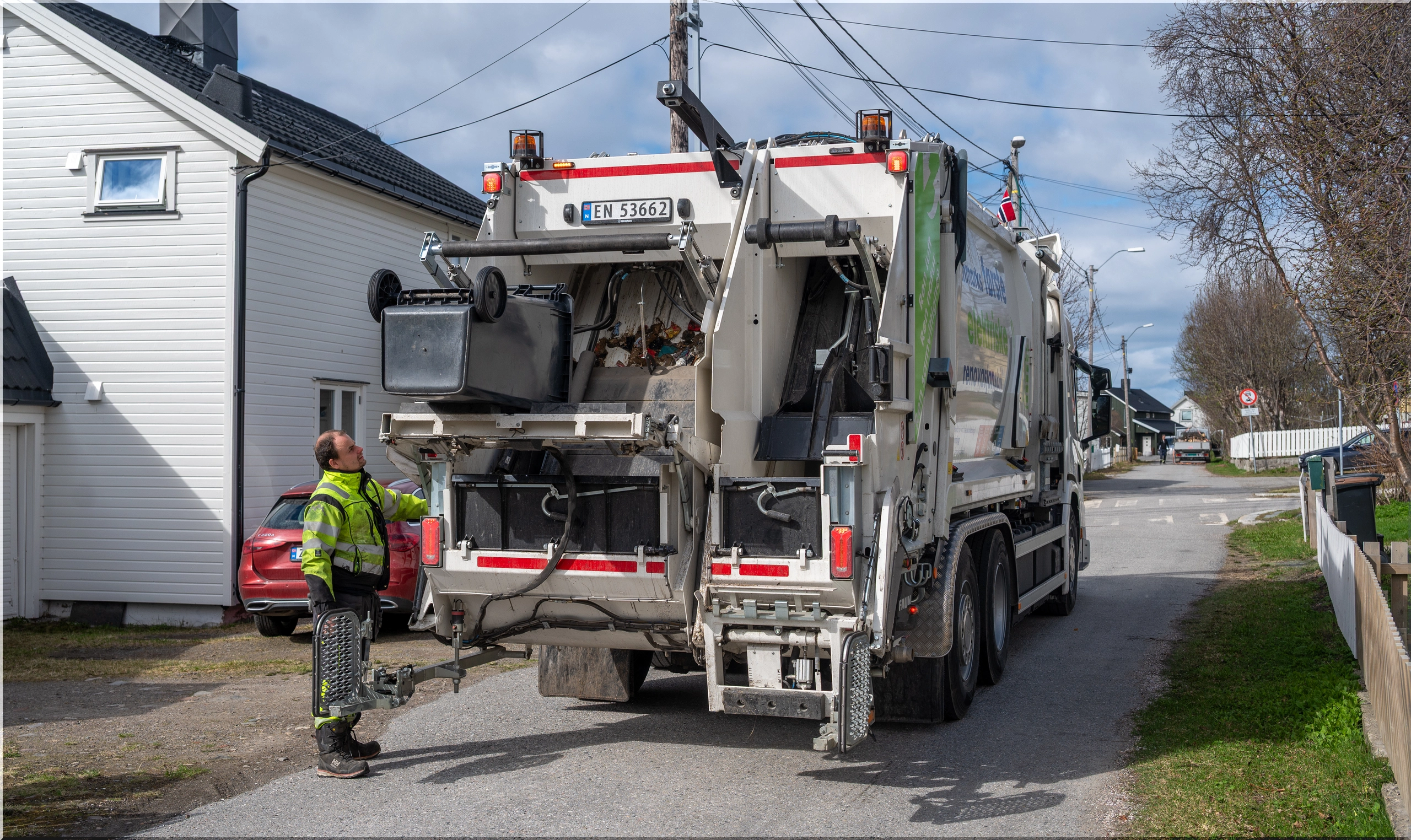
The electric Scania 25 L isn't just cleaner—it’s operationally efficient. The truck features a triple-chamber system, allowing it to collect food waste, residual waste, and paper/plastic in one trip. This new configuration directly reduces the number of routes by up to six per month.
Additional Operational Benefits:
- Fewer refueling stops – electric trucks start every day fully charged.
- Less downtime – no mid-day fuel runs required.
- Driver comfort – reduced noise and lower cabin entry height.
Driver Feedback: Quiet, Easy, Efficient
Veteran driver Jan-Tore Ananiassen now drives the electric Scania full-time. His verdict?
"I've driven diesel and gas all my life. Now, I drive electric at work and at home. I’m not going back."
Noise reduction is one standout feature. With no engine rumble, the truck provides a quiet environment that cuts stress and improves focus.
Entry and exit are also simplified. The low-entry L cab design features wide doors and large steps—useful during frequent stops on waste collection routes.
Route Reduction by Design
With smart route planning and a multi-compartment setup, Masternes has consolidated operations to avoid redundancy.
Before the Electric Scania:
- Multiple routes for waste types
- Repeated pickups for separate materials
After Scania 25 L Deployment:
- Same route handles 2–3 types of waste
- Alternating pickup (e.g., plastic on week A, paper on week B)
- 5–6 fewer runs per month across 2,400 subscribers
This efficiency translates to less labor, lower wear, and better fleet utilization.
Charging Strategy: Simple, Local, Low-Cost
The truck charges every night using a 43 kW charger located at Masternes’ depot. This solution avoids the need for high-cost public charging infrastructure or time-consuming midday charging sessions.
Electricity costs in Finnmark are among the lowest in Norway, further enhancing cost savings. Overnight charging takes advantage of low grid demand, and current costs are estimated at only a few hundred NOK per month, or under $30 USD.
Fleet Expansion Underway
Masternes plans to introduce three more electric trucks. One of them, an electric hook-lift truck, will operate with a 60-ton modular trailer, transporting waste to the Tana Bru plant.
Broader Fleet Electrification Steps:
- Replaced all admin vehicles with EVs
- Converted on-site logistics from loaders to conveyor belts
- Replaced diesel excavators with cable-powered electric excavators
The result? 50% drop in diesel use at the main facility.
Barriers: Regulatory Lag
When Masternes signed their contract with the municipality, only a Euro 6 diesel requirement was in place. Zero-emission mandates are expected in the next contract round, but early adopters like Masternes are moving first—without waiting for regulations to catch up.
This proactive strategy delivers cost advantages ahead of industry mandates.