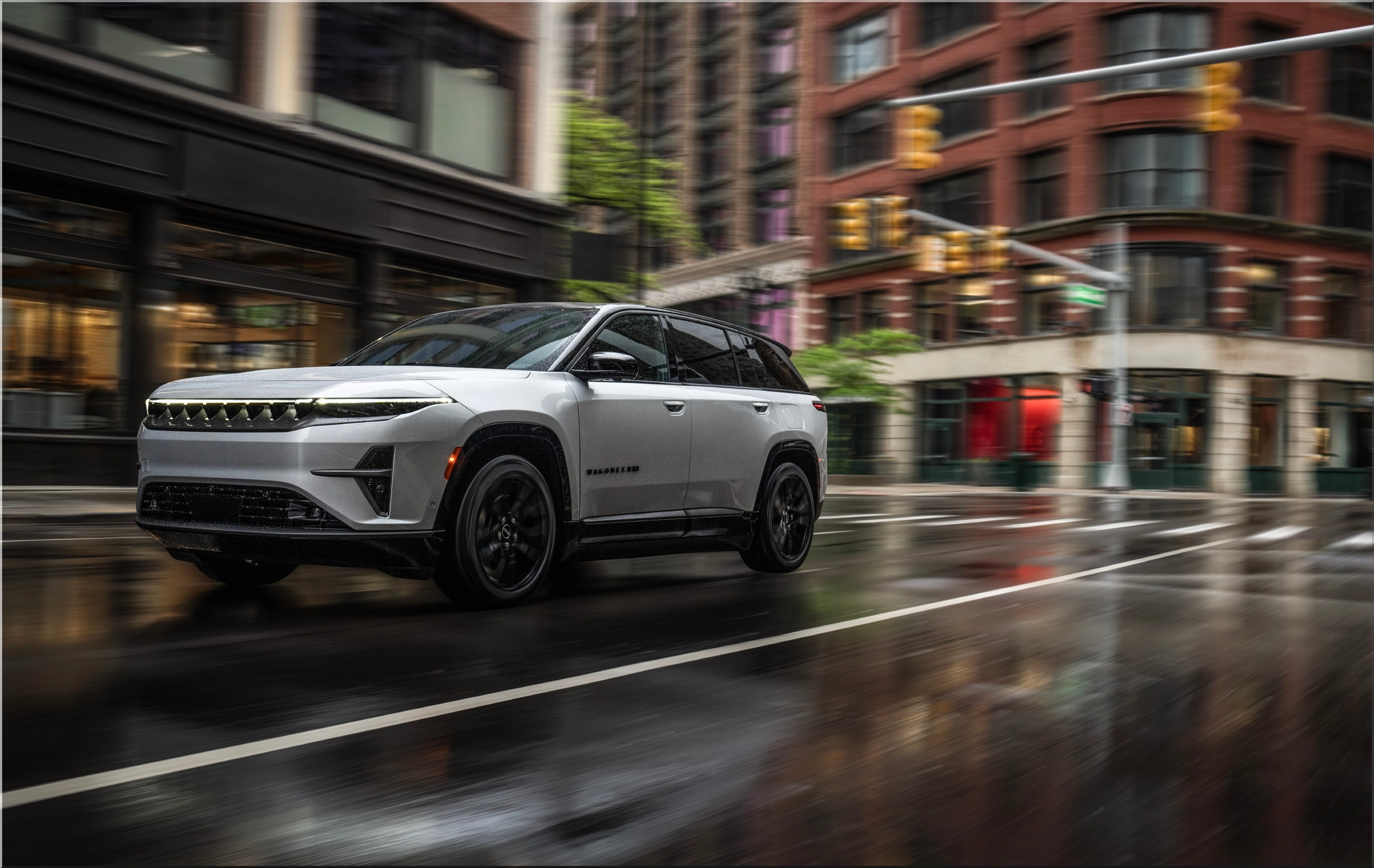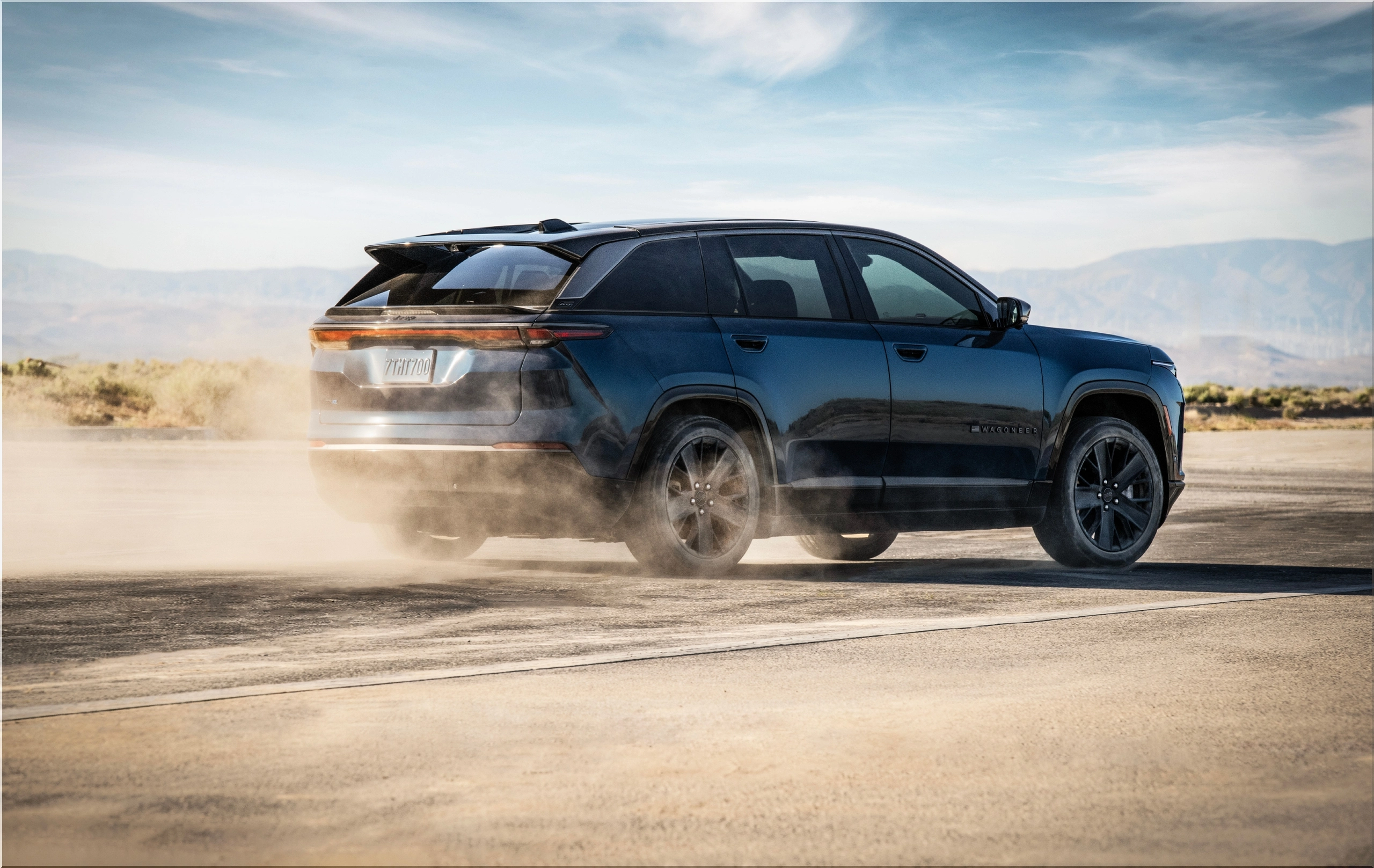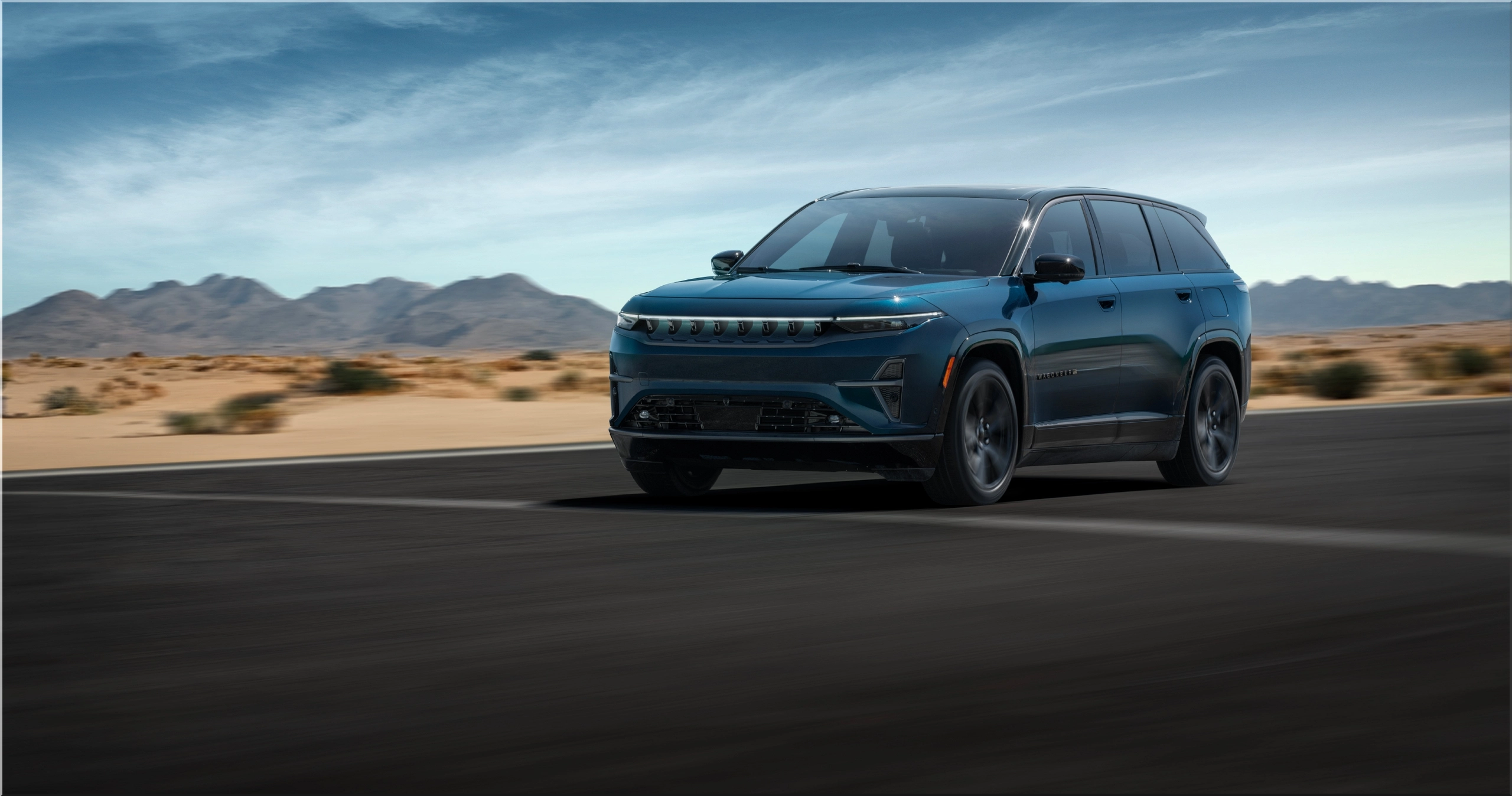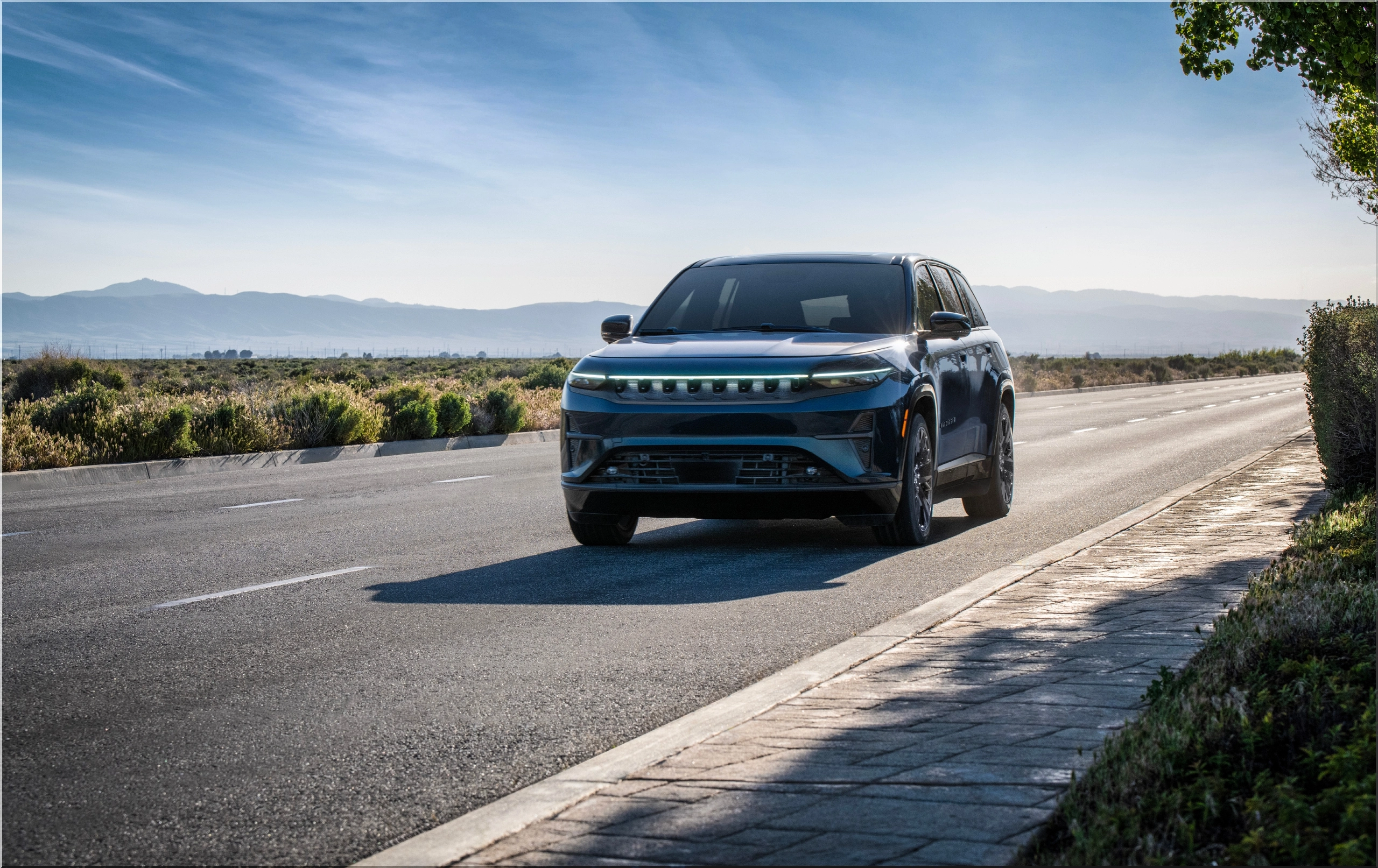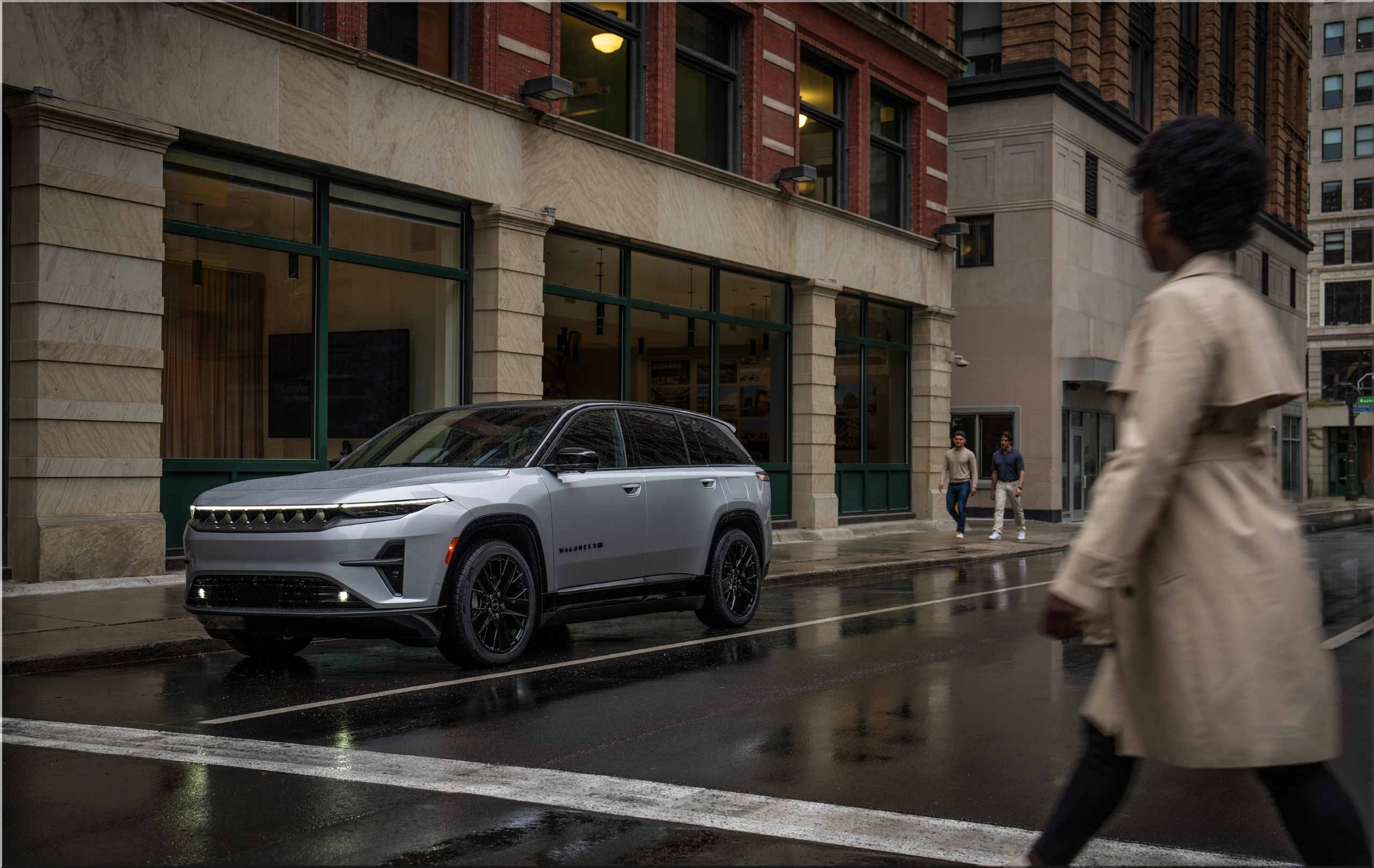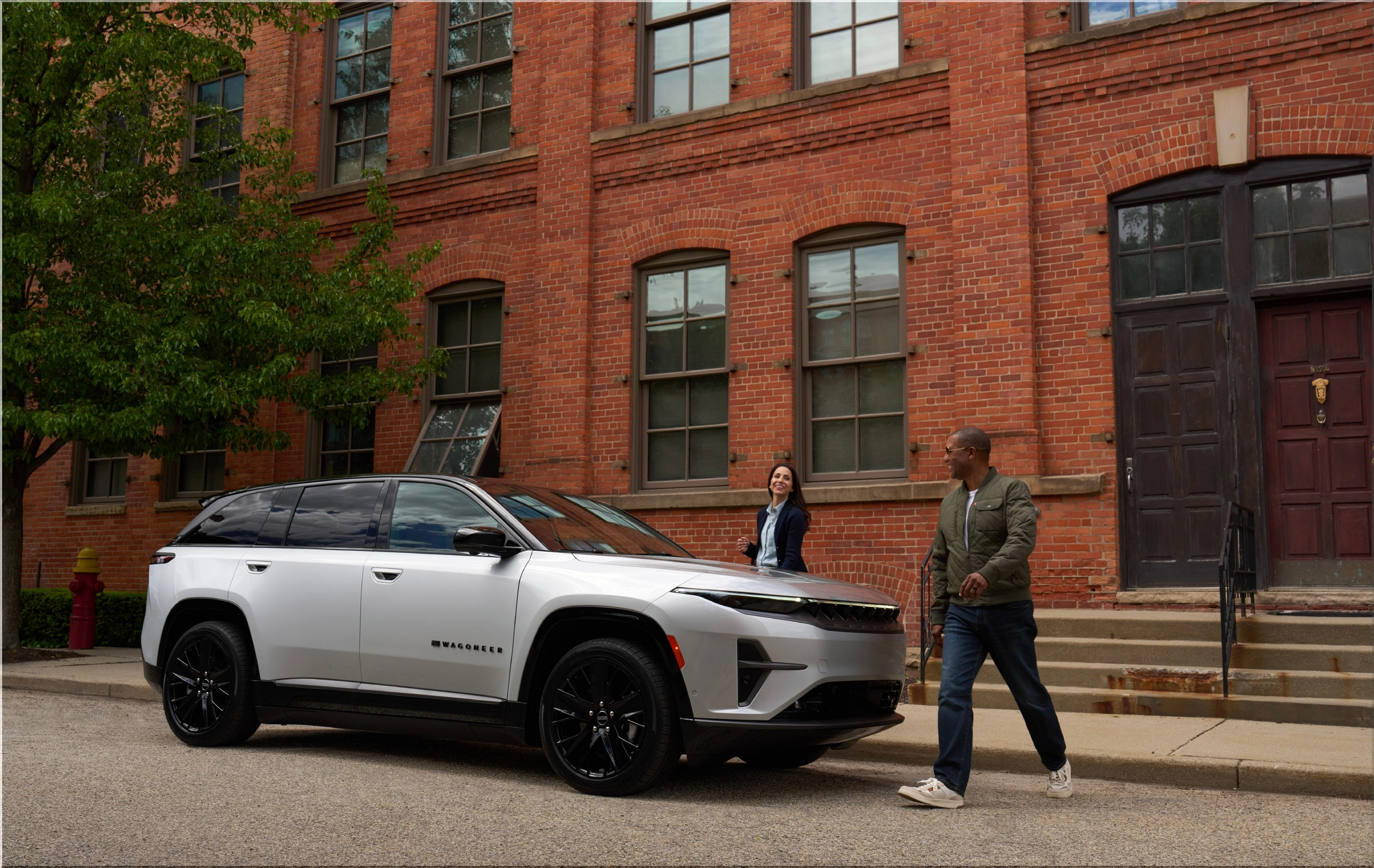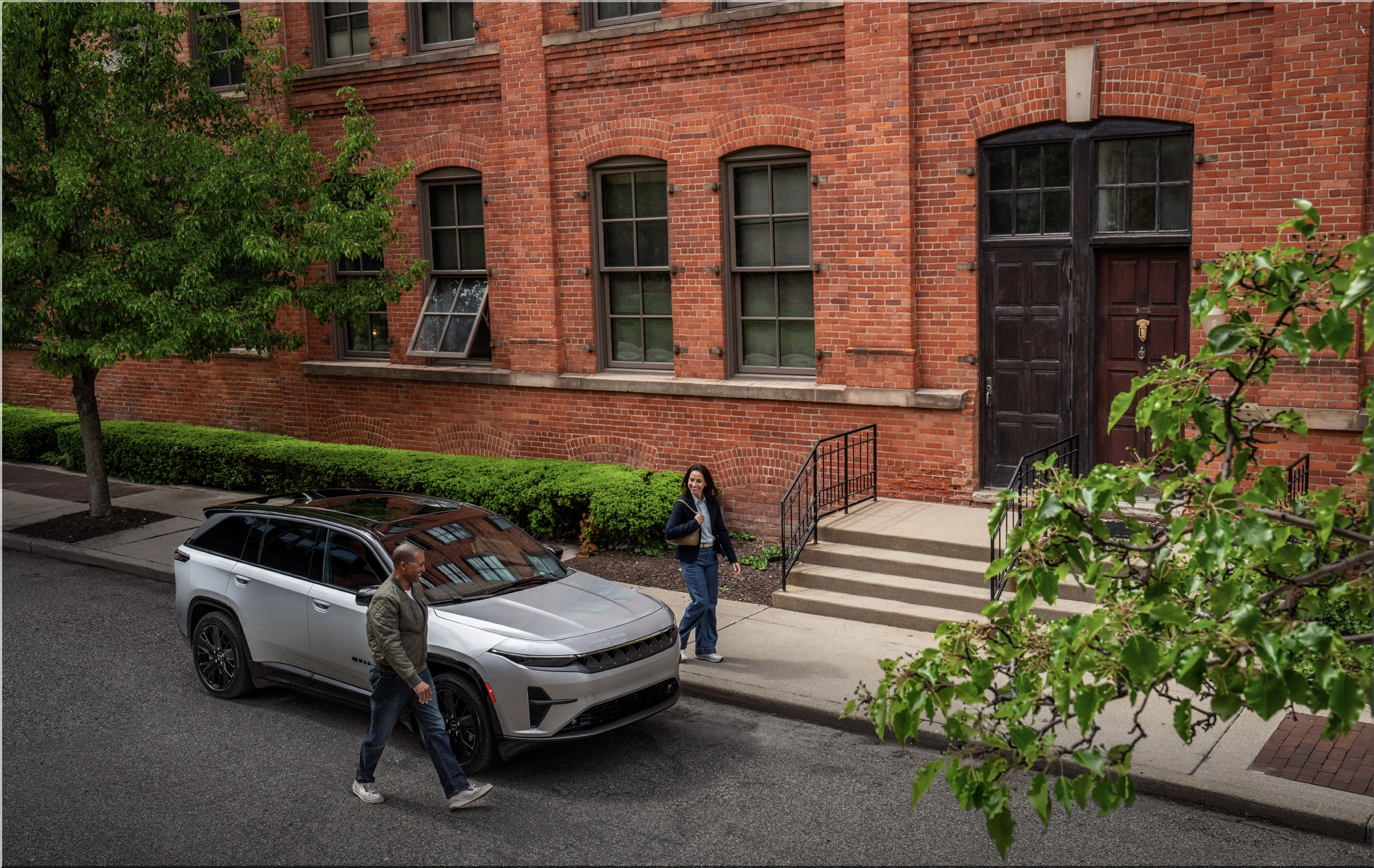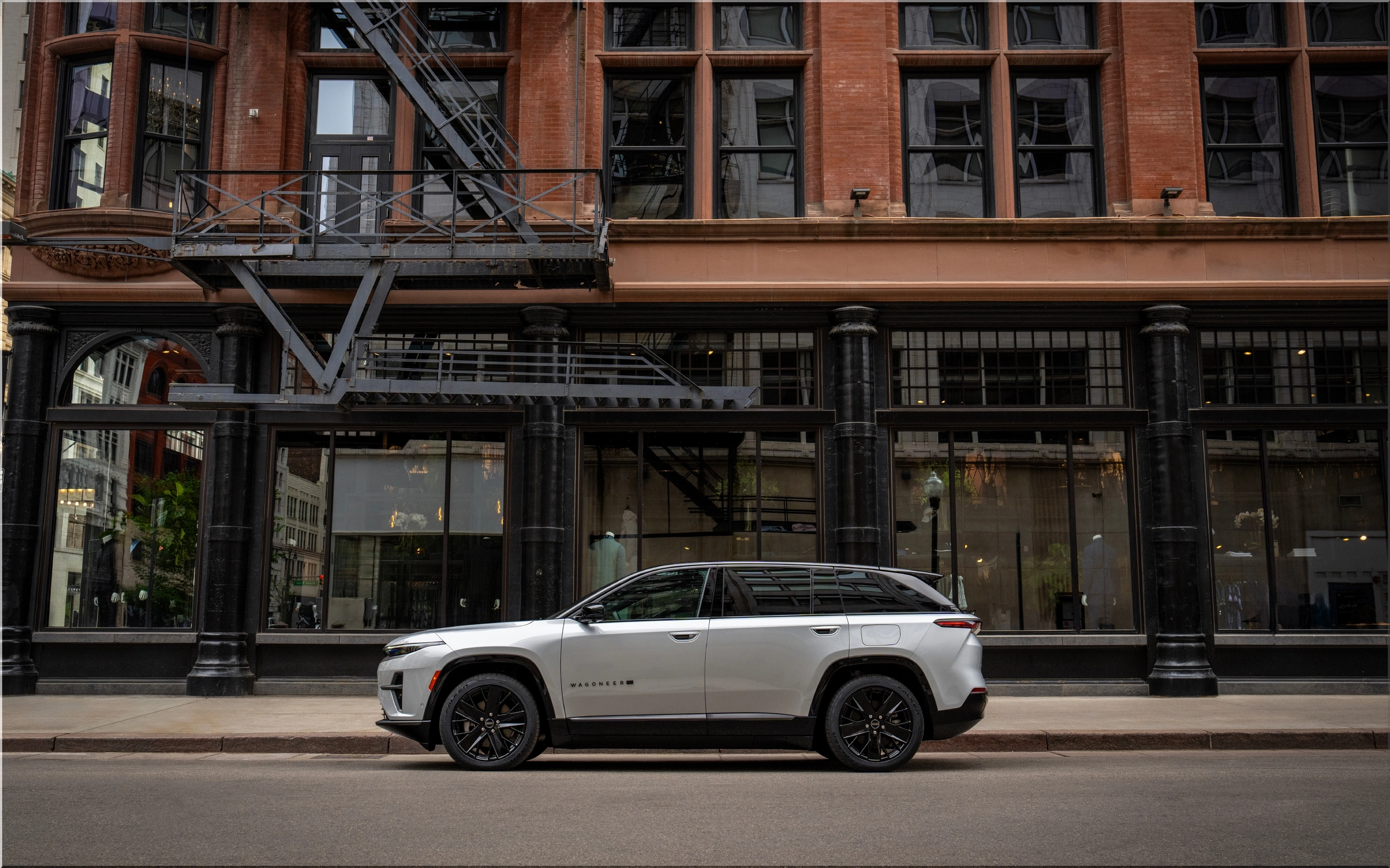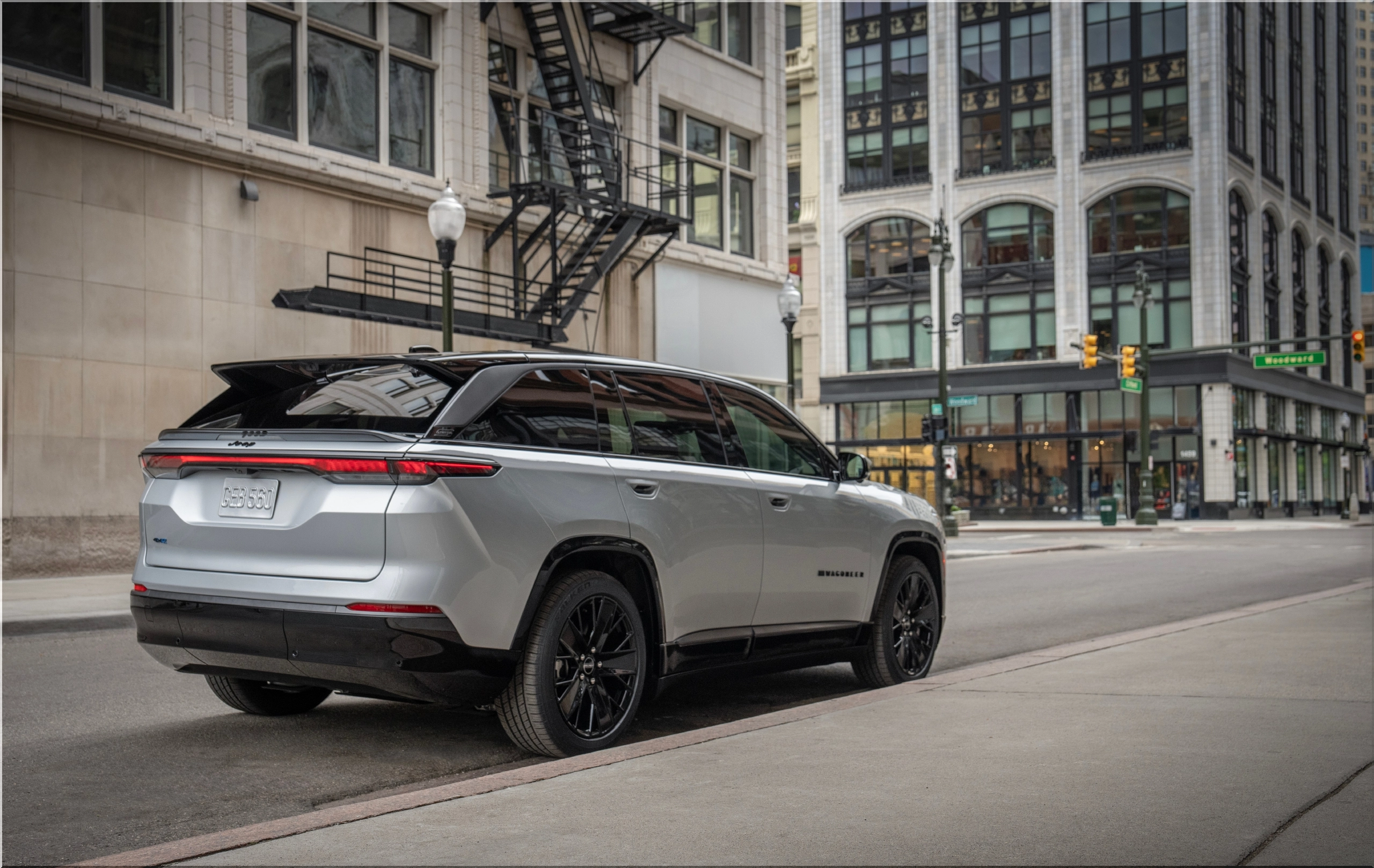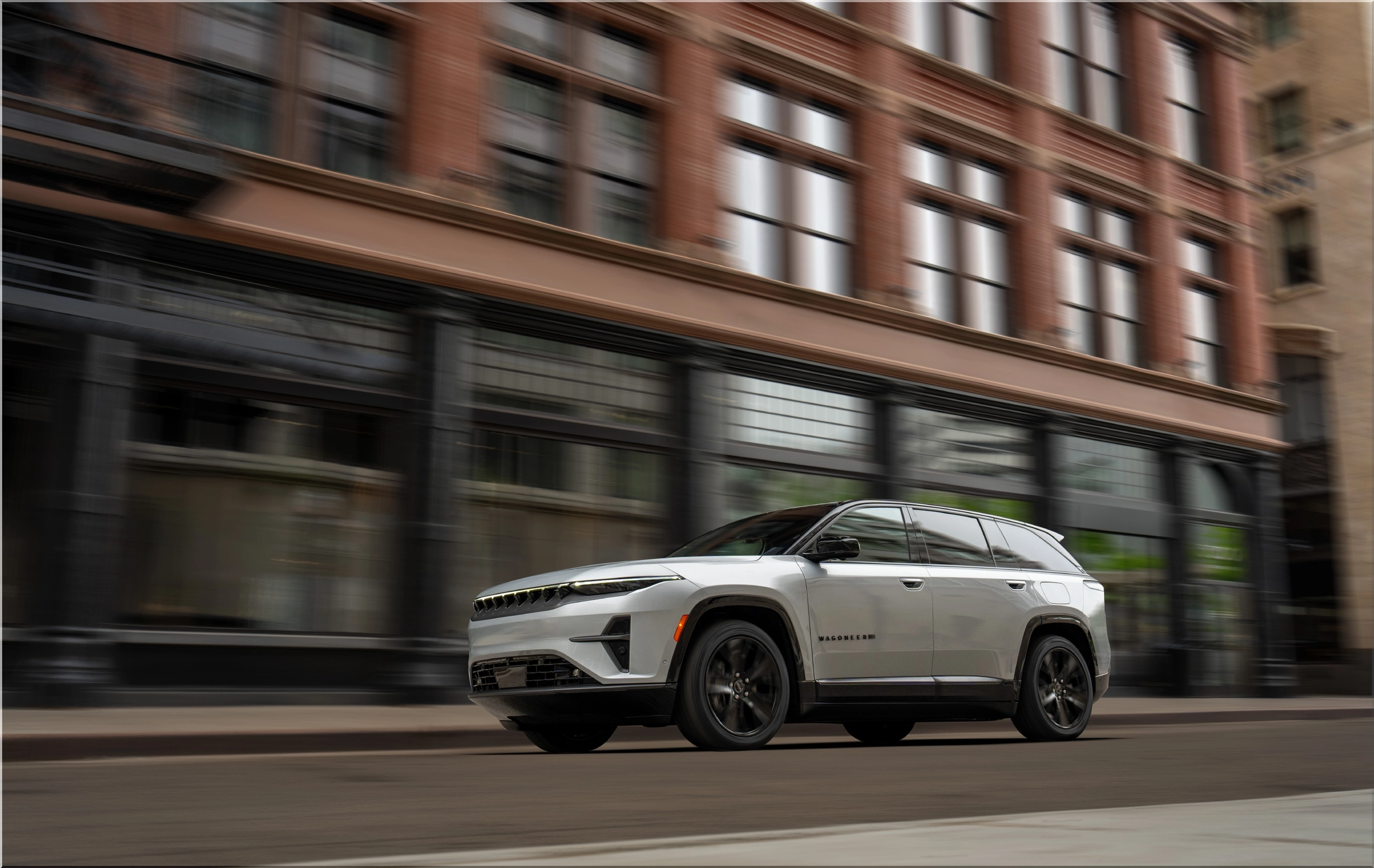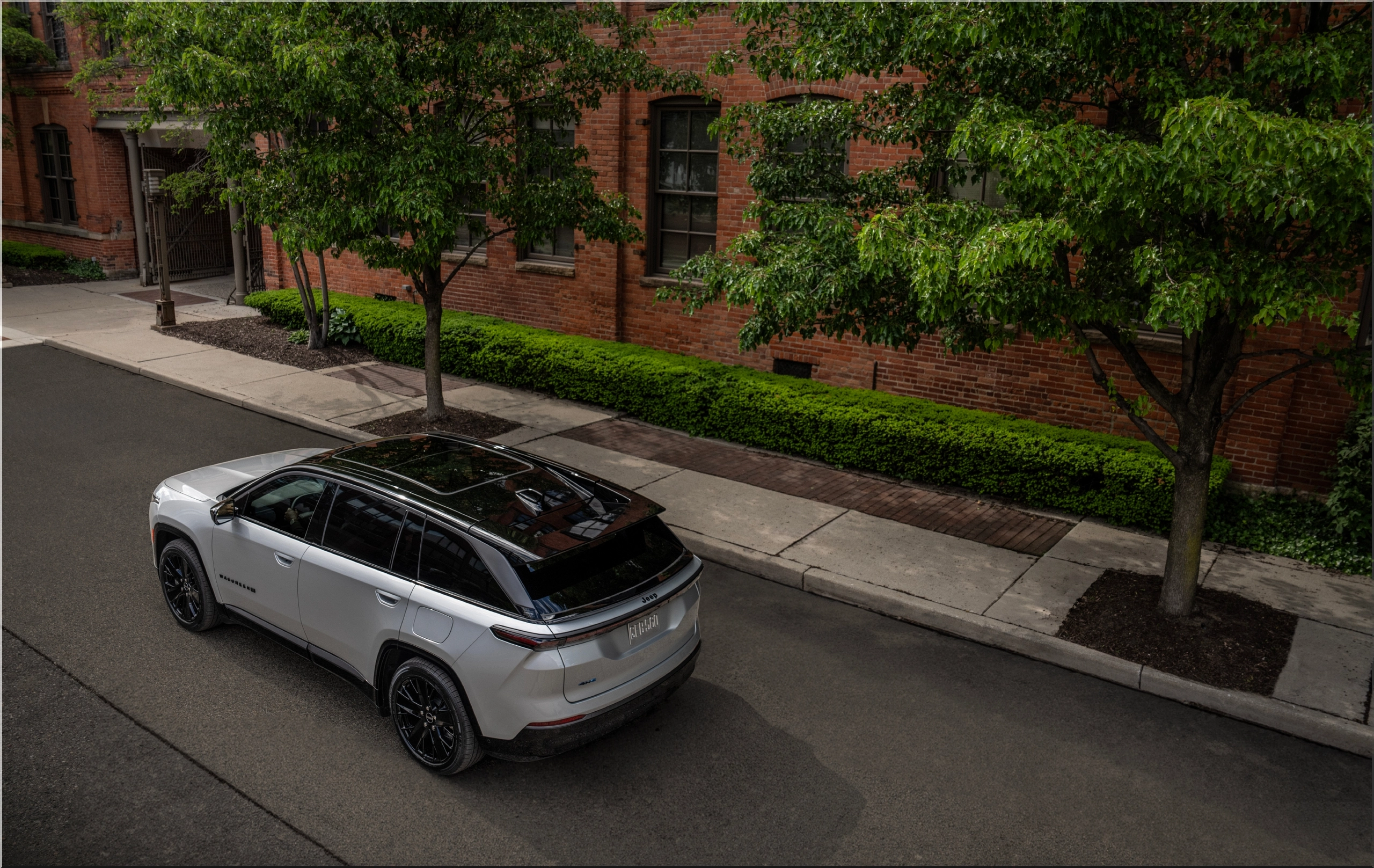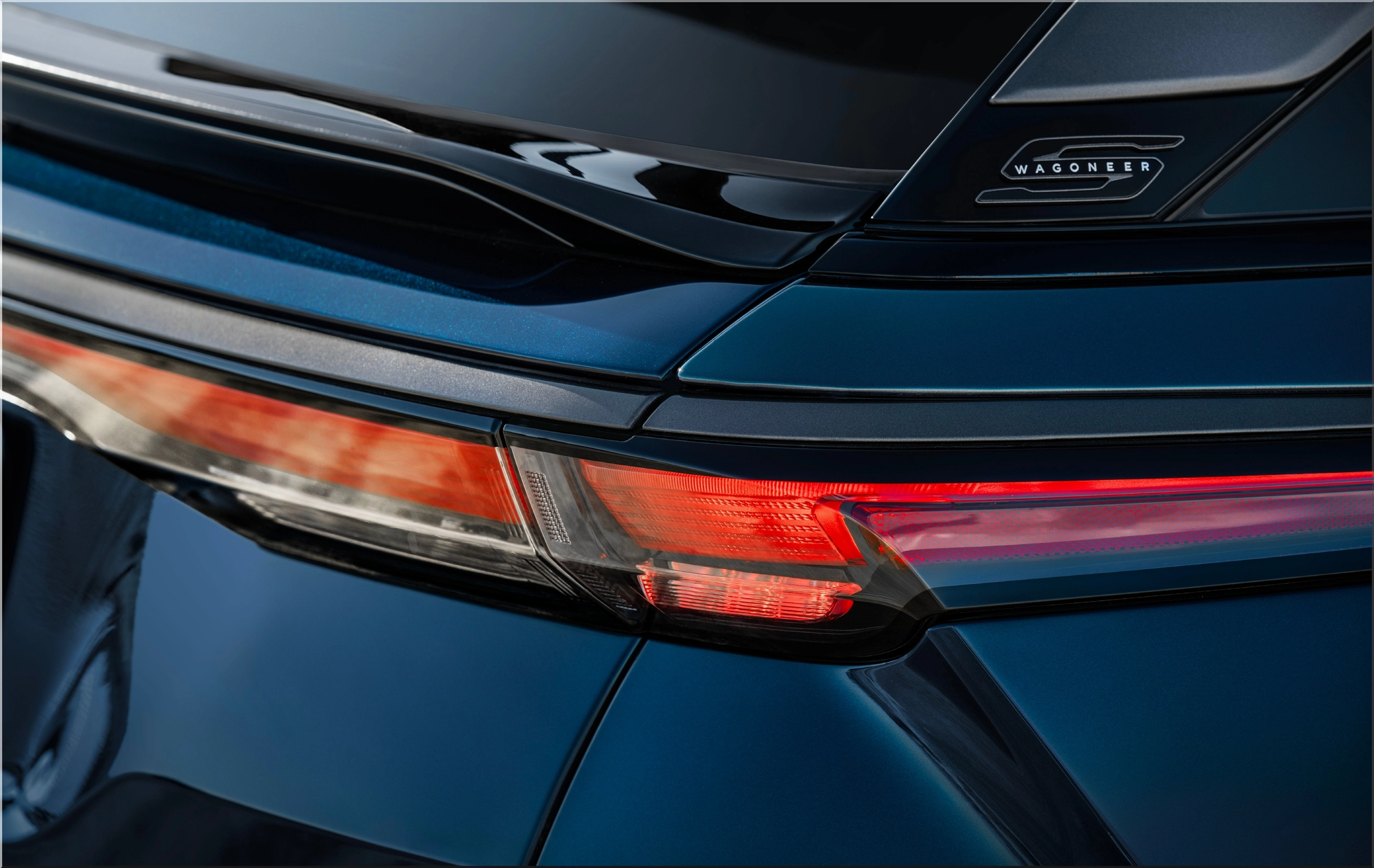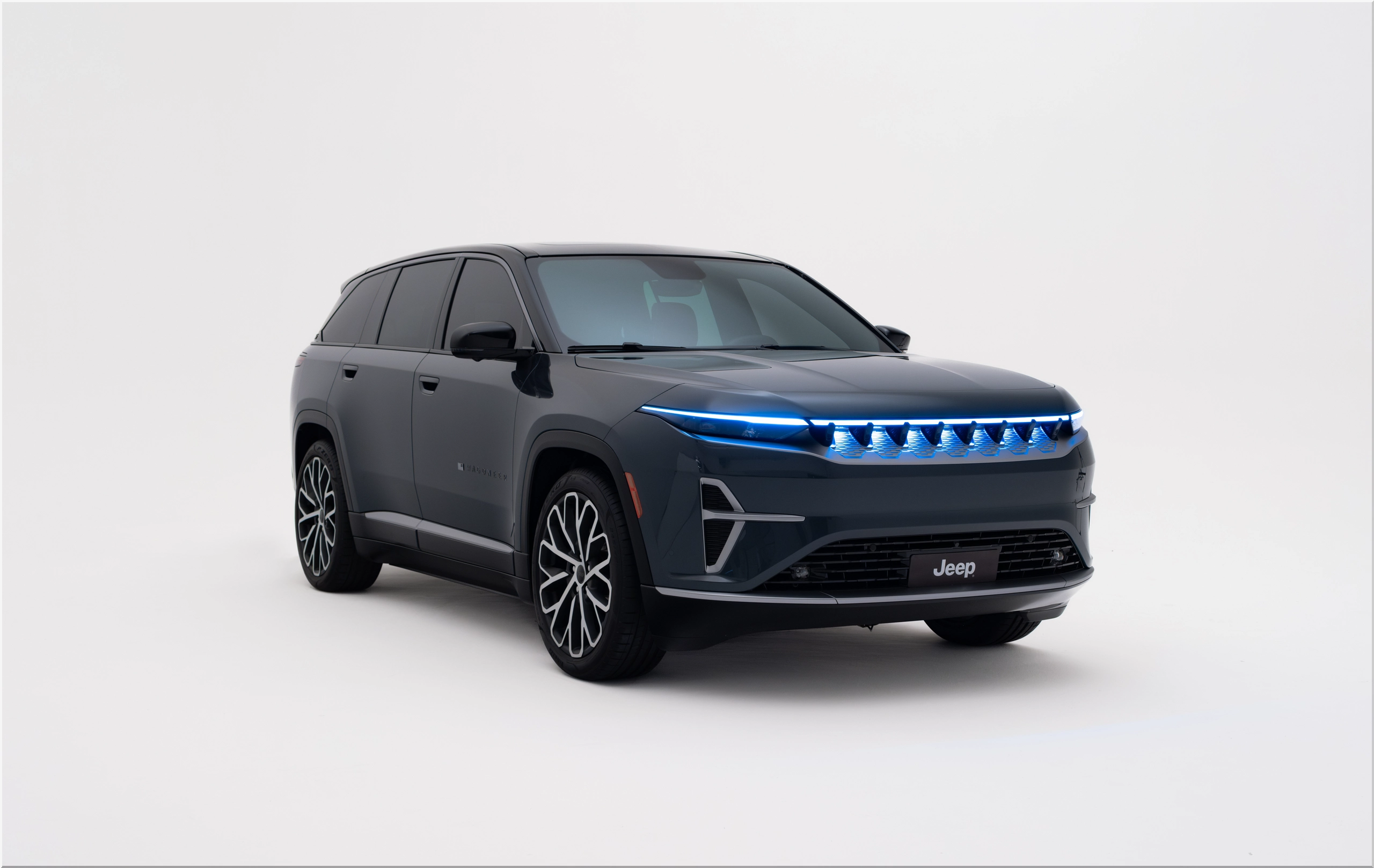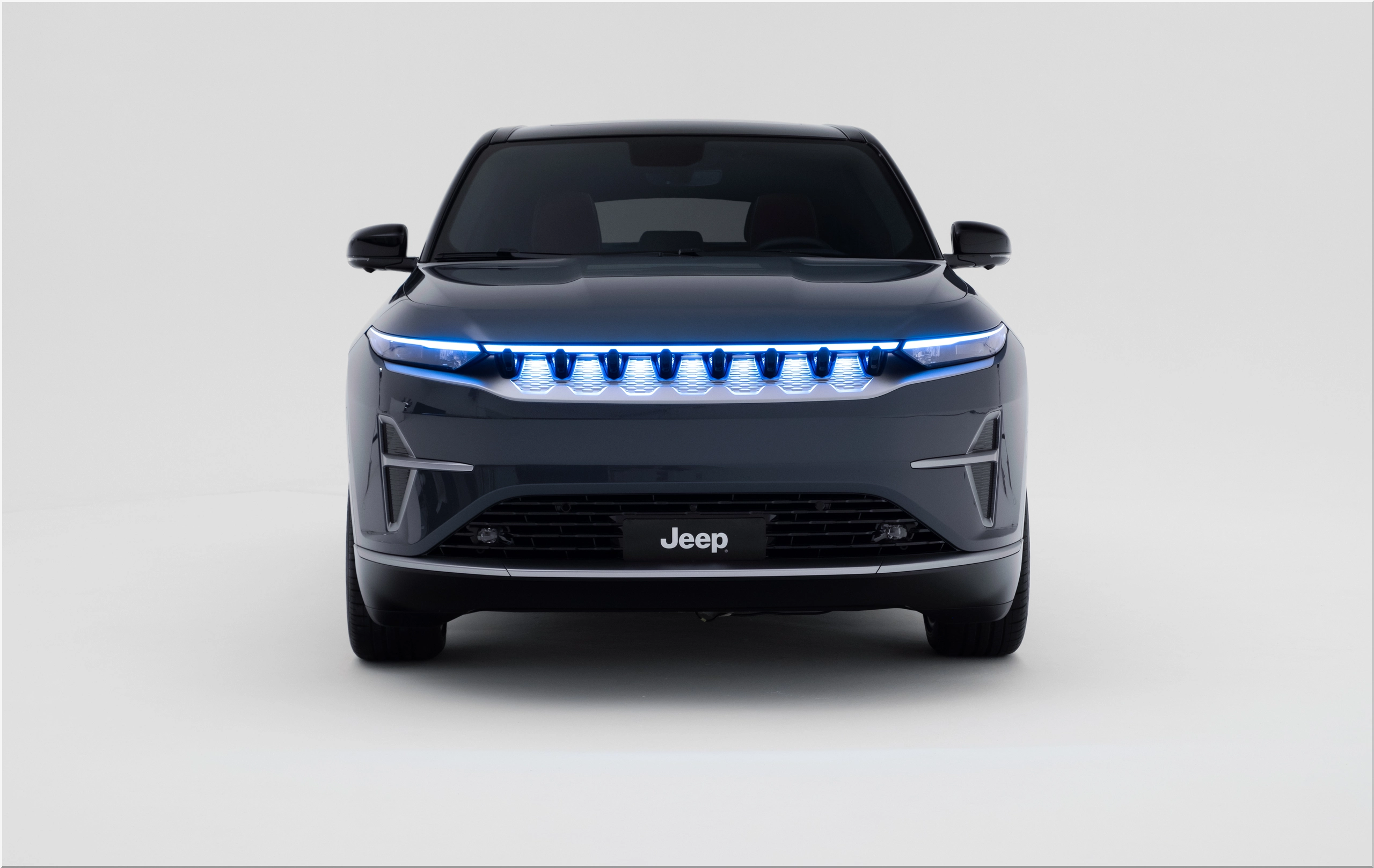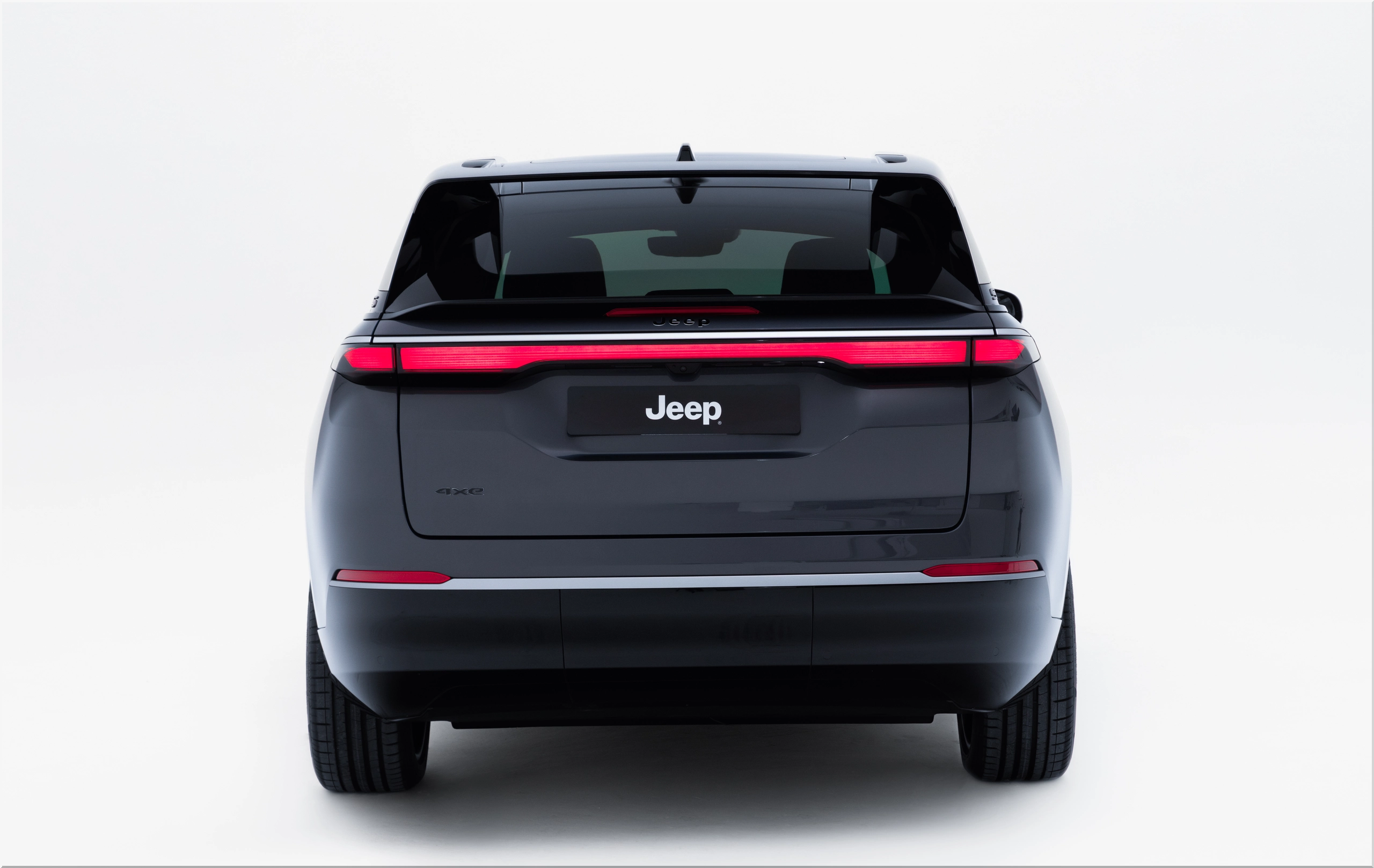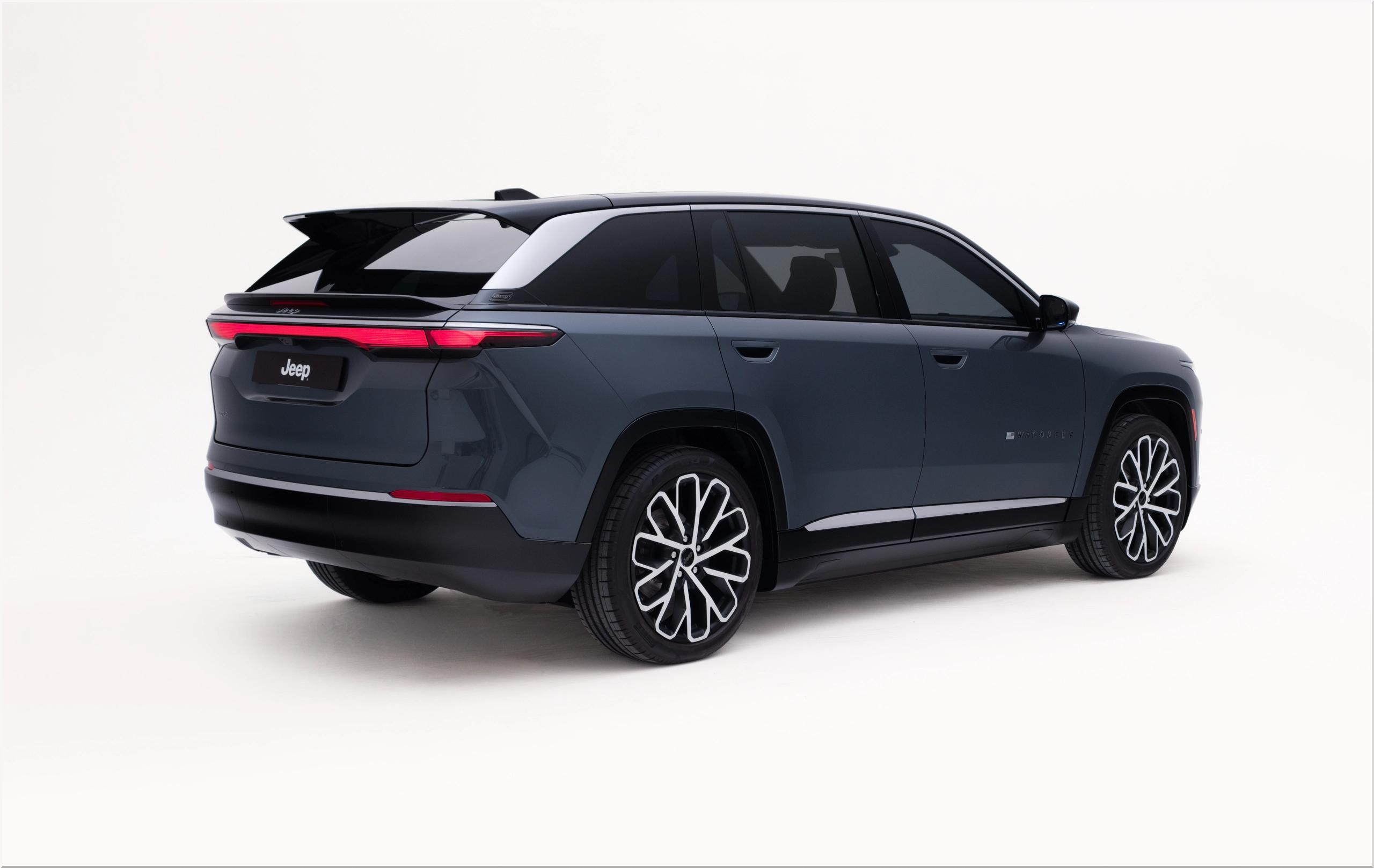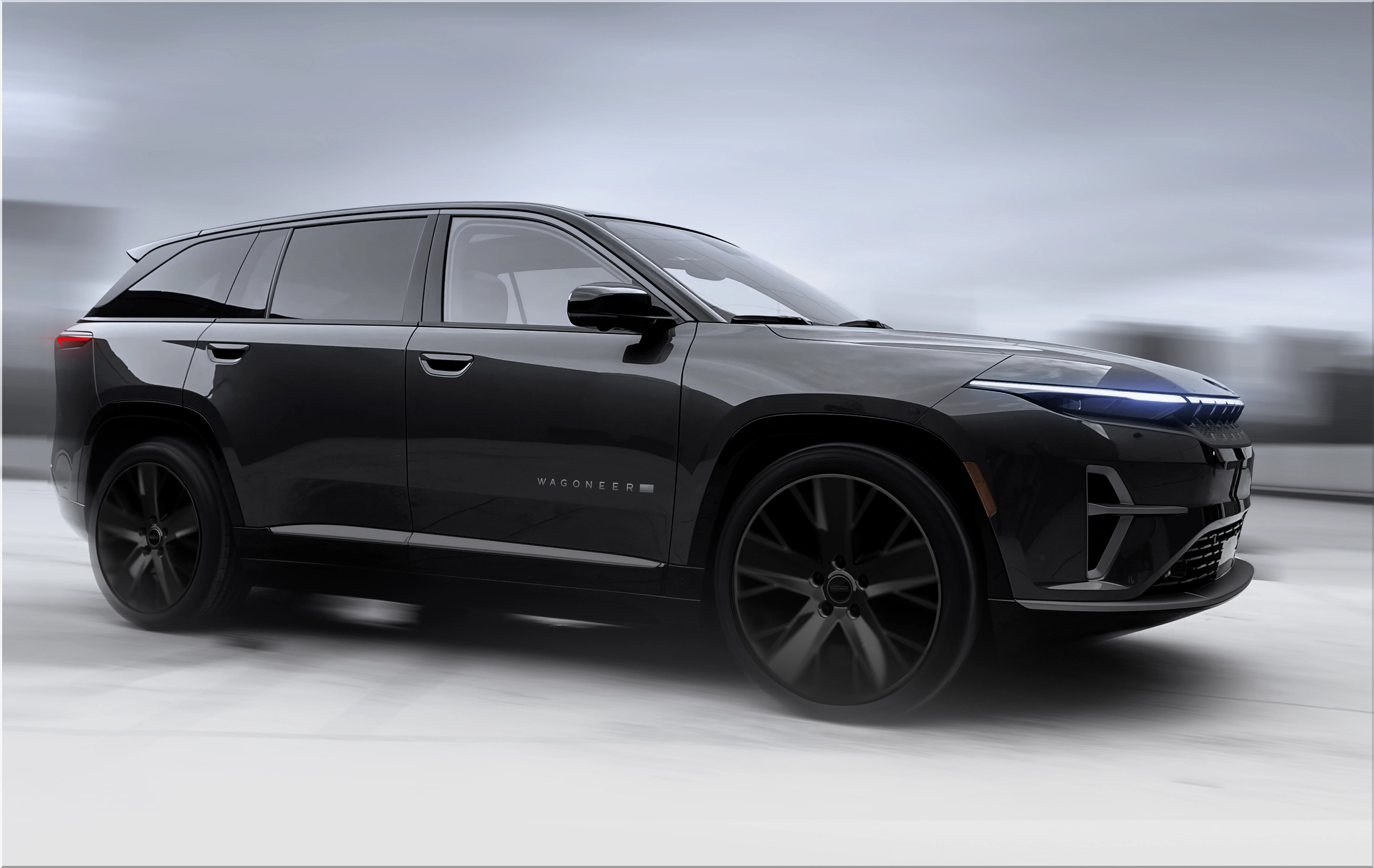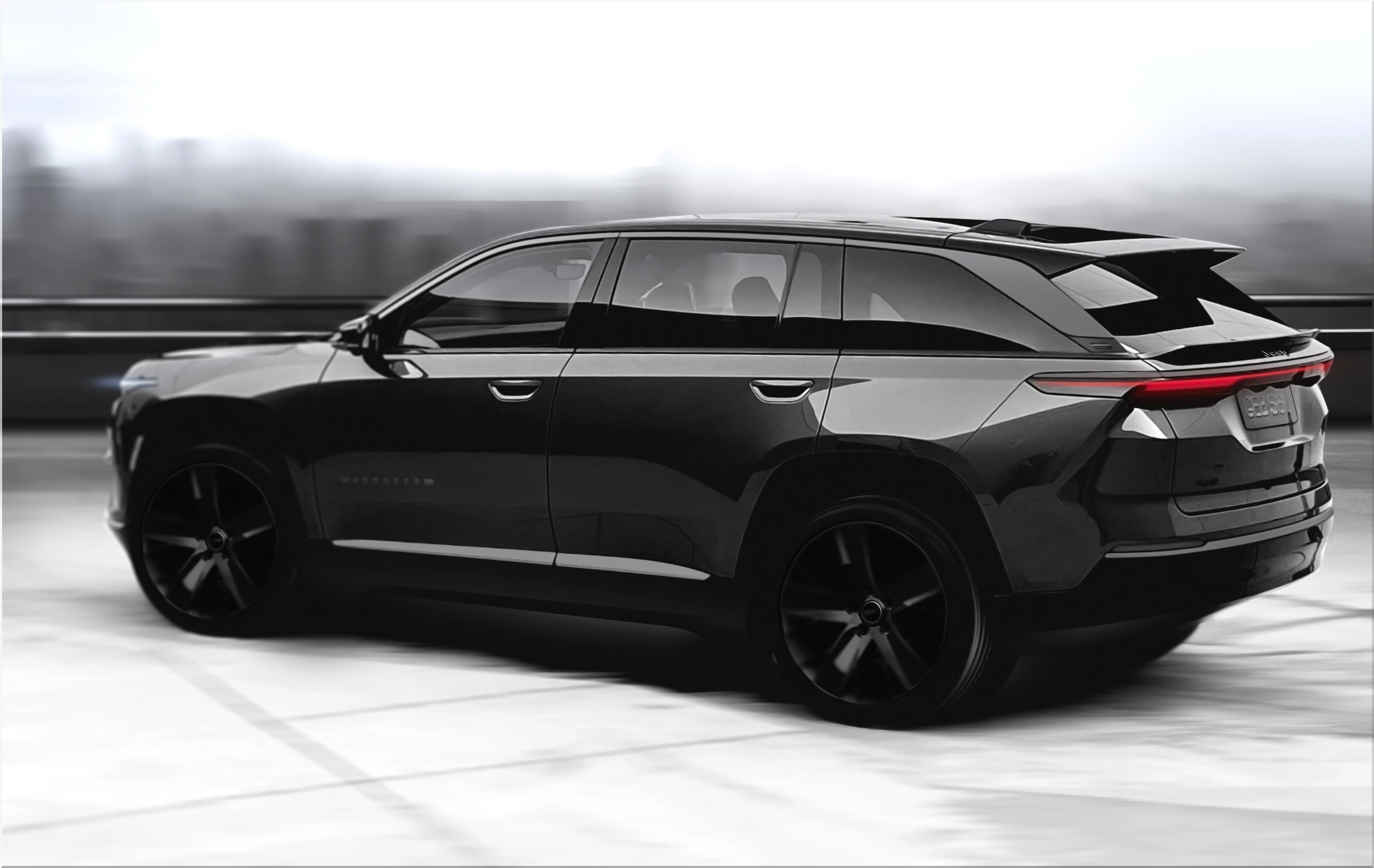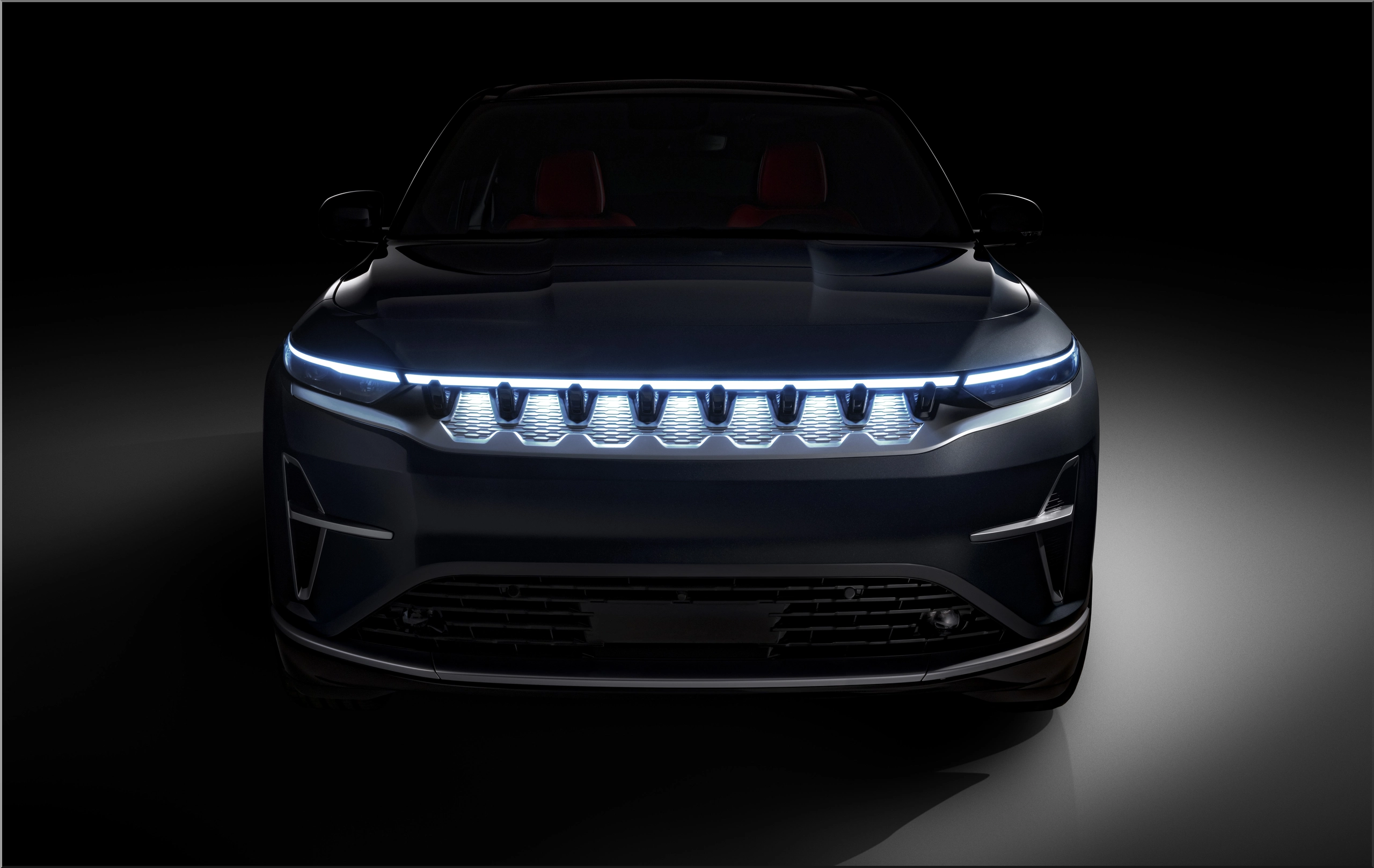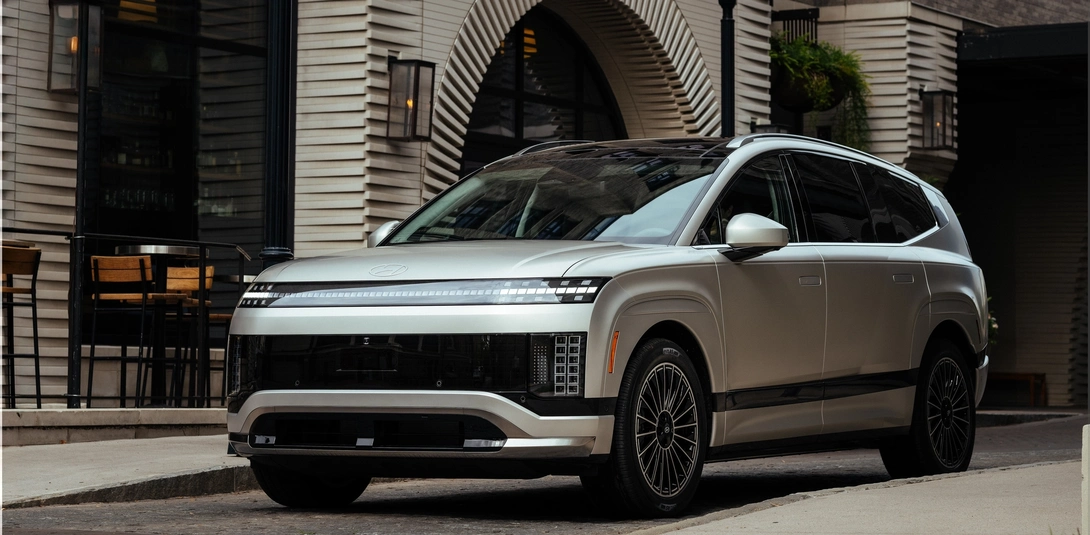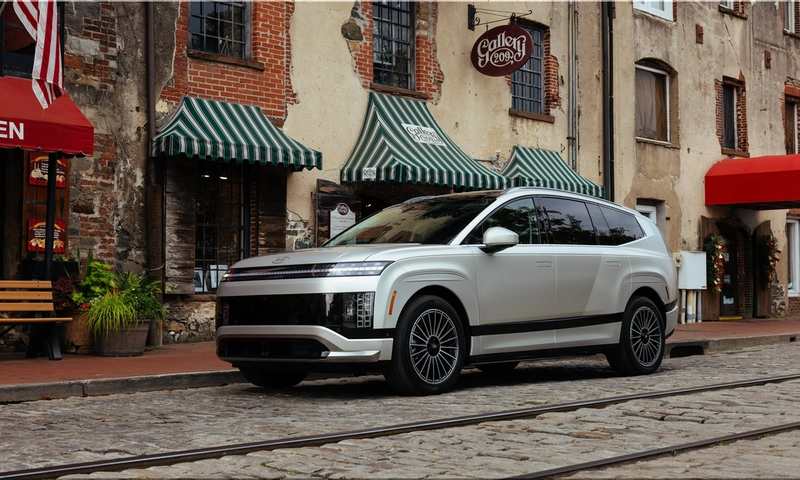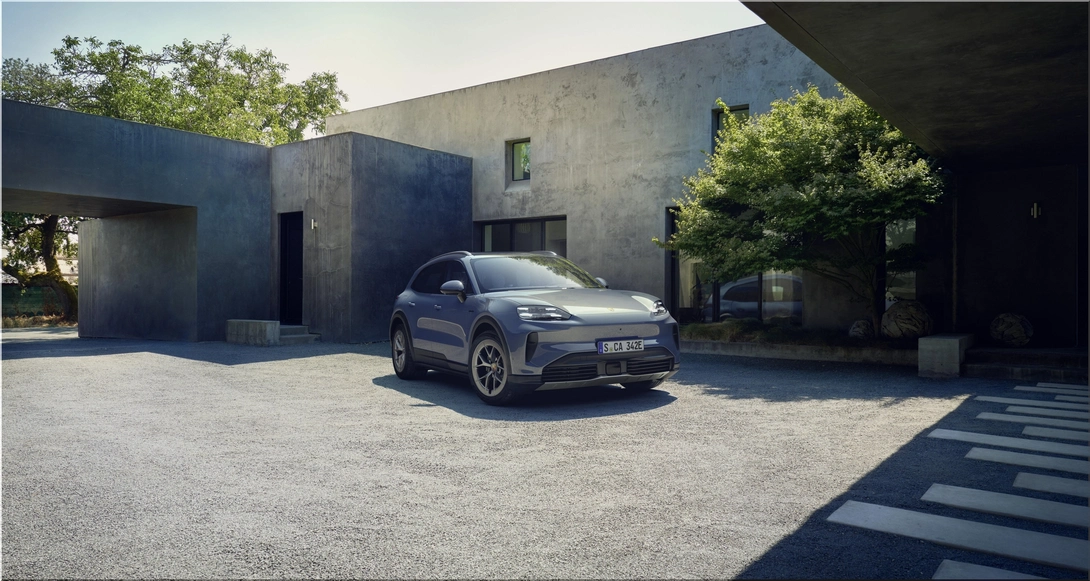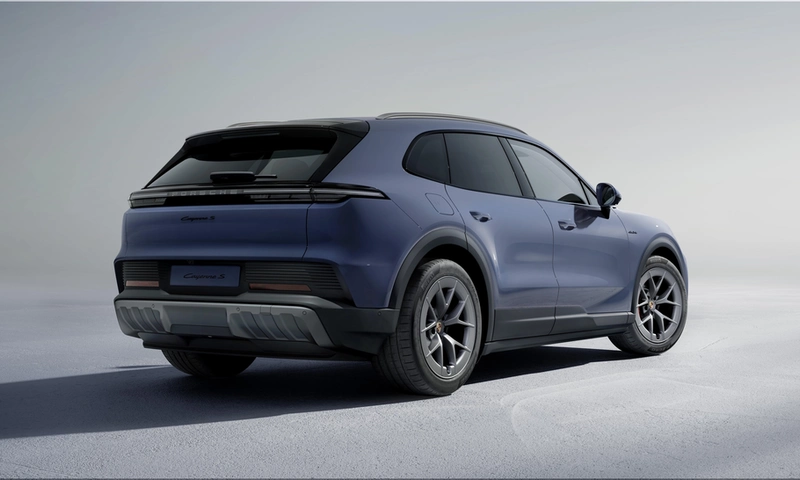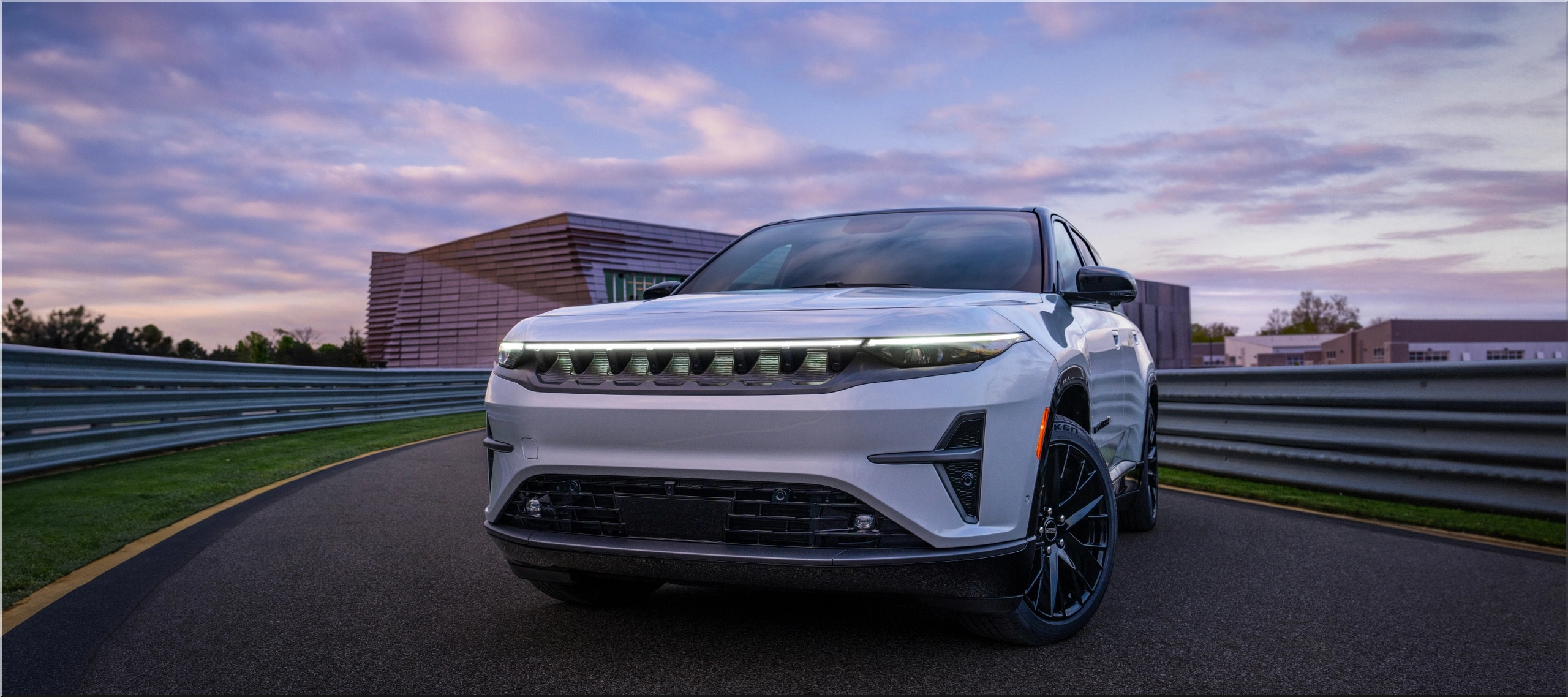
Jeep arrived at the Brussels Motor Show with a message that landed clean and loud. The Jeep Wagoneer S defines the brand’s electric direction with numbers, not noise. This SUV targets buyers who care about acceleration, charging speed, and usable tech.
Jeep avoids reinvention here. It builds an electric SUV that behaves like a modern performance vehicle while keeping Jeep’s traction-first DNA intact.
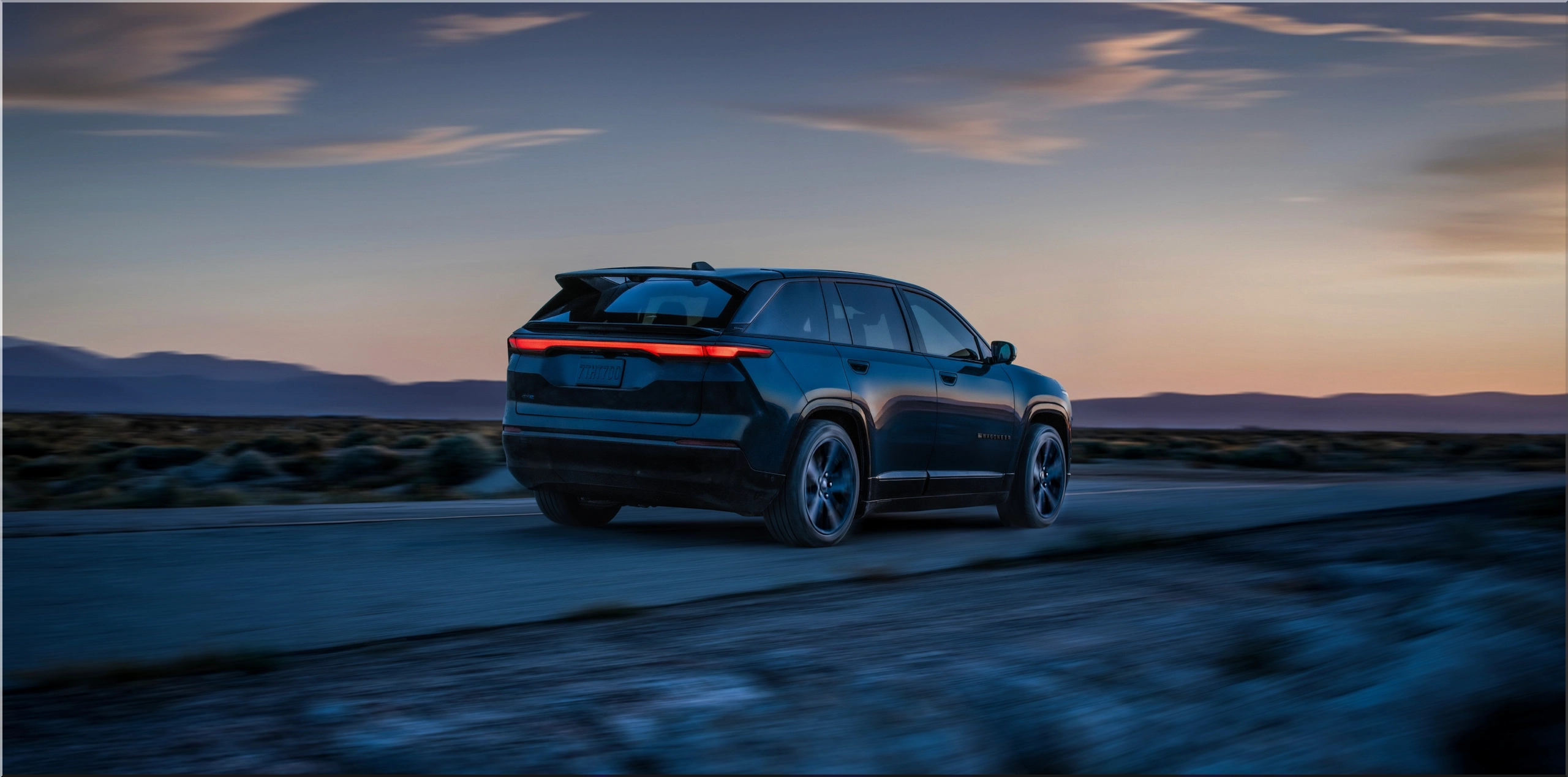
Where the Wagoneer S Sits in the Market
The Wagoneer S enters the D-segment electric SUV category. That space sits above compact crossovers and below full-size luxury SUVs. Buyers expect real power, long range, fast charging, and software that works.
Jeep delivers on those expectations with clear metrics:
- 600 horsepower
- 0–62 mph in 3.5 seconds
- 100.5 kWh battery
- Standard electric all-wheel drive
Those figures place the Wagoneer S squarely against premium electric SUVs from established brands.
Powertrain Strategy and Real Output
Jeep uses dual electric drive modules, one per axle. Each unit integrates the motor, gearbox, and power electronics into a single housing. This setup reduces complexity and improves efficiency.
Total system output reaches 600 horsepower. Torque delivery arrives instantly. Launch response feels immediate, not filtered. Jeep tuned this vehicle to move with authority rather than chase range headlines alone.
Battery Size, Voltage, and Charging Reality
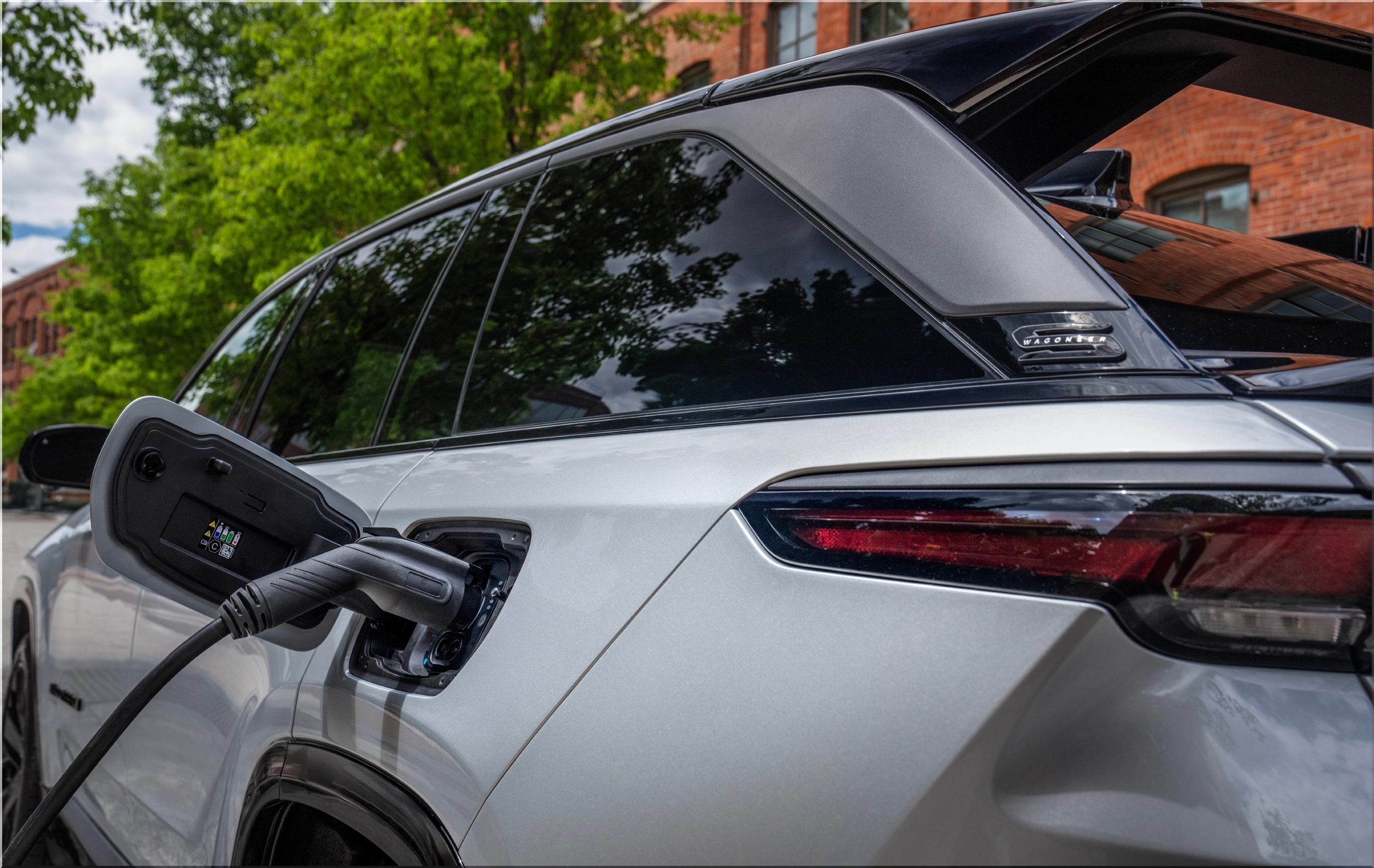
The Wagoneer S runs a 400-volt electrical system paired with a 100.5 kWh lithium-ion battery. Jeep favors a proven architecture over experimental voltage setups.
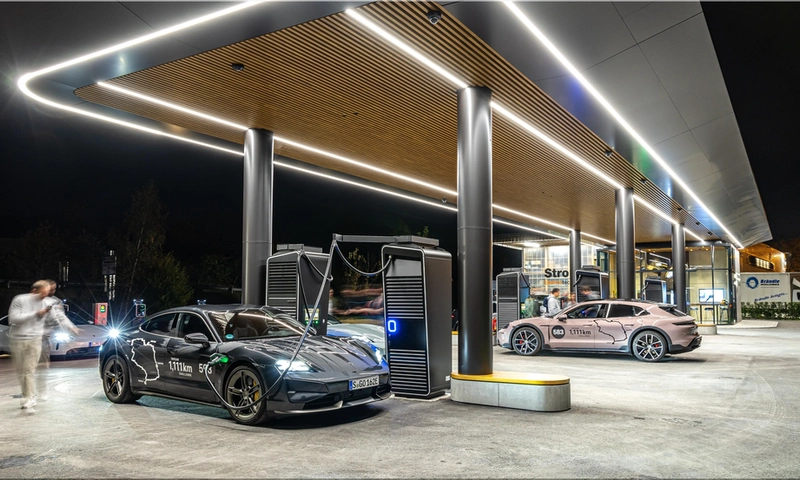
Fast charging remains a priority. Jeep quotes 20 to 80 percent charging in about 23 minutes on a DC fast charger. That window supports highway travel without long stops.
Home charging supports overnight replenishment, which fits typical ownership patterns.
Pro-Tip
Ask dealers about charging curve behavior, not peak speed. Consistent power delivery across the session matters more than headline numbers.
Driving Modes and Traction Control
Jeep keeps its identity through software rather than hardware gimmicks. The Wagoneer S includes Selec-Terrain with five modes:
- Auto
- Sport
- Eco
- Snow
- Sand
Electric torque distribution improves grip on loose or slick surfaces. The system reacts instantly, without mechanical lag.
This setup suits drivers who face winter weather or unpaved roads but still want strong on-road performance.
Interior Technology and Screen Layout
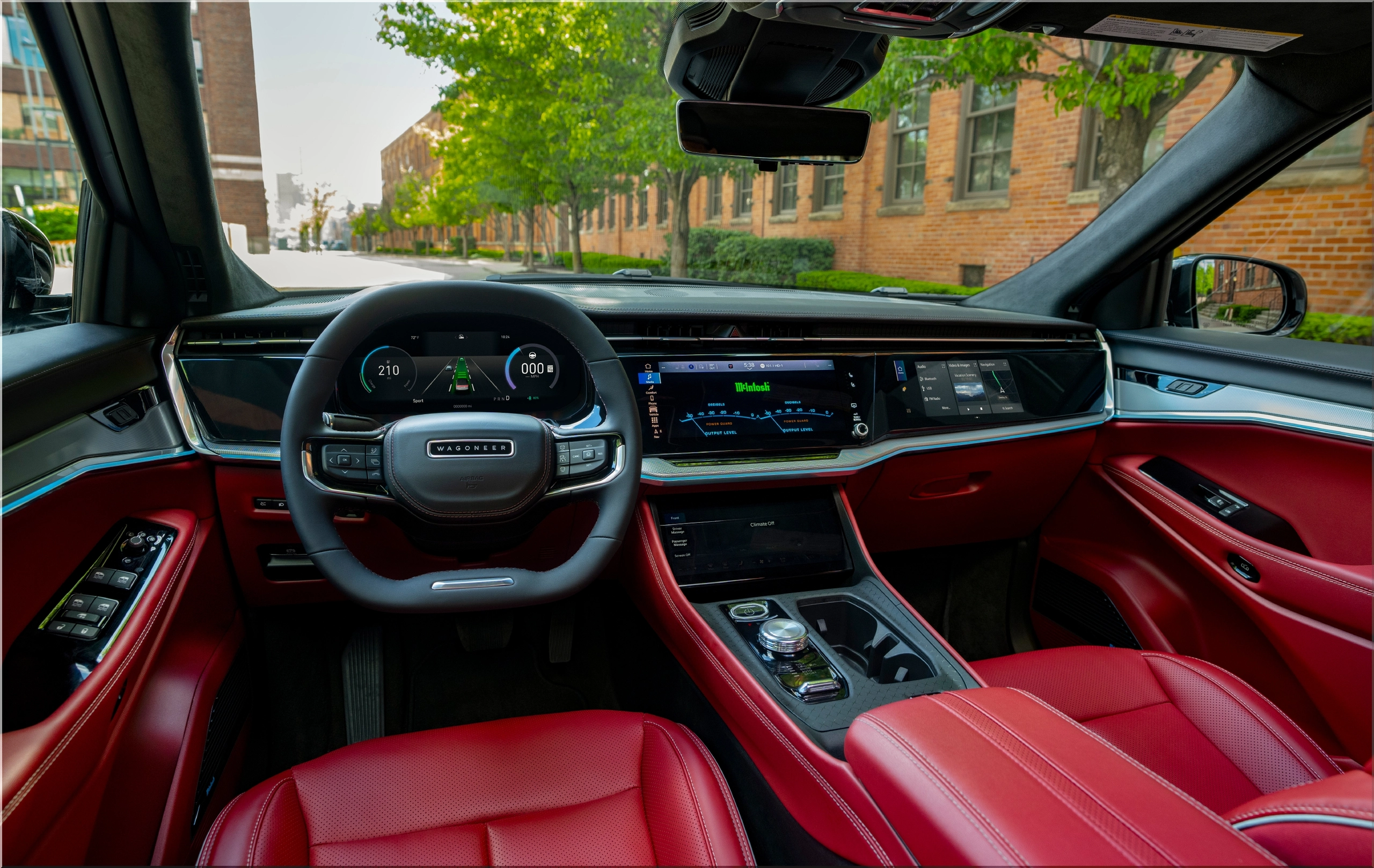
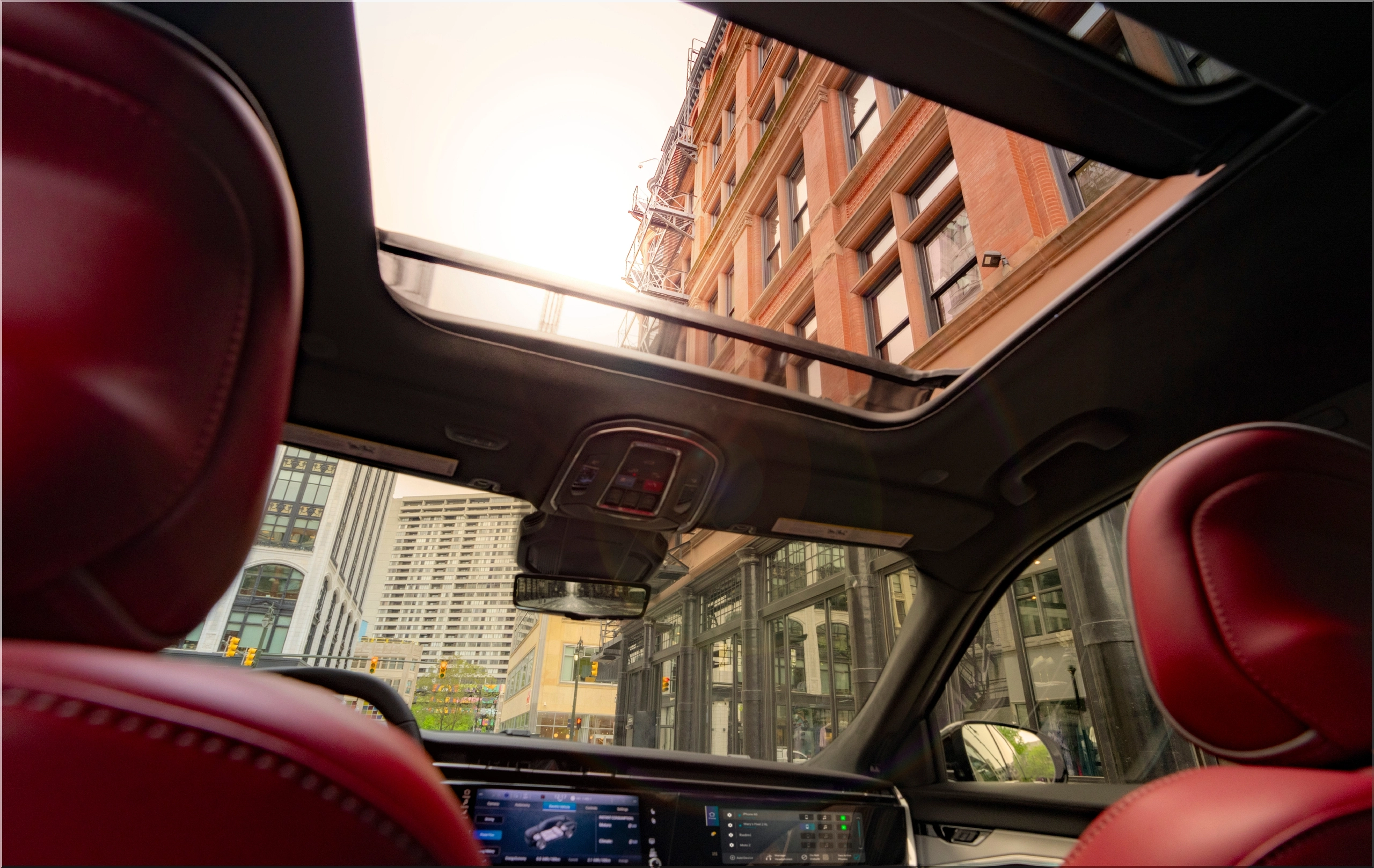
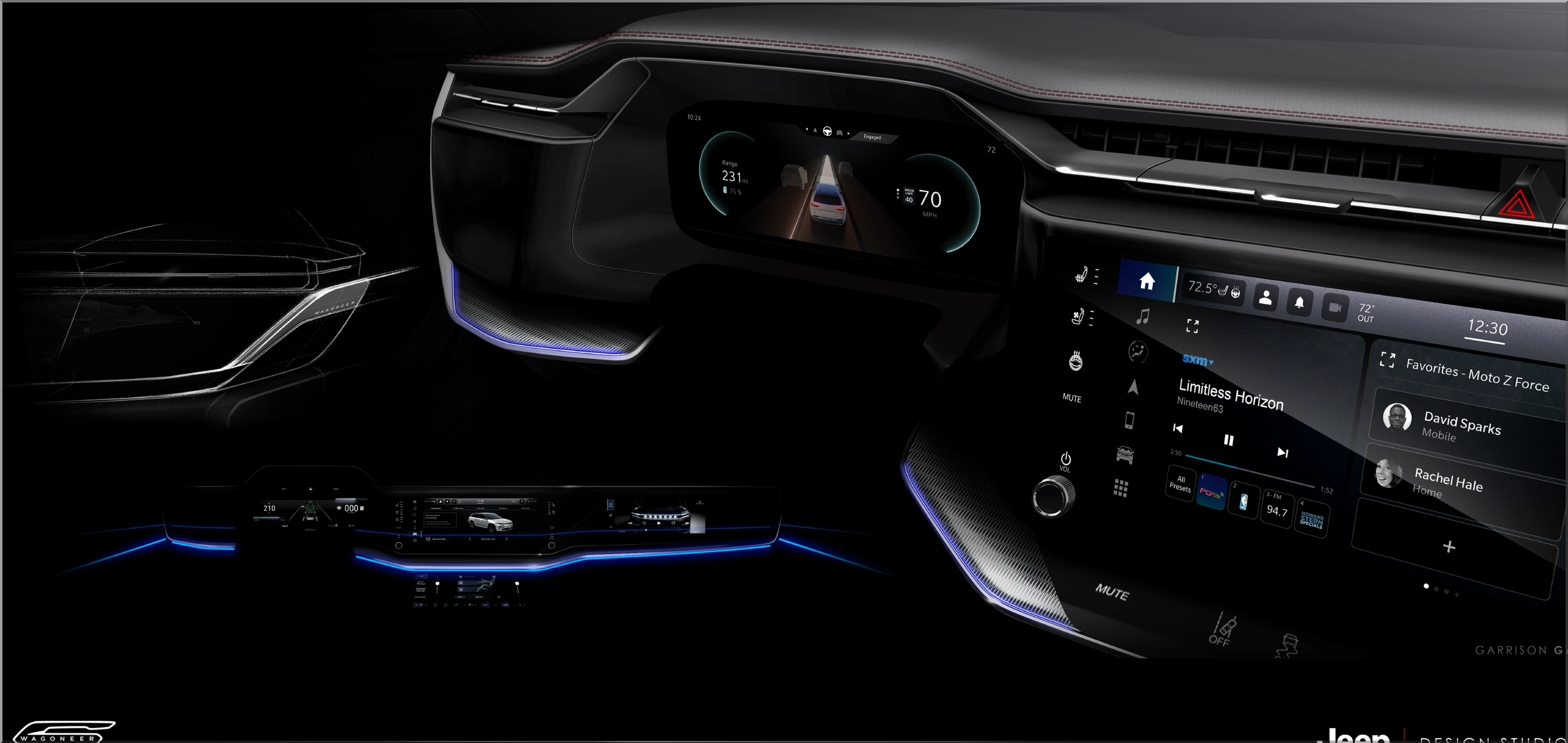
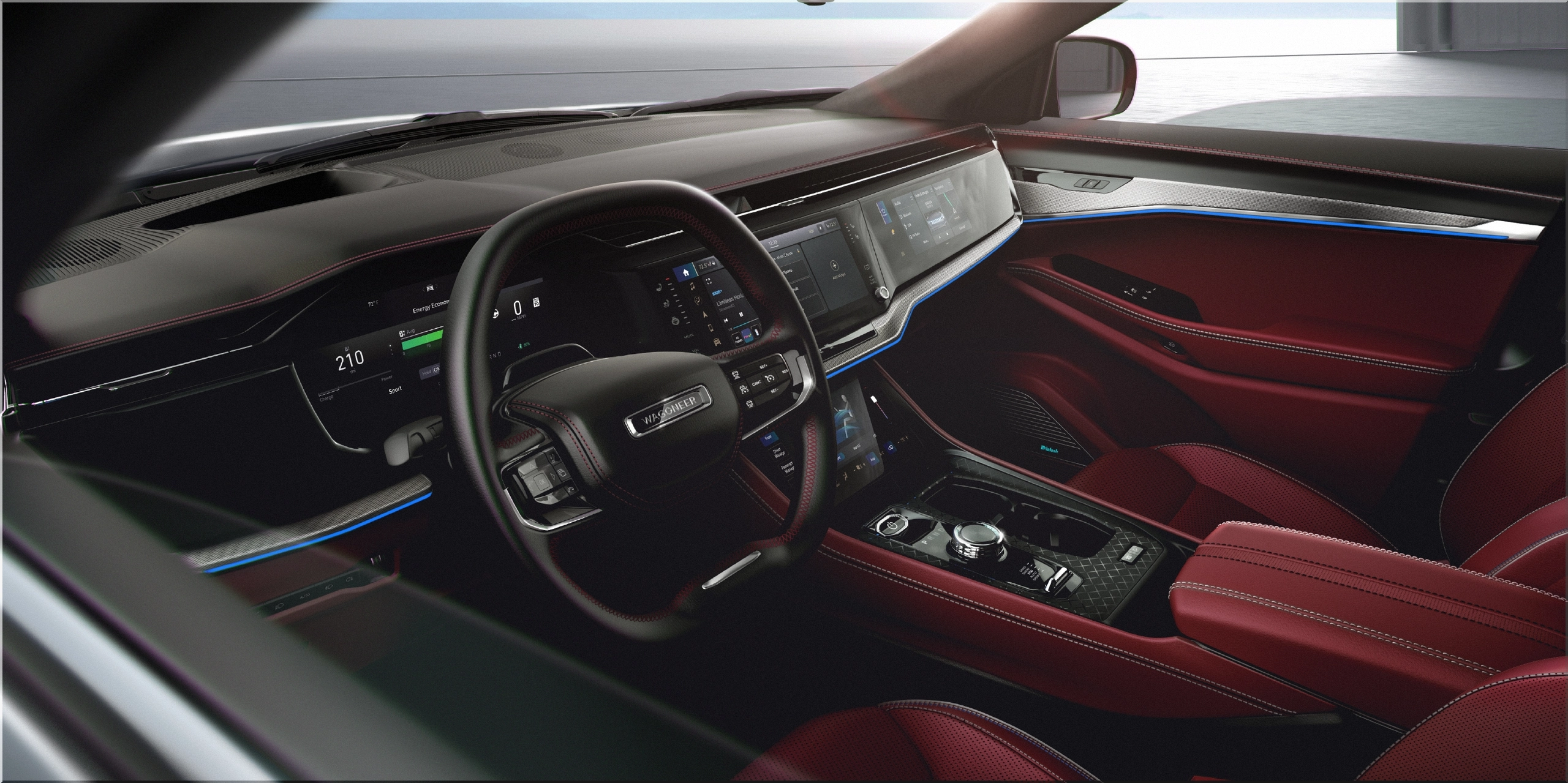
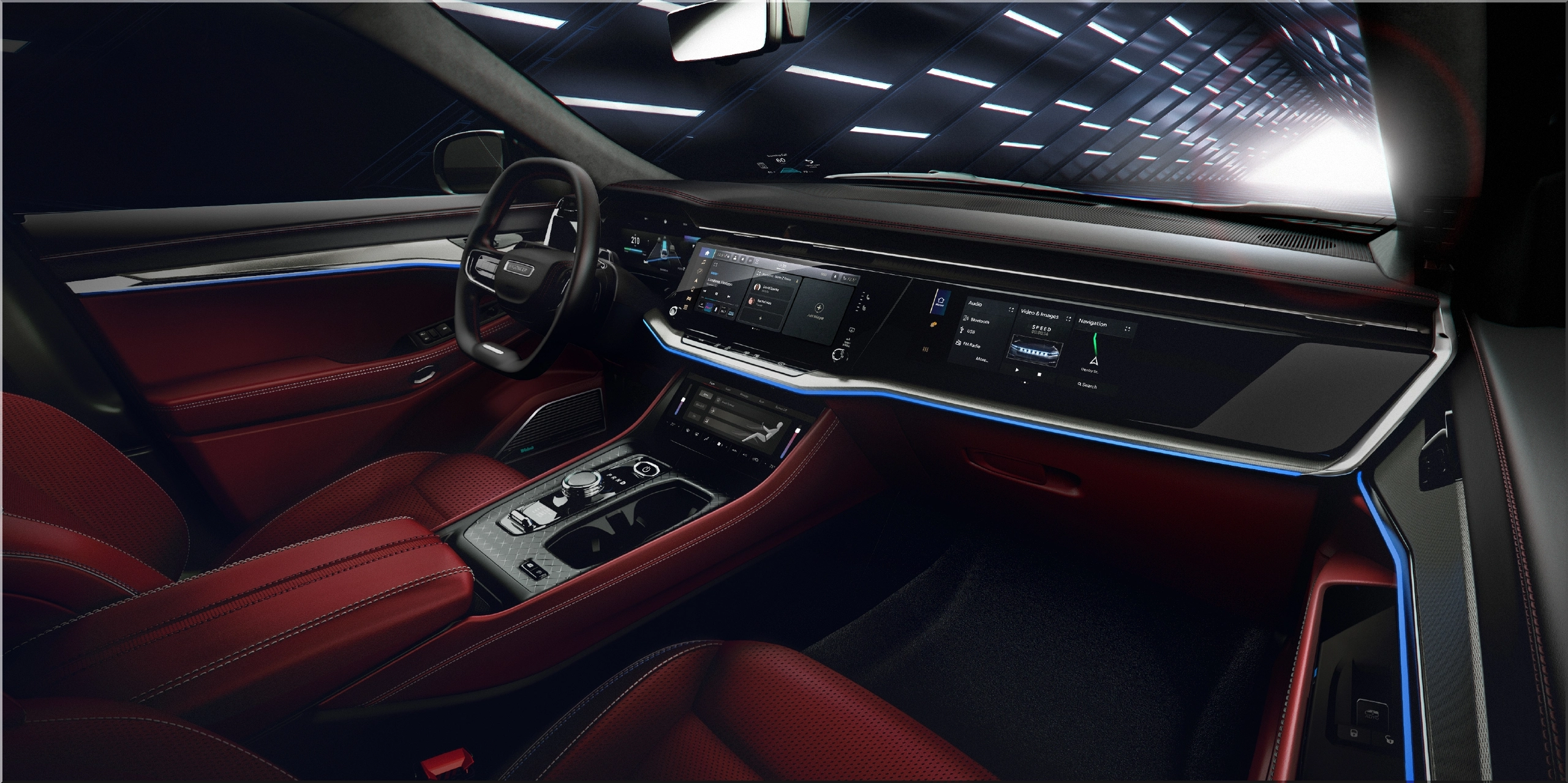
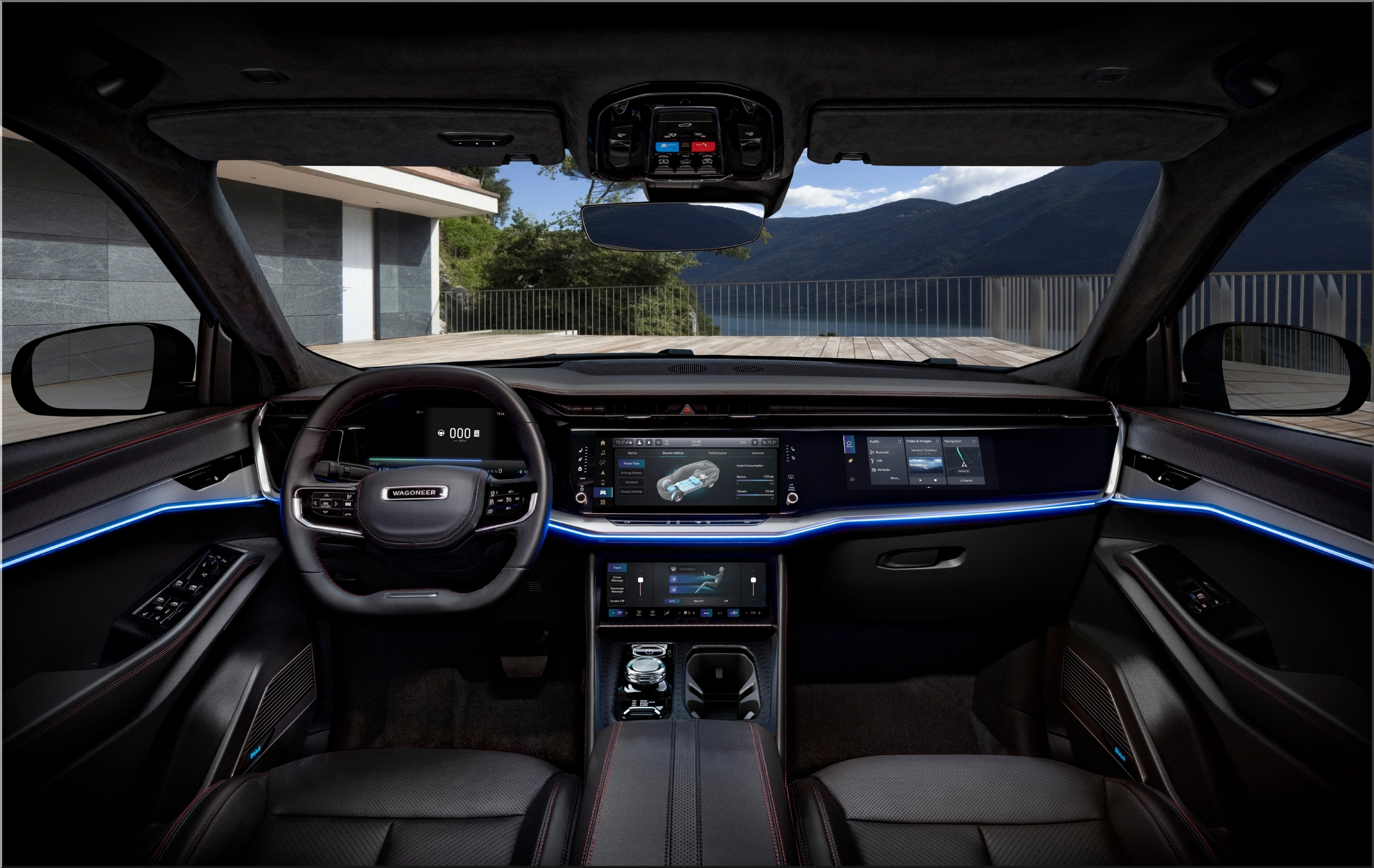
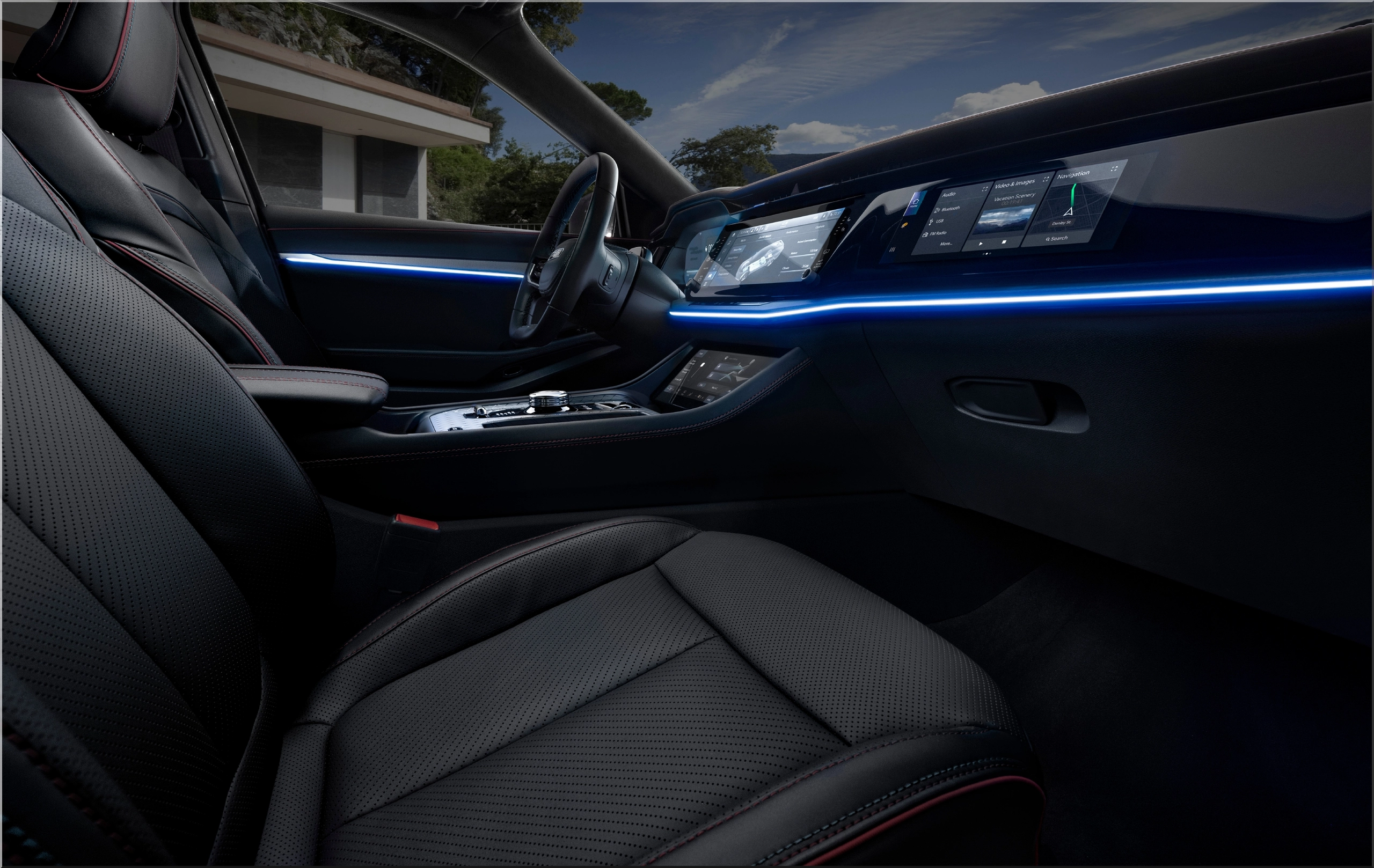
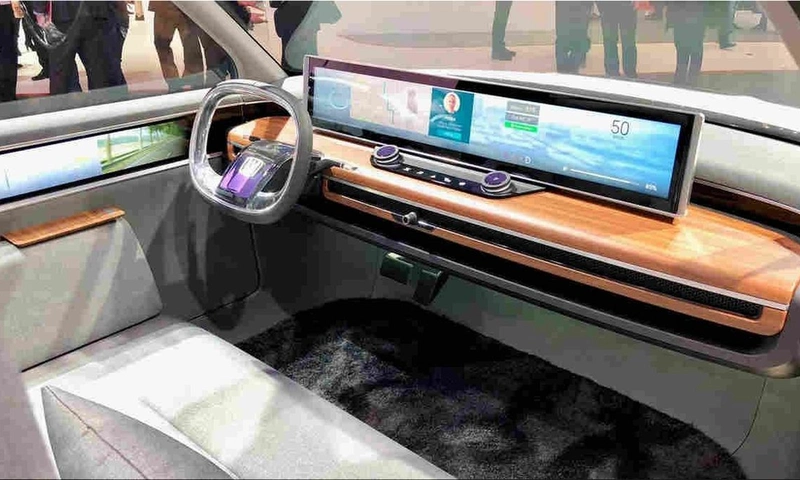
The Wagoneer S pushes hard on visible technology. Jeep installs more than 45 inches of total screen space across the cabin.
Key elements include:
- Digital instrument cluster
- Large central infotainment display
- 10.25-inch front passenger interactive screen
The passenger display allows navigation input and media control without pulling focus from the driver. This feature targets long trips and shared driving responsibilities.
Audio and Cabin Experience
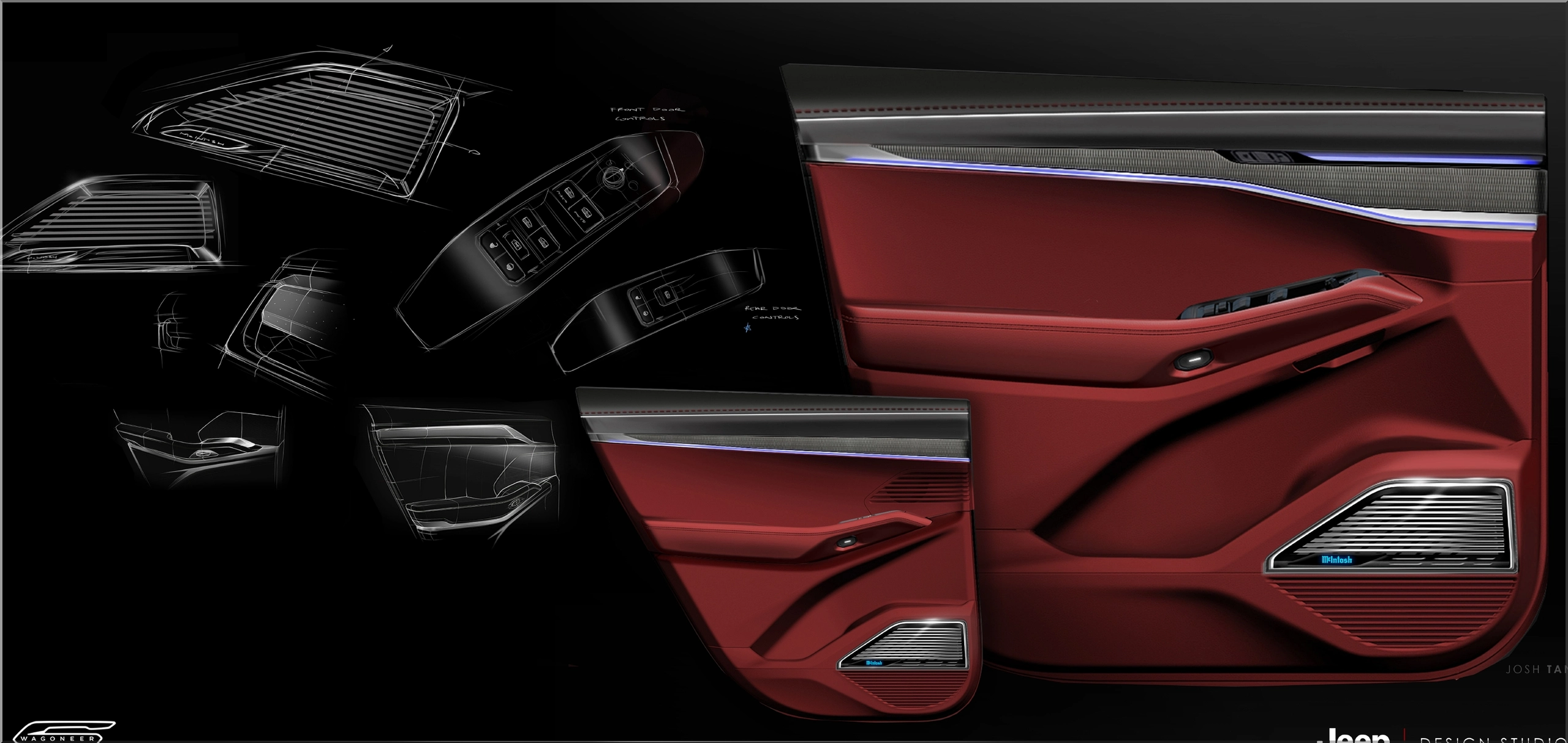
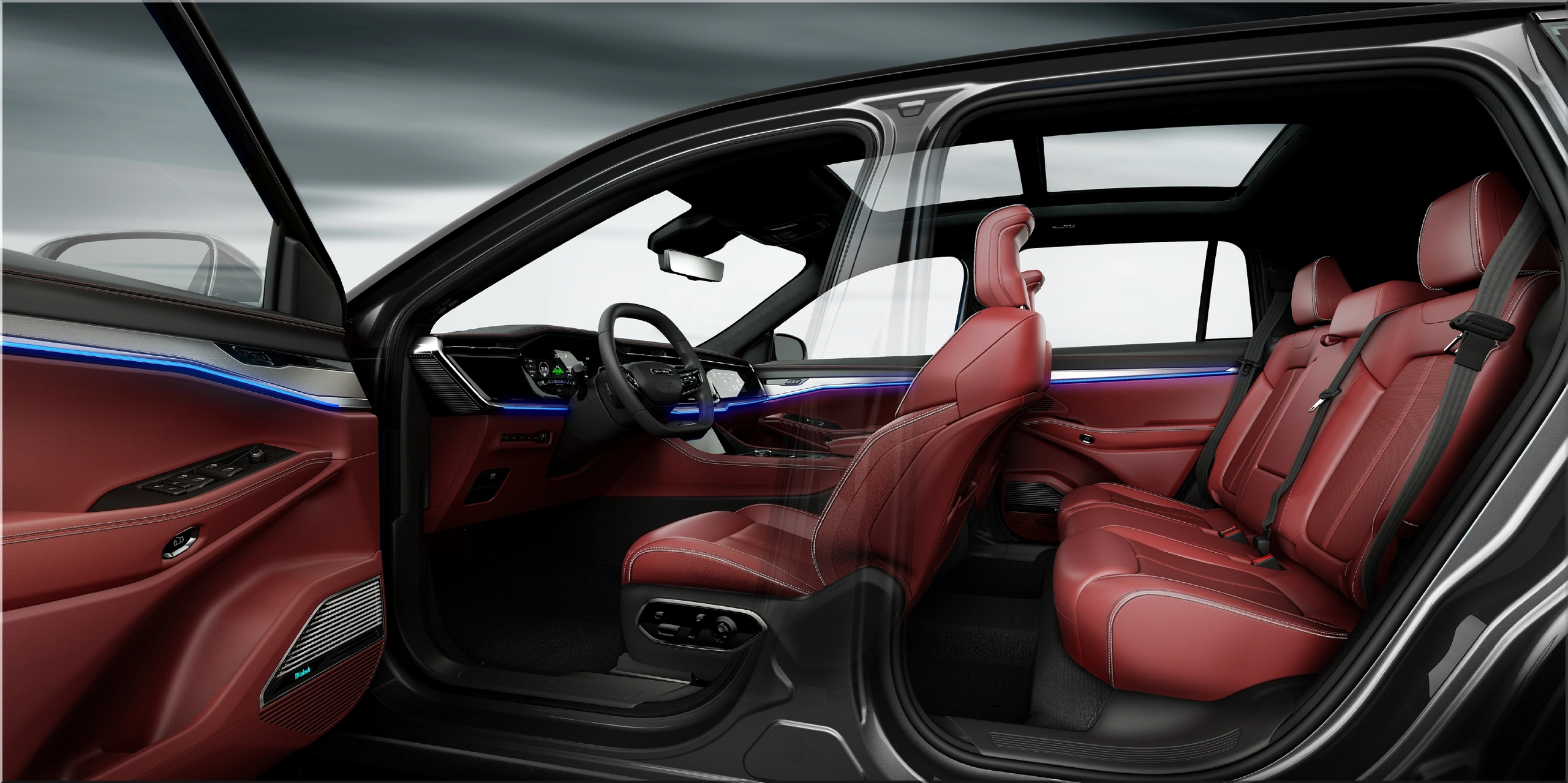
Jeep partners with McIntosh for a 19-speaker premium audio system. Output reaches 1,160 watts, supported by a dedicated subwoofer.
This system targets buyers who cross-shop premium electric SUVs and expect high-quality sound without aftermarket upgrades.
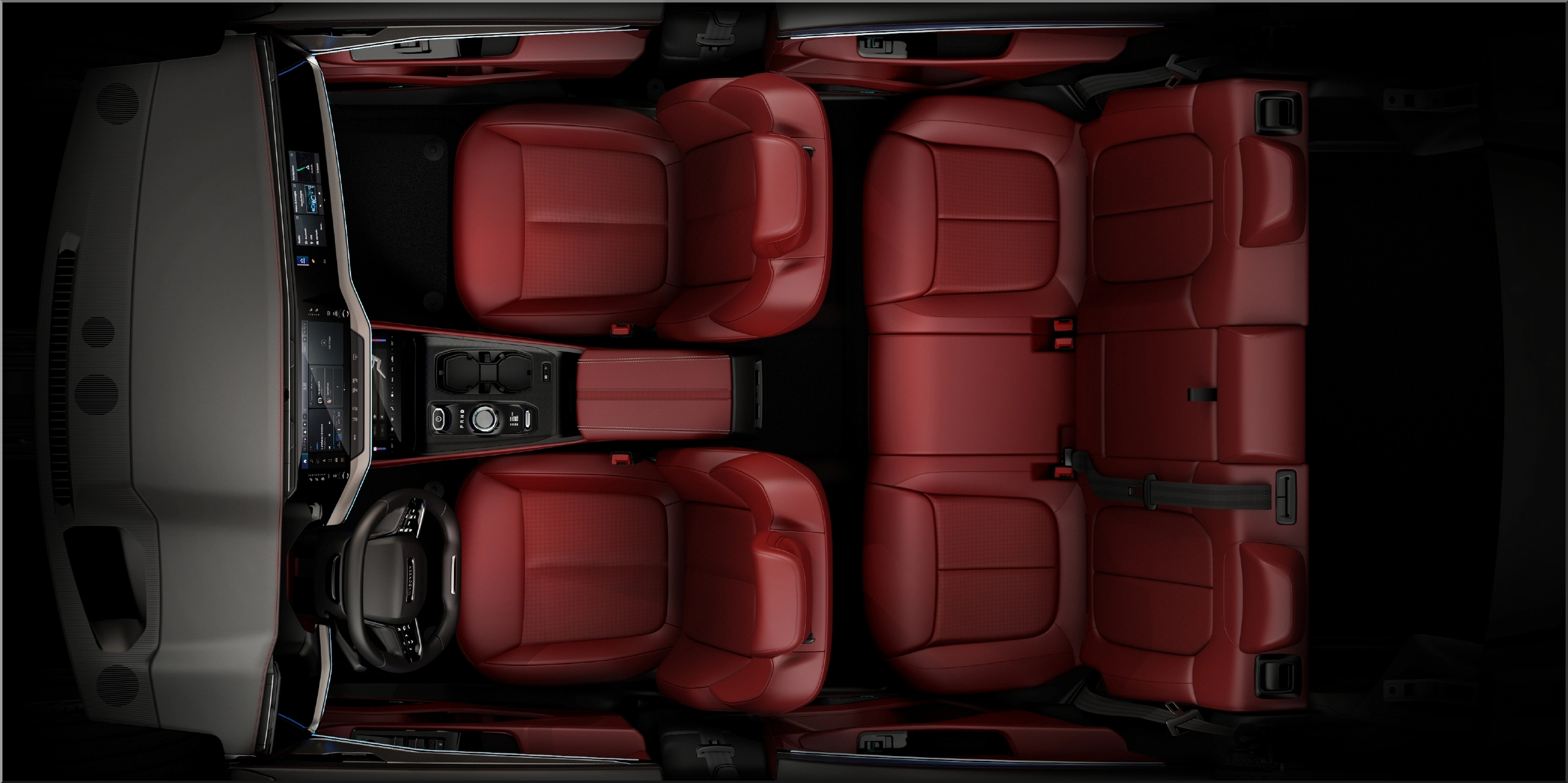
Material choices lean durable rather than flashy. Jeep avoids excessive gloss surfaces and focuses on usability.
Performance Focus Without Complexity
Jeep avoids overcomplicating the user experience. Physical controls remain where drivers expect them. Software supports the drive rather than dominating it.
This approach appeals to buyers who want advanced features without learning a new interface every time they enter the vehicle.
Expected Pricing in USD
Jeep has not released final US pricing. Market placement suggests a starting price between $70,000 and $75,000 USD. Higher trims and option packages likely push pricing past $85,000 USD.
That pricing places the Wagoneer S directly against premium electric SUVs rather than entry-level EVs.