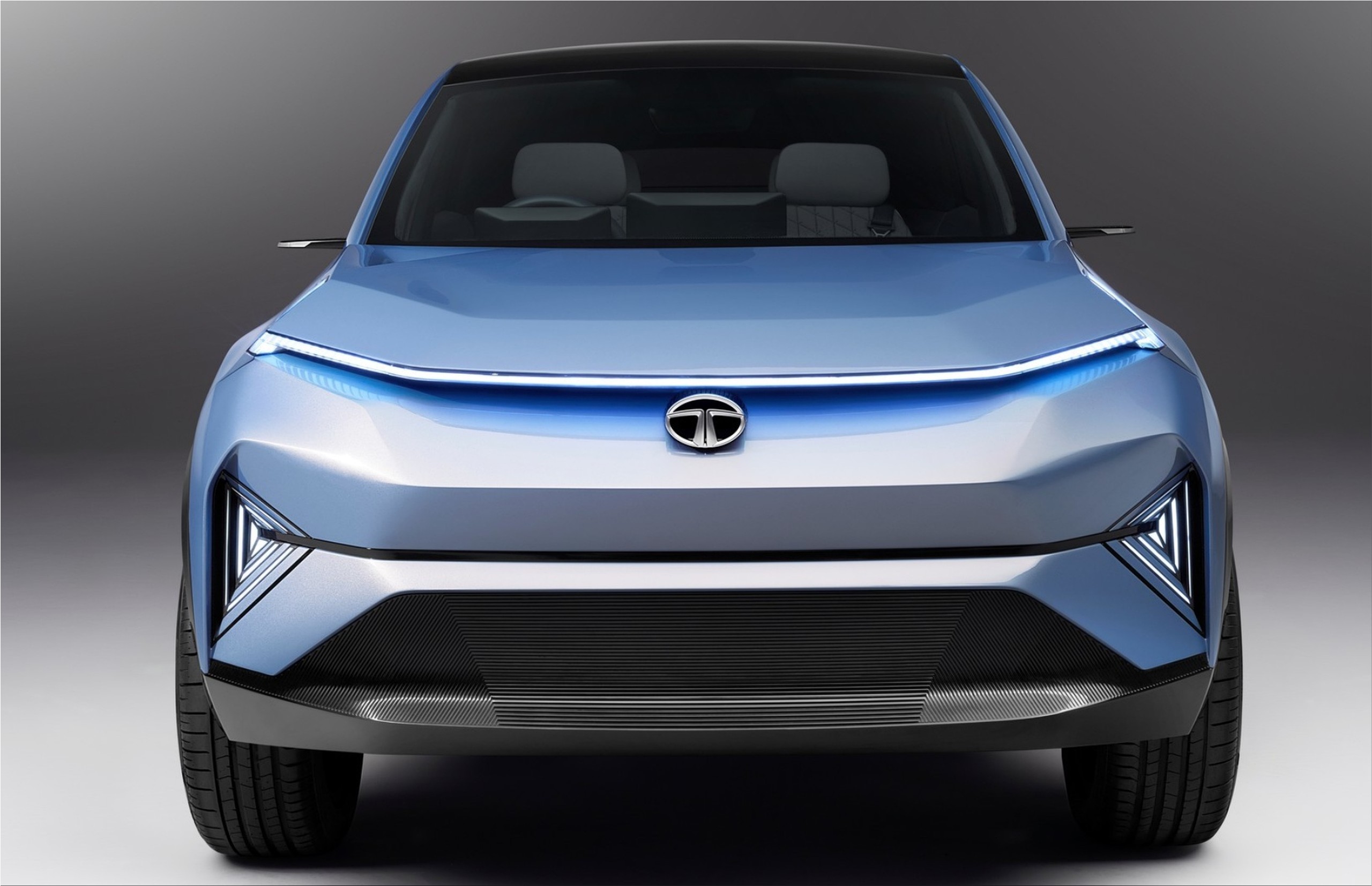
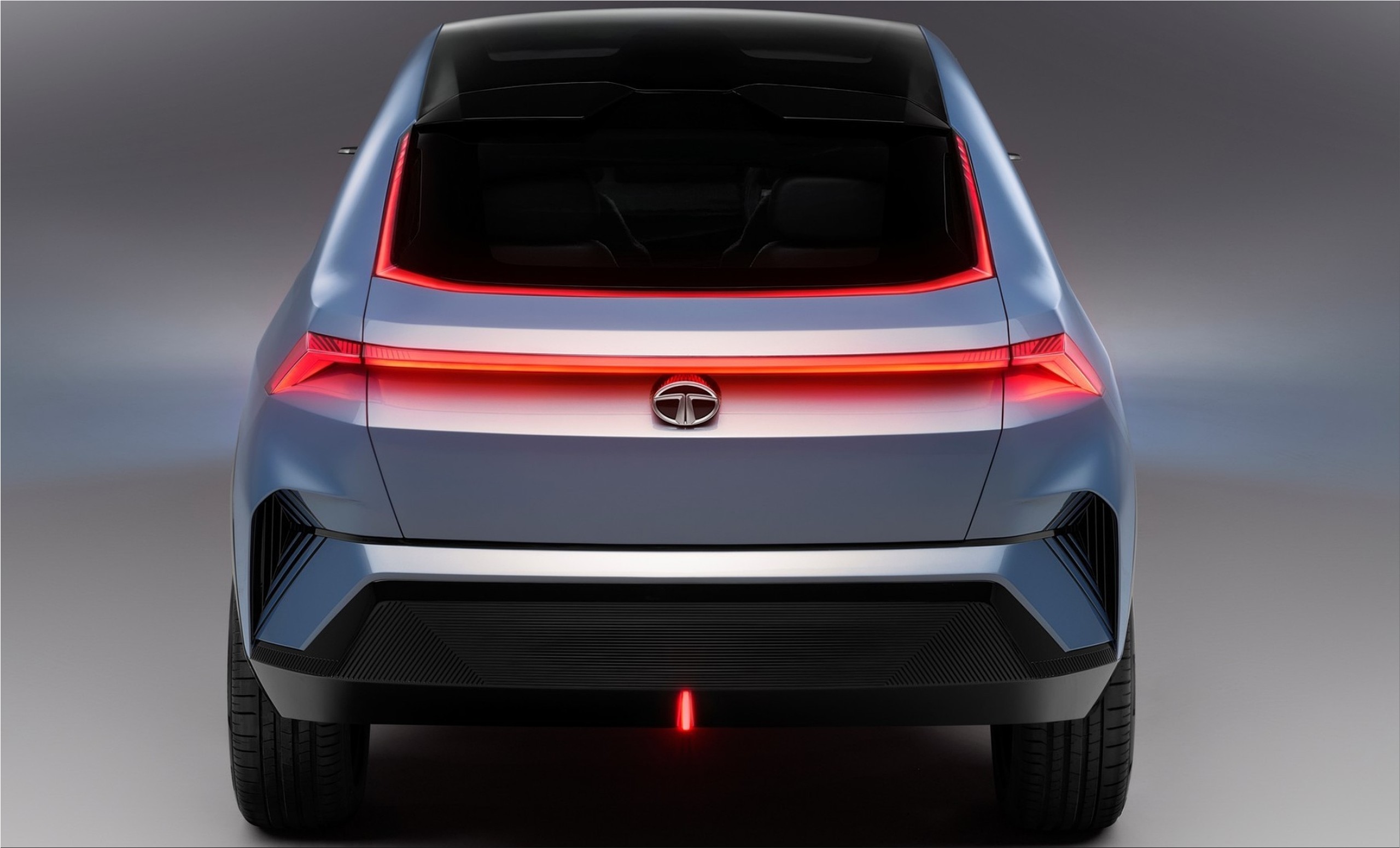
Tata Motors has unveiled the Curvv electric coupe SUV concept, which in a couple of years will turn into a production model and strengthen Tata's leadership in the electric vehicle segment of the Indian market. However, the novelty will also have versions with internal combustion engines.
Tata Motors has rolled out its raised concept with a sloping stern, and it turned out to be much prettier than Mahindra's XUV Aero concept. The chief designer, Canadian Martin Ularik, created an utterly harmonious image. Still, the original features that would distinguish Tata Curvv from hundreds of Chinese counterparts are here - for example, headlight squiggles flowing into stampings on the hood. Cameras instead of mirrors and doors without handles are signs of the concept, but the production version will undoubtedly have mirrors and handles.
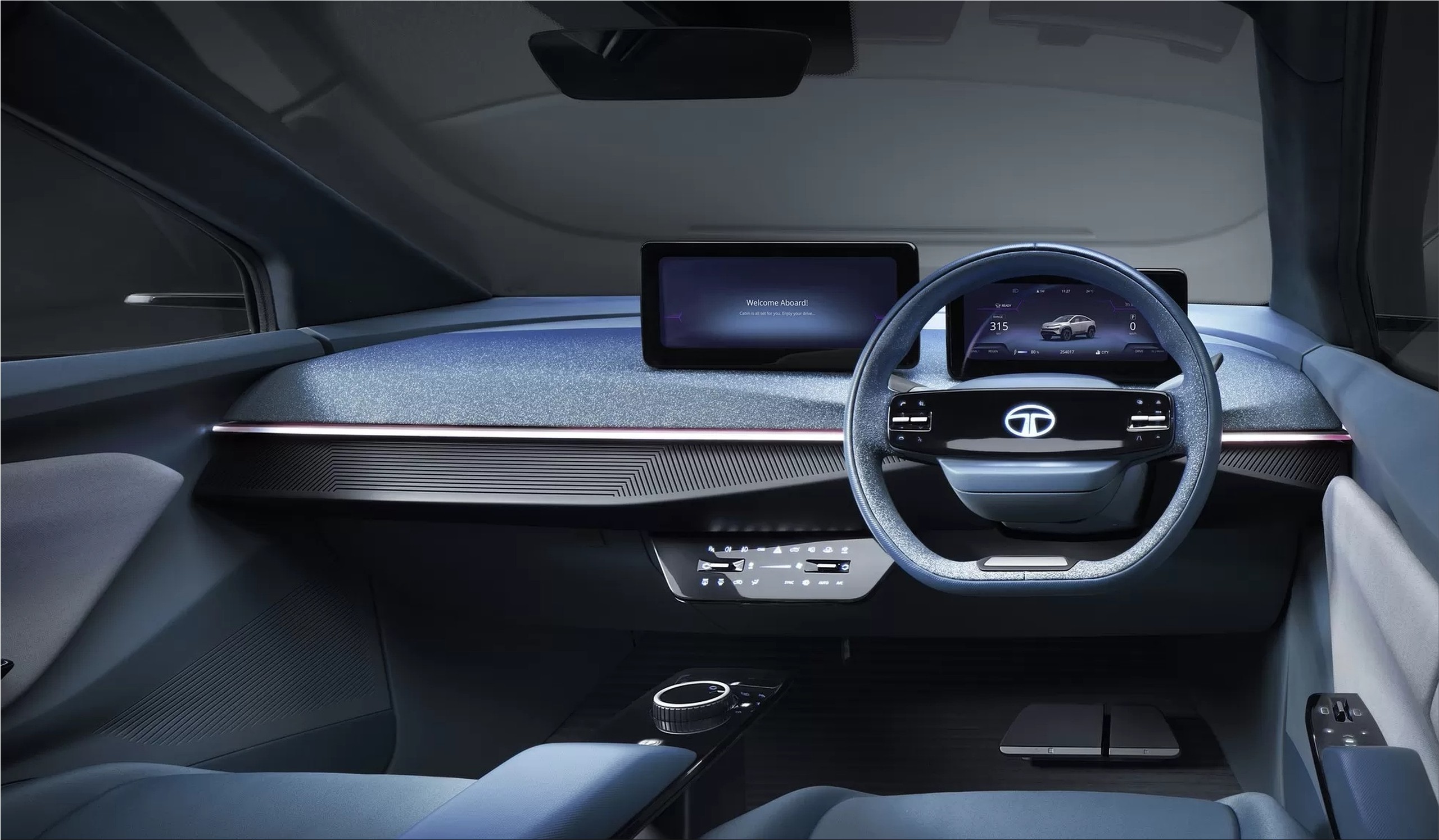
The interior of Tata Curvv is a minimalist one: the front panel is crowned with two screens - instrument and multimedia; in the lower part, there is a small protrusion with a microclimate sensor unit. The steering wheel is two-spoke, slightly flattened at the bottom as it is now fashionable.
The new Tata Curvv all-electric coupe SUV is based on the second-generation electromobility architecture, which is still compatible with classic models. Still, the electric version sticks out, which will have one or two electric motors (one for each axle) and a power reserve enough for 400-500 km. Other specifications have not yet been announced.
Tata Motors currently controls 80% of the Indian electric vehicle market, which was only 14,690 units in 2021, up 207% from 2020, according to Auto Punditz. Last year, the best-selling model in the EV segment was the Tata Nexon EV crossover (9,111 units sold), the MG ZS EV Chinese crossover (2,798 units) was in second place, the Tata Tigor EV sedan (2,611 units) was in third place, and the fourth Hyundai Kona EV (121 units), in fifth place is Mahindra eVerito (49 units - known as the first-generation electrified Renault Logan).
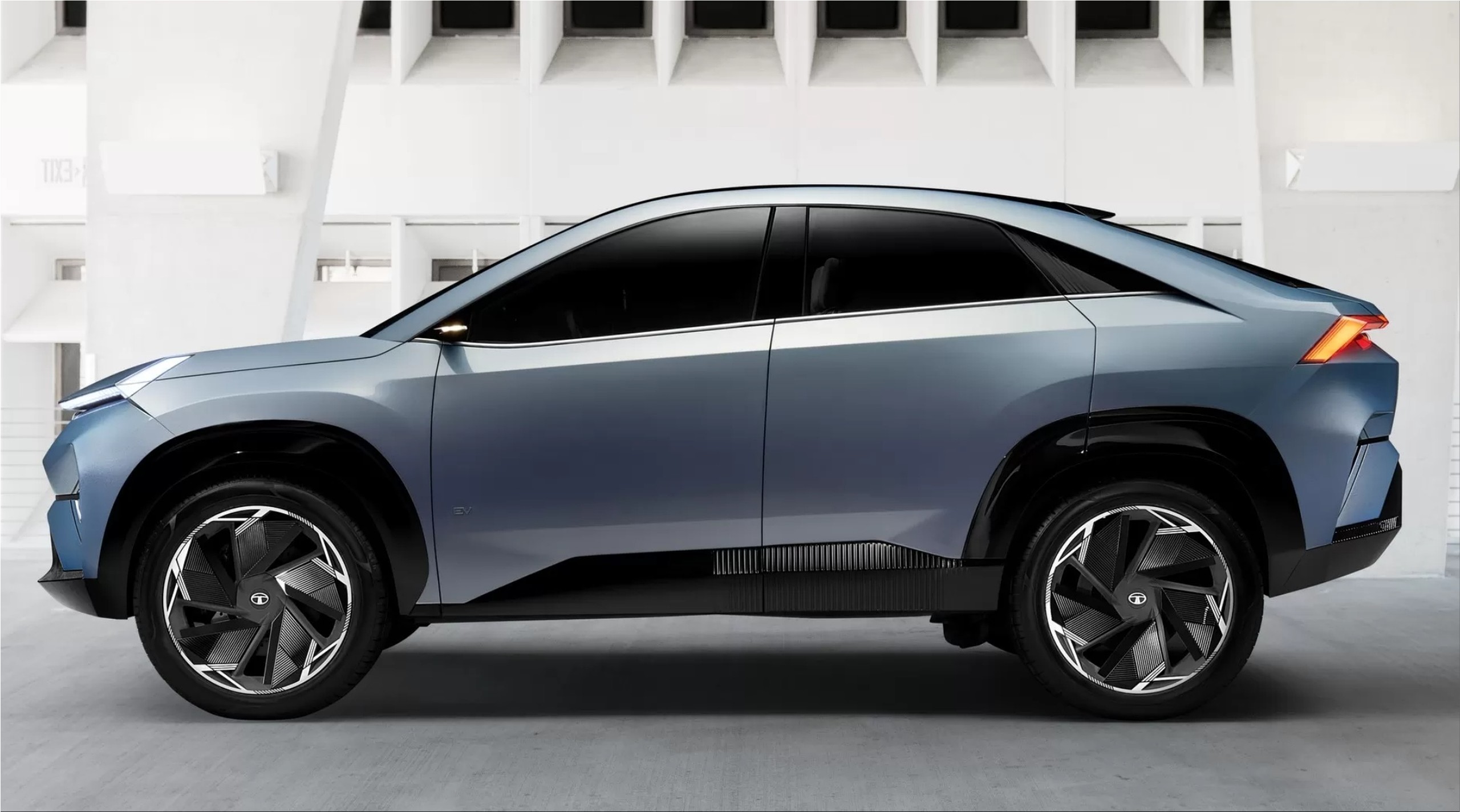
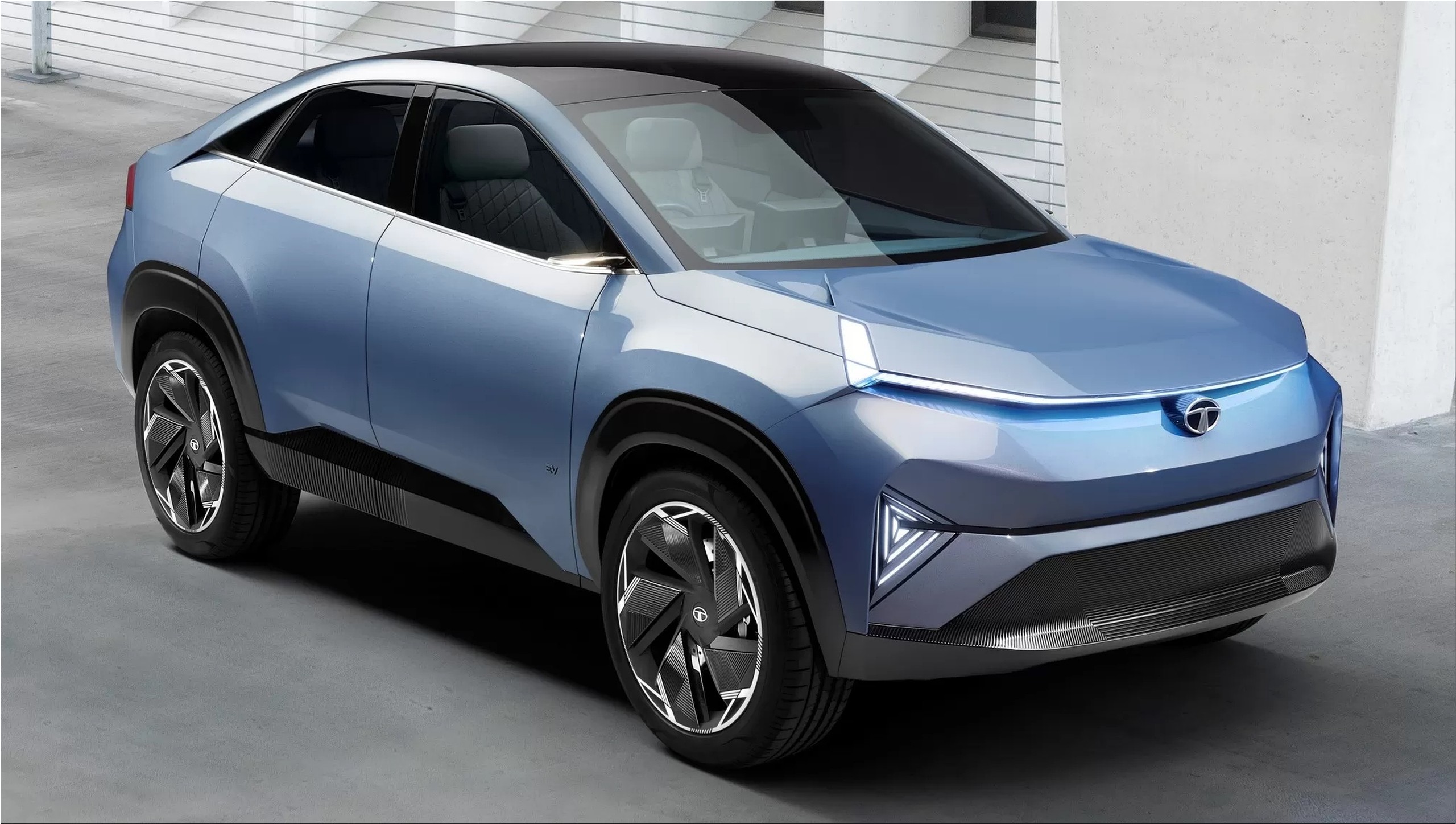
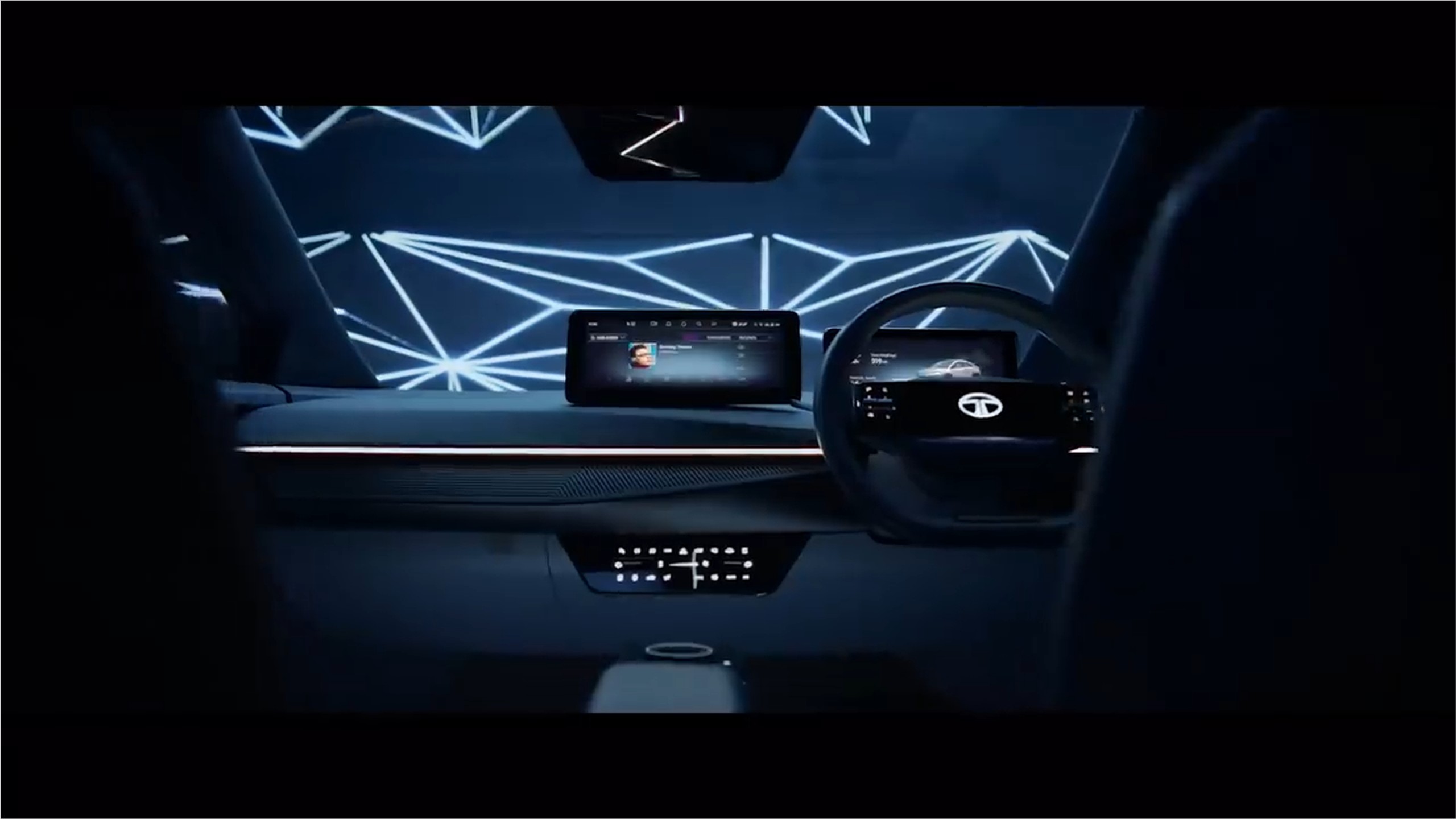
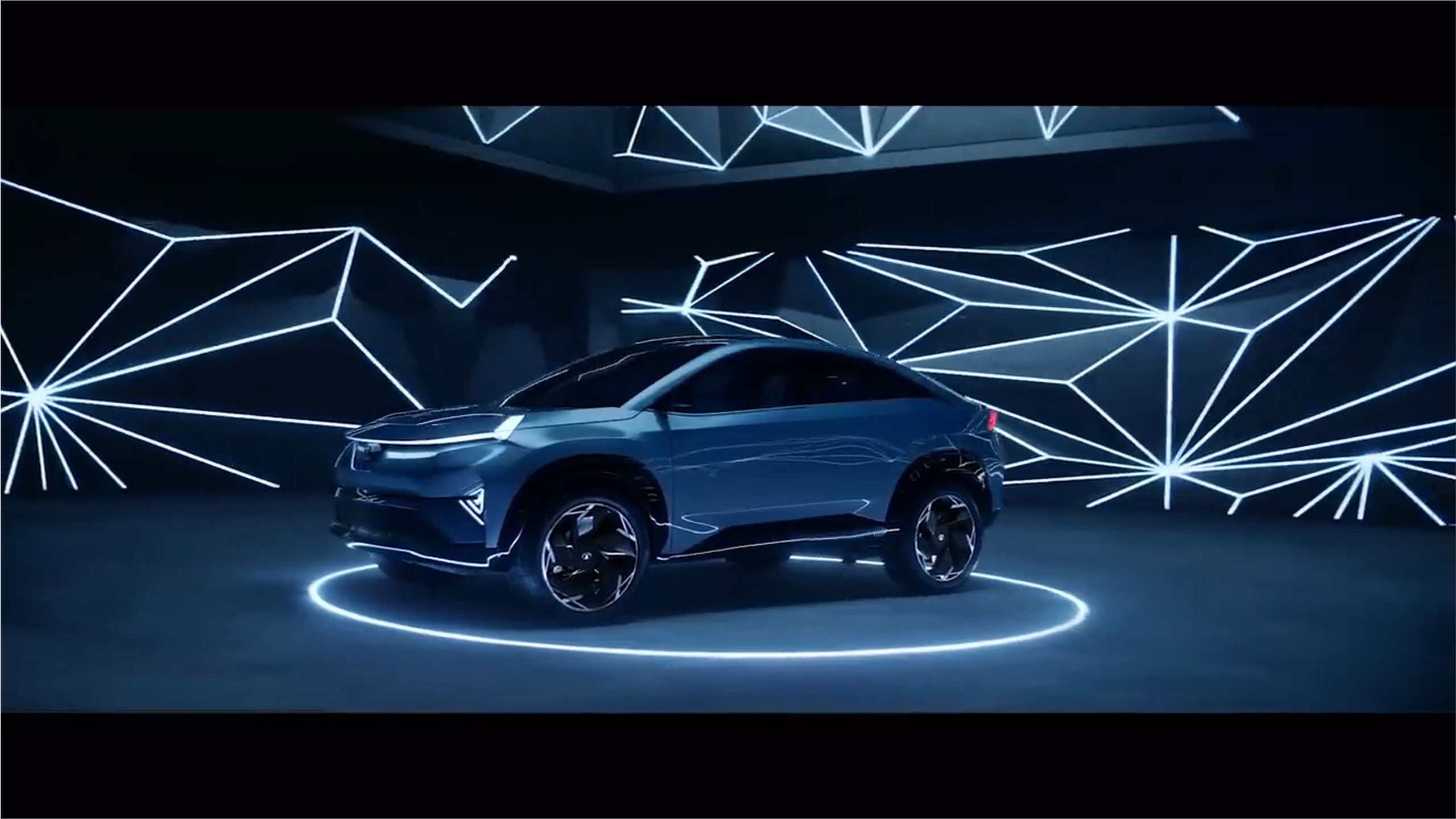
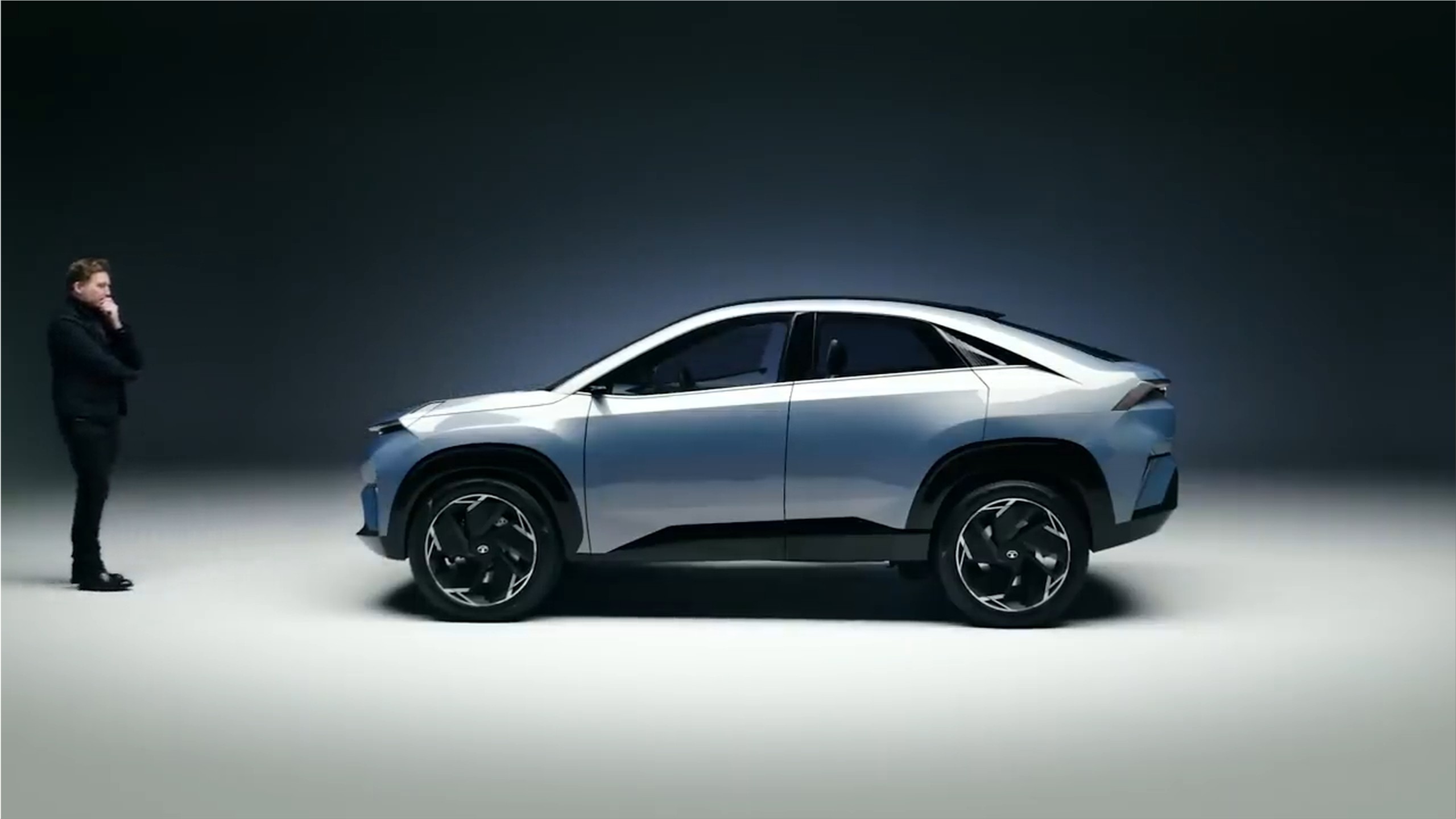
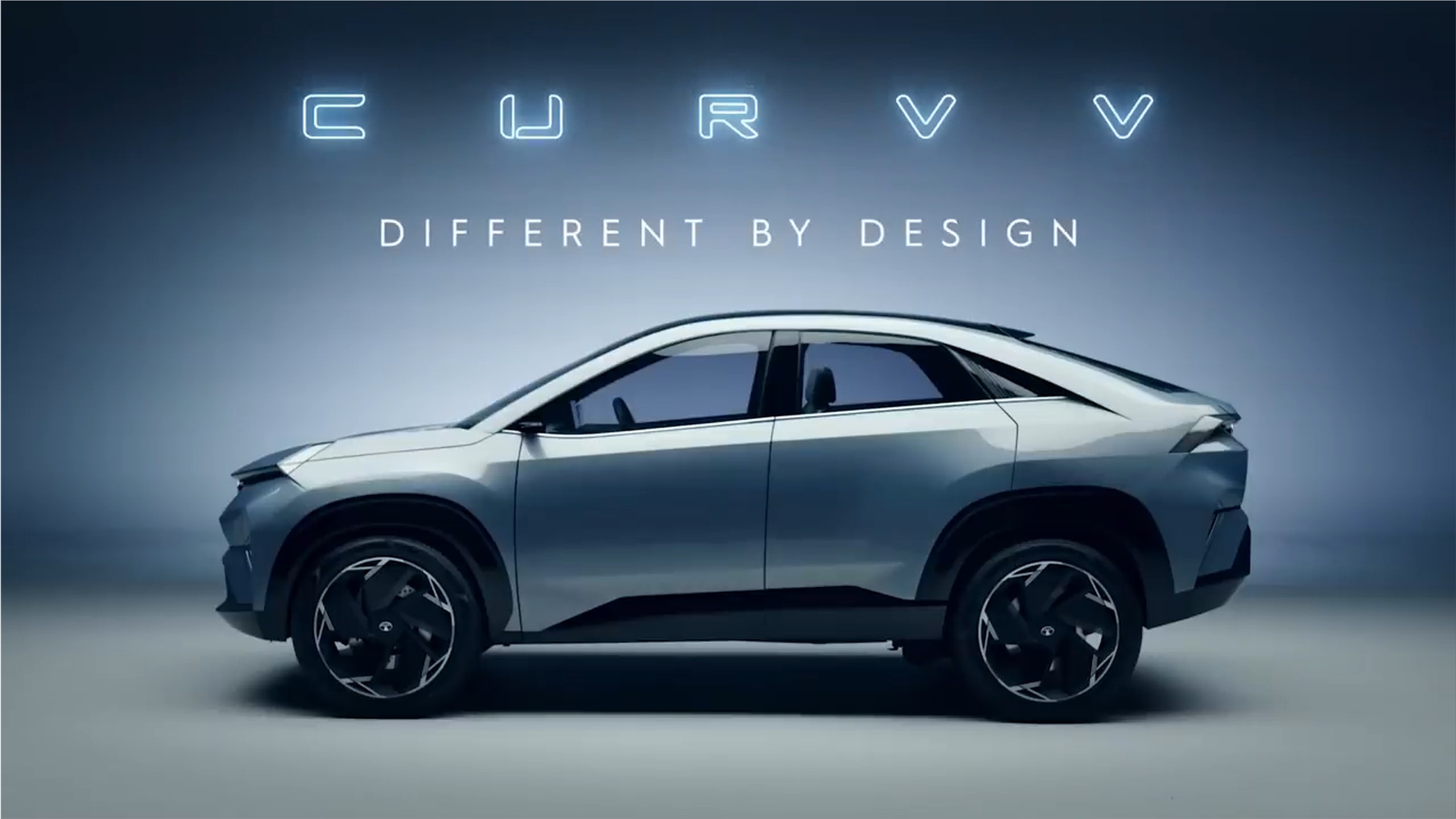
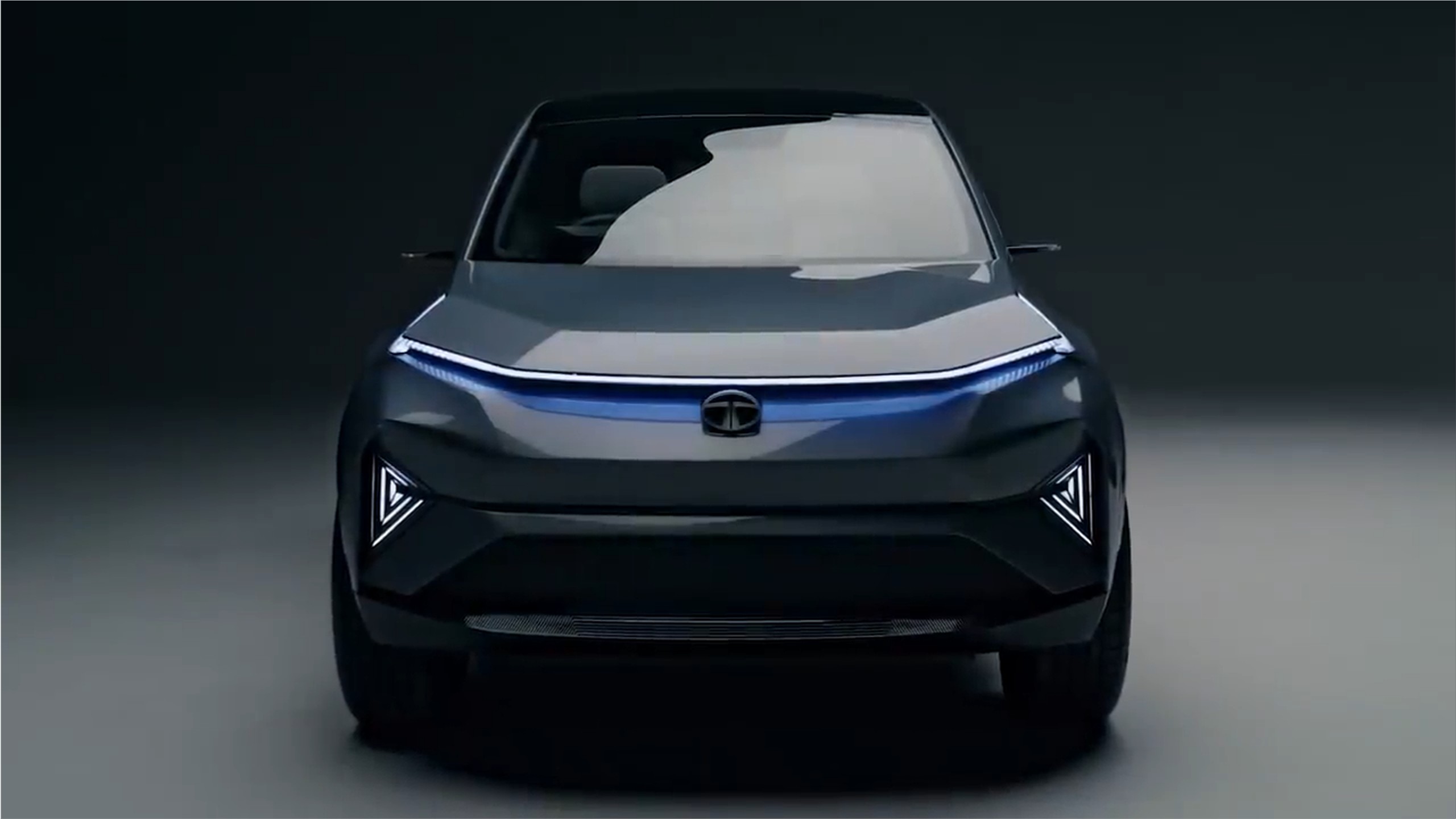
The statistics show that the Indian electric vehicle market is in its infancy but is growing frenetic. Tata wants to maintain its dominance in the face of this growth: soon, the company will introduce more electric versions of the Tata Nexon EV and Tata Tigor EV, and in total, by 2025 will release eight new electric models, including the next-generation Tata Sierra SUV. As a result, by 2026, a quarter of Tata Motors' sales should be electric vehicles.

Ford unveiled the new Mustang Mach-E to the European public for the first time today at the “Go Electric” event in London. With the European Roadshow, Ford wants to inform consumers about the path to an electrified future. In addition, 1,000 charging… Continue reading

The Hyundai plant in Nošovice, Czech Republic has resumed operation after more than three weeks of coronavirus shutdown. For the time being, only two of the usual three shifts work in Nošovice, as a spokesman for the German Press Agency… Continue reading

The Vatican has installed photovoltaic panels on the roof of the Paul VI Audience Hall to produce green energy. The Vatican encourages the use of electric and hybrid vehicles and has eliminated the use of toxic pesticides in gardens… Continue reading

Norwegian Electric Systems (NES) completed the delivery of five all-electric propulsion systems for ferries operated by Norwegian transport company Fjord1. These e-ferries each have a capacity for 50 cars and are used at four… Continue reading