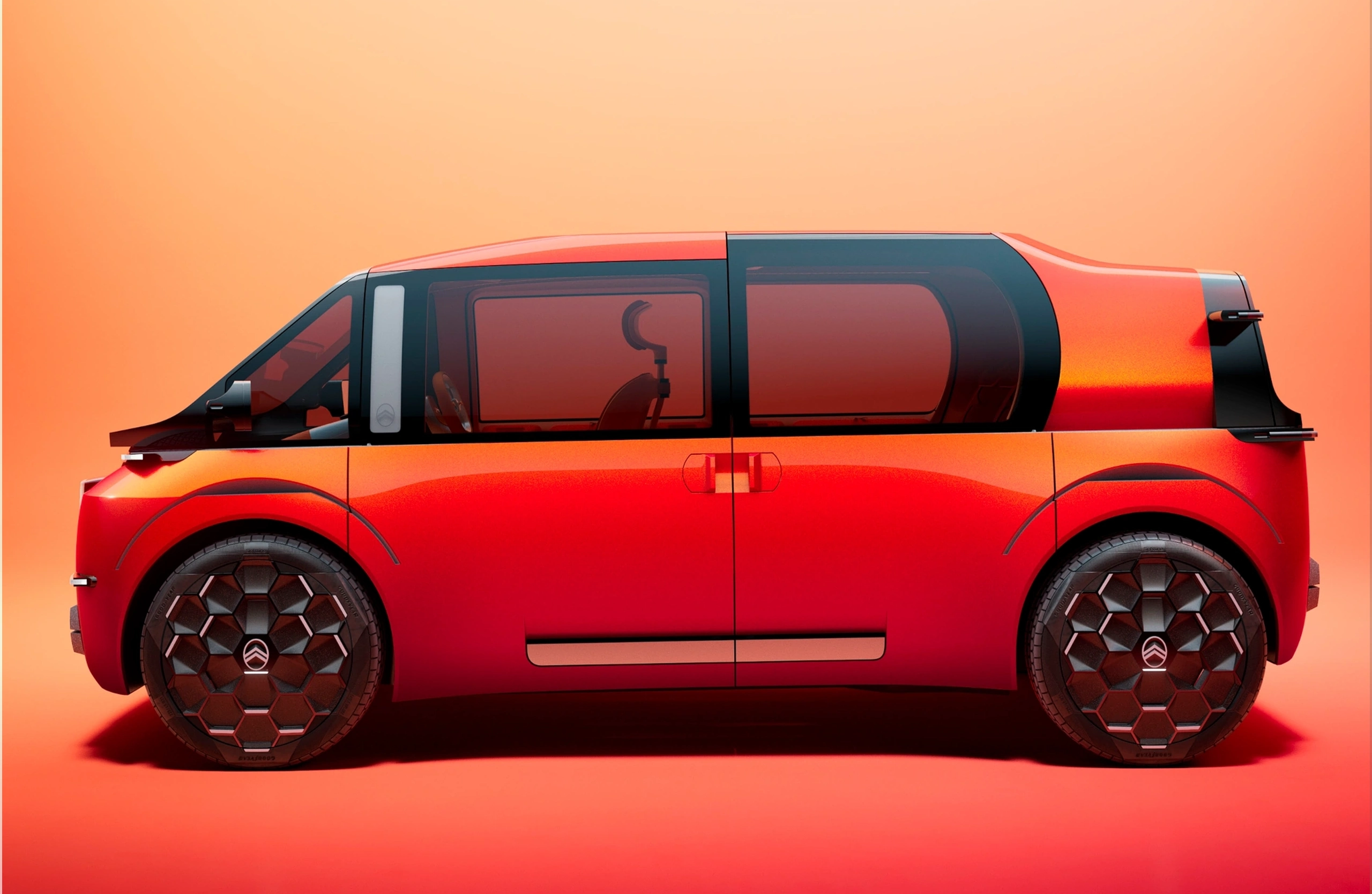
Rethinking Urban Mobility With a Compact Electric Architecture
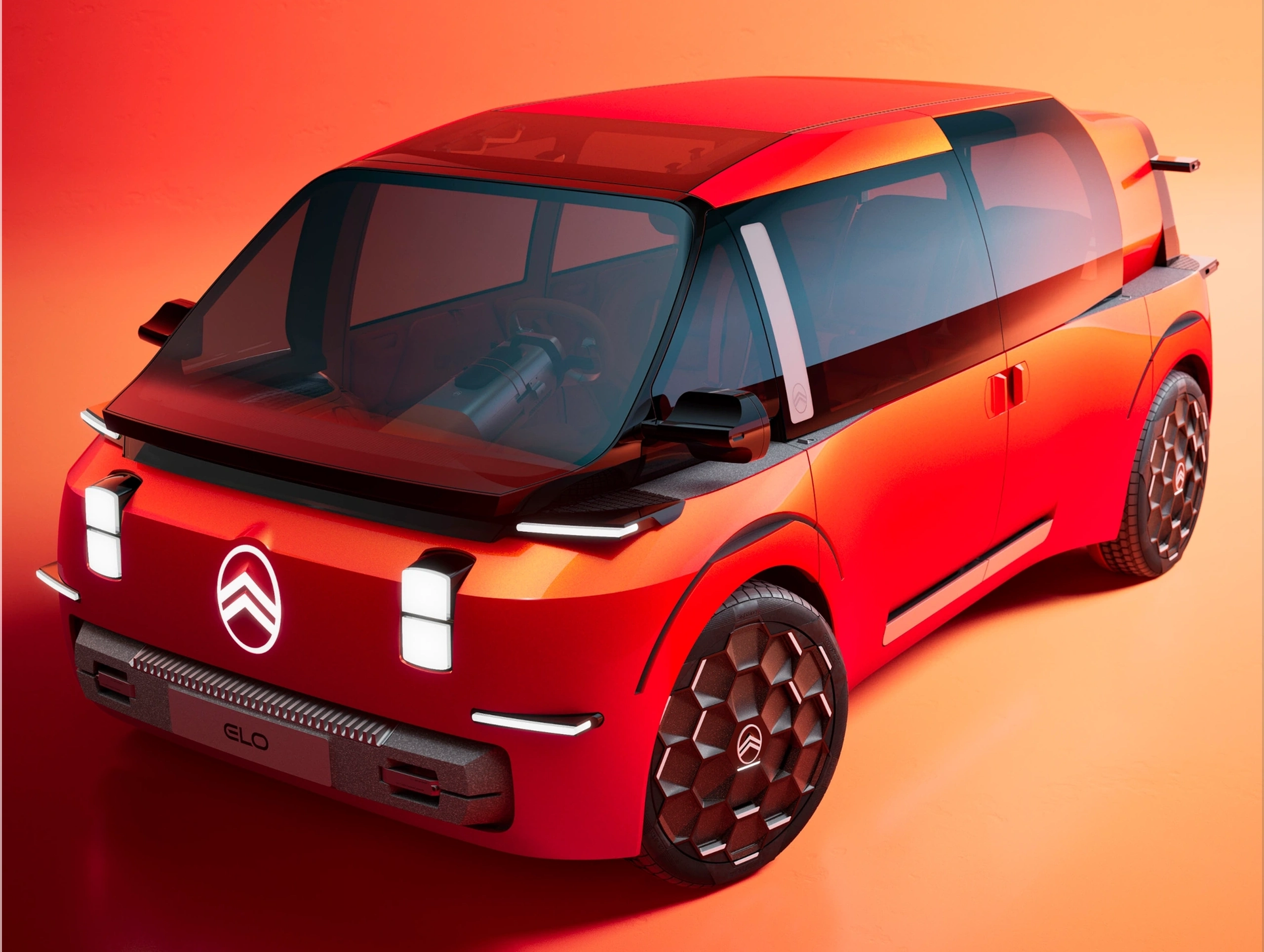
Citroën positions the ELO concept as a response to rising urban density, higher energy costs, and changing work habits. The company builds the vehicle on a 100 percent electric platform to reduce complexity and free usable space. At 4.10 meters long, the Citroën ELO keeps its footprint small but delivers a surprisingly large cabin. The layout supports active schedules shaped by commuting, remote work, school runs, and short outdoor trips. Everything inside the vehicle focuses on function and time efficiency.
Packaging Decisions That Expand Real Interior Space
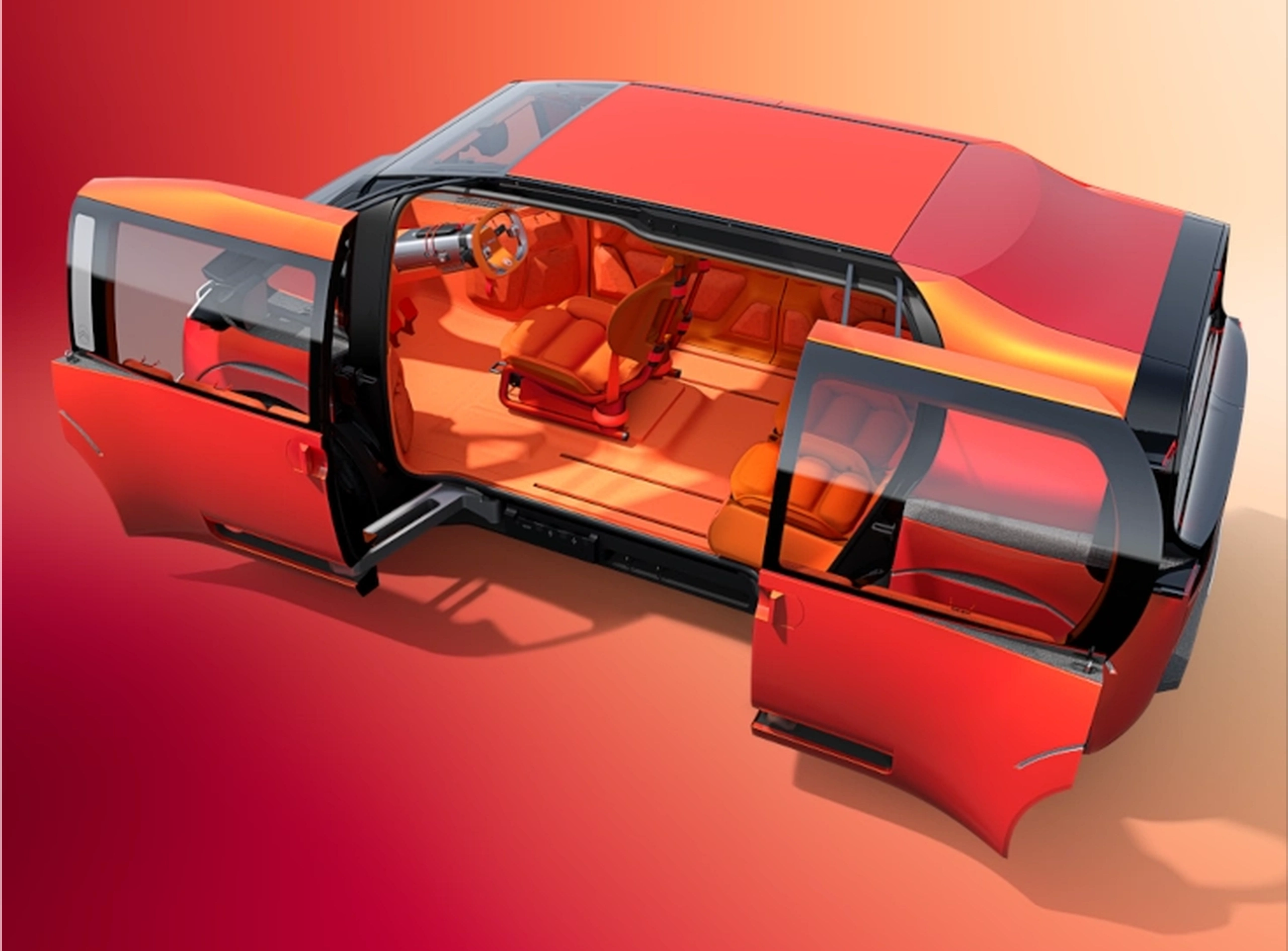
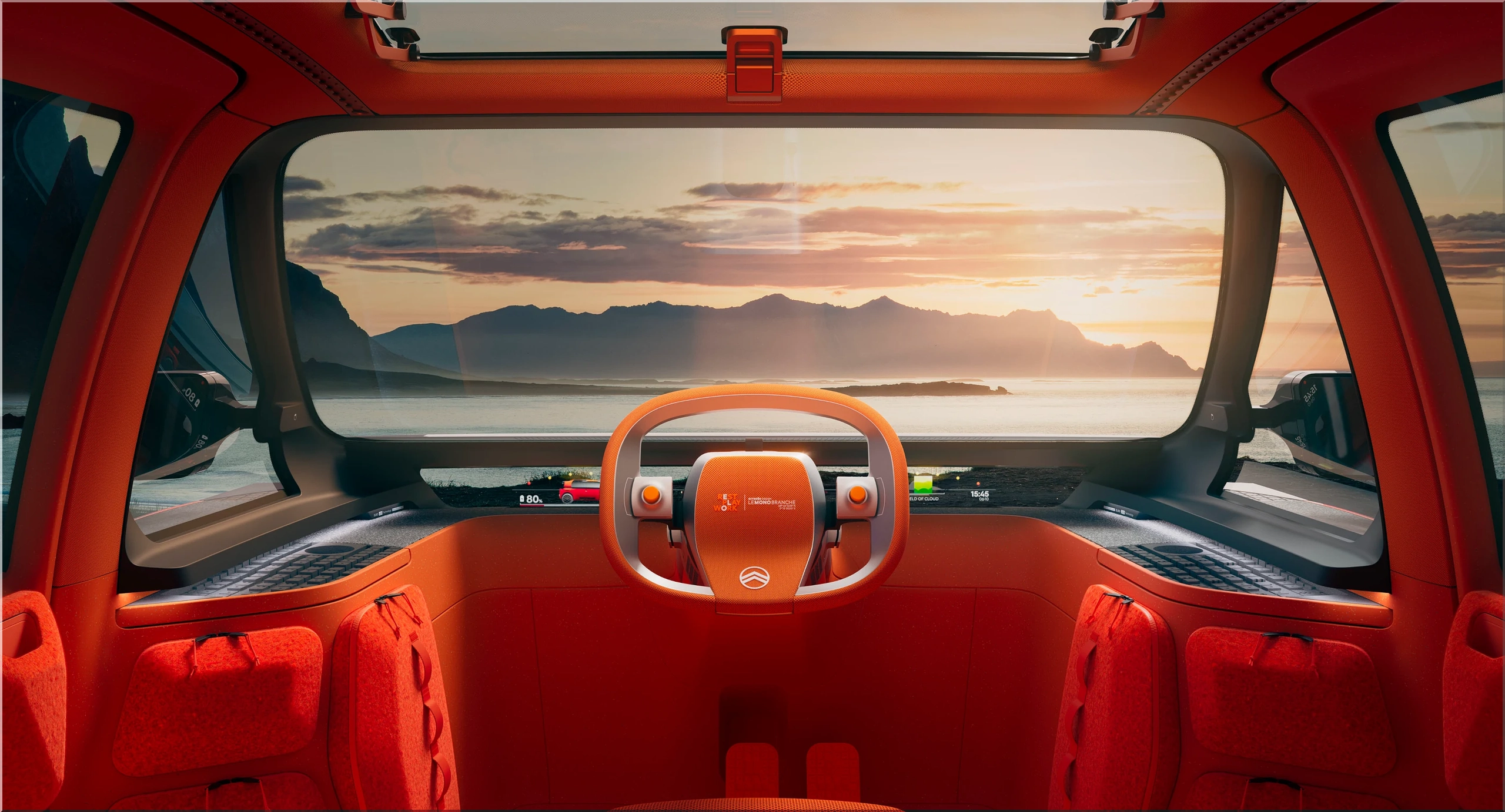
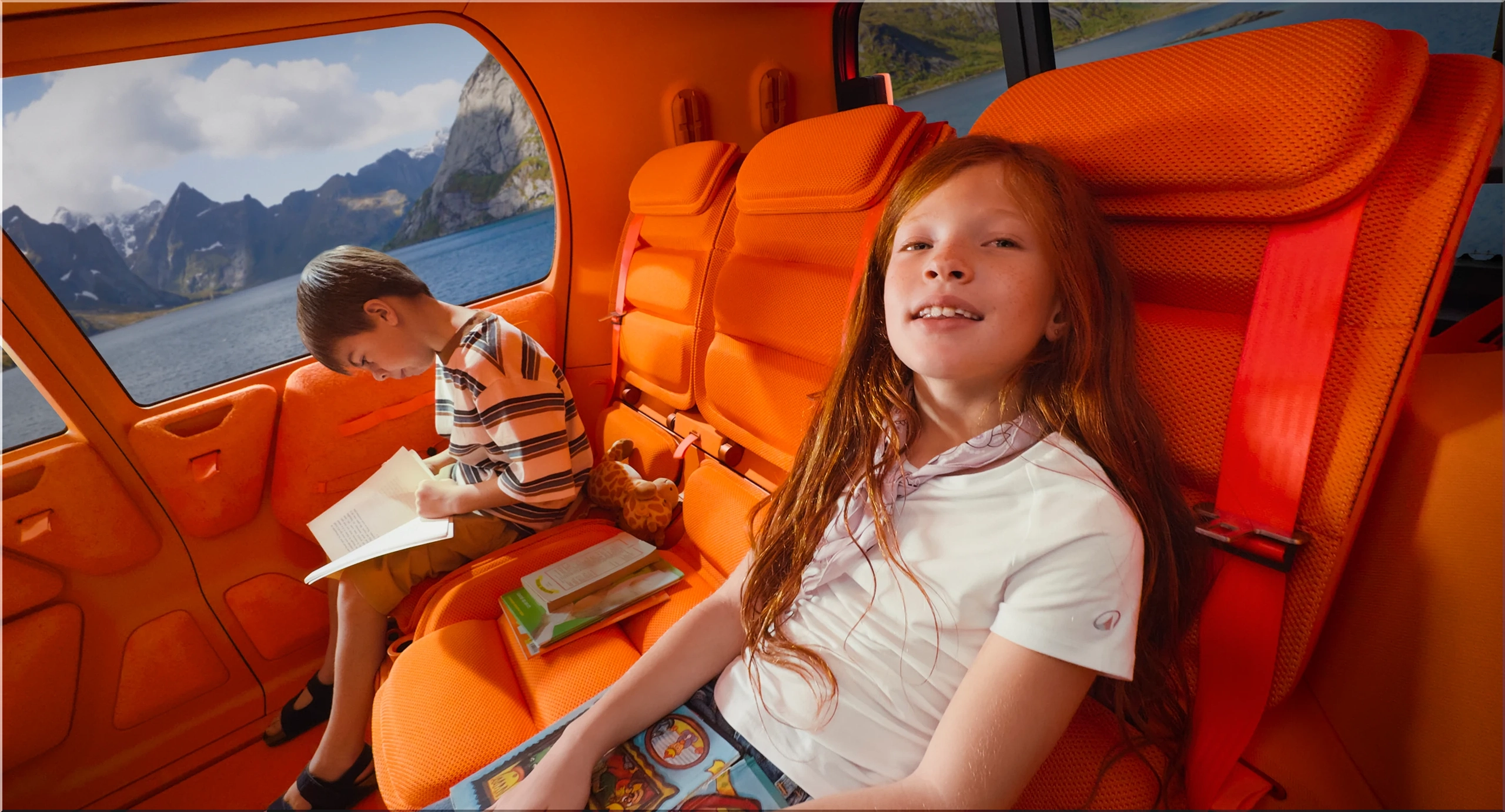
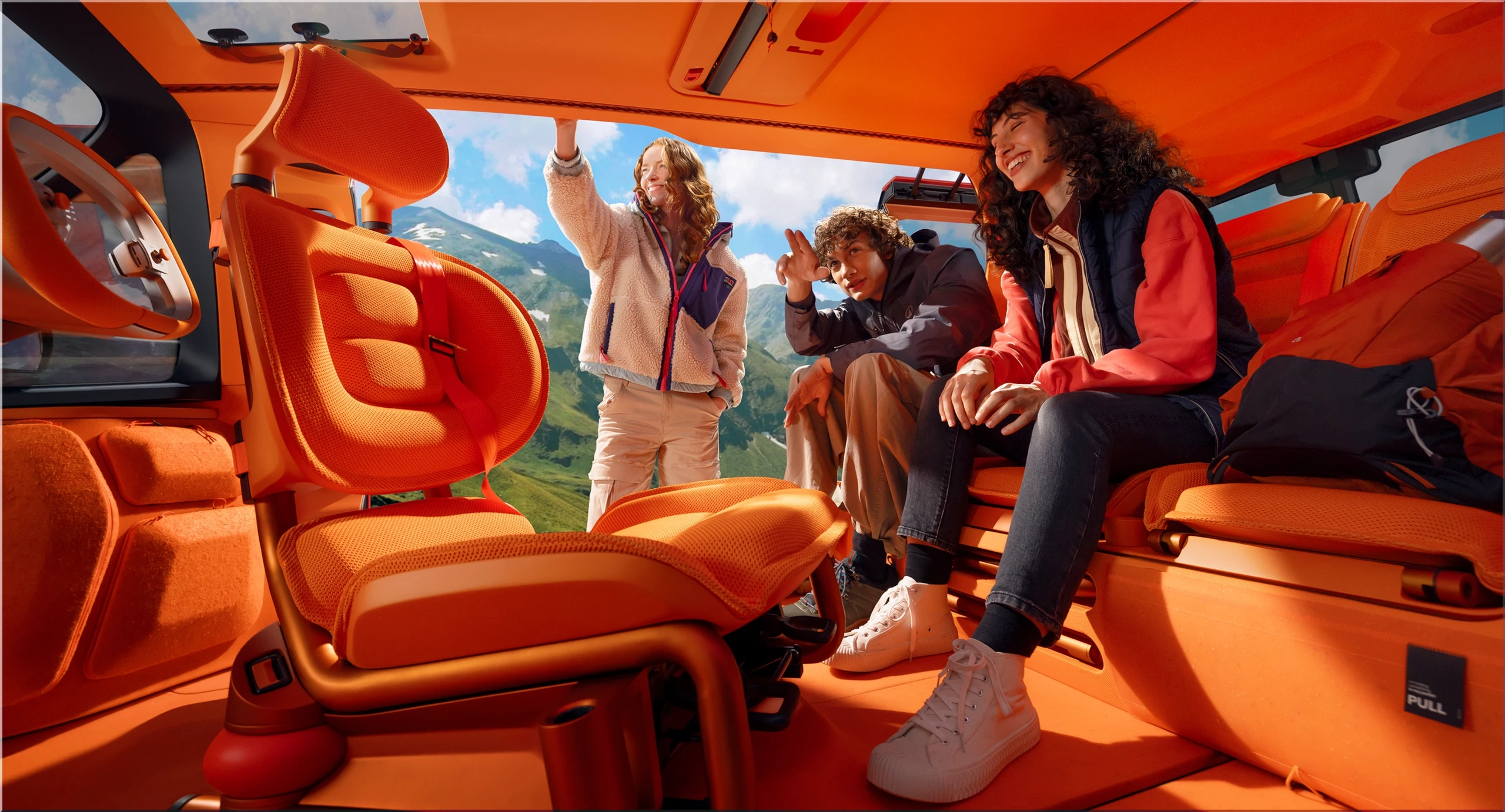
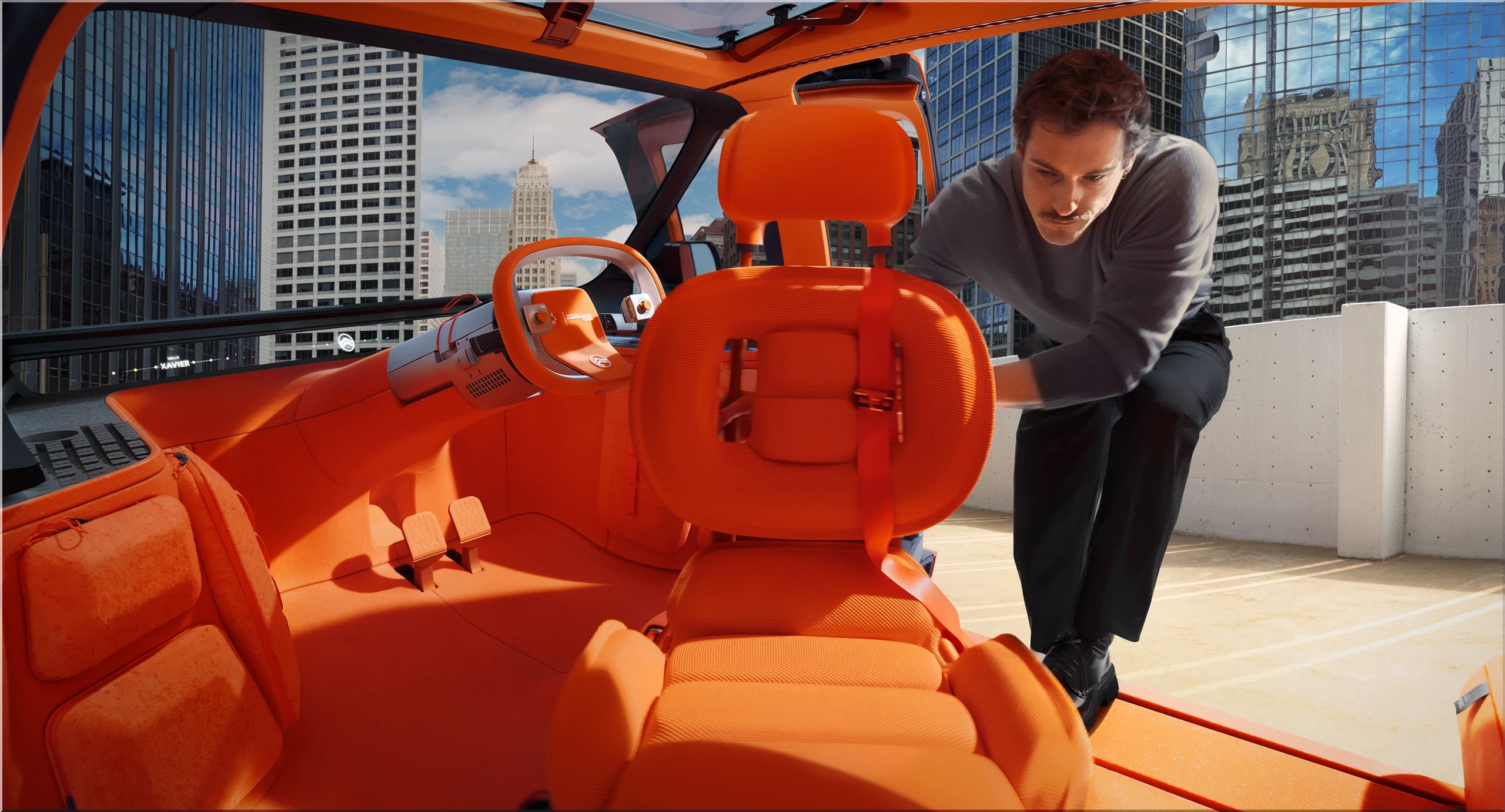
Citroën places the electric motor at the rear. This move frees the forward structure and removes constraints found in front-engine layouts. Engineers flatten the floor and push the steering column forward to increase legroom. These decisions give the Citroën ELO interior volume that rivals larger vans while keeping the exterior compact.
Key structural advantages include:
- Flat floor that allows easy movement inside the cabin.
- Centered driver seat improving forward visibility through a wide windshield.
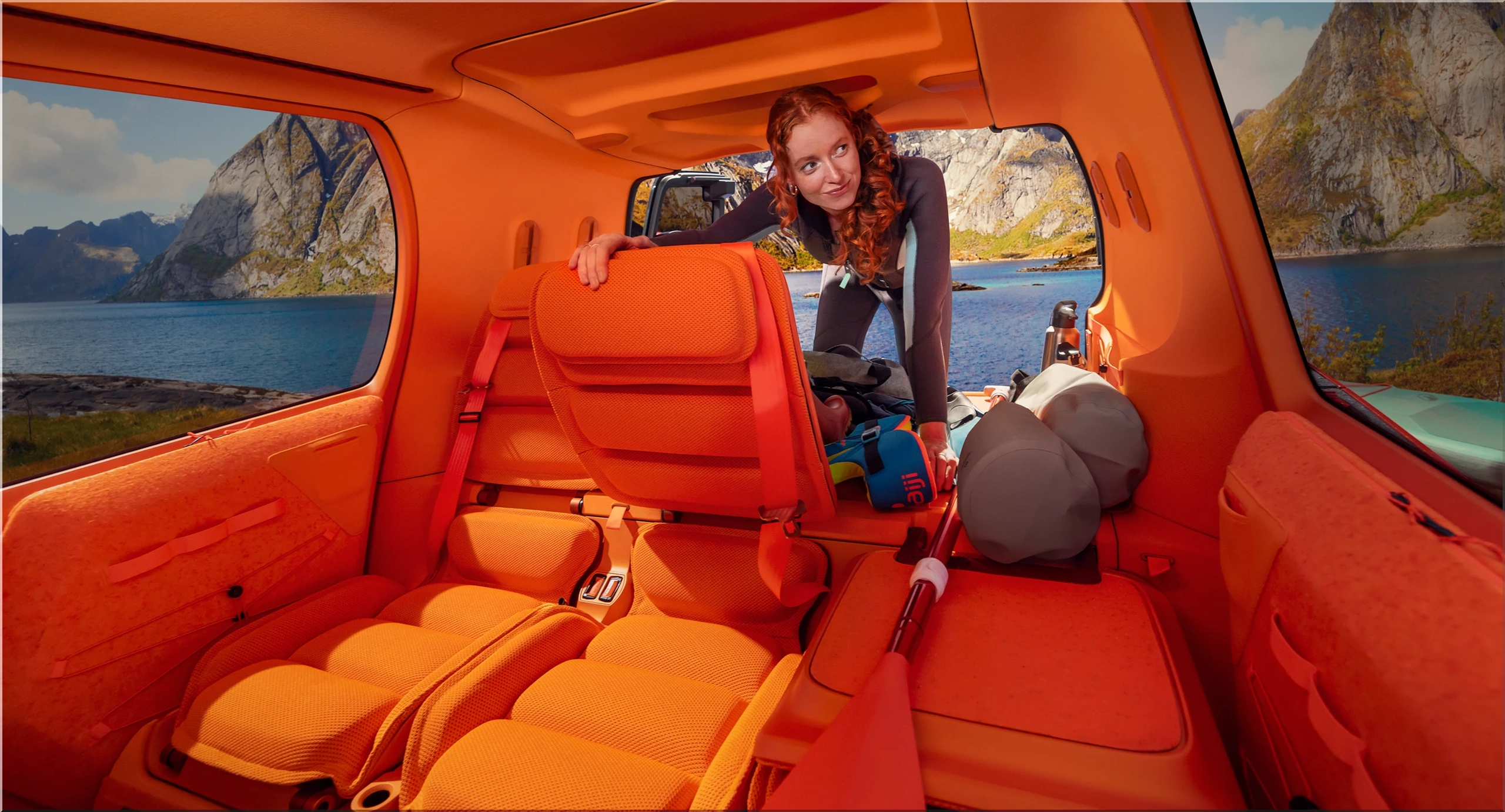
- Three equal-width second-row seats, each with folding backs.
- Two fold-out seats stored under the side seats, expanding capacity to six without reducing cargo room.
The design philosophy is simple: gain space through electric architecture rather than by increasing size.
Cabin Built for Rest, Work, and Recreation
Citroën treats the ELO interior as a multi-function space that adapts throughout the day. Every component must serve more than one purpose. The cabin changes configuration in minutes, using simple mechanical systems instead of complex electronics.
Rest Configuration for Short Breaks or Overnight Use
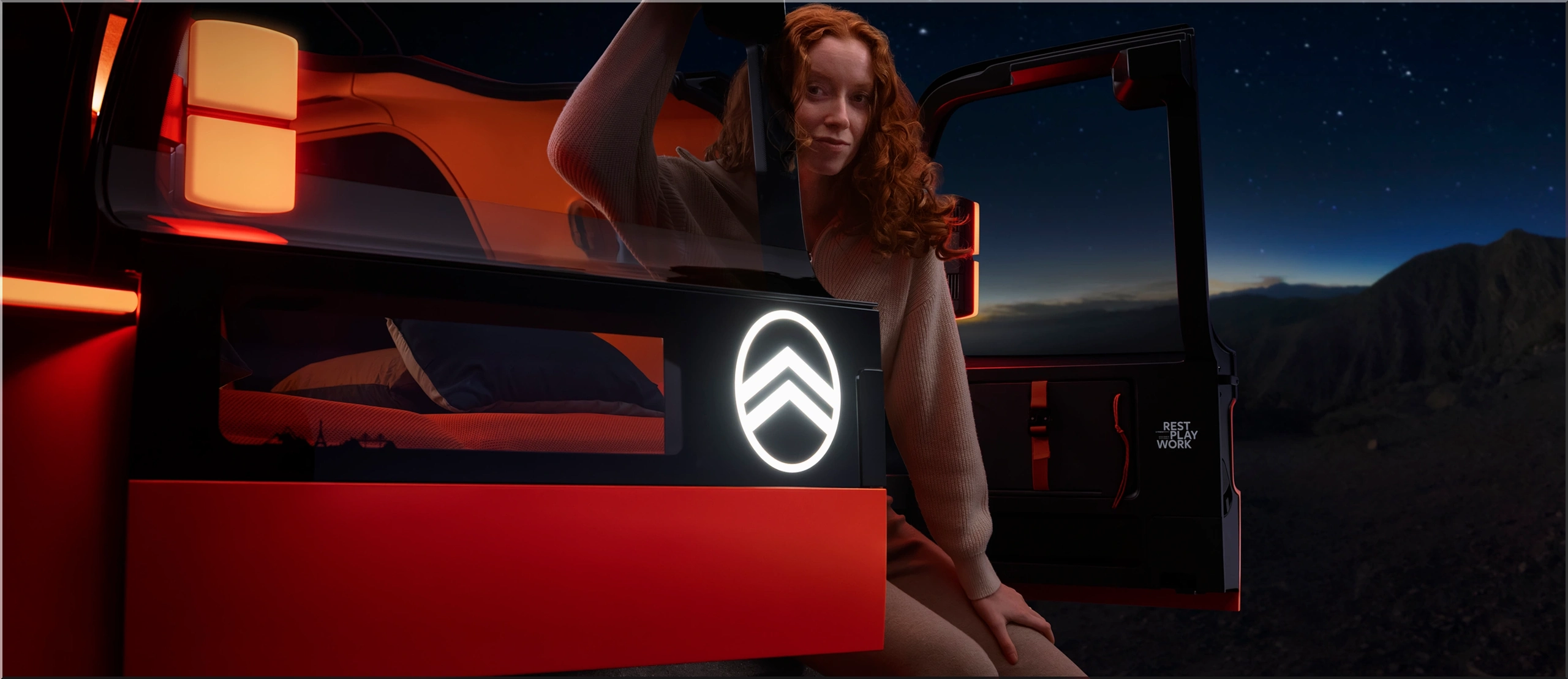
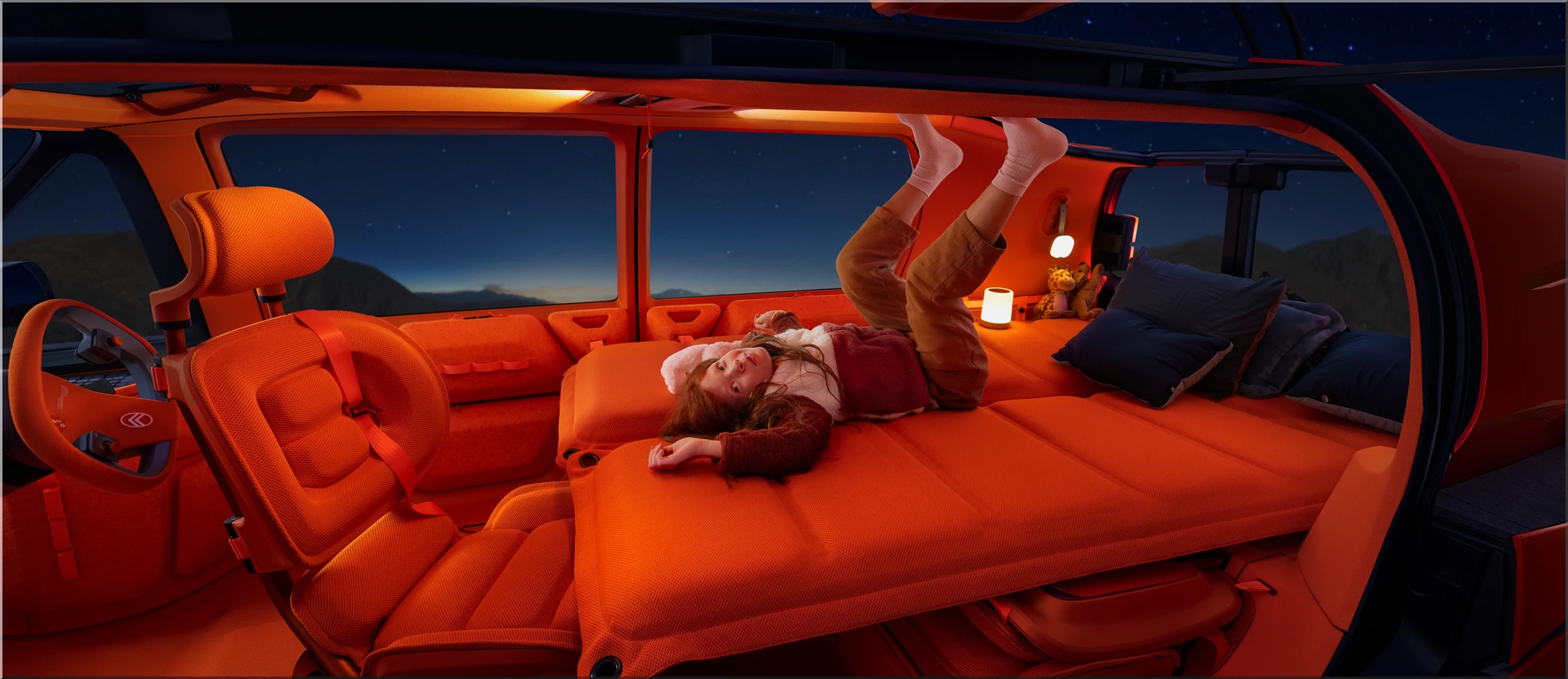
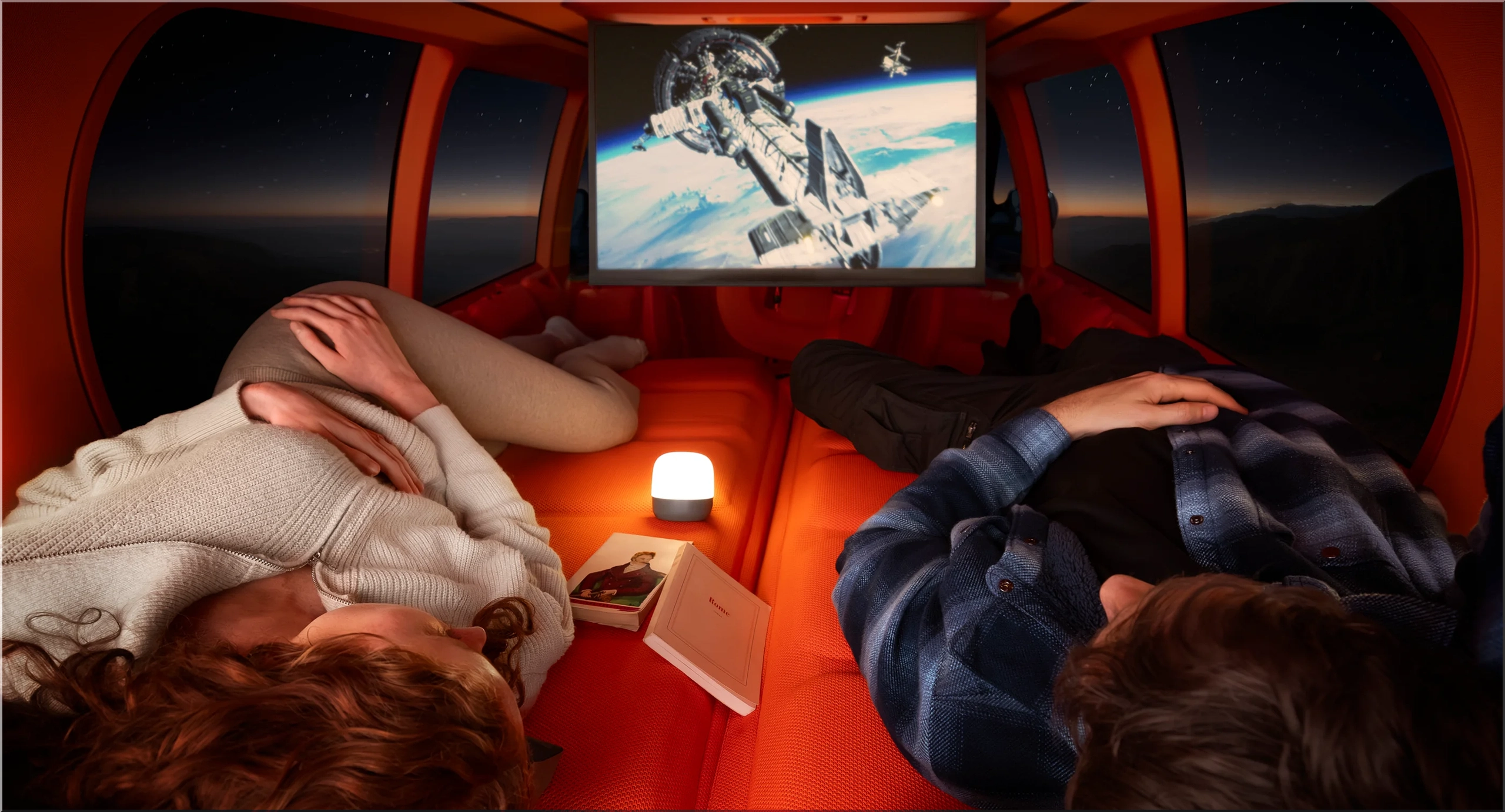
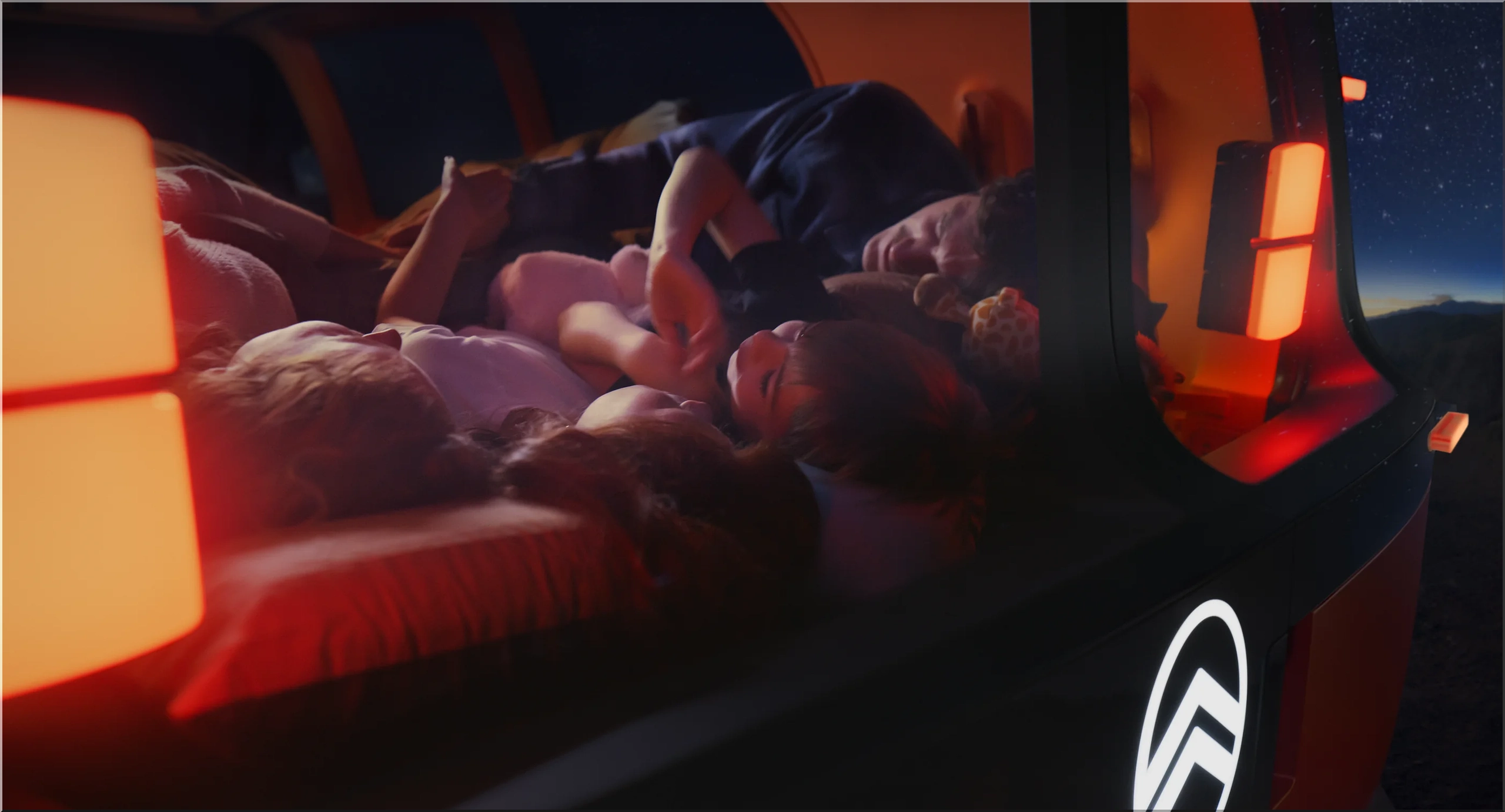
The cargo area stores two inflatable mattresses made from outdoor-grade material. They deploy quickly using the built-in air supply. The cabin becomes a sleeping space for two people, supported by:
- Large glass surfaces delivering natural light.
- Thick cushions that increase comfort without heavy structures.
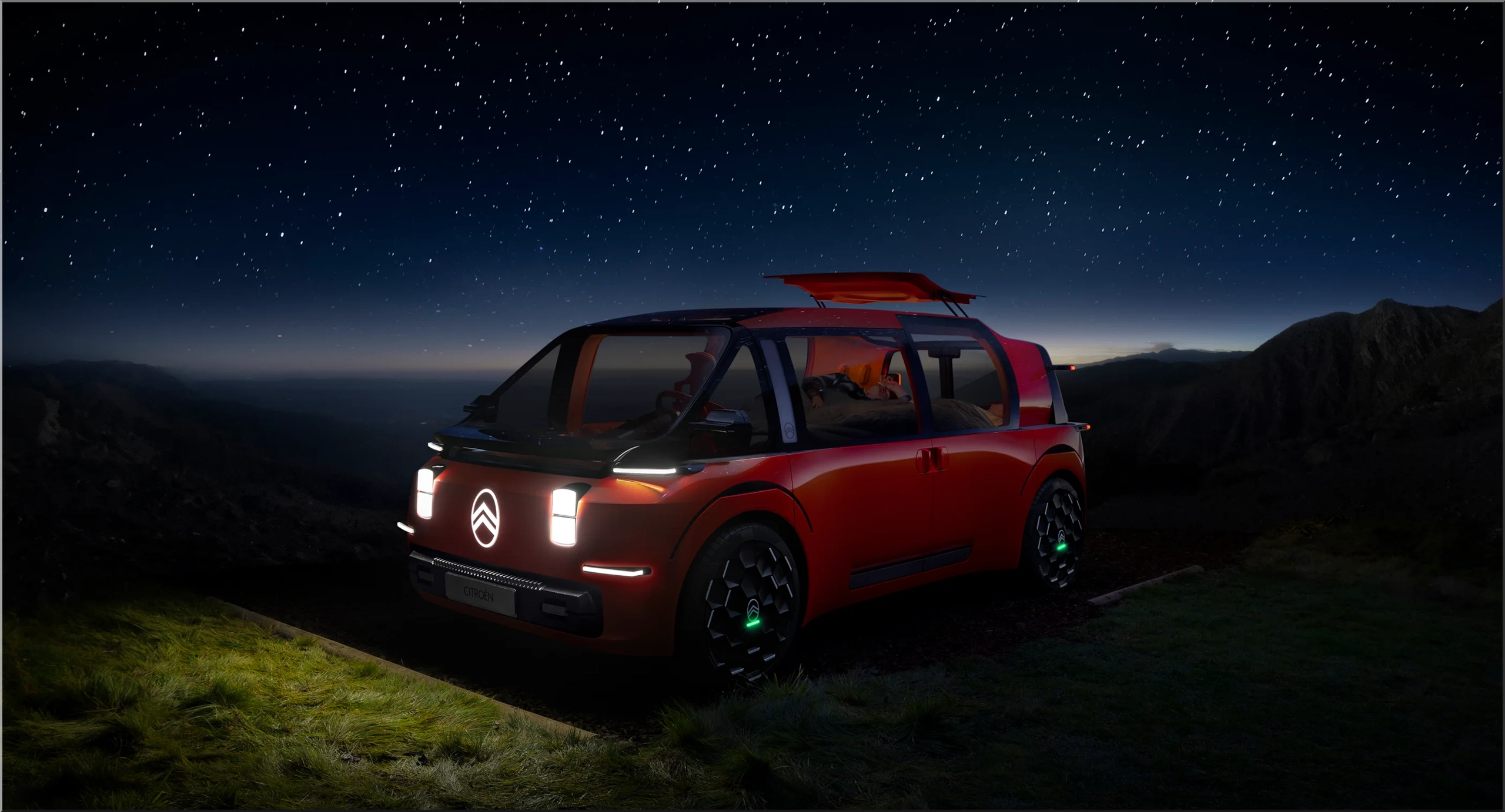
- A sliding rear roof section that opens the back of the vehicle upward.
- Rear light modules that convert into soft interior lamps.
The design aims to create a quiet space for rest between meetings, school pickups, or longer stops.
Play Configuration Supporting Outdoor Activities
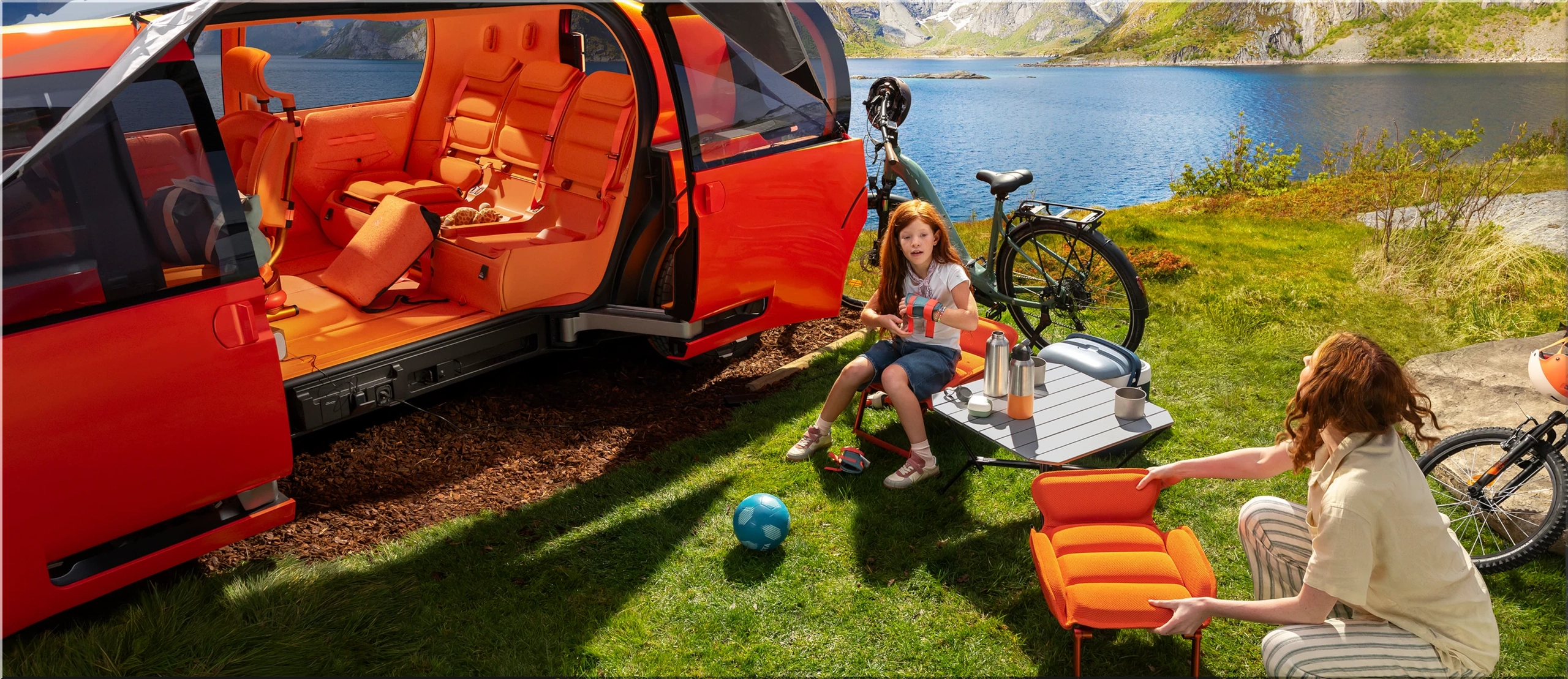
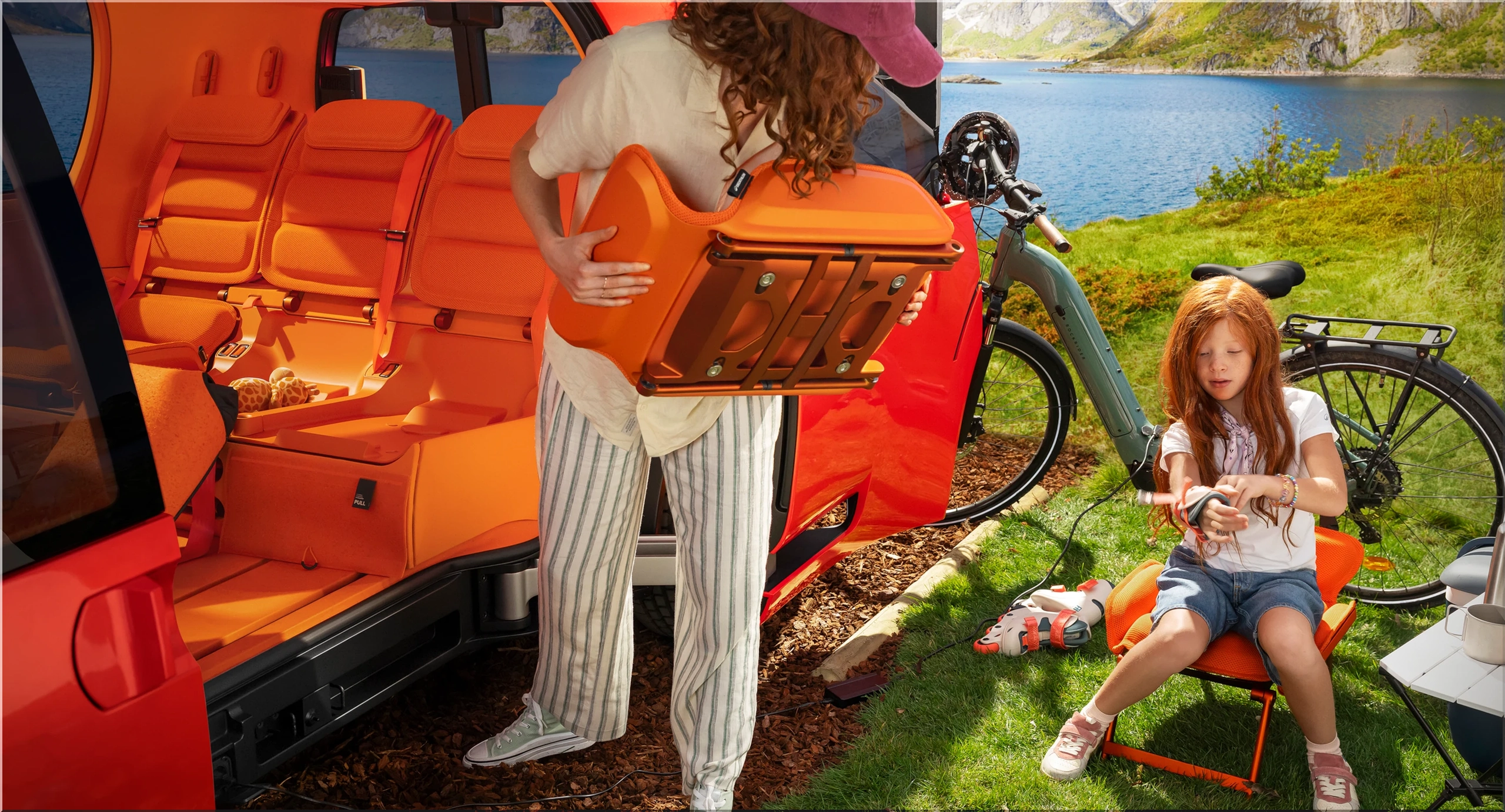
The Citroën ELO doubles as a compact base for recreational use. Citroën integrates several features to simplify quick outdoor setups:
- Hooks on all four doors for attaching awnings.
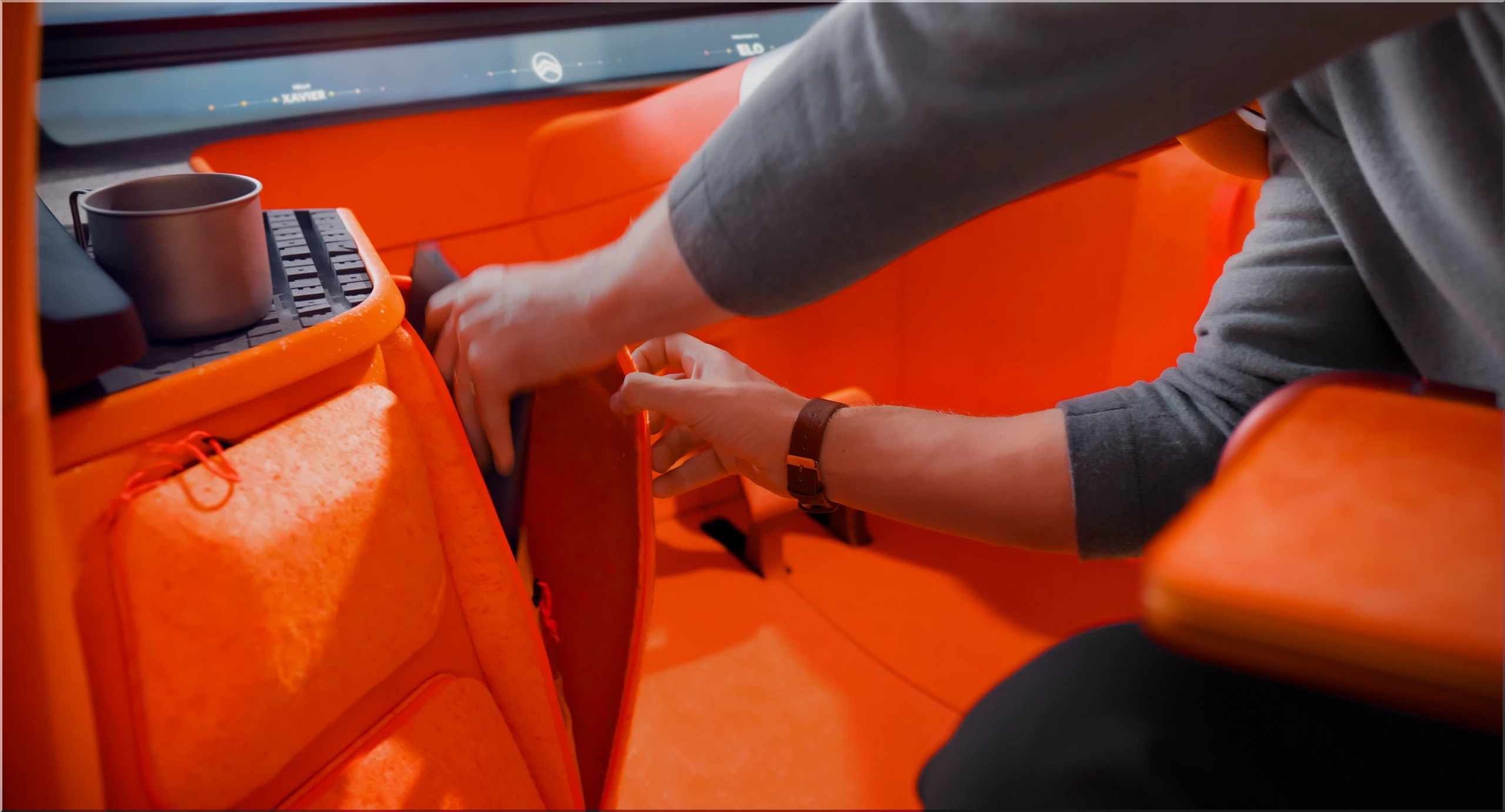
- Extra front storage pockets for small gear.
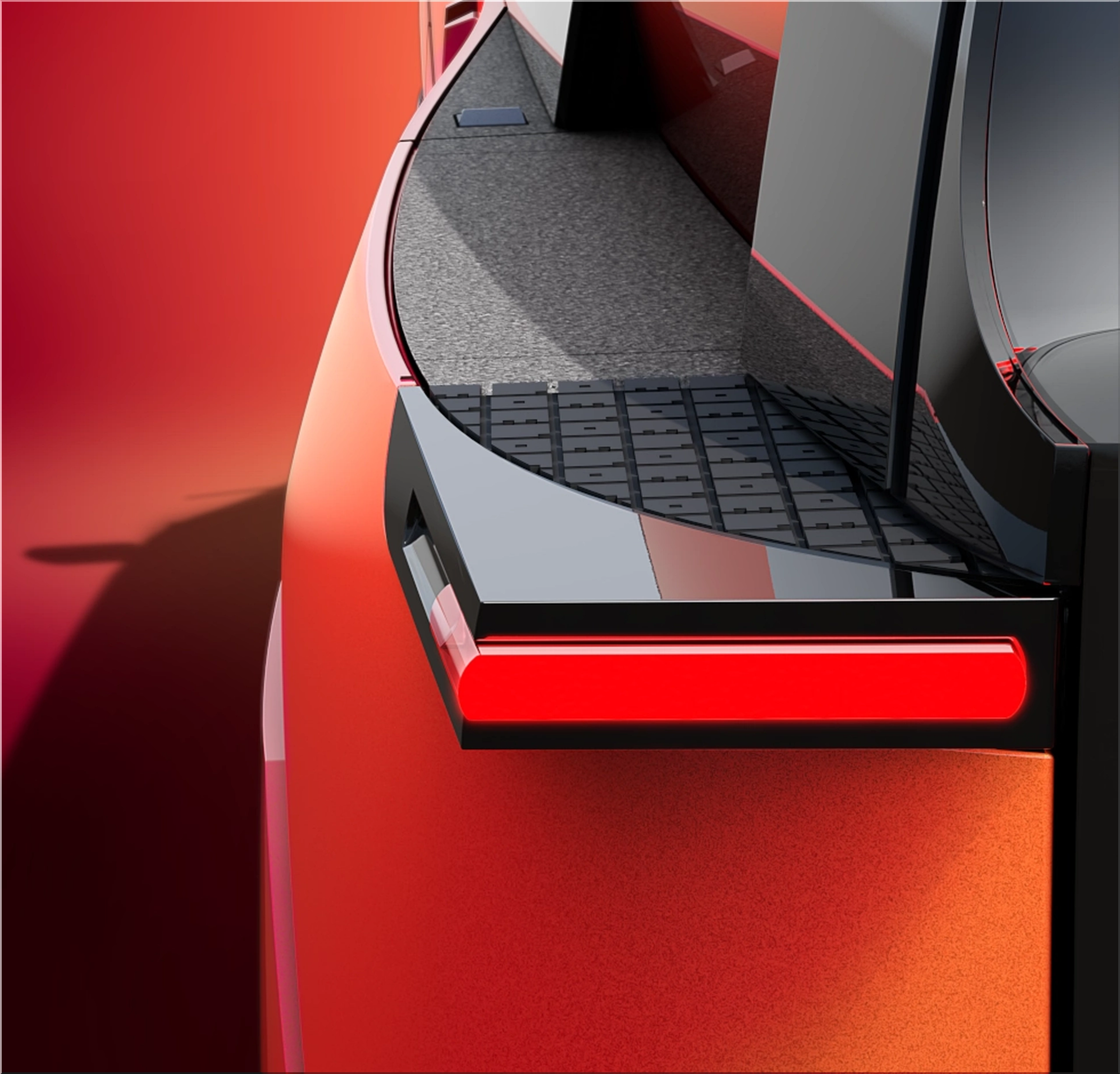
- A trunk edge shaped to function as a seat when changing shoes.
- Rear seats that detach and serve as outdoor chairs.
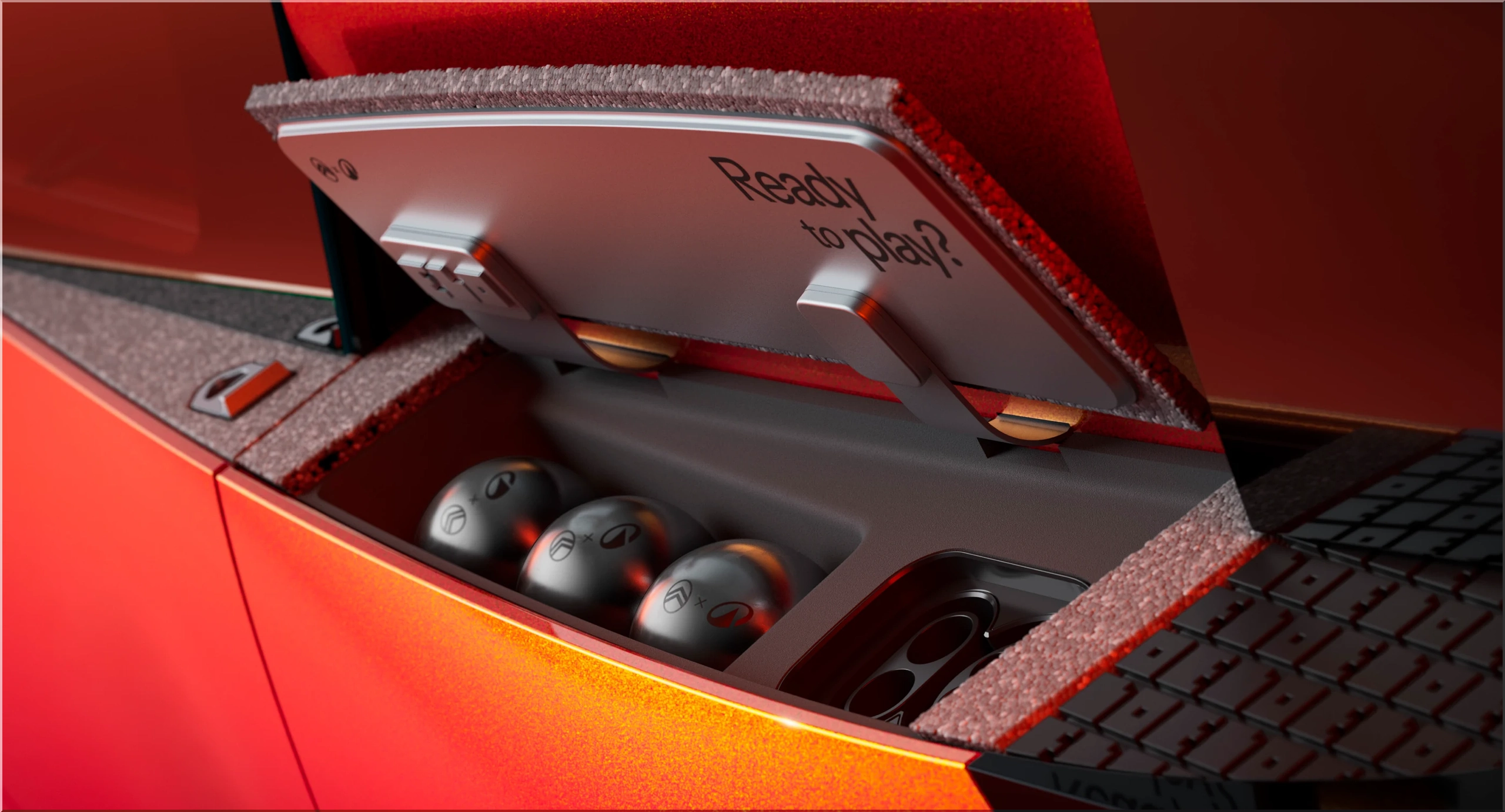
- A built-in compressor for inflating outdoor equipment.
- Vehicle-to-load power, turning the battery into an external power source.
Flat surfaces on the wheel arches hold plates or drinks, reducing the need for tables during short outdoor stops.
Work Configuration for Remote Productivity
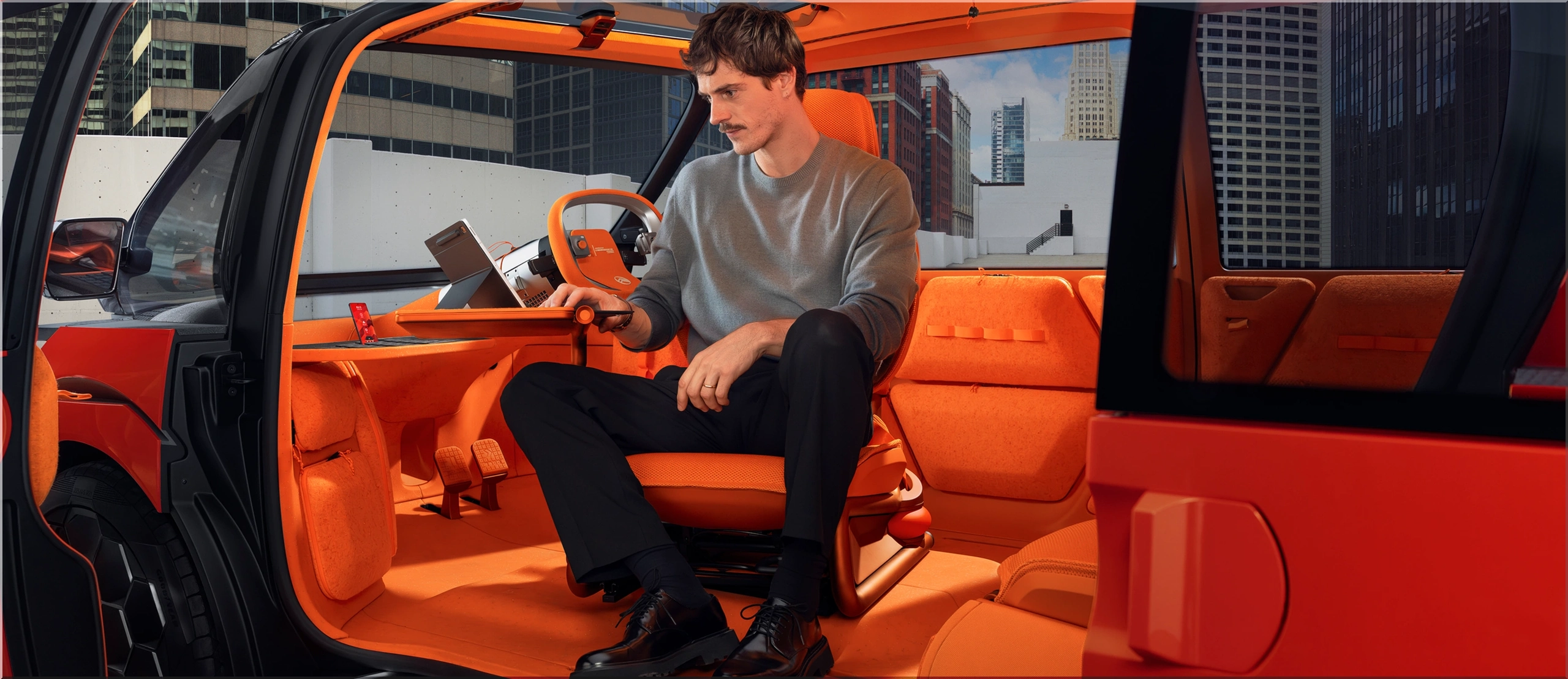
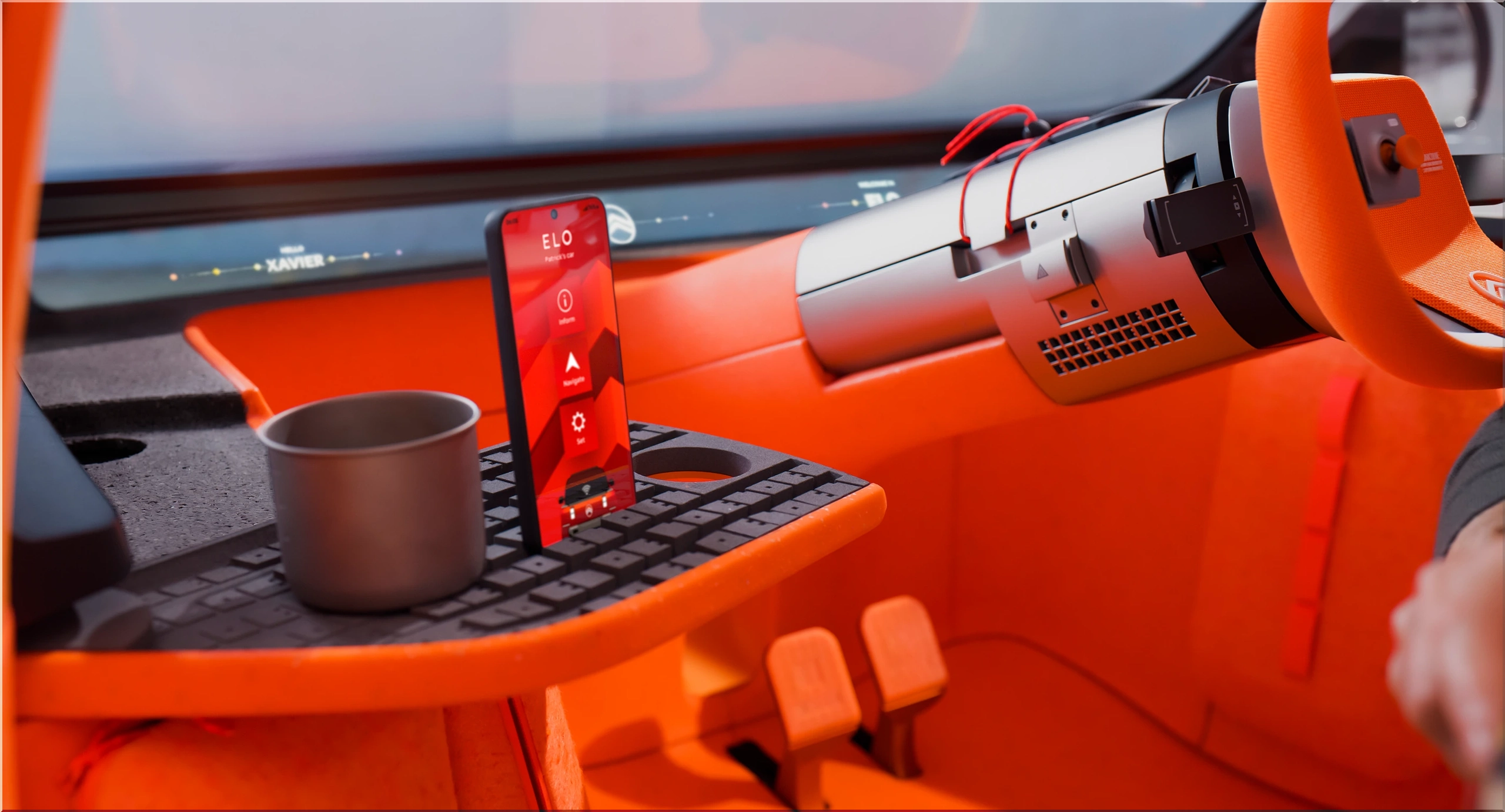
Hybrid work patterns influence the design. The driver seat rotates 360 degrees and uses multi-density padding for driving and laptop use. A slide-out tray under the center second-row seat becomes a workspace. The projected display under the windshield adjusts to show video calls or schedules. Small storage pockets near the front wheel arches hold phones, headphones, and other accessories. The goal is clear: create a stable mobile workstation without adding weight or complex equipment.
Exterior Design Anchored in Function
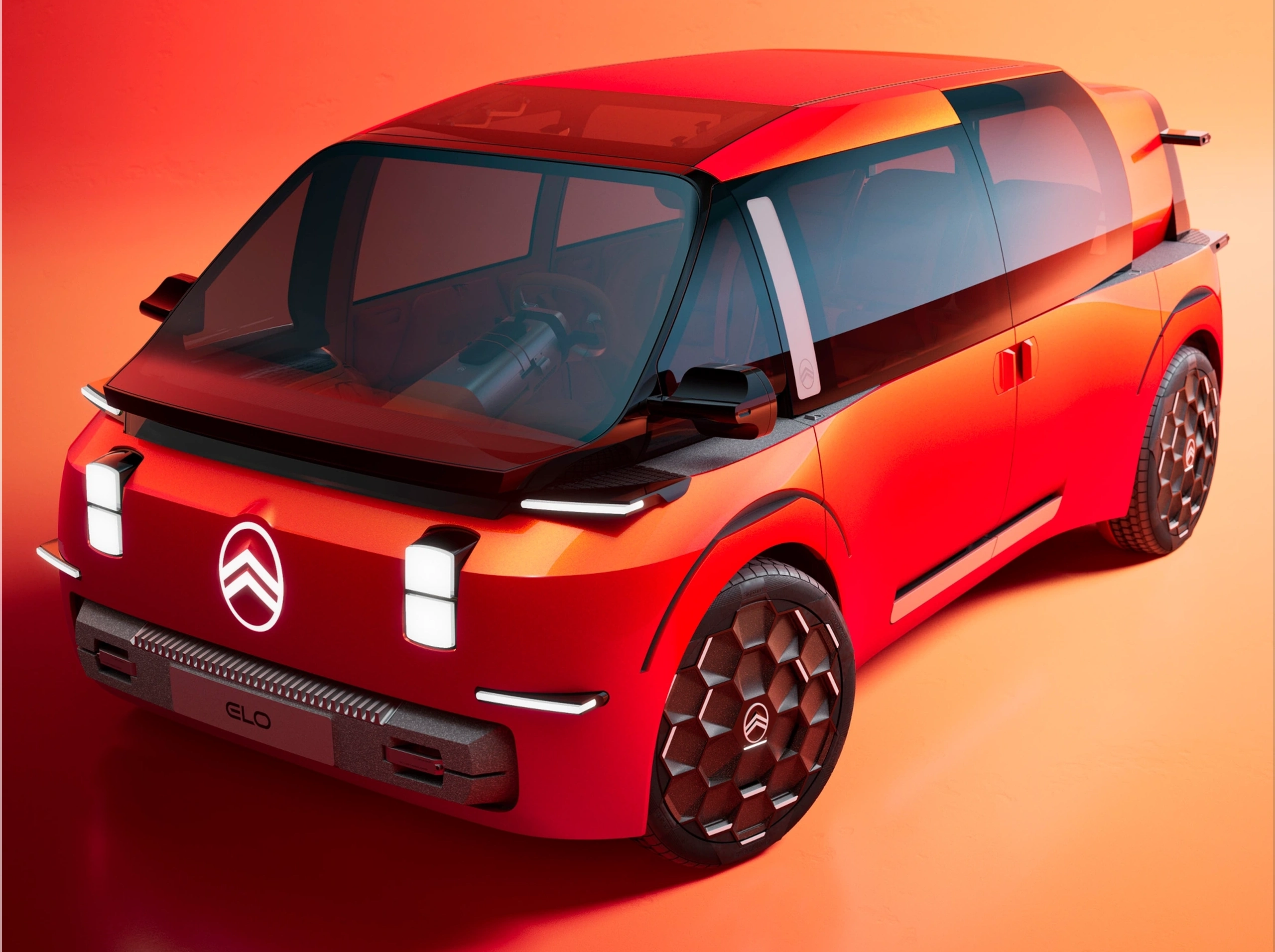
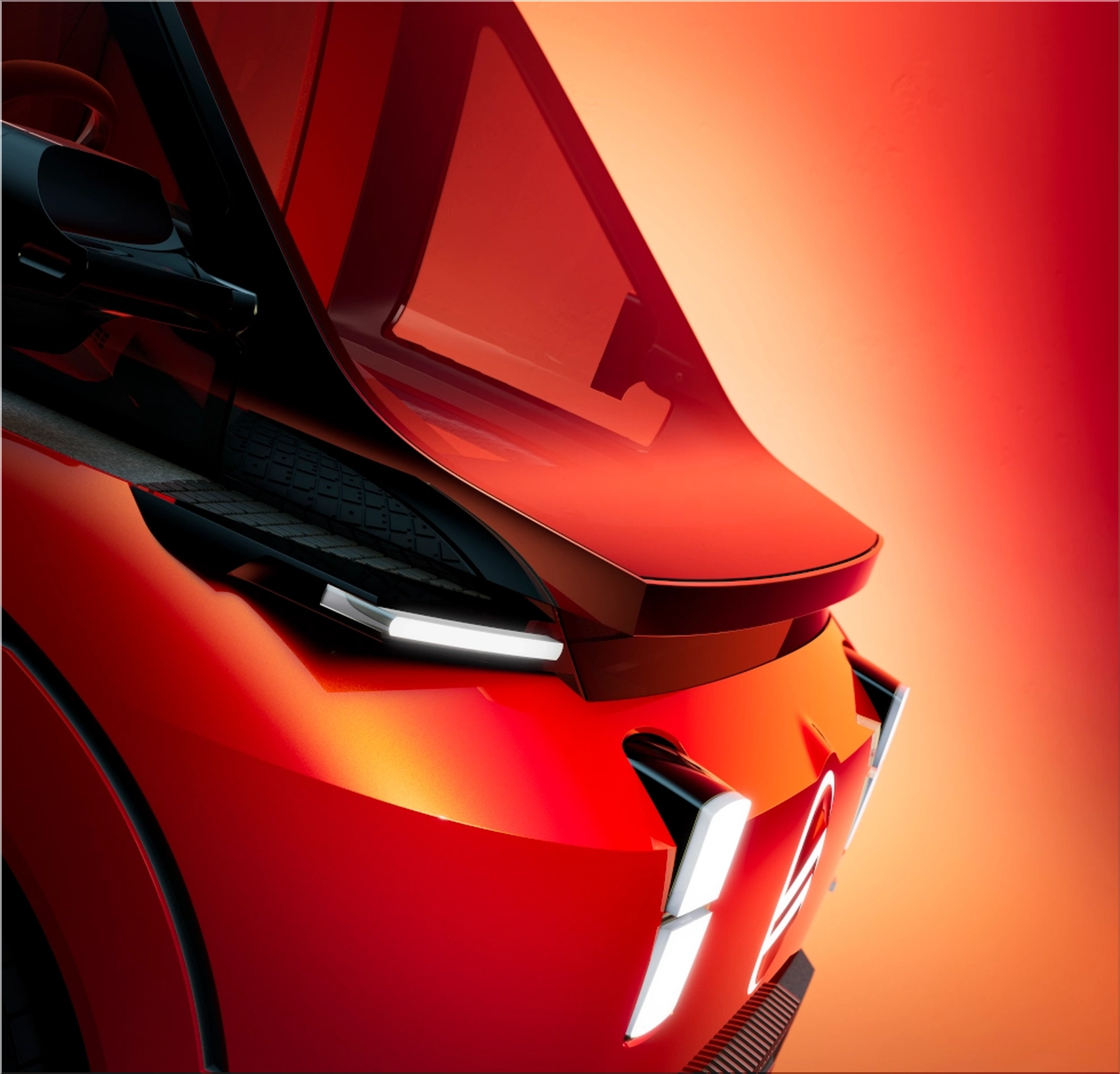
The Citroën ELO uses large windows and a low beltline to improve visibility and reduce the visual mass of a compact van. The split rear tailgate boosts loading flexibility. A movable rear roof section increases vertical clearance for bulky items. Lightweight polypropylene panels protect the bumpers and wheel arches. These surfaces also serve as small platforms for outdoor use.
Lighting follows the brand's latest design language, with vertical front modules and a floating upper rear element. A bright orange exterior shifts tone with changing light and gives the vehicle a bold, high-contrast look built to stand out in dense cities.
Material Strategy Focused on Durability and Weight Reduction
Citroën reduces the number of interior parts to cut weight and increase durability. Cabin surfaces use recycled and washable materials originally developed for earlier concept programs. Seat backs use water-resistant coverings suited for outdoor gear. Polypropylene components near the driver space match materials commonly seen in modern outdoor equipment. These decisions lower cost, extend component life, and support the vehicle's modular design.
Intelligent Tire Technology for Urban and Light Off-Road Use
The concept features smart tires designed for daily use and short off-road segments. Integrated sensors track pressure and wear. LEDs on the wheel indicate correct or low pressure. The tread design combines low-resistance zones for range efficiency with higher-grip areas for trails. A honeycomb wheel pattern improves airflow and reduces drag. These tires aim to reduce maintenance while supporting the ELO's multi-purpose role.

Why the ELO Concept Matters for the Next Phase of Electric Mobility
Citroën uses the ELO to test how compact electric vehicles can support a broad set of activities without increasing size or weight. Key market pressures shape the design:
- More time spent in vehicles due to longer commutes.
- Growth in mobile and hybrid work.
- Rising interest in short recreational trips.
- Need for electric platforms that remain small and efficient.
By creating a compact EV with a cabin that shifts between rest, play, and work, Citroën proposes a new use case for electric architecture. Instead of adding features through software alone, the company focuses on layout, material choices, and physical simplicity.
The result is a vehicle concept built around daily efficiency, modular function, and smart packaging — three areas that will shape the next generation of compact electric mobility.

Delivering packages and pizza, for example, flexibly, practically, and emission-free down to the city center – while being as maneuverable as it is weather-protected? The right choice is the new Opel Rocks-e KARGO, 100% electric. Opel's… Continue reading

KG Motors' Mibot, a $7,000 electric vehicle, is dominating Japan’s urban mobility segment. The Hiroshima-based startup's single-seater micro EV has outpaced Toyota's EV sales domestically in 2025. Compact, affordable, and… Continue reading

The adorable Fiat 500 has always been a symbol of urban mobility, but its latest iteration, the Fiat 500e, is revving engines (or should we say whirring motors?) in the electric vehicle (EV) world. Its recent accolade of "… Continue reading

Silence, a well-known urban mobility company, recognized for producing some of the most popular electric motorcycles, has chosen to venture into the realm of four wheels with an intriguing initial proposition. As a result, the new… Continue reading