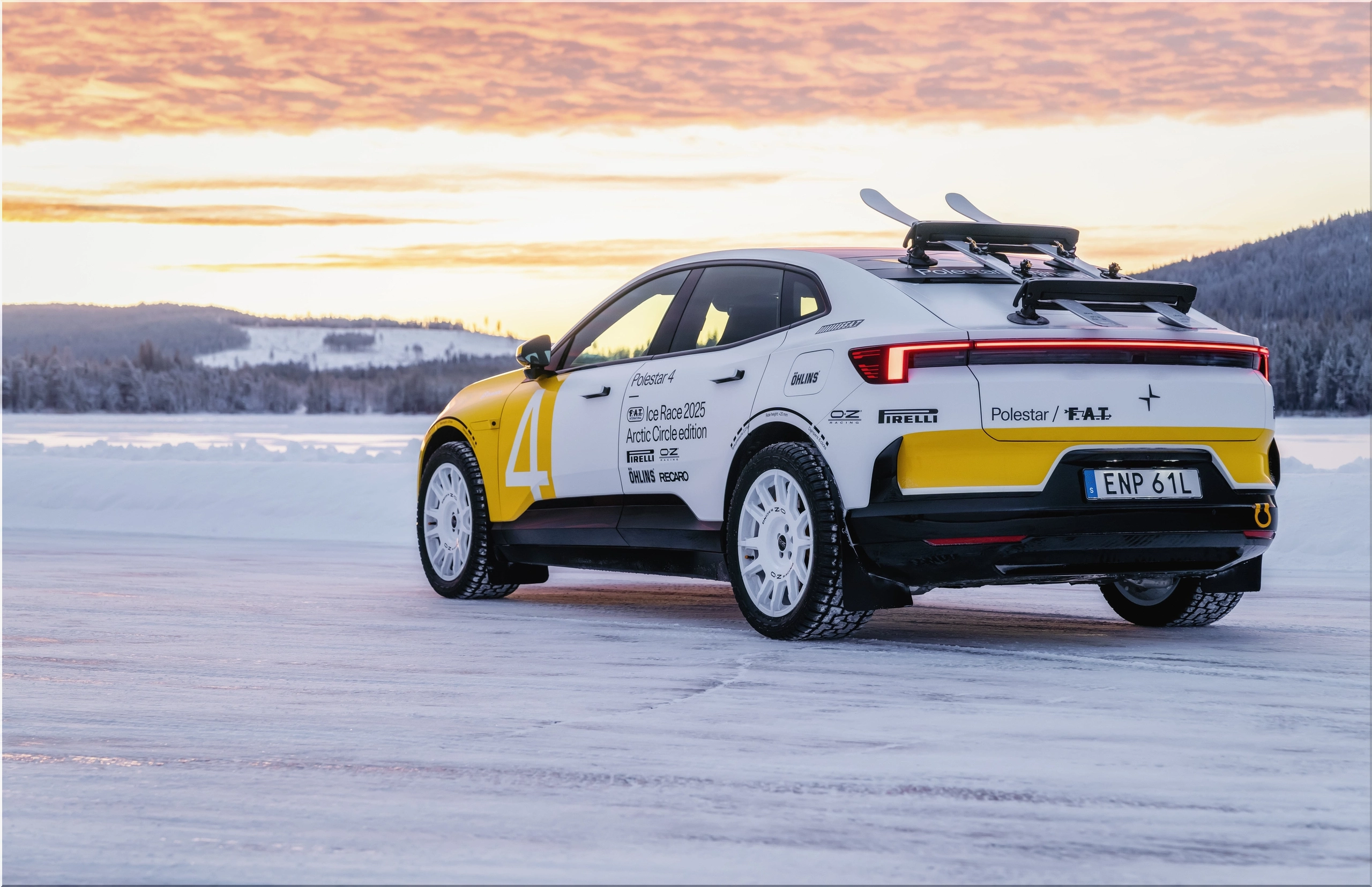
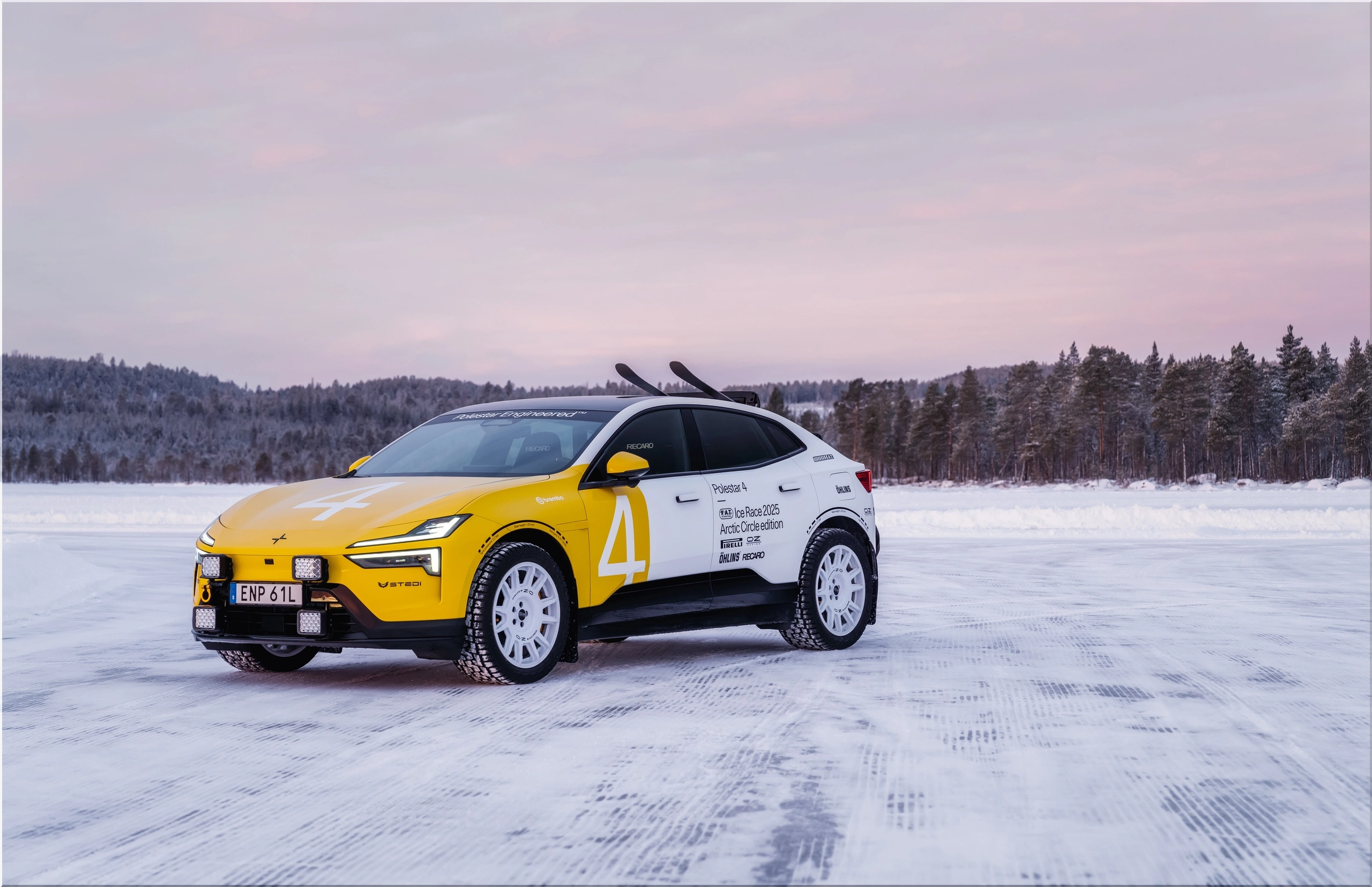
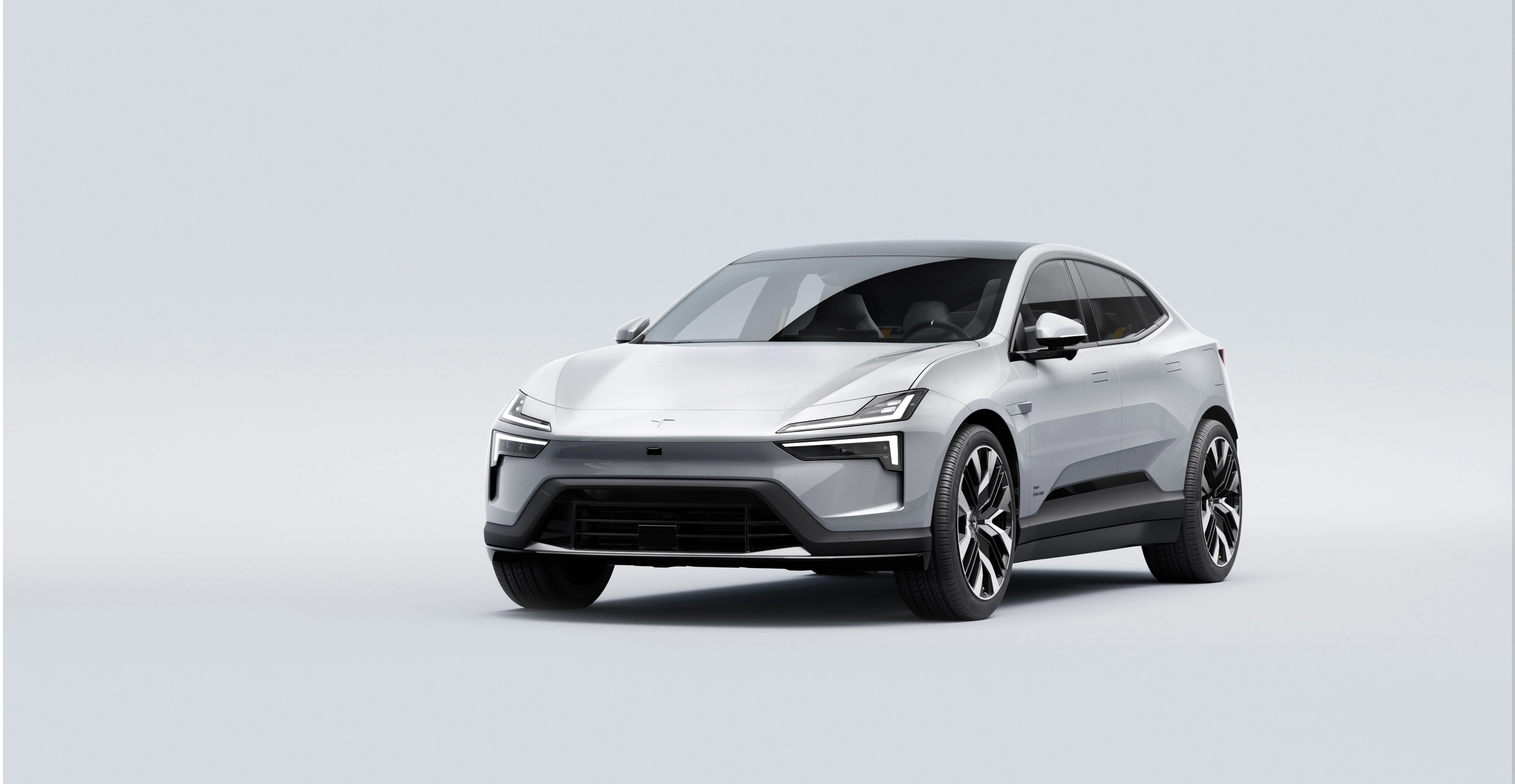
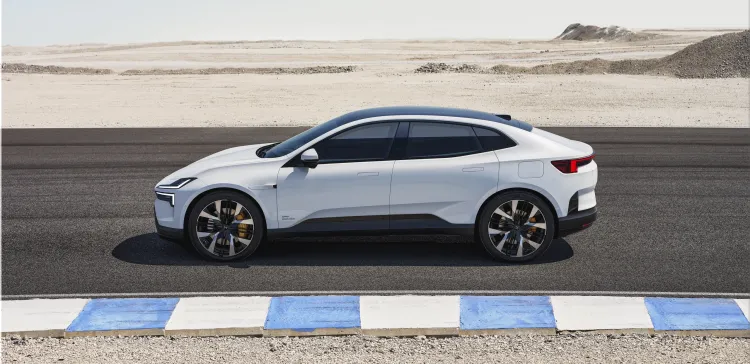
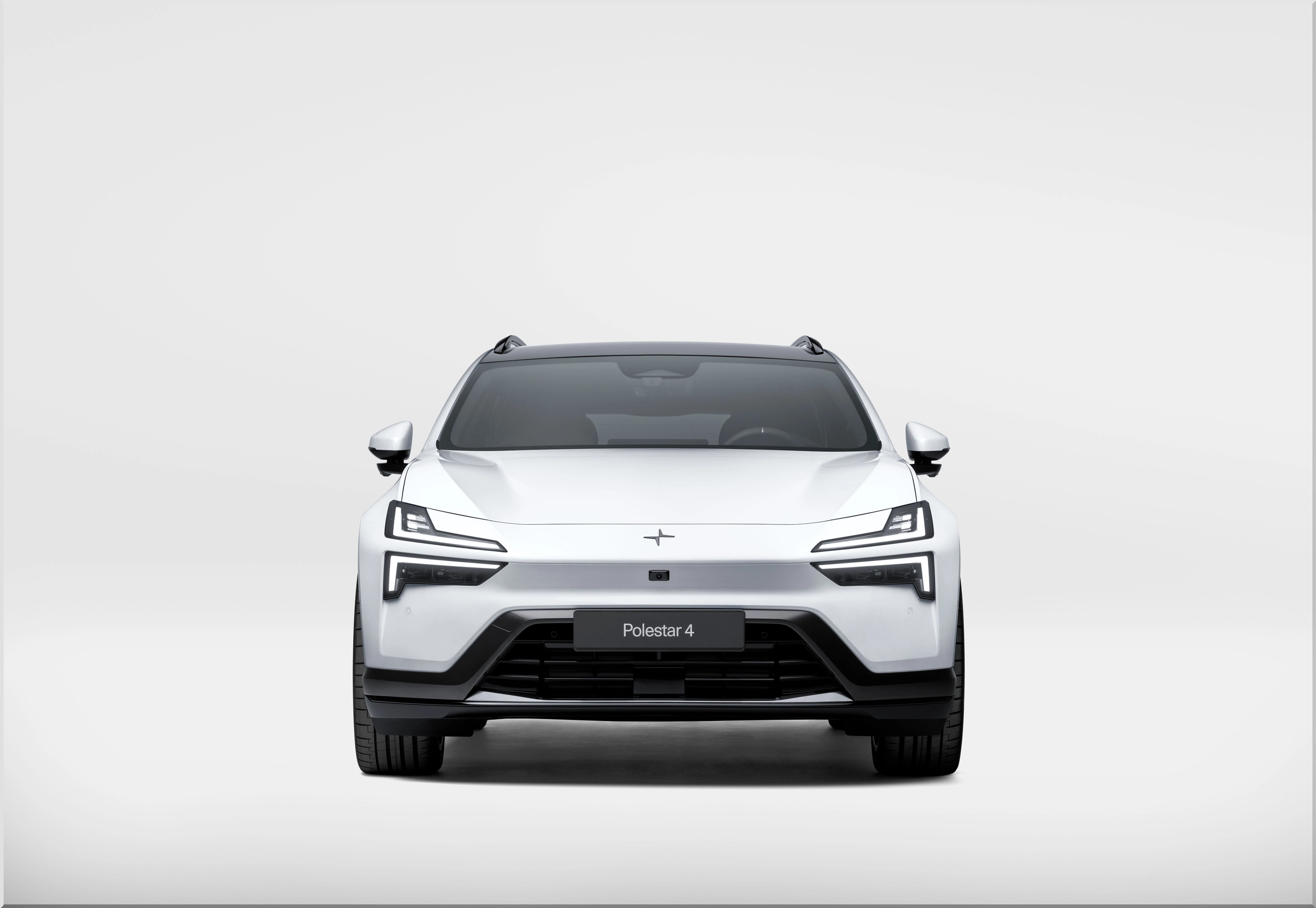
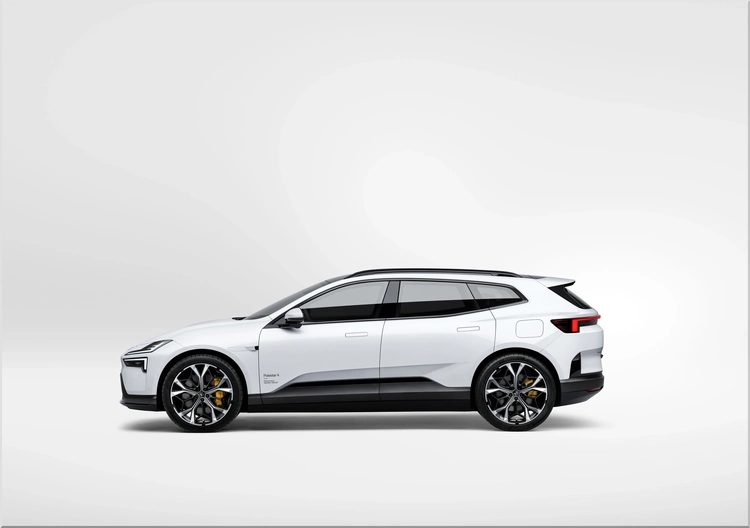
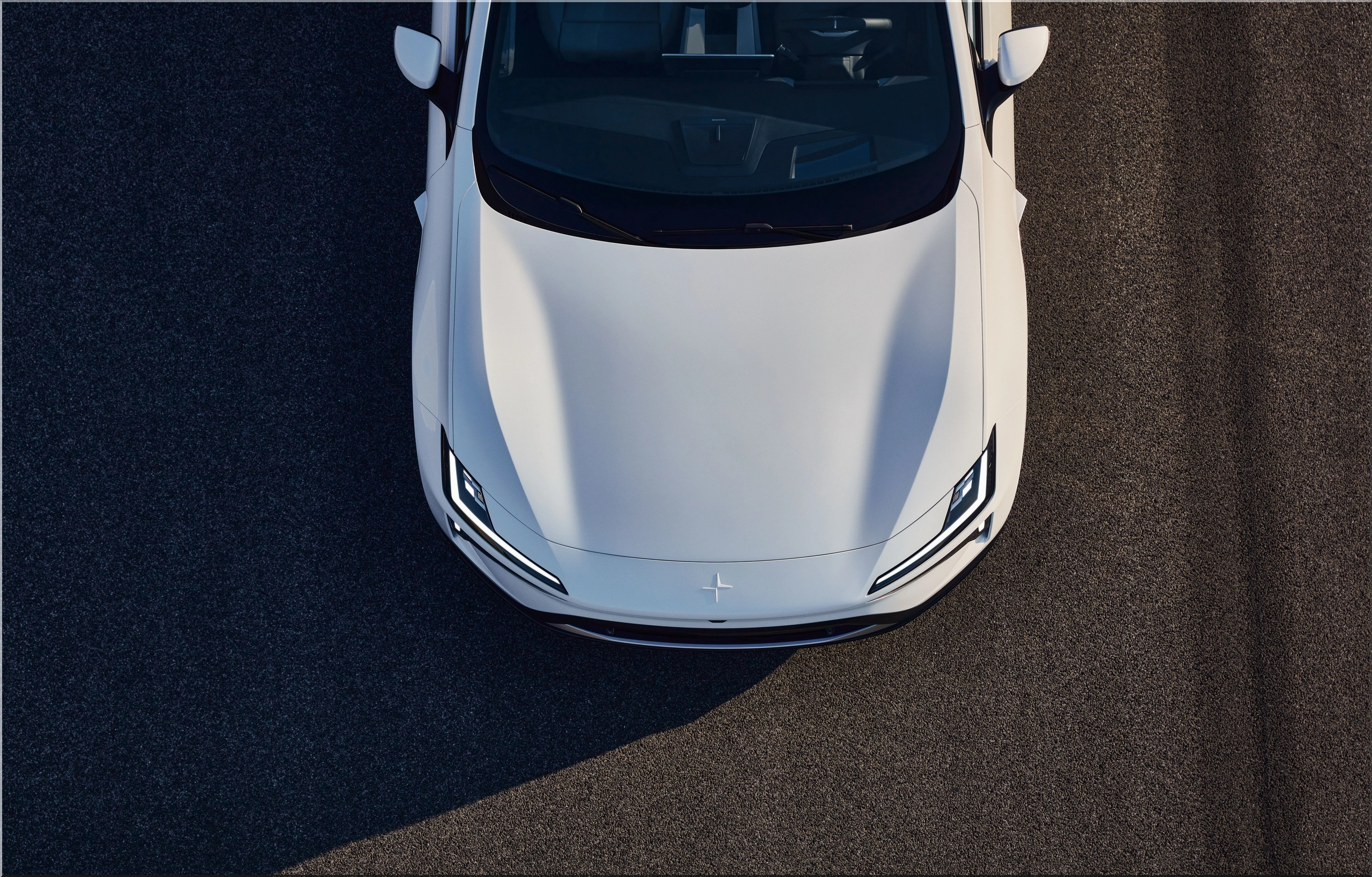
Polestar started U.S. deliveries of the Polestar 4 in December. The company needs momentum. This coupe-style electric SUV arrives with ambition, solid data, and a few open questions.
Polestar positions the Polestar 4 electric SUV coupe between the Polestar 2 sedan and the larger Polestar 3. That placement matters. Buyers now compare it against Tesla, BMW, and Genesis on price, range, and software. Design alone no longer closes deals.
This vehicle lands during a slower EV sales cycle. Buyers now ask harder questions. Polestar answers some well. Others stay unresolved.
Polestar 4 Overview and Market Context
The Polestar 4 reaches U.S. customers through Polestar Spaces nationwide. Initial deliveries began in Florida. Rollout continues across major EV markets.
Polestar now sells two SUVs in North America. The Polestar 3 focuses on size. The Polestar 4 targets drivers who want style and performance without bulk.
The market feels crowded. Tesla Model Y still dominates. German brands push premium electric crossovers. New Chinese-backed entries apply pricing pressure.
Polestar needs clarity. The Polestar 4 tries to provide it through specs and restraint.
Design Choices That Invite Debate
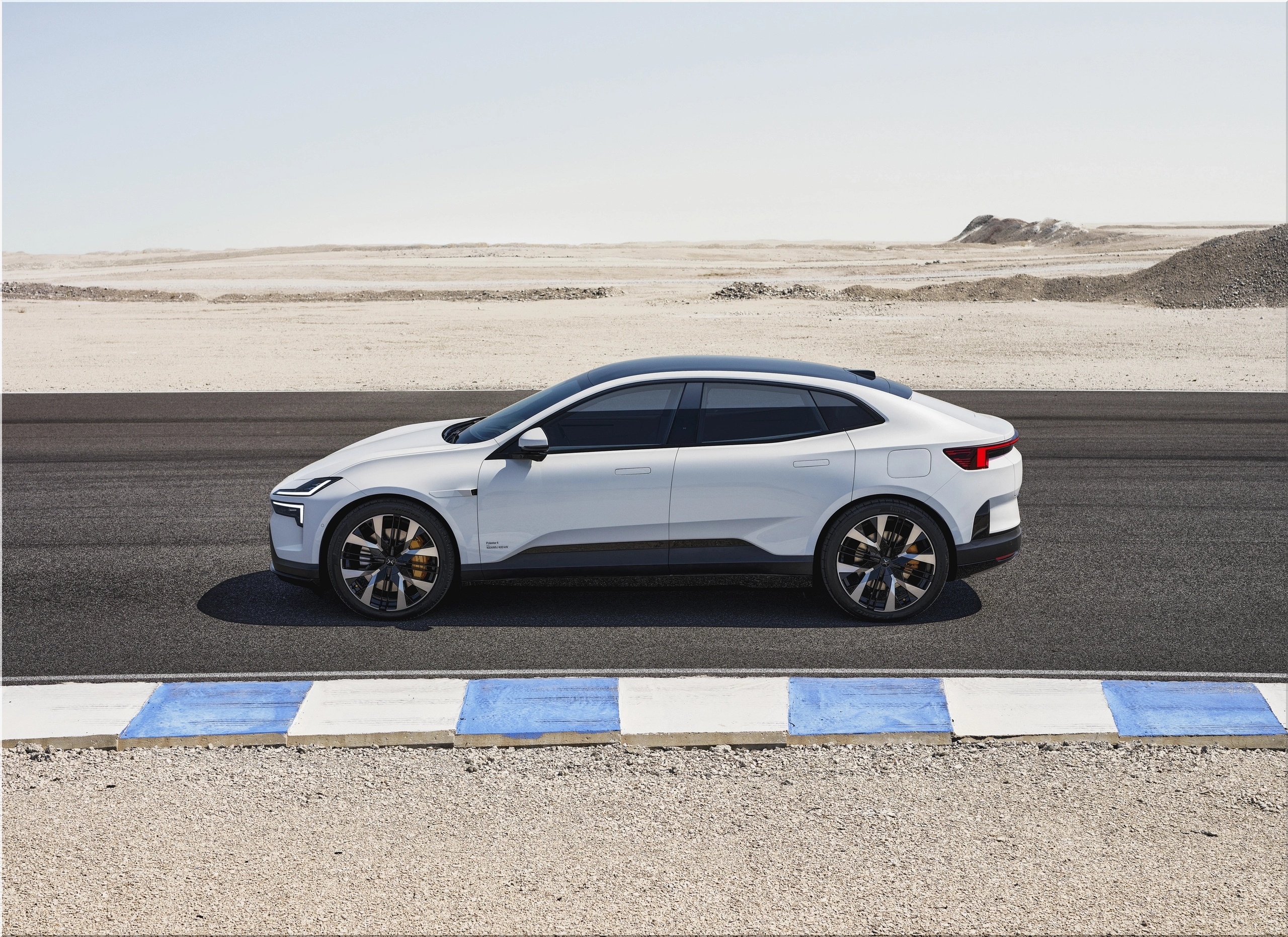
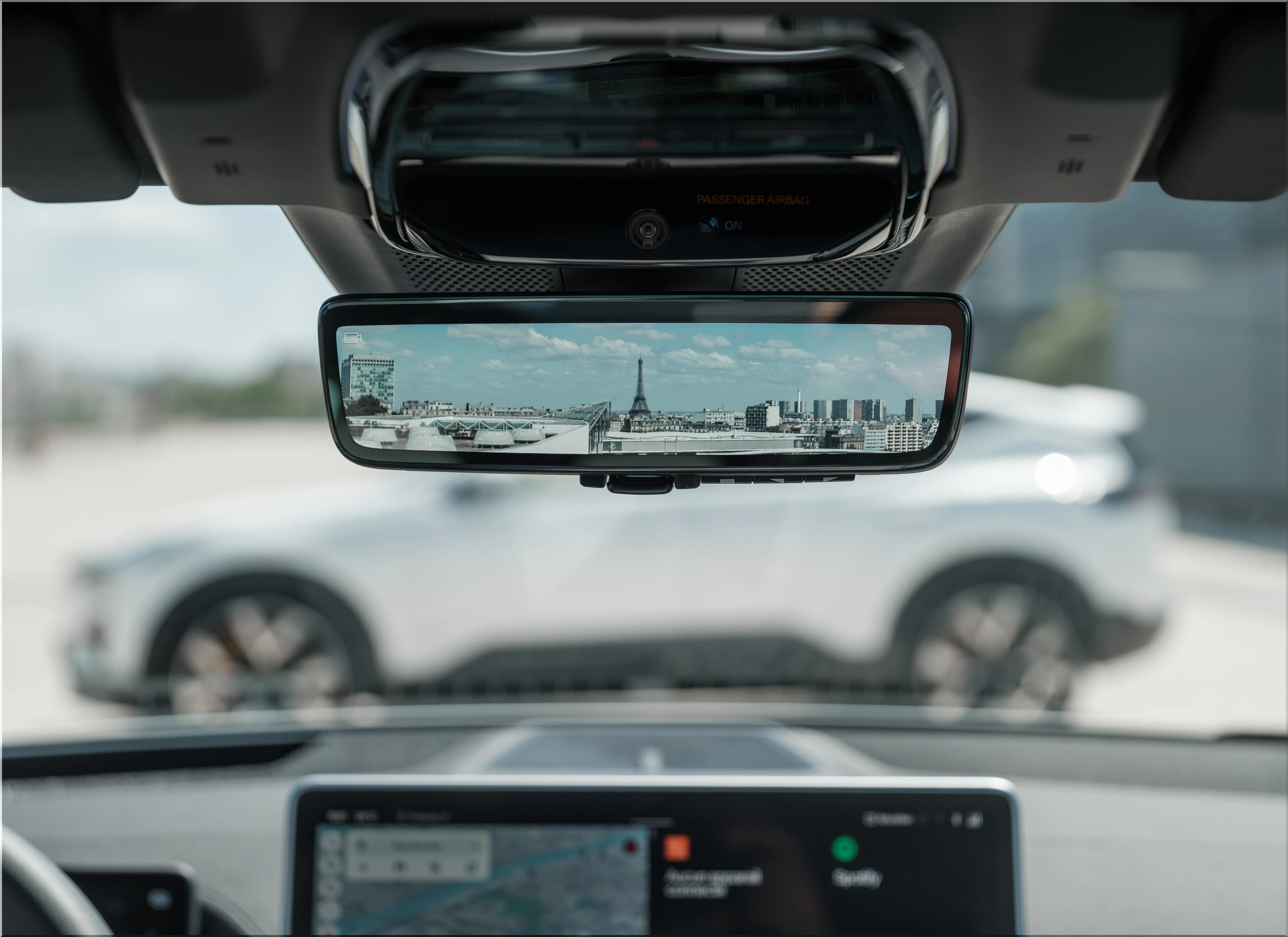
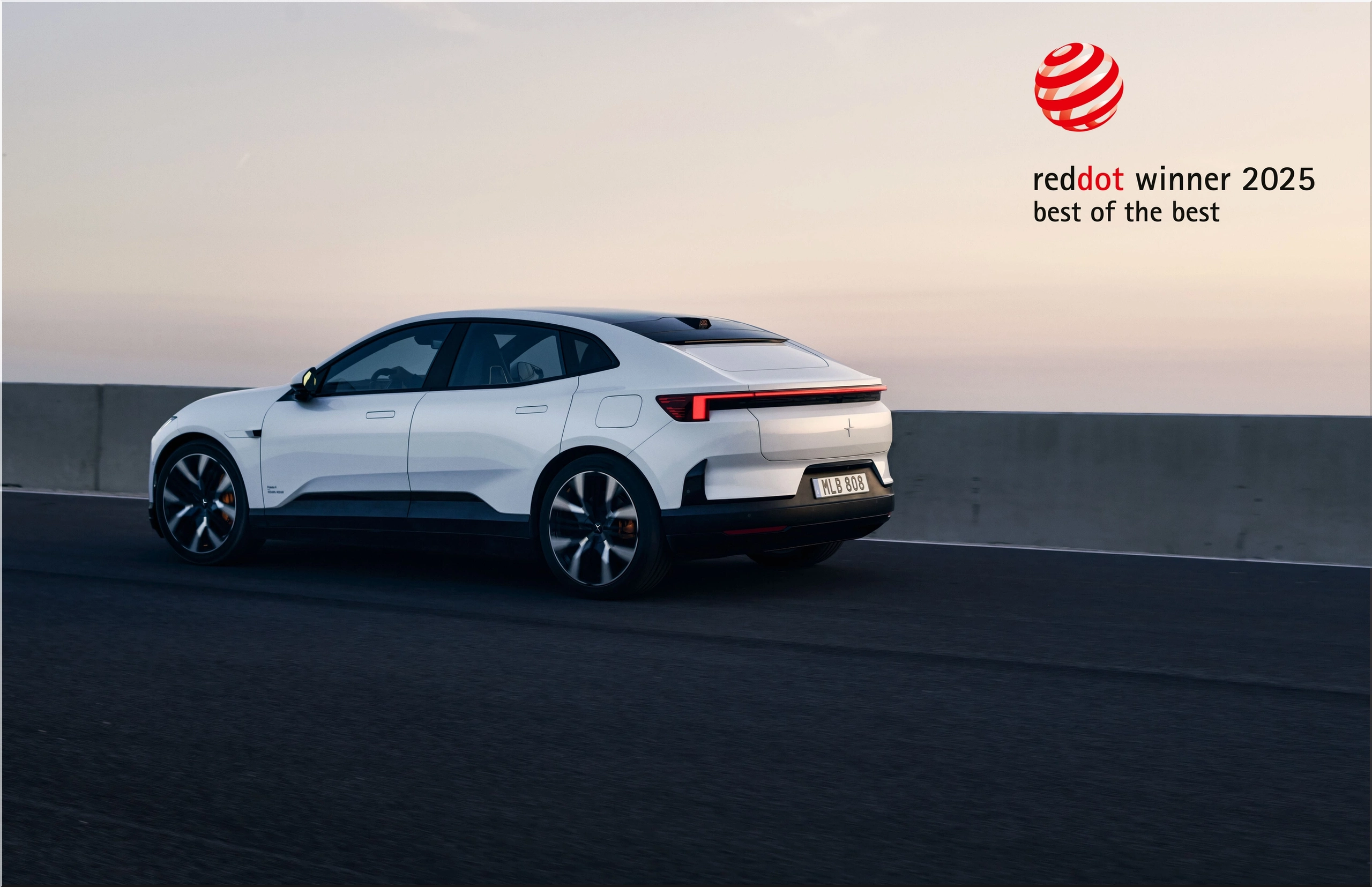
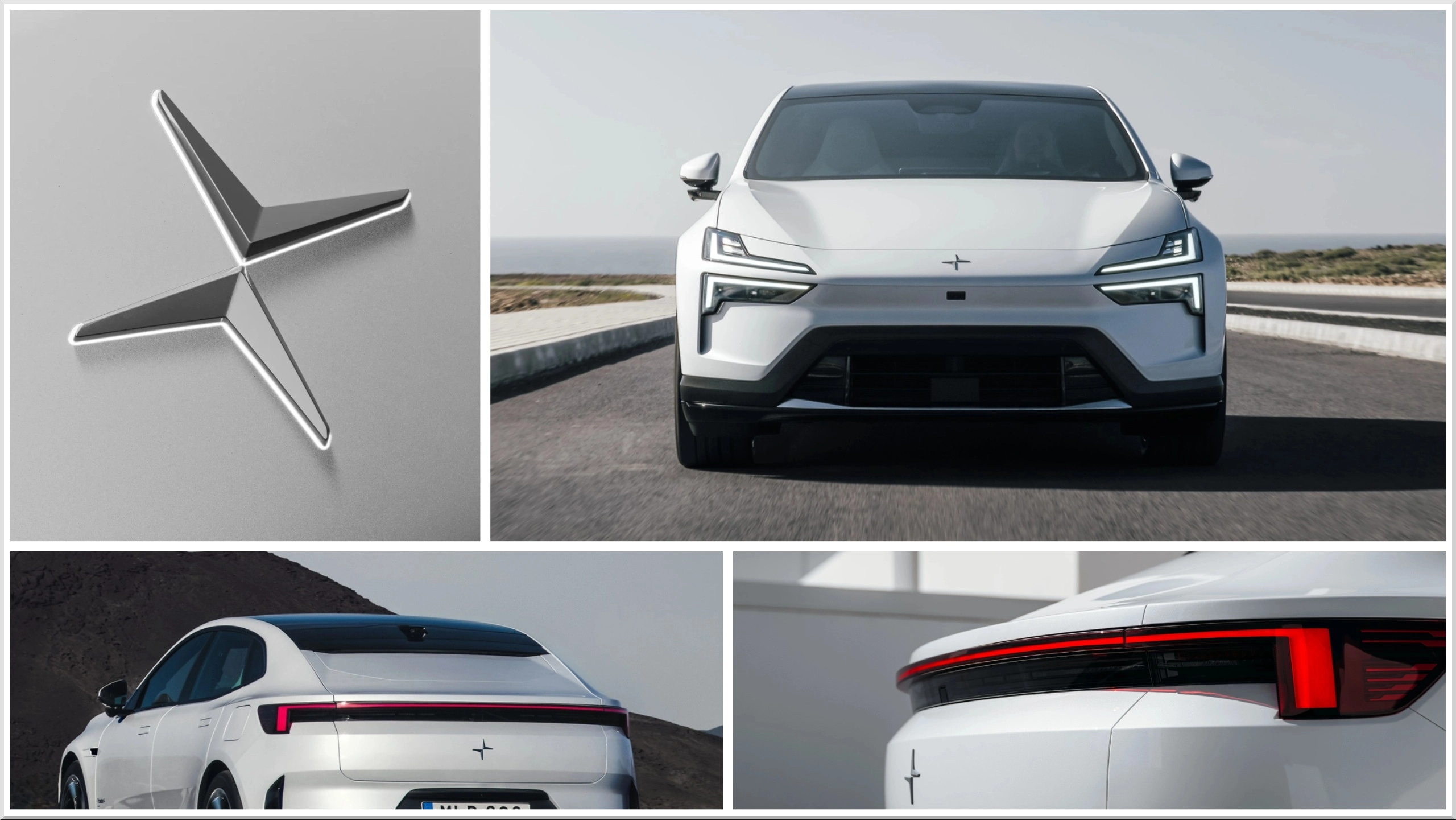
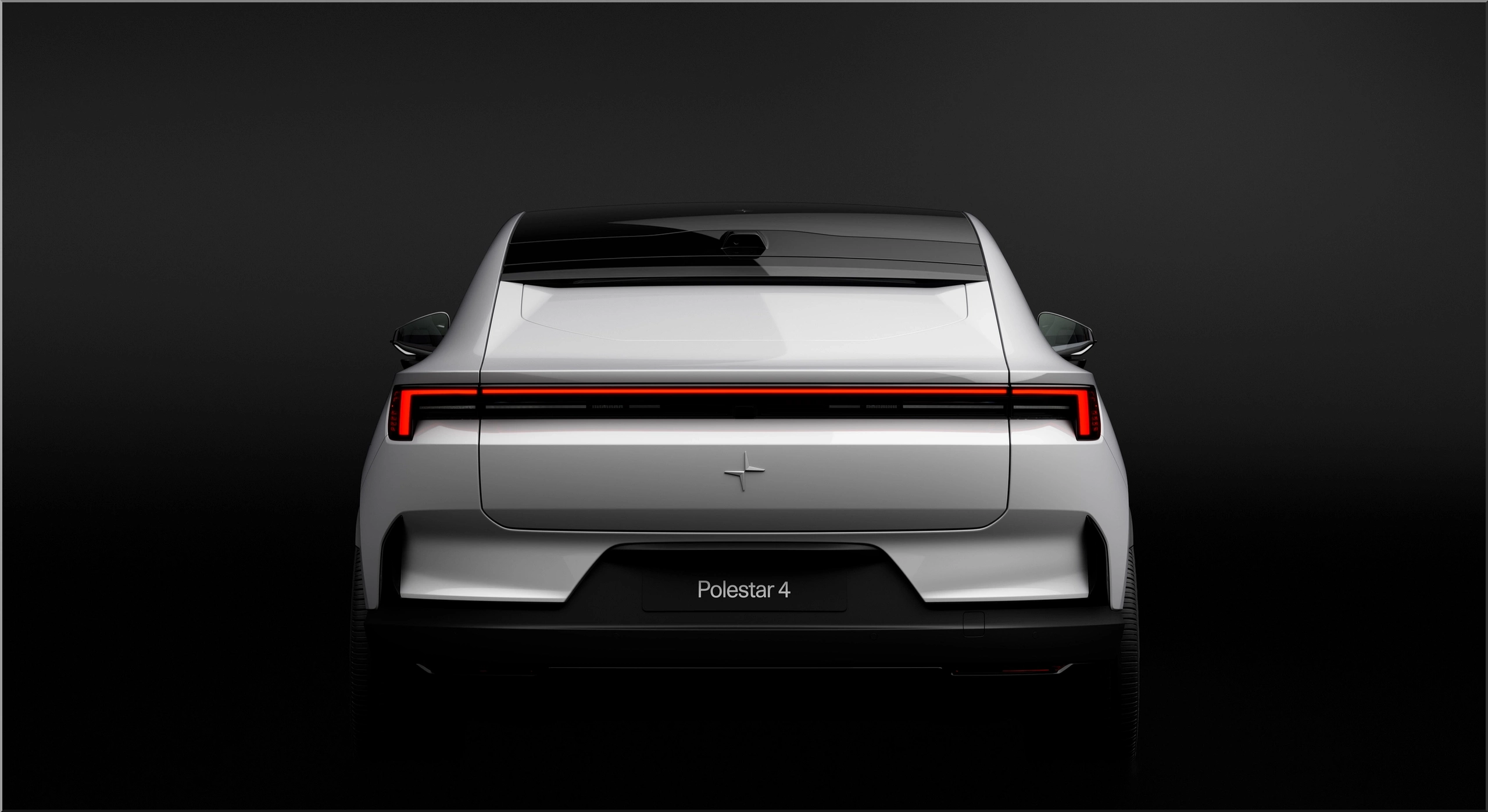
The Polestar 4 design skips a traditional rear window. Cameras replace glass. Polestar calls it progress. Some drivers will call it a learning curve.
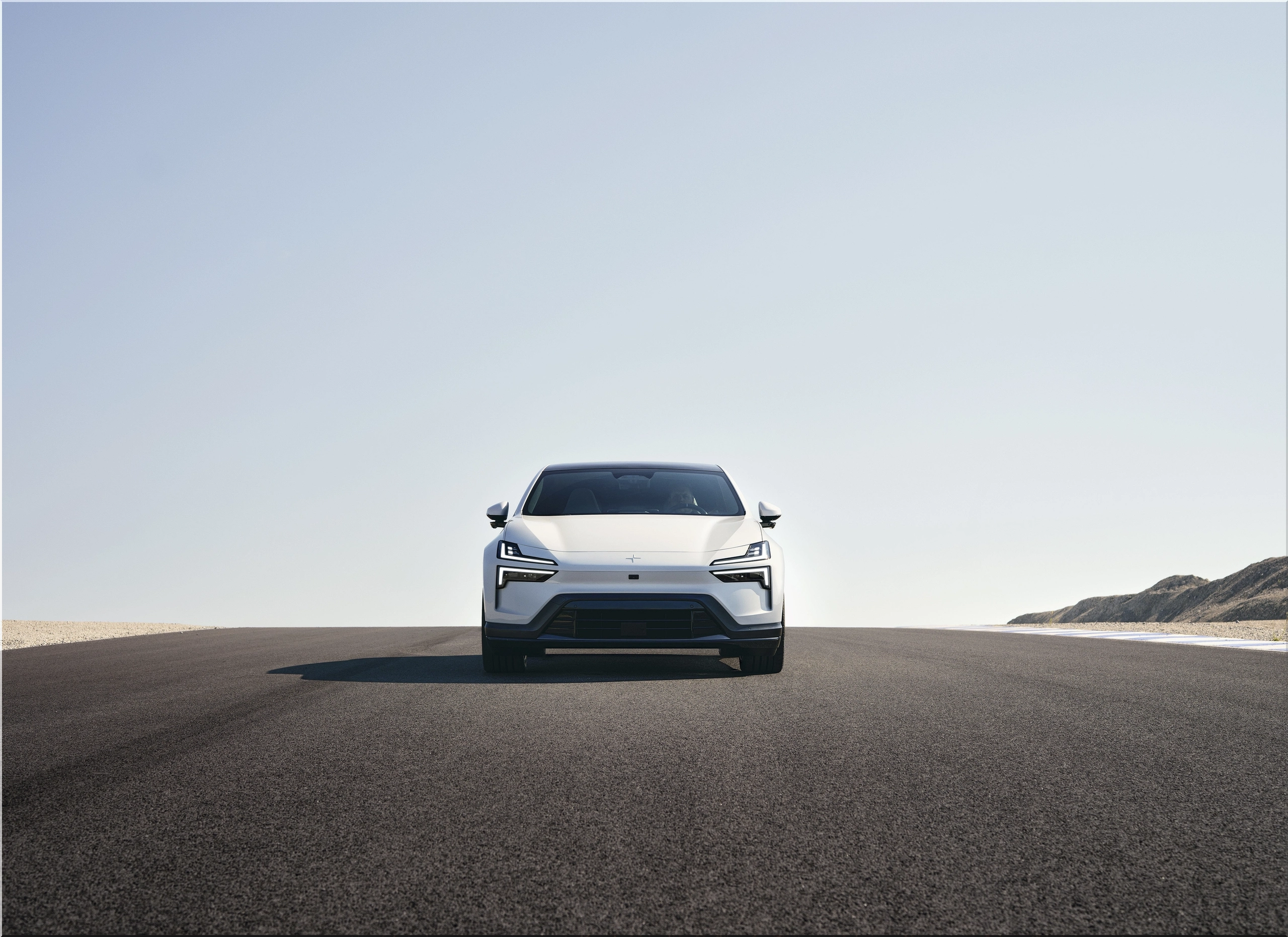
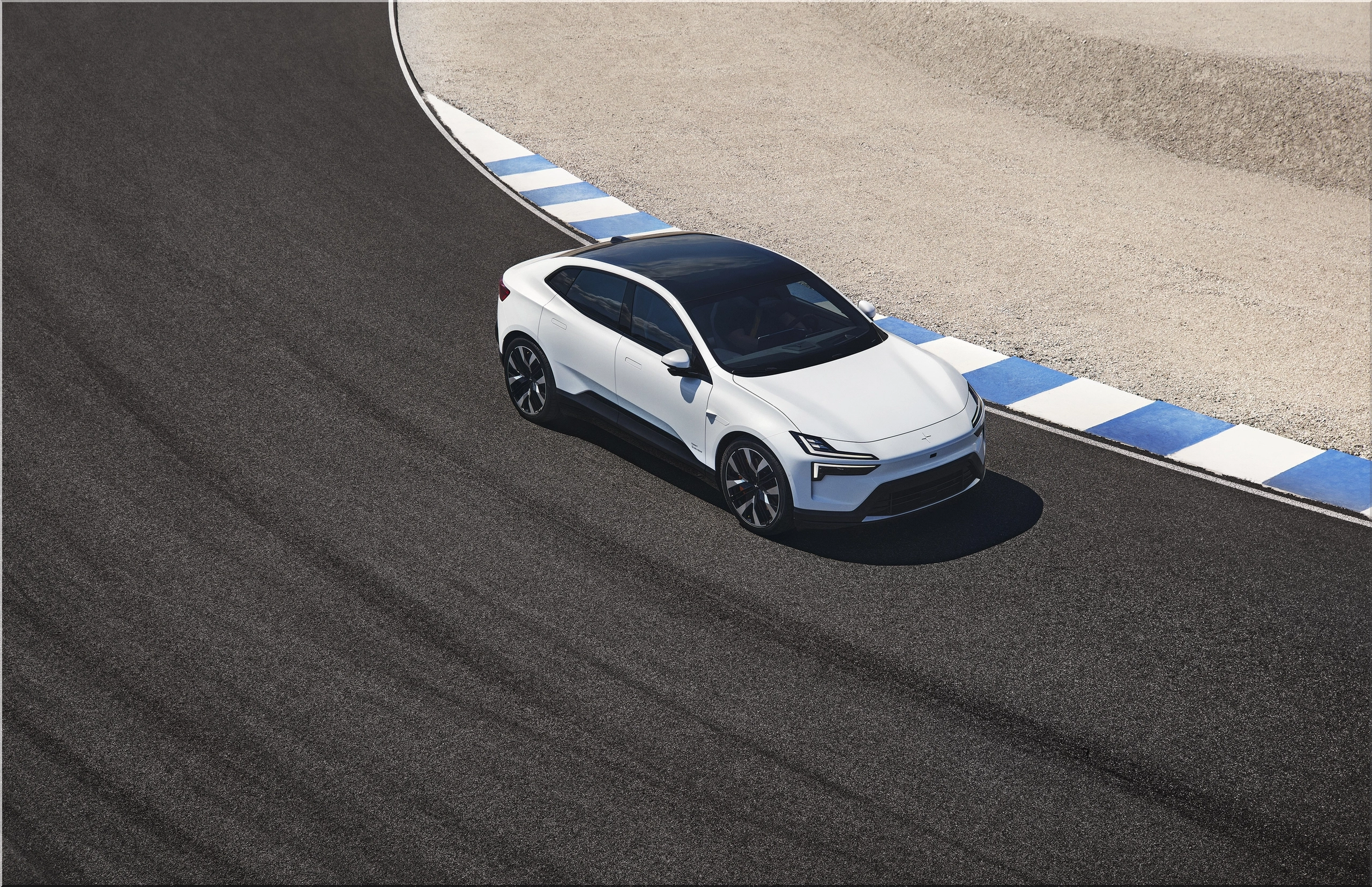
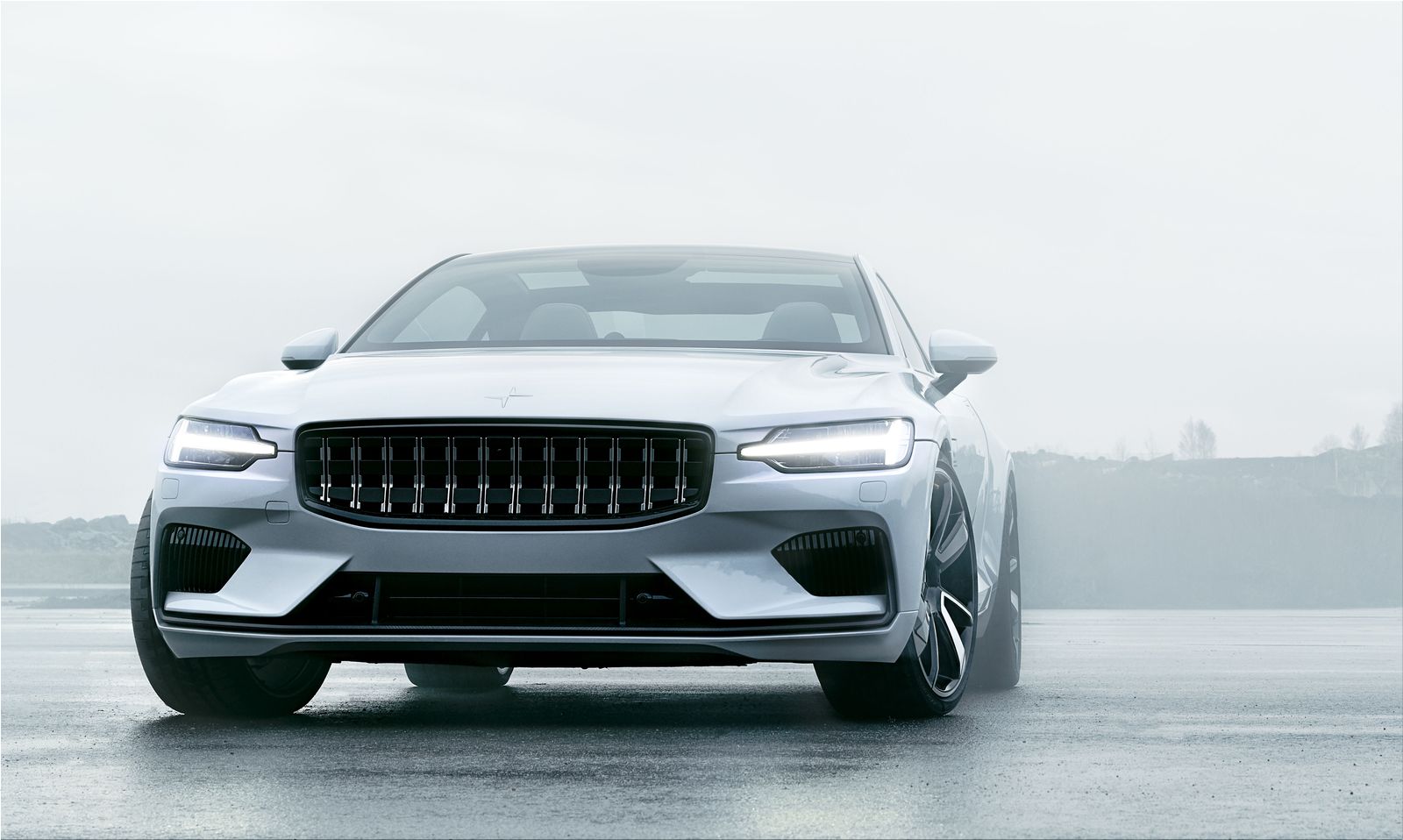
The exterior looks clean and controlled. Sharp body lines avoid excess trim. The profile favors aerodynamics over utility.
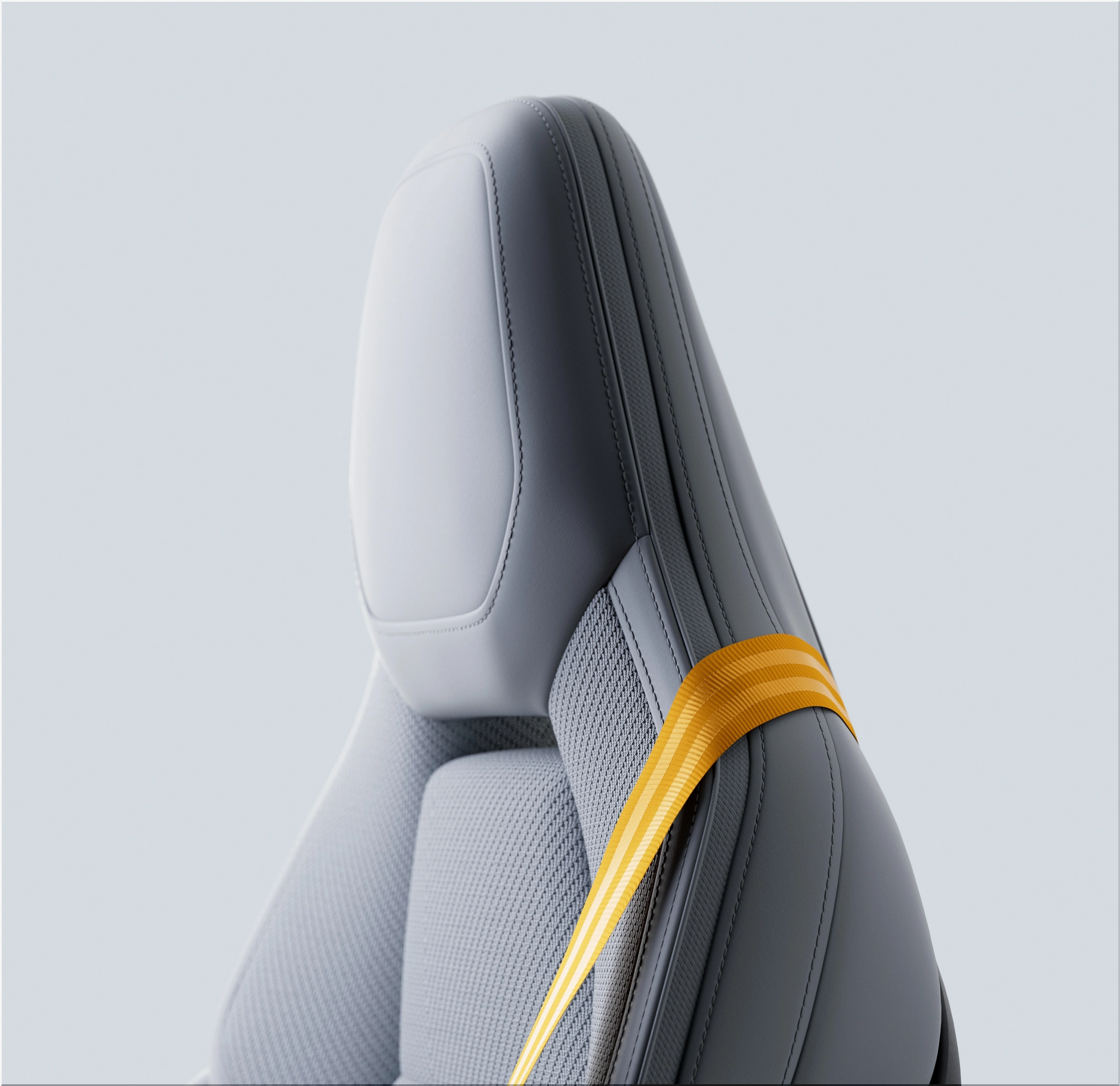
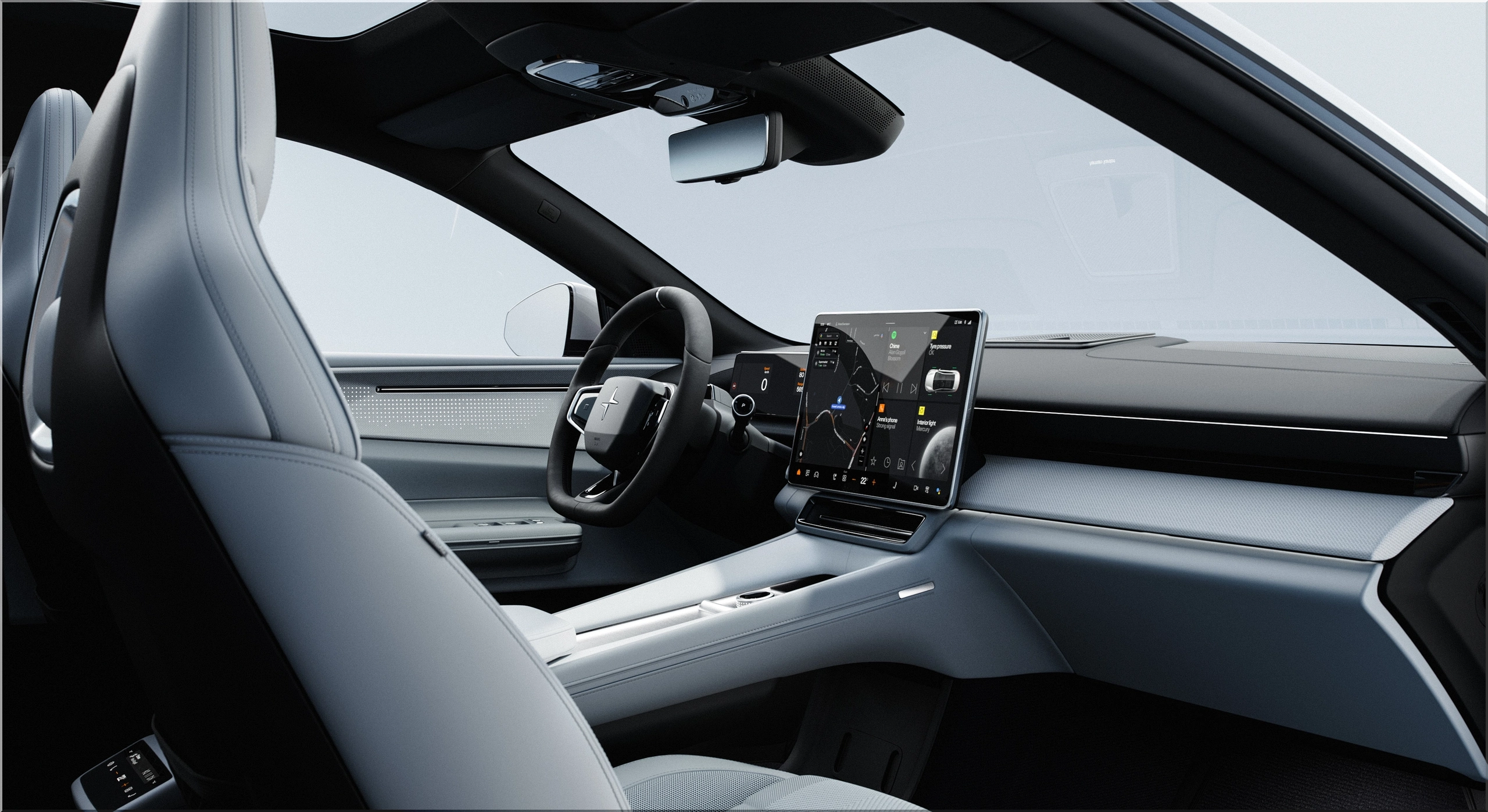
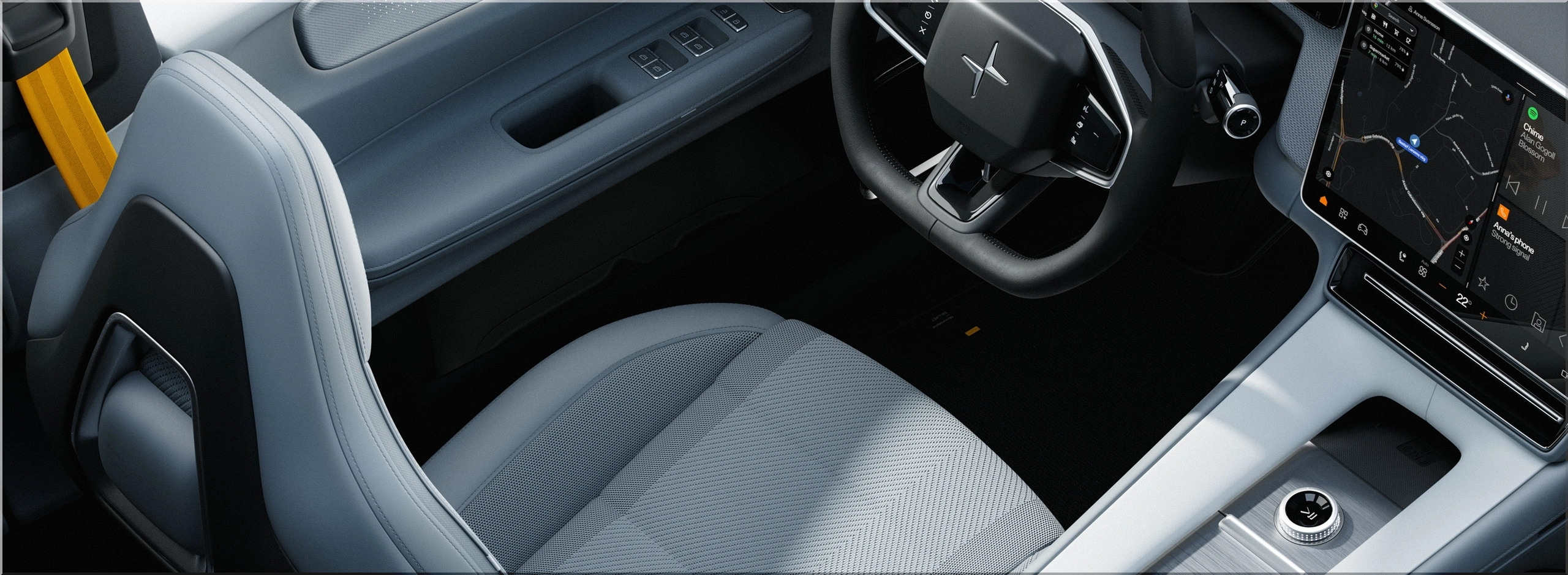
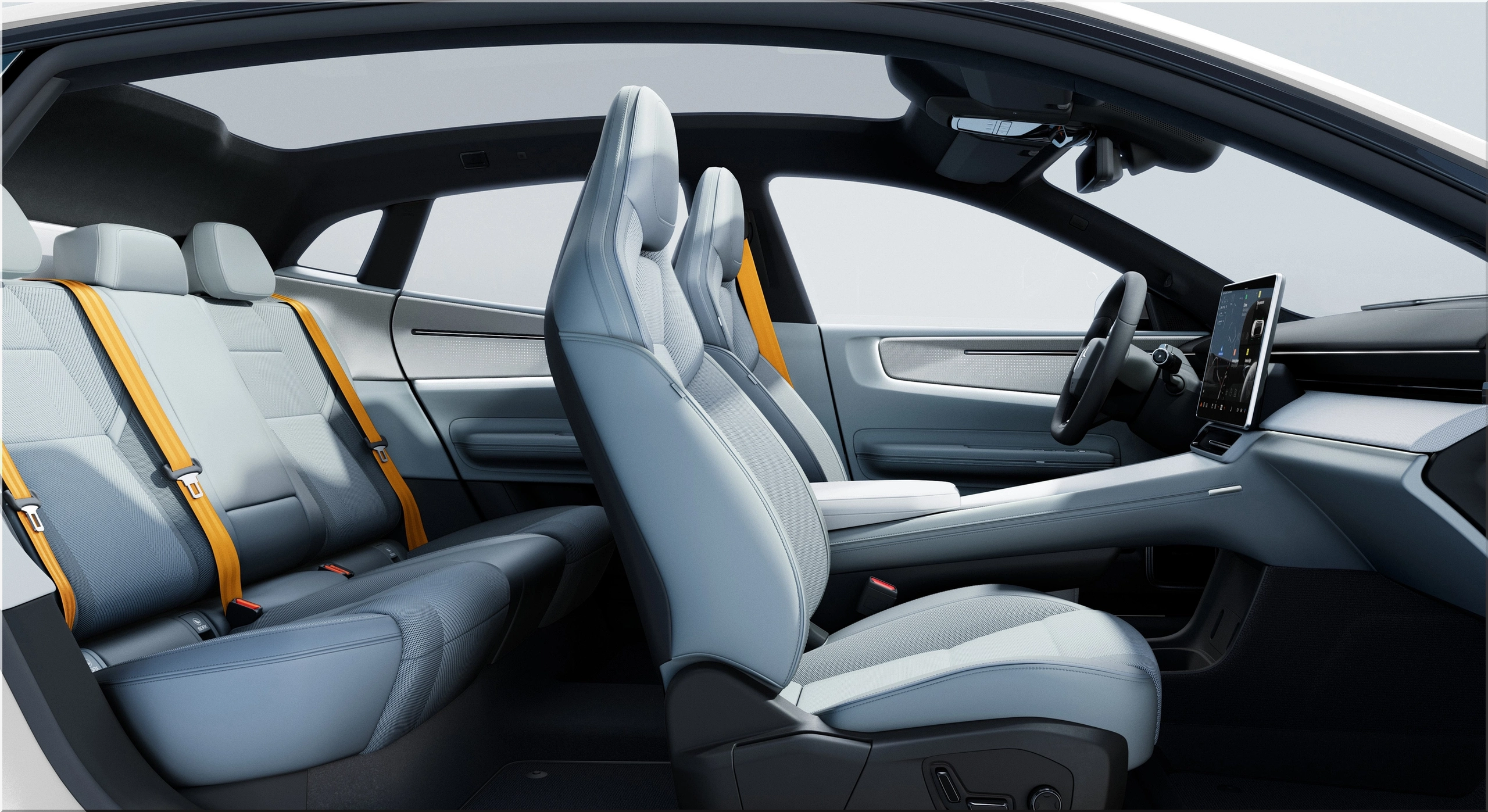
Interior design stays minimalist. Materials feel premium. Screens control nearly every function. Physical buttons remain scarce.
That choice saves space and cost. It also raises usability questions during winter driving and night conditions.
Performance and Powertrain Details
Polestar offers single-motor and dual-motor configurations. Both use a large lithium-ion battery.
Key performance metrics include:
- Up to 544 horsepower in dual-motor trim
- 0 to 60 mph in about 3.7 seconds
- Rear-wheel drive standard on single-motor versions
Acceleration feels quick. Steering remains firm. Ride comfort skews sporty rather than soft.
The Polestar 4 targets drivers who value response over isolation. That stance fits the brand.
Electric Range and Charging Reality
Polestar estimates up to 300 miles of range on a full charge. Real-world numbers depend on driving habits and climate.
Charging supports DC fast charging. Owners can add significant range in under 30 minutes on compatible chargers.
Home charging works through standard Level 2 setups. Overnight charging remains practical for most households.
Range anxiety matters less today. Charging reliability still matters more.
Technology and Driver Assistance
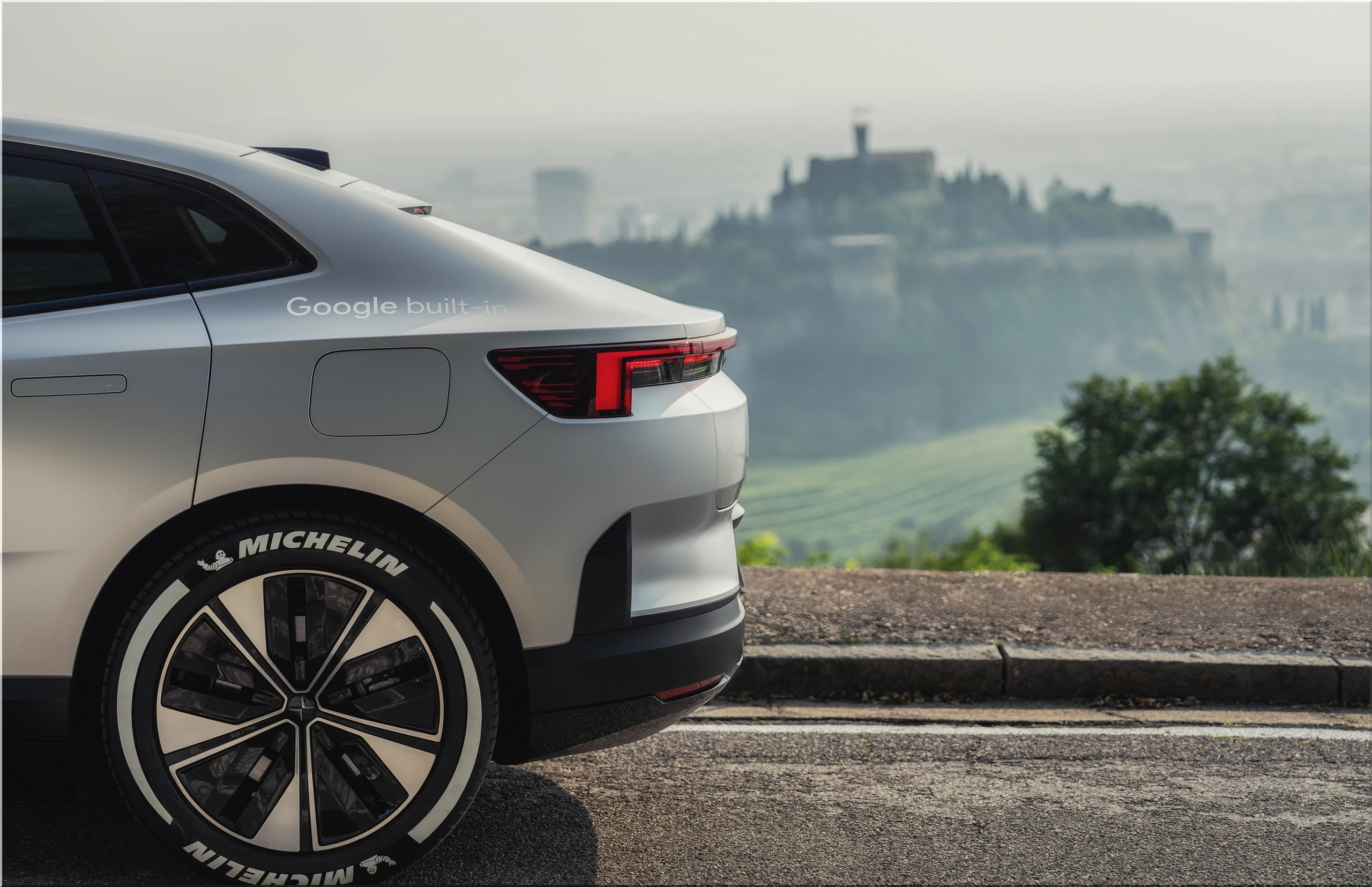
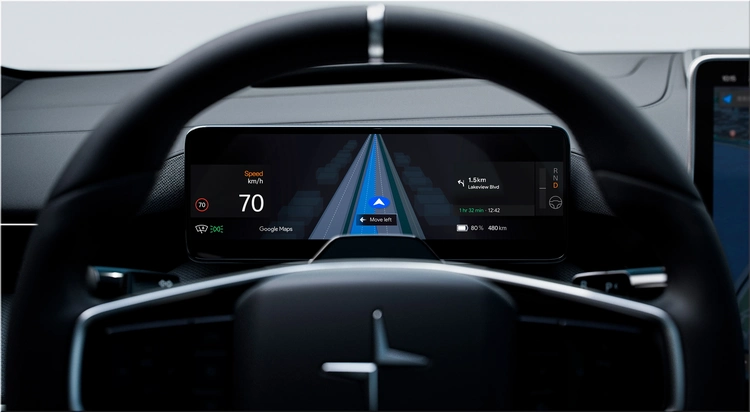
The Polestar 4 infotainment system runs on Google-based software. Maps, voice control, and apps integrate well.
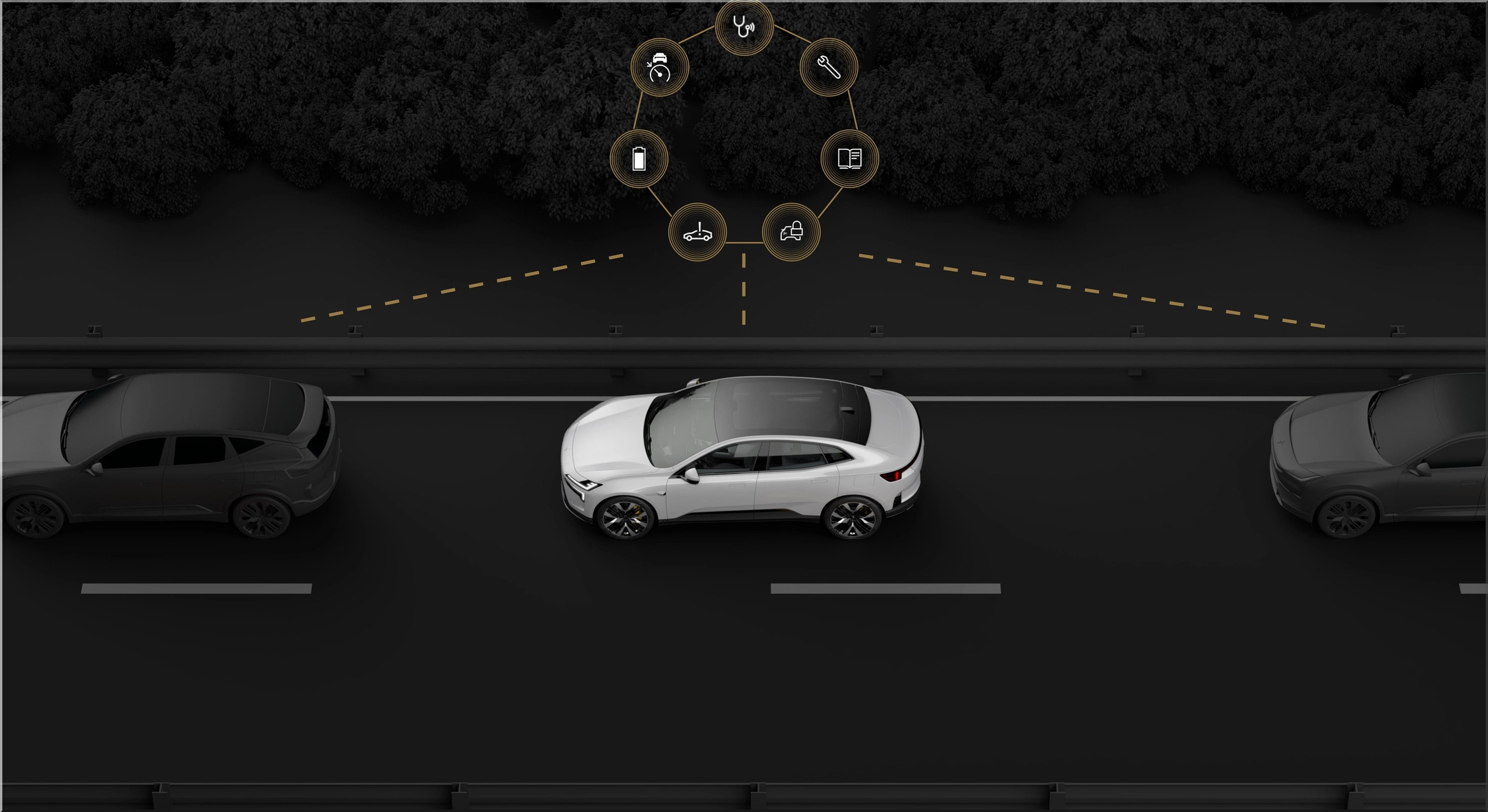
The system responds quickly. Menus stay logical. Over-the-air updates handle fixes and features.
Driver assistance features include:
- Adaptive cruise control
- Lane centering
- Automated emergency braking
These systems work well on highways. Urban environments still challenge camera-based setups.
The missing rear window adds reliance on digital mirrors. Some drivers will adapt. Others may hesitate.
Pricing and Ownership Costs
The Polestar 4 price starts around $54,000 USD. Well-equipped versions approach $70,000 USD.
That pricing places it above mass-market EVs. It undercuts some German rivals.
Ownership costs remain predictable:
- Lower maintenance than gas vehicles
- Electricity cheaper than gasoline in most regions
- Software updates reduce service visits
Federal tax credits remain uncertain due to sourcing rules. Buyers should confirm eligibility.
Comparison With Key Rivals
The Polestar 4 competes in a busy segment. Buyers compare range, price, and performance.
Here is a comparison of similar electric SUVs:
| Model | Starting Price (USD) | Estimated Range | 0–60 mph |
|---|---|---|---|
| Polestar 4 | $54,000 | Up to 300 miles | 3.7 sec |
| Tesla Model Y Performance | $52,990 | 285 miles | 3.5 sec |
| BMW iX xDrive50 | $87,100 | 324 miles | 4.4 sec |
| Genesis GV60 Performance | $69,350 | 235 miles | 3.5 sec |
The Polestar 4 lands near the middle. It offers strong performance at a controlled price.
Tesla still wins on charging access. BMW wins on brand recognition. Polestar wins on design discipline.
Strengths and Limits in Daily Use
The Polestar 4 electric SUV works best for drivers who value style and speed.
Strengths include:
- Confident handling
- Clean interior layout
- Competitive performance data
Limits remain clear:
- Rear camera reliance
- High trim pricing
- Smaller dealer footprint
These factors shape the ownership experience. None break the deal. All deserve attention.