Polestar pushes real-time navigation forward
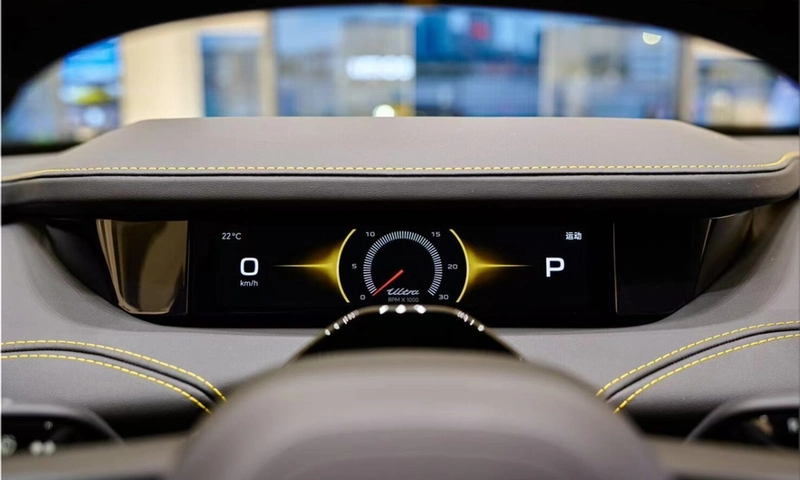
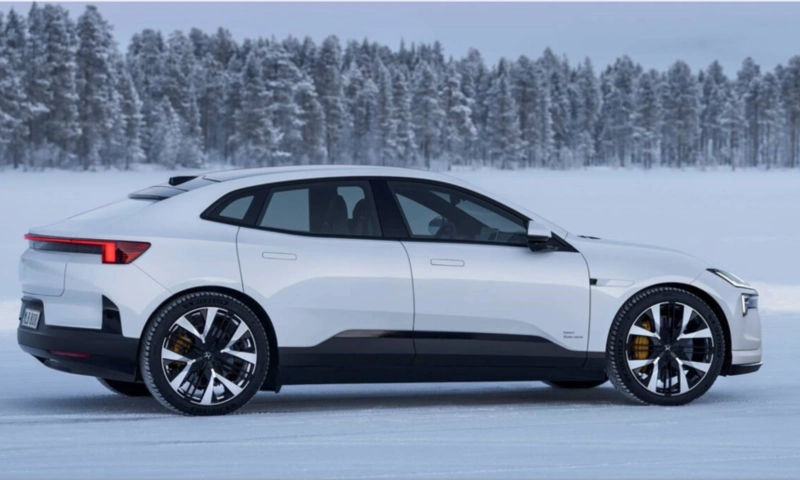
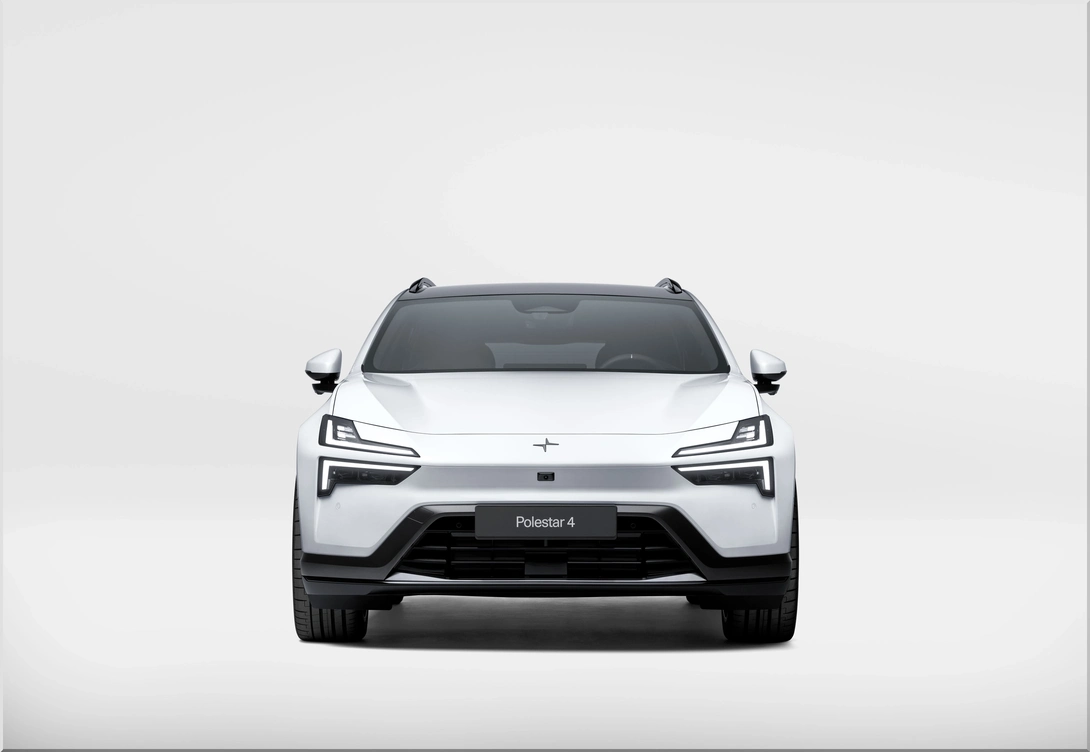
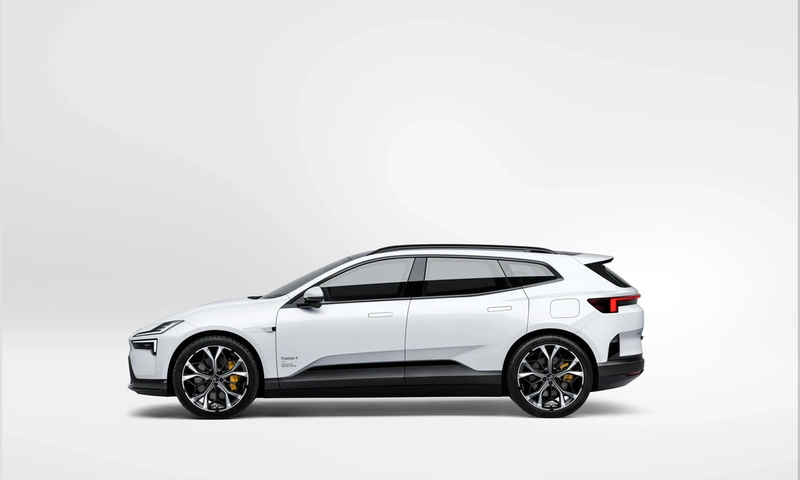
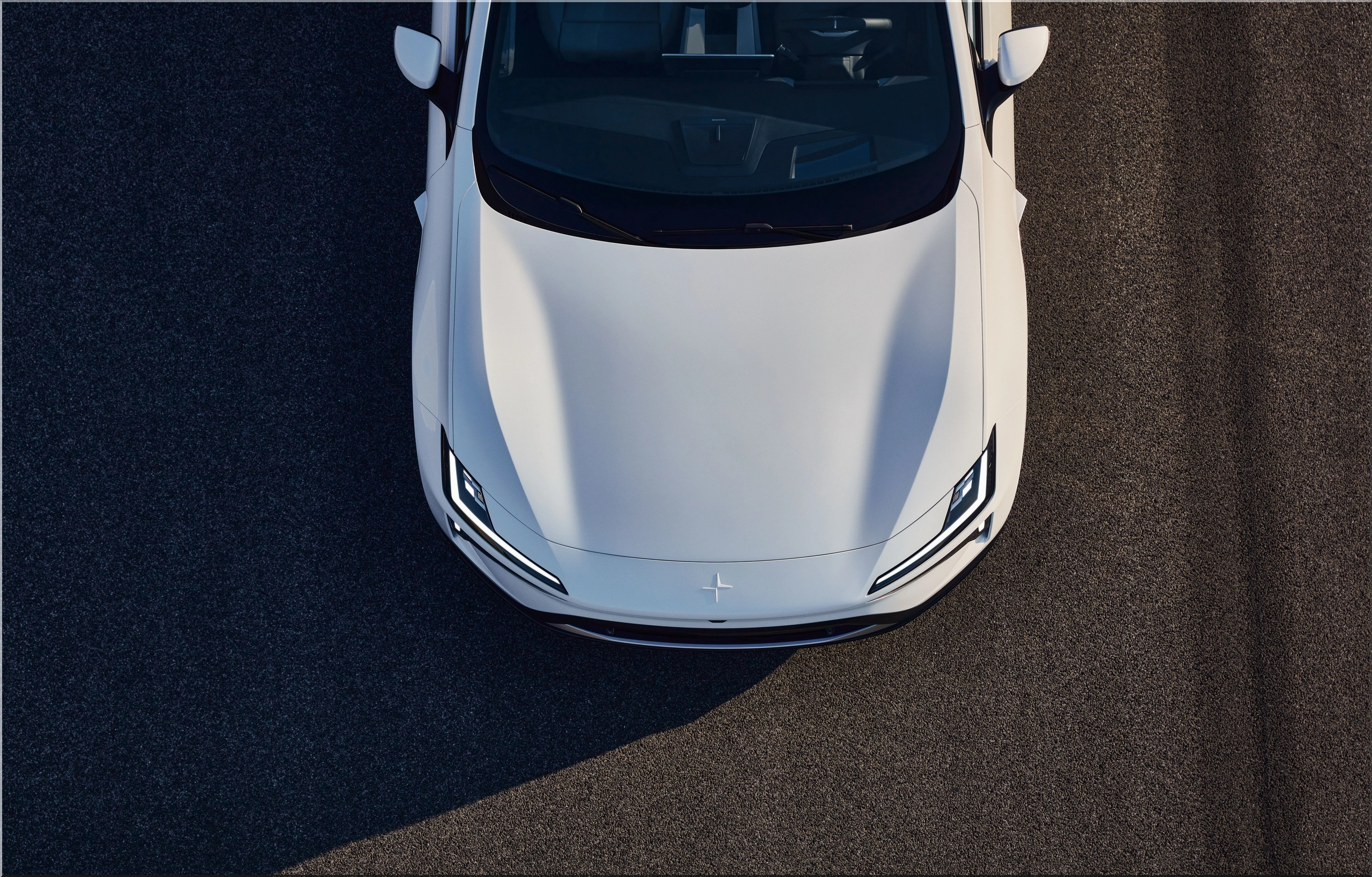
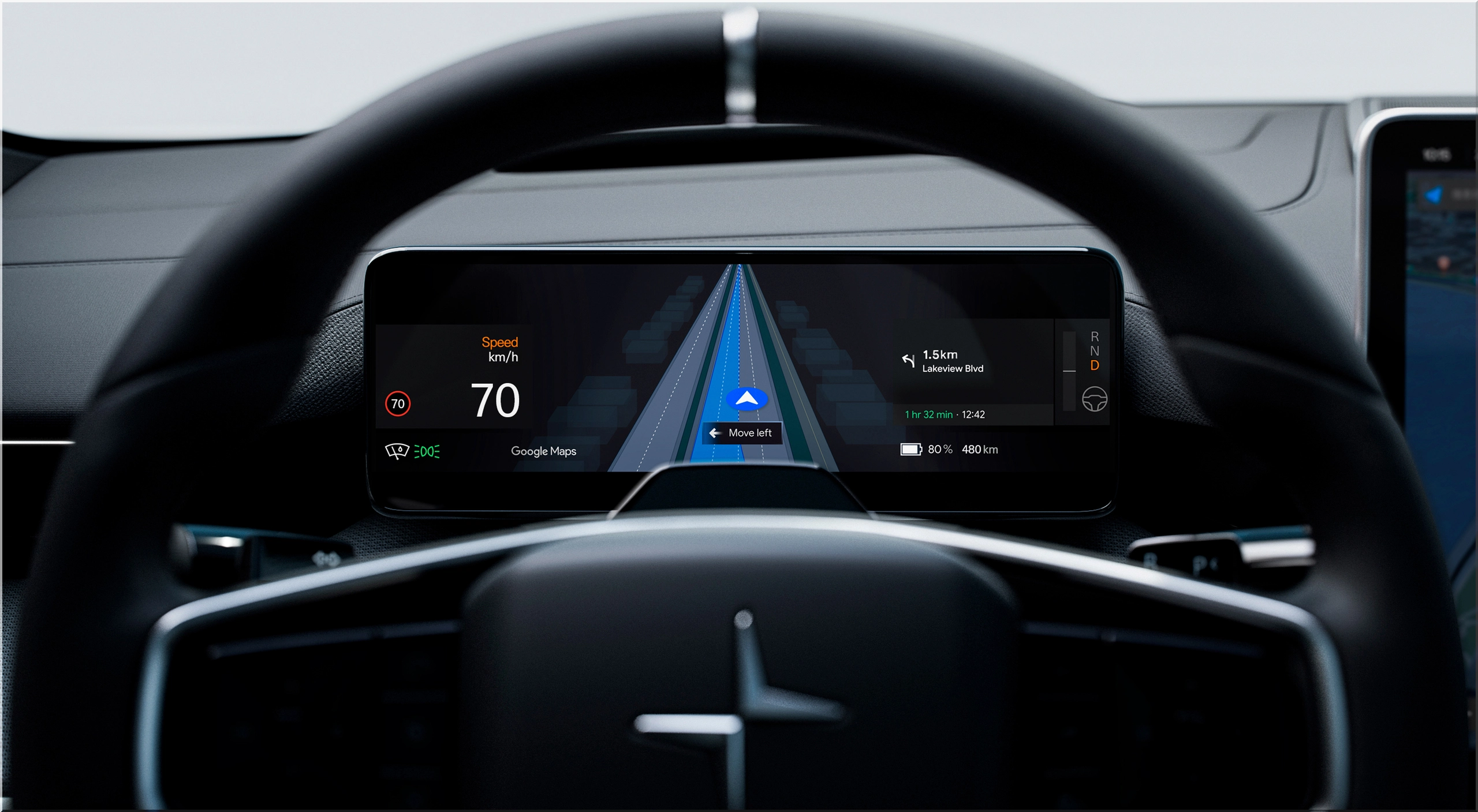
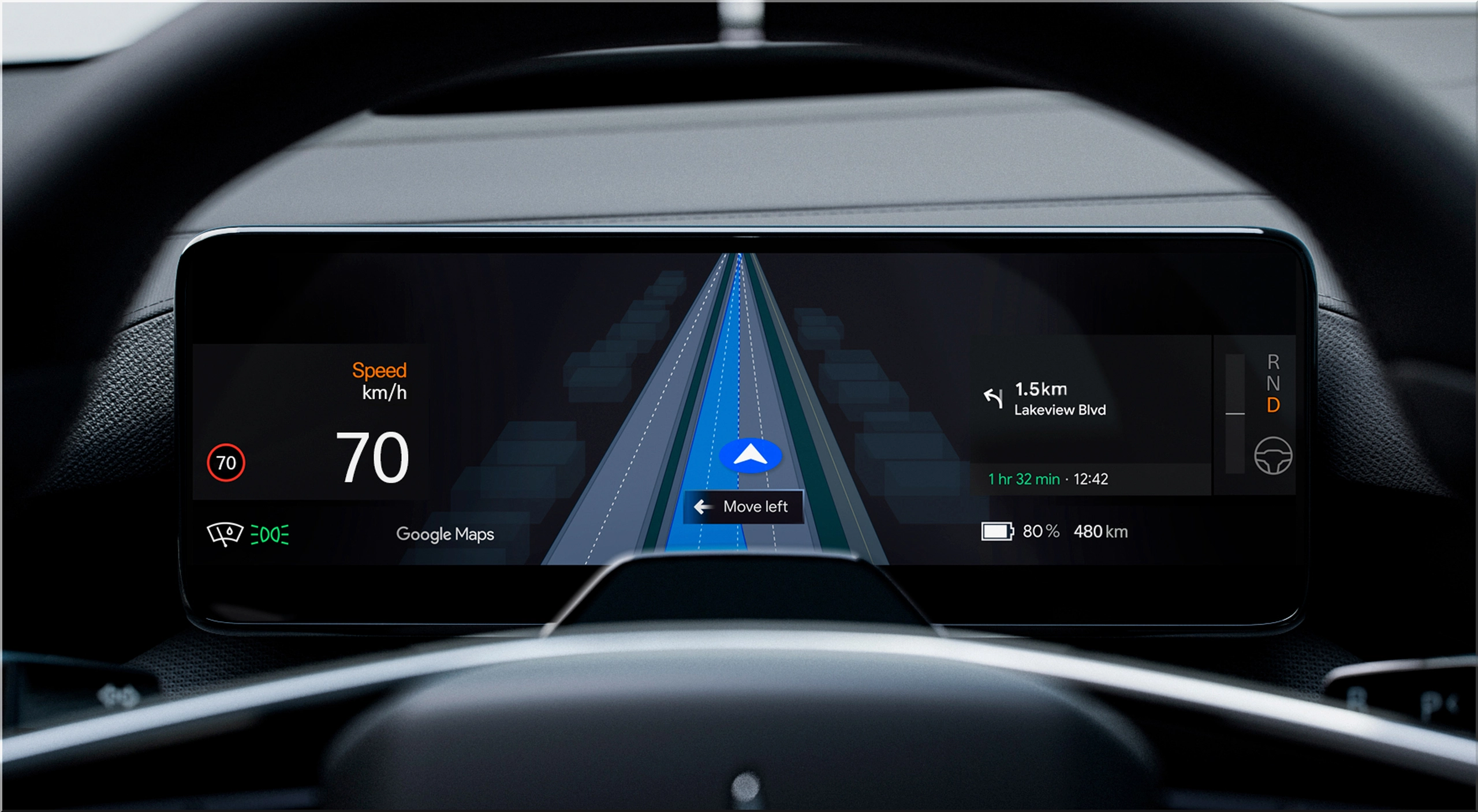
Polestar has become the first automaker to integrate Google Maps’ new Live Lane Guidance directly into a production vehicle. The feature debuts in the Polestar 4, delivering a real-time lane visualization on the car’s 10.2-inch driver display.
The feature uses Google’s onboard AI to detect the vehicle’s exact lane position by analyzing road markings, traffic signs, and camera data from the car’s forward-facing sensors. The goal: reduce driver stress and improve lane-changing accuracy in heavy traffic and complex highway systems.
According to Sid Odedra, Head of UI/UX at Polestar, the update fits directly into Polestar’s driver-centric UX strategy. “This feature simplifies quick lane decisions and reduces confusion on multi-lane highways,” Odedra said.
Image
A technical partnership built on integration
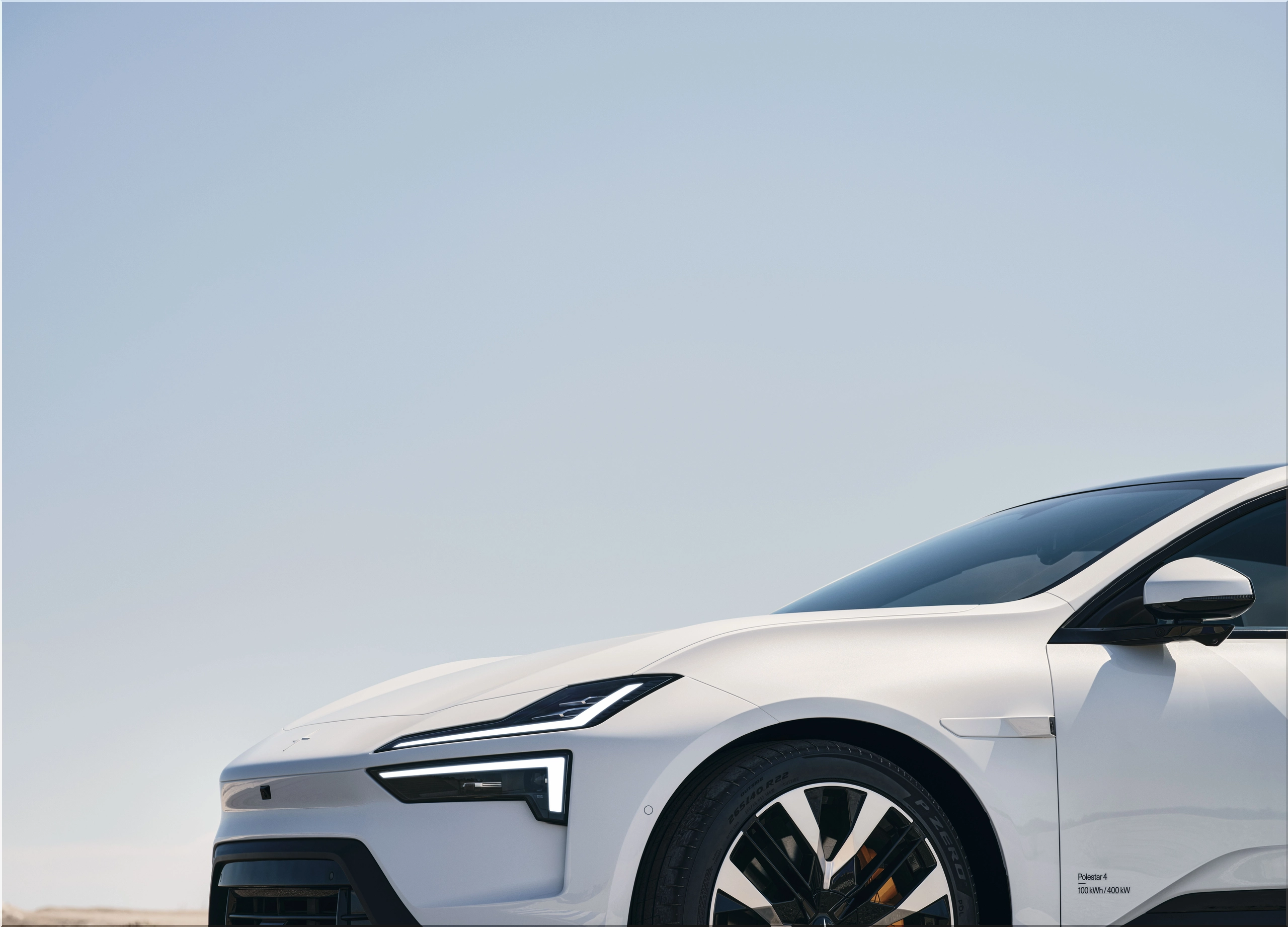
Polestar’s collaboration with Google dates back to 2020, when the Polestar 2 became the first vehicle to feature a Google built-in system. The partnership has since produced a consistent pipeline of updates improving navigation, voice control, and in-car apps through Over-the-Air (OTA) updates.
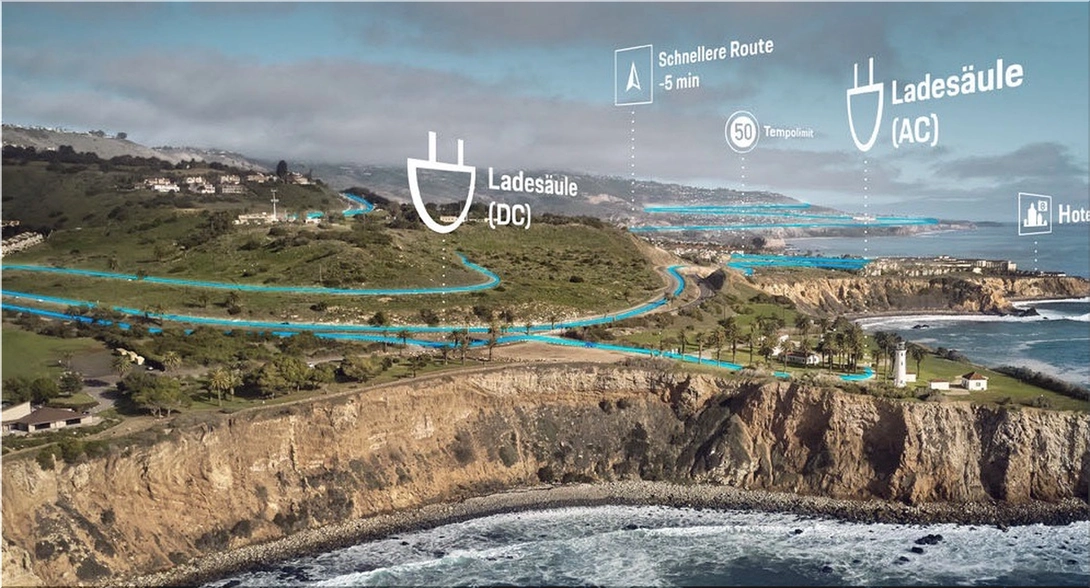
Now, with Live Lane Guidance, Polestar is introducing a new visual layer to Google Maps. The system highlights all available lanes for a given route and identifies the one the vehicle currently occupies. Both visual and audible cues guide the driver through upcoming turns or exits.
This real-time feedback loop is designed to keep eyes on the road and reduce last-second corrections. For drivers navigating complex highway interchanges, the technology could save seconds that matter — and help prevent collisions caused by abrupt maneuvers.
Video gallery
Video title
Polestar 4 and Google Maps
AI-driven precision in real conditions
Unlike standard navigation overlays, Google’s Live Lane Guidance uses machine learning to interpret live camera feeds. It detects lane markings, signage, and environmental cues.
When paired with Polestar’s high-resolution driver display, the feature delivers a layered visualization — showing lane structure in relation to the vehicle’s position. Each lane is rendered as part of a 3D-like map projection, allowing drivers to anticipate where to move before the navigation prompts.
Key technical elements:
- Sensor fusion: Integrates video input from Polestar’s front cameras with Google Maps data.
- AI lane detection: Identifies lane markings in real time, even under moderate weather or lighting conditions.
- Predictive guidance: Highlights optimal lanes before a highway split or major interchange.
- OTA adaptability: Future updates can expand coverage to more countries and road types.
Initially, the system will roll out to Polestar 4 drivers in the U.S. and Sweden, with global expansion planned. Over time, Polestar expects to extend the feature to additional markets and possibly other models.
What this means for the industry
Google’s Live Lane Guidance integration represents a broader trend: software-defined driving. As cars become connected devices, features like this shift value away from hardware and toward data-driven intelligence.
For automakers, it also reinforces the business model of continuous improvement through OTA updates — minimizing service center visits and extending vehicle life cycles.
In Polestar’s case, it demonstrates a clear execution of their promise: to continuously improve vehicles post-sale with new, software-enabled capabilities.
Andrew Foster, Director of Product Management for Google Maps, called Polestar’s implementation “a benchmark for in-car navigation accuracy,” emphasizing that the feature sets “a new standard for safety and user experience.”
Polestar’s larger ecosystem strategy
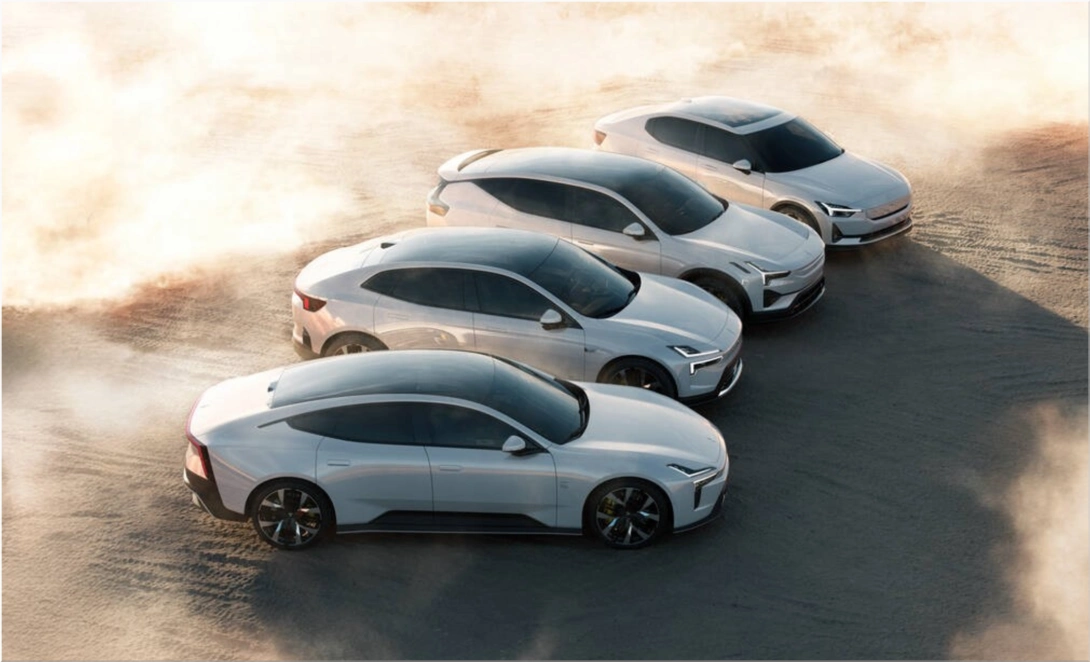
This innovation also fits into Polestar’s broader growth plan. The brand operates in 28 markets across North America, Europe, and Asia-Pacific. Its current lineup — Polestar 2, 3, 4, and 5 — will soon expand with the Polestar 6 roadster and Polestar 7 compact SUV.
The company’s production footprint spans North America and Asia, with European manufacturing planned for future models. Polestar continues to target carbon neutrality across its value chain by 2040 and aims to cut emissions per vehicle by 50% by 2030.
The new Live Lane Guidance rollout reinforces that strategy: use advanced digital systems not only to improve user safety but also to extend vehicle utility through software — reducing waste and keeping cars relevant longer.
Real-world benefit
In testing, lane guidance systems have shown to improve driver reaction times by up to 20% and reduce navigation-related lane-change errors by nearly 30%, according to aggregated industry data. By integrating this technology directly into the driver display — rather than on a center screen — Polestar enhances visibility and minimizes distraction.
Drivers navigating dense European or American freeway interchanges could find fewer missed exits and less sudden braking. It’s a small but measurable improvement in everyday usability — one that aligns with Polestar’s approach: incremental, data-backed enhancements that produce tangible driver benefits.
Summary table: Polestar 4 with Google Maps Live Lane Guidance
| Feature | Description | Benefit |
|---|---|---|
| Display integration | 10.2-inch digital driver display | Reduces head movement; improves focus |
| AI lane detection | Analyzes markings and signs via onboard cameras | Provides precise lane visualization |
| Real-time guidance | Visual and audio cues via Google Maps | Reduces lane-change confusion |
| OTA availability | Updates delivered wirelessly | Keeps vehicles up to date |
| Market launch | USA and Sweden (initial rollout) | Global expansion planned |
Image gallery:
Final analysis
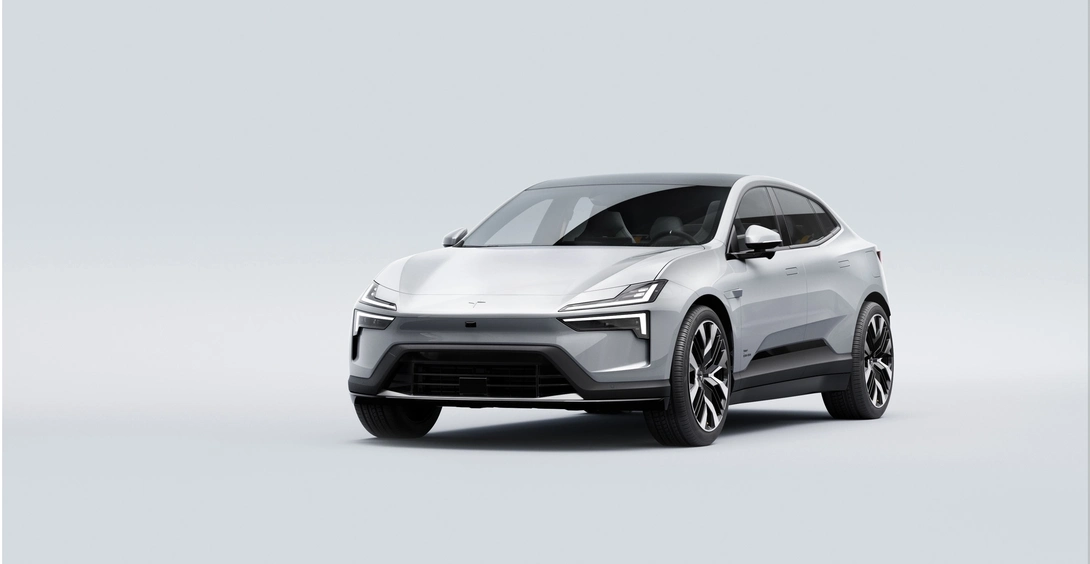
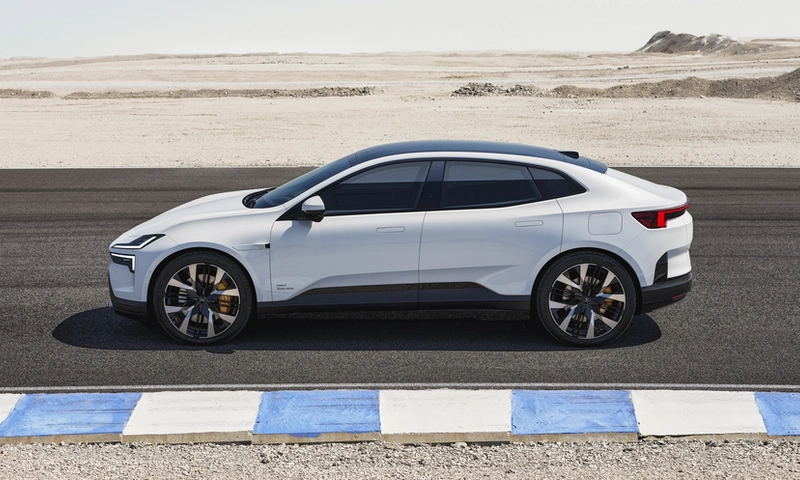
For a mid-size electric SUV like the Polestar 4, this update underscores how software-defined cars are reshaping driver expectations. Navigation, safety, and UX now evolve over time rather than at the point of sale.
Polestar’s integration of Google Maps Live Lane Guidance demonstrates where the automotive industry is headed: toward real-time, context-aware driving experiences built on AI and continuous connectivity.
With this move, Polestar doesn’t just improve a map. It enhances how drivers think about trusting the car’s intelligence — one lane at a time.
- Add new comment
- 128 views