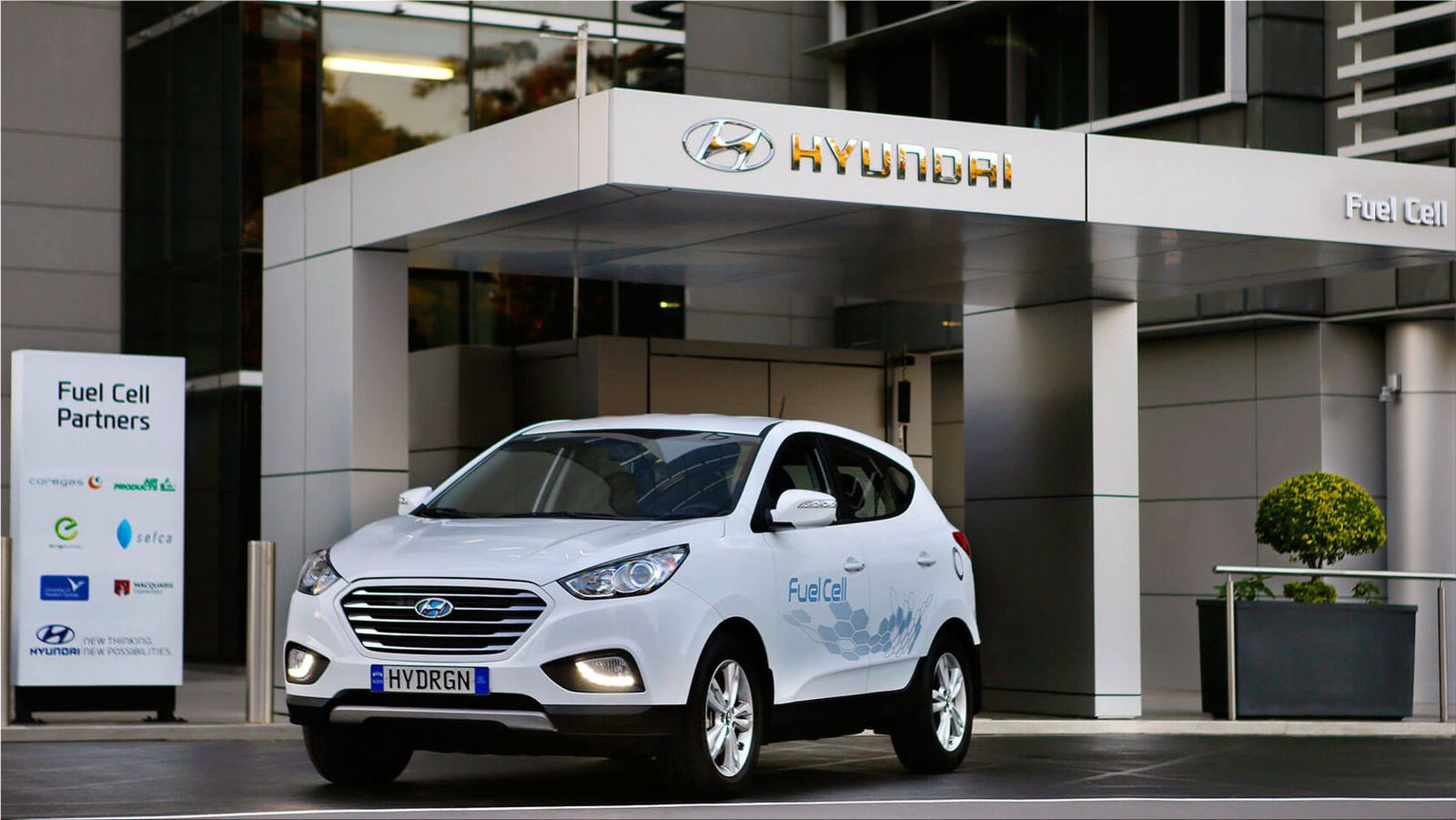
The Japanese automobile manufacturers Toyota, Nissan and Honda, along with eight other companies, have formed Japan H2 Mobility, a company that will be dedicated to the development of hydrogen stations for fuel cell vehicles in Japan.
The objective of Japan H2 Mobility is to gradually increase the number of fuel cell vehicles in Japan and in parallel to make sustainable the hydrogenation business.
The initial capital of Japan H2 Mobility is $469,948 and will be chaired by Hideki Sugawara. The purpose is to begin the building of 80 stations throughout the country for the year 2021, according to 'Strategic roadmap for hydrogen and fuel cells'.
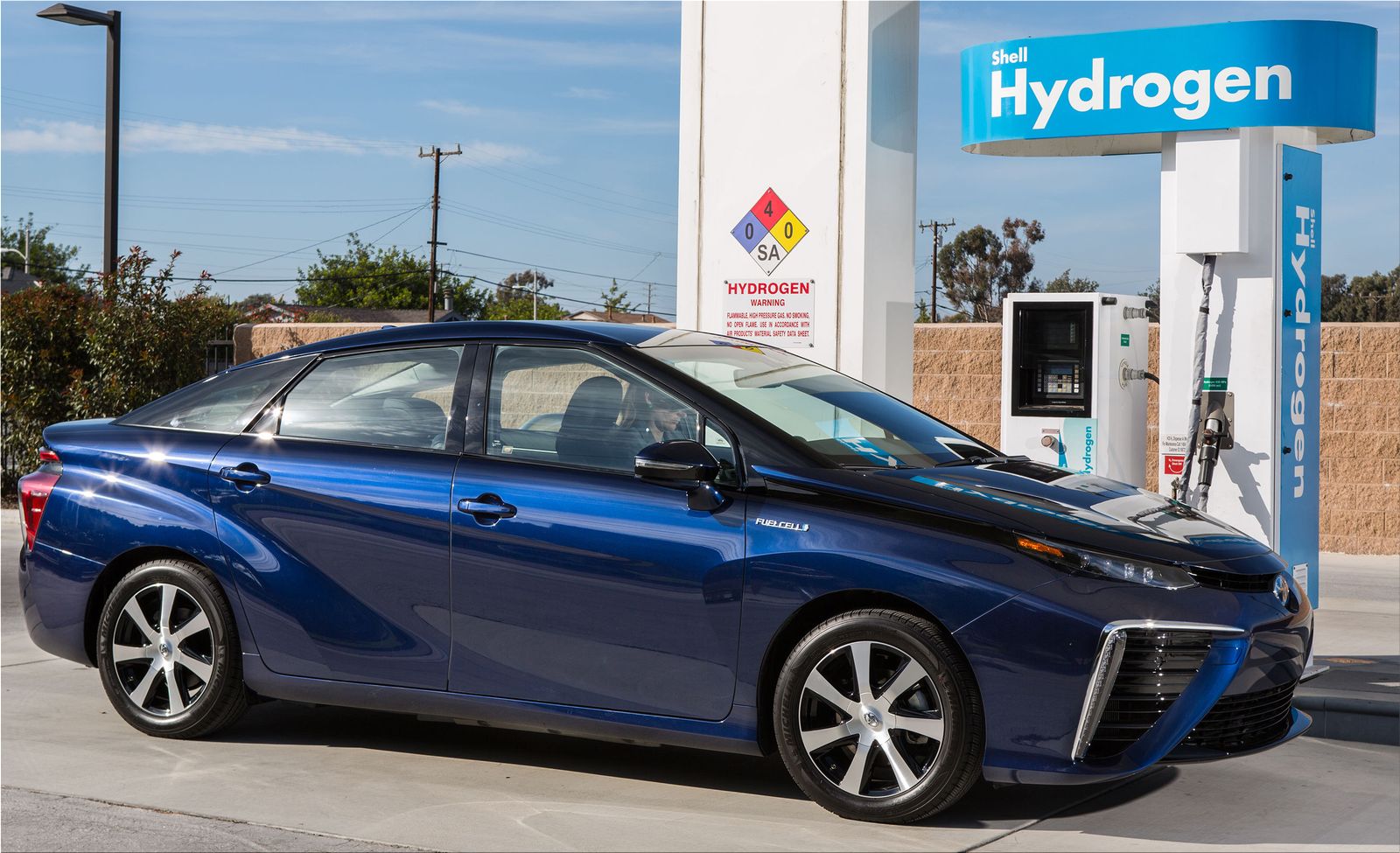
Japan H2 Mobility will start operating in April 2018, with the goal of attracting the maximum possible participation of hydrogenation operators and investors.

Nissan and Silence just scaled up their urban electric vehicle offering. With four new variants of the Silence S04 Nanocar, the automaker is targeting fleet operators, small businesses, and… Continue reading

A Record-Setting Year for Alpine's First Electric Performance Car The Alpine A290 is rewriting expectations for compact performance EVs. In less than a year, the French electric hot hatch has racked up seven major international awards… Continue reading

The BAIC Beijing Off-Road ELMT Max Concept communicates intent with unusual clarity. This vehicle does not exist to tease paint colors or future trim names. It exists to show how BAIC plans to compete in the global off-road segment.… Continue reading

How Much Does The 2027 BMW i7 Cost? The refreshed 2027 BMW i7 starts at about $154,228 in Sweden, with the stronger BMW i7 60 xDrive converting to about $186,697 and the… Continue reading