The automotive industry has witnessed a seismic shift toward electrification, and Vauxhall has cemented its position as a leader in the United Kingdom. By the close of 2024, Vauxhall emerged as the UK’s best-selling electric car brand across retail and Motability channels combined, reflecting strong consumer trust and strategic market alignment. Below, we explore how Vauxhall achieved this milestone and the implications for the broader EV market.
Why Vauxhall Dominates the UK EV Market
Vauxhall’s success stems from a combination of factors that resonate with modern consumers and institutional buyers alike:
- Affordable EV Lineup: Vauxhall’s electric vehicles offer competitive pricing, with entry points accessible to a broad demographic.
- Strong Retail Presence: The brand’s extensive dealer network has ensured availability and convenience.
- Motability Integration: By catering effectively to Motability customers, Vauxhall has tapped into a significant, often underserved market.
- Government Incentives: Strategic alignment with subsidies and tax benefits has reduced ownership costs for customers.
Key Models Driving Success
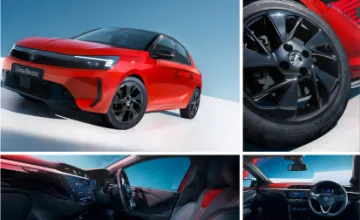
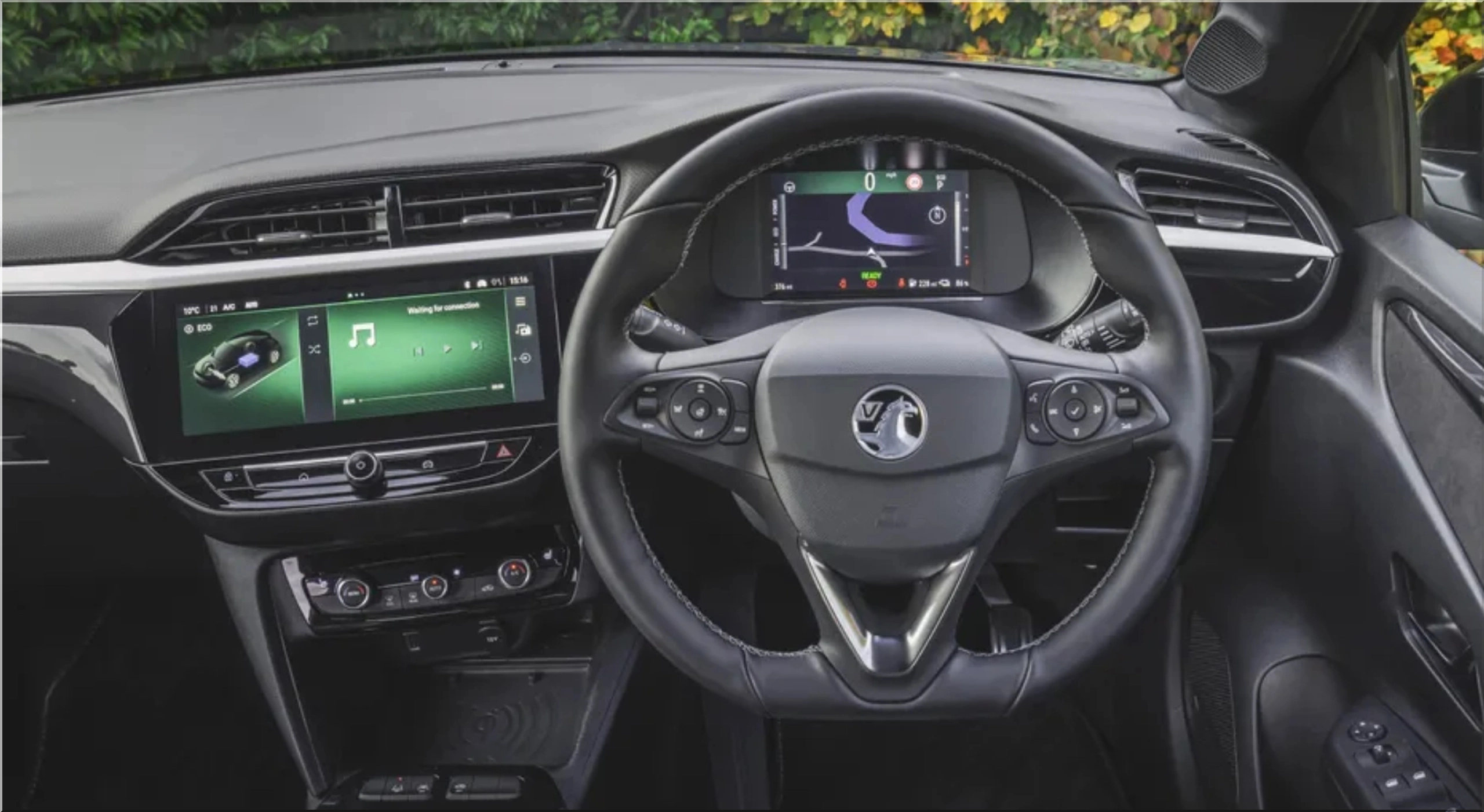
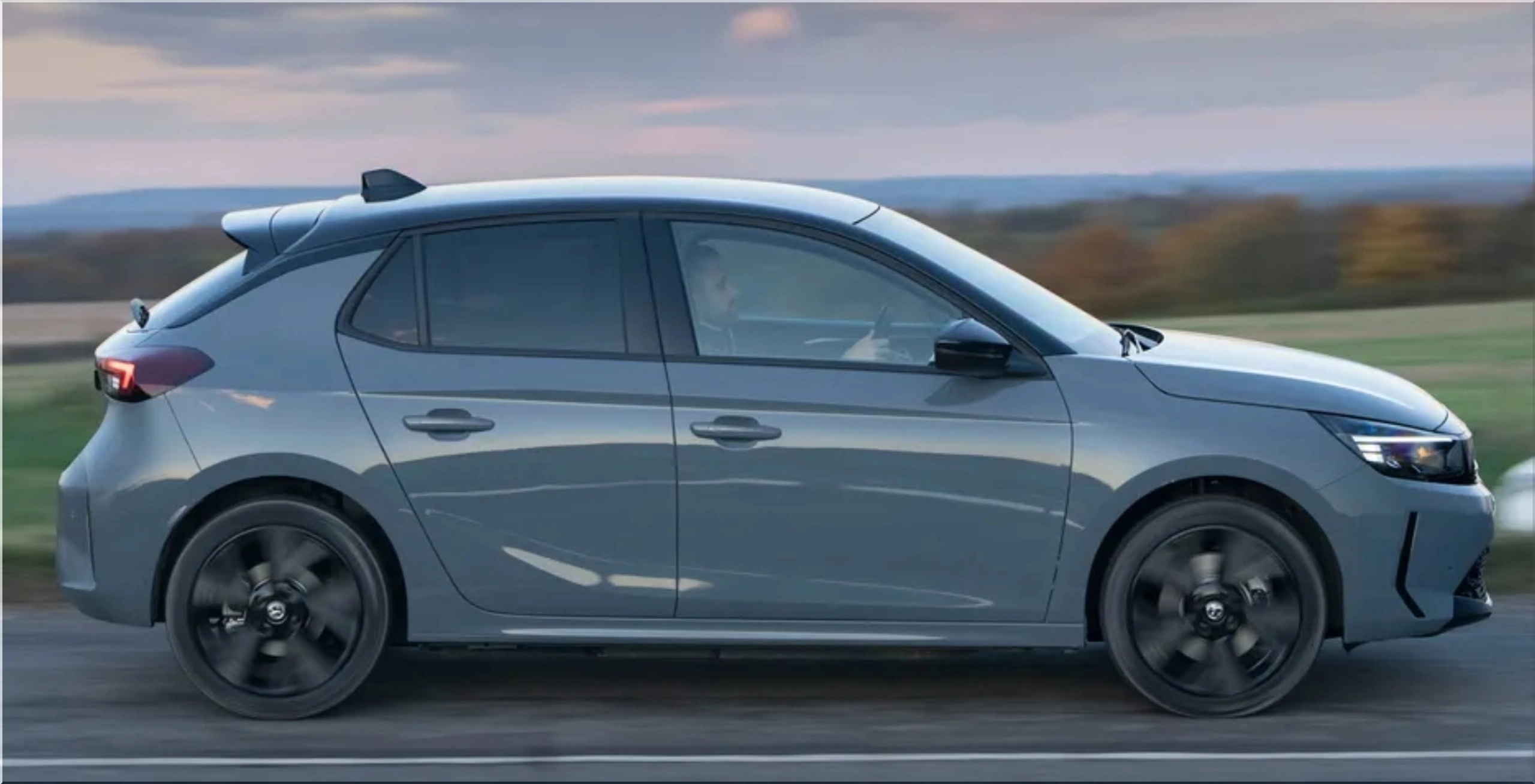
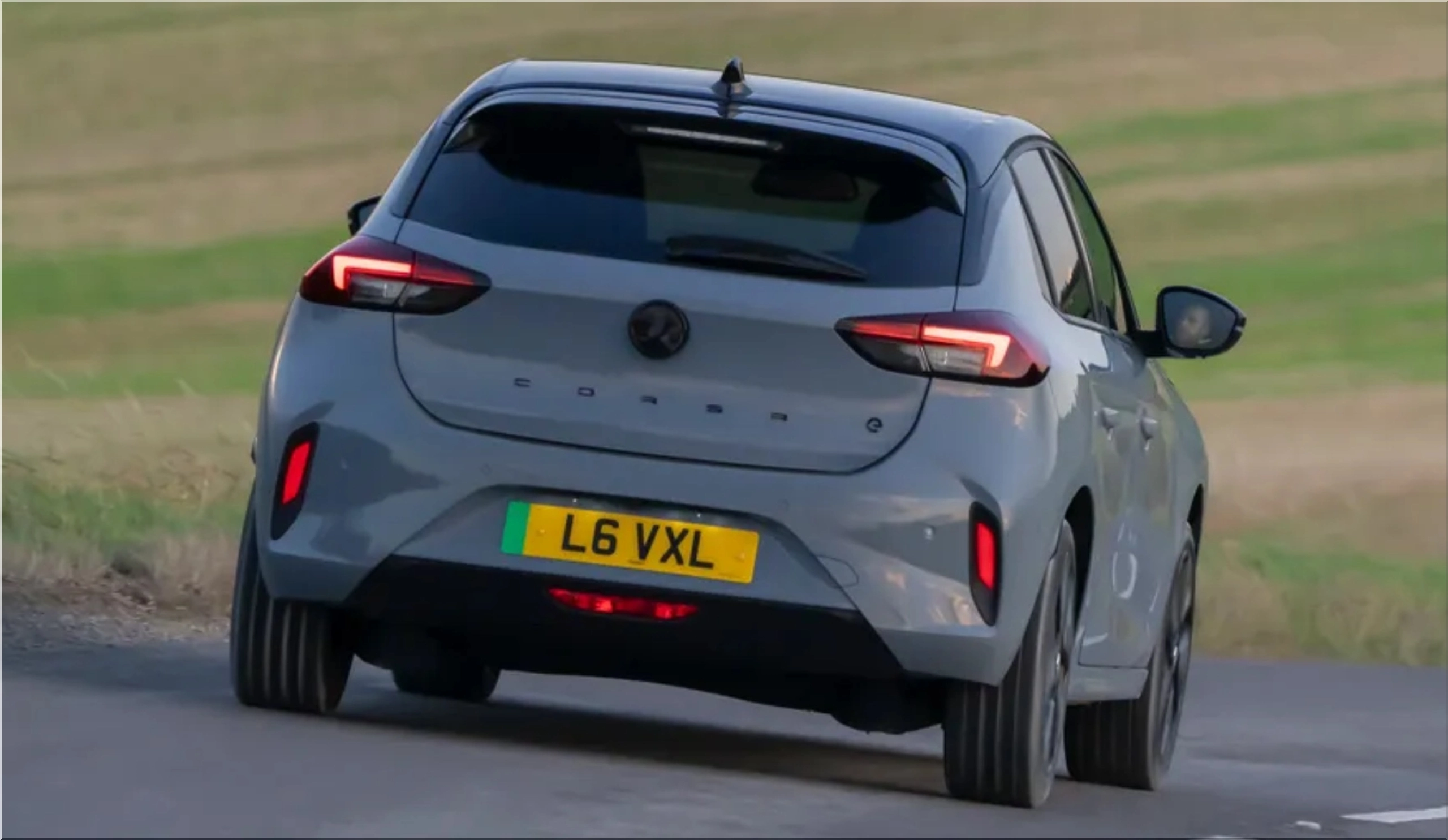
1. Vauxhall Corsa Electric
- Compact design ideal for urban areas.
- Offers a range of up to 222 miles per charge.
- Starting price: $29,000 USD.
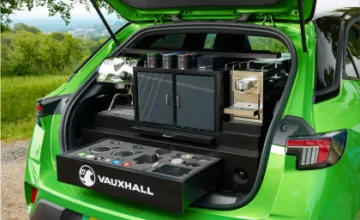
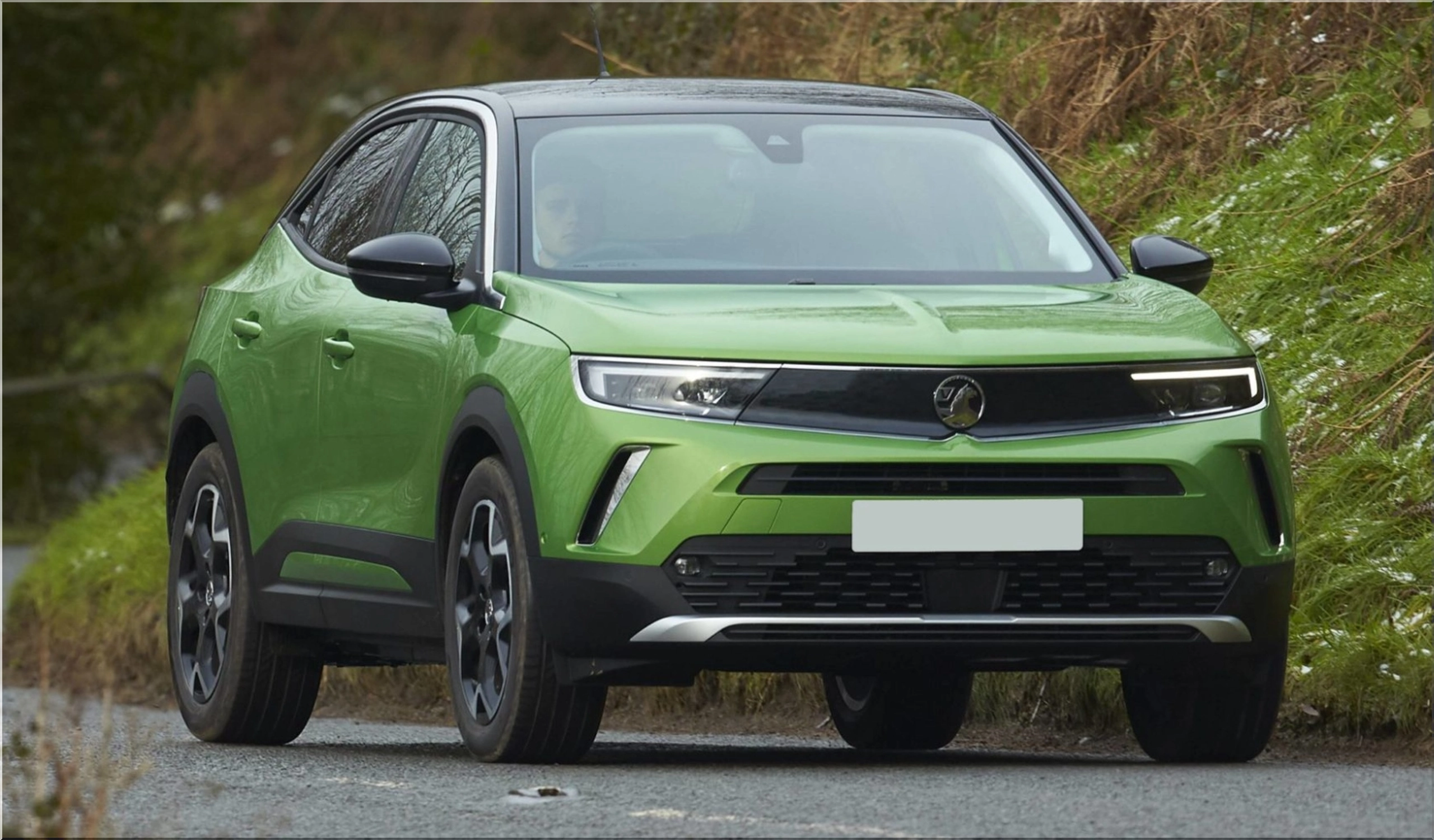
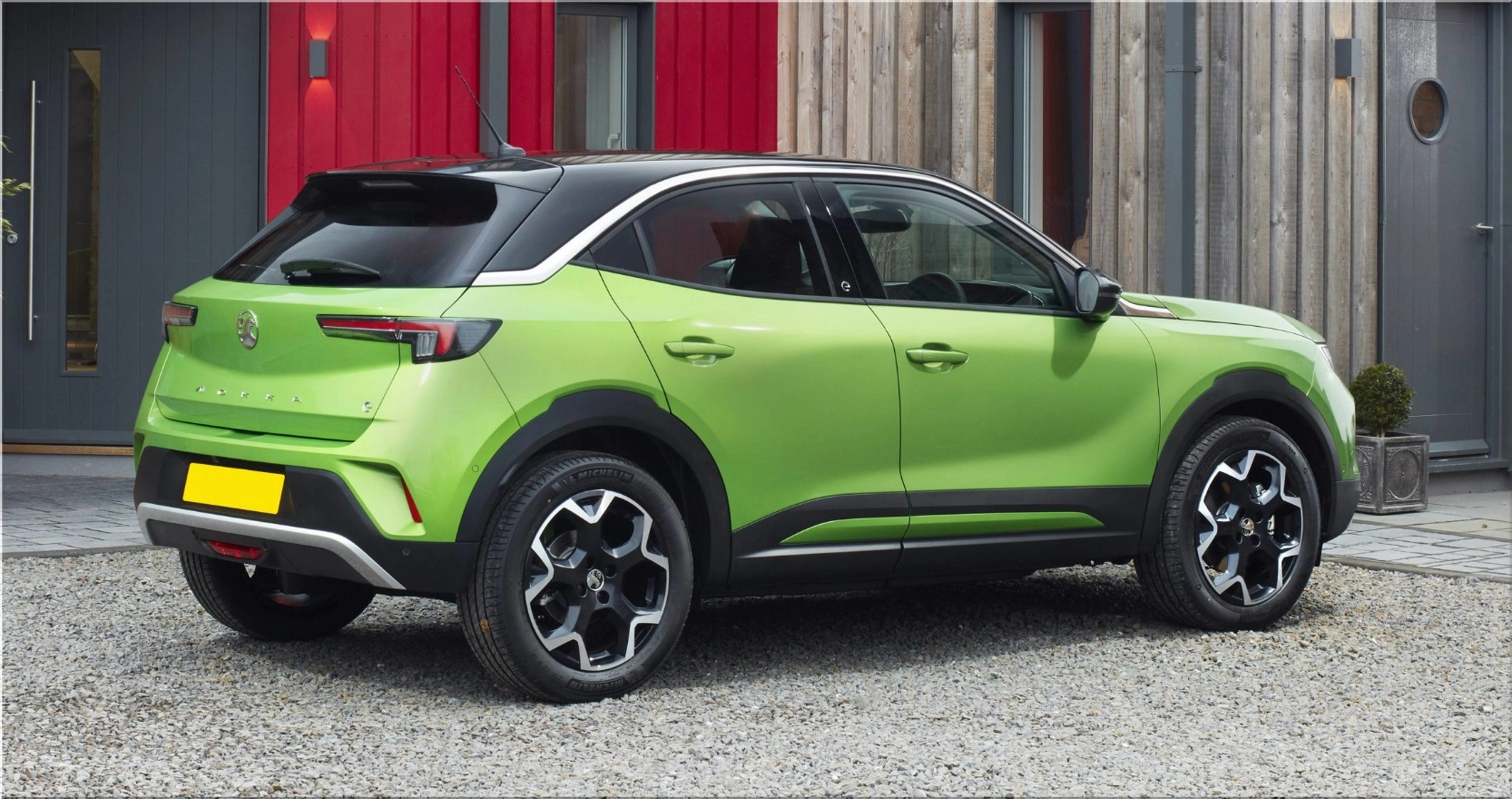
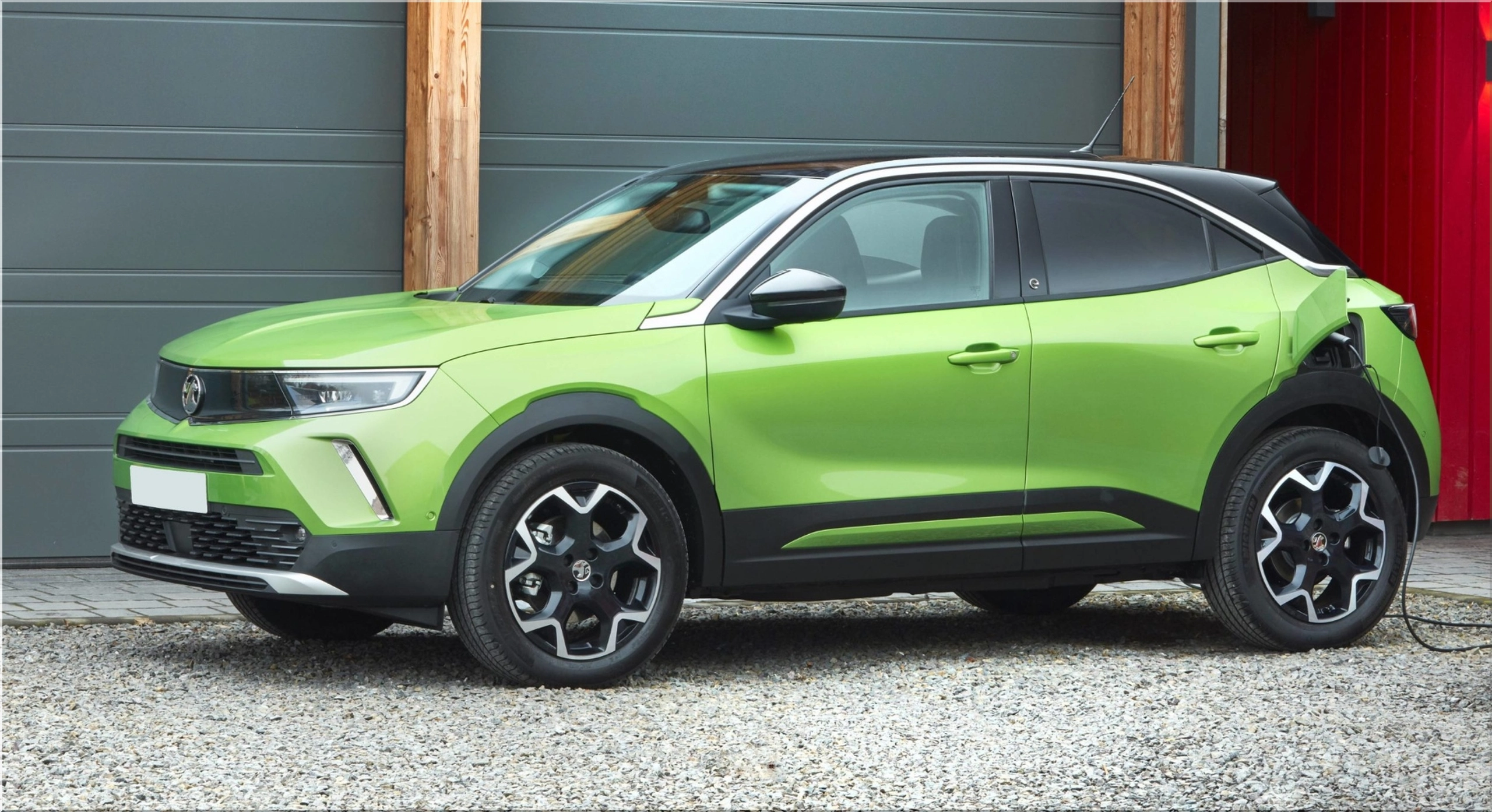
2. Vauxhall Mokka Electric
- A compact SUV catering to families.
- Range: 201 miles per charge.
- Starting price: $32,000 USD.
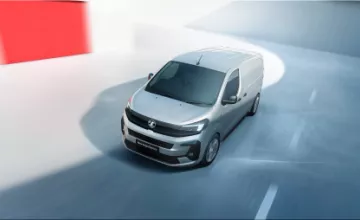
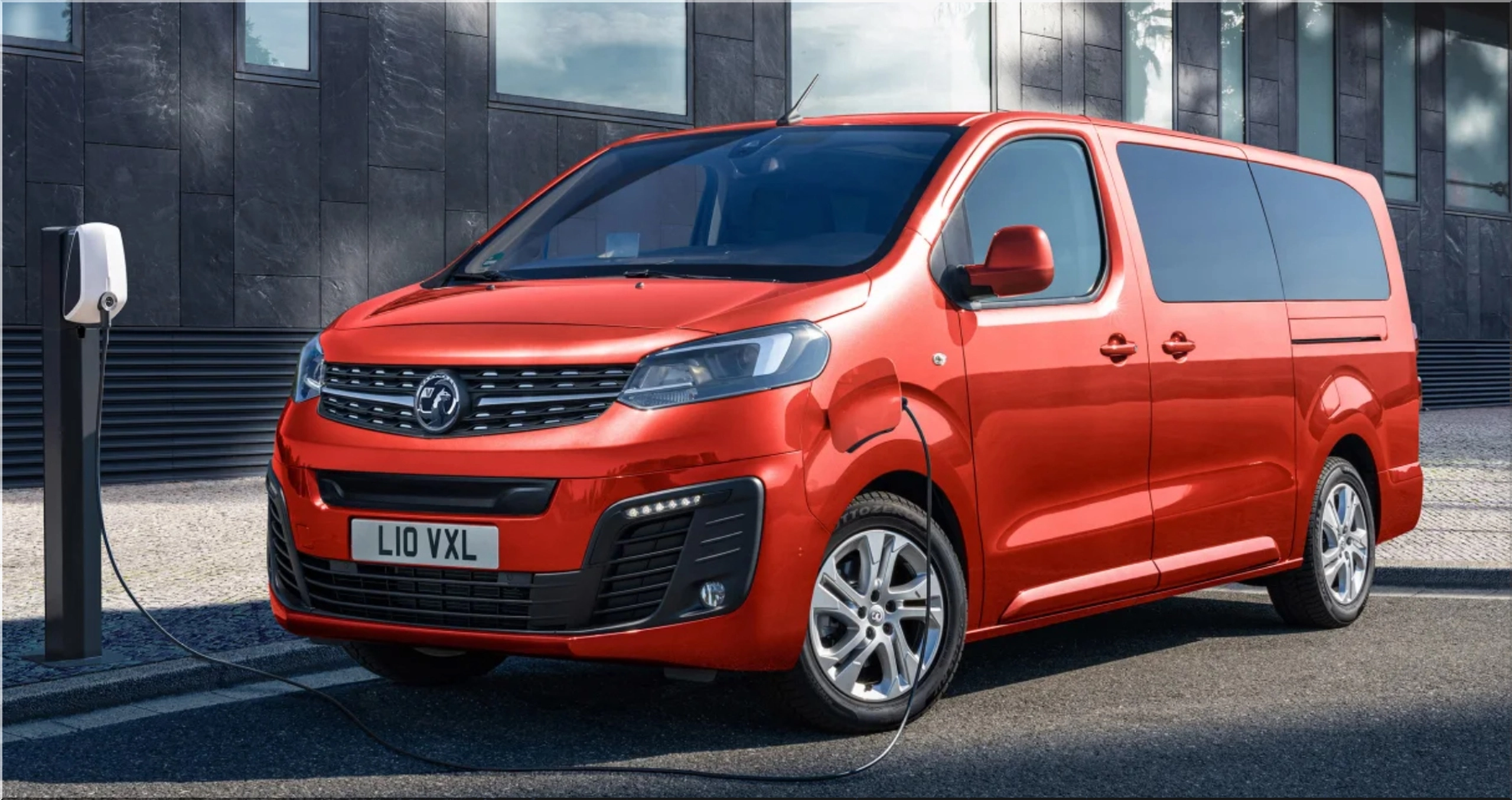
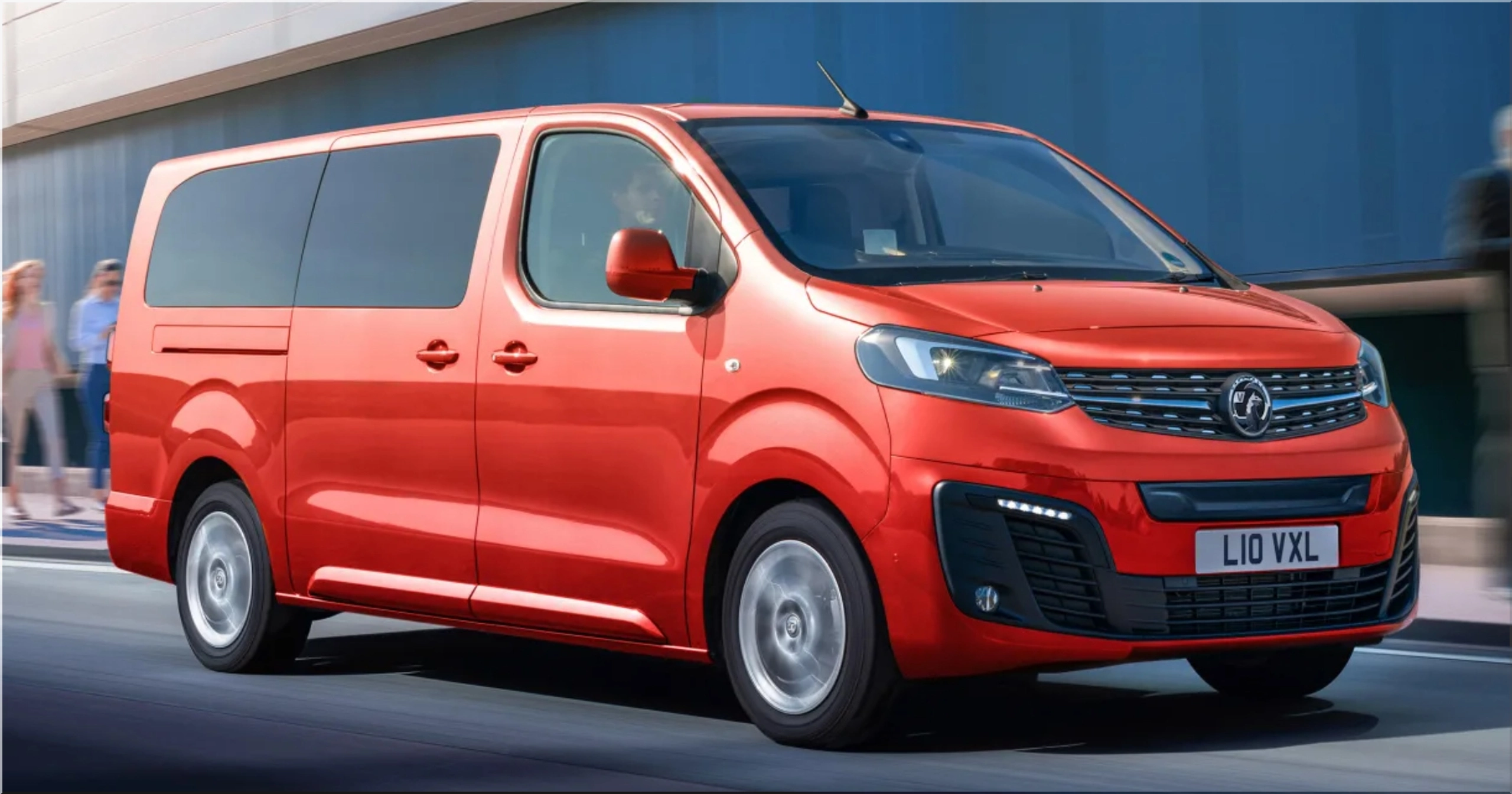
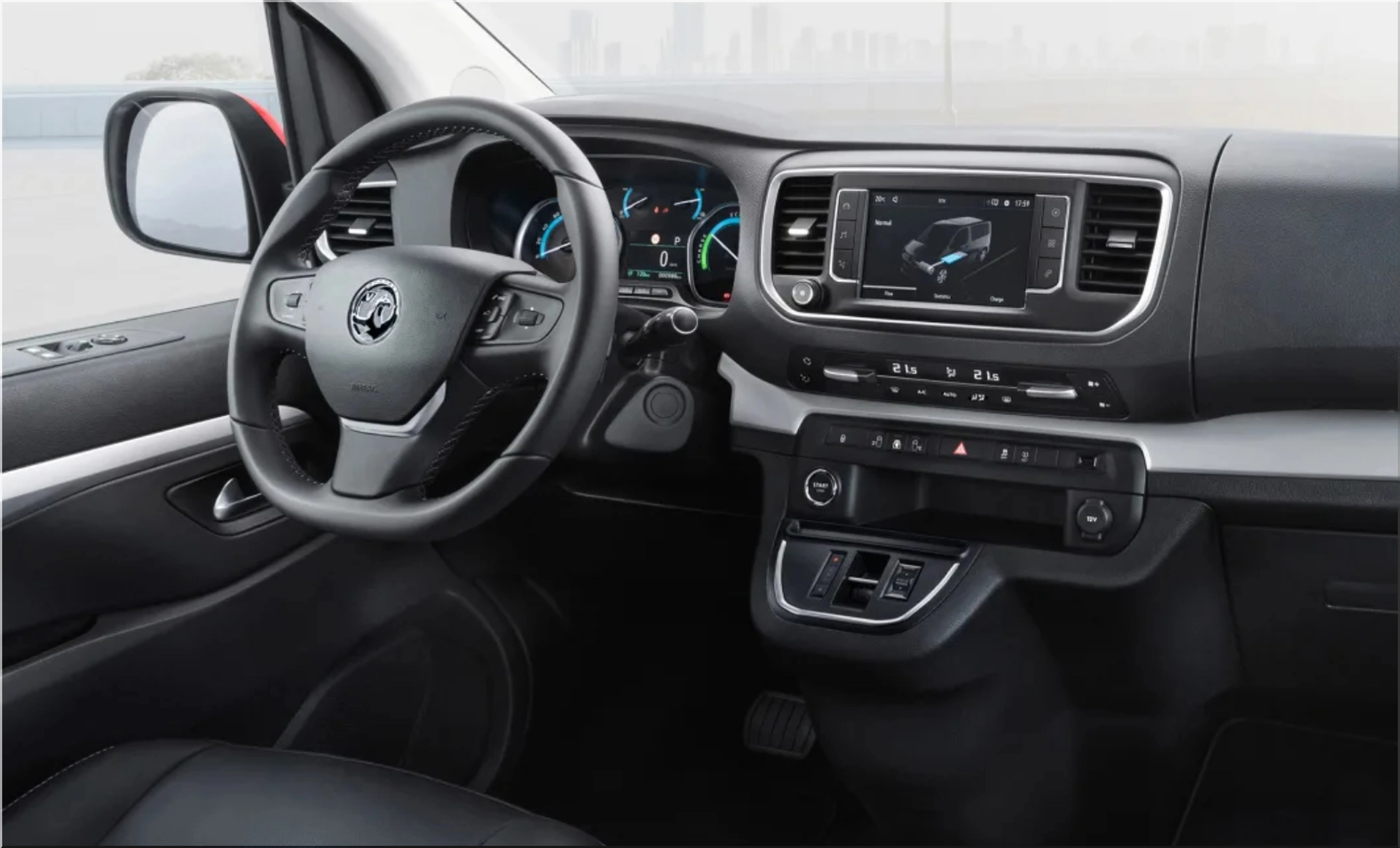
3. Vauxhall Vivaro-e
- Designed for commercial use.
- Range: 205 miles per charge with practical cargo space.
- Starting price: $38,000 USD.
Retail vs. Motability: A Balanced Strategy
Vauxhall’s strategy has been to balance growth across both retail and Motability channels:
Retail Channel:
- Competitive pricing combined with financing options.
- Strong brand presence in both urban and rural areas.
Motability Channel:
- Tailored solutions for disabled drivers and passengers.
- Simplified leasing processes and maintenance support.
Market Impact and Consumer Perception
Vauxhall’s performance reflects broader trends:
- Increased EV Adoption: The brand’s popularity signals growing consumer confidence in electric vehicles.
- Shift in Fleet Preferences: Businesses are prioritizing sustainable transport solutions, with Vauxhall models at the forefront.
- Accessibility: The focus on affordable, practical EVs has broadened market appeal.
Comparison with Competitors
| Brand | Market Share (2024) | Popular Model | Starting Price (USD) | Range (Miles) |
|---|---|---|---|---|
| Vauxhall | 25% | Vauxhall Corsa Electric | $29,000 | 222 |
| Tesla | 22% | Tesla Model 3 | $40,000 | 358 |
| Nissan | 18% | Nissan Leaf | $28,000 | 212 |
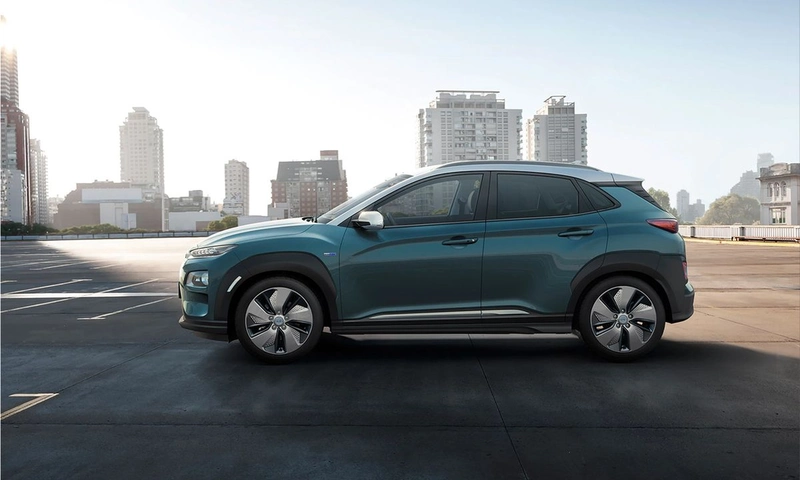
| Hyundai | 15% | Hyundai Kona Electric | $35,000 | 258 |
| Volkswagen | 12% | Volkswagen ID.3 | $37,000 | 260 |

Government Support and Industry Collaboration
Key factors aiding Vauxhall include:
Subsidies and Grants:
- Purchase incentives lowering upfront costs.
- Charging infrastructure subsidies reducing operational barriers.
Partnerships:
- Collaborations with energy providers for charging solutions.
- Joint ventures in EV battery technology.
Challenges Ahead
Despite its success, Vauxhall faces challenges:
1. Infrastructure:
- Charging network expansion remains crucial to meeting rising demand.
2. Competition:
- Established players like Tesla and emerging brands intensify market dynamics.
3. Supply Chain:
- Ensuring consistent component availability, especially for batteries.
Future Outlook
Vauxhall’s trajectory in 2025 and beyond will depend on:
- Launching new models with longer ranges and improved affordability.
- Expanding its presence in the commercial EV market.
- Continued focus on environmental sustainability and innovation.
Image gallery:


Conclusion
Vauxhall’s 2024 achievement as the UK’s best-selling electric car brand reflects strategic foresight and effective execution. By balancing affordability, accessibility, and performance, the brand has redefined success in the EV market. As the industry evolves, Vauxhall’s commitment to innovation positions it as a key player in the global transition to sustainable mobility.
- Add new comment
- 179 views