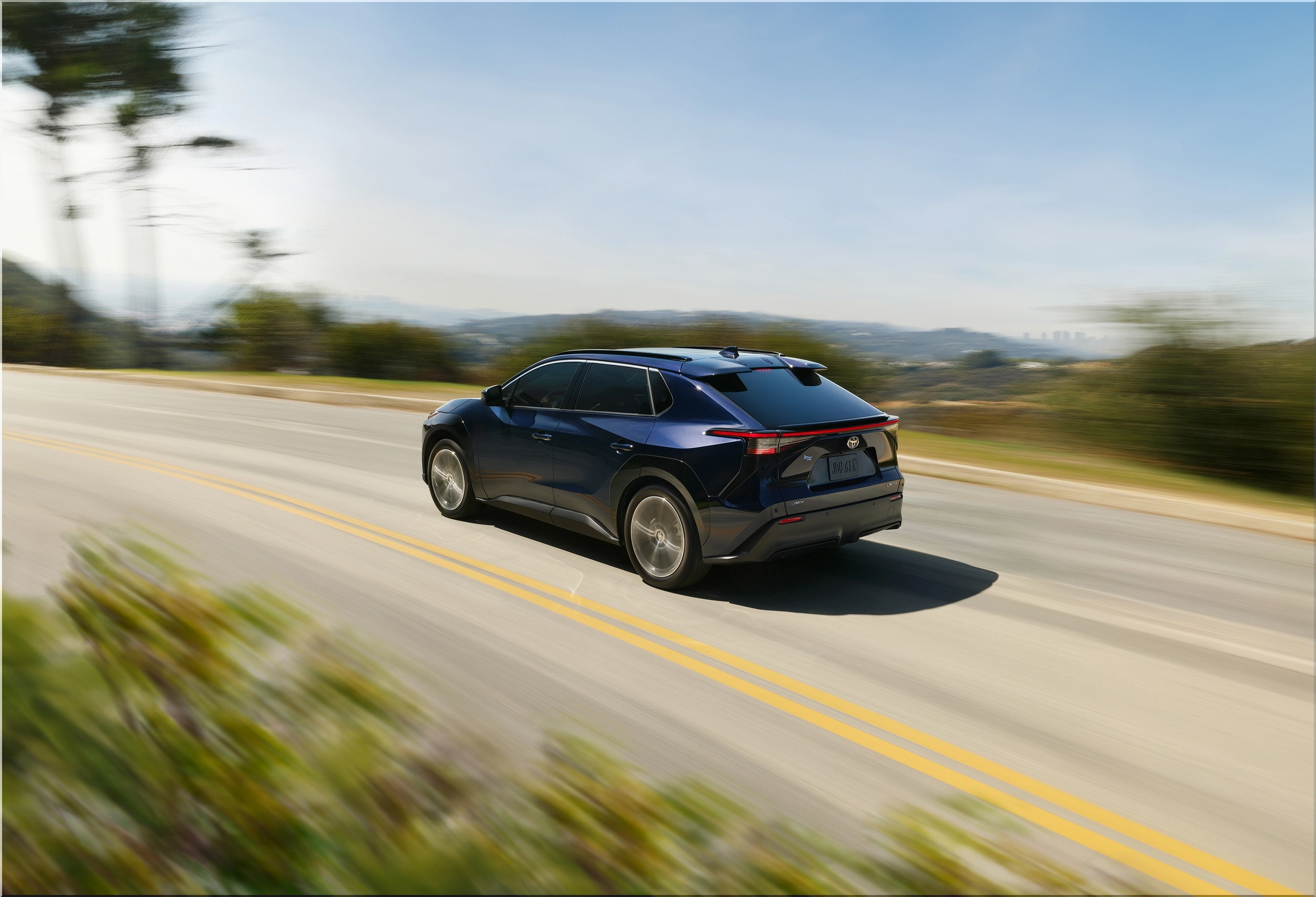
The 2026 Toyota bZ lineup introduces major upgrades aimed at convenience, charging access, and user experience. With a larger network of DC fast chargers, new Plug & Charge technology, and Apple Maps EV Routing, Toyota continues scaling its electric vehicle (EV) strategy in North America. The updates reflect a focused effort to make daily EV ownership simpler and more consistent across brands and networks.
Expanded Charging Network Integration
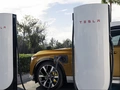
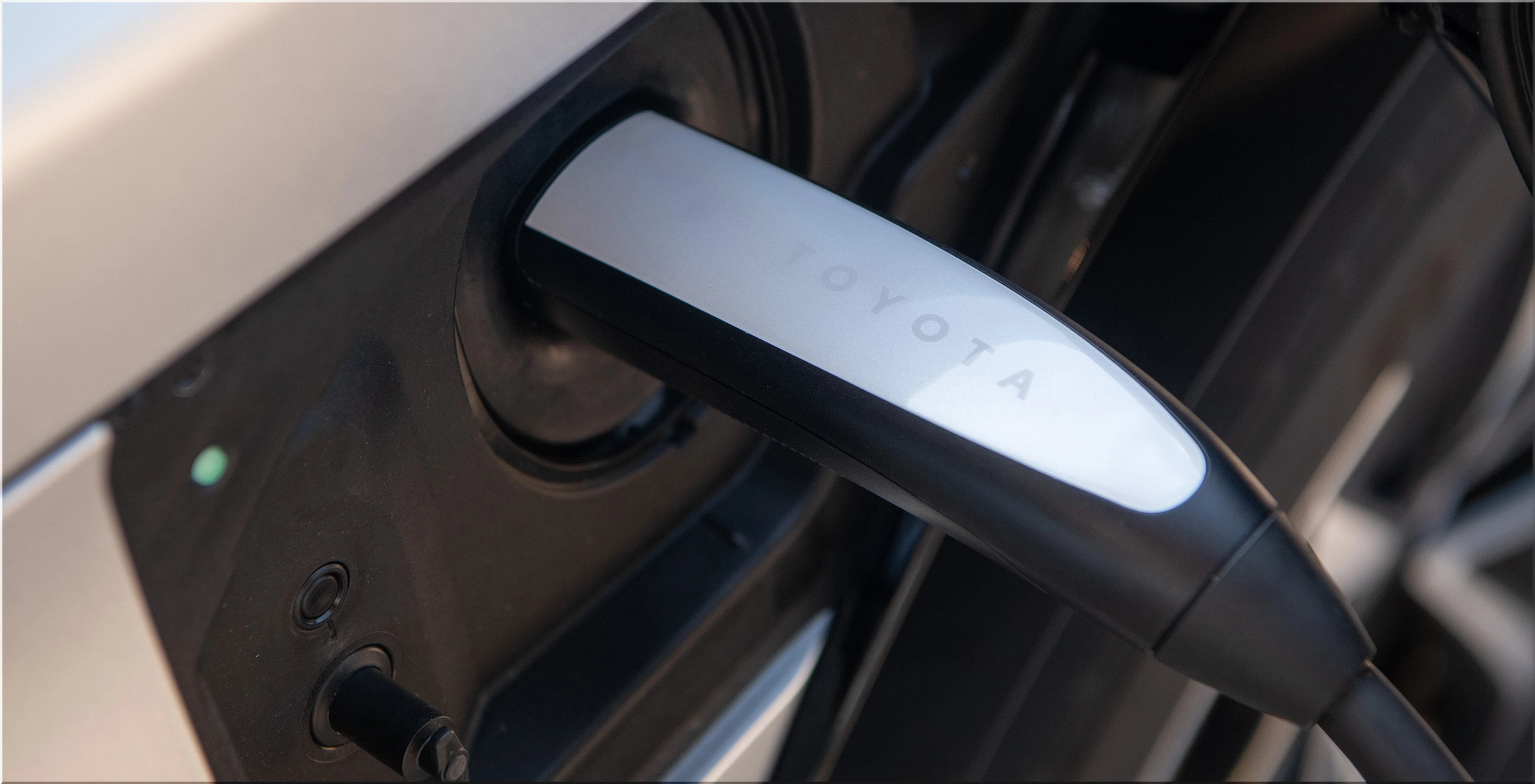
Starting this year, 2026 Toyota bZ electric SUV drivers can access more than 25,000 Tesla Supercharger plugs across North America. This move aligns Toyota with the North American Charging Standard (NACS), broadening charging flexibility for new battery-electric vehicles.
Toyota has also confirmed compatibility with other major DC fast-charging networks, including:
- IONNA
- ChargePoint
- EVgo
These partnerships, combined with the Tesla integration, give Toyota one of the most comprehensive public charging footprints among non-Tesla brands. Drivers can locate chargers via the Toyota app, which displays compatible SAE J3400 and NACS charging sites in real time.
Plug & Charge Simplifies the Experience
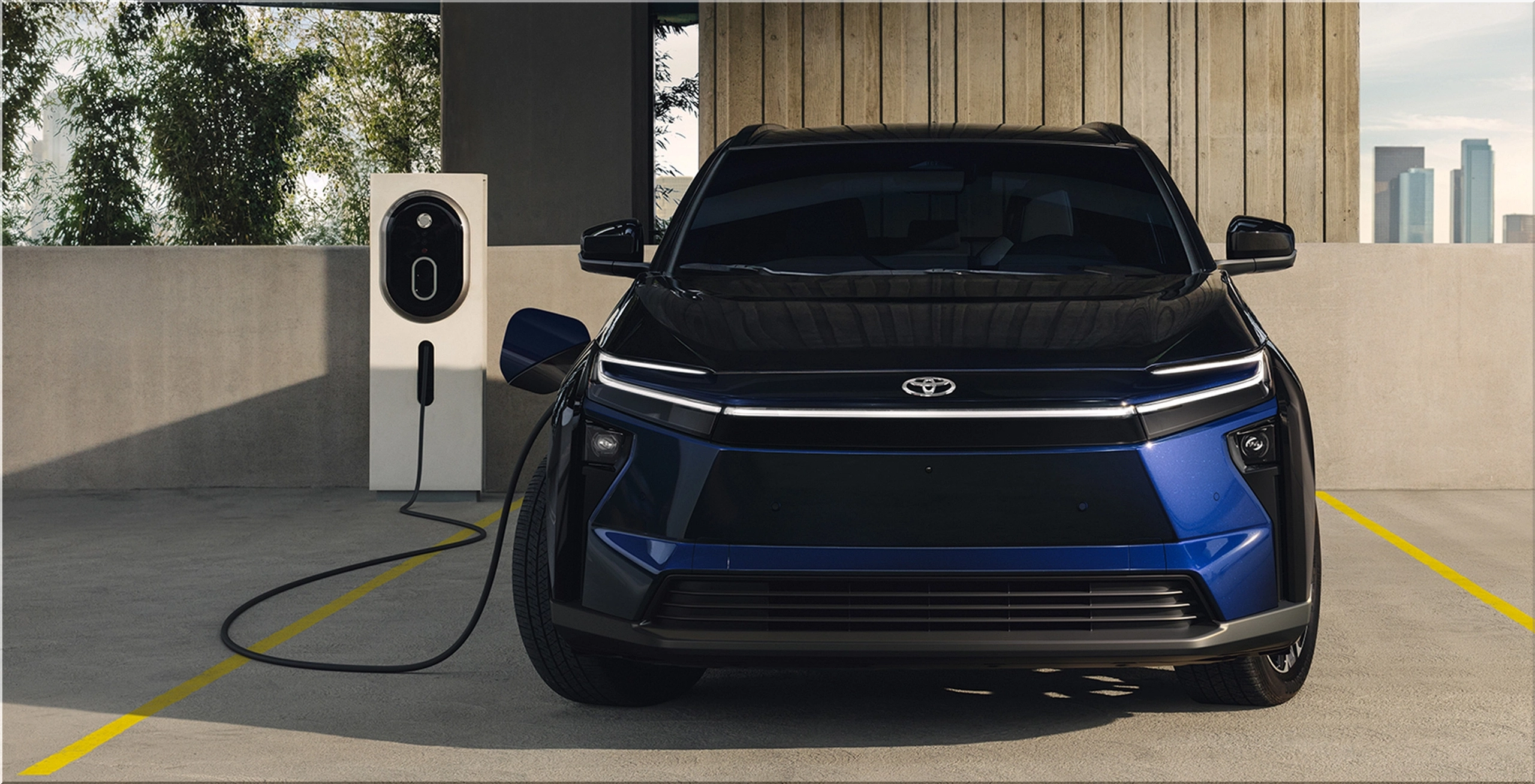
The new Plug & Charge function removes the need for payment apps or RFID cards. After a one-time setup through the Toyota app, drivers can start charging by simply plugging in. The system automatically handles authentication and billing.
The Tesla Supercharger Network will be the first Plug & Charge–enabled platform for Toyota’s 2026 battery-electric vehicles. Additional charging networks, such as IONNA and EVgo, will follow.
According to Thibaut de Barros Conti, vice president of Business Development at Toyota Motor North America, this rollout supports the brand’s goal to provide “a high-quality Toyota experience our customers can count on for the long haul.” The upgrade demonstrates Toyota’s ongoing push to deliver practical solutions rather than chasing early technology trends.
Complimentary Charging Adapters for Older Models
Toyota is also extending support to earlier bZ4X owners. Starting in November 2025, model year 2023–2025 bZ4X customers will receive a letter offering one complimentary NACS charging adapter. This adapter provides backward compatibility for SAE J1772 and Combined Charging System (CCS) stations.
Each adapter will meet Toyota’s in-house standards for durability and quality and will carry full Toyota warranty coverage. The move gives existing BEV owners more flexibility, ensuring long-term usability across North America’s evolving charging infrastructure.
The company also cautions that using unauthorized adapters may void the vehicle warranty or affect performance and safety—a reminder that Toyota-approved hardware remains the only safe option for reliable charging.
Smarter Navigation with Apple Maps EV Routing
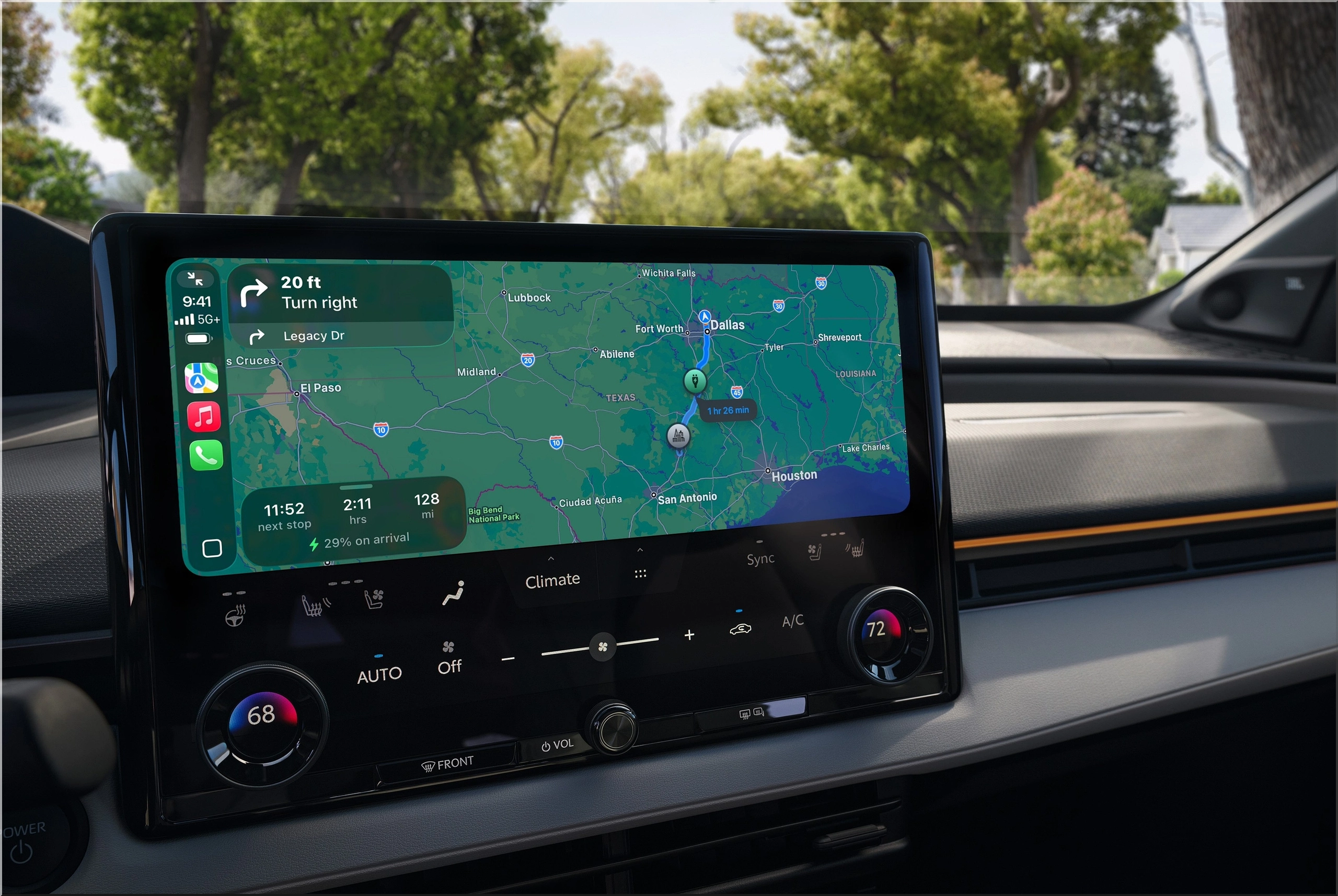
Toyota’s latest BEVs now integrate Apple Maps EV Routing through Apple CarPlay. The feature uses real-time vehicle data—battery charge, range estimates, and even elevation—to optimize routes toward compatible charging stations. Available across all 2023 and newer Toyota BEVs, the feature improves charging stop accuracy for iPhone users.
This integration means drivers get route planning that adjusts automatically based on energy consumption, road gradients, and current vehicle performance. Toyota expects this function to reduce range anxiety and make long-distance EV trips more predictable.
Charging Network Summary
| Charging Network | Plug Type | Plug & Charge Support (2026) | Coverage in North America |
|---|---|---|---|
| Tesla Supercharger | NACS (SAE J3400) | Yes | 25,000+ plugs |
| IONNA | CCS / NACS | Coming soon | Expanding rapidly |
| ChargePoint | CCS / J1772 | Coming soon | Widespread |
| EVgo | CCS / NACS | Coming soon | Urban and suburban areas |
This chart underscores Toyota’s strategic alignment with the NACS standard, which many automakers have now adopted for the North American market.
Toyota’s Growing BEV Commitment
The expanded charging ecosystem supports Toyota’s broader electrification strategy. While Toyota continues producing hybrids and plug-in hybrids, the 2026 bZ lineup signals its confidence in battery-electric vehicles as a core component of its U.S. portfolio.
Toyota has also invested in IONNA, a joint venture among seven automakers, to accelerate fast-charger deployment across North America. The goal is to reduce wait times and standardize user experiences between brands.
These changes align with Toyota’s long-term plan to sell 1.5 million EVs annually by 2030, supported by ongoing investment in battery manufacturing facilities in North Carolina and Japan.
What This Means for EV Buyers
For new Toyota BEV owners, the 2026 update delivers measurable value:
- Wider charging access: Over 25,000 additional charging plugs, including Tesla Superchargers.
- Simplified setup: Plug & Charge eliminates app or card-based payment steps.
- Future-proofing: Compatibility with NACS and CCS ensures longevity.
- Smarter navigation: Apple Maps EV Routing reduces charging uncertainty.
- Support for existing owners: Free NACS adapters for 2023–2025 bZ4X models.
Each feature contributes to a streamlined, reliable EV ownership experience—something Toyota customers have come to expect from the brand’s hybrid legacy.
Pricing and Availability
The 2026 Toyota bZ begins arriving at U.S. dealers in late October 2025. Pricing starts near $43,000 USD, depending on trim level and regional incentives. Each model includes complimentary adapters and Plug & Charge compatibility out of the box.
Existing Toyota bZ4X owners will be contacted directly by mail to schedule adapter pickup at authorized dealers.

Competitive Context
By integrating Tesla Supercharger access and standardizing Plug & Charge, Toyota joins Ford, GM, and Hyundai in adopting the NACS format. Unlike some competitors, Toyota’s solution integrates directly through its Toyota app, combining location services, charging status, and billing within one interface.
This positions the company to compete more directly in the growing U.S. EV segment without overhauling its existing BEV lineup. It’s a pragmatic move: Toyota focuses on user experience and network expansion rather than releasing entirely new models.
Bottom Line
The 2026 Toyota bZ upgrades deliver practical progress where it counts—charging access, simplicity, and long-term usability. By expanding compatibility, offering Plug & Charge, and integrating Apple Maps EV Routing, Toyota makes EV ownership smoother and more consistent.
While competitors race to launch new models, Toyota’s strategy is clear: make existing battery-electric vehicles smarter, more connected, and easier to live with.
For electric vehicle (EV) drivers, range anxiety can be a constant companion. But what if you could conquer the open road with the confidence of having one of the world's largest charging networks at your fingertips? Buckle up, because… Continue reading
Cadillac’s 2026 VISTIQ, positioned between the LYRIQ and the ESCALADE IQ, is set to revolutionize the luxury electric SUV space. Priced at approximately $77,395, the VISTIQ blends cutting-edge technology, robust performance, and… Continue reading
Starting June 2025, Acura ZDX owners will gain direct access to over 15,000 Tesla Superchargers across North America. This move comes as part of Honda’s collaboration with Tesla to adopt the North… Continue reading
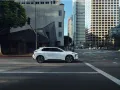
Toyota has updated its bZ electric SUV—formerly the bZ4X—with major performance, charging, and design improvements for the 2026 model year. The changes aim to increase EV appeal with better… Continue reading