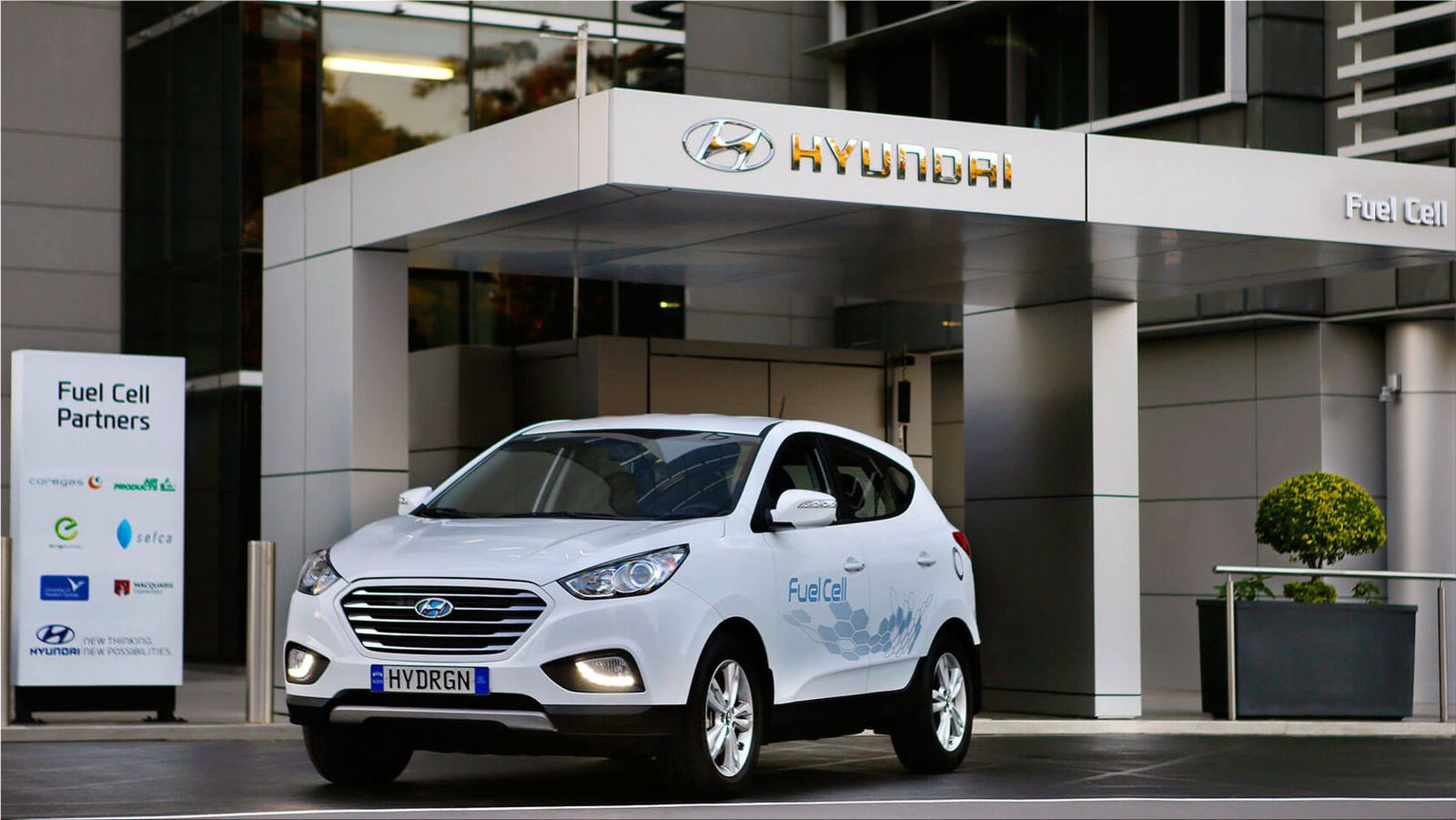
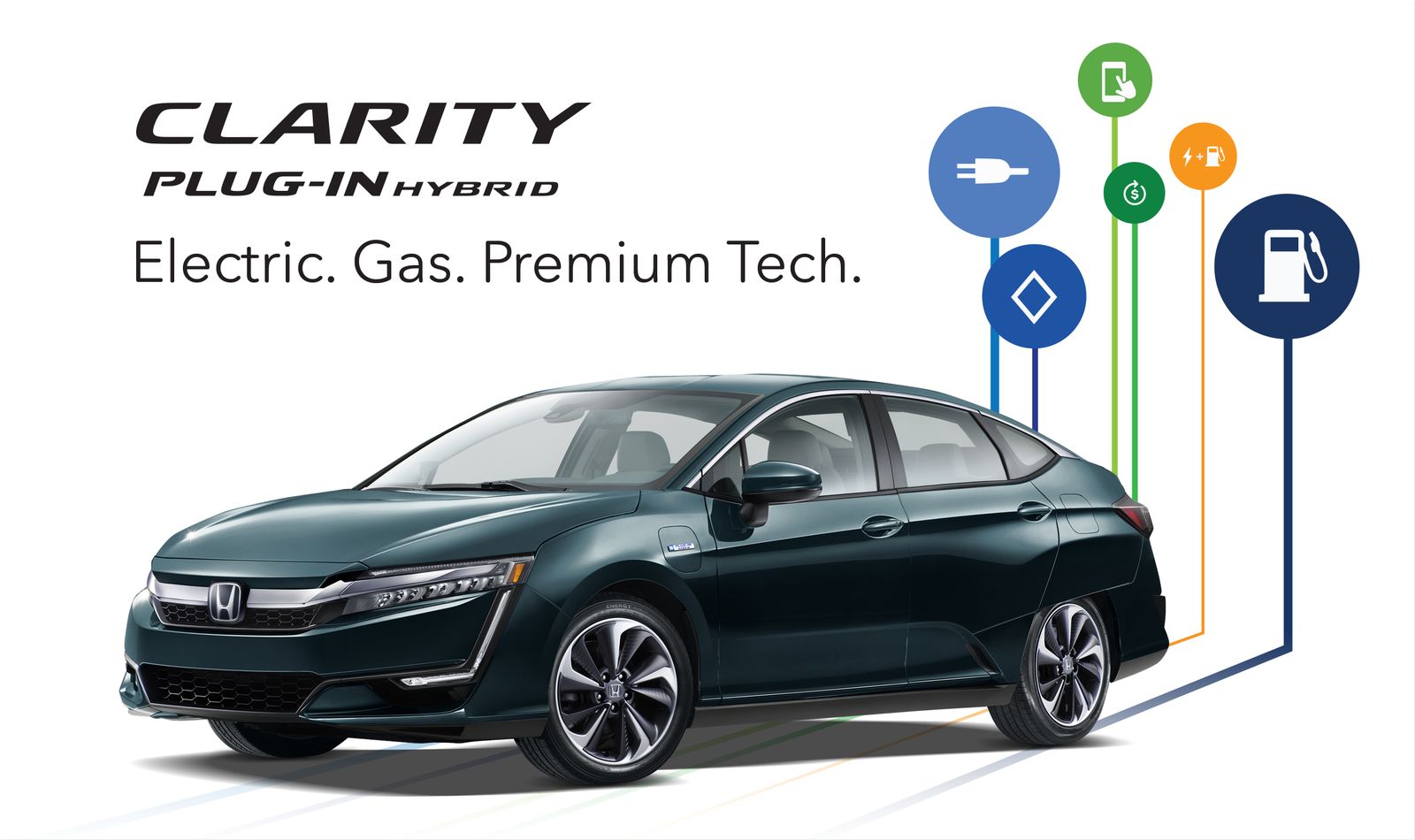
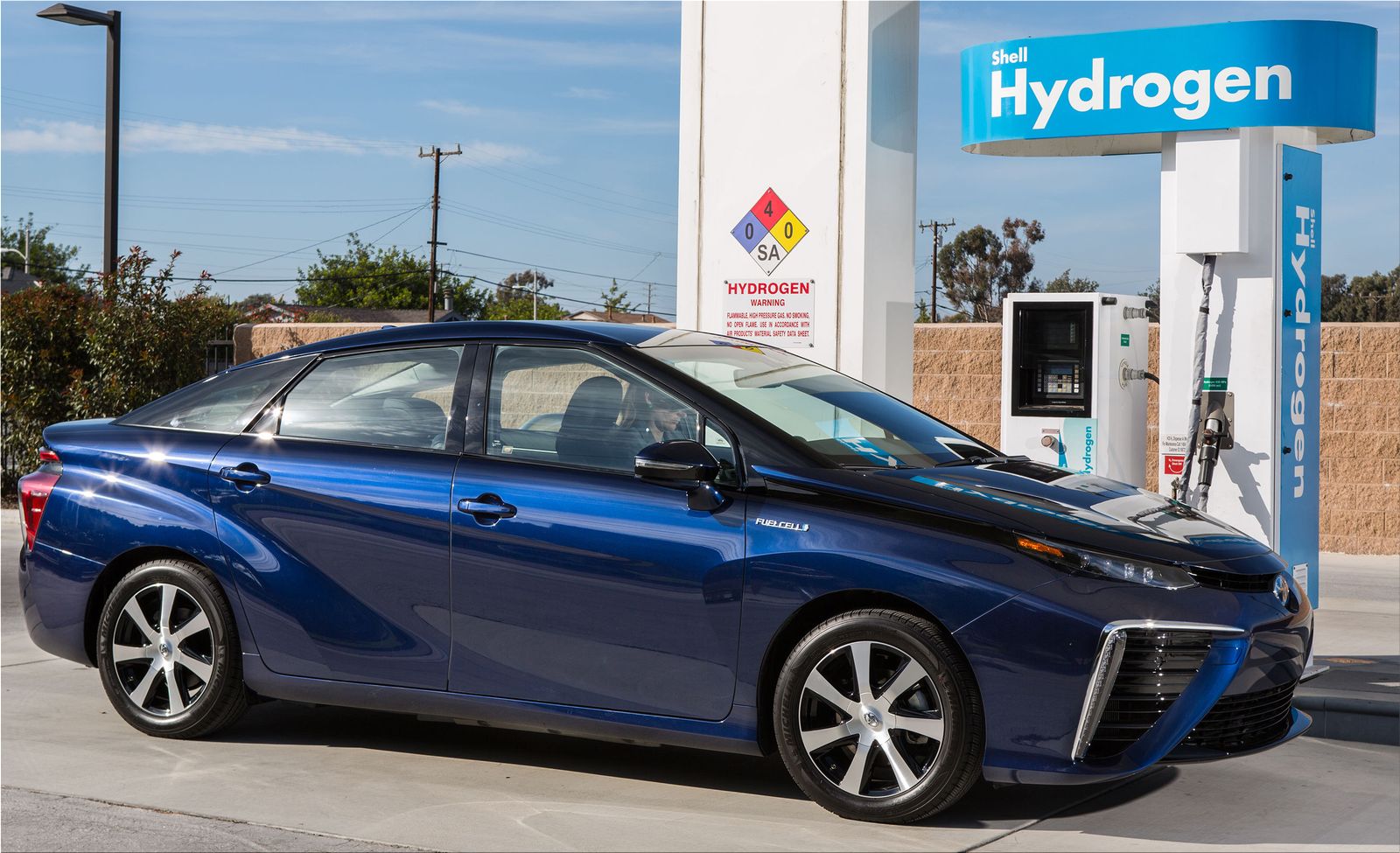
The Japanese automobile manufacturers Toyota, Nissan and Honda, along with eight other companies, have formed Japan H2 Mobility, a company that will be dedicated to the development of hydrogen stations for fuel cell vehicles in Japan.
The objective of Japan H2 Mobility is to gradually increase the number of fuel cell vehicles in Japan and in parallel to make sustainable the hydrogenation business.
The initial capital of Japan H2 Mobility is $469,948 and will be chaired by Hideki Sugawara. The purpose is to begin the building of 80 stations throughout the country for the year 2021, according to 'Strategic roadmap for hydrogen and fuel cells'.
Japan H2 Mobility will start operating in April 2018, with the goal of attracting the maximum possible participation of hydrogenation operators and investors.

Citroën launches this electric offensive by unveiling its signature “Inspirëd By You All” dedicated to electrified vehicles and its technological flagship: C5 Aircross SUV Hybrid, the Silent Urban Vehicle plug-in hybrid. In 2020,… Continue reading

The American electric car startup Eli has built an electric city car, called Eli Zero, which is a successful combination of a Renault Twizy and an electric Smart Fortwo. In urban mobility, the electric car should play a major role in the… Continue reading

The new Opel Combo-e Cargo is now available in Europe for a starting price of 29,700 euros net. The all-electric high-roof van is a step down from the Opel Vivaro-e electric van, followed by the big Opel Movano-e later this year. The Opel… Continue reading

Citroen is committed to offering economical, personalized, and environmentally friendly transportation options: the Citroen Oli family electric car. The Citroen Oli concept car, inspired by the popularity of the Citroen Ami, features… Continue reading