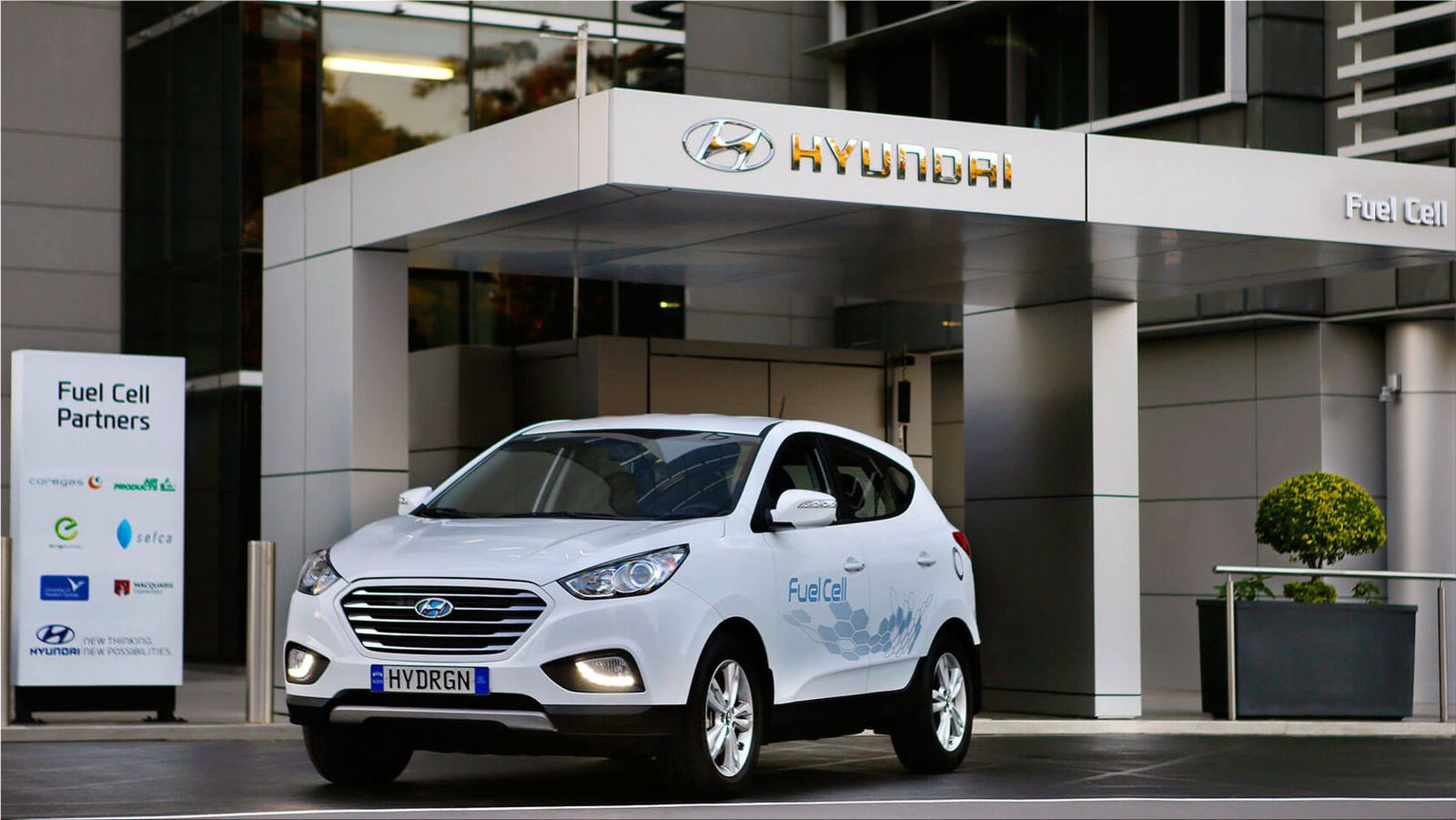
The Japanese automobile manufacturers Toyota, Nissan and Honda, along with eight other companies, have formed Japan H2 Mobility, a company that will be dedicated to the development of hydrogen stations for fuel cell vehicles in Japan.
The objective of Japan H2 Mobility is to gradually increase the number of fuel cell vehicles in Japan and in parallel to make sustainable the hydrogenation business.
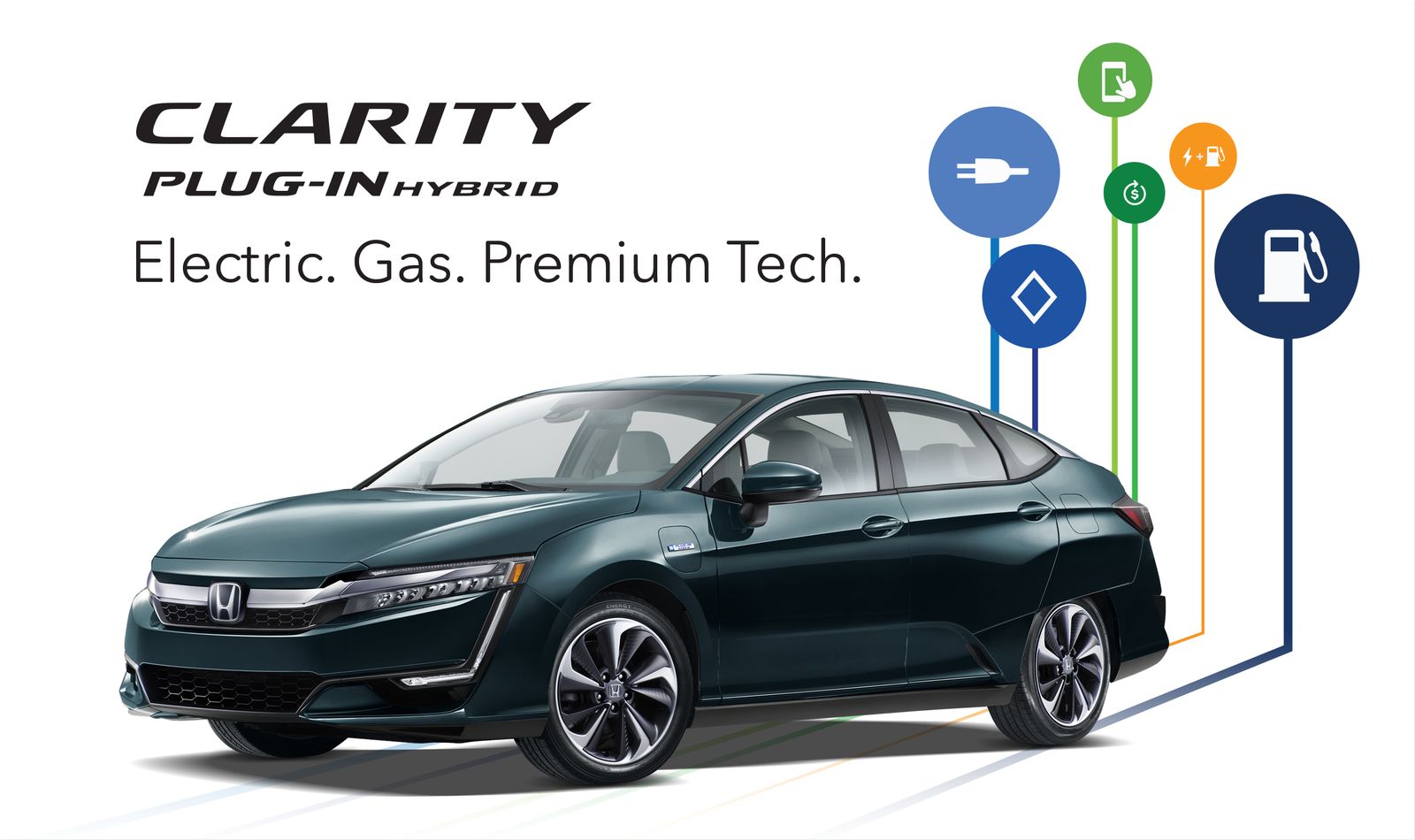
The initial capital of Japan H2 Mobility is $469,948 and will be chaired by Hideki Sugawara. The purpose is to begin the building of 80 stations throughout the country for the year 2021, according to 'Strategic roadmap for hydrogen and fuel cells'.
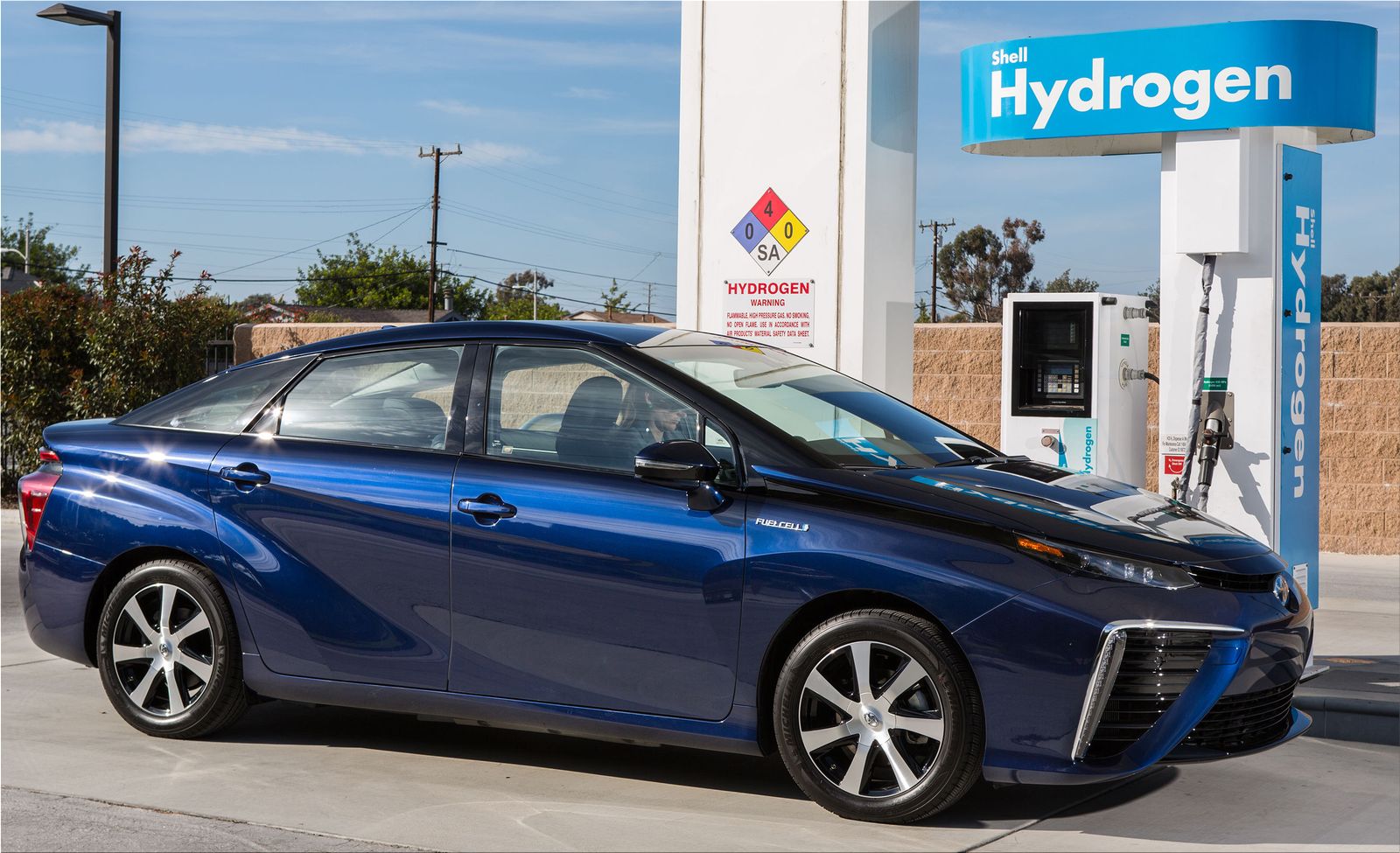
Japan H2 Mobility will start operating in April 2018, with the goal of attracting the maximum possible participation of hydrogenation operators and investors.

Electric cars are taking over the world. In 2023, more than 14 million electric cars were sold globally, accounting for 18% of total car sales. This is a remarkable increase from just 5% in 2020 and 9% in 2021. Electric cars are better for… Continue reading

Kia has launched its new EV9, a large electric SUV that offers three rows of seats, a range of up to 541 km, and ultra-fast charging in Sweden. The EV9 is Kia's first three-row electric flagship SUV, and it aims to challenge the… Continue reading

Electric Vehicle (EV) giant BYD (Build Your Dreams) has set its sights on a new market – Greece. On March 22nd, 2024, the company officially debuted its electric cars in the Greek market, marking a… Continue reading

The Audi Q4 35 e-tron boasts an impressive EPA-estimated range of up to 227 miles (365 kilometers) on a single charge. This ensures you can confidently navigate through cityscapes and embark on extended journeys without… Continue reading