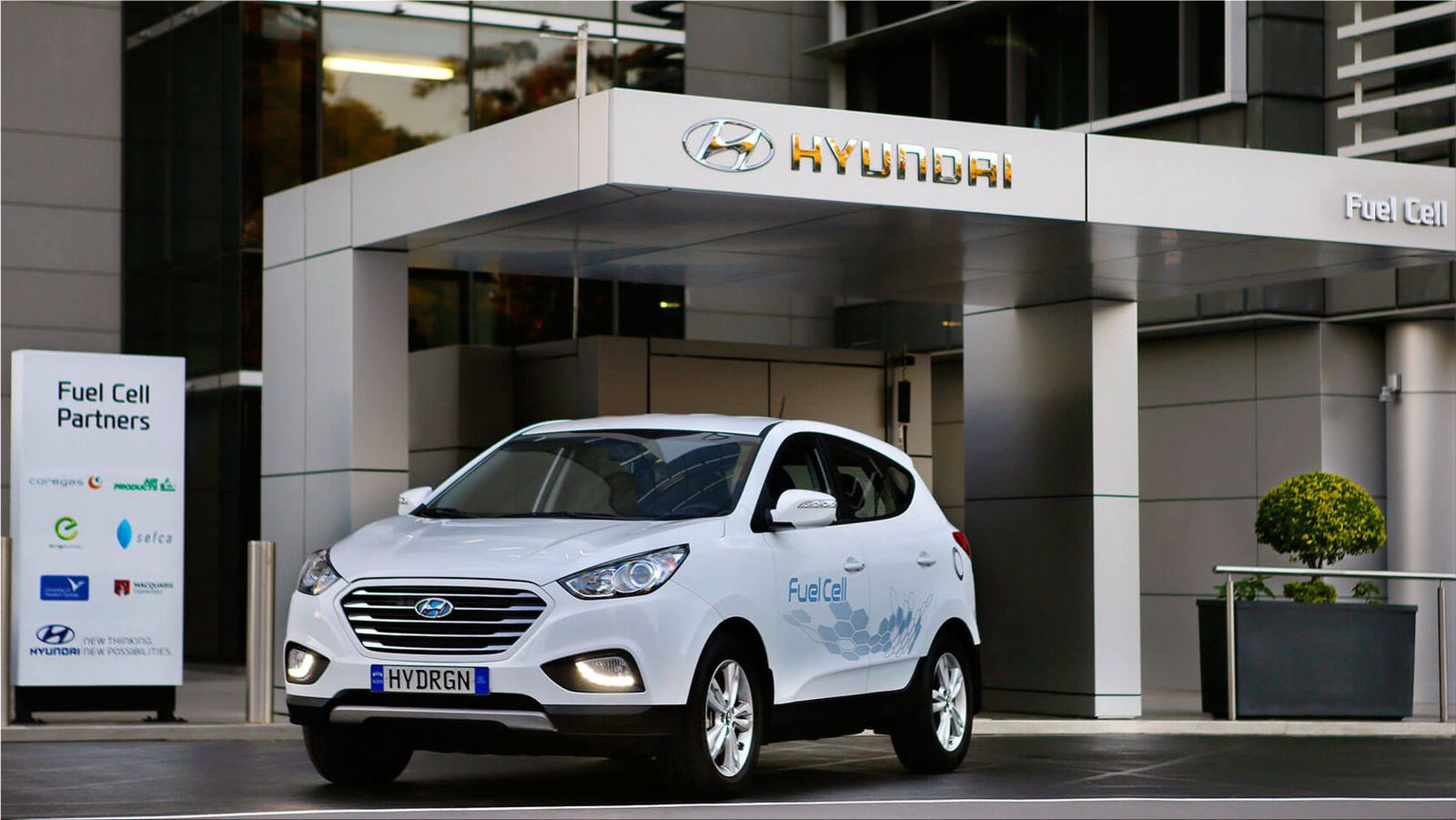
The Japanese automobile manufacturers Toyota, Nissan and Honda, along with eight other companies, have formed Japan H2 Mobility, a company that will be dedicated to the development of hydrogen stations for fuel cell vehicles in Japan.
The objective of Japan H2 Mobility is to gradually increase the number of fuel cell vehicles in Japan and in parallel to make sustainable the hydrogenation business.
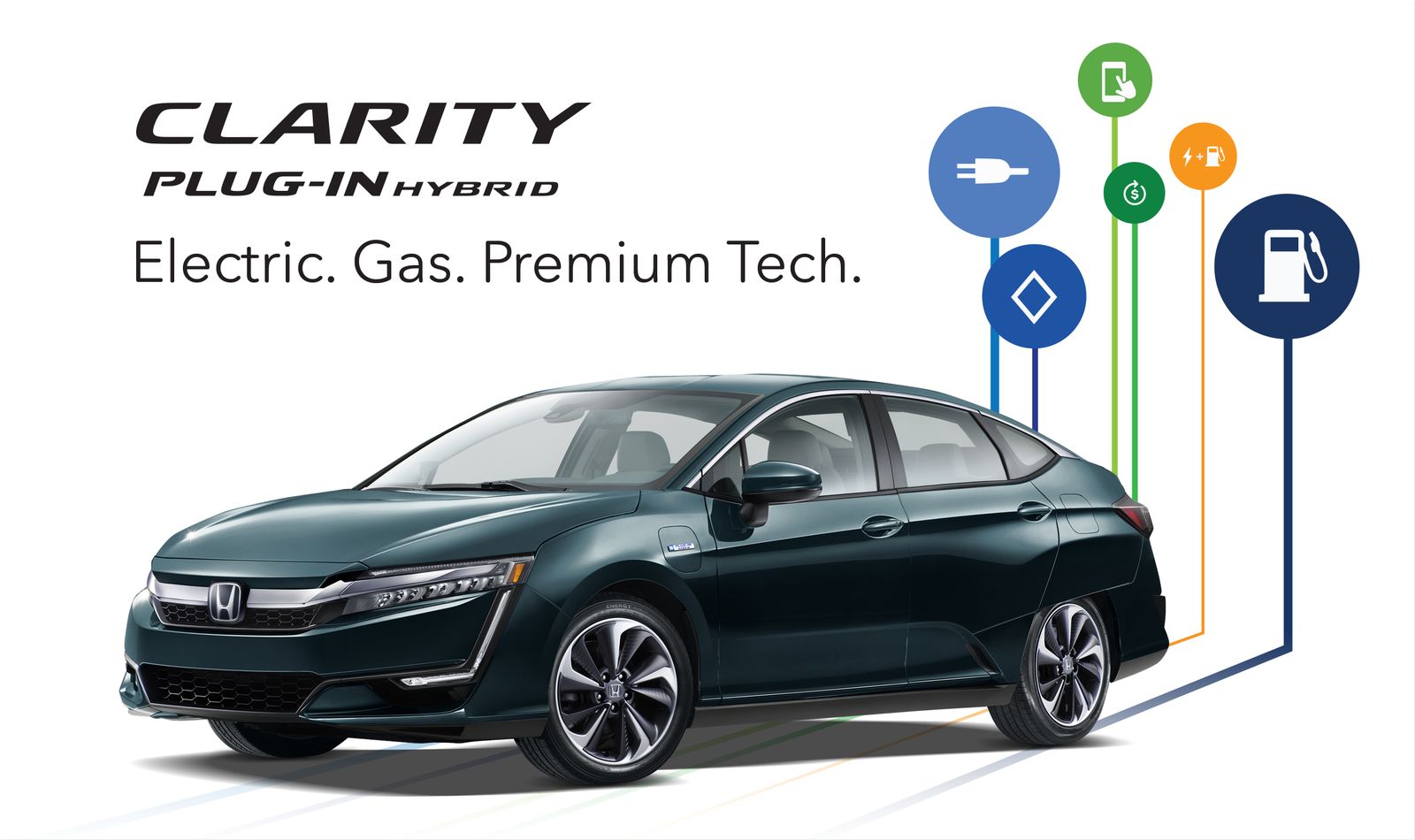
The initial capital of Japan H2 Mobility is $469,948 and will be chaired by Hideki Sugawara. The purpose is to begin the building of 80 stations throughout the country for the year 2021, according to 'Strategic roadmap for hydrogen and fuel cells'.
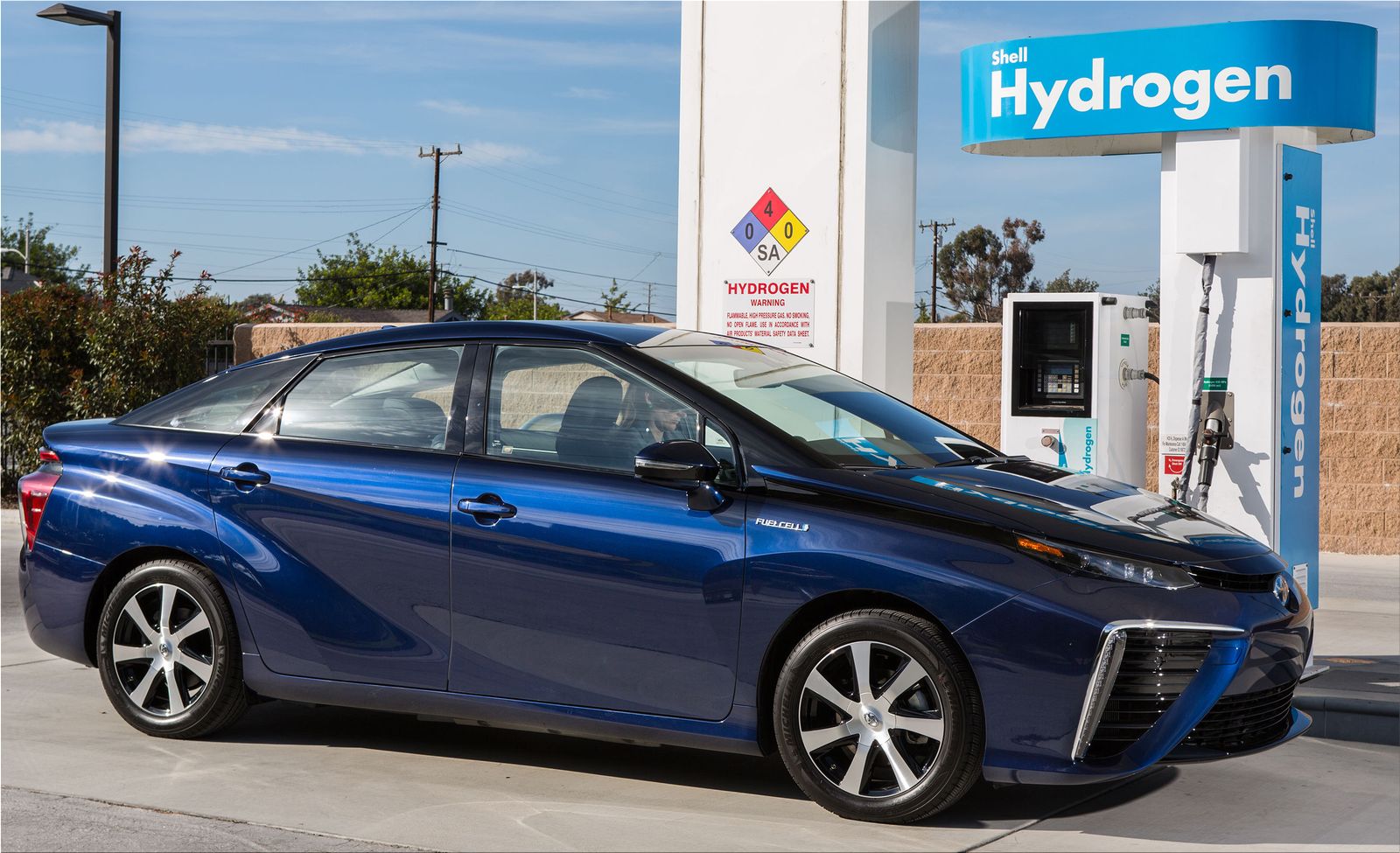
Japan H2 Mobility will start operating in April 2018, with the goal of attracting the maximum possible participation of hydrogenation operators and investors.

The 2027 Polestar 4 keeps its Australian entry price while adding chassis changes, clearer trim logic, and optional 22 kW AC charging. Polestar did not touch the motors or battery. Instead, it attacked ride control, steering precision,… Continue reading

McLaren announced that in 2019 will be the launching of a new generation of supercars that will be equipped with hybrid propulsion and autonomous technologies. Continue reading

A foldable e-bike to promote sustainable travel in the city. This is the main objective of eBfolding, presented by the Vicenza-based company Askoll and just landed in the electric bicycle market. A two-wheeled folding, light and… Continue reading

Fiat is one of the few manufacturers that have not yet been actively involved in the electric car segment, but this is about to change. At the Geneva Motor Show, the Italian builder announced that the future generation Fiat 500 will be available only… Continue reading