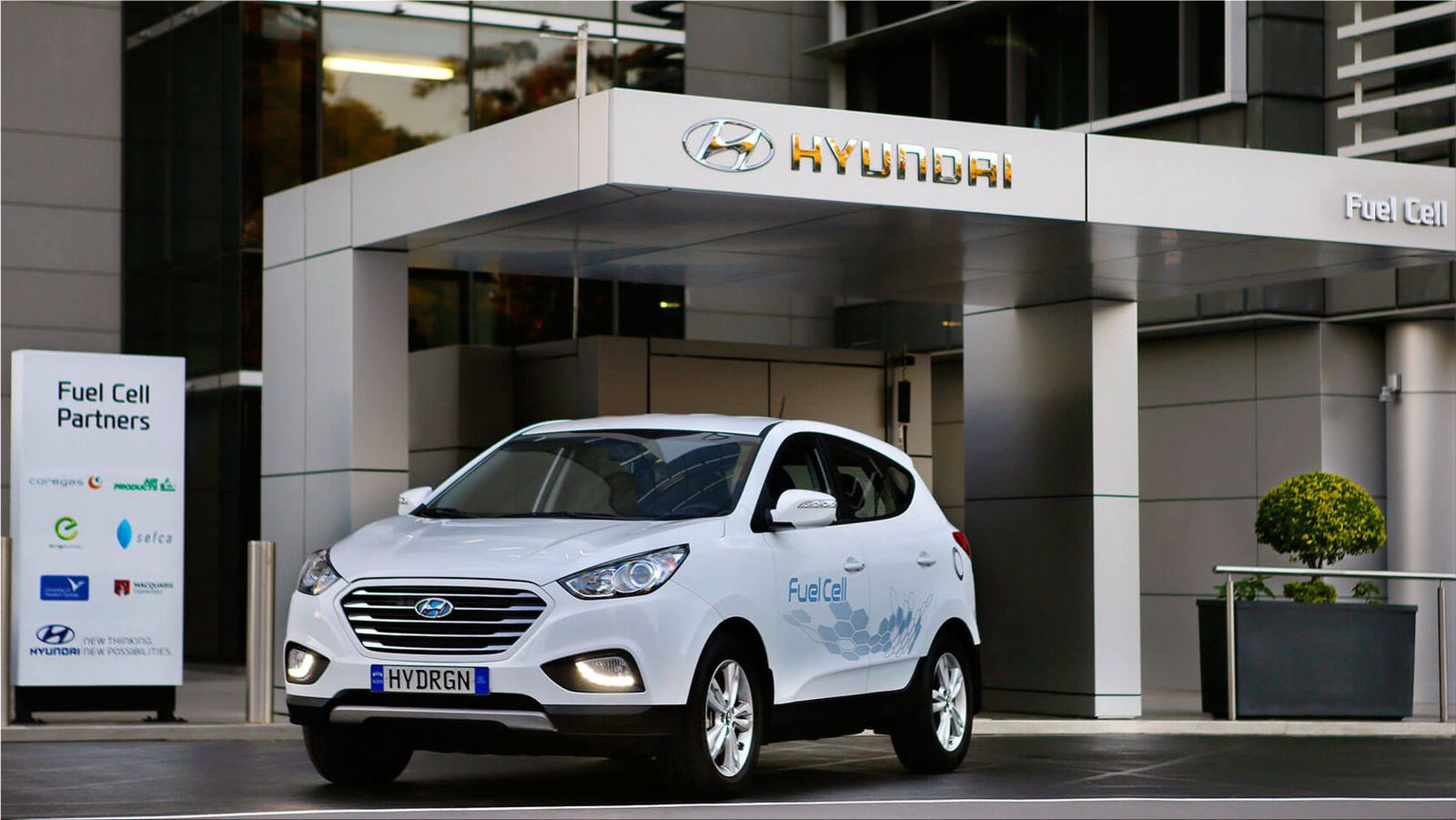
The Japanese automobile manufacturers Toyota, Nissan and Honda, along with eight other companies, have formed Japan H2 Mobility, a company that will be dedicated to the development of hydrogen stations for fuel cell vehicles in Japan.
The objective of Japan H2 Mobility is to gradually increase the number of fuel cell vehicles in Japan and in parallel to make sustainable the hydrogenation business.
The initial capital of Japan H2 Mobility is $469,948 and will be chaired by Hideki Sugawara. The purpose is to begin the building of 80 stations throughout the country for the year 2021, according to 'Strategic roadmap for hydrogen and fuel cells'.
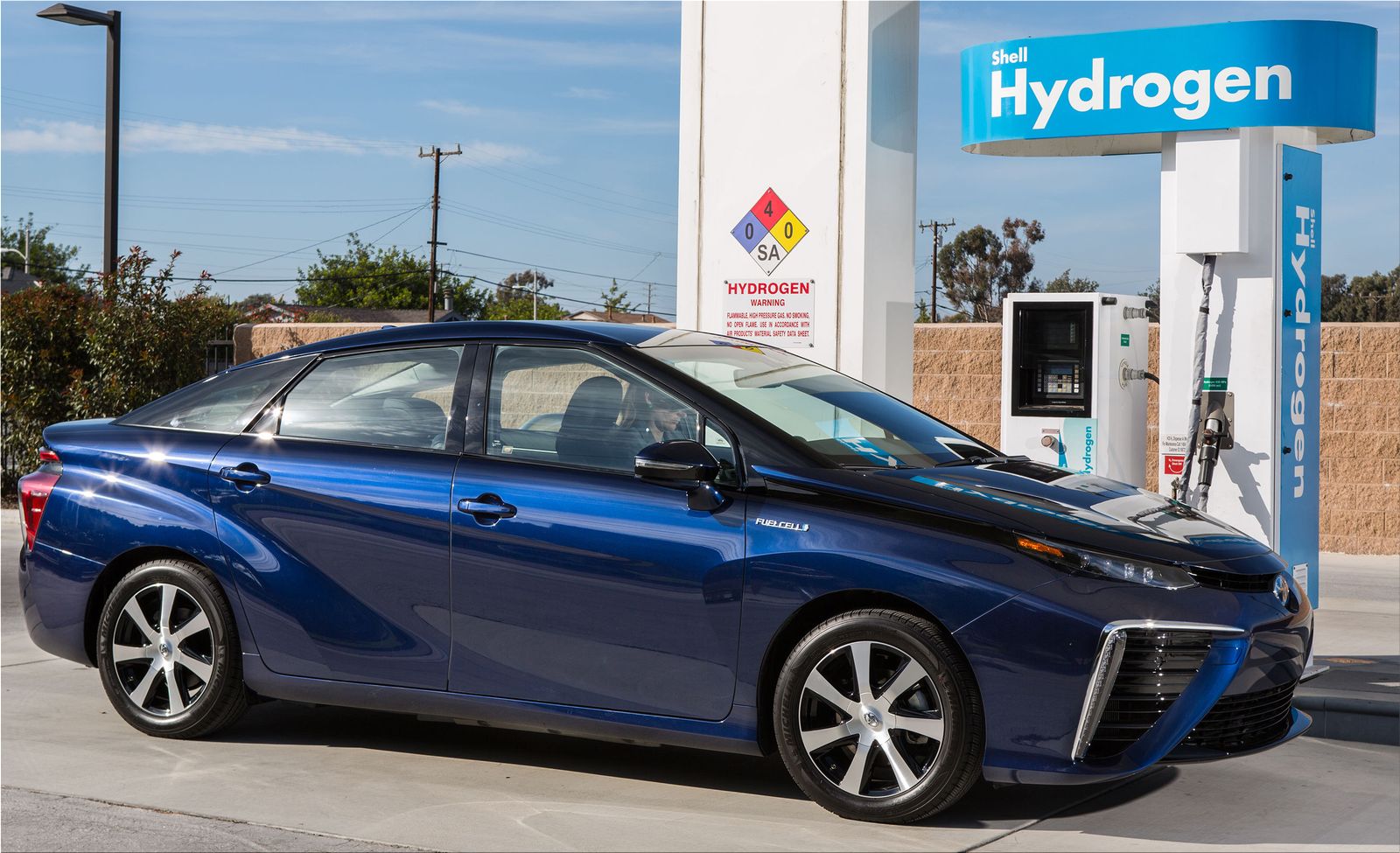
Japan H2 Mobility will start operating in April 2018, with the goal of attracting the maximum possible participation of hydrogenation operators and investors.

In 2001 the fourth-generation BMW 7 Series was launched, it swept away old habits and refined the cockpit of an ever-increasing number of buttons and controllers. Instead, a colour screen was introduced in the instrument panel and a swivel wheel in the centre… Continue reading

Polestar Precept is going to the UK for the first time since the unveiling in 2020 and will be seen during the 2021 Goodwood Festival of Speed. Precept will be Polestar's main attraction during the festival, along with the Polestar 1 hybrid… Continue reading

The Nissan LEAF was a pioneer in the industry, but its aging has harmed sales significantly. This electric car's third generation hopes to break the pattern by becoming an SUV. For many years, the Nissan LEAF has served as an… Continue reading

BMW announces the BMW i7, the world's first 100% electric luxury sedan - a modern version of the BMW 7 Series and a fresh interpretation of style and elegance from the very top of the luxury car market. A few weeks before the international… Continue reading