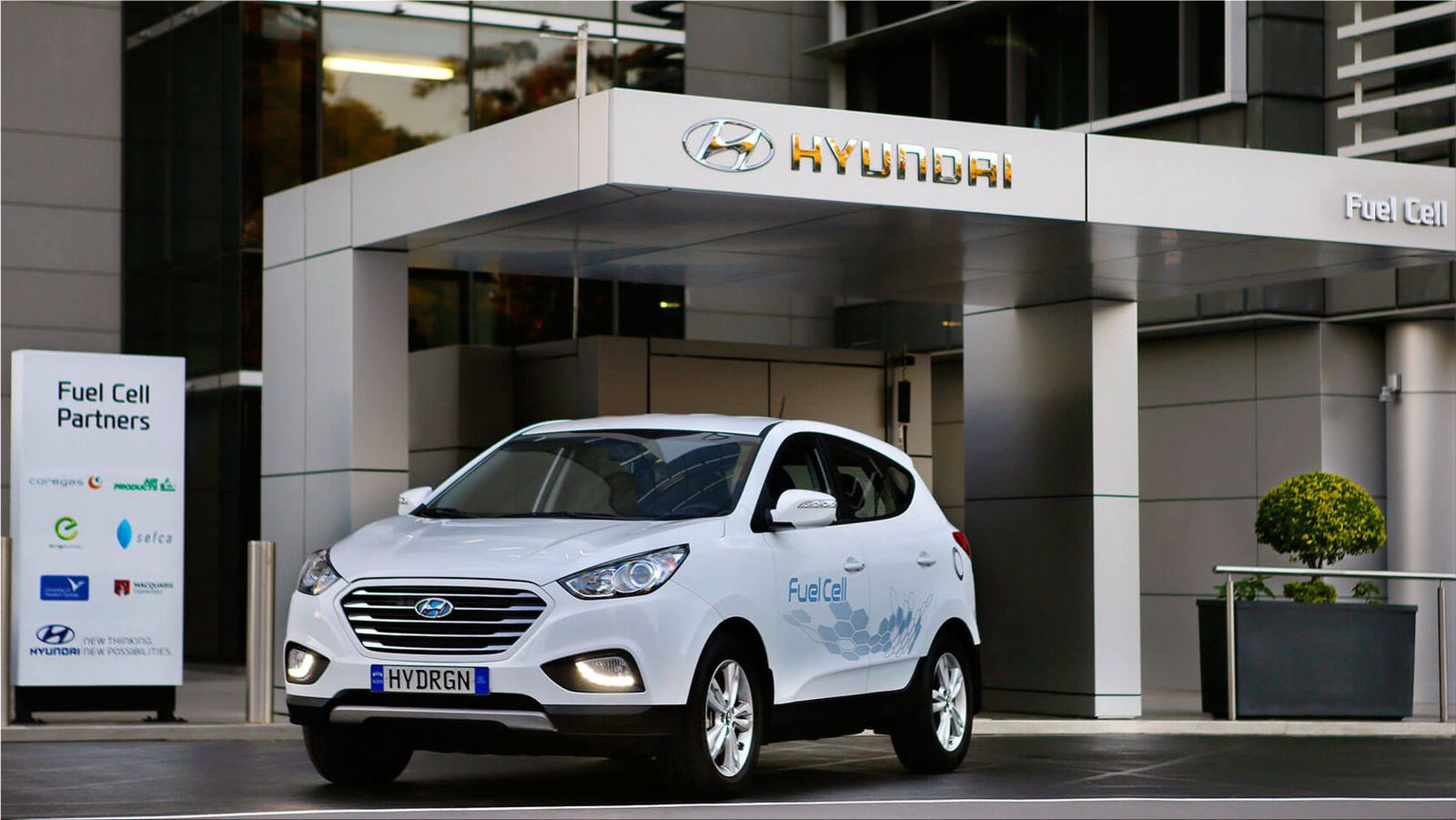
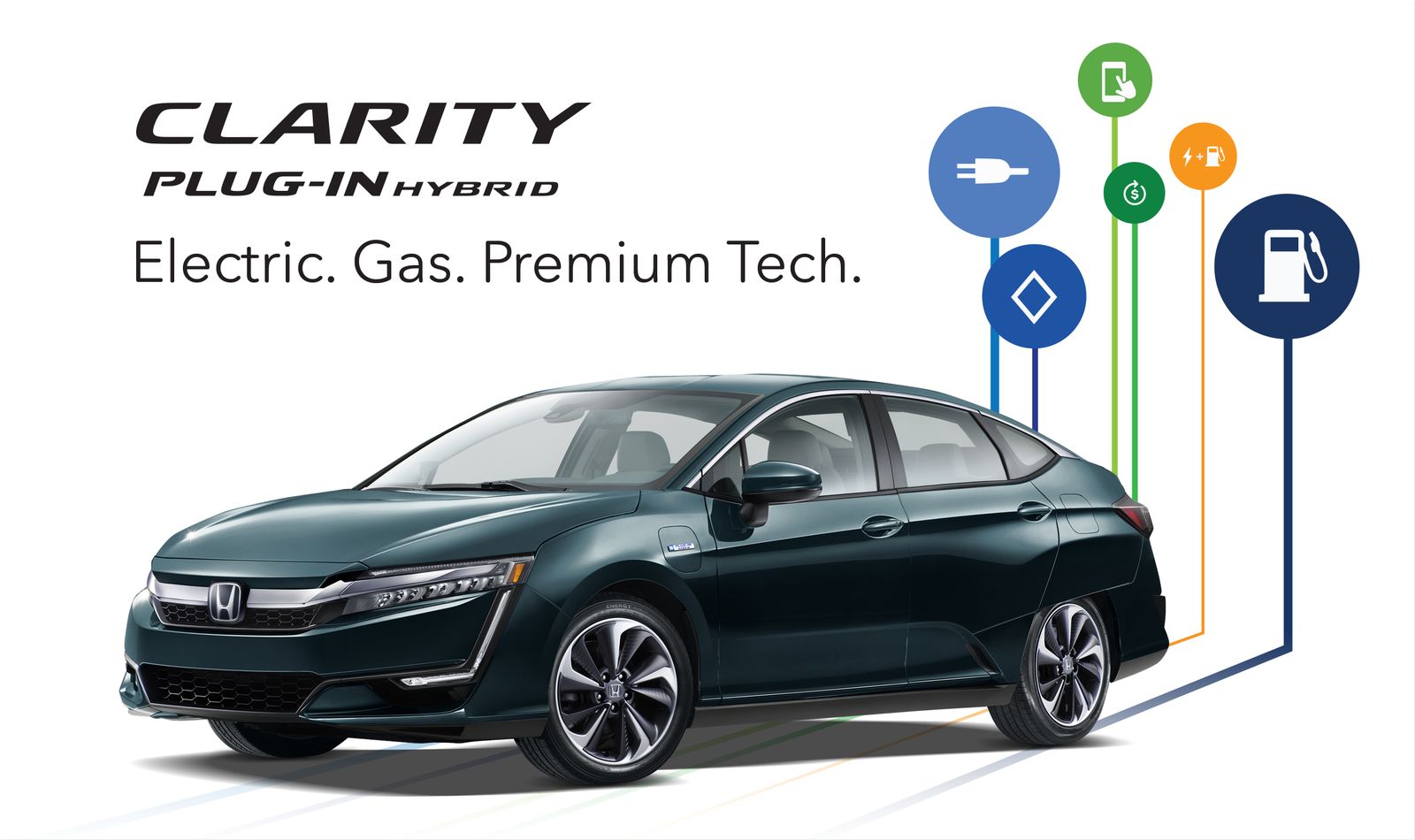
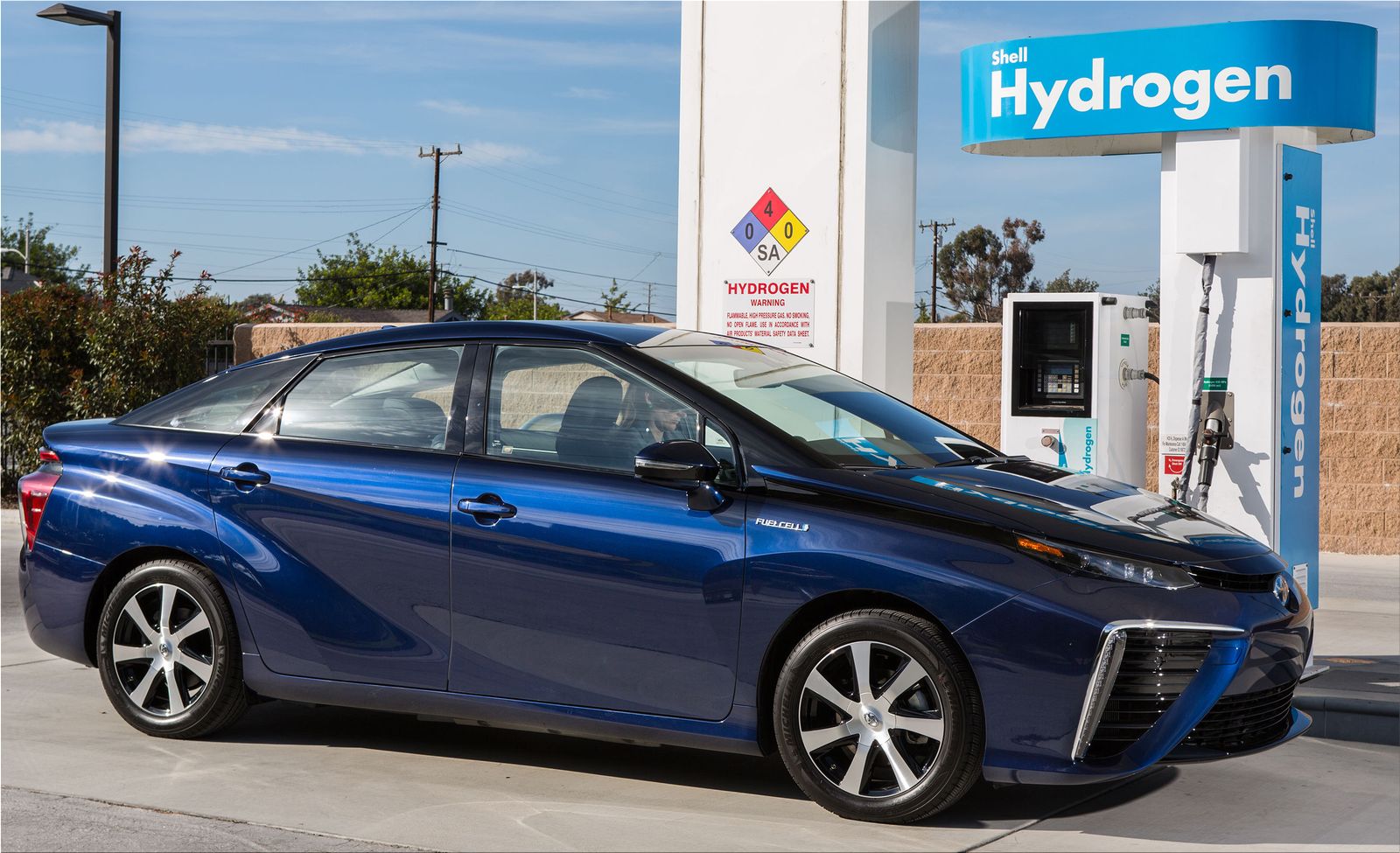
The Japanese automobile manufacturers Toyota, Nissan and Honda, along with eight other companies, have formed Japan H2 Mobility, a company that will be dedicated to the development of hydrogen stations for fuel cell vehicles in Japan.
The objective of Japan H2 Mobility is to gradually increase the number of fuel cell vehicles in Japan and in parallel to make sustainable the hydrogenation business.
The initial capital of Japan H2 Mobility is $469,948 and will be chaired by Hideki Sugawara. The purpose is to begin the building of 80 stations throughout the country for the year 2021, according to 'Strategic roadmap for hydrogen and fuel cells'.
Japan H2 Mobility will start operating in April 2018, with the goal of attracting the maximum possible participation of hydrogenation operators and investors.

Smart, the brand formerly known for its tiny city cars, is reinventing itself as an EV-only maker of stylish and spacious crossovers. After unveiling the Smart 1, a small SUV that will go on sale in Europe later this… Continue reading

If you are a fan of electric cars, you might have heard of the Voyah brand, a new subsidiary of Dongfeng Motor, one of China’s largest automakers. Voyah, which means “I am here” in Chinese, aims to challenge… Continue reading

The all-new Peugeot e-5008 is a brand-new electric SUV that is shaking up the market with its impressive electric range, spacious interior, and luxurious features. Unveiled in March 2024, this Peugeot is perfect for eco… Continue reading
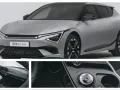
The automotive world is buzzing with excitement as Kia unveils the 2025 Kia EV6 GT—a testament to the future of electric mobility. With a blend of cutting-edge technology, enhanced range, and blistering performance, the EV6 GT is poised to… Continue reading