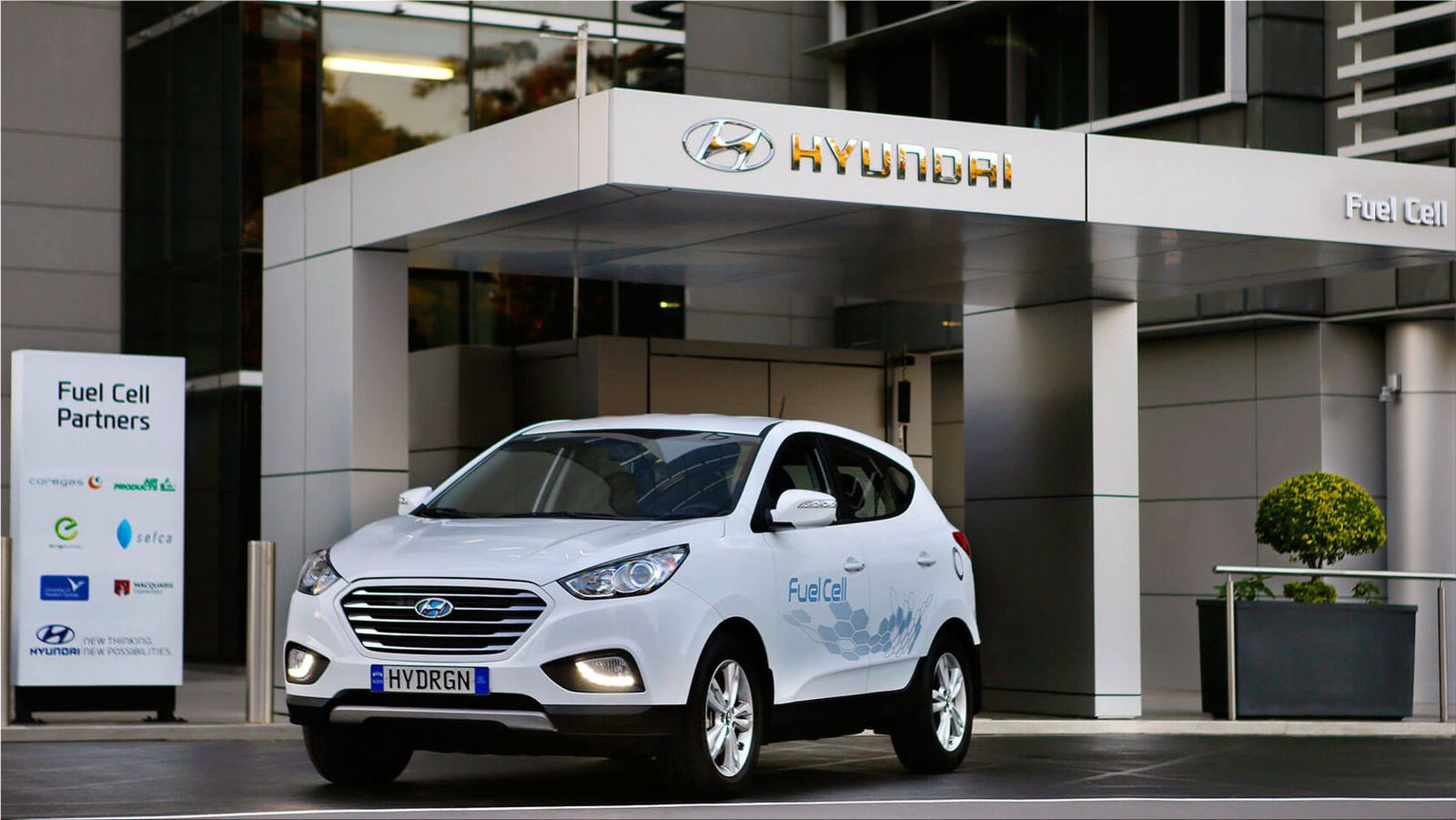
The Japanese automobile manufacturers Toyota, Nissan and Honda, along with eight other companies, have formed Japan H2 Mobility, a company that will be dedicated to the development of hydrogen stations for fuel cell vehicles in Japan.
The objective of Japan H2 Mobility is to gradually increase the number of fuel cell vehicles in Japan and in parallel to make sustainable the hydrogenation business.
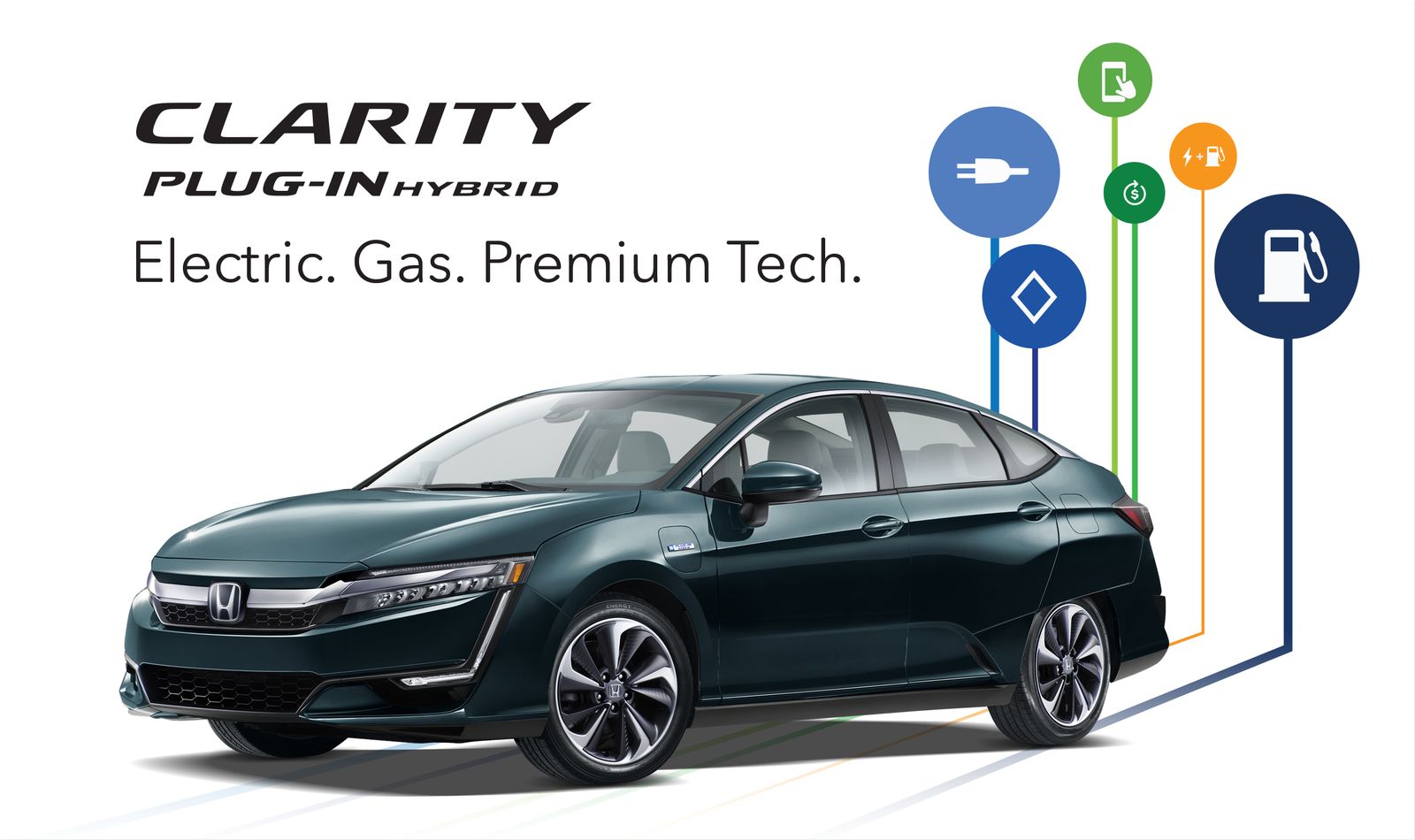
The initial capital of Japan H2 Mobility is $469,948 and will be chaired by Hideki Sugawara. The purpose is to begin the building of 80 stations throughout the country for the year 2021, according to 'Strategic roadmap for hydrogen and fuel cells'.
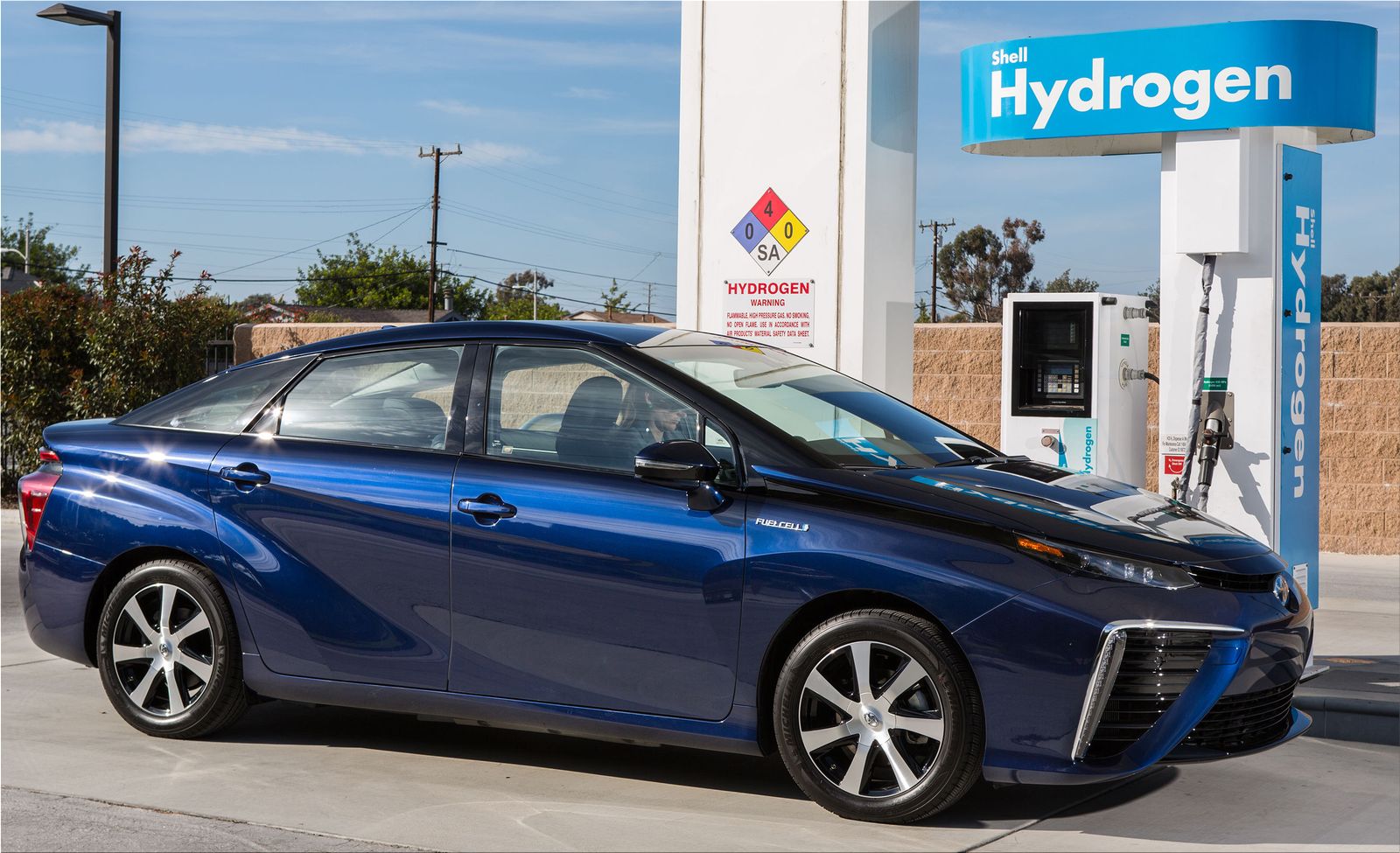
Japan H2 Mobility will start operating in April 2018, with the goal of attracting the maximum possible participation of hydrogenation operators and investors.

Hyundai Motor Group released Tuesday details on E-GMP (Electric-Global Modular Platform), the company's first dedicated electric car platform. From 2021, E-GMP will be the basis for a new portfolio of battery-electric cars,… Continue reading

The new Skoda Enyaq iV all-electric SUV model has received the highest rating with five stars in tests performed by the Euro NCAP. Enyaq iV is listed among the safest cars on the market today with a score of 86% of the possible points.… Continue reading

Honda has been marketing its first electric automobile on the old continent since 2020, with the Honda e, a tiny car explicitly designed for Europe. In the coming years, the Japanese seek to progressively electrify their portfolio, including… Continue reading

There were a lot of electric cars sold in 2021. These are the top 10 most popular electric cars of 2021. If you look in car showrooms across the United States, you can find dozens of all-electric, electric, hybrid, and plug-in hybrid cars. In… Continue reading