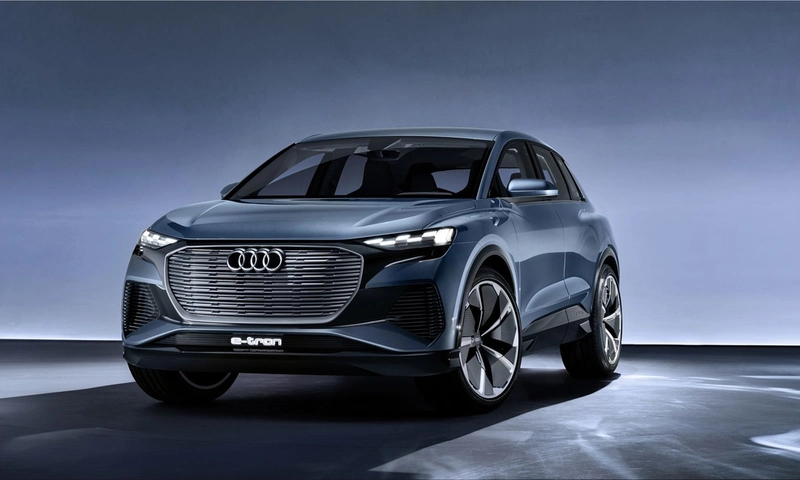
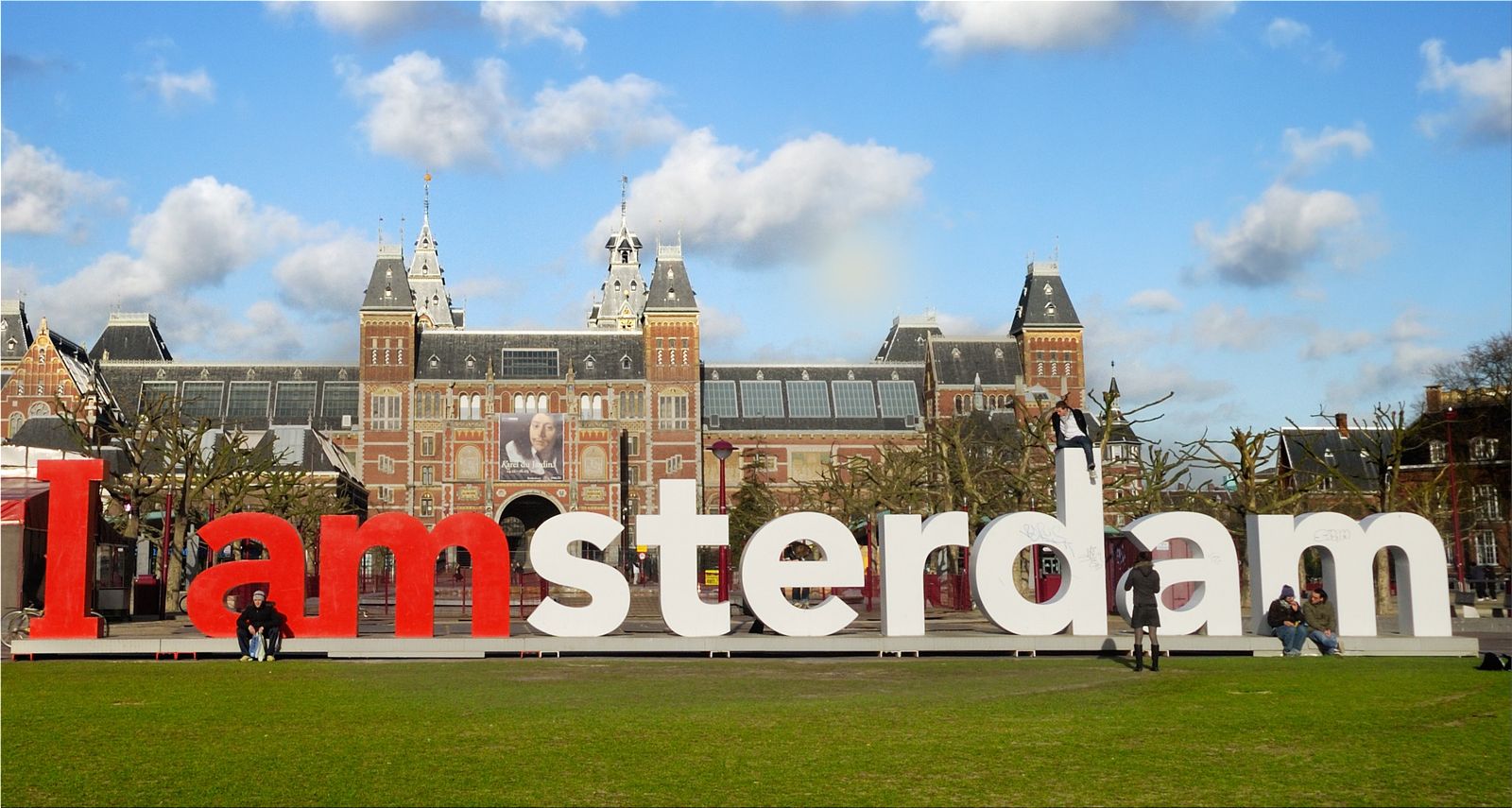
Cars and motorcycles that run on gasoline or diesel will be banned in the Amsterdam, Netherlands, starting 2030.

Starting next year, diesel cars older than 15 years will be banned on the A10 road around the Dutch capital.

Also, buses and vans emitting exhaust gases will no longer have access to downtown by 2022. Until 2025, the ban will be extended to boats, motorcycles and mopeds.
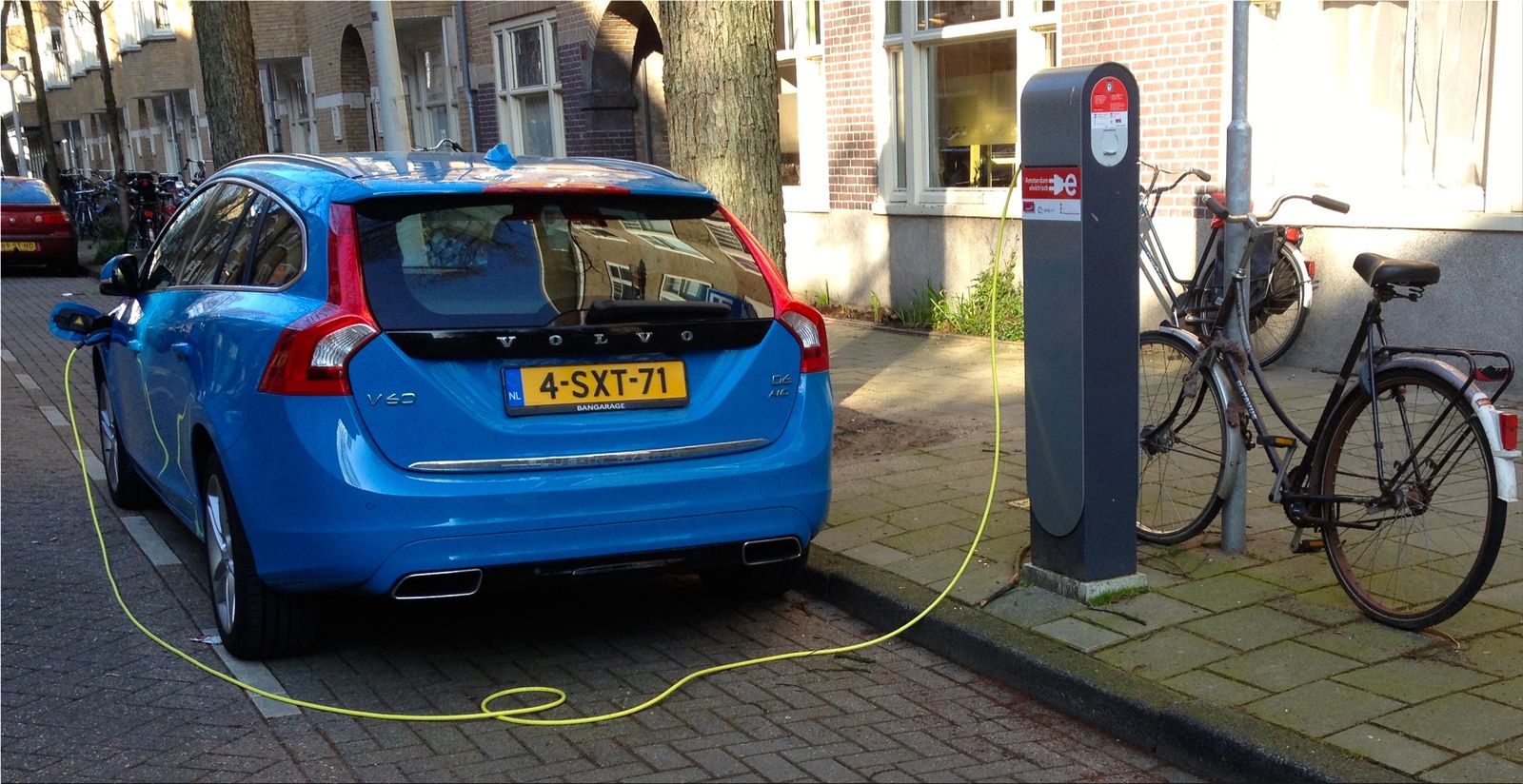
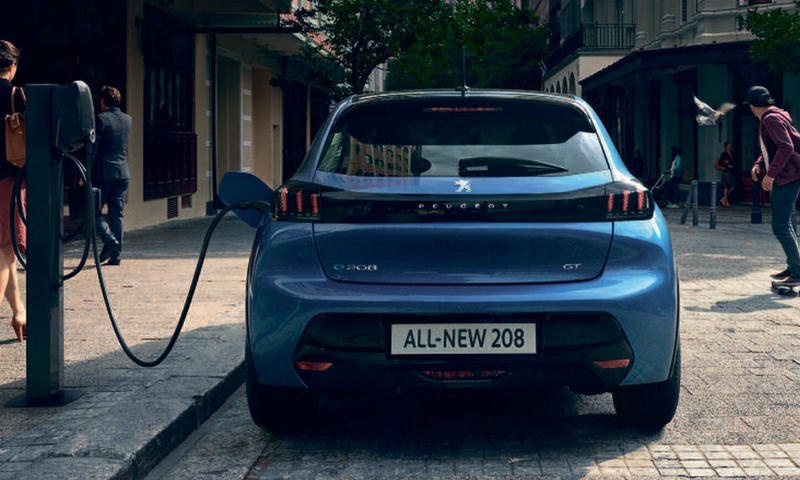
Thus, the city intends to encourage its inhabitants to switch to electric cars, offering charging stations to every buyer of such a vehicle. Authorities expect the second-hand electric car market to grow significantly in the coming years. 
Starting in 2025, there will need to be between 16,000 and 23,000 EV charging stations to make the project viable. At present, there are only 3,000 such stations in Amsterdam. 


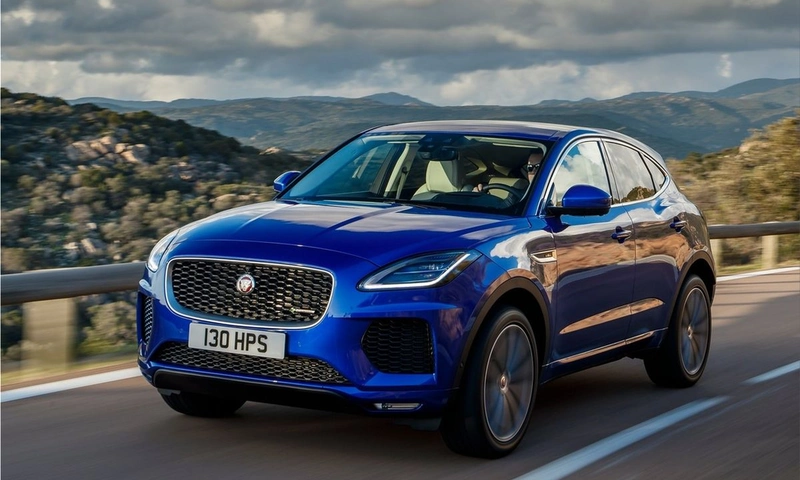
The Jaguar E-Pace is a five-seat all-electric compact SUV, spacious, practical and connected all-wheel-drive vehicle. The Jaguar E-Pace exterior design is inspired by the F-Type sports car. The fluid… Continue reading

Volkswagen presented two micro mobility concepts at the Geneva Motor Show: the two-wheeled Streetmate e-scooter and the three-wheeled Cityskater. While the first is up to 45 km / h fast, the latter is designed for up to… Continue reading

Citroën has presented the new C5 Aircross Hybrid, which is offered from 40,390 euros in Germany. The Citroën C5 Aircross is the largest and most ambitious SUV from Citroën. The plug-in hybrid offers a system output of 165 kW, to which the… Continue reading

The Jaguar I-Pace receives a standard three-phase charger (significantly reduces the charging time at home). This means that the British electric car can be charged faster than before. If you stop at a fast charger on a longer route, you can… Continue reading