For many drivers, owning a Mercedes-Benz is a milestone. The three-pointed star has long symbolised comfort, safety, engineering excellence and success, and the brand's cars are a familiar sight on roads from Nairobi to Mombasa, whether as executive saloons, family SUVs or rugged off-roaders. But buying a Mercedes is a significant investment, and it pays to understand the model range, the true cost of ownership and what to check before handing over your money. This guide walks you through the essentials so you can choose the right car and enjoy it for years.
A legacy of innovation
The history of Mercedes-Benz goes back to the very beginning of the automobile. Karl Benz built what is widely regarded as the first practical petrol-powered car in 1886, and Gottlieb Daimler and Wilhelm Maybach were pioneering engines and vehicles around the same time. Their companies merged in 1926 to form Daimler-Benz, and the Mercedes-Benz brand has since introduced or popularised many safety and technology features that are now common across the car industry, such as crumple zones and advanced driver assistance systems.
Image
Why buyers choose Mercedes-Benz
- Comfort: smooth rides, quiet cabins and supportive seats make long journeys relaxing.
- Safety: strong body structures, multiple airbags and driver assistance technology.
- Prestige: the brand carries strong recognition in business and social circles.
- Luxury and technology: high-quality interiors, advanced infotainment and premium features.
- Wide range: from compact hatchbacks to large SUVs and high-performance AMG models.
Because the range is so broad and prices vary greatly with model, year, mileage and condition, research is essential. If you are shopping in Kenya, browsing current listings for a Mercedes Benz lets you compare locally used and freshly imported cars, different models and years, and asking prices from dealers and private sellers. Seeing many options side by side helps you understand realistic market values before you start negotiating.
Understanding the Mercedes-Benz model range
Saloons and hatchbacks
- A-Class: the entry point to the brand, compact and stylish, suitable for city driving.
- C-Class: one of the most popular models, balancing comfort, performance and size. A favourite among young professionals.
- E-Class: a larger executive saloon offering more space, comfort and technology, popular with business owners and families.
- S-Class: the flagship luxury saloon, known for outstanding comfort, refinement and cutting-edge features.
- CLA and CLS: coupe-styled four-door models with a sportier look.
SUVs
- GLA and GLB: compact SUVs with a higher driving position and practical interiors.
- GLC: a mid-size SUV that combines comfort, space and versatility, very popular with families.
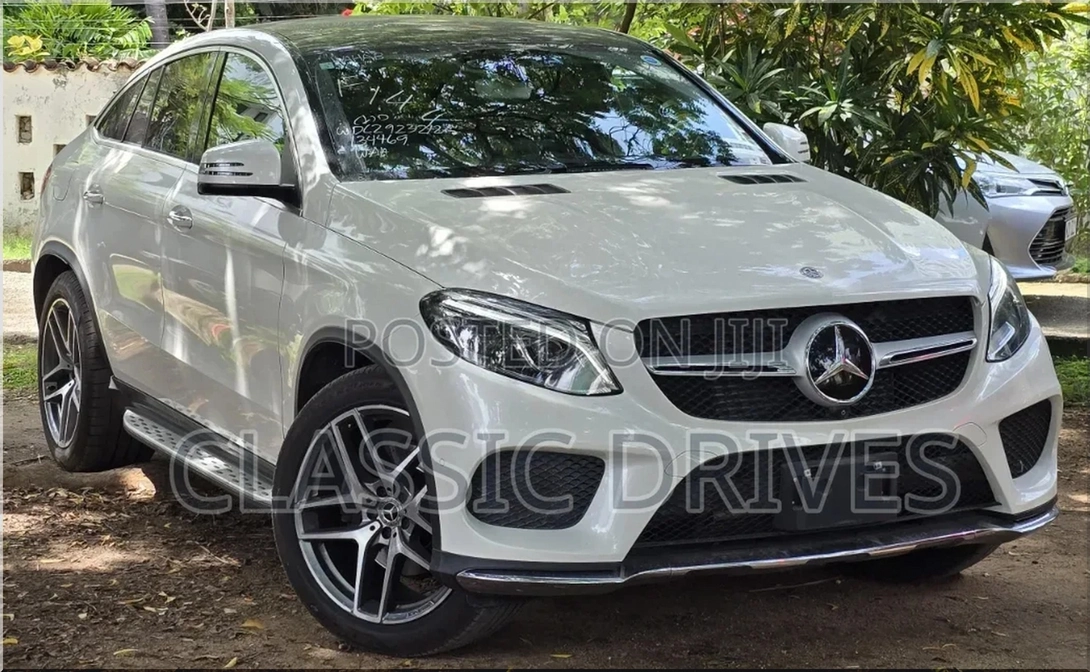
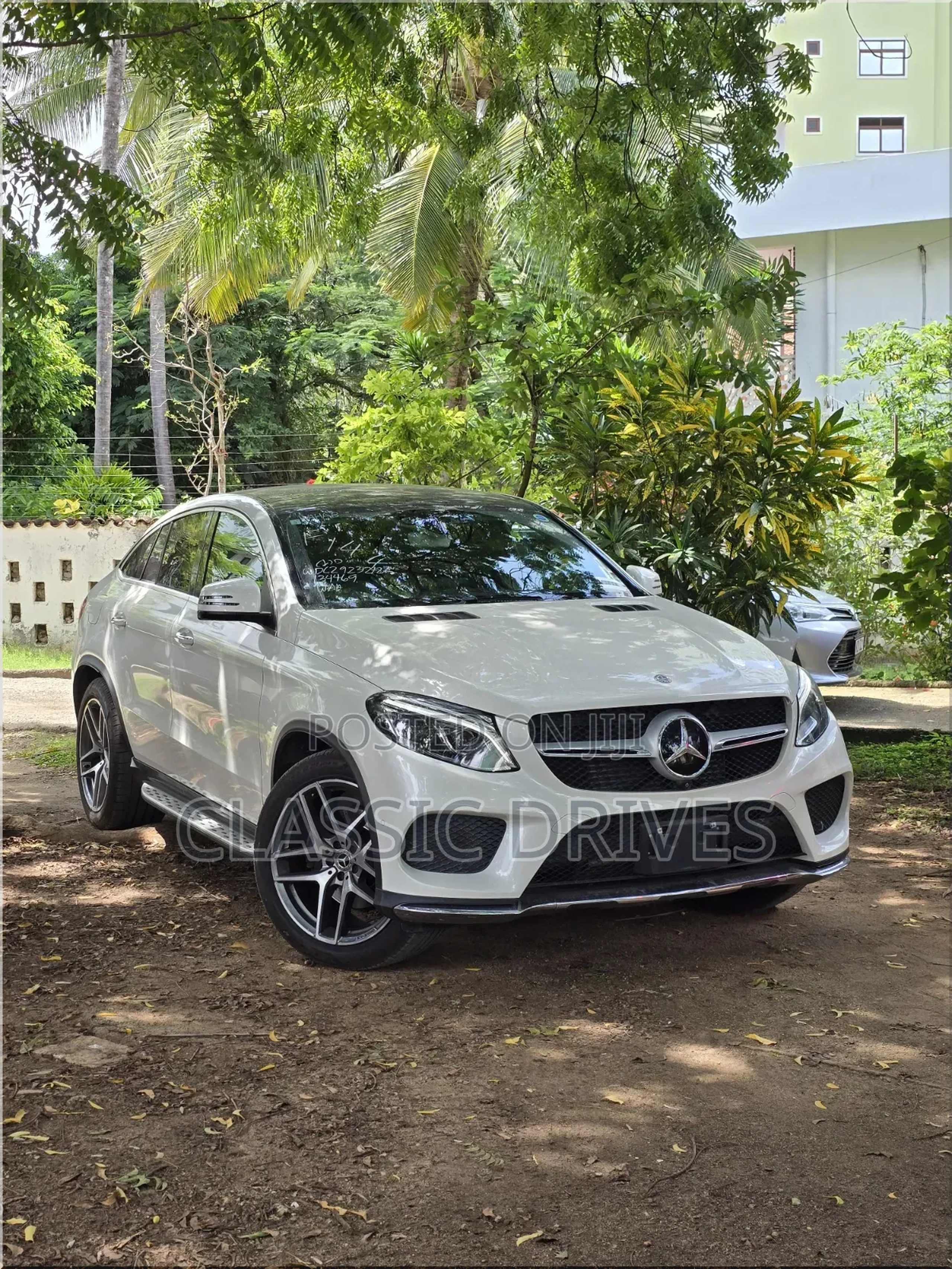
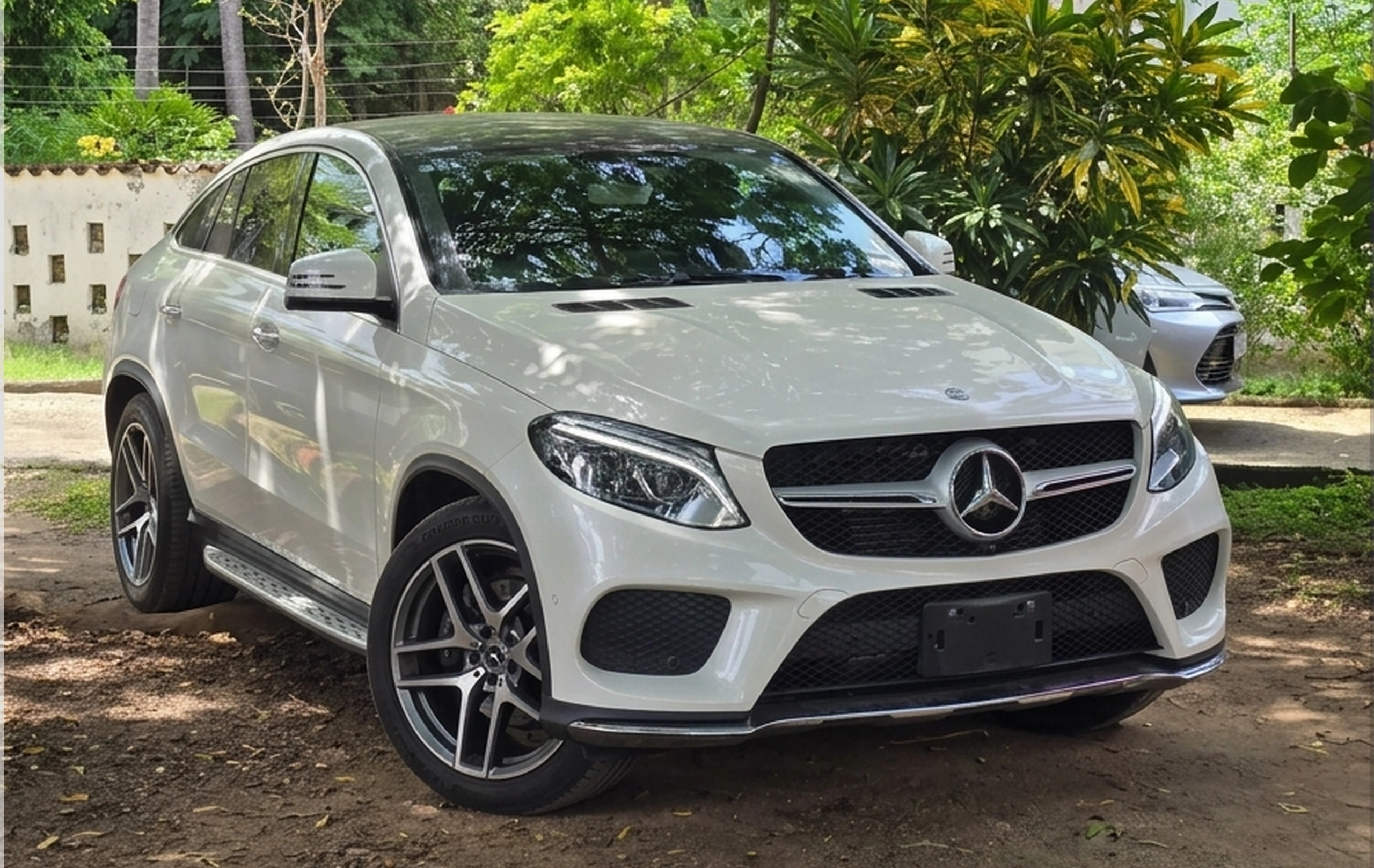
- GLE: a larger, more luxurious SUV with strong road presence.
- GLS: a full-size luxury SUV with seating for up to seven.
- G-Class: the iconic boxy off-roader, combining serious off-road capability with luxury.
Performance and electric models
Mercedes-AMG models offer powerful engines, sharper handling and sporty styling for enthusiasts. The brand's electric vehicles, under the EQ name, provide quiet, zero-emission driving, although charging infrastructure and after-sales support should be checked carefully before buying one.
Which Mercedes suits you?
- City driving and first-time Mercedes owners: A-Class, CLA or a compact SUV like the GLA.
- Professionals who want comfort and prestige: C-Class or E-Class.
- Families: GLC, GLE or GLS for extra space and ground clearance.
- Rough roads and upcountry travel: SUVs with higher ground clearance, such as the GLE or G-Class.
- Ultimate luxury: S-Class or GLS.
Petrol, diesel or hybrid?
Mercedes-Benz models come with a variety of engines. Petrol engines are smooth, quiet and widely available, making them a popular choice for city driving. Diesel engines offer strong pulling power and better fuel economy on long journeys and highway trips, which suits people who travel frequently upcountry, although modern diesel systems need quality fuel and proper maintenance. Hybrid models combine a petrol engine with an electric motor to improve efficiency, but they add complexity and may require specialist servicing. Think about how and where you drive most before deciding.
Buying new vs used
A new Mercedes gives you the latest technology, full warranty coverage and complete peace of mind, but luxury cars typically lose a significant share of their value in the first few years. A carefully chosen used Mercedes allows you to enjoy much of the same comfort and prestige at a considerably lower price, because the first owner has absorbed the steepest part of the depreciation. For many buyers, a well-maintained car that is a few years old offers the best balance of value and reliability, as long as it has been properly serviced and passes a thorough inspection.
Common mistakes buyers make
- Stretching the budget for the car alone and leaving nothing for insurance, servicing and repairs.
- Choosing the biggest engine without considering fuel costs and daily driving needs.
- Skipping the pre-purchase inspection to save a small fee, only to face costly repairs later.
- Ignoring the paperwork and discovering ownership or loan issues after paying.
- Buying based on looks only instead of comparing condition, history and value.
Understanding the true cost of ownership
The purchase price is only the beginning. Before buying, budget for:
- Insurance: comprehensive cover for premium cars is usually more expensive.
- Servicing: regular maintenance using the correct oils and quality parts is essential.
- Spare parts: genuine parts can be costly, although quality alternatives are available for many components.
- Fuel: larger engines and SUVs consume more fuel, and many models require higher-grade petrol.
- Tyres: larger wheels and performance tyres cost more to replace.
- Repairs: advanced electronics and features such as air suspension can be expensive to fix if they fail.
Finding a reliable specialist garage with the right diagnostic equipment and experience with German cars will save you money and stress.
Importing vs buying locally used
Imported cars often come with lower mileage and a wider choice of specifications. In Kenya, imported vehicles must meet regulations such as the age limit on used car imports and right-hand-drive requirements, and they are subject to import duty and other taxes. Confirm the current rules with the relevant authorities or a reputable importer before committing.
Locally used cars are available immediately, can be test-driven before purchase and have known local history. However, they may have higher mileage, so a thorough inspection is essential.
How to inspect a used Mercedes-Benz
- Service history: ask for records showing regular maintenance, ideally at a reputable garage.
- Diagnostic scan: have a mechanic connect a diagnostic tool to check for stored fault codes.
- Mileage: compare the odometer reading with the car's condition and service records to spot possible tampering.
- Engine: listen for unusual noises, check for oil leaks and look for excessive smoke on start-up.
- Transmission: gear changes should be smooth, without jerking, slipping or delays.
- Suspension: listen for knocks over bumps, and on models with air suspension, check that the car sits level and does not drop overnight.
- Electronics: test windows, seats, infotainment, climate control, sensors, cameras and lights.
- Bodywork: look for uneven panel gaps, paint differences and signs of accident repair.
- Tyres and brakes: check tread depth, even wear and brake performance.
- Test drive: drive on different roads and at different speeds, including over bumps and at highway speed.
Paying a qualified mechanic for a pre-purchase inspection is one of the smartest investments you can make.
Checking ownership and paperwork
- Verify the logbook details and ownership through the official vehicle registration system, including whether the car has any outstanding loan or joint ownership with a financier.
- Make sure the chassis and engine numbers match the documents.
- Confirm that all import duties have been paid for imported vehicles.
- Use a written sale agreement and complete the ownership transfer properly.
- Be cautious of deals that seem too good to be true, as they may involve stolen or financed vehicles.
Tips for owning a Mercedes-Benz
- Follow the service schedule and use the recommended oil and fluids.
- Deal with warning lights promptly rather than waiting for problems to grow.
- Use quality fuel from reputable stations.
- Protect the battery by checking its health regularly, since modern electronics depend on it.
- Keep the car clean, especially the underbody after muddy or dusty trips.
- Drive smoothly: gentle acceleration and braking reduce wear and improve fuel economy.
Protecting resale value
If you plan to sell your Mercedes in the future, keep every service receipt, repair invoice and document in one folder. A complete history, original paint, clean interior and unmodified condition make the car far more attractive to buyers. Popular models in neutral colours with sensible engines also tend to sell faster and hold their value better than rare or heavily customised cars.
The bottom line
A Mercedes-Benz offers comfort, safety, prestige and a driving experience that many people aspire to. To enjoy it fully, choose a model that suits your lifestyle and budget, plan for the true cost of ownership, inspect used cars thoroughly, verify all paperwork and find a trustworthy mechanic. With careful research and proper maintenance, your Mercedes can deliver years of confident, comfortable driving.
- Add new comment
- 29 views