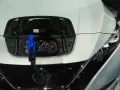
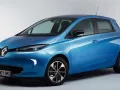
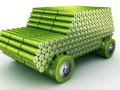
As electric vehicles (EVs) continue to move from niche adoption to mainstream transportation, a new challenge has emerged: what happens when an EV runs out of charge in places where charging infrastructure is limited or nonexistent? While roadside assistance trucks and mobile charging solutions are evolving, one technology stands out as a practical, reliable option for emergency response—DC generators.
The Need for Emergency On-Road Charging
Despite rapid growth in charging stations, charging deserts remain across highways, rural areas, and developing regions. For EV drivers who miscalculate range or encounter unexpected detours, being stranded without power is a growing concern. Traditional roadside services are adapting, and just as fuel cans were once the solution for gas cars, portable charging units are becoming the new safety net for EVs.
This is where DC generators come in: compact, efficient, and able to deliver direct current charging on-site, right when and where it’s needed.
Why DC Generators Are Ideal for EV Emergency Response
Unlike AC generators, which require conversion equipment, DC generators provide direct output compatible with EV battery charging systems. This makes them both faster and more efficient for emergency top-ups. Key advantages include:
- ⚡ Direct DC Output – reduces conversion losses and improves charging efficiency.
- 🚛 Compact and Mobile – easily integrated into roadside assistance trucks or trailers.
- 🔋 Scalable Power – available in various sizes to deliver quick boosts or extended charging sessions.
- 🌍 Global Applications – useful not only in urban areas but also in remote regions where fixed charging infrastructure lags behind.
For emergency response teams, fleets, or service providers, having DC generators on hand ensures drivers can get back on the road in minutes, not hours.
Real-World Applications
- Roadside Assistance Fleets – equipping tow trucks or service vans with a DC generator allows them to offer instant roadside charging.
- Disaster Response – in post-storm or emergency scenarios where grid infrastructure is down, DC generators can provide temporary EV charging hubs.
- Fleet Operators – logistics companies managing electric delivery vans can deploy DC generators to keep vehicles moving during unexpected downtime.
Innotec Power’s Role in the Transition
At Innotec Power, we’ve engineered a range of DC generators designed specifically for demanding mobile and stationary applications. Our units are compact, rugged, and optimized for charging systems where uptime is critical. By supporting roadside charging and backup applications, these solutions help bridge the gap between today’s infrastructure and tomorrow’s electrified future.
Looking Ahead
While public charging networks will continue to expand, the reality is that backup power will always play a role in supporting EV adoption. DC generators aren’t just a stopgap—they’re a key enabler of confidence in electric mobility, ensuring drivers know that even in the most remote conditions, help is just a call away.
As EVs reshape the way we move, technologies like mobile DC charging will ensure the transition is as seamless, safe, and reliable as possible.


More than a week ago, a terrible event in which a 49-year-old woman lost her life after being run over by an autonomous test car by the Uber company in Tempe, Arizona, triggered discussions about autonomous driving . Both Uber and Toyota… Continue reading

Five years ago, Edwin Van Ruimbeke, an engineer from France, successfully raised funds for his ornithopter, a remote-controlled model capable of flying, flapping its wings, just like a real bird. Now he, inspired by the study of flying insects, he presents… Continue reading
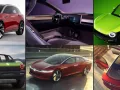
According to the German Handelsblatt publication, the new Volkswagen small-class electric cars will be produced at the plant in Bratislava, the capital of Slovakia. This is the same factory where VW Up, Skoda Citigo and SEAT Mii are currently… Continue reading

Jyroball used the Indiegogo platform to launch its innovative product, the self-balancing Jyroweel unicycle in the form of a ball weighing 9 kg and with a diameter of only 25 cm. On the functional side, the Jyroball product is fairly standard… Continue reading