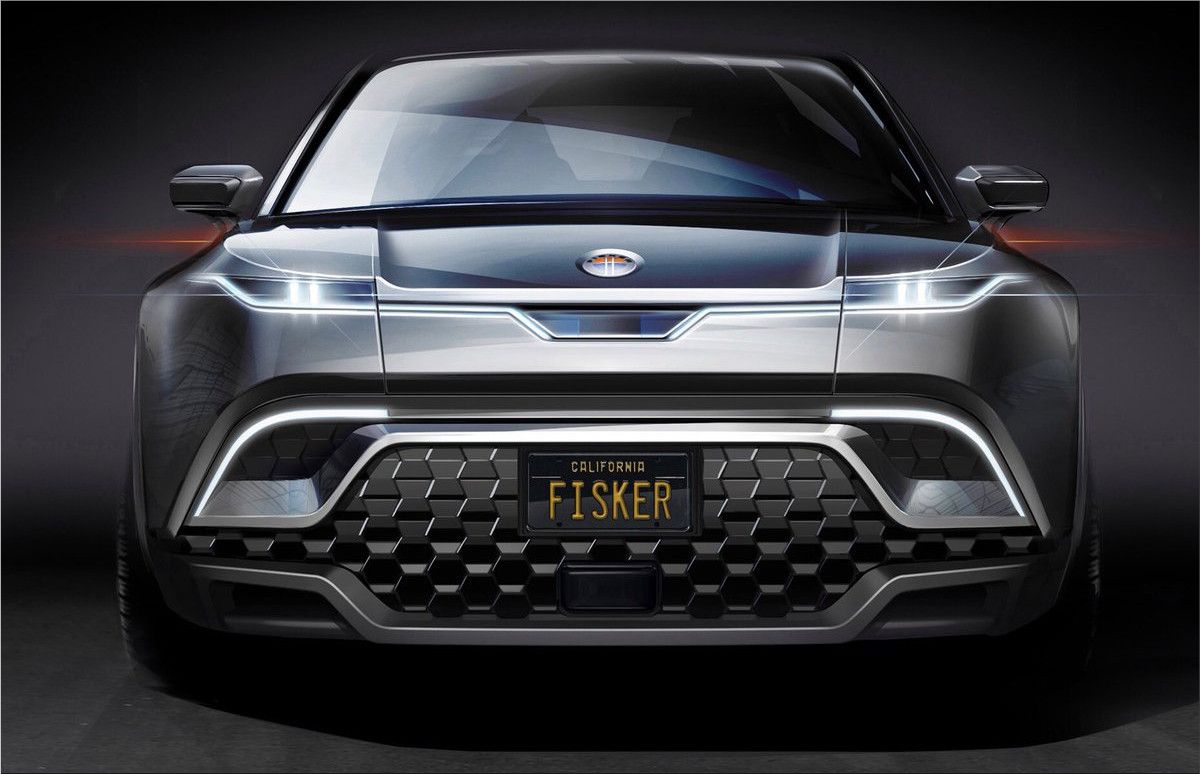
Fisker revealed the first images of an electric SUV that will compete with the recently unveiled Tesla Model Y.
The Fisker electric crossover SUV will be equipped with two electric motors (one on each axis) and a battery pack with a capacity of over 80 kilowatt-hours, which expands the range of mileage to 300 miles on a single charge. The car will have a removable or retractable roof section that will allow you to enjoy open-top rides without compromising the structural integrity of the body.
The price of the car in the United States will be under 40 thousand dollars.
The manufacturer promises a spacious interior and an intelligent onboard system interface. In addition, the SUV will receive design components that have traditionally been used for supercars.
It is expected that prototype models will appear by the end of this year. Production of the new crossover will not begin this year. In addition, the company has not yet found a production site for its electric cars.
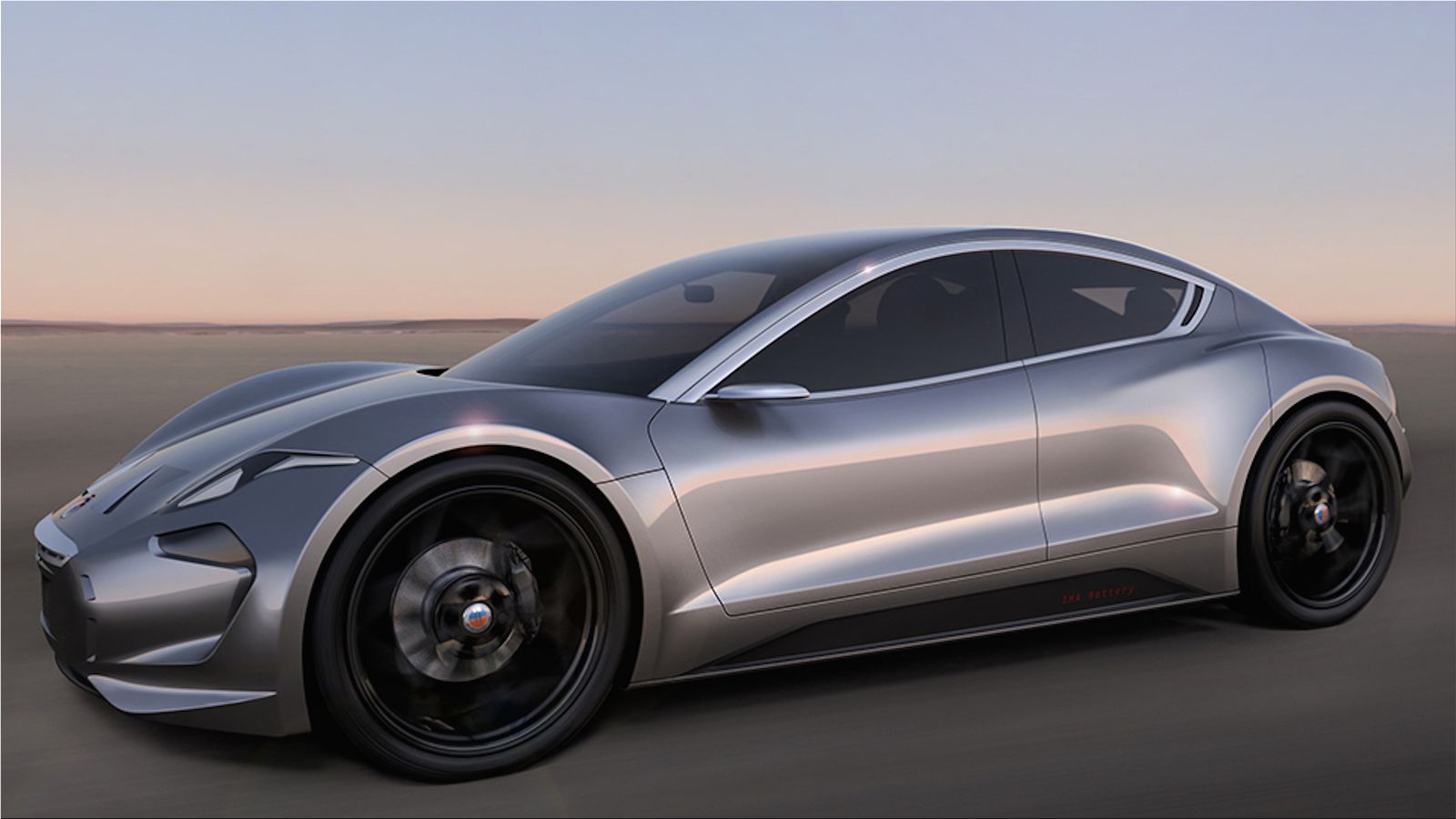
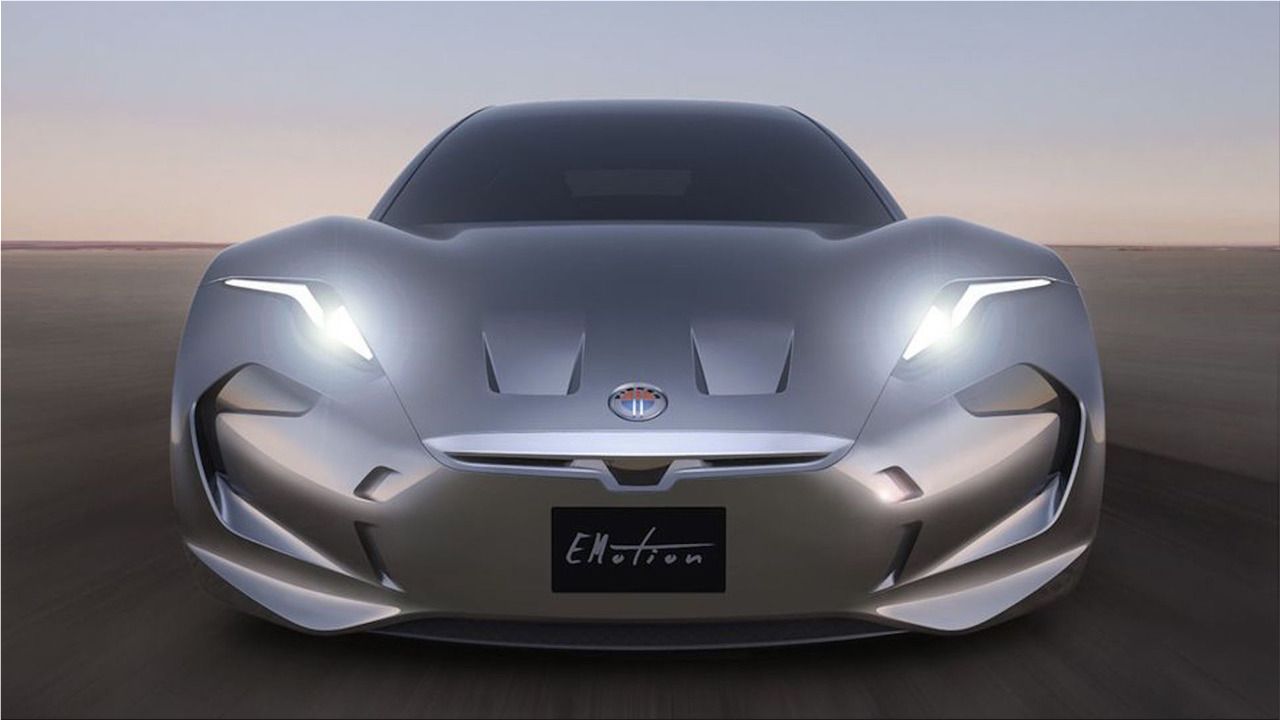
Last January, at the CES show, the prototype of the Fisker EMotion electric sedan premiered. It was equipped with a lithium-ion battery with a capacity of 143 kilowatt-hours, which allows you to drive up to 640 kilometers on a single charge.

McLaren announced that in 2019 will be the launching of a new generation of supercars that will be equipped with hybrid propulsion and autonomous technologies. Continue reading
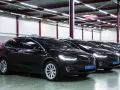
Since 2014, 167 copies of the Tesla Model S are taxis at the Amsterdam Schiphol airport in the Netherlands. Now the taxi company BIOS-groep, has decided to replace its entire Model S fleet with the Tesla Model X. The decision… Continue reading
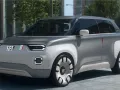
Fiat is one of the few manufacturers that have not yet been actively involved in the electric car segment, but this is about to change. At the Geneva Motor Show, the Italian builder announced that the future generation Fiat 500 will be available only… Continue reading
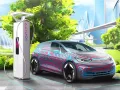
Volkswagen wants to install 36,000 charging stations for electric cars in Europe by 2025. The Volkswagen Group announces a significant increase in investments in charging infrastructure for electric cars with the intention of installing… Continue reading