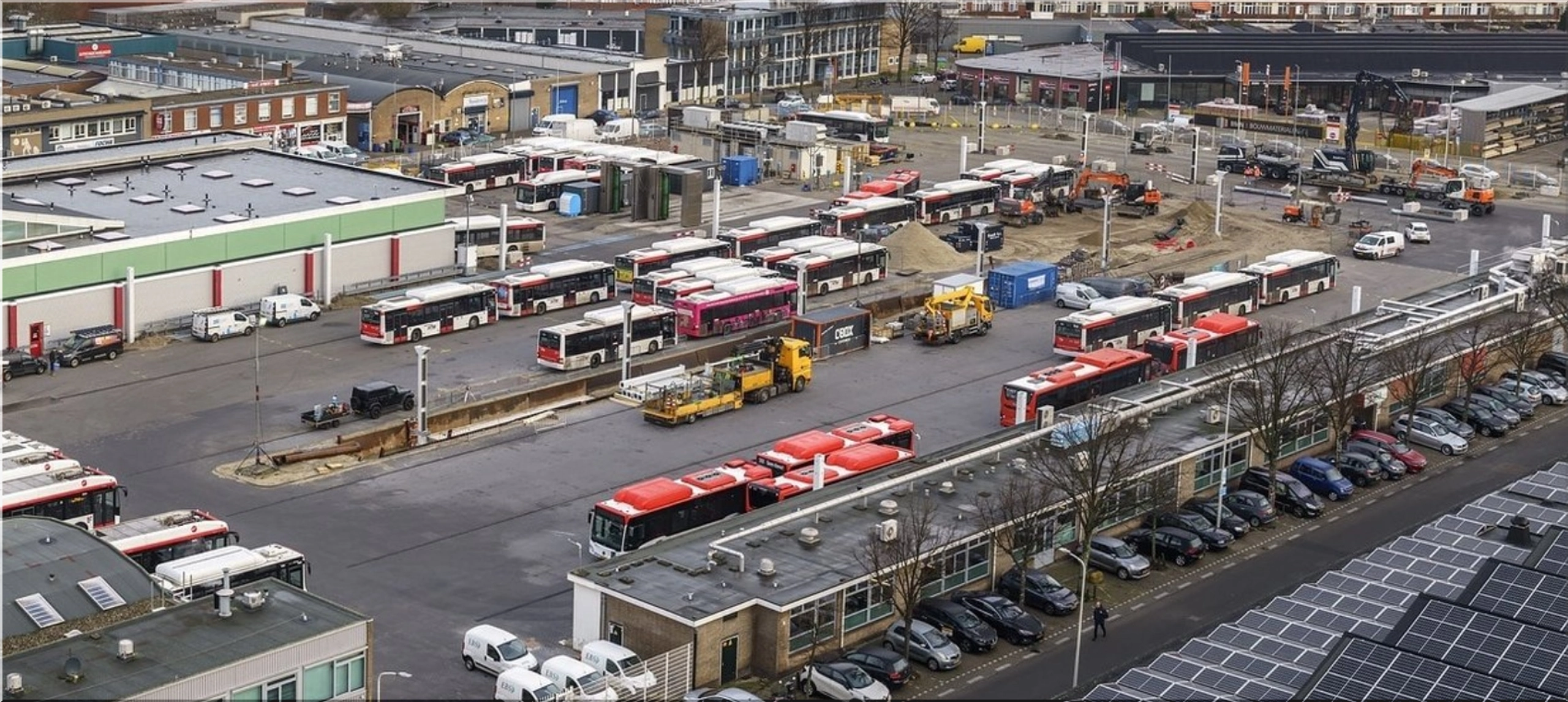
The Hague, the Dutch government's seat and the Netherlands' third-largest city is on a mission to become more sustainable and reduce its carbon footprint. One of the ways it is doing that is by electrifying its public transport system with the help of Daimler Buses, a subsidiary of the German automotive giant Daimler AG.
Daimler Buses delivers 21 eCitaro buses to The Hague
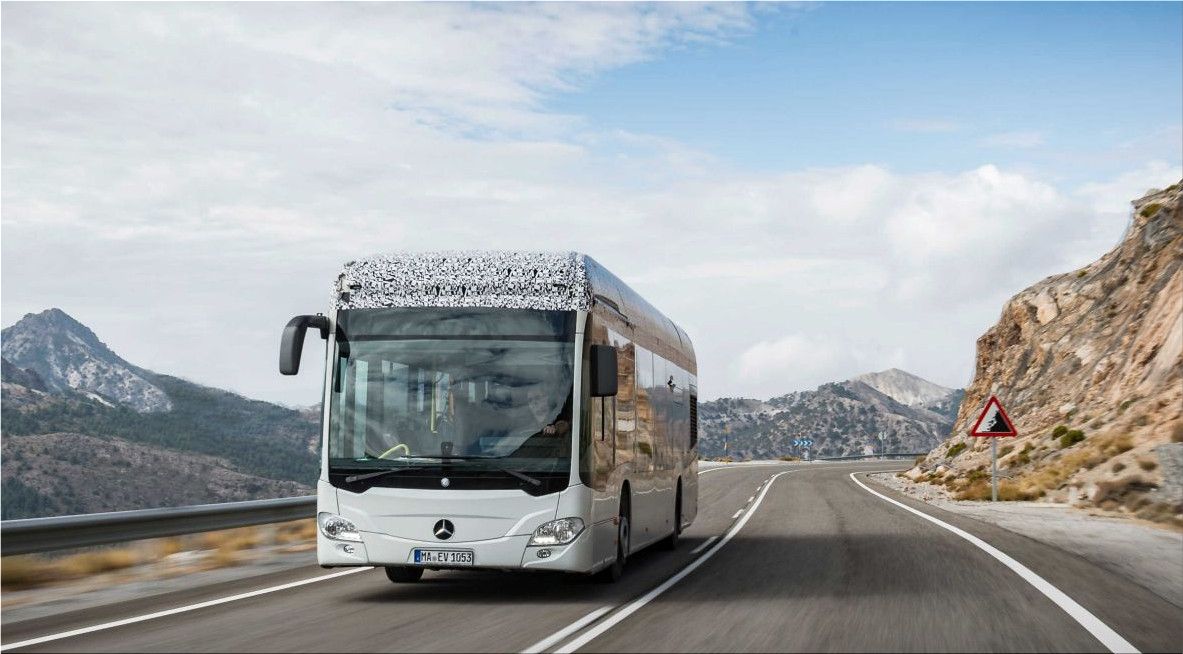
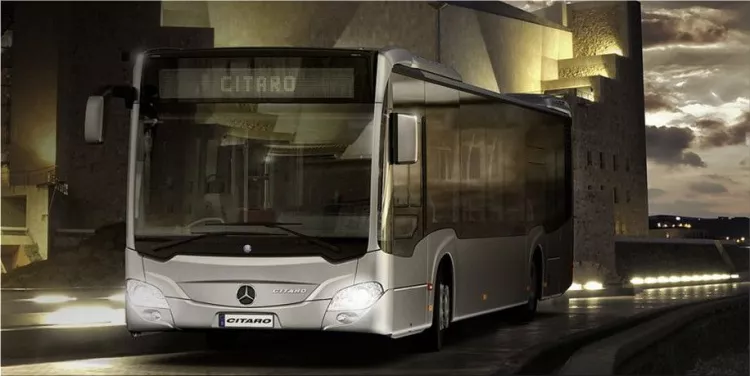
In March 2021, Daimler Buses delivered 21 eCitaro buses to The Hague’s public transport operator, HTM Personenvervoer N.V. (HTM). The eCitaro is a fully electric bus that can carry up to 88 passengers and has a range of up to 170 kilometers (105 miles) on a single charge. The eCitaro buses are equipped with lithium-ion batteries that can be recharged at the depot or at fast-charging stations along the routes.
The eCitaro buses are part of a larger order of 114 electric buses that HTM placed with Daimler Buses in 2019. The order also includes 93 eCitaro G buses, which are articulated versions of the eCitaro with a capacity of up to 146 passengers and a range of up to 220 kilometers (136 miles). The eCitaro G buses are expected to be delivered by the end of 2021.
The Hague aims to have a zero-emission bus fleet by 2030
The Hague is one of the first cities in the Netherlands to adopt electric buses on a large scale. The city has set a goal to have a zero-emission bus fleet by 2030, as part of its broader ambition to become carbon-neutral by 2040. The city also plans to invest in other forms of green mobility, such as electric cars, bikes, and scooters.
According to HTM, the electric buses will not only reduce greenhouse gas emissions but also improve air quality, noise levels, and passenger comfort. The electric buses are also more cost-efficient and reliable than diesel buses, as they have lower maintenance and fuel costs.
Daimler Buses is a leader in the electric bus market
Daimler Buses is one of the world’s leading manufacturers of buses and coaches, with a market share of about 17% in 2020. The company has been developing and producing electric buses since 2018 and has sold more than 400 eCitaro buses to date. The company offers a range of electric bus models, such as the Mercedes-Benz eCitaro, the eCitaro G, the eCitaro U, and the eCitaro S, which cater to different customer needs and preferences.
Daimler Buses is also working on innovative technologies to enhance the performance and efficiency of its electric buses, such as:
- Solid-state batteries: These are batteries that use solid materials instead of liquid electrolytes, which can increase the energy density, safety, and lifespan of the batteries. Daimler Buses plans to introduce solid-state batteries for its eCitaro buses in 2022.
- Hydrogen fuel cells: These are devices that convert hydrogen and oxygen into electricity and water, which can extend the range and flexibility of the electric buses. Daimler Buses plans to launch a fuel cell version of the eCitaro G bus in 2022, which will have a range of up to 400 kilometers (248 miles).
- Digital services: These are software solutions that help optimize the operation and management of the electric buses, such as eMobility Consulting, which helps customers plan and implement their electrification strategy, and OMNIplus ON, which provides remote diagnostics, predictive maintenance, and driver training.