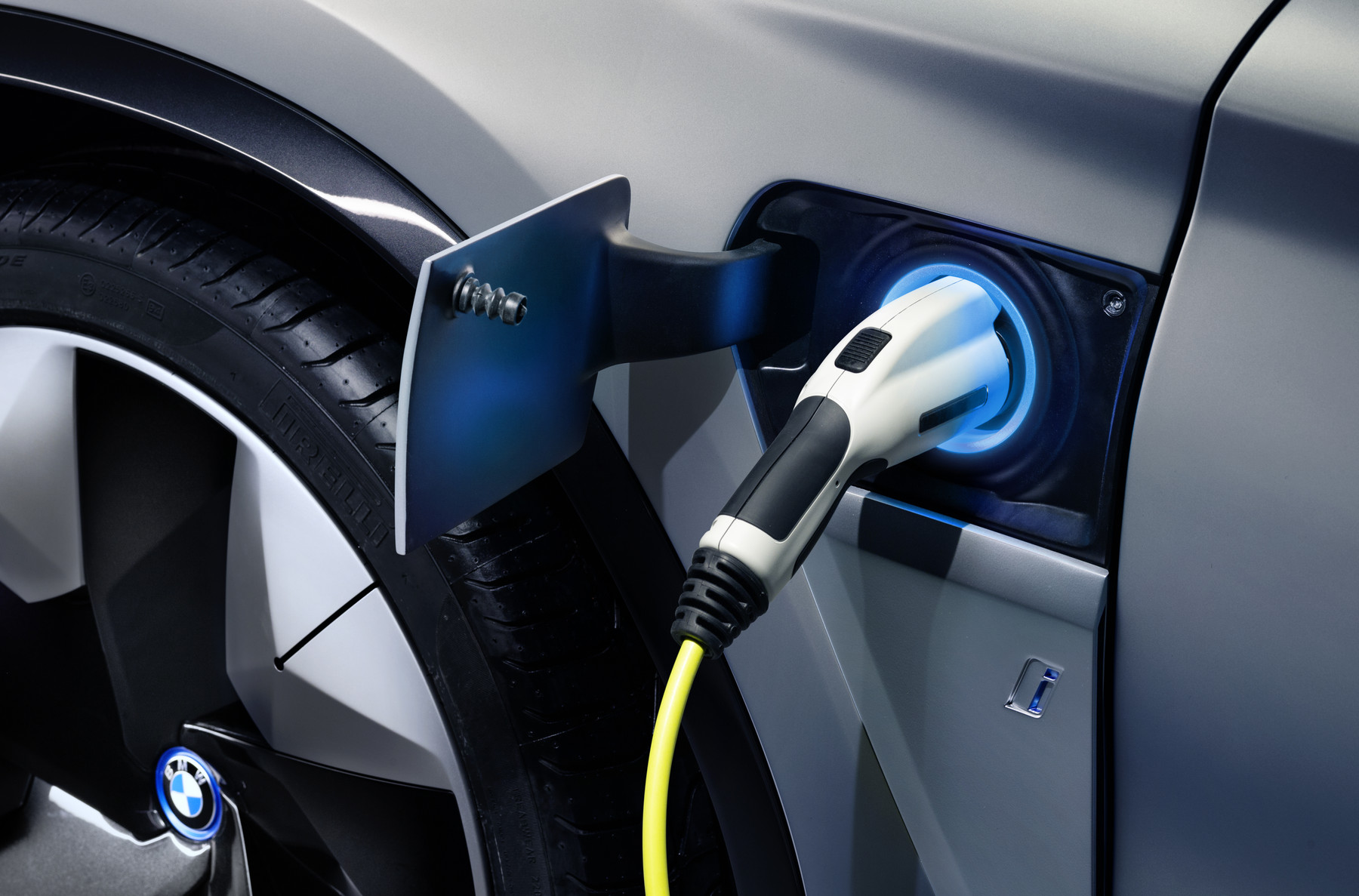
The Indian government has decided to cut VAT on electric vehicles from 12% to 5% and charging stations from 18% to 12%. In addition, the purchase of electric buses by the municipalities is exempt from VAT.
The changes will come into force on 1 August 2019. The VAT on petrol and diesel remains at 28 percent. With the tax cut, the Indian government wants to reduce the price difference between the two types of power in order to make electric cars more affordable.
However, an exemption from the registration fee for electric vehicles, which was discussed in June, was not decided. Reports are still in the room to increase the registration fee for gasoline and diesel.
However, the Federal Bureau of Indirect Taxes (abbreviated to GST) has made the condition that the vehicles have at least 12 seats eligible for the tax exemption for electric buses. The Indian government wants to promote not only renewable energy, but also clean traffic.

McLaren announced that in 2019 will be the launching of a new generation of supercars that will be equipped with hybrid propulsion and autonomous technologies. Continue reading
Since 2014, 167 copies of the Tesla Model S are taxis at the Amsterdam Schiphol airport in the Netherlands. Now the taxi company BIOS-groep, has decided to replace its entire Model S fleet with the Tesla Model X. The decision… Continue reading

The Chinese company BYD has presented the K12A, an electric bus with a total length of 27 meters, which ensures that it is the "longest electric bus in the world". The K12A is the world's first 27-m pure… Continue reading

This weekend from June 7 to 9, the largest urban exhibition of Electric Vehicles in Spain is held in Plaza de Colón in Madrid: VEM 2019. This is the fifth edition of this Urban Electric Vehicle Show, organized by AEDIVE with the support… Continue reading