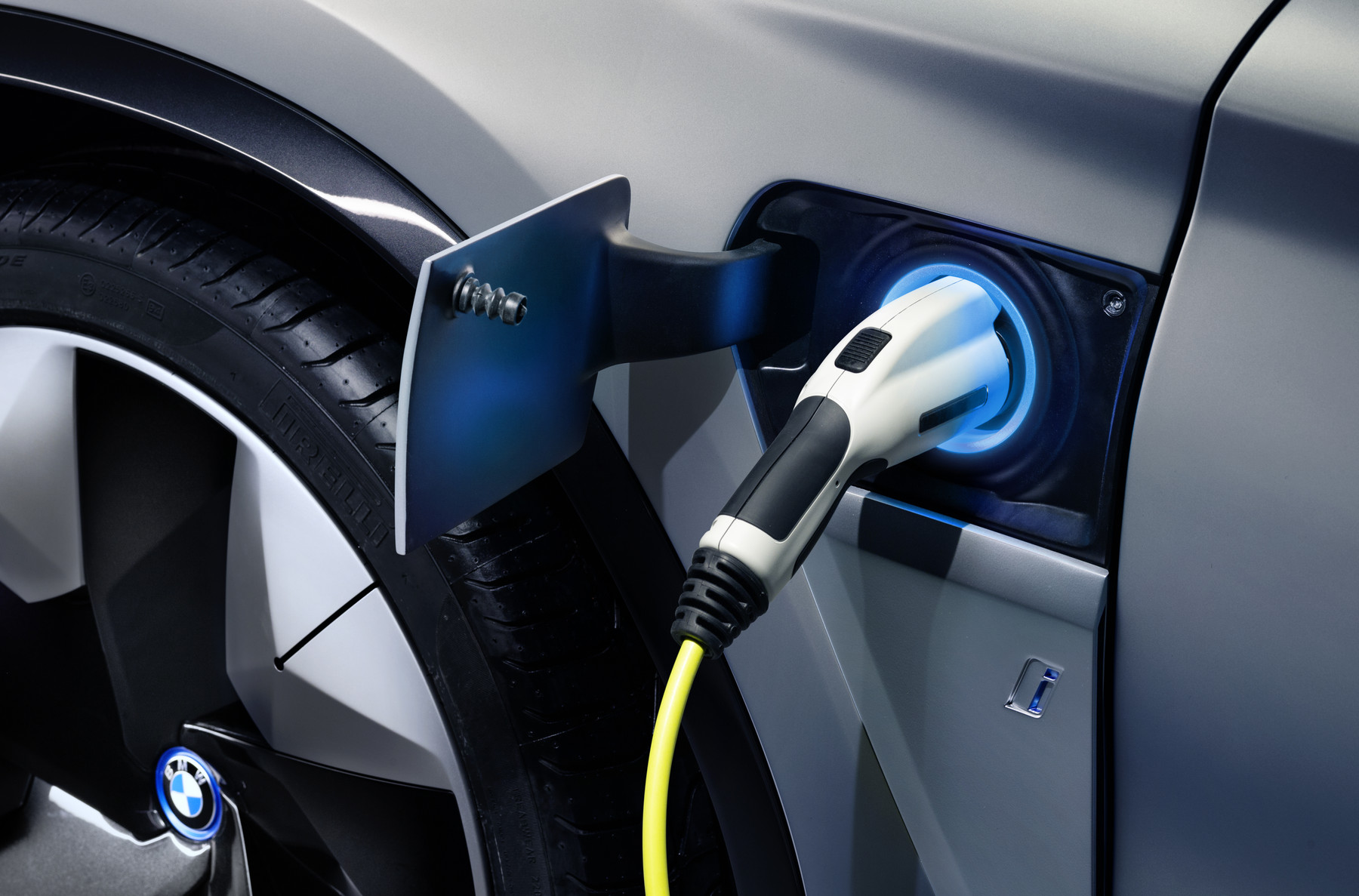
The Indian government has decided to cut VAT on electric vehicles from 12% to 5% and charging stations from 18% to 12%. In addition, the purchase of electric buses by the municipalities is exempt from VAT.
The changes will come into force on 1 August 2019. The VAT on petrol and diesel remains at 28 percent. With the tax cut, the Indian government wants to reduce the price difference between the two types of power in order to make electric cars more affordable.
However, an exemption from the registration fee for electric vehicles, which was discussed in June, was not decided. Reports are still in the room to increase the registration fee for gasoline and diesel.
However, the Federal Bureau of Indirect Taxes (abbreviated to GST) has made the condition that the vehicles have at least 12 seats eligible for the tax exemption for electric buses. The Indian government wants to promote not only renewable energy, but also clean traffic.

Polestar, the Swedish performance-oriented electric vehicle brand, has unveiled an exclusive collection of Arctic Circle-inspired models, reinforcing its deep connection to Swedish motorsport heritage and extreme weather performance… Continue reading
First Electric Waste Collection Truck Hits the Road in Vadsø Masternes Gjenvinning, a waste management company in Finnmark, Norway, has started operating the first electric garbage truck north of the Arctic Circle. The… Continue reading
The 2026 Toyota bZ lineup introduces major upgrades aimed at convenience, charging access, and user experience. With a larger network of DC fast chargers, new Plug & Charge technology, and Apple Maps EV Routing… Continue reading
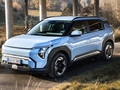
The electric vehicle market just hit a critical inflection point as Kia officially recalibrated the financial barrier for its most decorated compact SUV. By adjusting prices across the entire model program,… Continue reading