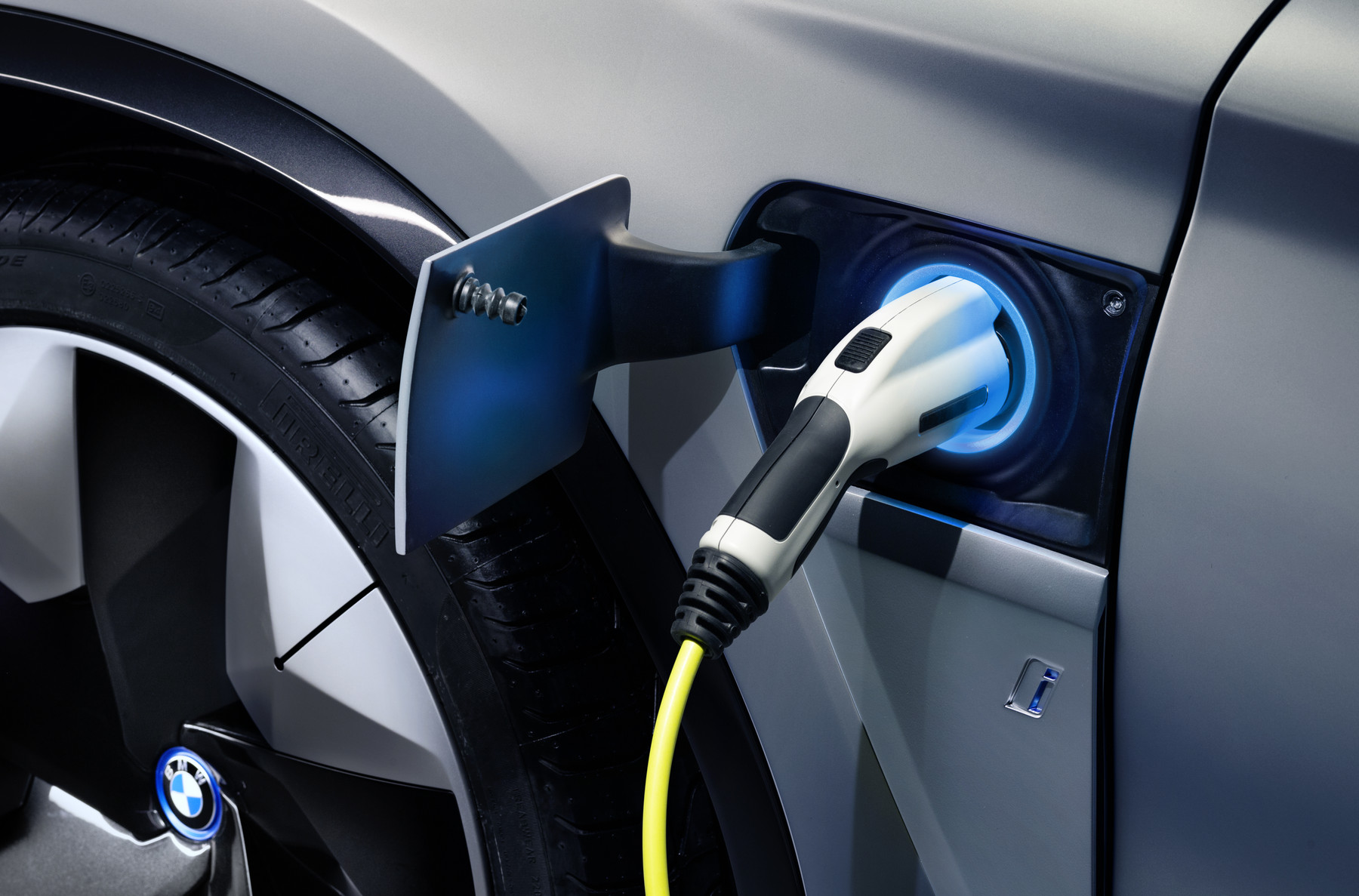
The Indian government has decided to cut VAT on electric vehicles from 12% to 5% and charging stations from 18% to 12%. In addition, the purchase of electric buses by the municipalities is exempt from VAT.
The changes will come into force on 1 August 2019. The VAT on petrol and diesel remains at 28 percent. With the tax cut, the Indian government wants to reduce the price difference between the two types of power in order to make electric cars more affordable.
However, an exemption from the registration fee for electric vehicles, which was discussed in June, was not decided. Reports are still in the room to increase the registration fee for gasoline and diesel.
However, the Federal Bureau of Indirect Taxes (abbreviated to GST) has made the condition that the vehicles have at least 12 seats eligible for the tax exemption for electric buses. The Indian government wants to promote not only renewable energy, but also clean traffic.

The future Mercedes-Benz G-Class electric could be called the EQG and it could be launched in 2024, according to unofficial information published on a forum of electric car fans. The information shows that the German manufacturer has… Continue reading
BYD, the Chinese giant and manufacturer of electric vehicles, continues its expansion in Europe. This summer, the automotive company has sold hundreds of electric buses to different European countries and cities, from Norway,… Continue reading

Until recently, electric cars were seen as a luxury item with limited practical application. However, things are significantly different now, and electric mobility has become the preferred mode of transportation for many consumers.… Continue reading
According to the Swedish manufacturer, the Polestar 3, an electric performance SUV, will debut in October 2022. The Polestar 3 is the first electric SUV from the Swedish automaker. So naturally, Polestar is entering the rapidly expanding and… Continue reading