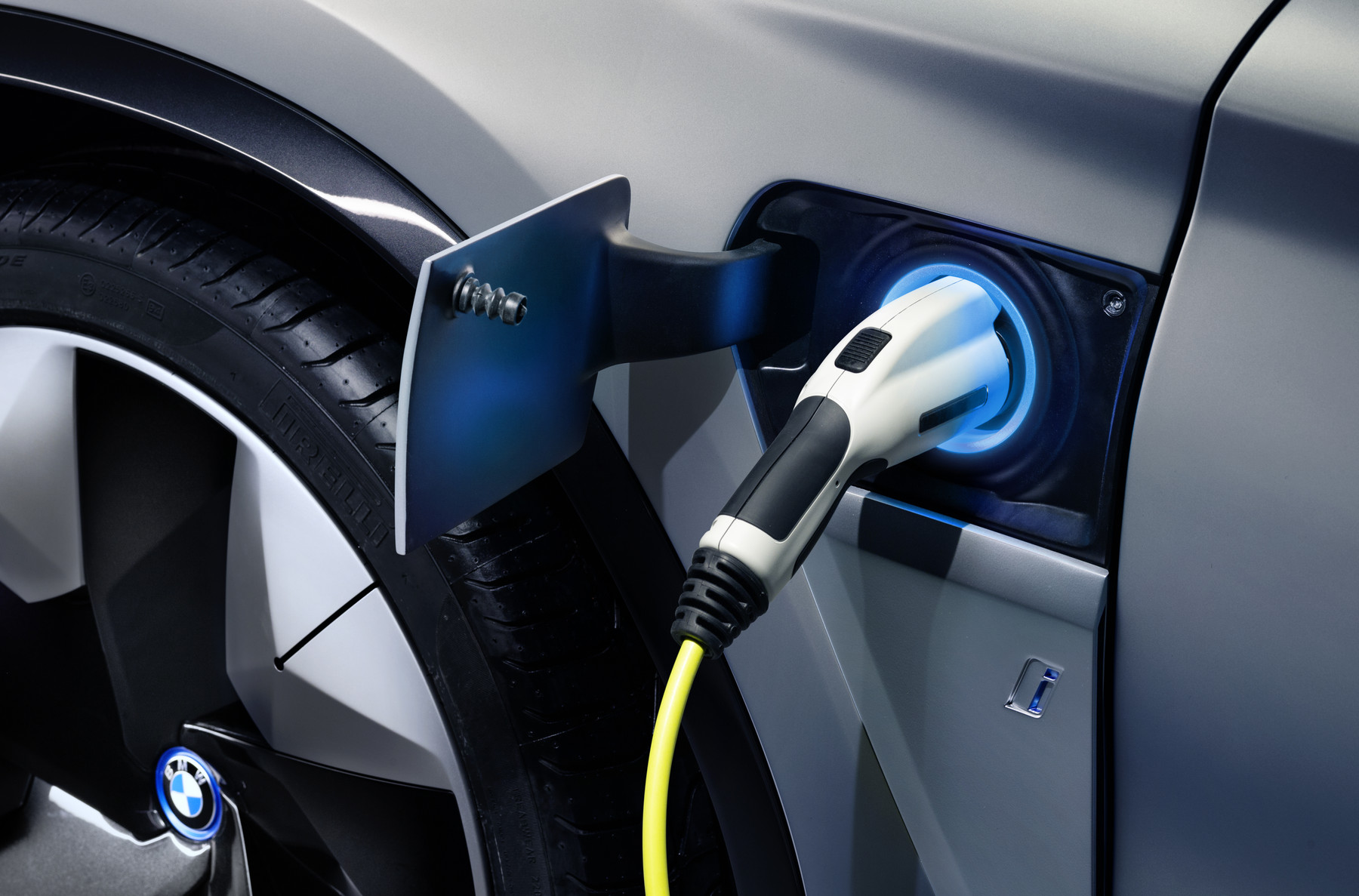
The Indian government has decided to cut VAT on electric vehicles from 12% to 5% and charging stations from 18% to 12%. In addition, the purchase of electric buses by the municipalities is exempt from VAT.
The changes will come into force on 1 August 2019. The VAT on petrol and diesel remains at 28 percent. With the tax cut, the Indian government wants to reduce the price difference between the two types of power in order to make electric cars more affordable.
However, an exemption from the registration fee for electric vehicles, which was discussed in June, was not decided. Reports are still in the room to increase the registration fee for gasoline and diesel.
However, the Federal Bureau of Indirect Taxes (abbreviated to GST) has made the condition that the vehicles have at least 12 seats eligible for the tax exemption for electric buses. The Indian government wants to promote not only renewable energy, but also clean traffic.

In today's fast-paced business environment, efficiency and productivity are crucial for companies to thrive. Ford Pro, the leading provider of commercial vehicles, understands this need and has announced exciting upgrades for its… Continue reading
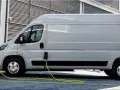
Fiat Professional, the commercial vehicle division of Stellantis, has unveiled its new lineup of vehicles for 2024, featuring electric and internal combustion engine (ICE) versions of its popular models. The new lineup includes the E… Continue reading

The BMW i5 Flow NOSTOKANA is a unique vehicle that combines art and innovation in a stunning way. It is inspired by the BMW Art Car designed by South African artist Esther Mahlangu in 1991 and features a color-changing technology that allows… Continue reading
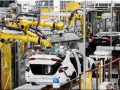
Reinforcing its commitment to electrification, Toyota Motor Corporation is pouring a significant $1.3 billion into its Georgetown, Kentucky, manufacturing facility. This strategic move marks a major step forward for Toyota's electric vehicle… Continue reading