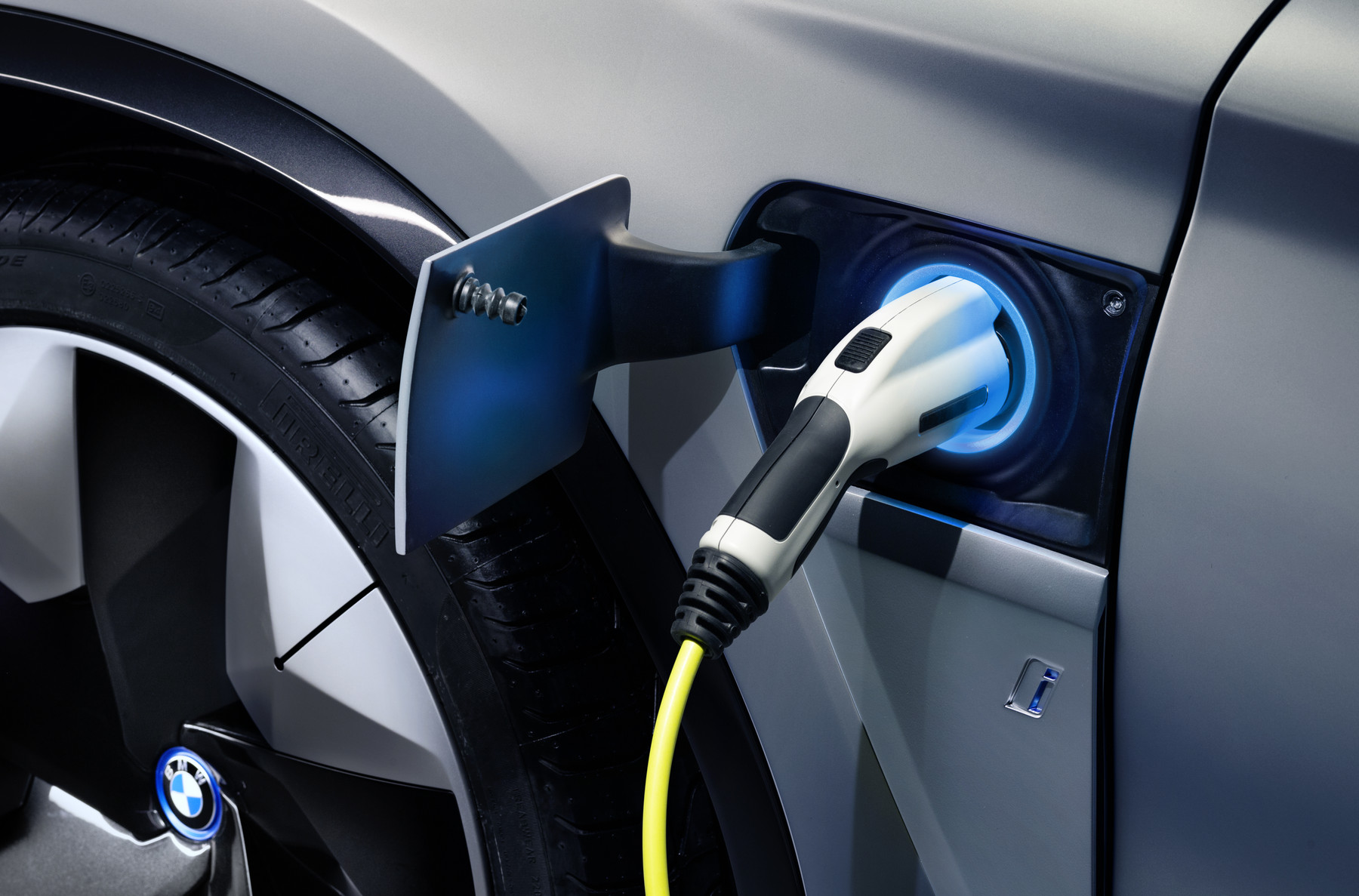
The Indian government has decided to cut VAT on electric vehicles from 12% to 5% and charging stations from 18% to 12%. In addition, the purchase of electric buses by the municipalities is exempt from VAT.
The changes will come into force on 1 August 2019. The VAT on petrol and diesel remains at 28 percent. With the tax cut, the Indian government wants to reduce the price difference between the two types of power in order to make electric cars more affordable.
However, an exemption from the registration fee for electric vehicles, which was discussed in June, was not decided. Reports are still in the room to increase the registration fee for gasoline and diesel.
However, the Federal Bureau of Indirect Taxes (abbreviated to GST) has made the condition that the vehicles have at least 12 seats eligible for the tax exemption for electric buses. The Indian government wants to promote not only renewable energy, but also clean traffic.

Ford has unveiled the E-Tourneo Courier, a fully electric version of its compact van that will be produced in the Ford Otosan factory in Craiova, Romania. The E-Tourneo Courier is part of Ford's plan to electrify… Continue reading

If you want a fun, affordable, and eco-friendly way to get around the city, you might want to check out the new Citroen My Ami Pop. This is a fresh and dynamic version of the Ami, a compact electric car that has been a hit in Europe… Continue reading

Canadian fleet operators and owner-operators rejoice! Daimler Truck, a leading innovator in transportation solutions, has officially launched its groundbreaking RIZON electric trucks in Canada. This marks a… Continue reading

The Paris Motor Show 2024 roared to life, and amidst the established giants, a new name stole the spotlight: Leapmotor. This Chinese automaker, with the backing of automotive behemoth Stellantis, unveiled its global debut:… Continue reading