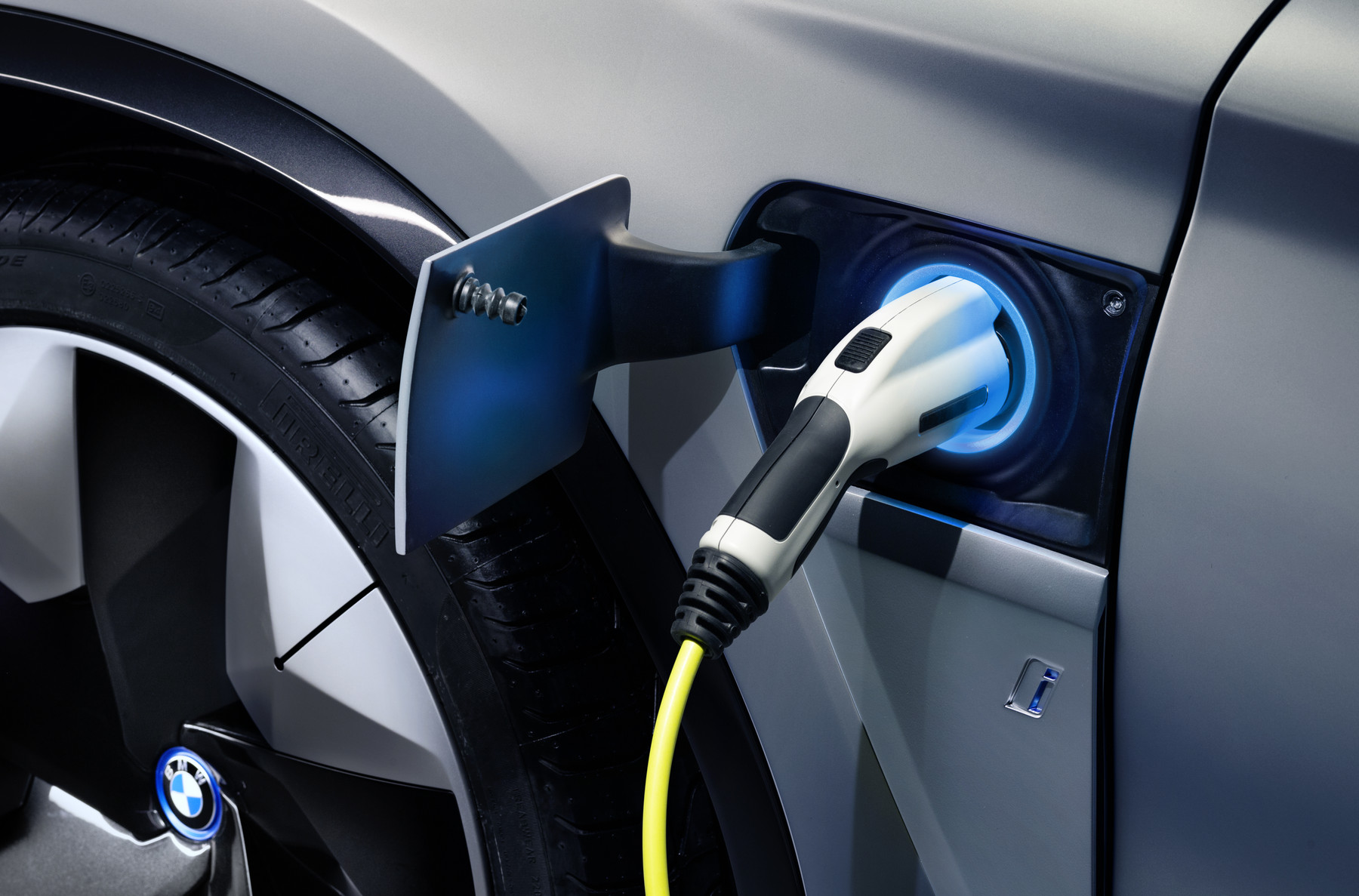
The Indian government has decided to cut VAT on electric vehicles from 12% to 5% and charging stations from 18% to 12%. In addition, the purchase of electric buses by the municipalities is exempt from VAT.
The changes will come into force on 1 August 2019. The VAT on petrol and diesel remains at 28 percent. With the tax cut, the Indian government wants to reduce the price difference between the two types of power in order to make electric cars more affordable.
However, an exemption from the registration fee for electric vehicles, which was discussed in June, was not decided. Reports are still in the room to increase the registration fee for gasoline and diesel.
However, the Federal Bureau of Indirect Taxes (abbreviated to GST) has made the condition that the vehicles have at least 12 seats eligible for the tax exemption for electric buses. The Indian government wants to promote not only renewable energy, but also clean traffic.

ES90 Volvo Cars has started production of the fully electric Volvo ES90, a sedan built on 800-volt architecture with a focus on fast charging, range, and software-driven updates. Positioned between sedans,… Continue reading
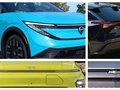
EV shoppers in 2026 want the same four things: low monthly cost, real-world range, painless charging, and confidence the car won’t turn ownership into a side quest. This guide ranks the 10 cheapest new EVs you can buy in 2026 (U.S.… Continue reading

The Renault 4 JP4x4 takes the production Renault 4 E-Tech electric and gives it the hardware Renault owners have wanted since the revived 4 arrived: rear-axle electric drive, higher ground clearance, wider tracks, open-air… Continue reading

Skoda launches the Superb PHEV (plug-in hybrid) in 2019. The propulsion system will be taken over from the Volkswagen Passat GTE and it will offer 218 horsepower. Skoda Superb plug-in hybrid autonomy would be up to 70 kilometers, about 20… Continue reading