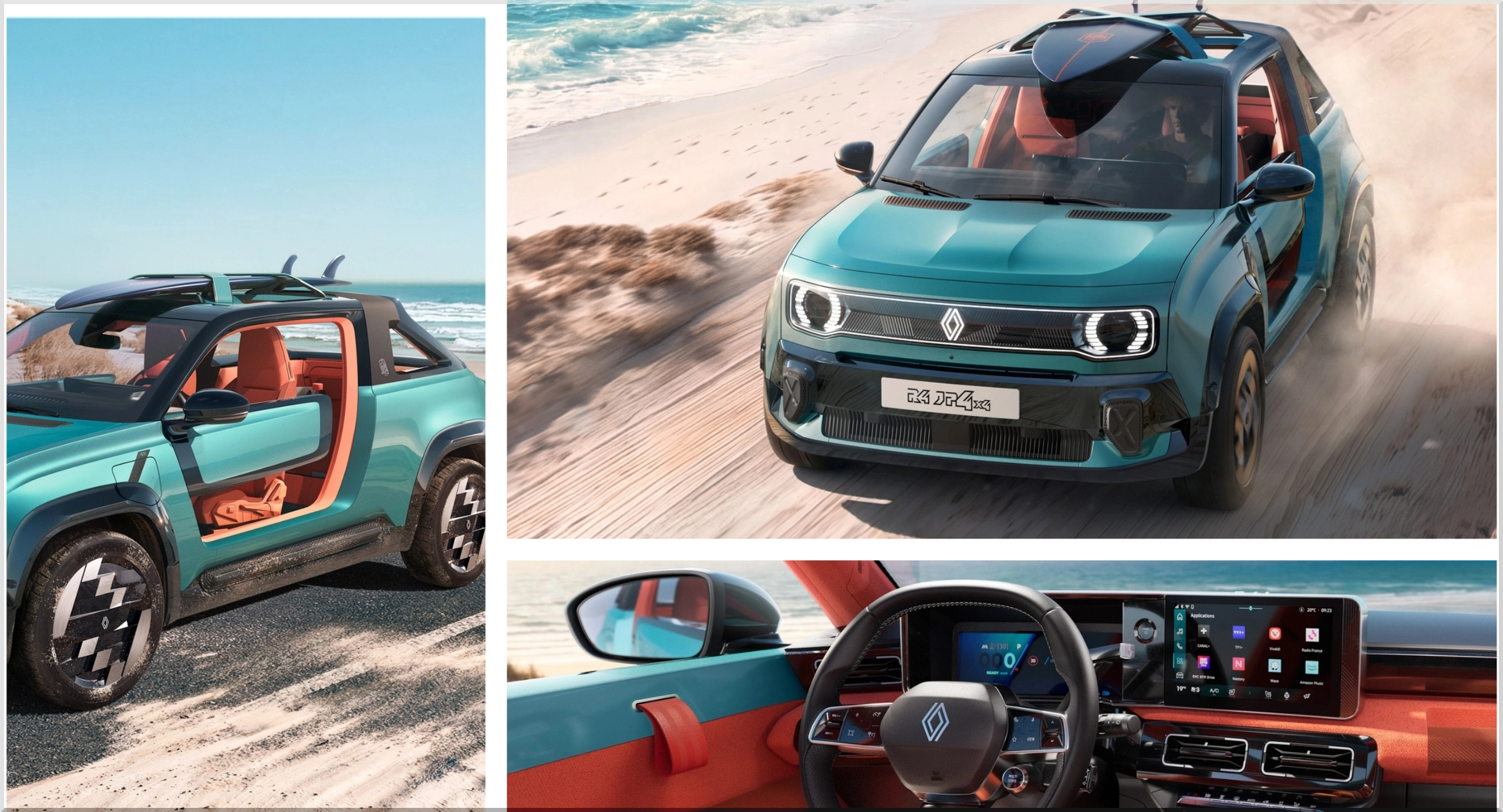
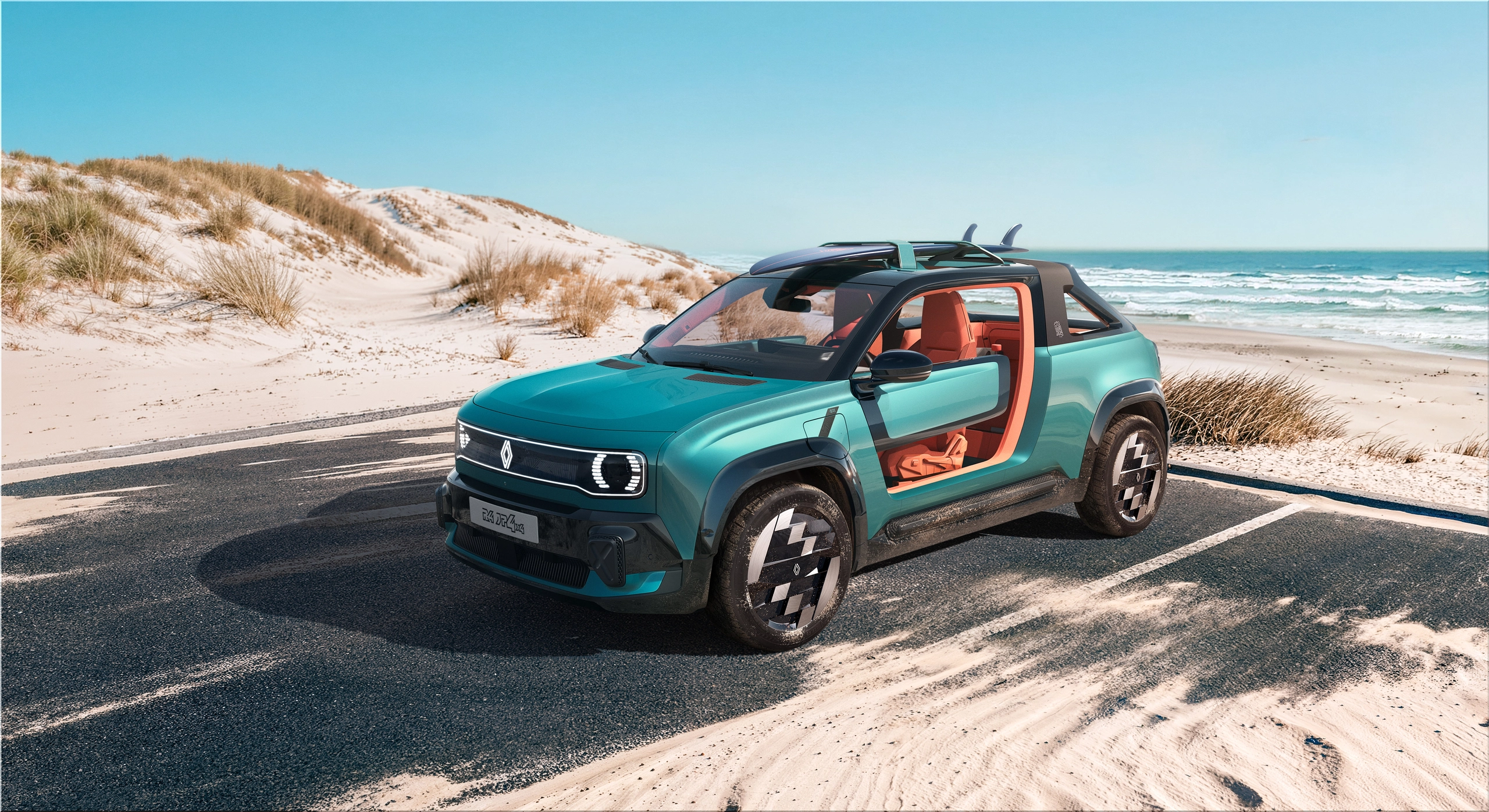
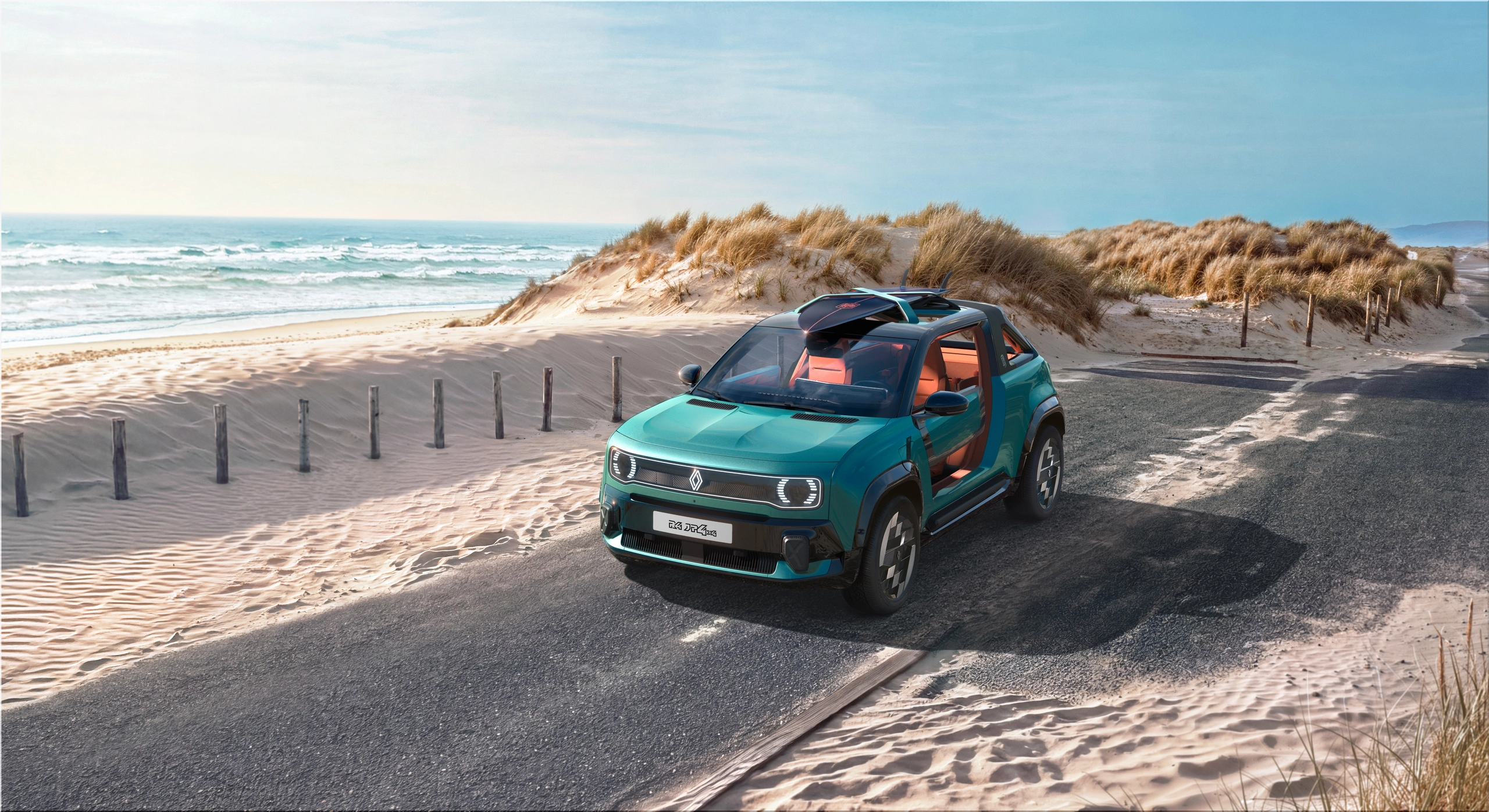
The Renault 4 JP4x4 takes the production Renault 4 E-Tech electric and gives it the hardware Renault owners have wanted since the revived 4 arrived: rear-axle electric drive, higher ground clearance, wider tracks, open-air bodywork, and beach-ready packaging. It remains a concept, but the engineering message feels serious.
What Is the Renault 4 JP4x4 Concept?
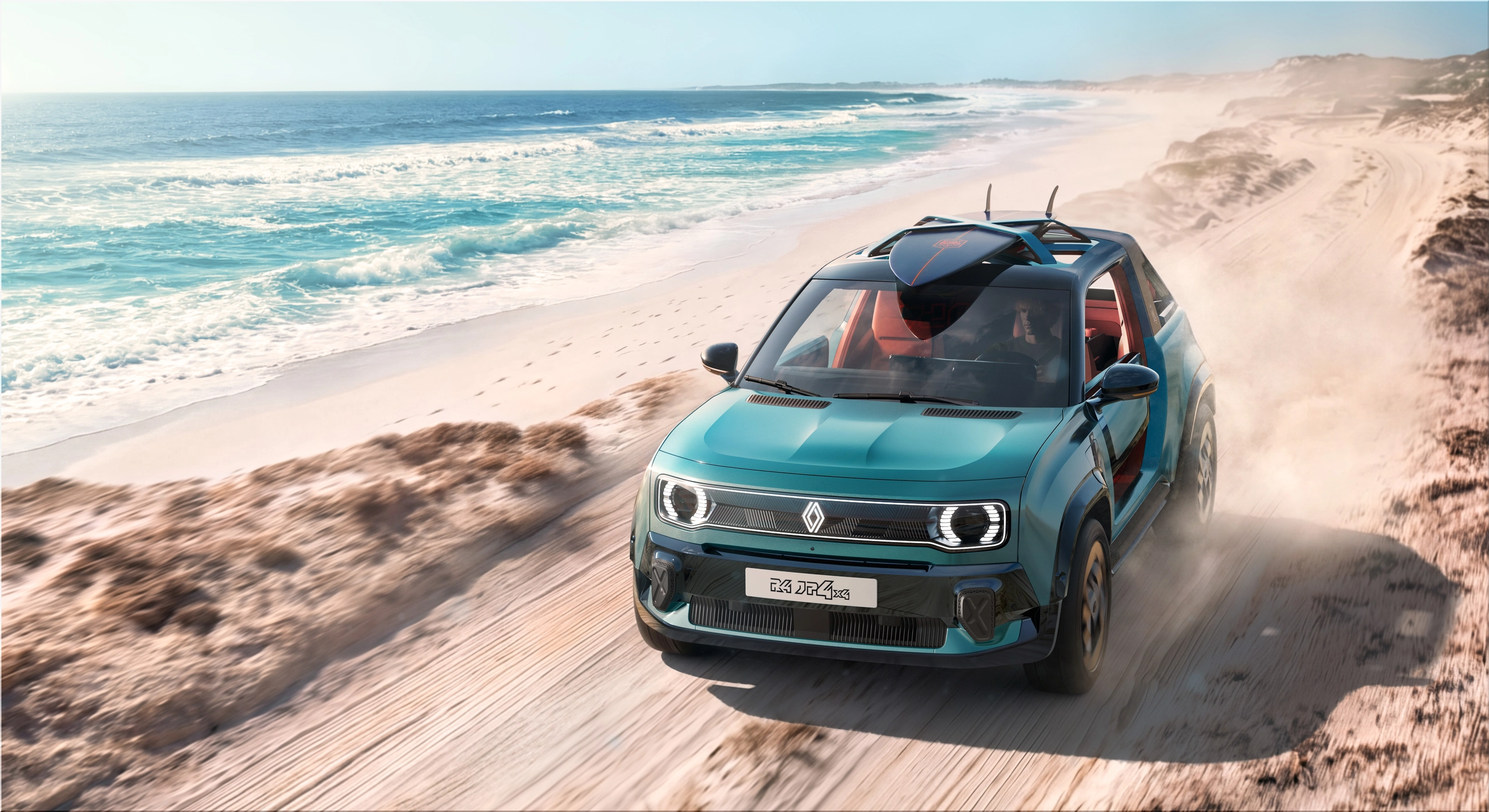
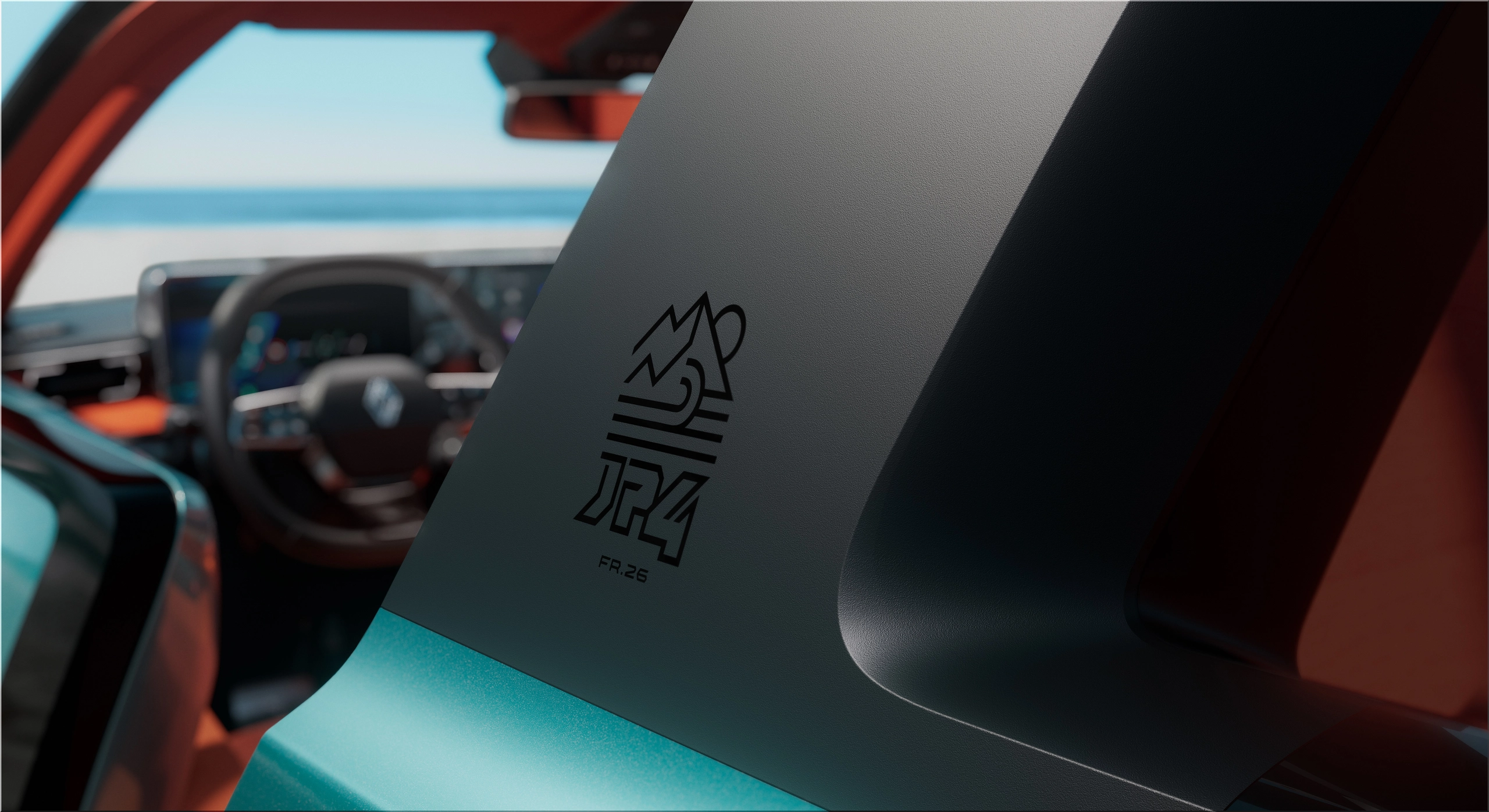
The Renault 4 JP4x4 concept made its public debut around the 2026 Roland-Garros French Open as Renault's latest concept based on the Renault 4 electric. The idea draws from the original Renault 4 Plein Air from 1969 and the Renault 4 JP4 from 1981, but the hardware sits firmly in modern EV territory.
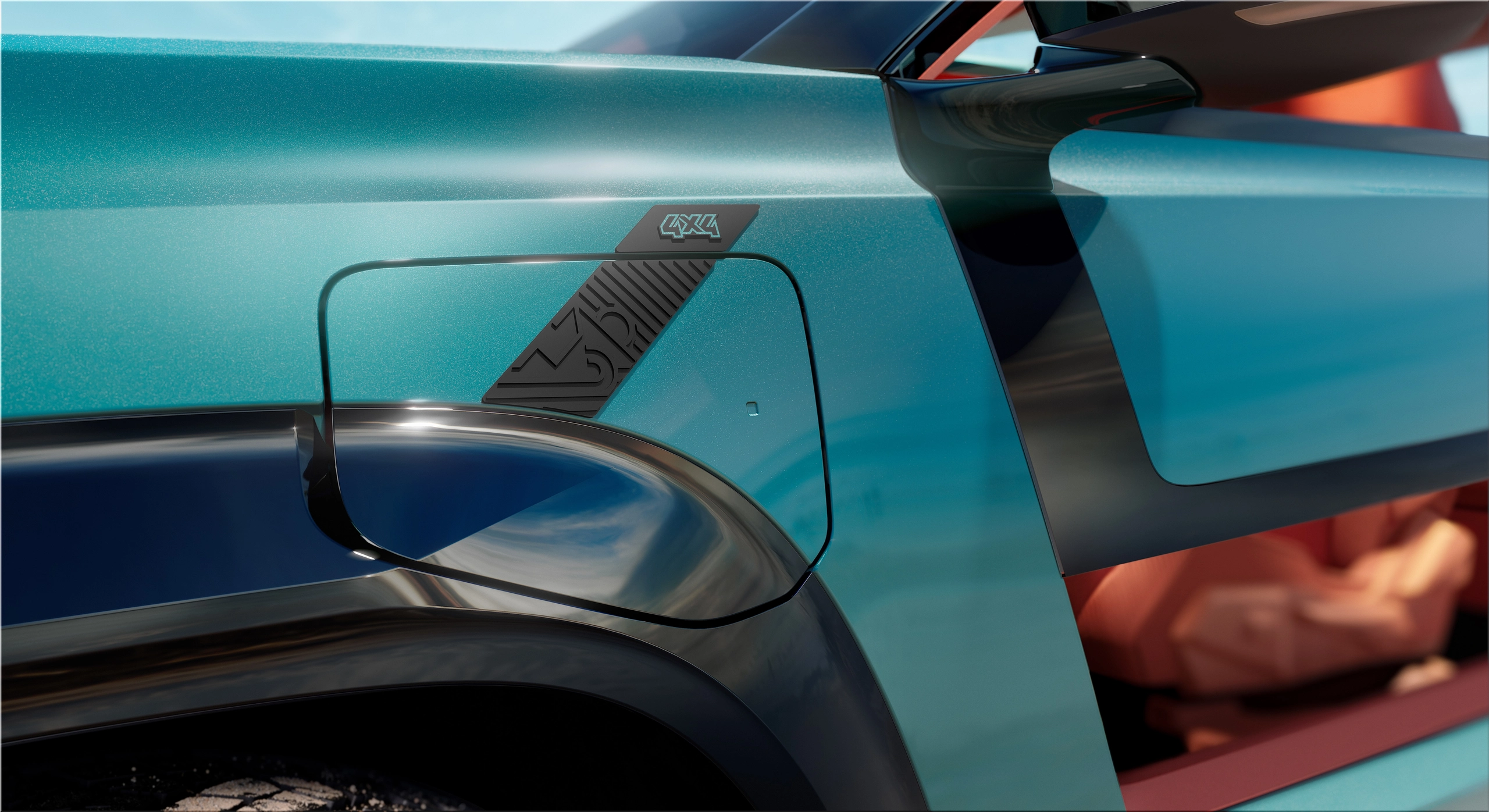
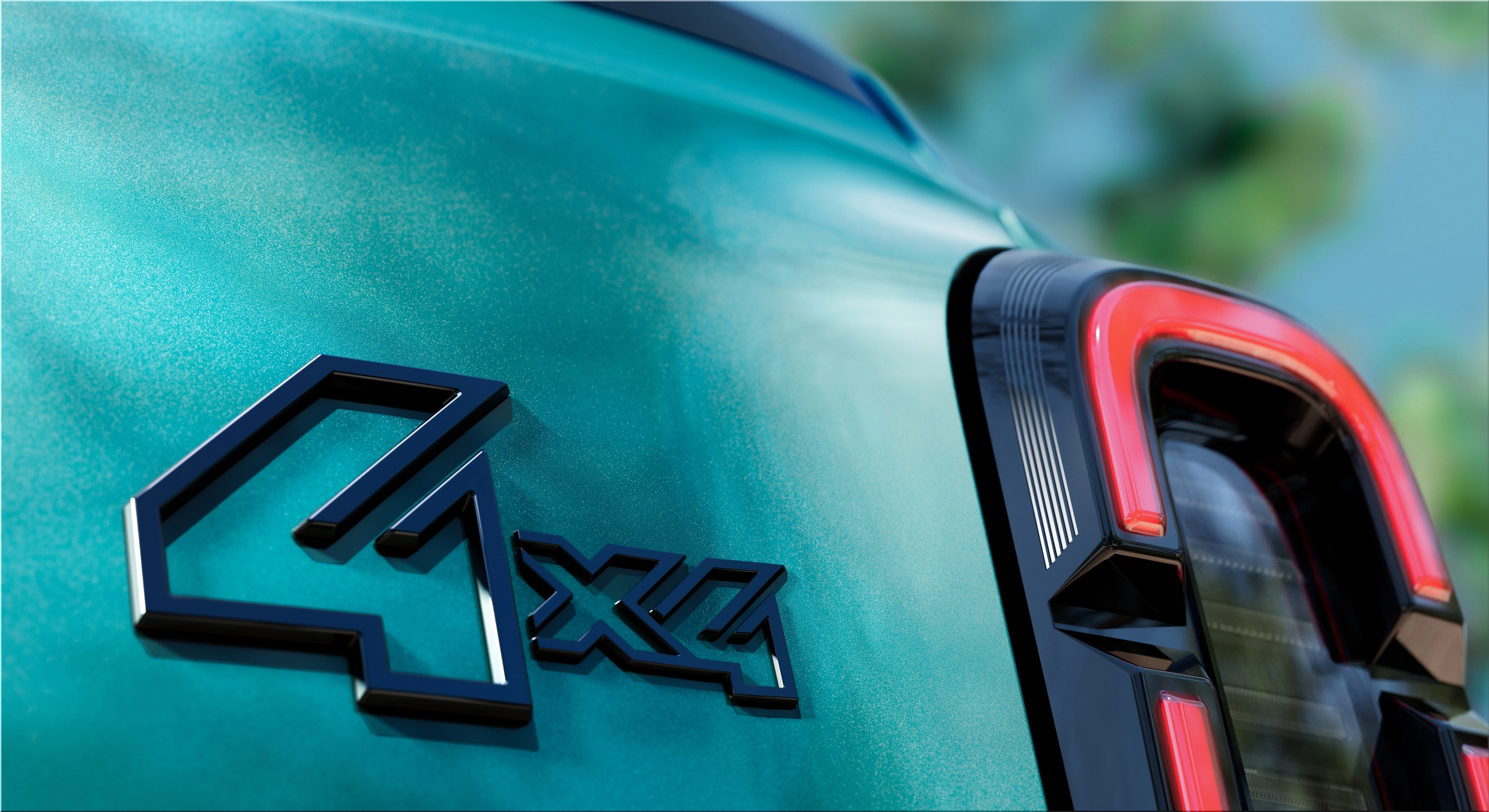
Renault kept the nostalgic beach-car flavor, then added a second electric motor on the rear axle. That changes the car from a front-drive urban EV into a dual-motor electric 4x4 concept designed for sand, gravel, and light off-road use. In plain terms, this concept answers a simple question: what happens when Renault makes the reborn 4 less precious and more useful?
Renault 4 JP4x4 Concept Specs
Looking at the data, Renault did not turn the JP4x4 into a lifted monster. The changes stay measured. That matters because small EVs lose efficiency quickly when weight, tire width, and aerodynamic drag rise too far.
| Specification | Renault 4 JP4x4 Concept | Production Renault 4 E-Tech Electric |
|---|---|---|
| Platform | RGEV small platform | AmpR Small / RGEV small architecture |
| Drive layout | Dual-motor all-wheel drive | Front-wheel drive |
| Rear motor | Yes | No |
| Ground clearance change | +15 mm / +0.6 in | Standard ride height |
| Track width change | +10 mm / +0.4 in per side | Standard track |
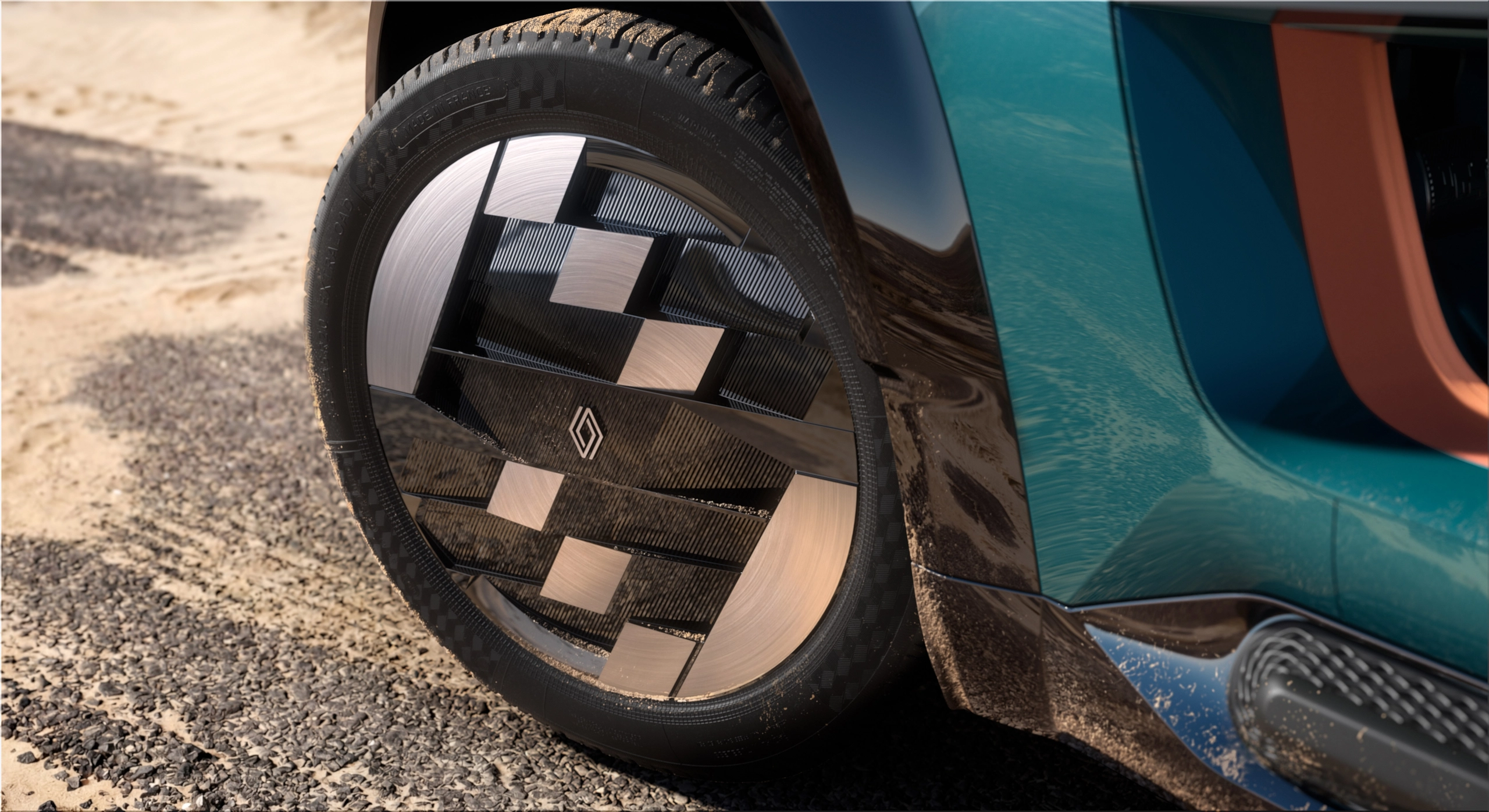
| Wheels | 18-inch JP4 wheels | Model-dependent |
| Tires | Goodyear UltraGrip Performance+ 225/55 | Road-focused EV tires |
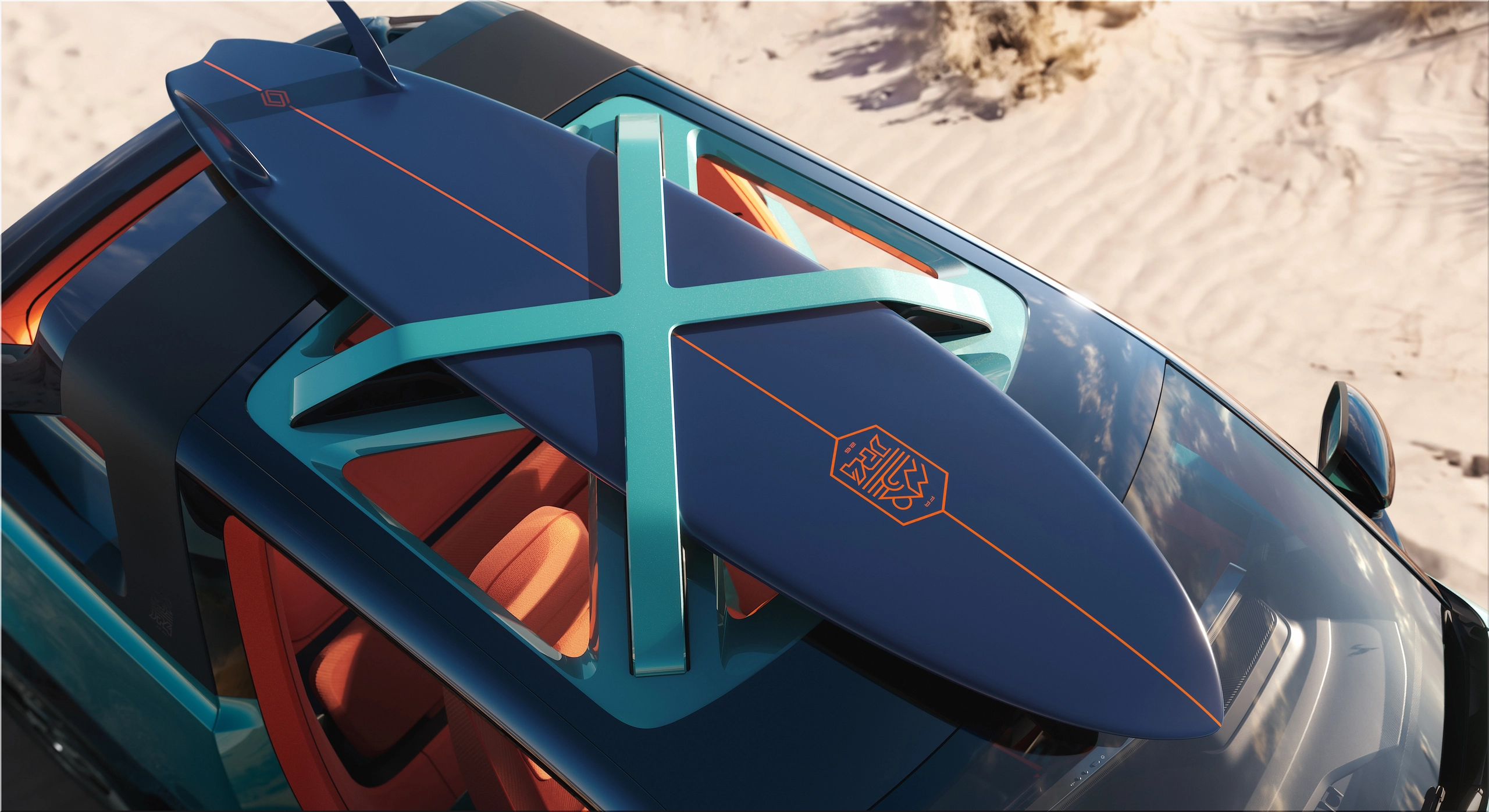
| Roof | Openwork cross structure | Fixed roof or Plein Sud canvas roof |
| Rear access | Drop-down tailgate | Standard hatchback tailgate |
Specifically, the extra rear motor gives the Renault 4 electric 4x4 traction where a front-drive EV would start spinning its front tires. Sand punishes nose-heavy cars because the front tires must steer and pull at the same time. A rear motor shares that load and lets the car push itself forward with better balance.
How Does the Dual-Motor 4x4 System Help on Sand?
A second electric motor on the rear axle gives the Renault 4 JP4x4 electric car instant rear-wheel torque without a driveshaft, transfer case, or mechanical center differential. That setup suits a small EV because it adds traction with fewer packaging compromises than a conventional 4x4 system.
From an expert perspective, Renault chose the right concept recipe. A compact EV does not need rock-crawling hardware to work as a beach car. It needs predictable torque delivery, moderate ground clearance, useful tire sidewall, and enough wheel travel to avoid grounding the battery enclosure on rough tracks.
Pro-Tip
For beach driving, tire choice matters as much as motor count. The JP4x4's 225/55 tires add sidewall height compared with low-profile urban EV rubber, which helps comfort and grip on softer surfaces.
Renault 4 JP4x4 vs Renault 4 E-Tech Electric
By comparison, the standard Renault 4 E-Tech electric focuses on daily use. It measures roughly 4,144 mm long, or 163.1 inches, and uses a front-mounted electric motor. In its higher-output 52 kWh version, the production car makes 150 hp and 245 Nm of torque, equal to 181 lb-ft.
| Data Point | Renault 4 E-Tech Electric 52 kWh | Renault 4 JP4x4 Concept |
|---|---|---|
| Battery | 52 kWh | Not confirmed |
| Power | 150 hp / 110 kW | Not confirmed |
| Torque | 245 Nm / 181 lb-ft | Not confirmed |
| 0-62 mph | 8.2 seconds | Not confirmed |
| Length | 4,144 mm / 163.1 in | Expected close to Renault 4 base |
| Width with mirrors | 2,020 mm / 79.5 in | Wider track by 20 mm total |
| Trunk volume | 420 L / 14.8 cu ft | Modified open-air layout |
| Maximum cargo volume | 1,405 L / 49.6 cu ft | Not confirmed |
| DC fast charging | Up to about 101 kW | Not confirmed |
Renault has not released battery capacity, output, torque split, curb weight, or range for the JP4x4. That silence matters. A production version would need a clear answer on efficiency because a second motor, wider stance, 18-inch tires, and open-air bodywork would cut range compared with the standard Renault 4.
Why Renault Built an Open-Air Electric Beach Car
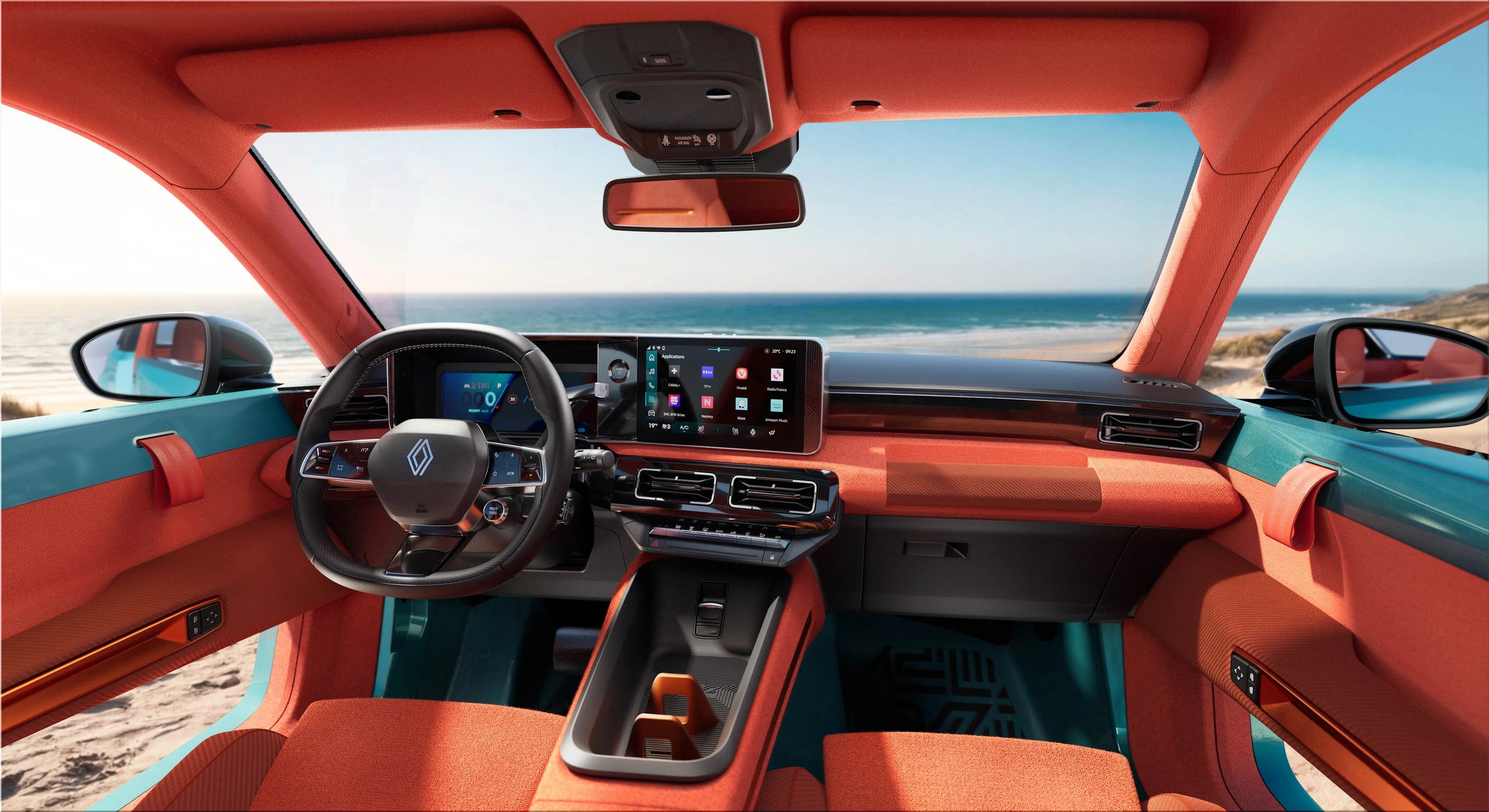
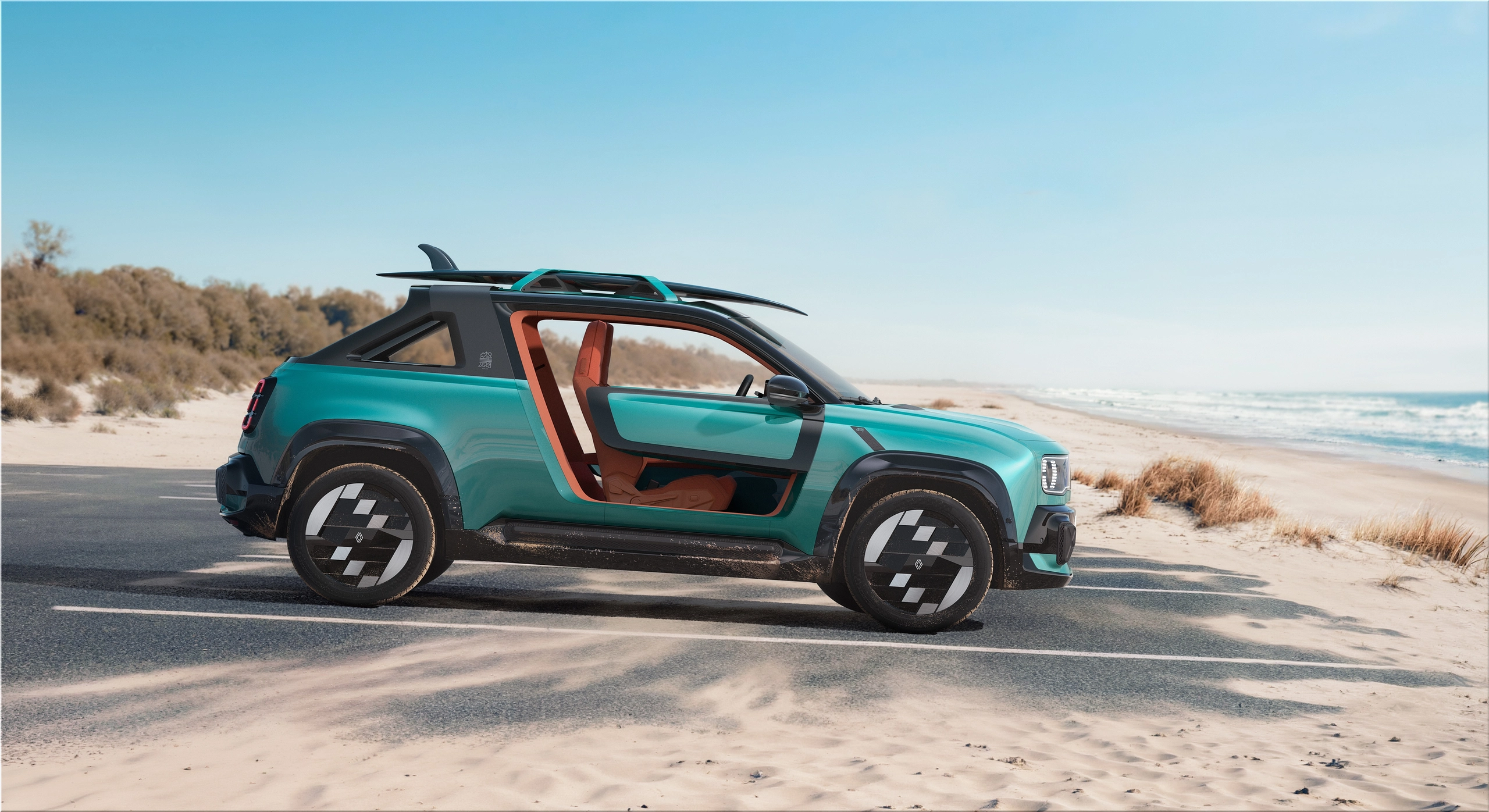
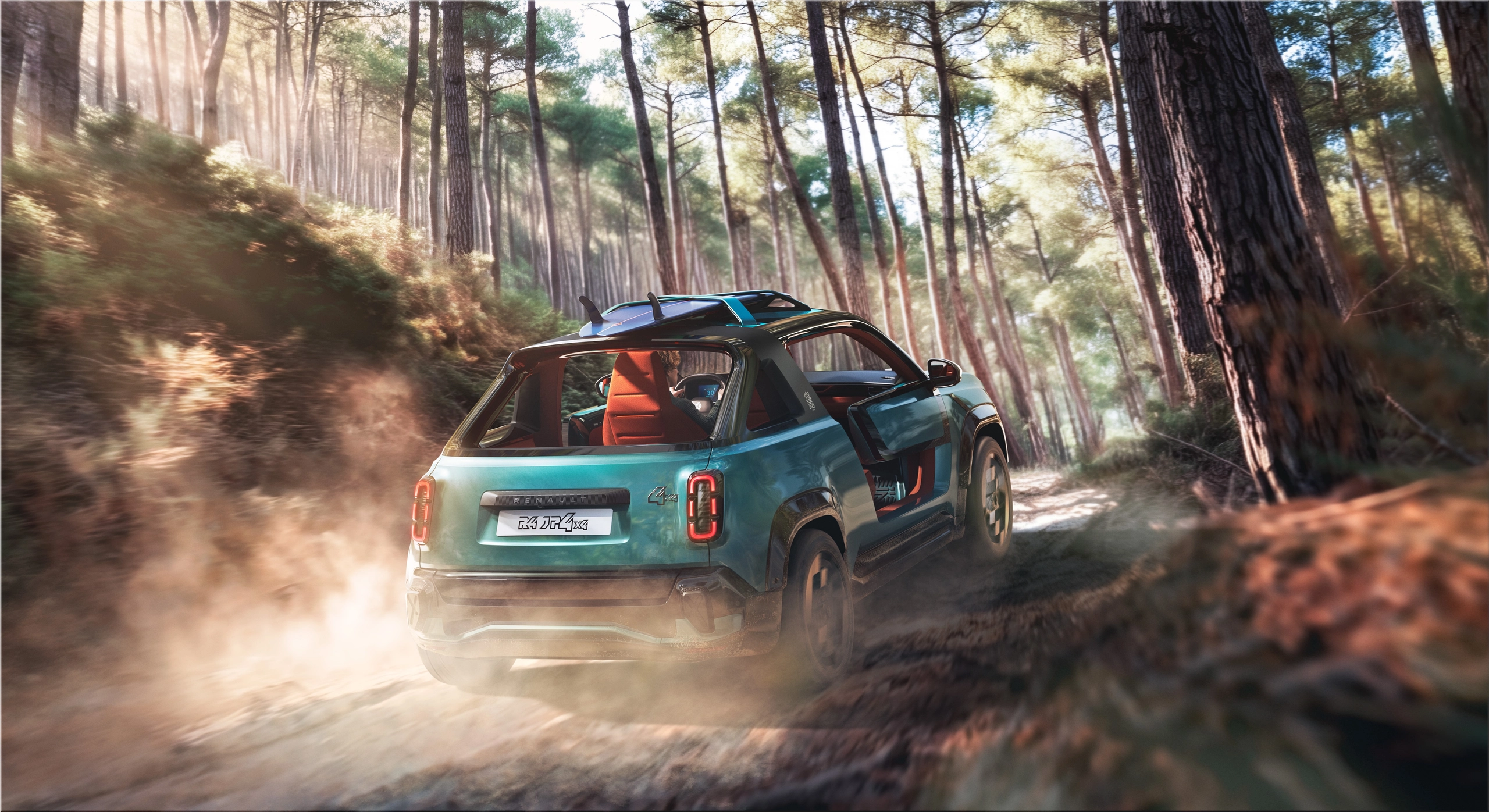
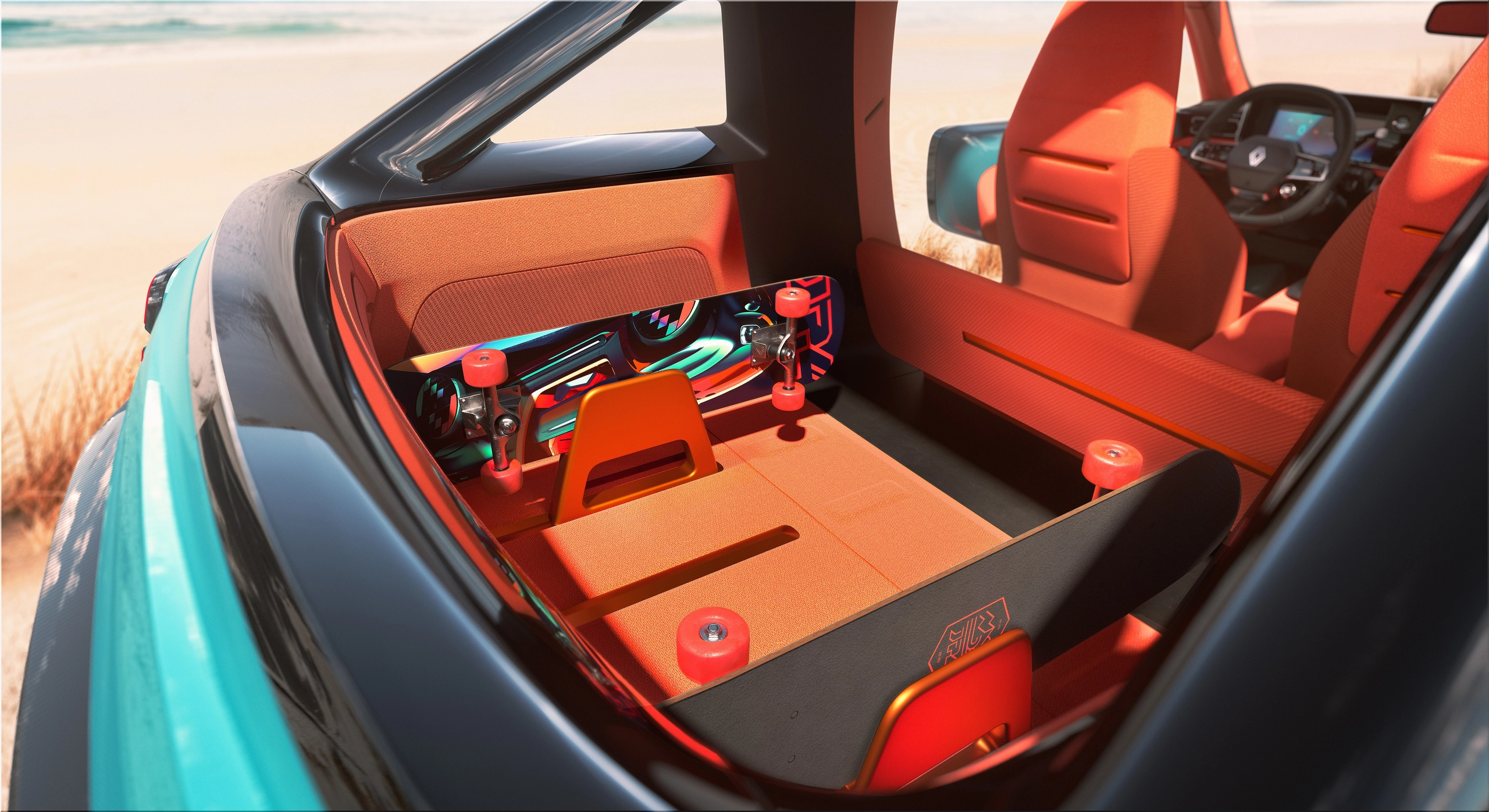
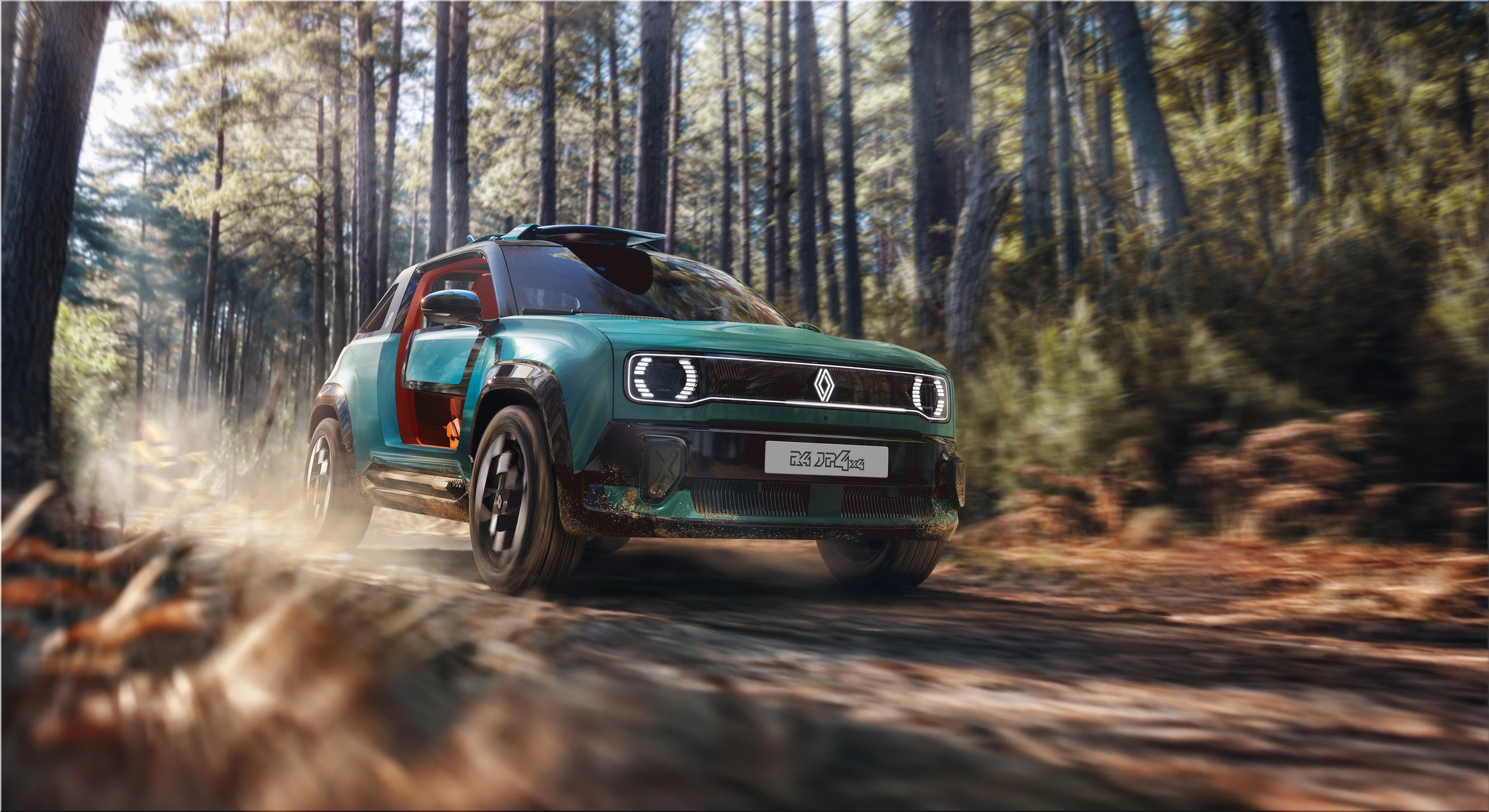
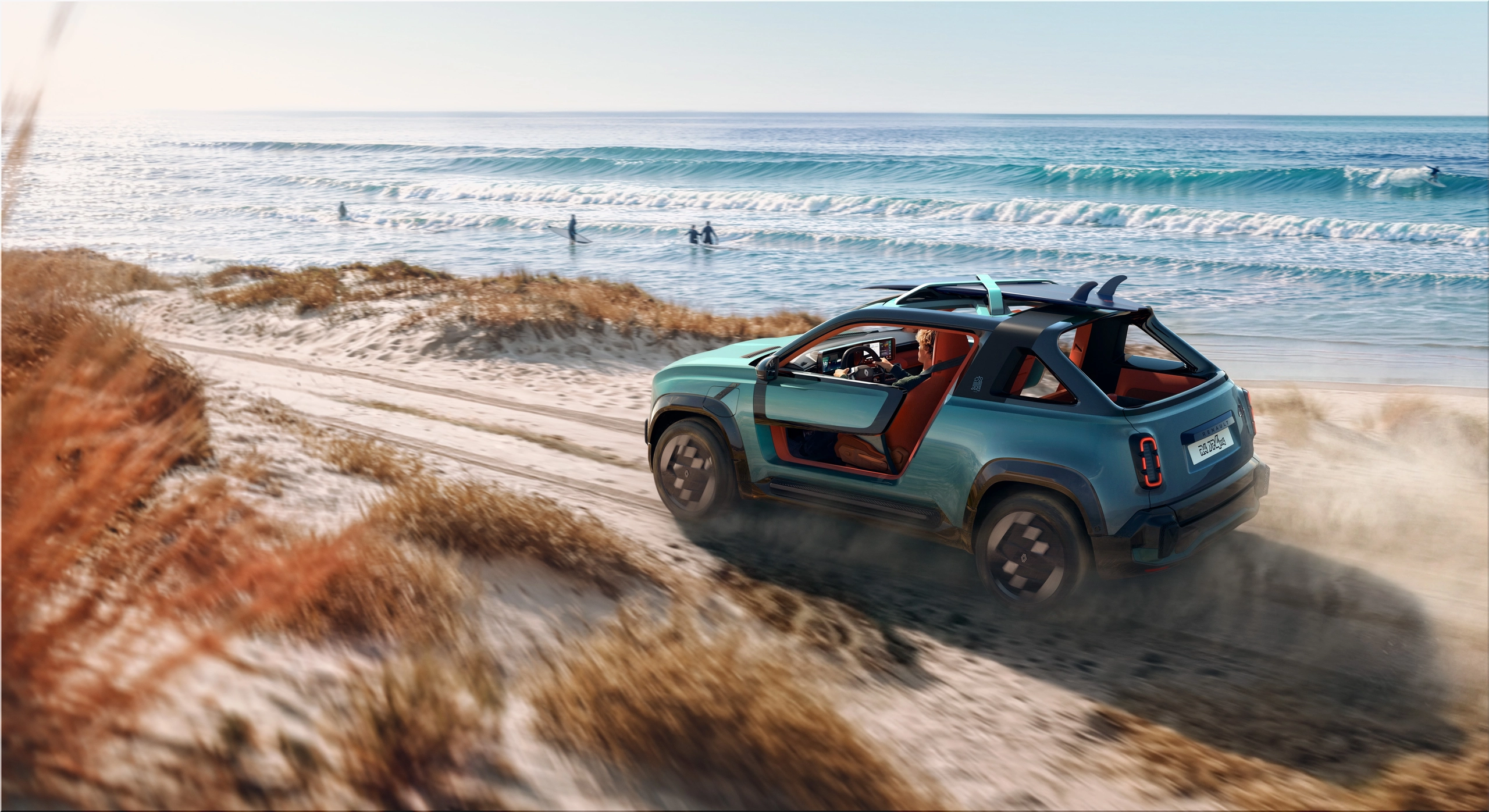
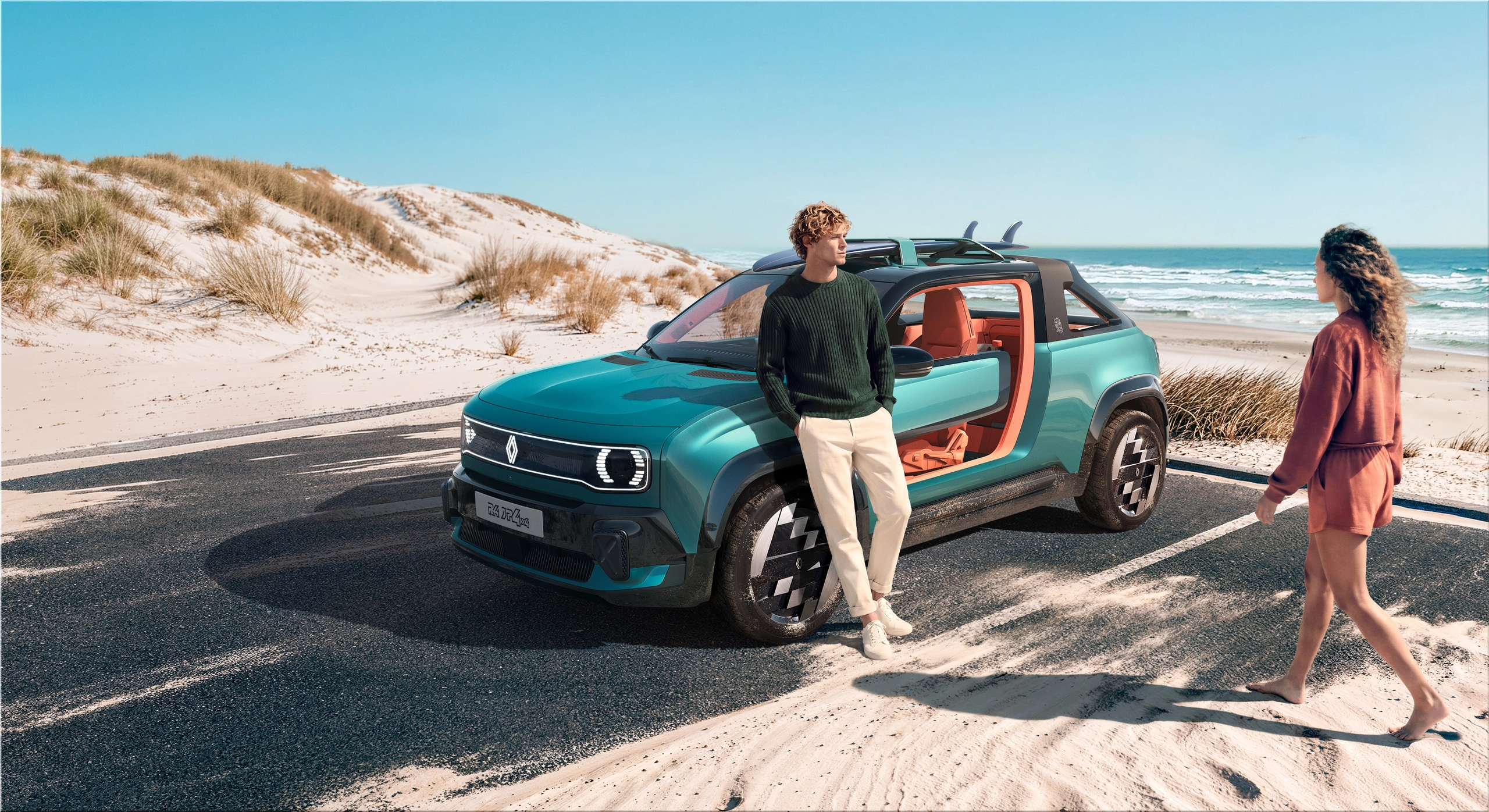
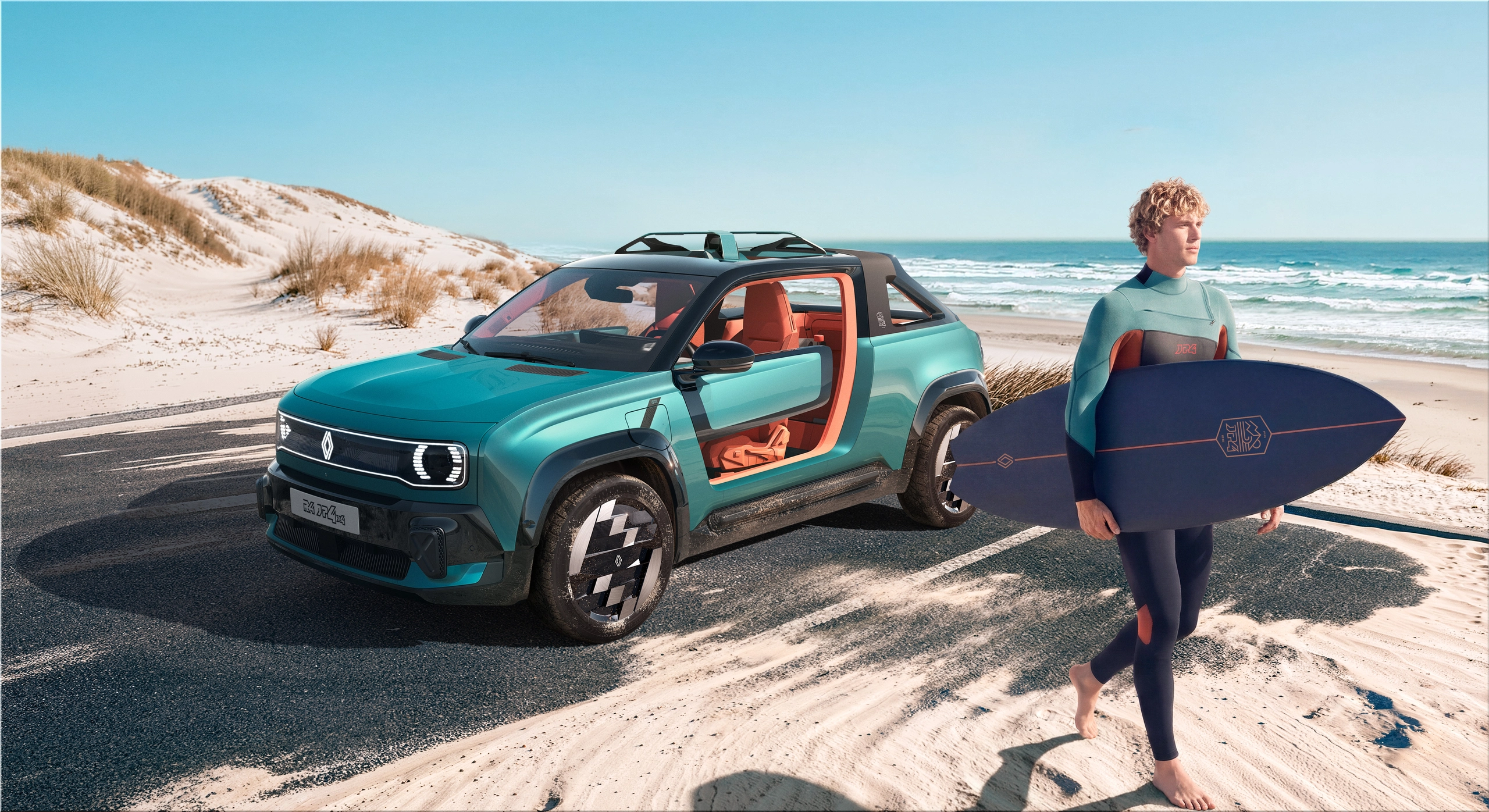
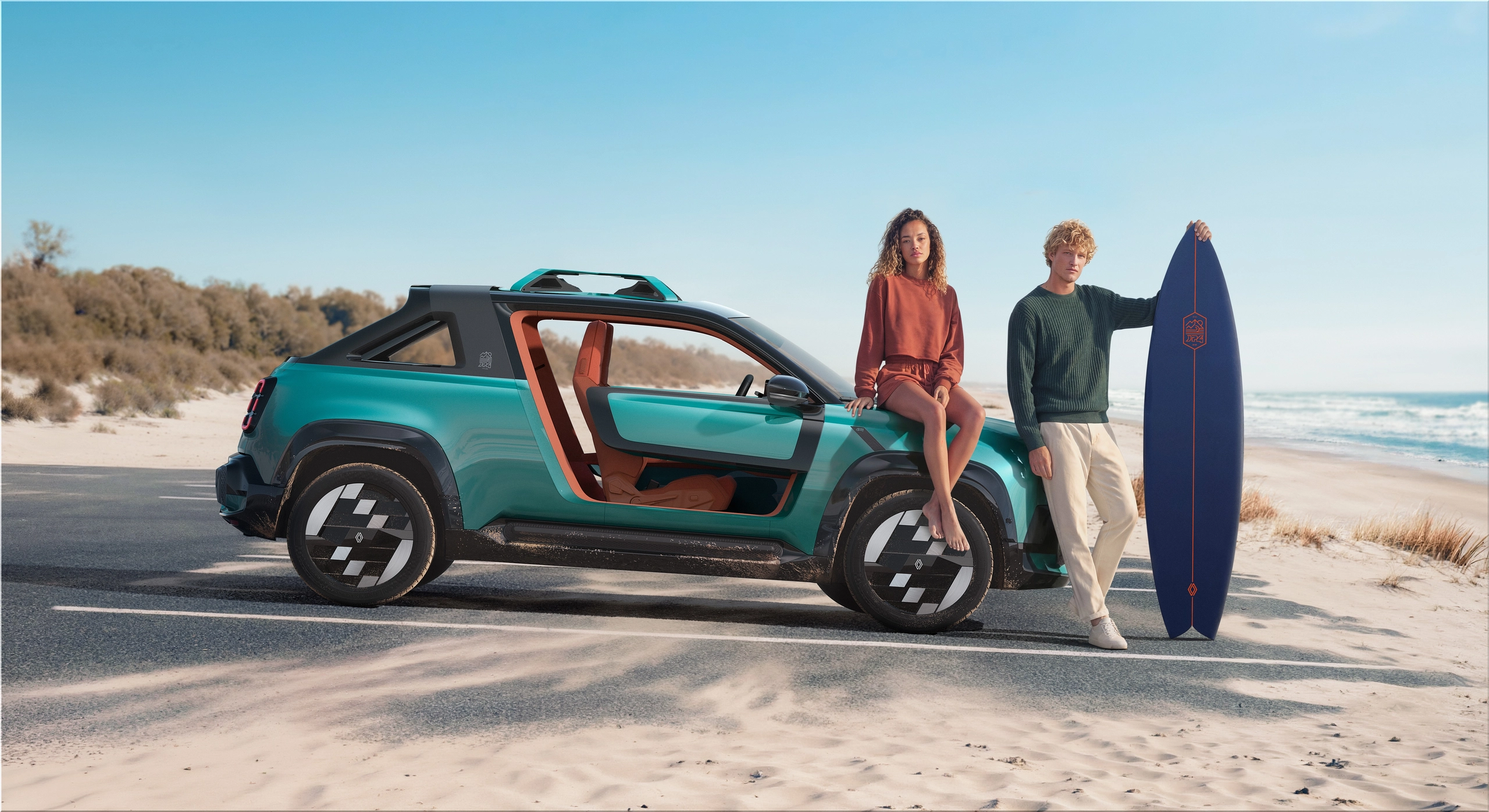
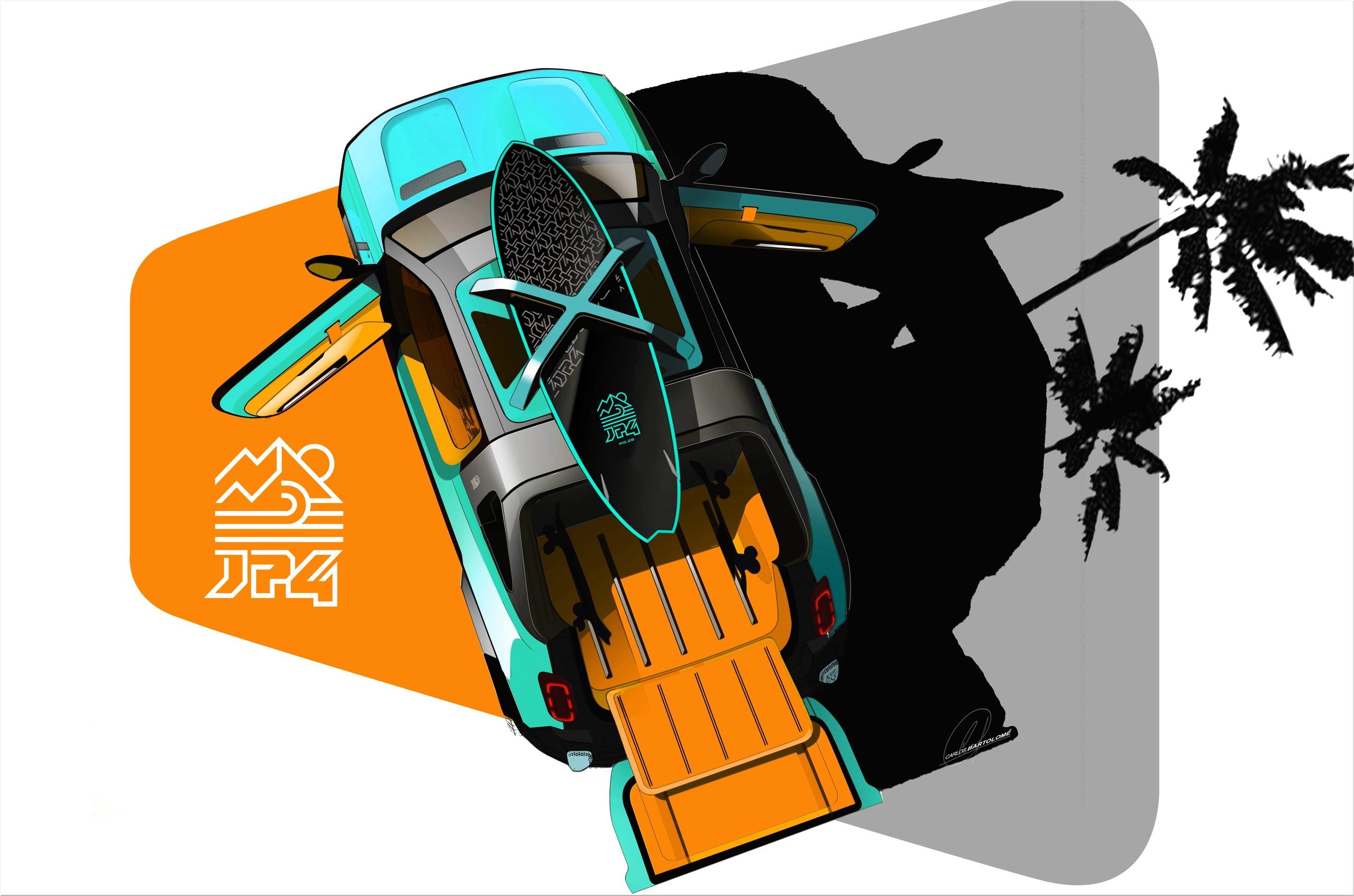
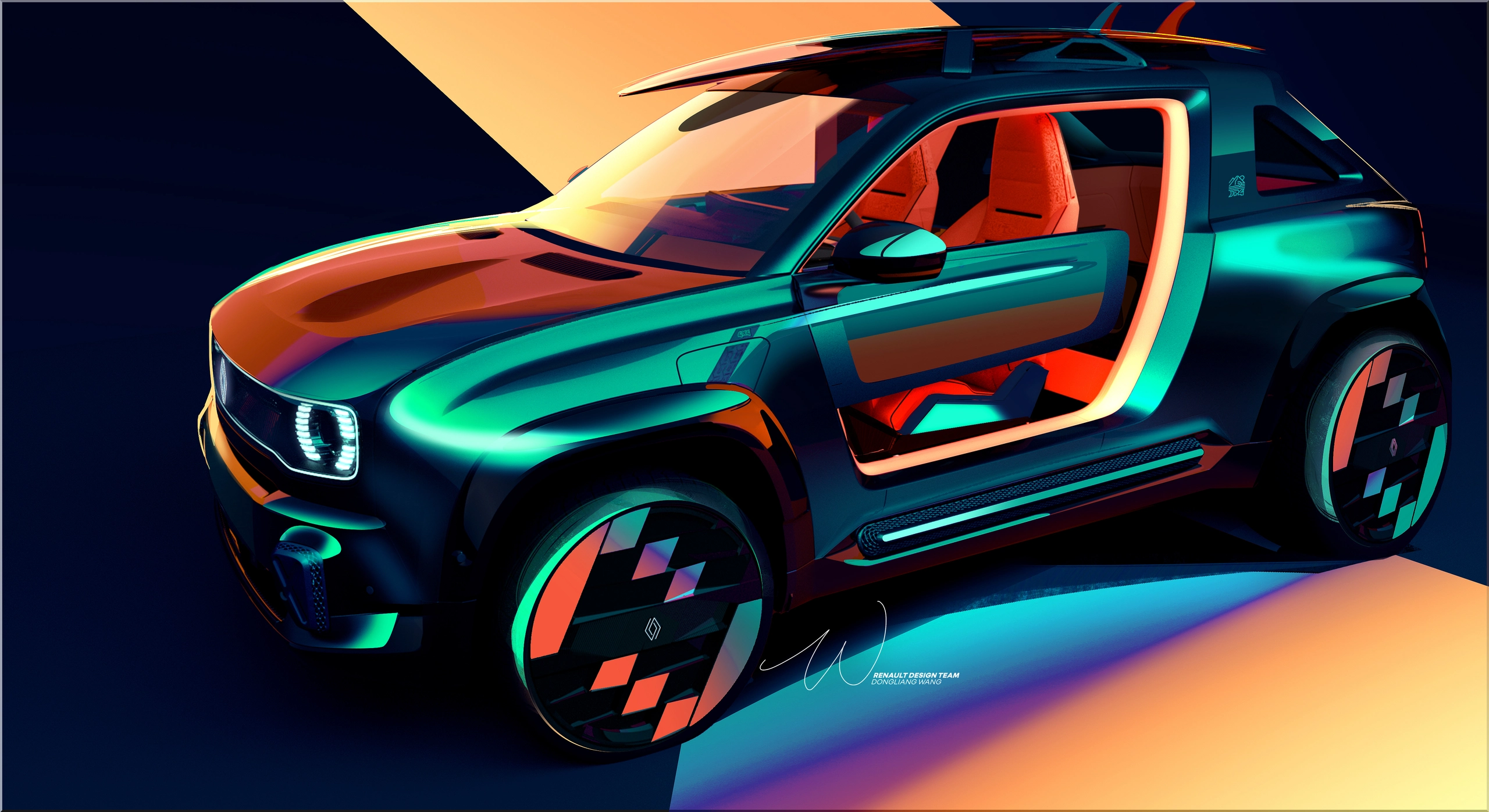
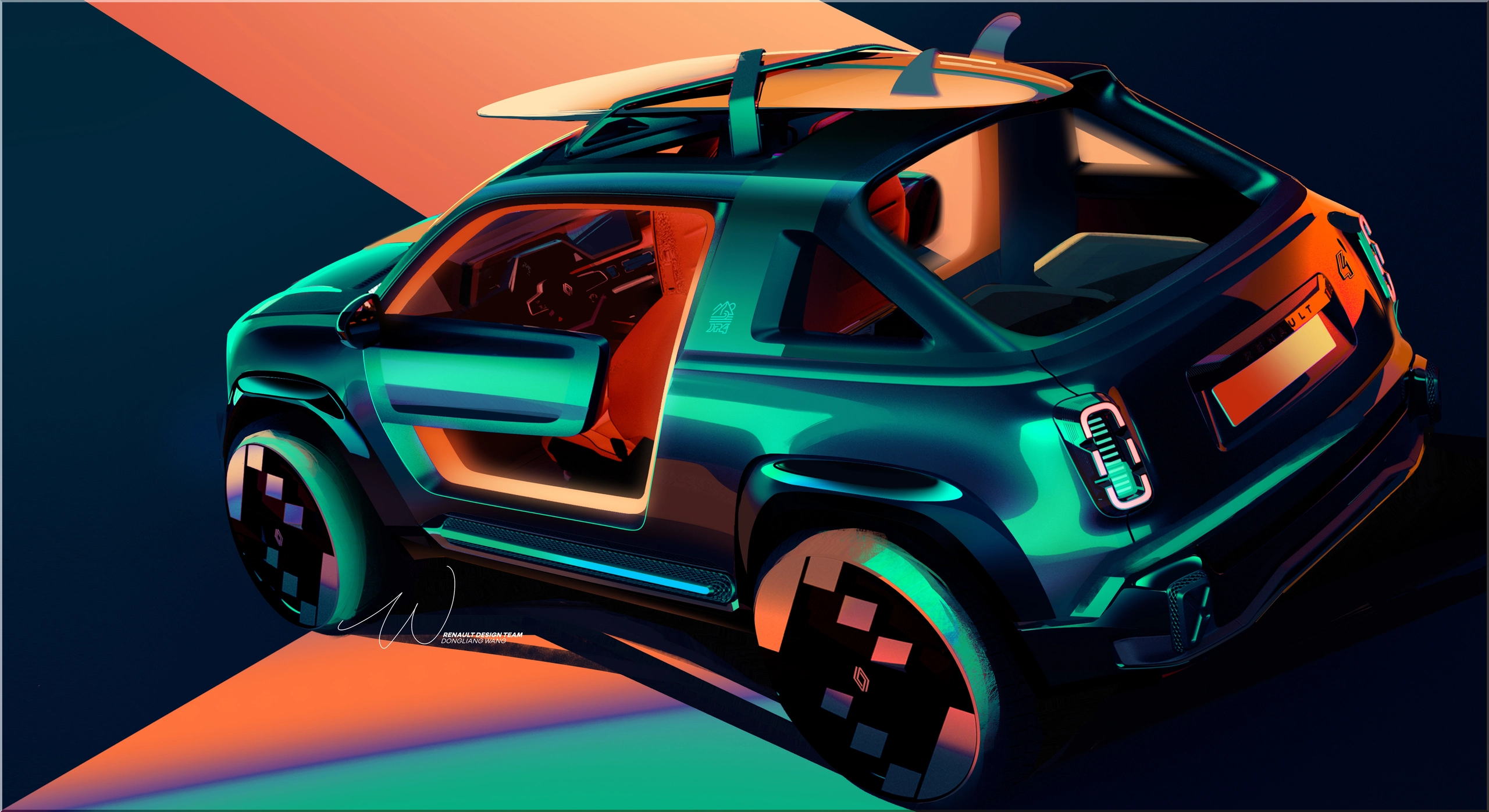
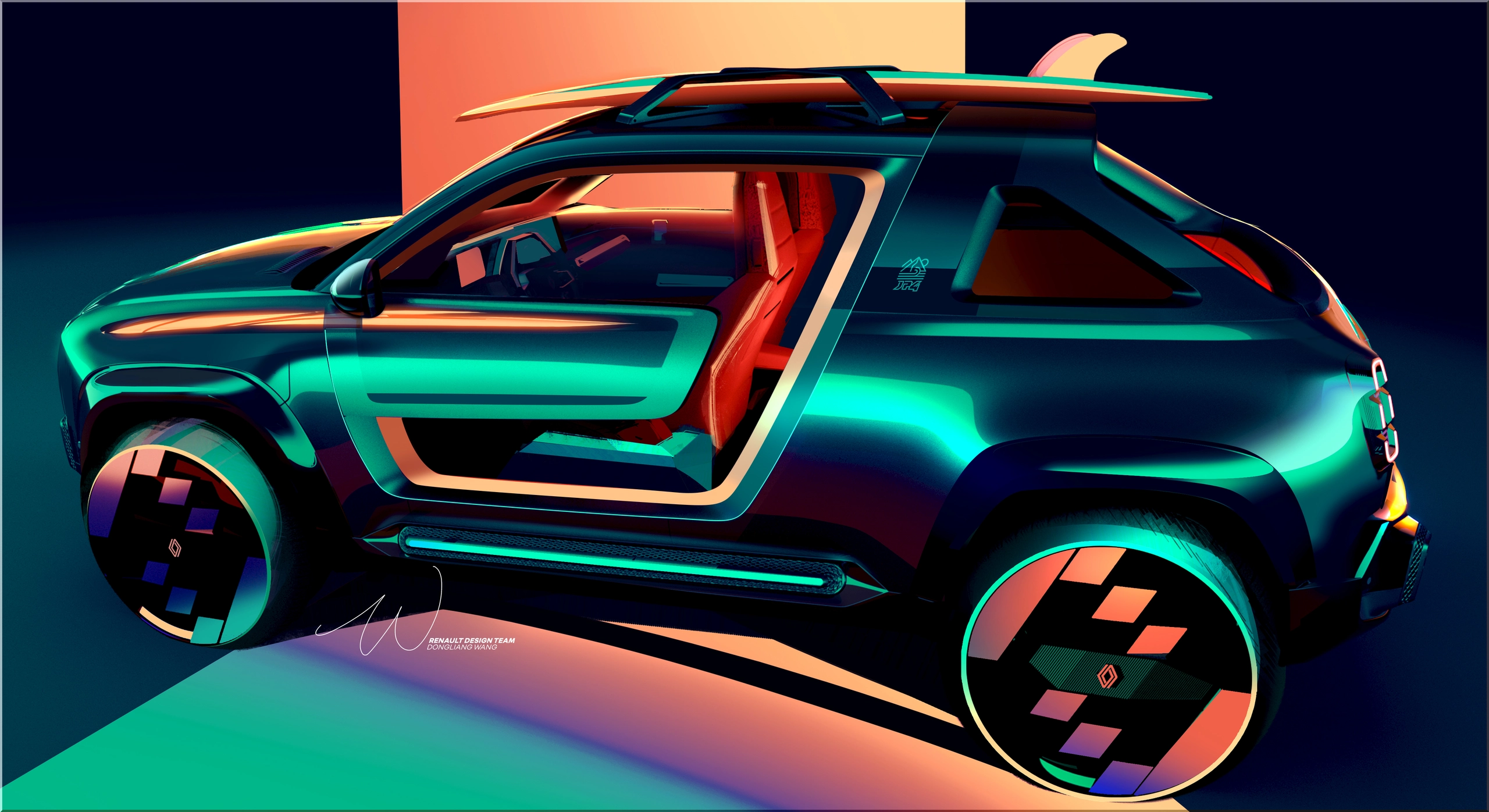
In addition, the design choices serve the beach-car mission rather than pure style. The openwork roof uses a cross structure to preserve stiffness, while the minimal doors and drop-down rear tailgate make the cabin feel closer to a pickup-style leisure vehicle than a typical crossover.
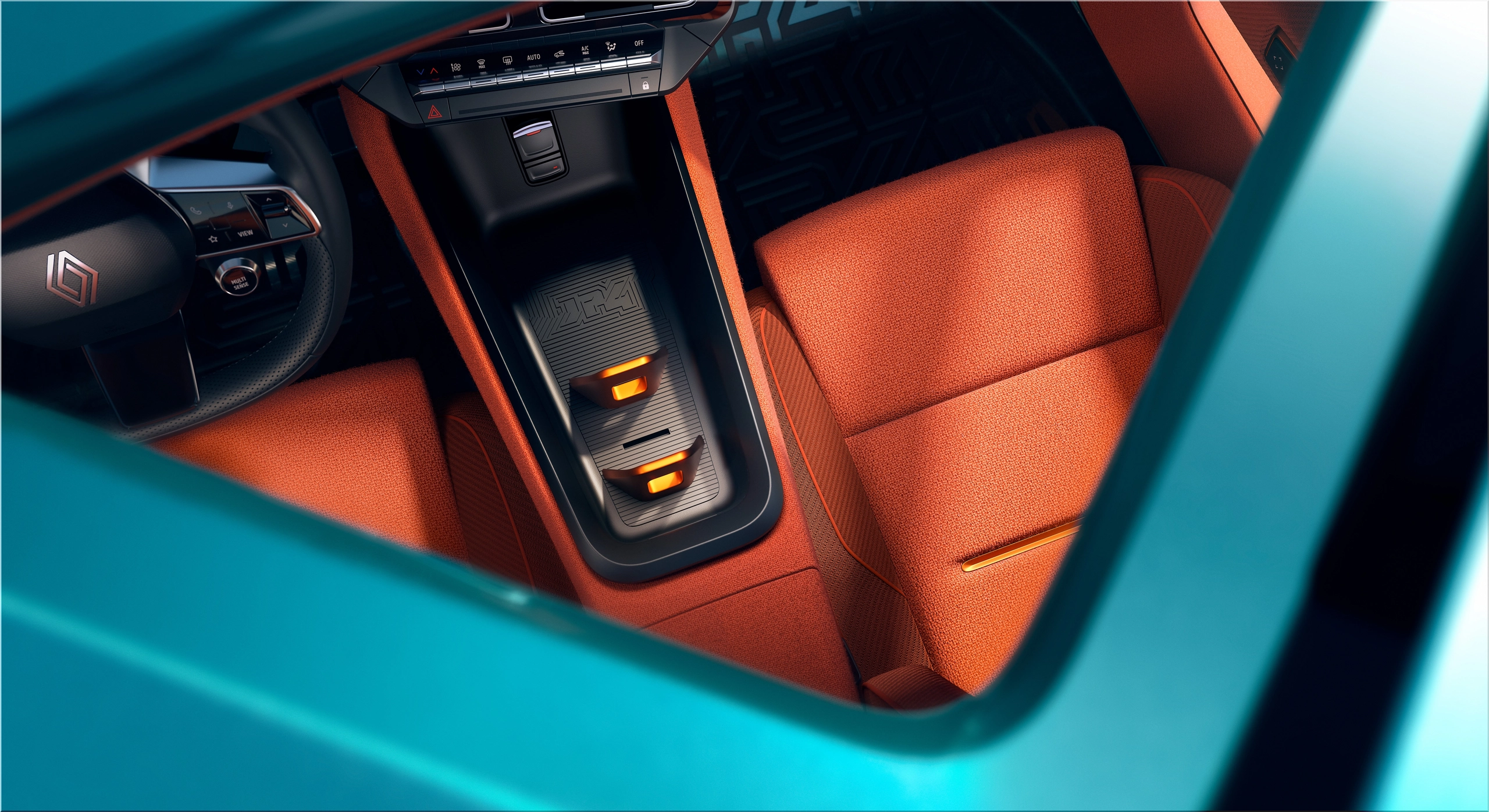
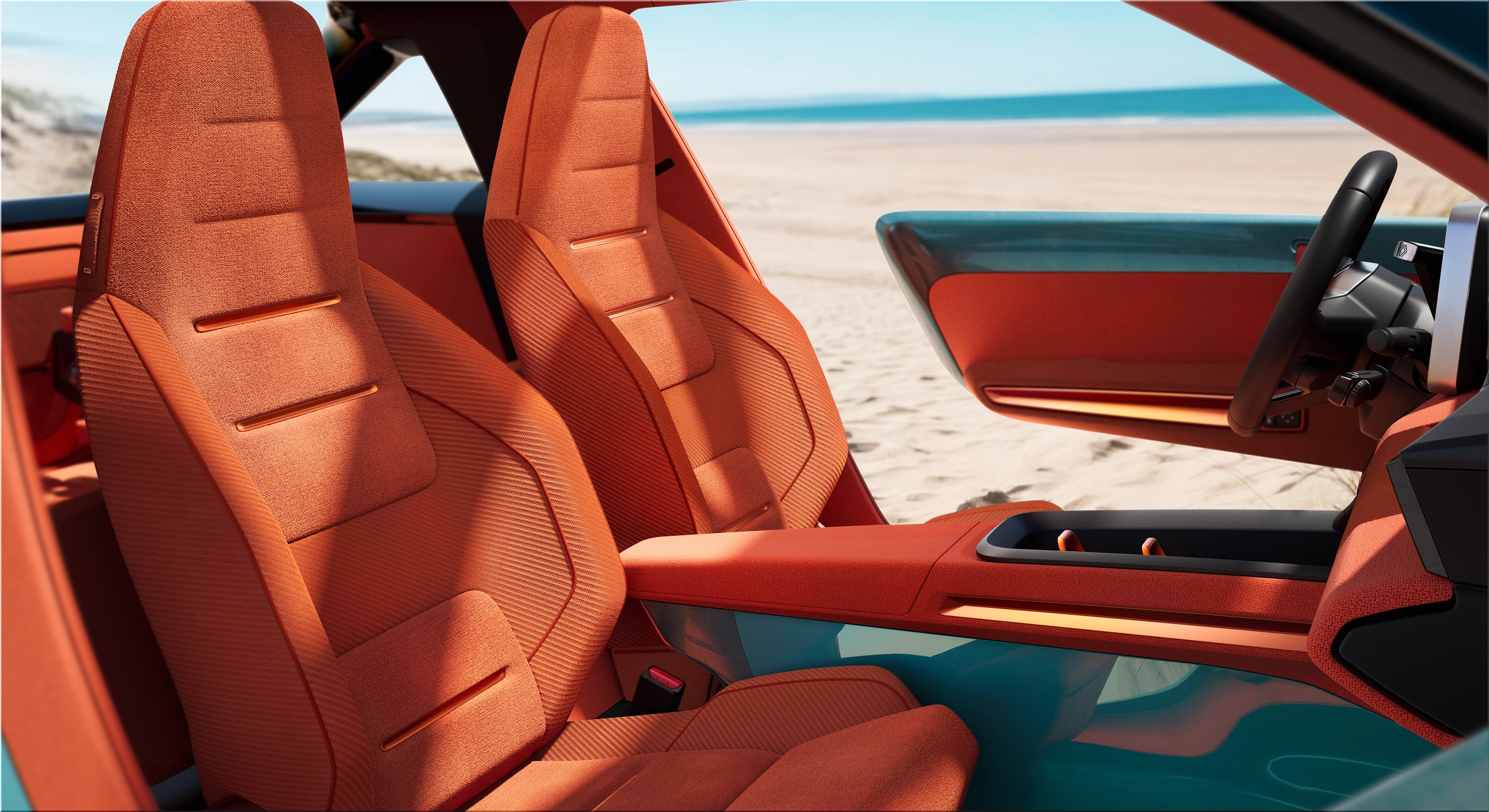
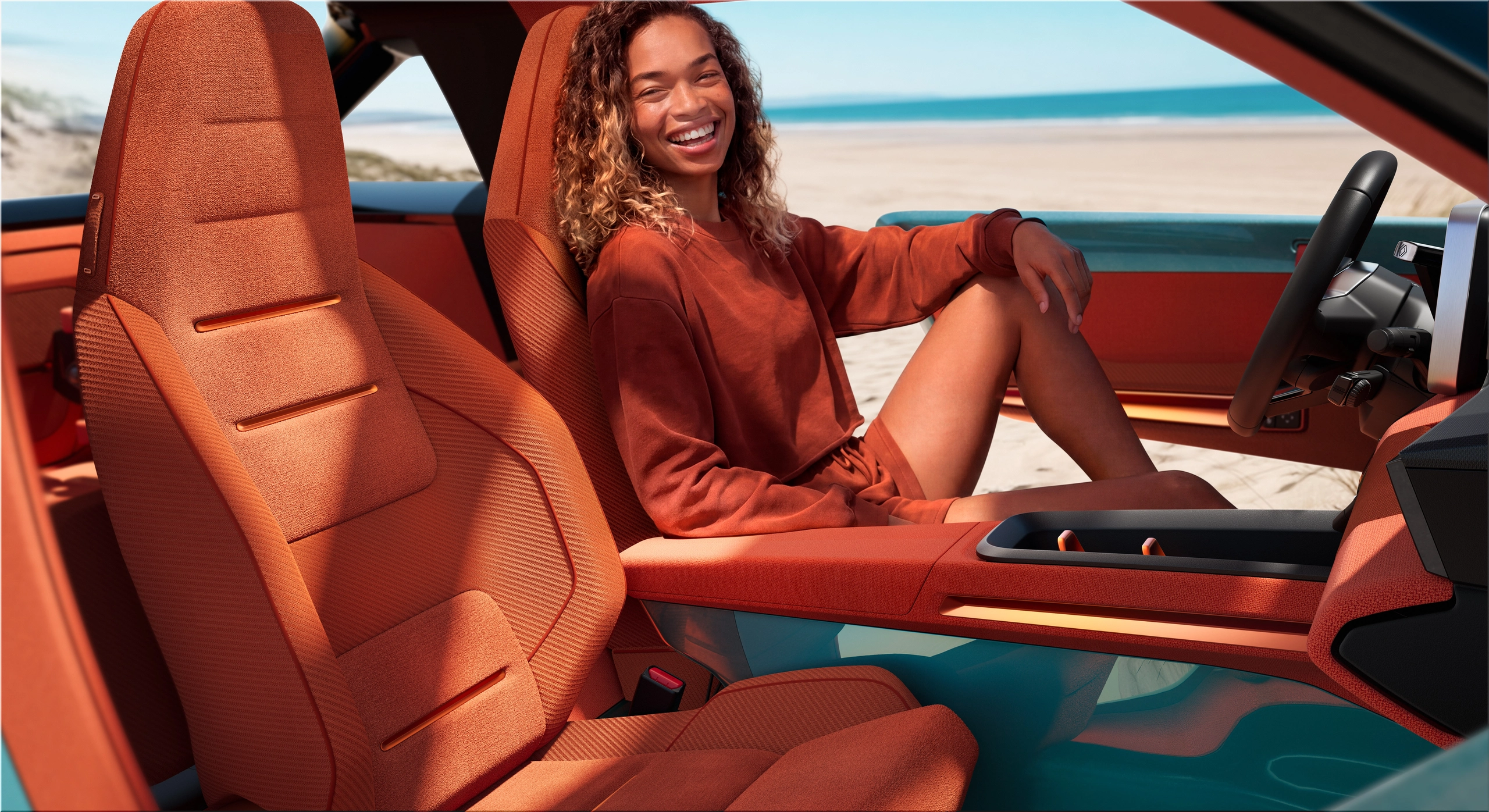
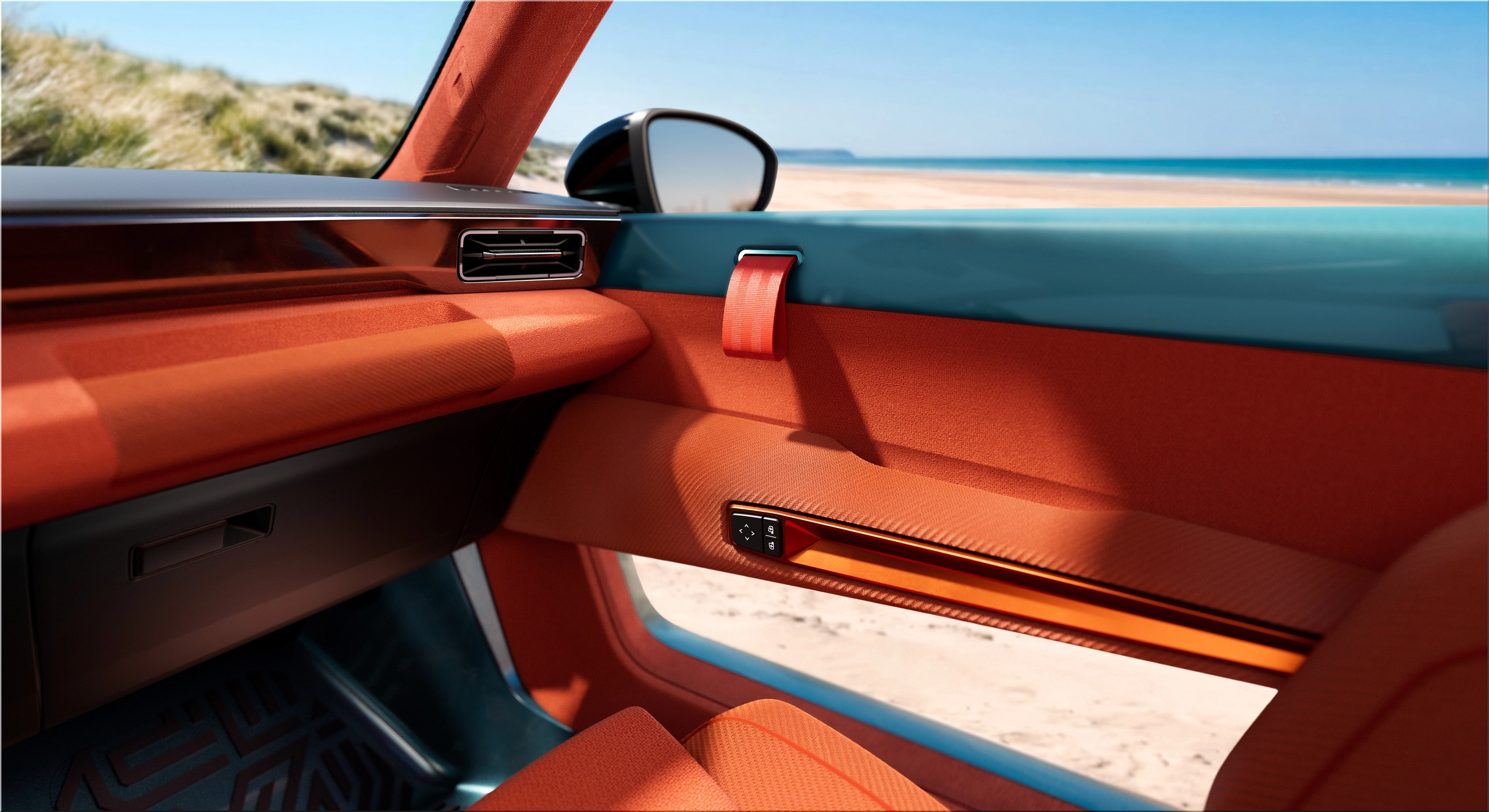
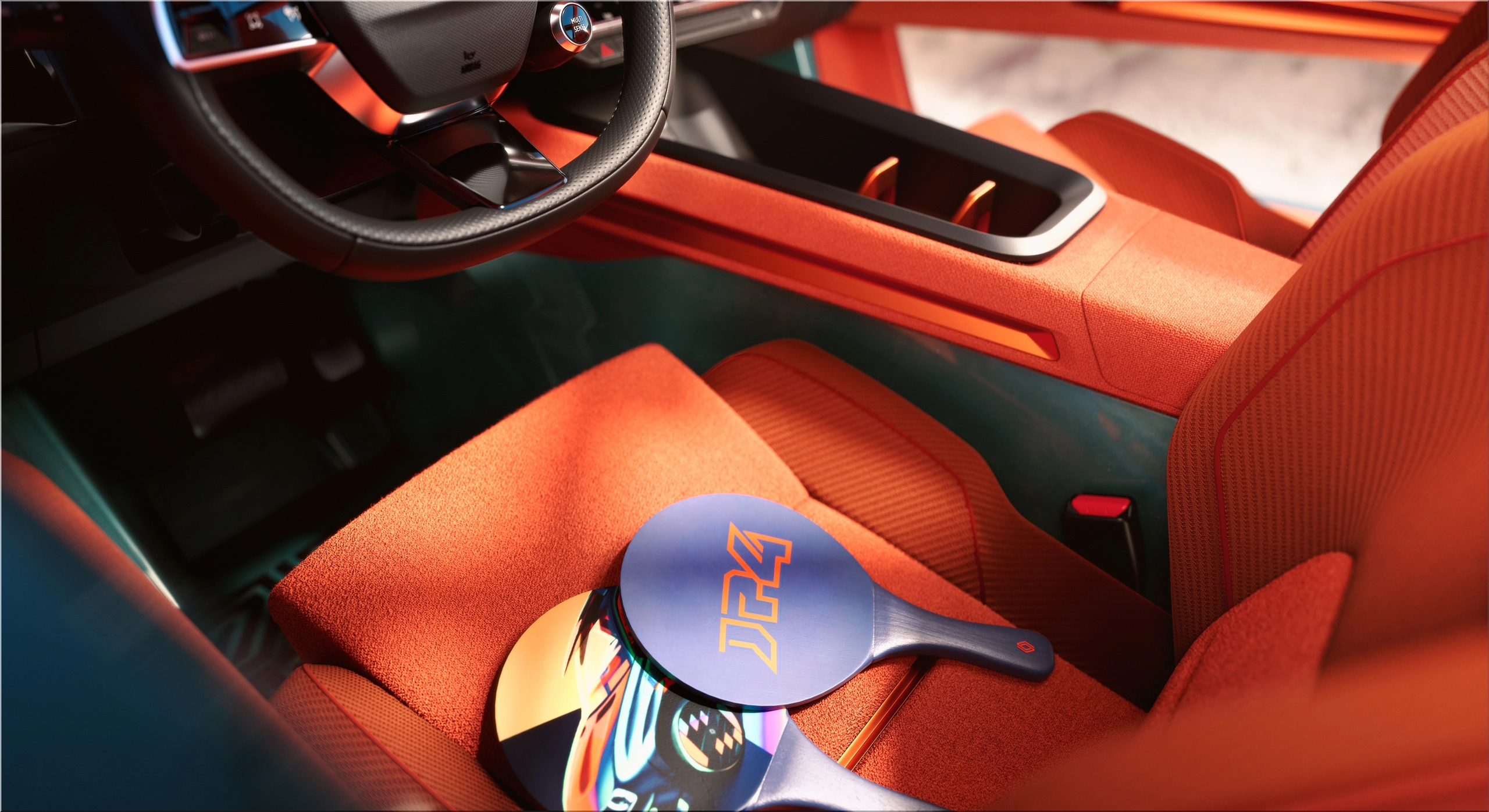
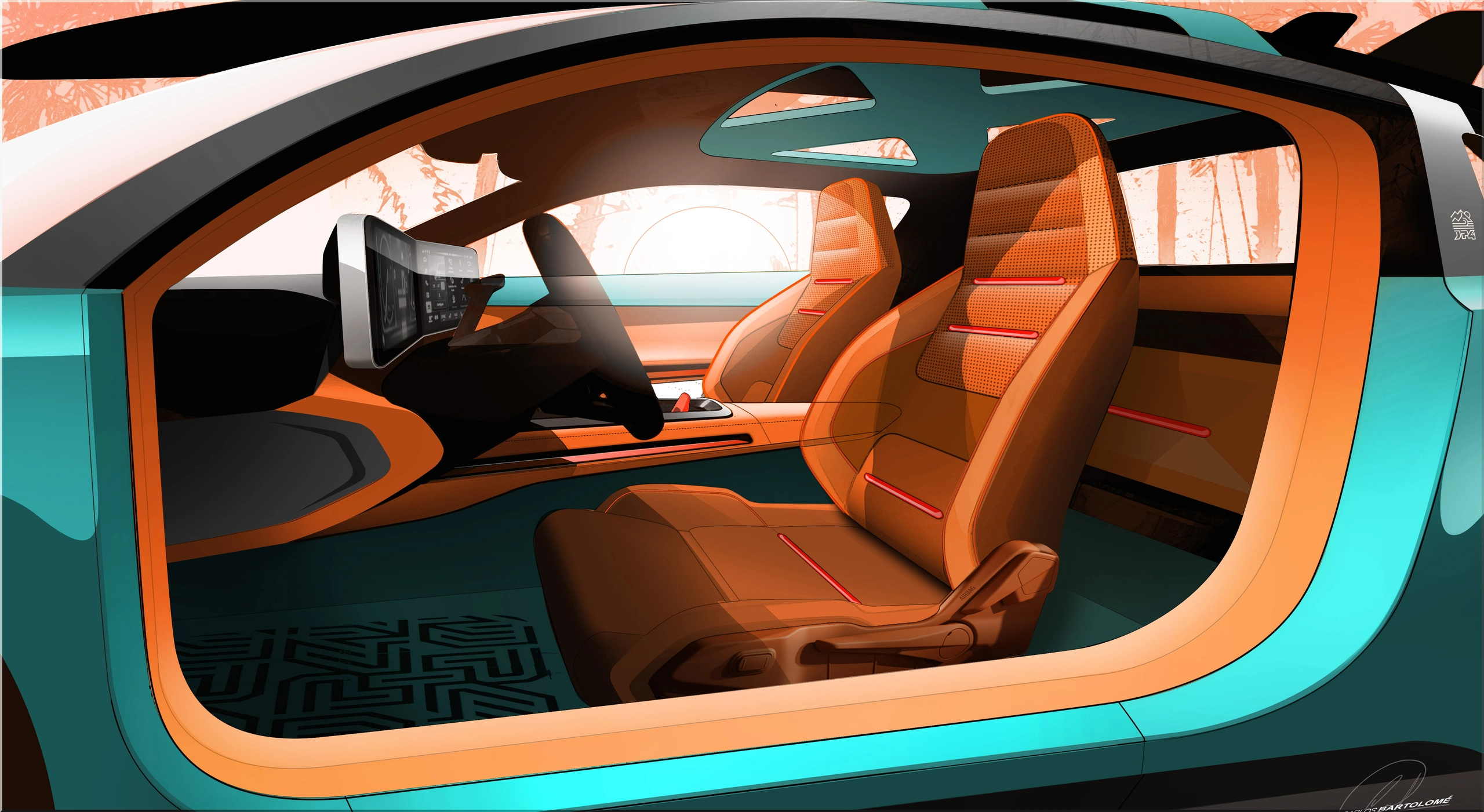
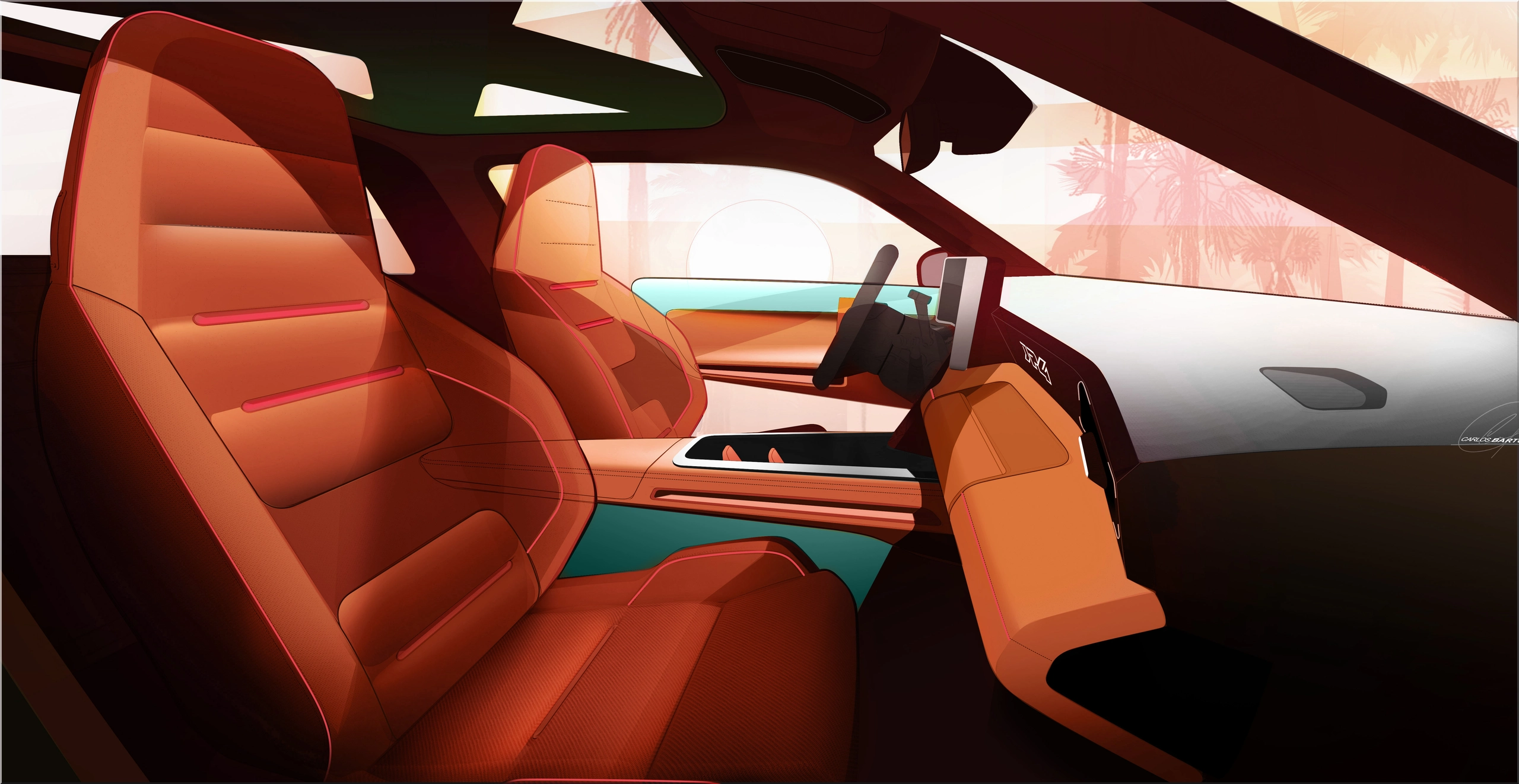
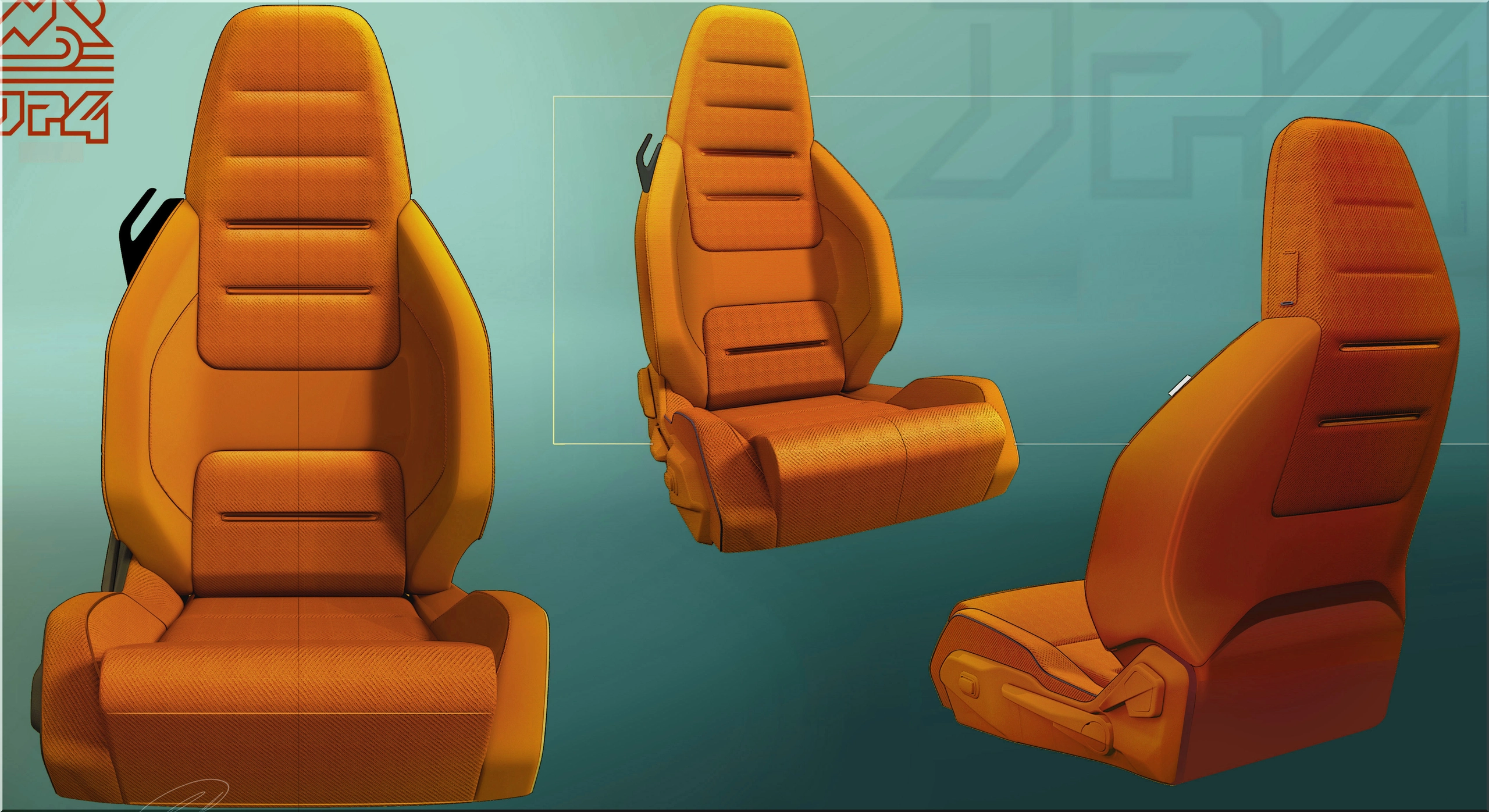
The orange interior, bucket seats, textile trim, grab handle, surfboard roof setup, and skateboard storage push the concept toward active outdoor use. Renault also links the JP4x4 to the original Plein Air and JP4, so the design team clearly wants heritage credibility without copying the old car panel for panel.

Key Engineering Takeaways
- Dual motors improve traction on loose surfaces.
- Higher clearance gives the battery pack more protection on rutted tracks.
- Wider tracks improve lateral stability.
- 225/55 tires add usable sidewall for uneven terrain.
- Open-air packaging trades refinement for leisure appeal.
- No production plan means price, range, and final power remain unknown.

Will Renault Sell the JP4x4?
Renault says the Renault 4 JP4x4 Concept remains a show car. That may disappoint buyers who want a small electric 4x4 that does not cost premium-SUV money, but the concept still carries strategic value. It proves Renault's small EV platform can accept a rear motor and support all-wheel drive.
Consequently, the real story sits under the bodywork. If Renault can make a dual-motor Renault 4 with acceptable range, sensible pricing, and no major cargo-space penalty, it could own a very specific niche: the affordable electric lifestyle 4x4.
What Now?
Buyers should treat the JP4x4 as a signal, not a shopping-list item. Watch for a production Renault 4 AWD variant, then judge it on three hard numbers: battery size, real-world range, and price. The design sells the fantasy. The drivetrain data will decide the business case.
Audi's activesphere concept is a unique crossover vehicle that fuses the luxury of an Audi Sportback with the utility of an SUV and the robust off-road capabilities of a traditional Audi. It shares the Audi PPE architecture with the… Continue reading

The Jeep Wrangler Magneto 3.0 concept is a testament to the brand's commitment to innovation and sustainable mobility. With each iteration, the Jeep Magneto has pushed the boundaries of what is possible with electrification technology in off… Continue reading
The Jaguar I-Pace is the very first 100% electric model from the British manufacturer, a viable mid-range electric SUV. The I-Pace present sustainable sports car performance, innovative artificial intelligence (AI) technology and five-seat… Continue reading
Kia launches in Germany the presale of the new generation of Soul 100% electric car. The basic version Kia e-Soul will be available from 33,990 euros, the more powerful version from 37,790 euros. The e-Soul shows a modern, new design, is… Continue reading